Recycling Fee Drives Car Price Hikes, Even for Ladas

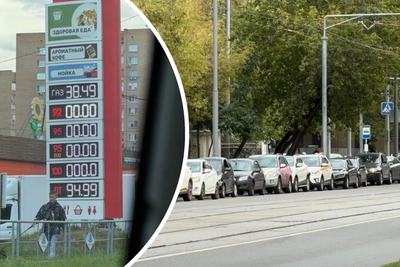
Car price hikes in January are a long-standing Russian tradition, but in 2026 it has become particularly noticeable. Almost all brands have rewritten their price tags, and the average «delta» is 50,000–100,000 rubles (about $556–$1,111 at current rates). It is important to note that cars have been continuously rising in price since mid-autumn, and some brands have adjusted their prices 3–4 times in the last couple of months. We detail which models have become more expensive and by how much.
Why Prices Sped Up
One reason for the price increase is a sharply risen recycling fee. For new cars with 1–2 liter engines, it increased from 667,000 to 800,000 rubles (+133,000 rubles, or about $1,478), but if the power is over 160 hp — it«s even more. For example, for 224 hp the recycling fee is more than 1 million rubles (+333,000 rubles, or about $3,700), and for used vehicles, electric cars, hybrids, and more powerful cars, the price increase is even stronger. This was compounded by general inflation and a rise in VAT.
AVTOVAZ Is No Exception
Domestic manufacturers also pay the recycling fee, so the price hikes did not bypass the Russian automaker AVTOVAZ either. However, since local assemblers receive compensation from the budget, it is easier for them to hold prices.
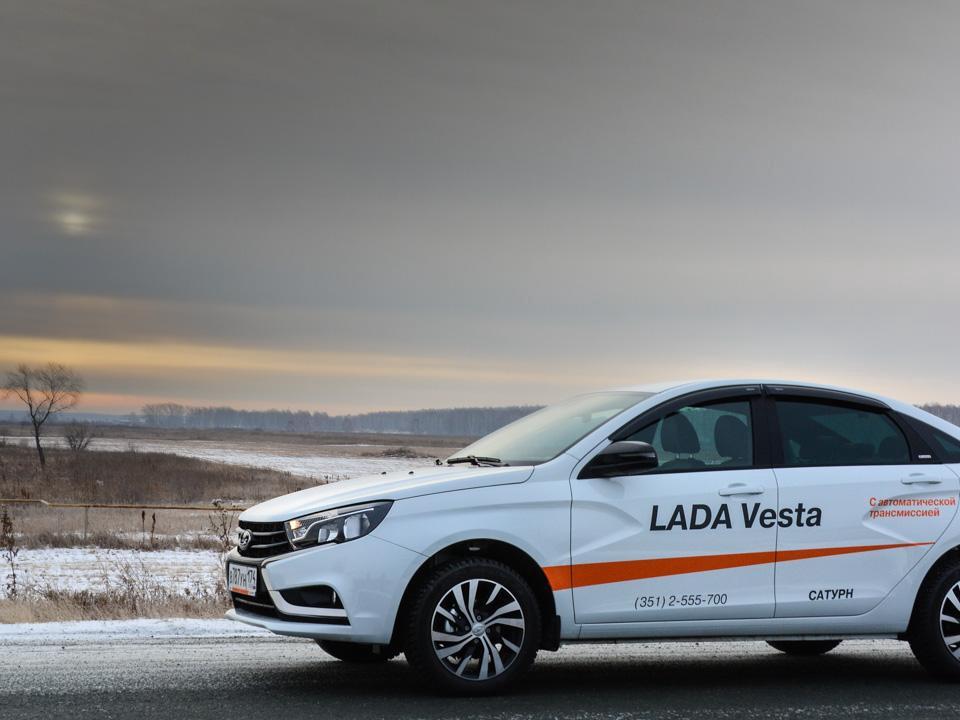
Interestingly, AVTOVAZ already raised model prices in December. For example, the Lada Vesta became more expensive then. This, by the way, cost AVTOVAZ dearly: in December, sales of the model almost halved, falling 45%, being overtaken not only by the Haval Jolion, but also by the Tenet T4 and T7. The arrival of the Lada Iskra, which competes with the Vesta, also played a part.
Nevertheless, the plant again increased prices in January, though for the freshest versions of the same Vesta the price changed symbolically — by 2,000 rubles (about $22). But last year«s cars became more expensive by 33,000 rubles (about $367): for example, the base Vesta in the Comfort»25 version now costs not 1.525 million rubles (about $16,944) but 1.558 million rubles (about $17,311). The sedan in the Techno trim with a 1.8-liter engine and CVT rose to 2.020 million rubles (about $22,444), the same cross-wagon — to 2.251 million rubles (about $25,011), and the most expensive SW Sportline version — to 2.525 million rubles (about $28,055).
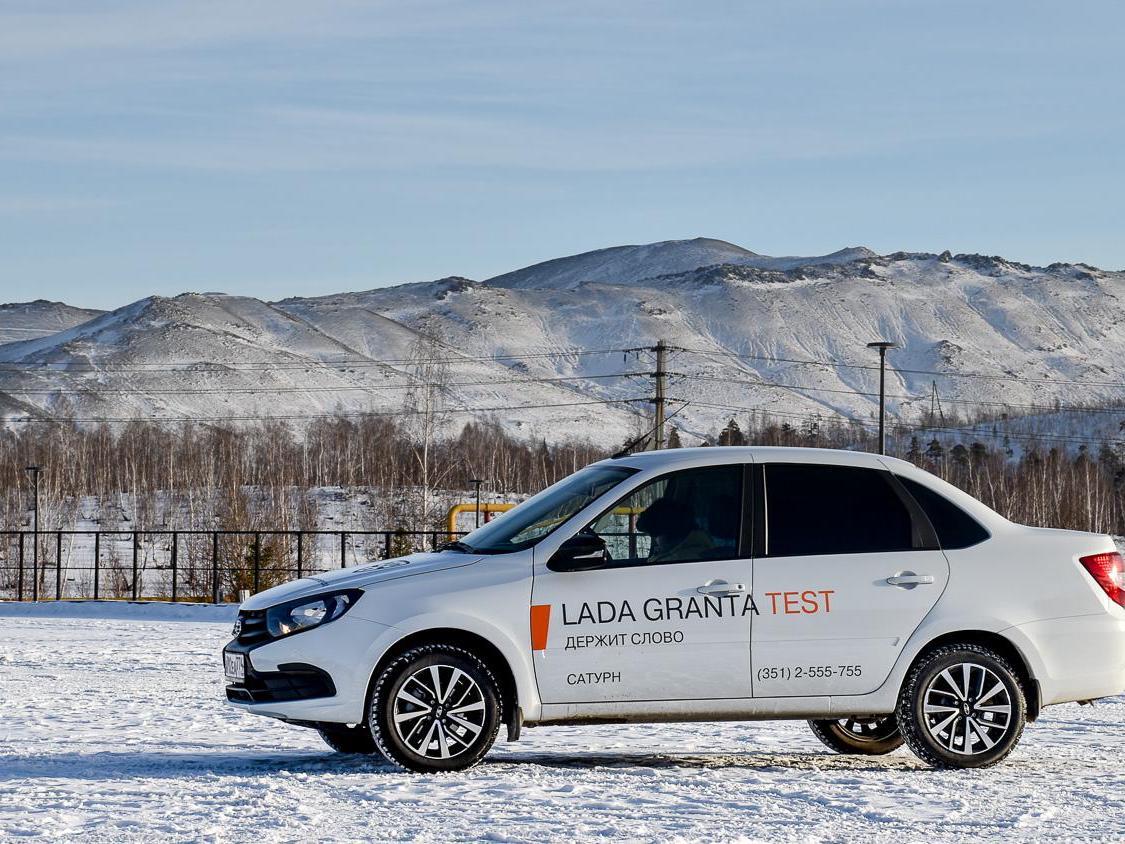
Other Ladas also rose in price: Granta — by 21,000 rubles (about $233), Niva — by 23,000–35,000 rubles (about $256–$389). However, the Largus, on the contrary, dropped by 73,000 rubles (about $811).
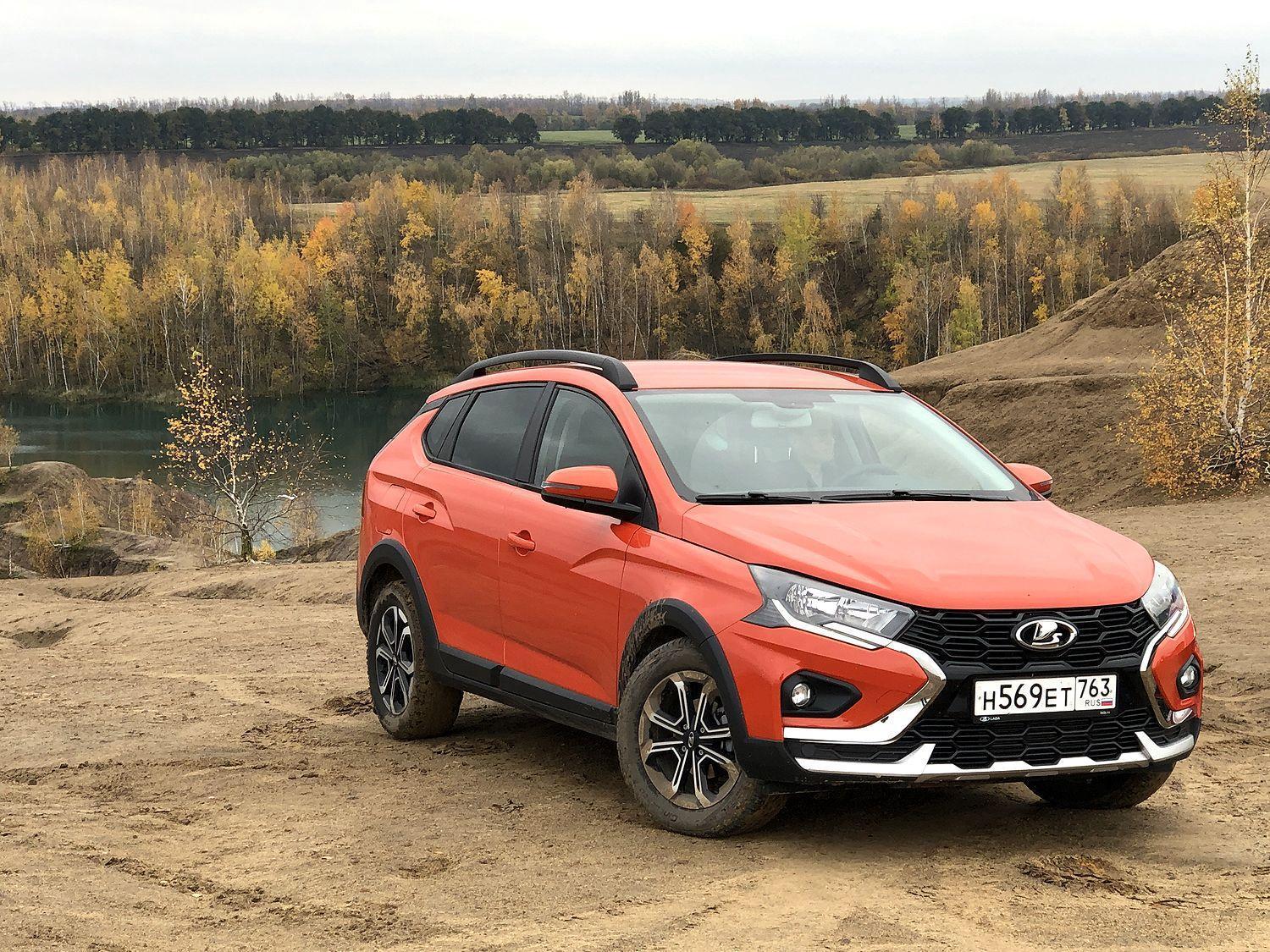
The new AVTOVAZ model Lada Iskra is gradually gaining momentum and in December entered the top-10 sales with a result of 3,200 cars, so it has a chance to catch up with the Vesta, which is losing customers. But the price hike did not bypass it either: if the base price of the Lada Iskra started from 1.249 million rubles (about $13,878), now it is 1.277 million rubles (about $14,188). The SW Cross version in the Techno trim, which we tested in the fall, costs today 1.747–1.827 million rubles (about $19,411–$20,300).
What About Foreign Brands?
According to auto expert Oleg Moseev, models from Haval, Geely, Belgee, Changan, Solaris, Omoda, and Jaecoo have risen in price by around 50,000–100,000 rubles (about $556–$1,111).
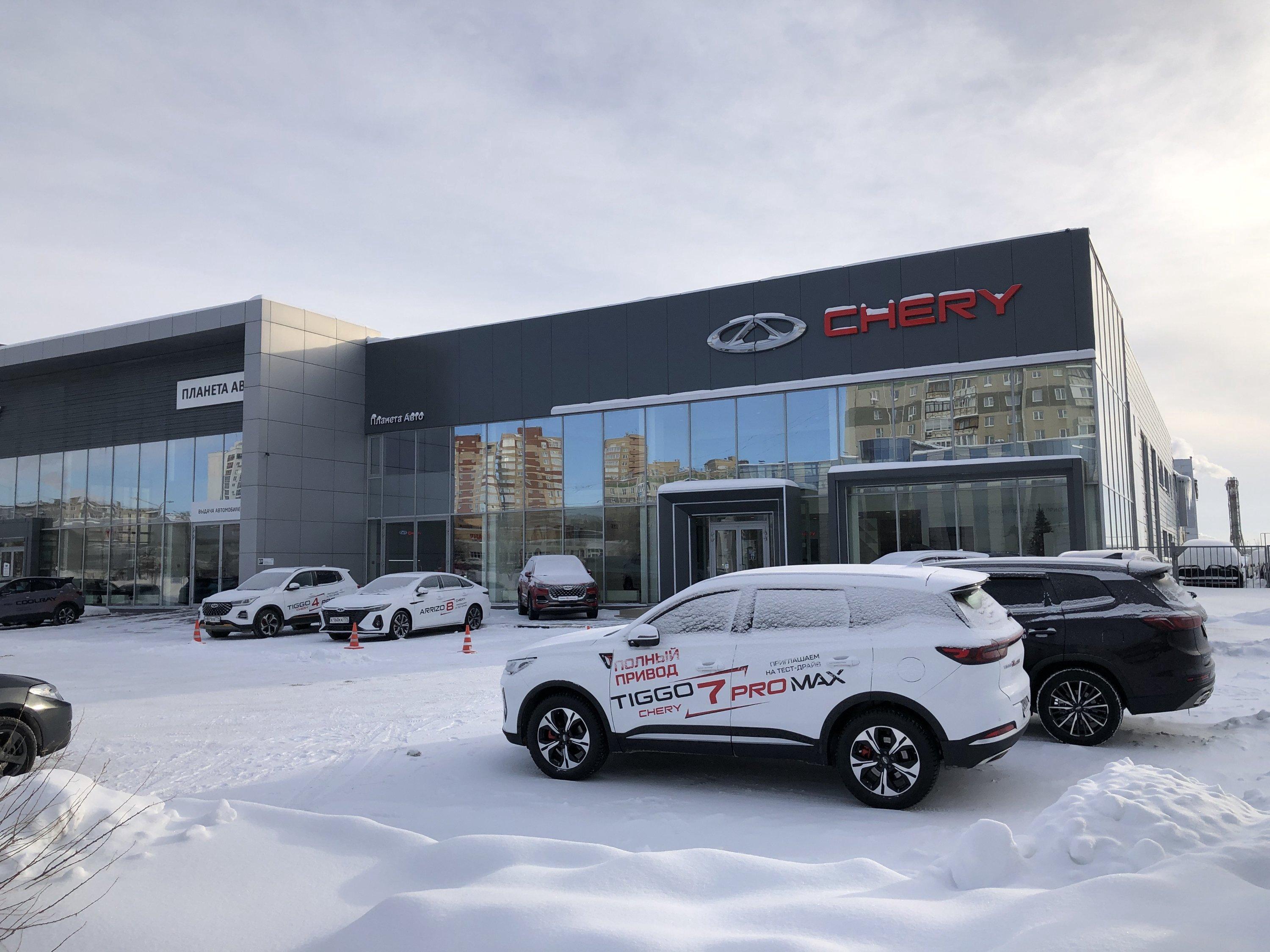
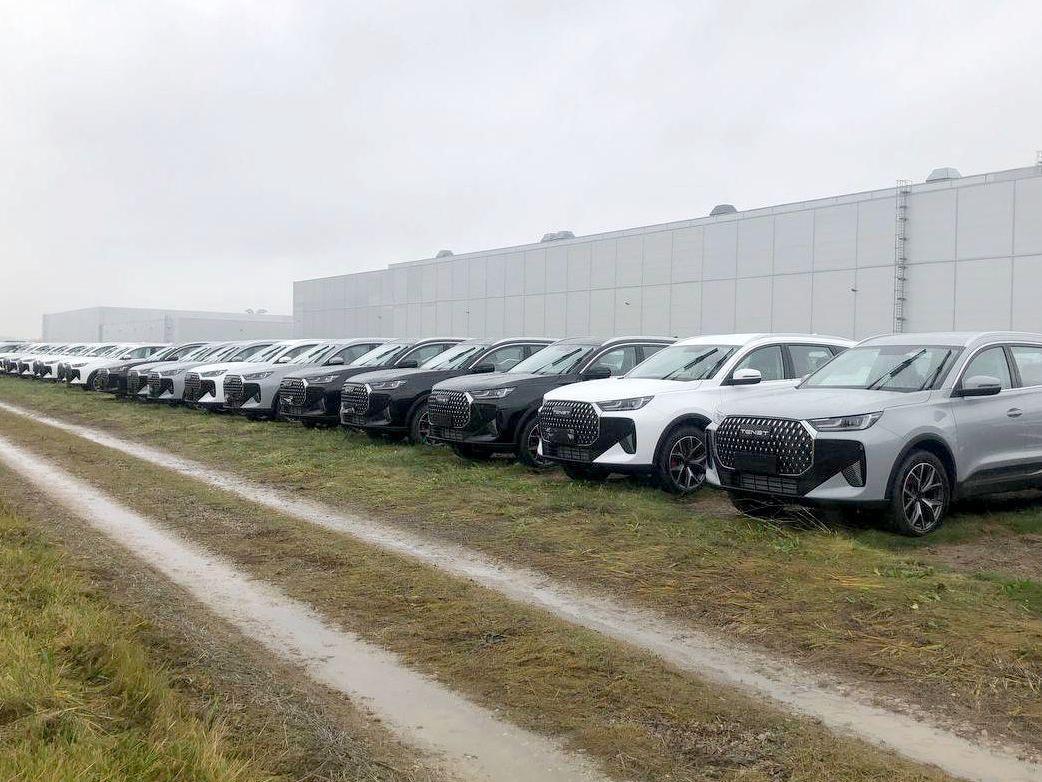
The new bestseller Tenet also added to its price: if in September the ex-Chery Tiggo 4 was offered from 1.999 million rubles (about $22,211), now the price of the Tenet T4 has grown to 2.039 million rubles (about $22,655). Versions with a turbo engine and a robot cost from 2.22 million rubles (about $24,667), now — 2.295 million rubles (about $25,500). The Tenet T7 could be bought in the fall for 2.68 million rubles (about $29,778), now — from 2.735 million rubles (about $30,389).
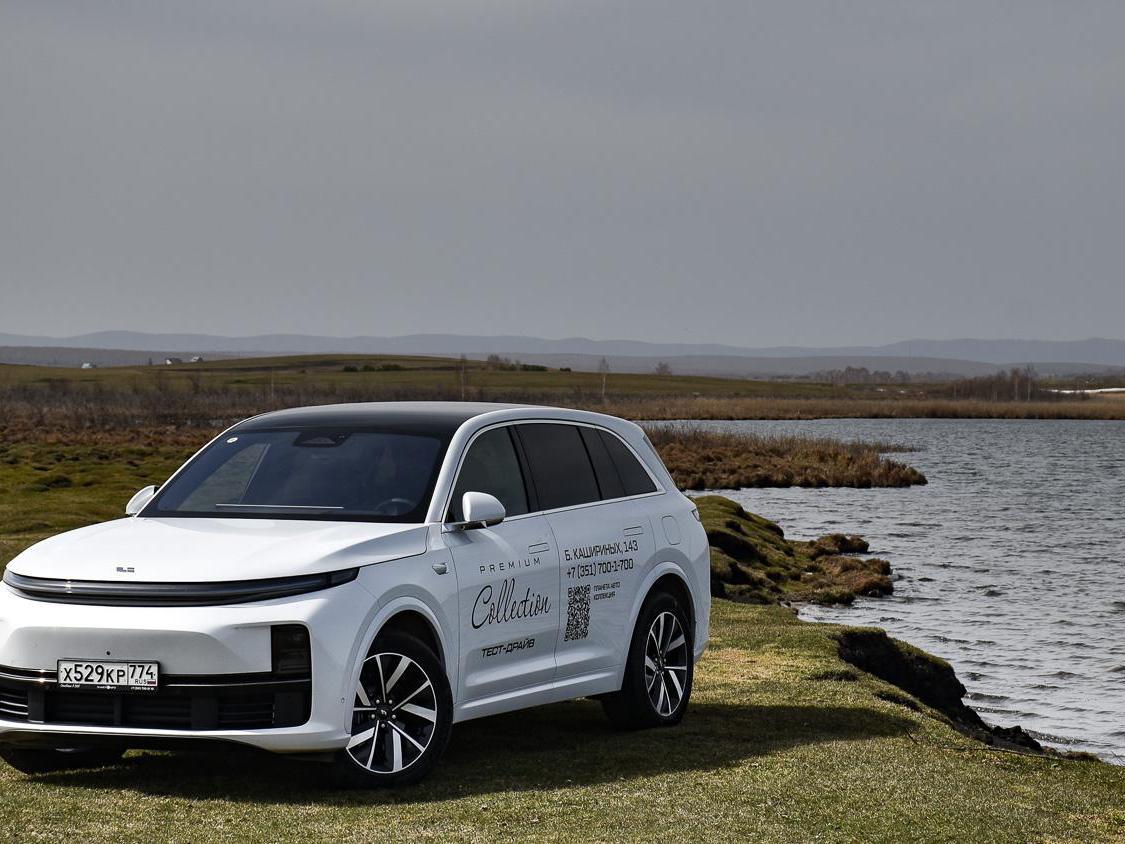
For brands that sell powerful and expensive cars, the increase is stronger: Tank added 100,000–300,000 rubles (about $1,111–$3,333), Lixiang — 140,000–190,000 rubles (about $1,556–$2,111), and this is on top of a December surcharge of around 1 million rubles (about $11,111). The newly emerged brand Nordcross, under which sinicized analogs of the Volvo XC90 are sold, raised prices by 540,000 rubles (about $6,000), and the Rox 01 rose by 133,000 rubles (about $1,478).
Will There Be Further Price Increases?
Much depends on the population«s purchasing power. In the fall, prices began to rise due to strengthening demand against the backdrop of negative expectations, and after such peaks, the market traditionally dips. Analysts do not expect activity in the first half of the year, which should slow price growth.
However, the current markups have not yet offset the increase in the recycling fee (approximately 130,000 rubles, or about $1,444), so another round of car price hikes by spring is not out of the question. Dealers are currently selling off last year«s leftovers, sometimes with large discounts, but the next batches will go at new prices. An additional risk factor — exchange rates. A weakening ruble could give a new impetus to price growth, although such a cycle usually stretches over 3–6 months.
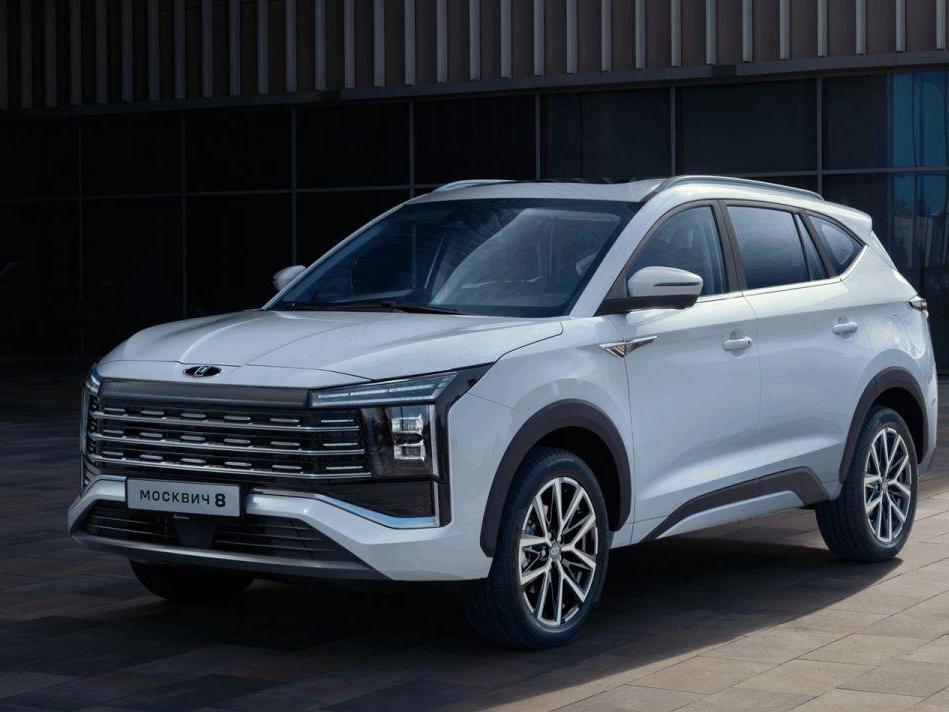
On the positive side: Russia is switching to locally assembled cars. In 2025, their share exceeded 50%: these are Ladas, localized foreign brands (Haval), and «new Russian brands» (Tenet, Moskvich). Thanks to government subsidies, such producers are more flexible in setting prices, but whether they will want to use this depends again on the intensity of demand.
Here is a list of new models expected on the market in 2026. During the New Year holidays, we wrote about the new Dongfeng Mage, Jetour T1 and GAC Empow.