Krasnodar Transport Union Head Discusses Fines and Fare Increases
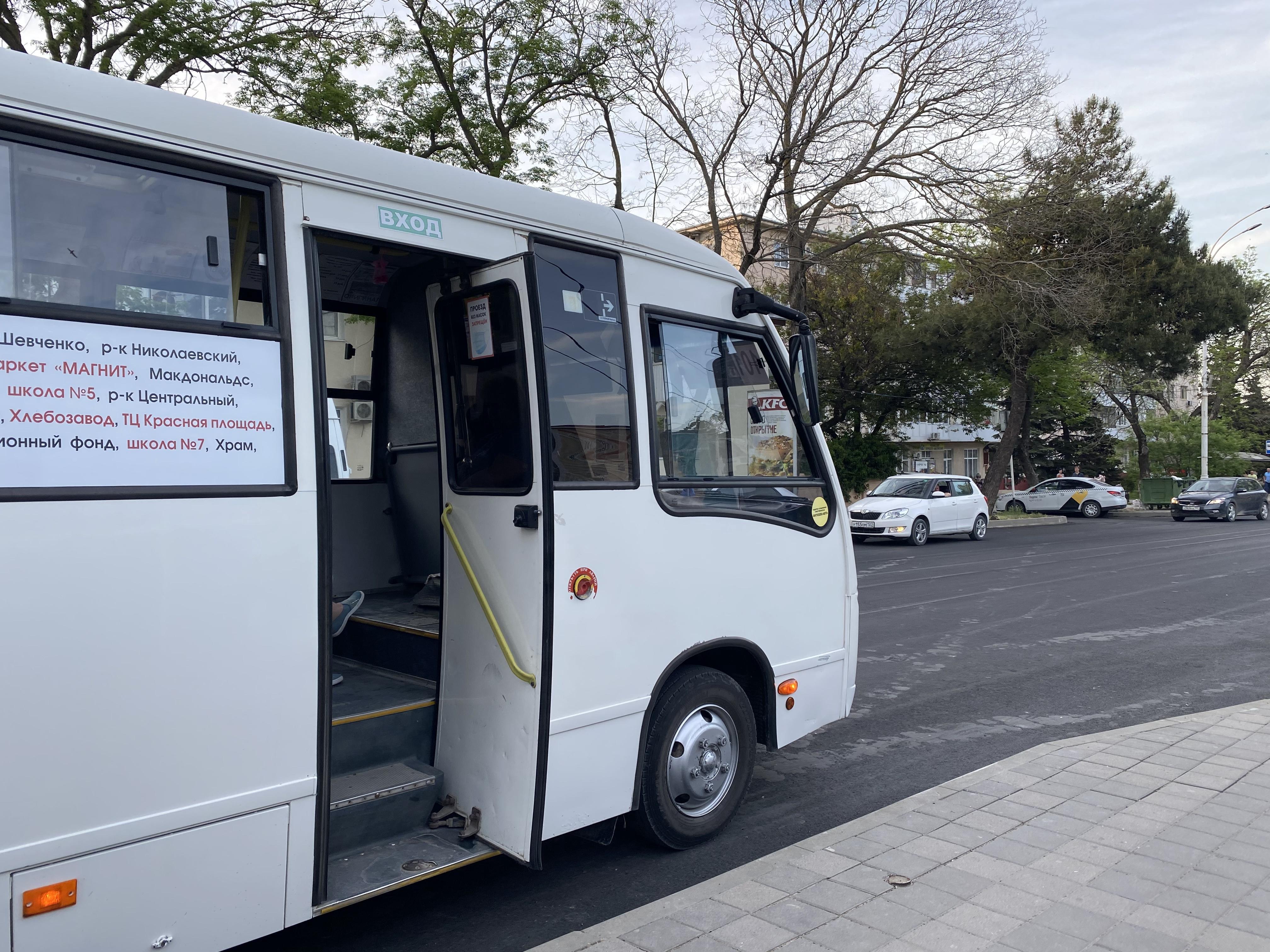

Chairman of the Union of Motor Transport Workers of Kuban, Ivan Petrov, commented to 93.RU on the situation around recent fines from the Federal Antimonopoly Service (FAS). Recall that the Municipal Unitary Enterprise «KTTU», Limited Liability Company «Kuban», and LLC «Technotrans-Yug» were accused of unjustifiably raising fare prices.
According to Petrov, it is premature to give a definitive assessment of the antimonopoly service«s decisions since the carriers are already challenging them in court.
«After the court makes a decision, we will accept it.»
Speaking about the possibility of operating without raising tariffs, Petrov pointed out Krasnodar«s key problem—low average traffic speed. According to him, the city consistently ranks among Russian metropolises with the worst traffic jams, which directly impacts transport economics.
«The lower the traffic speed, the higher the tariff, because the bus is stuck in traffic, makes fewer trips, and transports fewer passengers,» he believes.
When asked whether residents should expect a new fare increase this year, the Union chairman replied that there is no such information at the moment.
Recall that the last increase for private carriers occurred at the end of 2024, and in May 2025, tariffs were also raised on routes operating under municipal contracts (gross contracts).
«As far as I know, no one planned to raise tariffs in the coming days or weeks,» Petrov stated.
He emphasized that tariff revisions generally depend on inflation, rising fuel prices, spare parts, and equipment:
«If we want to ride good transport, someone has to pay for it.»
At the same time, Petrov agrees that there is not much «good transport» in Krasnodar. According to him, without state support, it is increasingly difficult for carriers to buy new buses.
«Last year in Krasnodar, non-commercial carriers purchased only 14 new buses. Although in all previous years the figure averaged about 60,» said the head of the STK.
Petrov named high interest rates and short-term contracts with the city as reasons for the difficulties in purchasing new rolling stock.
«They are not sure about tomorrow. And this limits them in making decisions,» he explained.