Snowdrifts exceed norm, threaten floods in Trans-Urals
Meteorologists report that snowdrifts in the Trans-Urals reached 26–40 cm by late January, 1–11 cm above the long-term average, raising concerns about spring flooding.
Apr 30, 2026 0
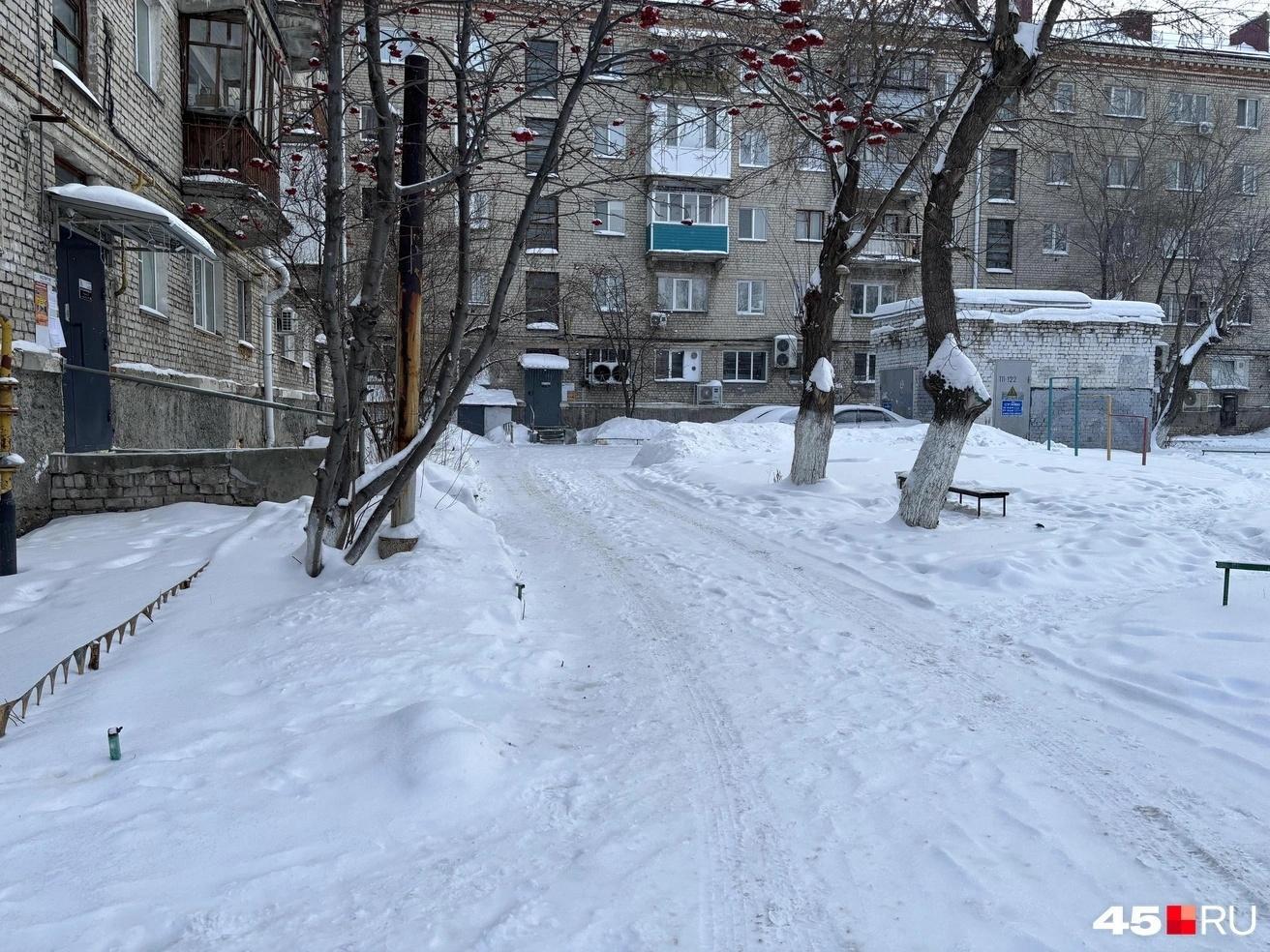

Snowfalls in January surprised both Trans-Urals residents and weather forecasters.
Source:
In the Trans-Urals, by the end of January, snowdrifts had grown to 26–40 cm (10–16 inches), which is 1–11 cm (0.4–4.3 inches) more than the long-term average. For most of the month, light snowfall occurred. However, in early January, as well as from the 8th to the 20th and on January 31, weather forecasters recorded more intense precipitation — up to 7 mm per day. Western areas received up to 175% of the normal moisture, while the east saw only about 70–76%, according to the website of the Kurgan Center for Hydrometeorology and Environmental Monitoring (Kurgan TsGMS).
The large amount of snow could lead to flooding. According to the forecast of Rosgidromet (the Russian Federal Service for Hydrometeorology and Environmental Monitoring), in spring 2026, the water level in the Tobol River in the Trans-Urals may exceed the norm.
January turned out to be uneven and moderately cold. The average monthly temperature was -16 to -19°C (3 to -2°F), a couple of degrees below the climatic norm. The first ten-day period was 4–7°C (7–13°F) warmer than normal. For Kurgan, it ranked among the ten warmest such periods in the entire observation history, taking ninth place.
During the second and third ten-day periods, the region experienced abnormal cold. Frosts hit the region from January 13–17 and from January 21–27. In Dalmatovo (Kurgan Oblast) and the village of Pamyatnoye (Kurgan Oblast), thermometers dropped to -40°C (-40°F) on January 23 and 24.
Read more