Sexologist Reveals Dark Side of Dating Apps as Marketplace
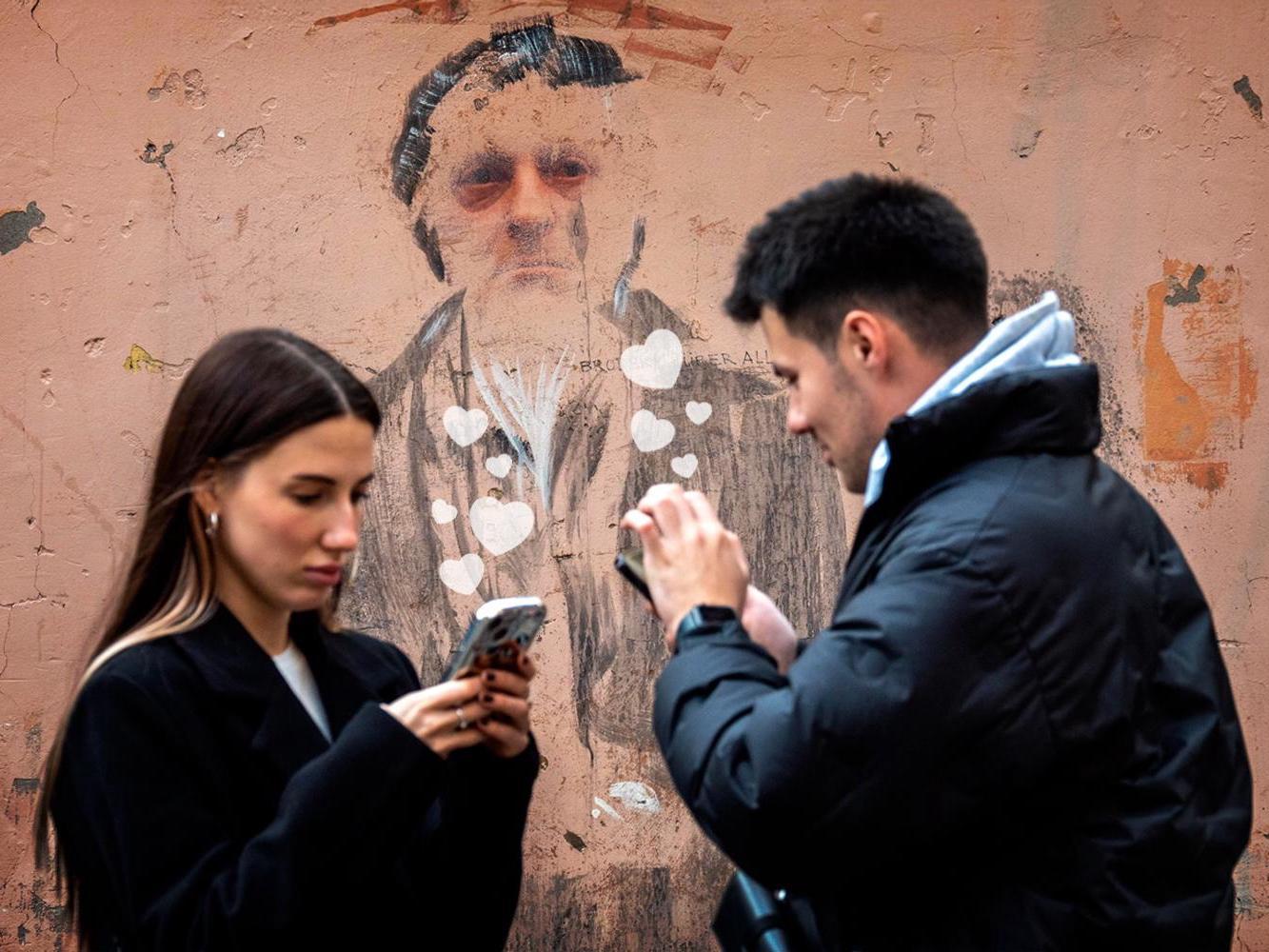

We swipe for hours, chat, get disappointed, delete the app, repeat. Does this vicious cycle sound familiar? Dating apps have long been a part of daily life, but instead of long-awaited love, they bring anxiety, burnout, and a sense of an endless display of potential partners.

Our colleagues at 72.RU spoke with systemic family psychotherapist and sexologist Elvira Sokolova about why, in the era of endless profiles, it«s harder to meet »the one,« why dating turns into an addiction, and how free-form relationships can traumatize the psyche.

Partner Marketplace, or the Paradox of Choice
— Why, with so many people to choose from in dating apps, do many still find it difficult to find a suitable partner? What«s wrong psychologically?
— In the situation of huge choice in dating apps, a psychological paradox of choice arises. The essence is that the more options, the harder it is to settle. The brain starts looking for an ideal, and any person seems «not the one.»
Swiping creates an illusion of an endless market, reduces tolerance, and enhances fear of intimacy. As a result, instead of the opportunity to form real emotional attachment, endless searching for someone better emerges, and relationships never begin.
— Is it true that in apps people start treating each other like things: swiped, changed mind, deleted? Where does this alienation come from?
— Unfortunately, yes, in apps people begin to perceive each other as goods on a display, a thing, an object. The swiping format turns living people into a set of pictures and short descriptions. This leads to the brain quickly getting used to the idea of replaceability: if you don«t like this person — swipe further and look at the next ones.
Such a format creates distance, reduces empathy, and leads to alienation. Alienation arises as a reaction to the absence of live contact, emotional feedback, and the feeling that choice is endless, so investing in contact is unnecessary.
— Why do many develop a fear of missing out on someone better, and how does this threaten real relationships?
— We talked about the illusion of endless choice in dating apps. Well, due to this illusion, a fear of missing out on someone better arises. After all, the brain gets used to there always being a next option and starts perceiving relationships as a deal that can be optimized. This increases anxiety, enhances comparison, and leads to distrust of one«s own feelings.
This threatens real relationships by fixating the psyche on searching for an ideal, rather than forming a real emotional connection. As a result, in relationships, this leads to instability: the person avoids investing, gets disappointed faster, keeps distance, remains emotionally unavailable, since, by emotionally engaging with one, they fear closing the door on a hypothetically better partner.
Disposable Encounters and Friends with Benefits
— In apps, people immediately indicate what relationship format they«re looking for. Today FWB and ONS have almost become the norm. Does this really reflect changes in relationship culture, or is it more an attempt to avoid commitments?
— Indicating relationship formats like FWB and ONS reflects both cultural changes and psychological avoidance mechanisms. On one hand, modern culture allows different forms of connection, and sexuality is discussed more openly.
— I«ve seen that some psychologists say such connections cause unhealthy attachments. What is meant by that?
— Unhealthy attachment in these relationship formats can be discussed when one person gets emotionally involved, while the other remains at a distance. And here something unpleasant happens: expectations and reality don«t match. That is, one emotionally engages more strongly and expects the same from the other. But this doesn»t happen. And then feelings of anxiety, jealousy, and resentment appear. As a result, the connection brings not joy, but emotional tension and psychological discomfort.
— Why in FWB relationships does one person almost always fall in love, while the other — doesn«t? Is this inevitable?
— Because emotional and physical contact trigger attachment hormones. At the same time, the second participant remains at a distance, not attaching, protecting themselves from emotional involvement.
This doesn«t always happen, but the probability is high. It»s all about the brain reacting to intimacy more strongly than we realize, and if one seeks more than just a connection for sex, then imbalance and risk of emotional pain appear.
— How exactly can such formats be emotionally dangerous?
— FWB and ONS are dangerous because they create a imbalance between emotional involvement and expectations. That is, initially, the formats are not about emotional involvement, but about satisfying the need for sex. But in the end, it turns out that one person starts feeling attachment, while the other follows the format and keeps distance. This leads to anxiety, jealousy, feelings of abandonment, and lowered self-esteem.
Emotional fixation on a partner who doesn«t intend to provide stable connection occurs. This, in turn, forms dependency and emotional exhaustion. Here, there»s often no room for support and satisfying the need for emotional closeness, which are brought by classic romantic relationships with mutual emotional involvement.
— Who might FWB and ONS suit? What conditions must be met so that this doesn«t destroy the psyche?
— FWB and ONS can suit people who clearly know their boundaries and can separate sex from feelings. It«s important to honestly discuss expectations upfront, not hope for more, and respect each other. Without these conditions, jealousy, resentment, and anxiety easily arise. If both understand the rules and are emotionally ready for a free connection, such a format can be safe and not destroy the psyche.
Awareness and Boundaries
— Is there a difference in how men and women experience such relationships? Or does gender not play a role at all?
— Gender partly influences, but doesn«t decide everything. Often women get emotionally involved, attach more strongly, while men can more easily separate sex from feelings. But the key factor is still personality, not gender, experience, and readiness for a free connection. Some men also attach strongly, and women calmly perceive FWB. The main thing — is to be aware of one»s emotions, be honest with oneself, and honestly discuss expectations to avoid pain and misunderstanding.
— How to exit such relationships if emotionally hooked?
— First of all, it«s important to acknowledge one»s feelings. This might sound like: «Yes, I»ve become attached to the person, even though it wasn«t planned. I»m hurt, sad, I«m angry.» The entire spectrum of feelings is important to name and live through (cry, be sad, scream, etc.).
Secondly, it«s worth setting boundaries. Reduce or eliminate meetings and correspondence. And thirdly, focus on yourself. Engage in hobbies, communication with friends, work on self-esteem and a sense of self-worth.
Match as Microtrauma
— How does daily use of apps affect self-esteem and self-perception?
— Oh, it«s all complicated here. Daily sessions in dating apps form a dependency on external evaluation: likes boost self-esteem, their absence, on the contrary, lowers it. Constant comparison of oneself with others occurs. This causes a feeling of inadequacy in the user.
And here the most harmful thing happens: they start defining their worth by strangers« reactions, which leads to increased anxiety. This, in turn, leads to the self-image becoming distorted over time, and confidence dwindles.
— What can a large number of rejections lead to?
— Constant rejections, ignoring, criticism in correspondence lead to emotional burnout. The brain perceives this as frequent microtraumas. This leads to a drop in motivation, fatigue, apathy, cynicism appear. The person becomes less involved, loses interest in dating, starts expecting rejection in advance. A feeling of «there»s something wrong with me« emerges, energy and desire to communicate decrease. And already any new matches cause tension rather than joy.
— Is there a healthy strategy for behavior in dating apps so that it doesn«t turn into an endless marketplace of people?
— Yes, there is. I highlight four main steps in such a strategy. Step 1: limit time in the app. Fewer swipes — less brain overload from comparisons. Step 2: focus on quality, not quantity. I recommend reading profiles carefully and choosing consciously, in accordance with your values. Step 3: transition to live contact faster. This is important because a real meeting reduces the illusion of replaceability. Step 4: monitor your state. If fatigue or burnout appears, then definitely take a break from app sessions.
— How to understand when it«s time to delete the app because it has become a toxic experience? And why does it often happen that people delete it, but after a while return again to browse profiles? As if it»s some kind of addiction.
— It«s time to delete the app when it causes more anxiety and fatigue than pleasure. If you catch yourself mechanically swiping, with lowered self-esteem, feeling that everyone is the same, emotional exhaustion after communication, then it»s worth saying goodbye to the app.
Fear and Loathing in Dating
— There«s an opinion that people have become afraid of serious relationships. Is this true or a myth? Why does this happen?
— It«s true. Many fear serious relationships due to fear of losing freedom, increased responsibility, and control over life from a partner. Also, fear of serious relationships is provoked by past experience of disappointment, betrayal, emotional trauma. Past experience enhances anxiety and distrust of others in the present.
The thing is that close relationships require emotional vulnerability, and people fear opening up completely, they«re afraid to experience strong feelings and depend on a partner»s reaction. When you start thinking about relationships, the uncertainty of the future and possible conflicts seem frightening. Therefore, some people avoid relationships and choose either superficial connections or simply distance themselves to avoid facing pain, changes, and the need for mature emotional contact and investment in relationships.
— Why has emotional closeness become a tense topic for many, and how do social media, constant evaluation, comparison with others influence this?
— The thing is that today people live in constant comparison of their lives with what«s shown on social media. We see others» perfect relationships and start doubting our own worth. This makes heartfelt closeness risky. After all, it implies openness, honesty, vulnerability in contact. And this means having to show weaknesses. And the truth is that many are afraid of not being good enough.
This leads to the result that instead of trust and warmth in relationships, anxiety appears, an attempt to control one«s emotions and — ultimately — avoidance of close relationships.
— Recipes for family happiness from the past no longer work, our parents« experience is very different. Why does this happen?
— Today, there really are some innovations in building healthy relationships. Previously, when building relationships, attention was paid to their durability and formal realization of roles, where the man — is the breadwinner, the woman — is the homemaker, child-rearer. Here, there was no focus on emotions and personal boundaries.
New rules for healthy relationships reflect changes in culture and psychology. These are honesty and open communication, when partners discuss feelings, desires, and boundaries directly, without hidden expectations. Also emotional autonomy, that is, each maintains personal space and interests, without losing themselves in the partner. Further, equality and consent — decisions are made together, considering each person«s interests.
Besides this, flexibility and adaptation. Partners acknowledge that needs change and know how to discuss changes. Focus on the quality of relationships is valued, not their formal existence. Depth of connection and respect are important, not just relationship status or following social norms.
— How can a person figure out what they really need: light connections, free relationships, or the classic monogamous format?
— It«s important to first honestly listen to oneself. Ask: what do you want in emotional terms — closeness, security, passion, or freedom?
Assess how you react to attachment: do you easily immerse in a partner, do you fear commitments, how do you handle separation. You can experiment safely for yourself, observing and noticing your feelings, anxiety, satisfaction. I recommend keeping an emotion diary, discussing expectations with partners, and honestly noting what brings joy and what — stress. This will allow gradually seeing your comfortable relationship format. The main thing — don«t rush and be honest with yourself.
More on Relationships
«You don»t care!« or »I want…«? How to talk with your significant other — advice from a psychologist.
«Knowing yourself — is the key to good relationships»: how to understand what you want, and change your life.
Do Zoomers not need sex? Is this true — answers a sexologist from Arkhangelsk.