Nizhny Novgorod February forecast: frost to thaw
Forecasters from three weather services predict a volatile February in Nizhny Novgorod, with temperatures swinging from -20°C (-4°F) to -4°C (25°F).
Apr 25, 2026 0
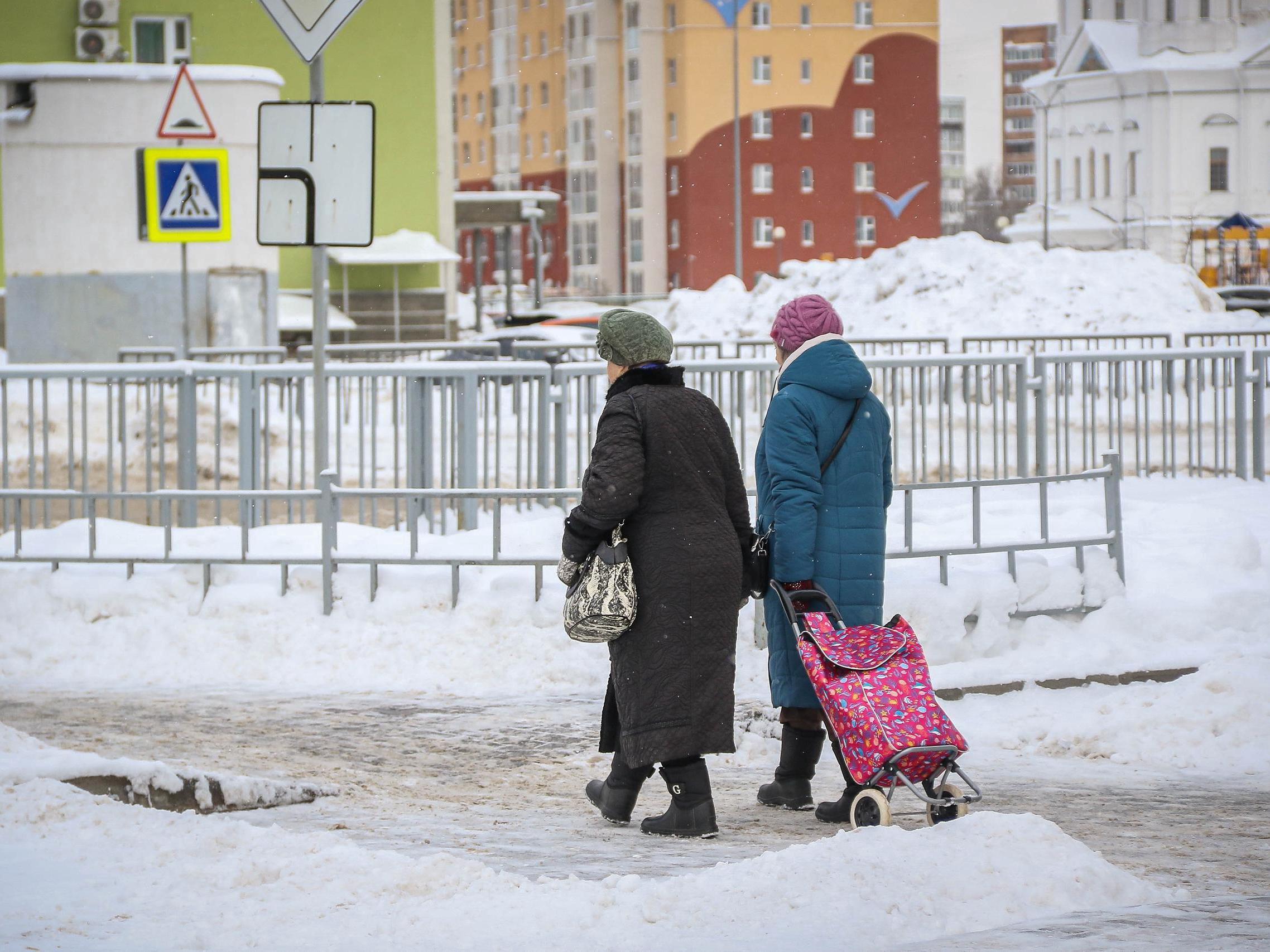

Residents of Nizhny Novgorod can expect sharp temperature swings in February.
Source:
February in Nizhny Novgorod is expected to be volatile, with temperatures swinging between -20°C (-4°F) and -4°C (25°F).
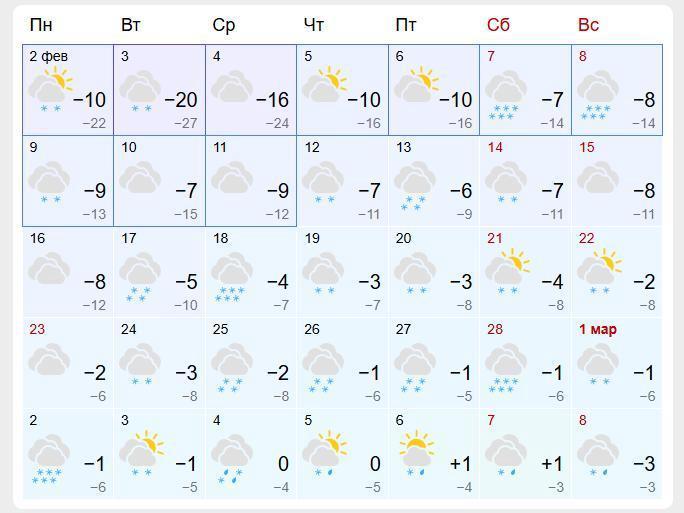
Gismeteo provides a detailed temperature forecast for Nizhny Novgorod in February.
Source:
The Gismeteo service predicts a cold start to the month. This week, daytime temperatures will range from -8°C (18°F) to -20°C (-4°F), and on the night of 3 February, the thermometer will drop to -27°C (-17°F). Snowfall is expected over the weekend.
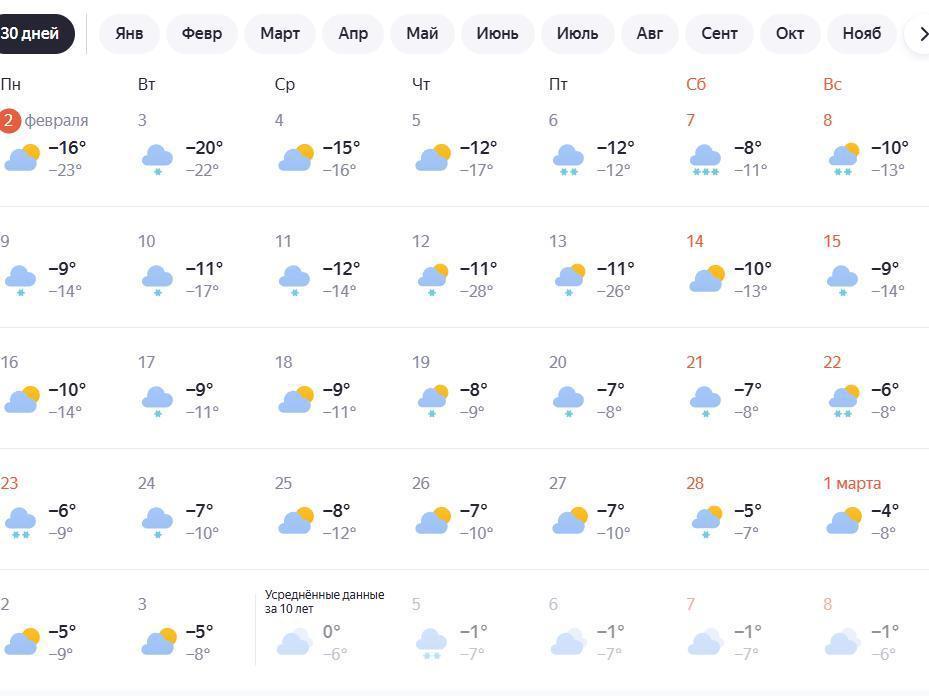
Yandex Weather forecasts persistent frosts in early February for Nizhny Novgorod.
Source:
In mid-February, temperatures will gradually rise from -9°C (16°F) to -2°C (28°F).
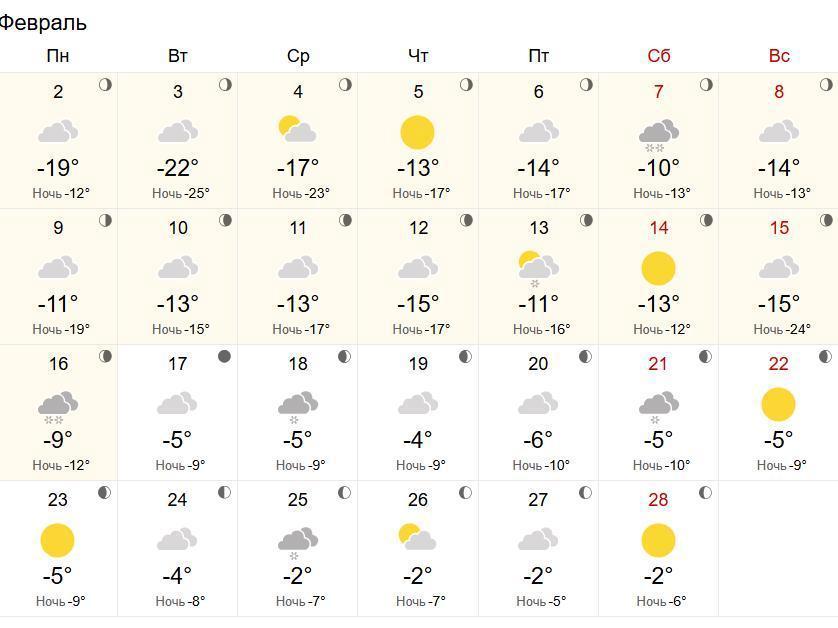
World Weather also expects a cold February with temperatures down to -15°C (5°F).
Source:
Towards the end of the month, snow is forecast again, but the frost will weaken to a slight minus. The first week of March, according to forecasters, will bring above-zero temperatures and rain.
Yandex Weather indicates persistent frost in the first two weeks of February, with average temperatures of -10°C (14°F) to -12°C (10°F). No significant snowfall is expected, except on 7 February.
The second half of the month will be warmer, with temperatures not falling below -9°C (16°F), and occasional light snow possible.
The World Weather service also forecasts a frosty February. In the second week, temperatures will remain between -11°C (12°F) and -15°C (5°F).
Warming will begin on 16 February, when thermometers show -9°C (16°F). In the following days, warmth will return, and by the end of the month the temperature will settle around -2°C (28°F). No heavy precipitation is expected.
Meteorological spring in the Nizhny Novgorod region is forecast to begin earlier than usual, which could lead to severe flooding and inundations.
Read more