Myths about hemorrhoids: a coloproctologist will tell the whole truth
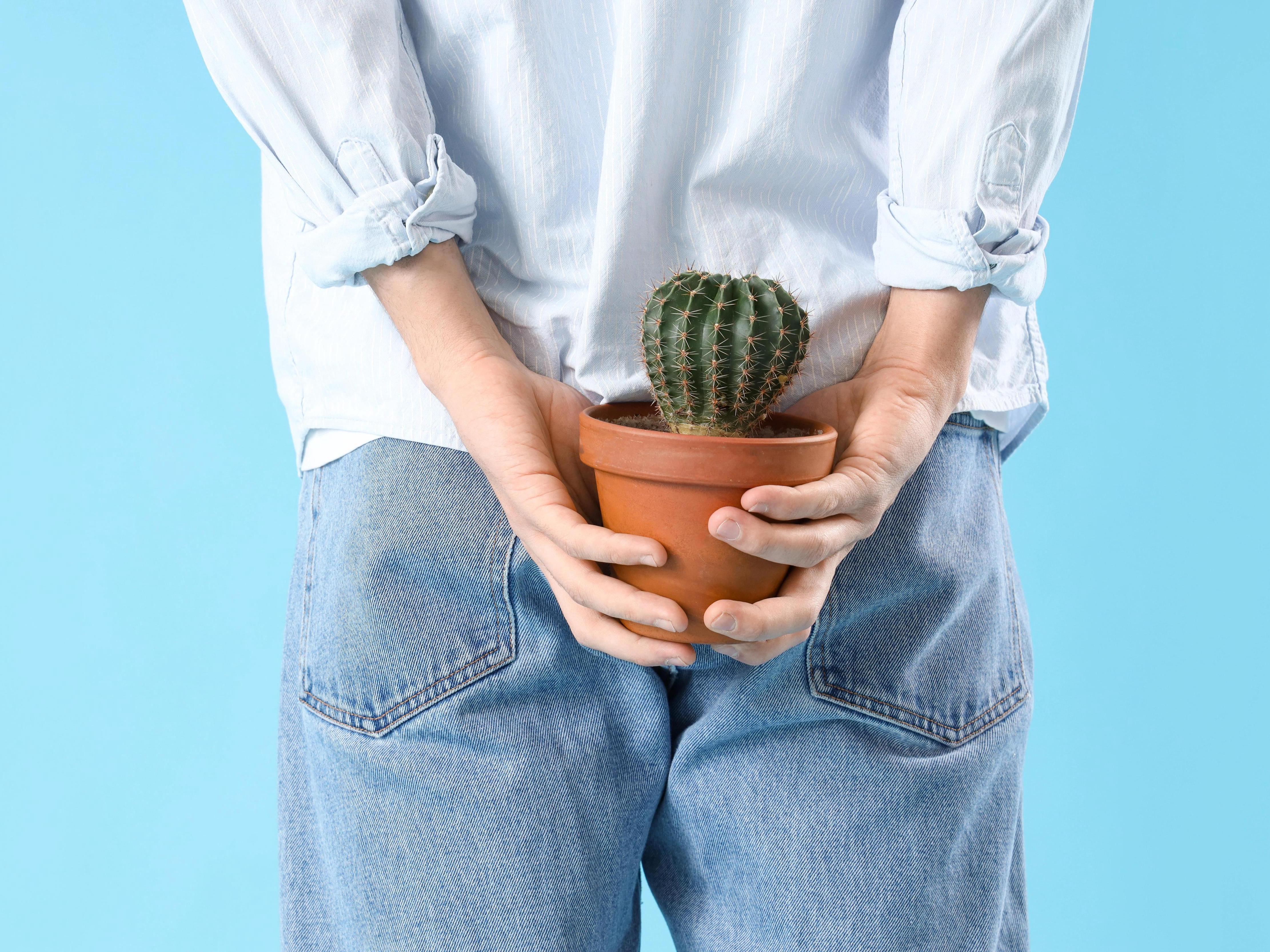

The presence of small hemorrhoidal nodes is not a disease. The disease manifests when pathological changes occur in the nodes.
Because of its delicate nature, hemorrhoids often become a source of shame, preventing open dialogue even with a specialist. As a result, many misconceptions have arisen around this disease. A qualified coloproctologist will debunk popular myths and provide comprehensive explanations. Sergey Nikolaevich Filippchikov — a doctor with over 15 years of experience — sees patients at Euromed on Kemerovskaya, 13. Schedule and appointments via the link.
— Sergey Nikolaevich, first some theory about hemorrhoids — what is this disease?
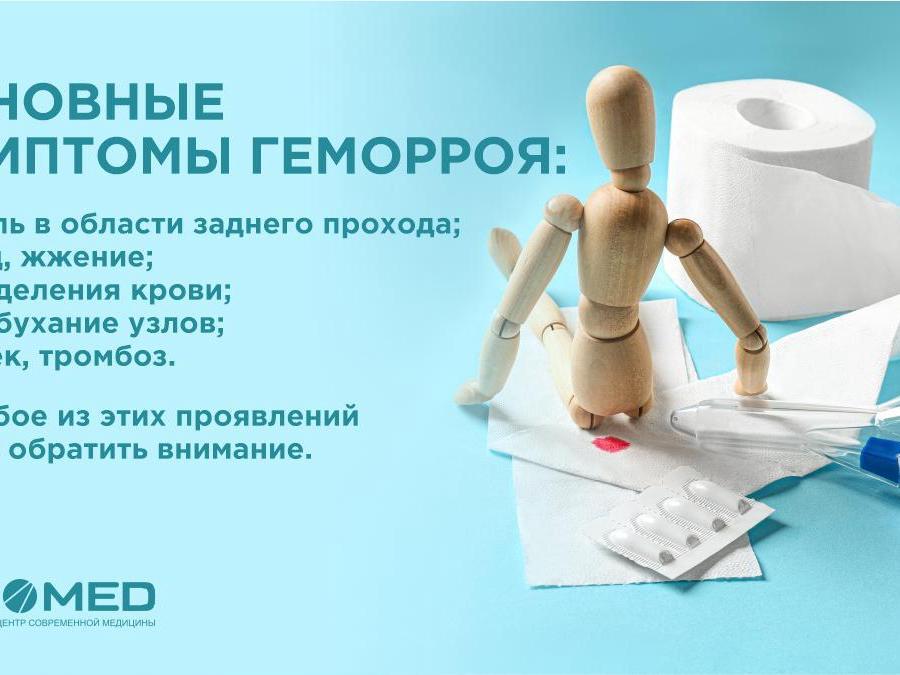
— When faced with such a question, the average person most often asks whom? The internet! It«s simple there: hemorrhoids — a disease associated with thrombosis, inflammation, pathological enlargement of the hemorrhoidal plexuses in the distal (i.e., the very end) part of the rectum. Then almost always a second question arises: do I have hemorrhoids? And here it gets a bit more complicated.
Hemorrhoidal plexuses (or nodes) exist in every person. This is a normal anatomical structure located under the mucous membrane in the final section of the large intestine.
Hemorrhoidal plexuses are spongy arteriovenous vascular cushions that help hold stool and gas. When their blood circulation is disrupted, and also when the supporting tissues weaken, pathological changes occur in them: the nodes begin to enlarge, descend, and may protrude outward (prolapse from the anus) or into the internal lumen of the intestine.
So the presence of small hemorrhoidal nodes is not a disease. The disease manifests when pathological changes occur in the nodes.
I usually give my patients a simple analogy: hemorrhoidal nodes, like fingers on a hand, are present in everyone. You don«t need to treat or cut them off. But if a finger is the size of a sausage, or if blood is coming from the finger, or the finger hurts — then it is a disease, and it needs to be treated.
Why you should not delay seeing a doctor:
In the early stages, hemorrhoids are much easier, faster, and often more comfortable to treat — without significant pain and at lower cost. And sometimes no special treatment is required at all if recommendations are followed;
Unfortunately, the same symptoms can occur not only with hemorrhoids; there are a number of very serious diseases with similar symptoms. Therefore, you must see a specialist to rule out more serious problems.
Fact 1. Only pensioners suffer from hemorrhoids
Myth. In recent decades, hemorrhoids have become much younger. People of all ages suffer from it, facilitated by a significant increase in the amount of sedentary work.
Fact 2. Hemorrhoids can be caused by a sedentary lifestyle and hypothermia
True. A number of factors are believed to play a role, including irregular bowel movements (constipation or diarrhea), lack of exercise, low-fiber diets, increased intra-abdominal pressure (prolonged straining, pregnancy), genetics, prolonged sitting, hypothermia, and chronic cough. Most often, several factors act together.
Fact 3. Hemorrhoids are a disease that cannot be completely cured
True. Rarely, but unfortunately, recurrences do occur even after surgical treatment. But it also depends on the person — it is important to follow recommendations. You need to limit the causes that led to the development of the disease, more carefully monitor your diet, physical exertion, prolonged sitting, and straining — then the result is excellent. Modern medicine makes the treatment process quite comfortable and brief.
Fact 4. Hemorrhoids can go away on their own. Treatment is not necessary
True. Minor flare-ups can resolve on their own. But the question is: how quickly will it pass? And how much will the patient suffer while the flare-up resolves on its own? Modern treatments can significantly speed up the process and relieve symptoms.
Fact 5. Hemorrhoids can turn into cancer
Fortunately, this is a myth. But! You can break your leg and catch a cold. You can have both hemorrhoids and a cancerous tumor at the same time. That is why you must definitely see a specialist. Before treating hemorrhoids, we at Euromed always fully examine the patient to rule out more serious problems.
Extended version of the interview — on the clinic«s website.
Codes according to the nomenclature of medical services indicated in this text are specified in the price list on the official website of Euromed Medical Center.