Sun of Tuscany: The Birth of Vin Santo
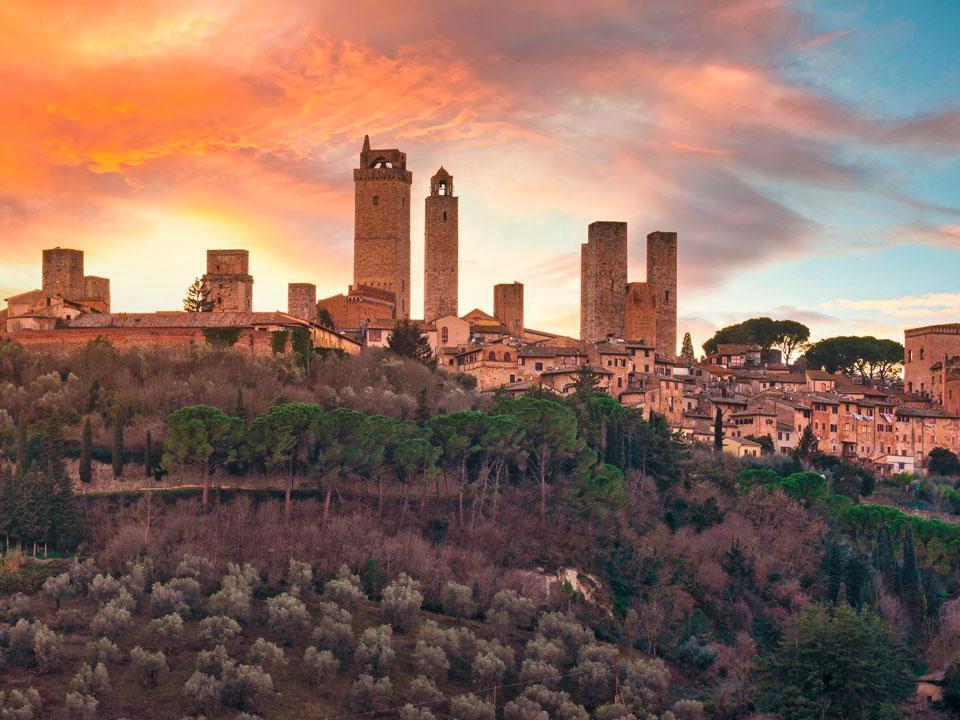

Amber, like sunlight caught in a bottle — such is the appearance of Vin Santo, one of Tuscany«s most famous dessert wines. Its creation requires two seemingly opposite conditions: bright light for grape ripening and the semi-darkness of a cool vinsantaia, a special room for drying the bunches. This drink with a rich, almost mystical past continues to inspire and surprise.
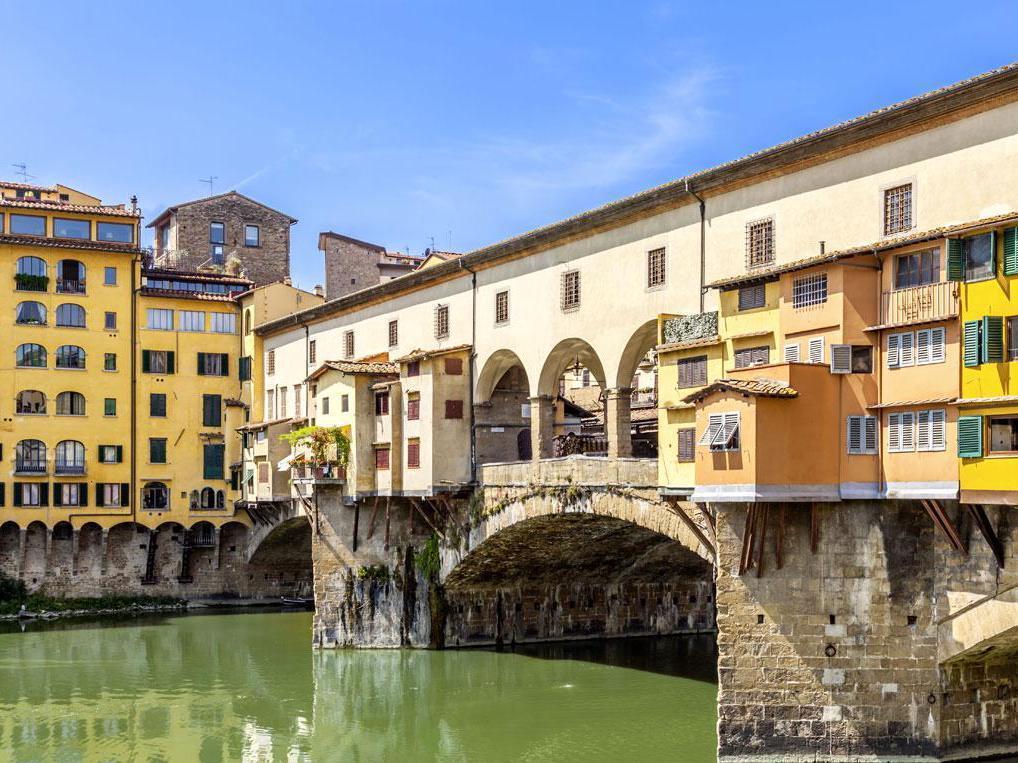
Florence«s oldest bridge, Ponte Vecchio, built in 1345, is an architectural symbol of the city.
In Tuscany, the land of Dante, Leonardo da Vinci, and Michelangelo, history lives in every stone, on every street, and, of course, in local gastronomic traditions. The region has its own unique breads, olive oils, and wines, among which a place of honor is held by the sweet passito known as Vin Santo — «holy wine.»
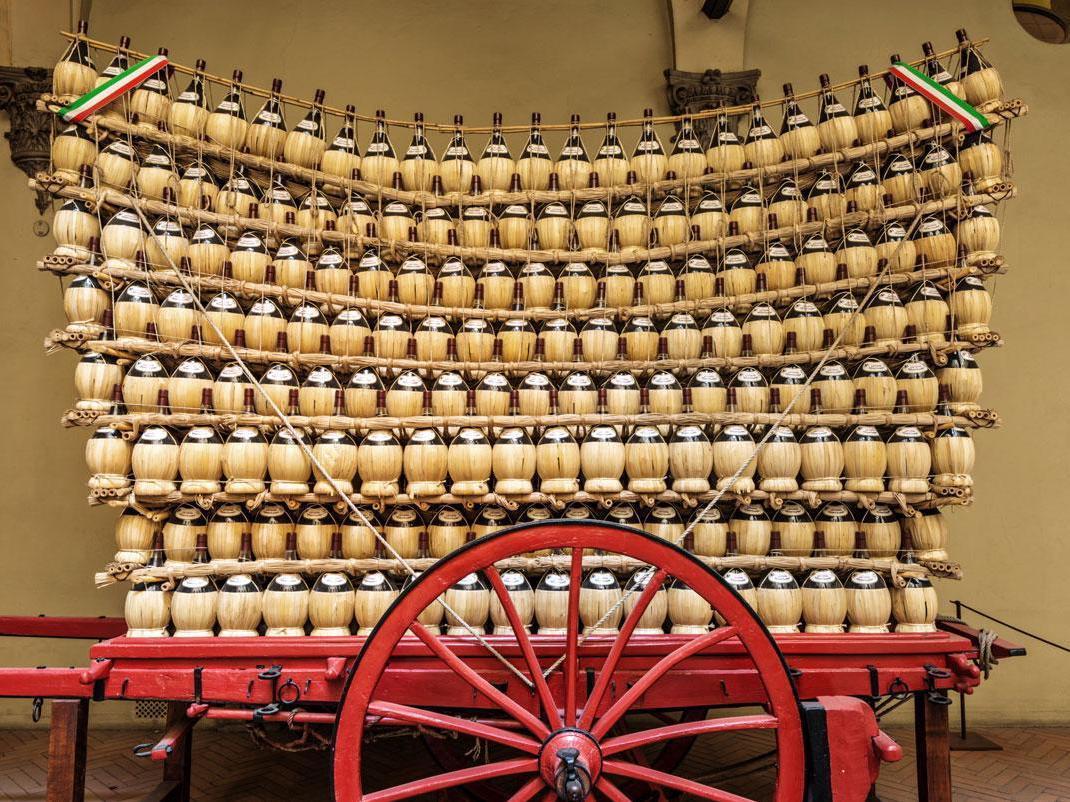
«Crazy cart» — that«s what Florentines called a cart loaded with Chianti bottles in wicker fiasco covers.
The process of its creation begins in autumn with the harvest of white grapes, which are then dried for several weeks in ventilated vinsantaie. Standing in front of a Florentine shop window, it«s hard not to marvel at the spectrum of its shades — from light gold to dark amber. This truly is an elixir that seems to contain the very light of the generous Tuscan sun.
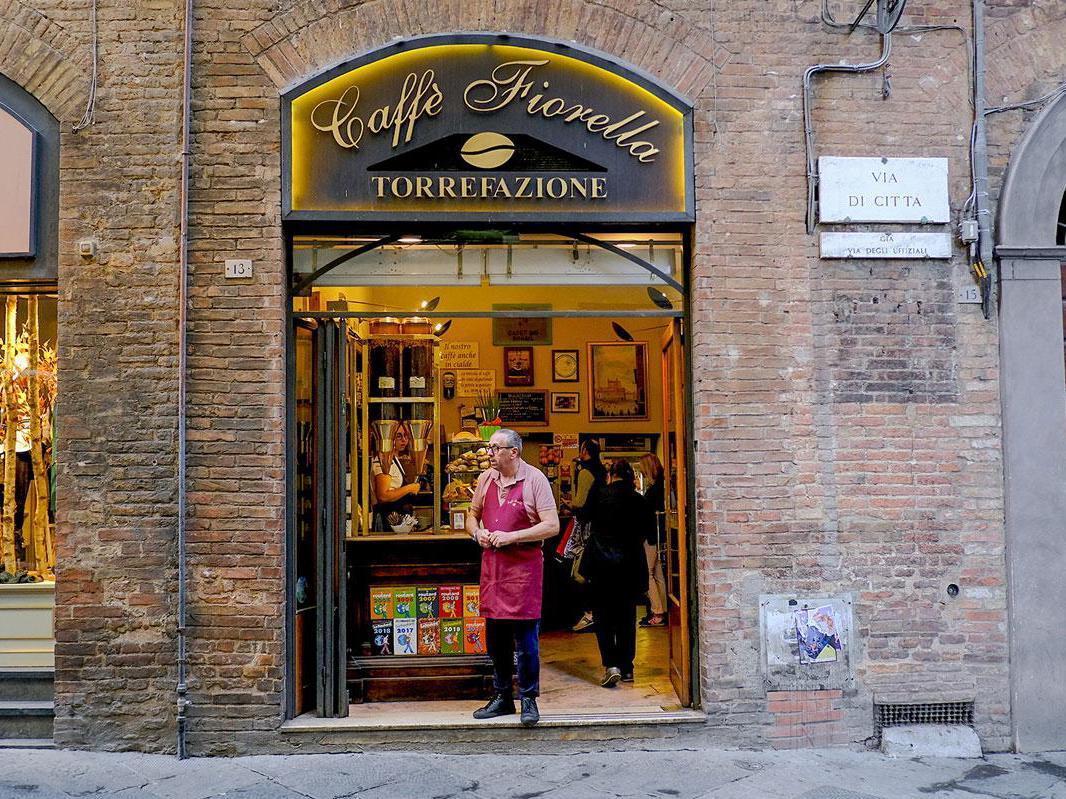
In cozy Florentine cafes, you can always order a glass of Vin Santo with traditional sweets.
Sweet wines from dried grapes are made all over Italy, but the Tuscan version alone bears the name Vin Santo. «Do you know why it«s called that?» — this question is often asked by tourists, and the answer is not so simple. The shopkeeper just shrugs: there are many versions, and the truth may be forever lost in the centuries. This became the start of a small investigation.
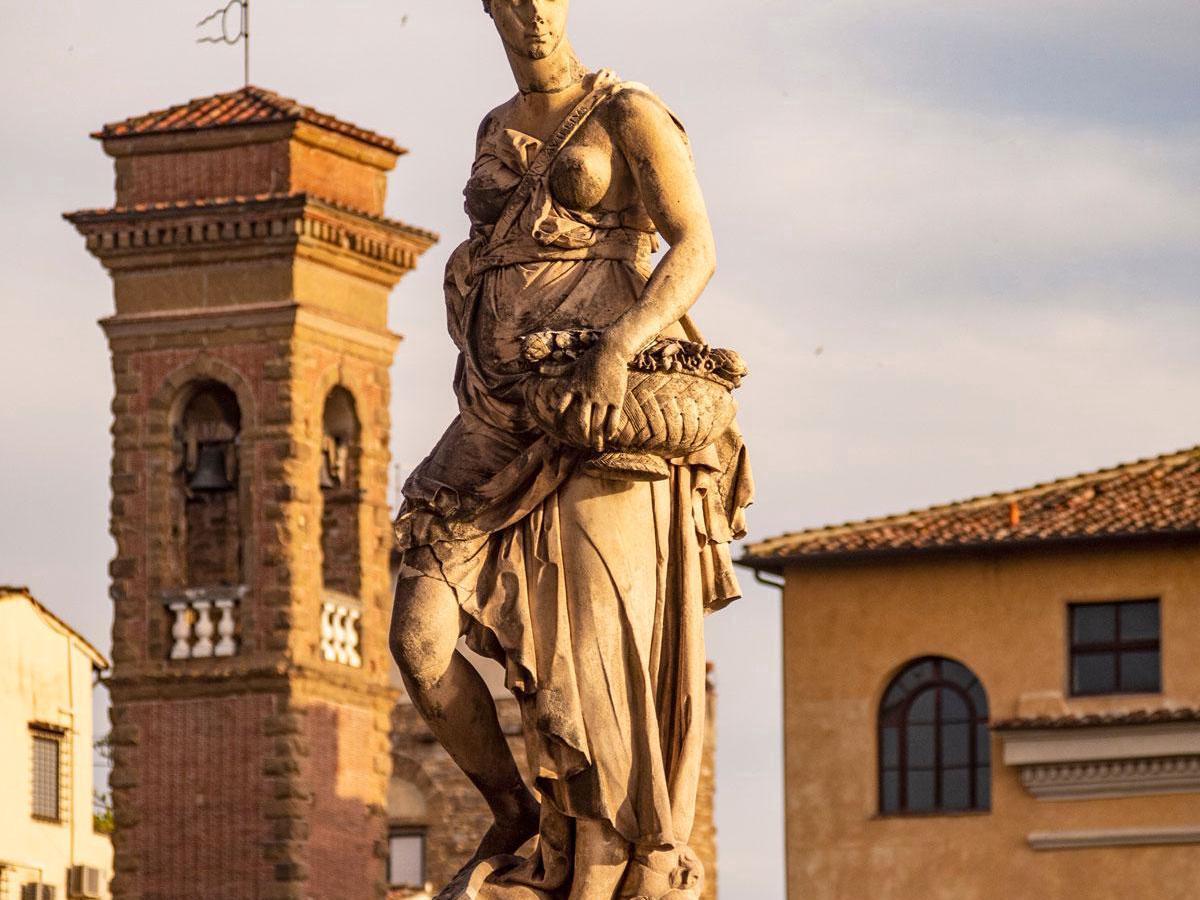
The «Spring» statue on the Santa Trinita Bridge is one of the adornments of the famous Florentine square.
Florence: In Search of the Legend«s Roots
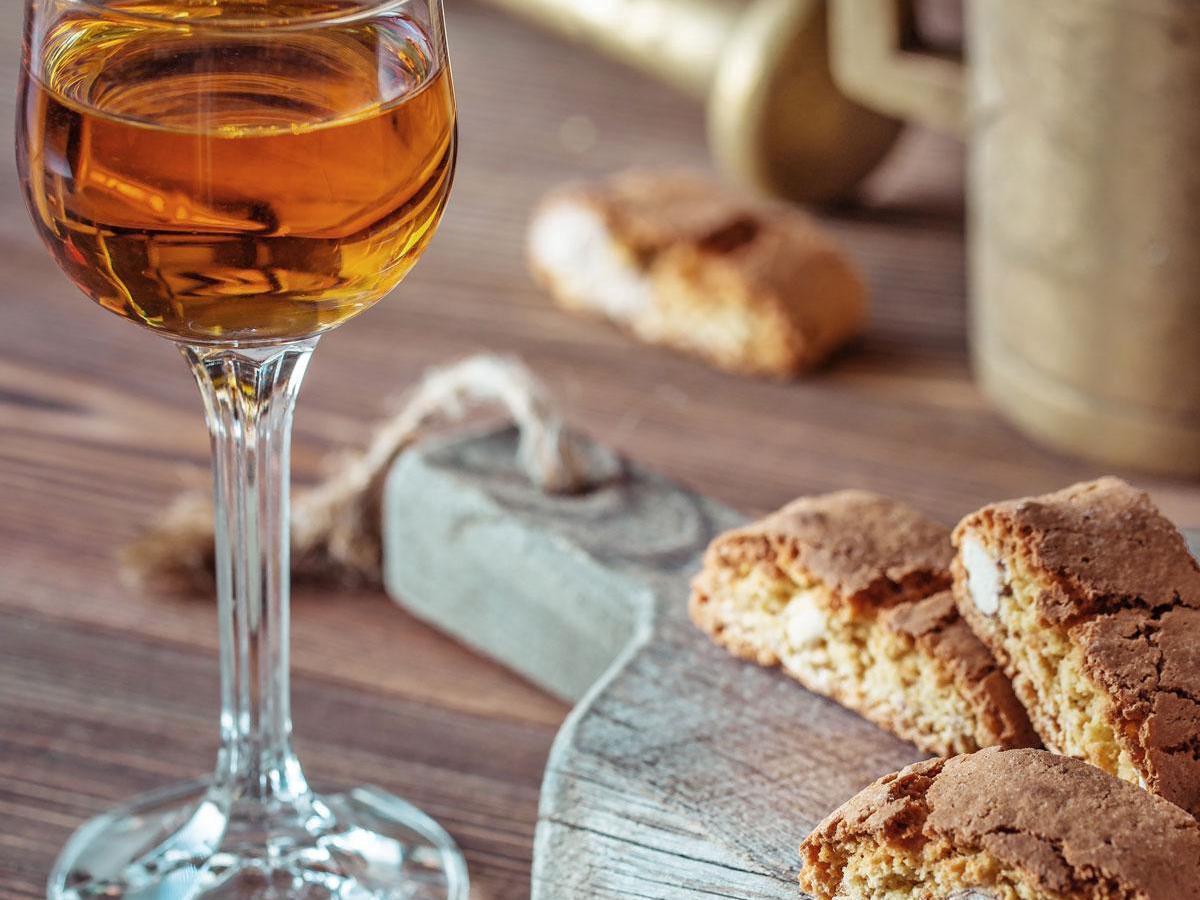
Crisp almond cantucci cookies are the classic accompaniment for Vin Santo tasting.
The center of Florence is an open-air museum, where every building has a history reaching back five hundred years. On the fashionable Via Tornabuoni, which for centuries was the city«s social salon, stands the palazzo of the Antinori family — famous winemakers. On the corner of the building, an ancient wine window has been preserved, through which wine was once sold in characteristic straw-covered fiasco bottles.
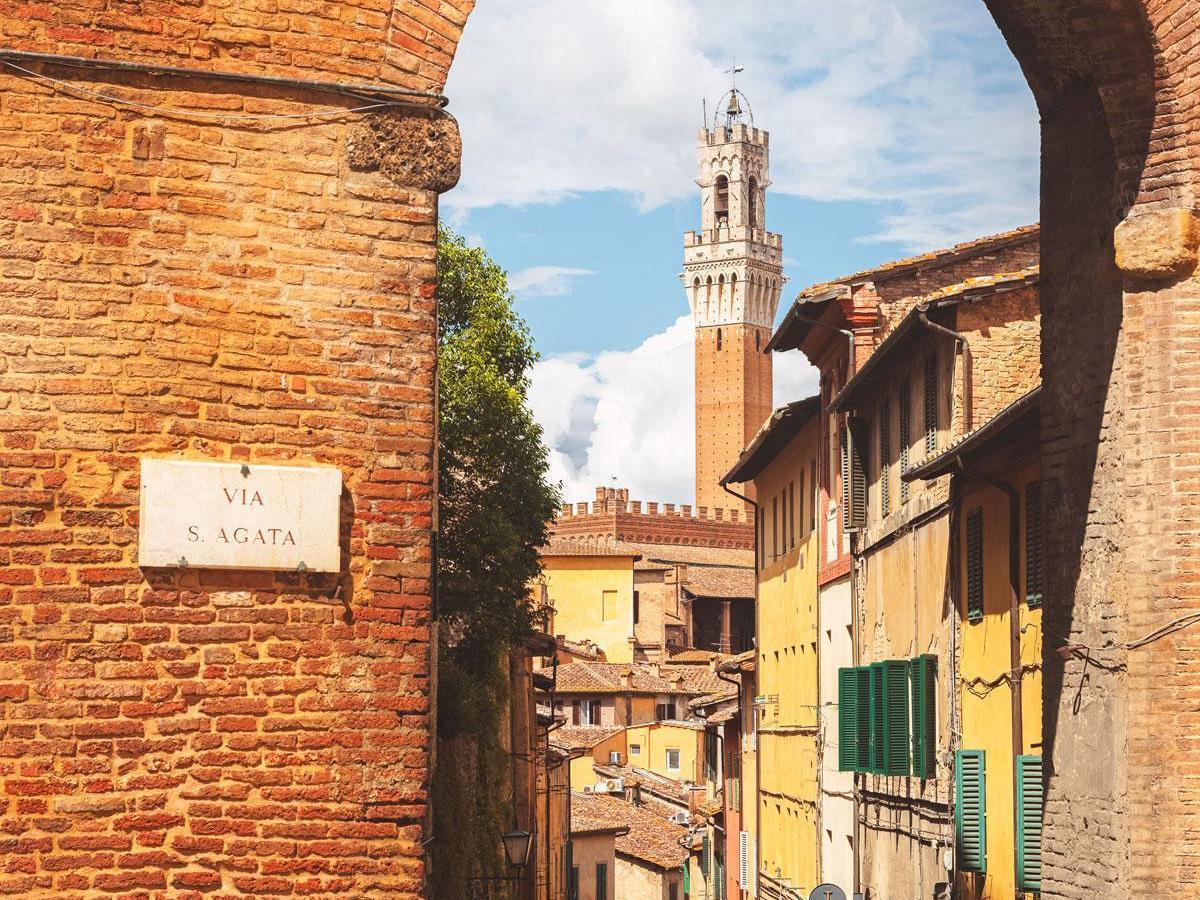
View of the Torre del Mangia bell tower from Piazza del Campo in Siena.
Nearby is the historic gastronomia Procacci, founded in the late 19th century, where local delicacies from truffle paste to honey are still sold. And in one of the palazzi on this street, Fyodor Dostoevsky stayed in 1862. However, today the goal is to find traces of Vin Santo.
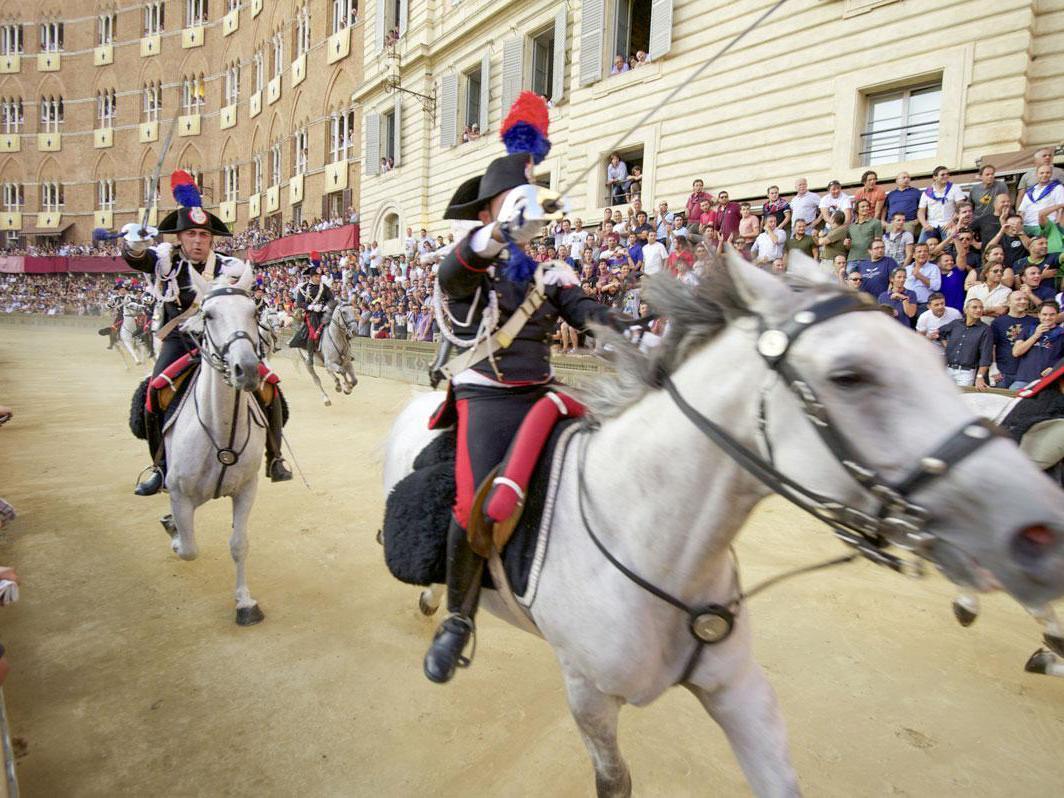
A ceremonial procession of carabinieri before the start of the Palio horse race on Siena«s main square.
They lead to Via Porta Rossa, whose name dates back to the red brick gates of ancient Roman times. Here is the shop «Antonio Mattei» — a Florentine branch of the famous confectionery factory from the city of Prato. It was Antonio Mattei who, in the mid-19th century, revived and perfected the recipe for cantucci, the hard almond cookies considered the ideal pairing for Vin Santo.
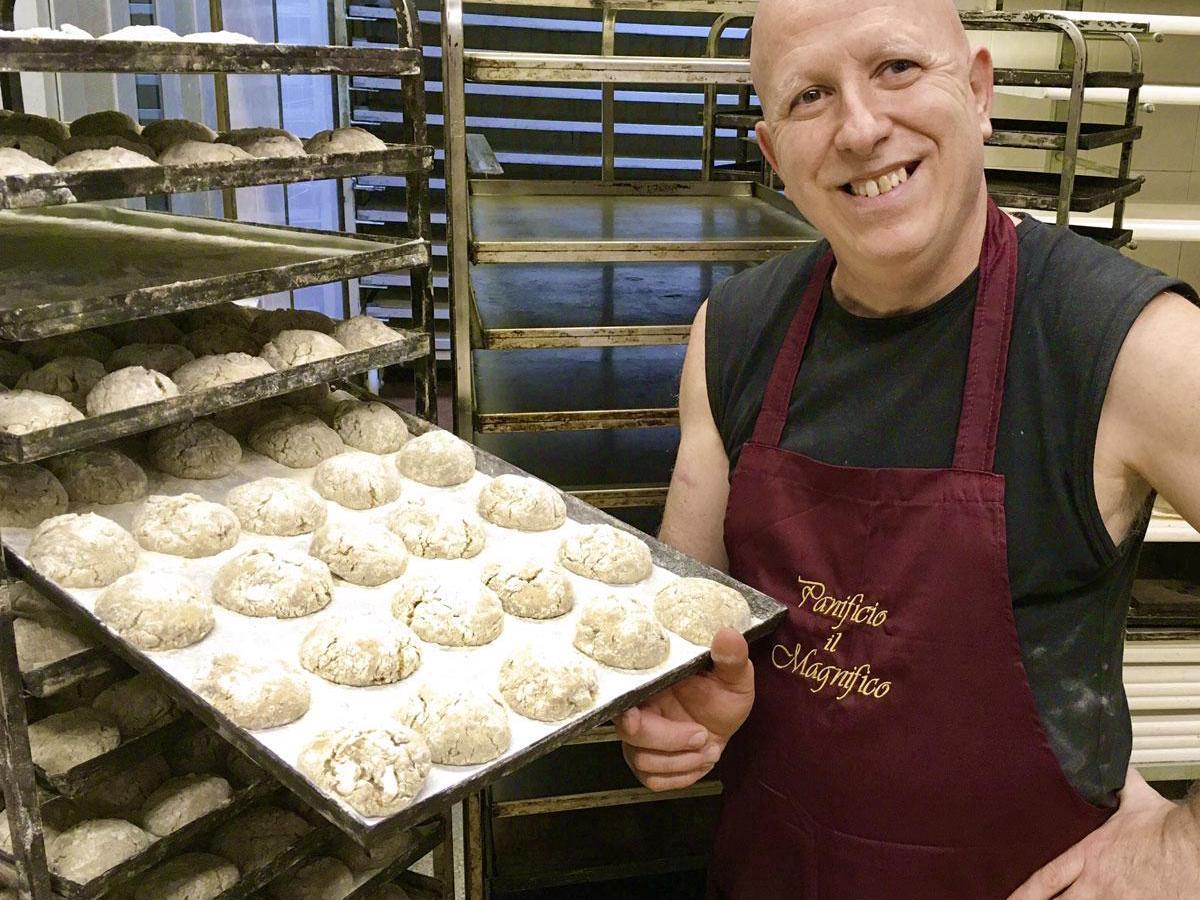
Sienese bakers, such as Lorenzo Rossi, preserve the traditions of baking local sweets and bread.
In a cozy tasting room, staff offer samples of several types of cantucci, carefully dipping them into a small glass of amber wine. When asked about the origin of the name, they recount one of the most elegant Florentine legends.
In 1439, an Ecumenical Council was held in Florence, attended by clergy from all over the Christian world. Byzantine Bishop Bessarion of Nicaea, delighted by the local fare, tried to express his enthusiasm in Greek. Calling pork with the word «aristos» («best»), he gave the name to the Tuscan dish arista. And the sweet wine, he may have compared to the Greek wine from Xanthus («xanthos»). The Italian listeners, hearing the familiar «santo» («saint»), remembered it that way. «This is just one of many legends,» the staff smiles, «but a very beautiful one.»
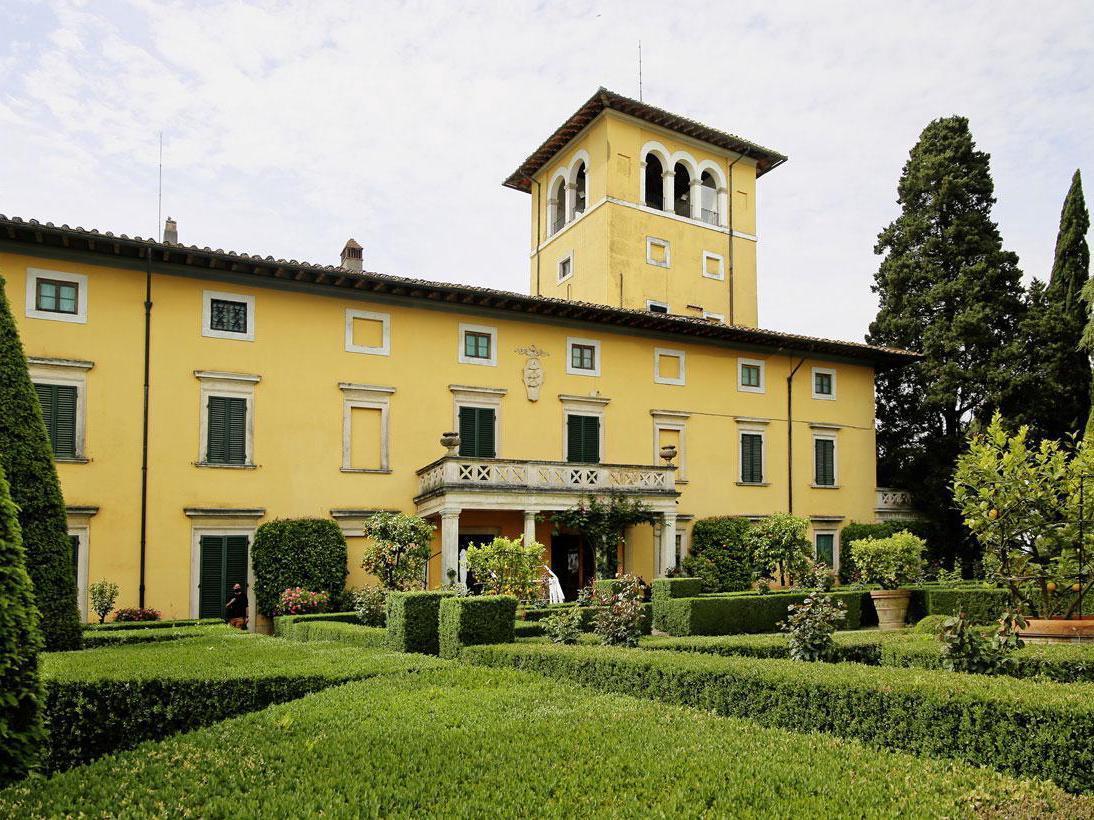
The Cusona Estate, owned by the Guicciardini-Strozzi family, is a place where ancient winemaking techniques are preserved.
Siena: Plague, Horse Races, and the Bread of the Saints
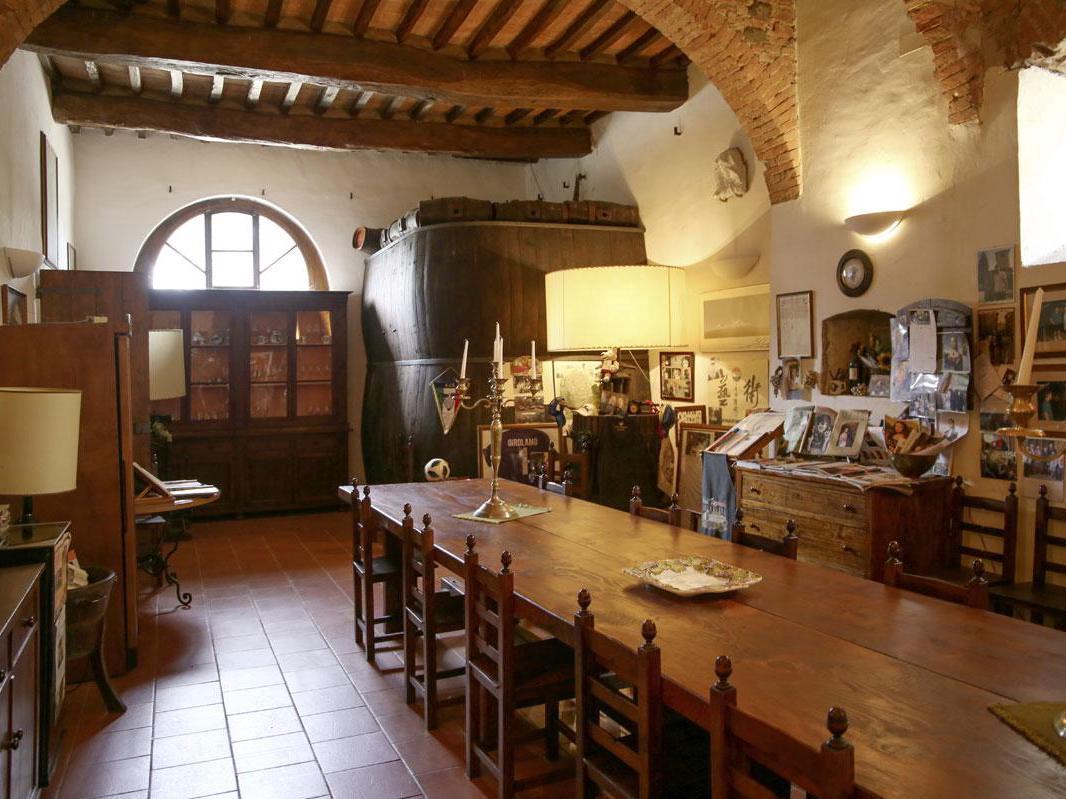
The historic interiors of the Cusona Estate preserve the atmosphere of past centuries.
To hear another story, the path leads to Siena. The morning sun bathes Piazza del Campo in warm light, making it look like a shell. Twice a year it turns into a racetrack for the crazy Palio horse race, but today a peaceful atmosphere reigns. At cafe tables, tourists and locals sample local sweets: honey sherbets, the Christmas cake panforte, and, of course, Vin Santo.
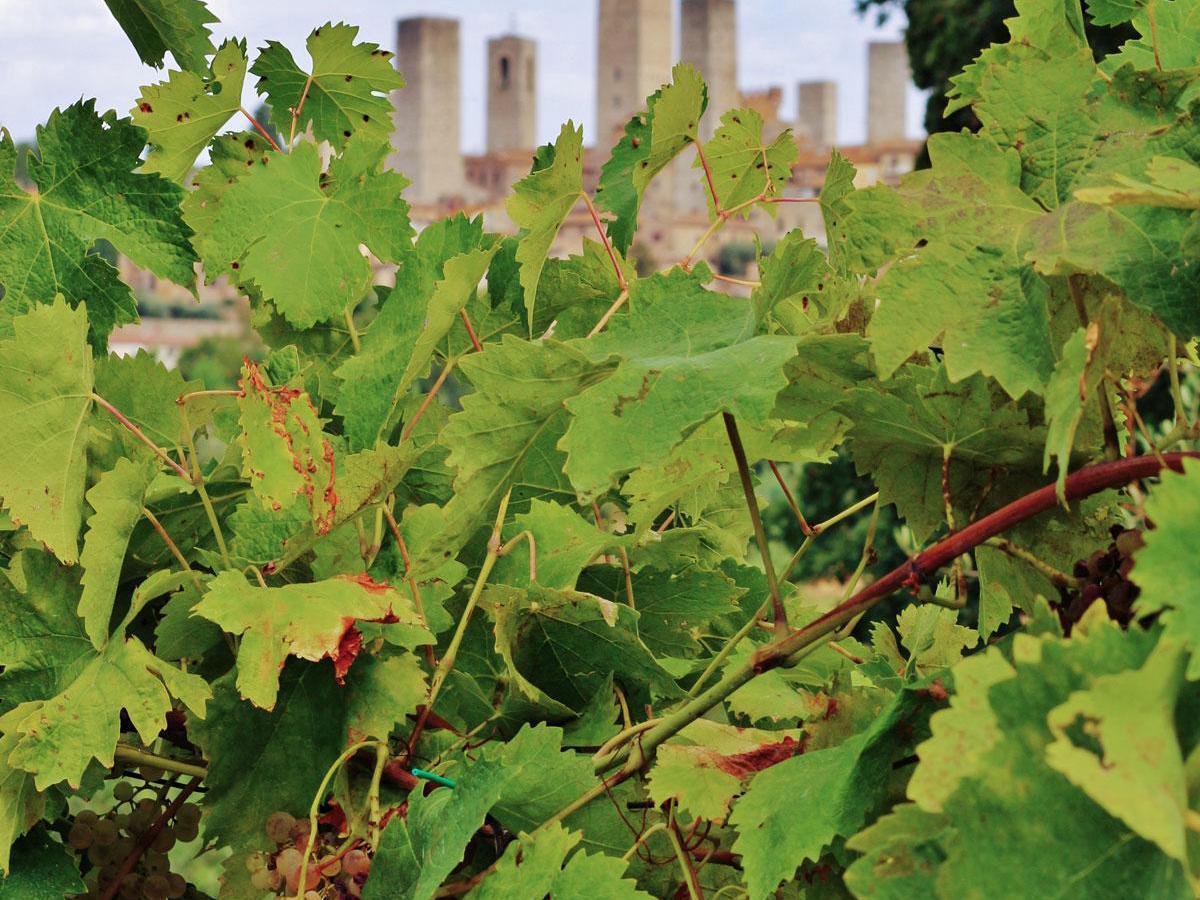
The vineyards of the Cusona Estate, where grape varieties for various Tuscan wines are grown on hundreds of hectares.
In an old coffee shop, Domenico, a keeper of traditions of one of the city«s contrade (neighborhood associations), awaits me. Over a cup of coffee, he shares the Sienese version. According to it, during the terrible plague epidemic of 1348, a Franciscan monk treated the sick with this wine and, according to rumors, even revived the hopeless. For this, the people called the wine «holy.» «But of course, this is just a beautiful legend,» Domenico notes.
In Siena, Vin Santo has another traditional pairing — not cookies, but a special bread called pan co« santi. It is baked throughout October for All Saints» Day (November 1). The dough is mixed with raisins, walnuts, and black pepper, and the name «bread of the saints,» as Domenico explains, comes not from the holiday, but from the wine. Dried grapes left over from Vin Santo production were often added to the dough. This aromatic bread was also dipped in the wine, turning it into an exquisite dessert.
Vinsanto of Santorini: A Namesake from the Aegean Sea
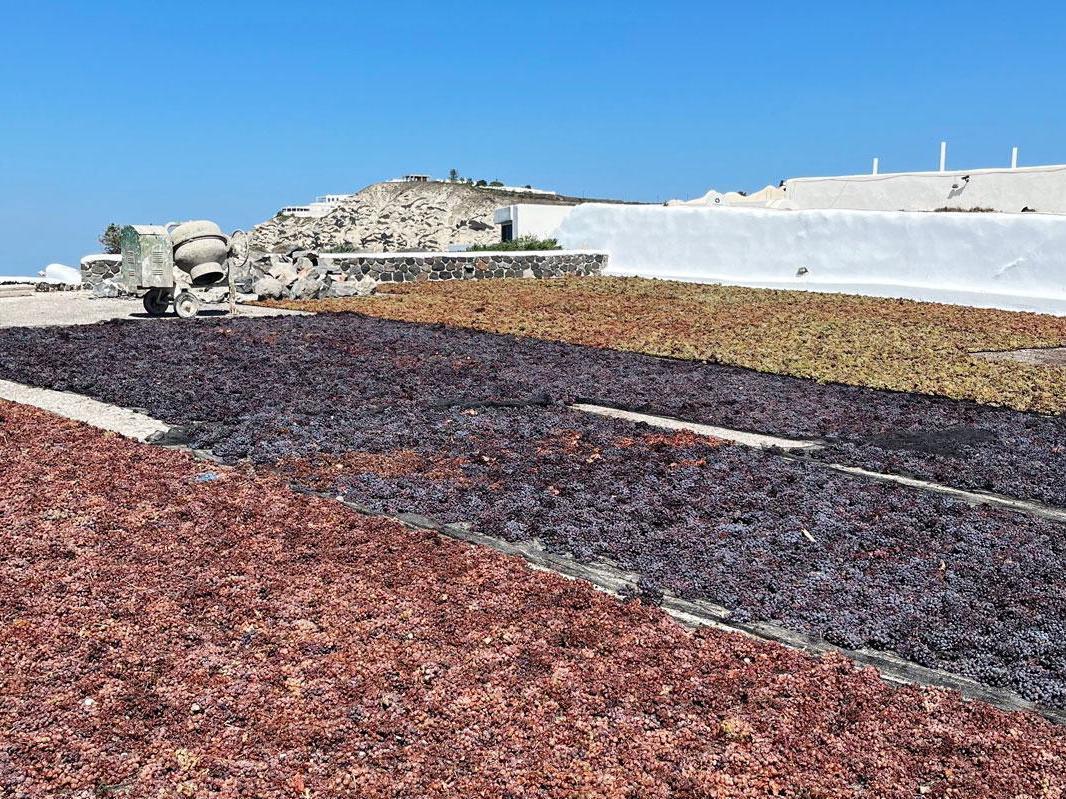
Tuscan Vin Santo is sometimes confused with its Greek namesake — Vinsanto from the island of Santorini. Despite the similar name and production method (grapes are also dried), these are different drinks. Greek Vinsanto is made from the indigenous Assyrtiko grape, and the grapes are dried directly in the sun on terraces. It matures in oak barrels in unique volcanic caves. The name, it is believed, is a contraction of «Vino Santorini.»
Cusona Estate: Where Tradition Is Born
To witness the birth of Vin Santo firsthand, I head to the Cusona Estate near San Gimignano. The estate is owned by the Guicciardini-Strozzi family, descendants of noble Florentine families of the Renaissance. I am greeted by Natalia, the eldest daughter of the princely couple, and enologist Ivaldo Volpini, who has devoted fifty years to the estate.
We ascend to the vinsantaia — a spacious room in the attic of the historic building. Here, in semi-darkness, on straw mats or suspended from poles, bunches of white grapes dry for weeks, gradually turning into raisins. The thick must obtained from them is poured into small barrels, which are hermetically sealed. These barrels, filling the entire space, will be stored here for three to eight years. During this time, slow fermentations will take place, and the must will turn into that thick, sweet wine the color of liquid amber.
«Vin Santo is not just a technology, it is tradition itself!» asserts enologist Ivaldo. Natalia shows the family collection, which includes bottles from 1962 and 1964, opened only on special occasions.
As for the mysterious name, the estate leans toward a practical version. Ivaldo recounts that one of the most convincing hypotheses links it to the autumn feast of All Saints (Ognissanti). By this time, the must preparation was completed and the barrels were sealed. Perhaps that«s where «wine of the saints» comes from. Another version is connected with a church sacrament: in many Tuscan churches, Vin Santo is still used for Communion.
At the table in a cozy living room, on whose walls hang photographs of famous guests from Tony Blair to Mstislav Rostropovich, Natalia offers to taste Vin Santo according to all the rules. «I love it with pecorino,» she says, «but tradition is tradition!» And she hands over a plate of crispy cantucci. The cookie, dipped in the aromatic wine, reveals a full bouquet of sweetness, nuts, and honey. Outside the window, the Tuscan sun is setting, flooding the hills with light of that same warm amber hue as in the glass. In this moment lies the entire essence of Vin Santo: age-old traditions, sunlight, and a taste in which the history of an entire region lives.
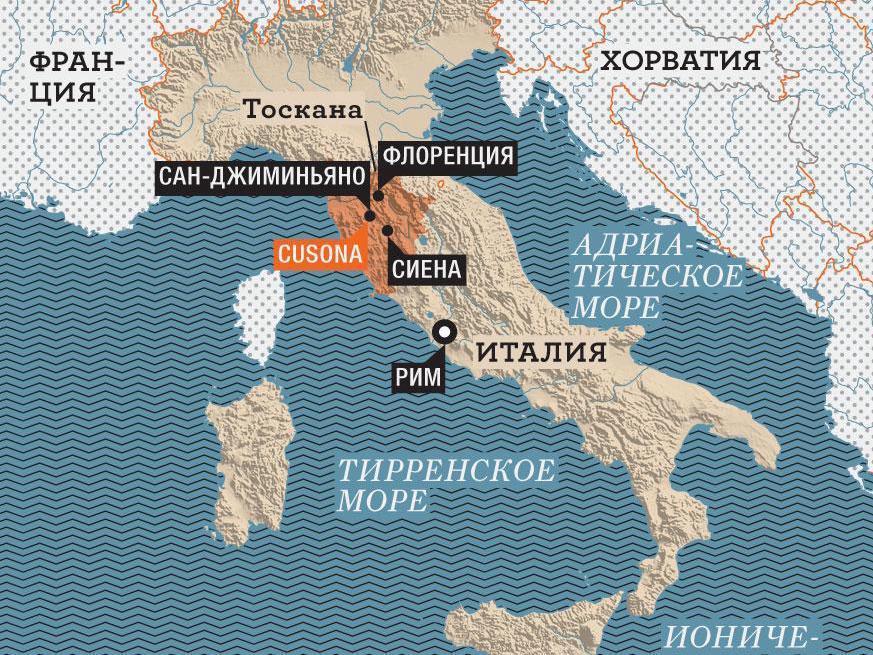
Tuscany, this amazing region of Italy, covers an area of about 23,000 square kilometers, and its population is approximately 3.7 million people. From Moscow to its heart, Florence, it is almost 2,800 kilometers, but the journey is worth it to see with your own eyes how the «holy wine» is born.