Frost no hat: pus, hair loss, meningitis death


February frosts have once again hit Volgograd, and to survive them without frostbite and damage to health, doctors strongly recommend bundling up. According to scientists, it is especially important to remember what your mother told you about the importance of wearing a hat. The best specialists — doctors of the Volgograd State Medical University (VolgGMU) — explained why hair falls out profusely in winter, eardrums fill with pus, and simple hypothermia of the head can trigger fatally dangerous inflammation.
«Itchy scalp, flaky dandruff»
Many dismiss wearing a hat as something unnecessary, along with gloves and a scarf. Some see no point in wearing warm accessories even when the temperature outside drops below -15 degrees Celsius (5°F).
«I have a very strong immune system, I get sick about once every two to three years, and only if I catch something directly,» says a young Volgograd resident. «I fundamentally don’t wear hats: they just look weird on me. But my hair is very beautiful and voluminous — in short, I don’t want to hide it under some piece of fabric.»
However, there is another side of the coin: the desire to show off beautiful hair in winter can lead to a significant deterioration in its quality.
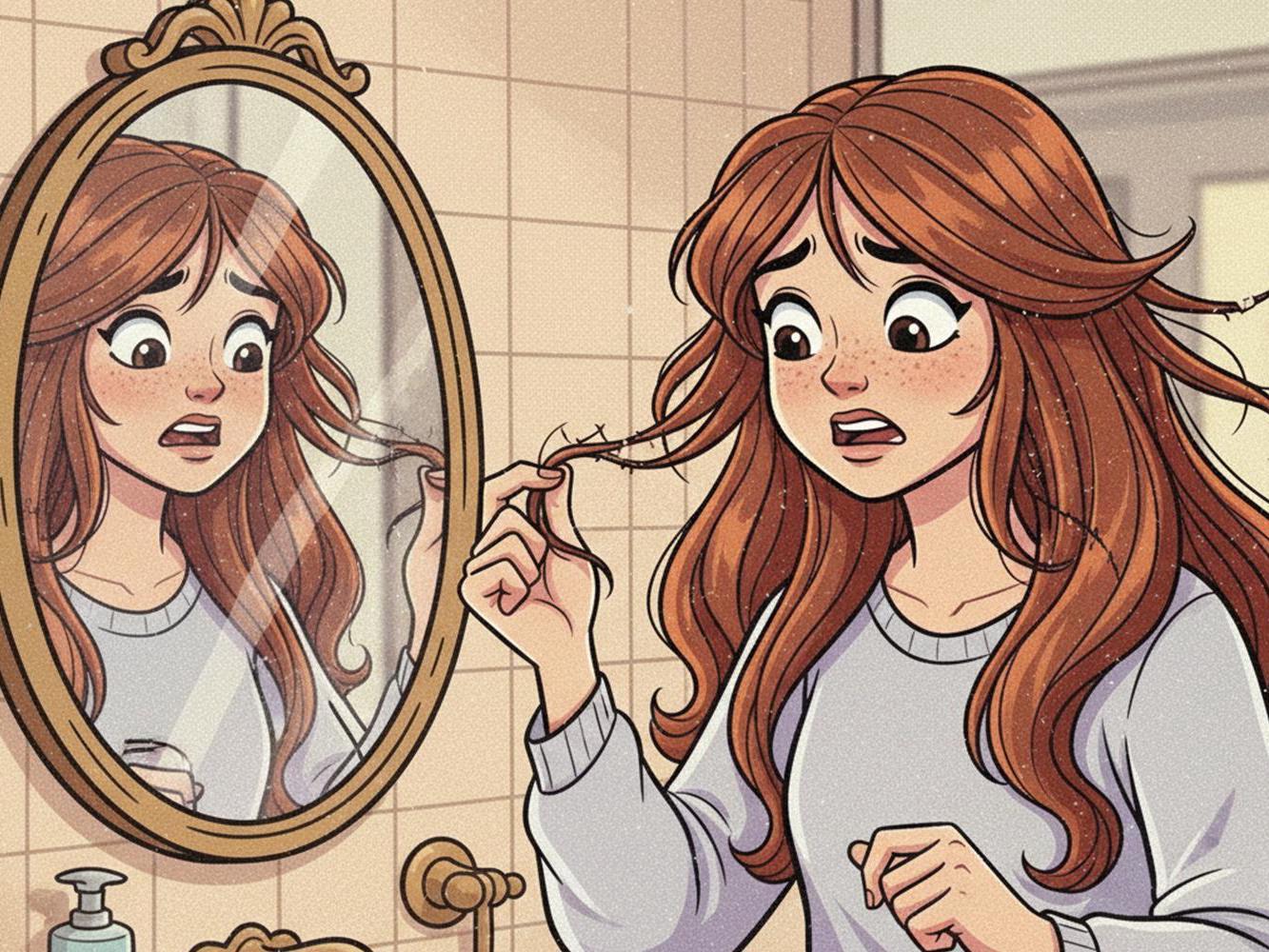
«I also went without a hat for a while — I wanted to show off my hair grown over the summer,» another girl sighs. «How to describe the consequences... After a couple of months, out of nowhere, I got bangs that I never cut: my hair just broke off so that the strands near my face became brow-length! And that’s not all: my friend got dandruff after the recent frosts. The dermatologist told her she needed to keep her head warm. In short, now if I’m not wearing a hat, I’m definitely wearing a hood.»
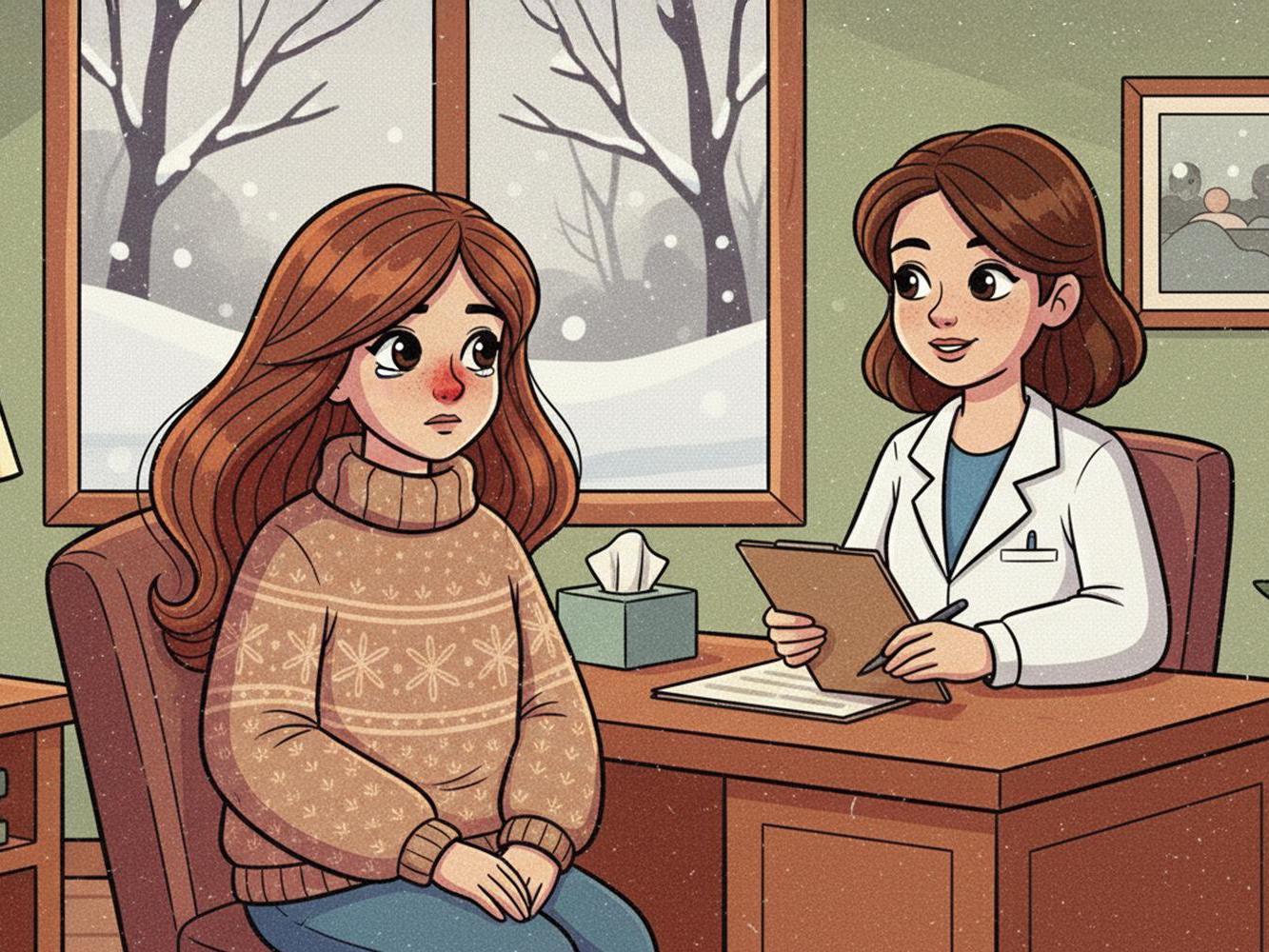
«In cold weather, hair and scalp feel not too comfortable,» reminds Marina Shishkina, a dermatovenereologist at the Family Medicine Clinic and assistant at the Department of Dermatovenereology of VolgGMU.
«The fall-winter period is not the most favorable time for the scalp and hair, as they are exposed to a number of aggressive irritants,» says the dermatologist. «Frost and temperature contrasts are a test for both the skin as a whole and the hair shafts, as damage occurs to the epidermal barrier and lipid component, causing scalp flaking and itching, dryness and brittleness of hair. In some people, this can lead to exacerbation of chronic diseases such as seborrheic dermatitis and atopic dermatitis, which are usually accompanied by severe itching.»
Due to temperature changes, girls who actively use hair dryers, curling irons and other styling tools are in particular danger, as the risk of damaging the hair shafts increases.
«Also, against the background of low temperatures, hair loss may increase due to constriction of skin vessels that nourish the hair follicles, so it is especially important to wear headgear, especially for those who suffer from any type of hair loss, as repeated exposure to low temperatures on the scalp intensifies it,» emphasizes Marina Shishkina. «It is also important to consider that diet in winter is often quite monotonous, with a low content of vegetables and fruits, which can also affect hair growth. As a rule, the growth rate of all skin appendages (hair and nails) is much slower in the winter months. It is also important to control vitamin D levels, as its deficiency negatively affects the activity of hair follicle stem cells.»
Tips from the dermatovenereologist to help hair survive the winter without loss or damage:
Wear a hat or warm head covering;
Use a hair dryer on hot air and curling irons less frequently;
Maintain optimal humidity at home (40–60%) with a humidifier;
In addition to shampoo, use nourishing masks and conditioner for hair.
What if you ignore the hair risks?
In that case, there are other dangers, such as diseases that will happily develop in an unprotected human body.
A woman who suffered from frost says: «I had otitis several times, and the first time it was purulent. Around 4 AM I woke up with a terrible pain in my ear: it felt like someone had gotten inside, because I heard some clicking, crunching... Foolishly, I started putting cotton wool with alcohol in it, warming it up. As a result, by 8 AM my ear started to shoot, and we went to the hospital. Without a referral, they refused to see me, and while we were arguing, I felt something flowing out of my ear — on my finger it was bloody. The doctor looks and says: ‘No, don’t worry, it’s not blood, it’s pus.’ During the examination, they also told me to pinch my nose and exhale sharply — oh my God, such a wild pain! Well, anyway... With the second otitis, I simply lost hearing in one ear. It was so ‘cool,’ as if I was speaking through a pipe. After that I had several more otitis, and eventually I was diagnosed with hearing loss in my right ear.»
Olga Chernyavskaya, head of the Department of Infectious Diseases with Epidemiology and Tropical Medicine at Volgograd State Medical University, explains: when hypothermia occurs, the body throws its strength into warming up, weakening its defense against viruses, bacteria and inflammation.
The head has an active blood supply with many blood vessels, and accordingly, walking in the cold without a hat can lead to general hypothermia due to heat loss. General hypothermia also activates pathogens that are in our body: they can come from anywhere, because the environment around us is not sterile. With hypothermia, the body mobilizes its resources, and they may not be enough to fight the pathogens. As a result, a person falls ill with a viral or bacterial infection.
One of the most severe consequences of hypothermia is meningitis, an inflammation of the meninges.
«There are primary types, which arise against a background of health from bacterial pathogens. This type of meningitis is 95% caused by meningococci, much less often by pneumococci, staphylococci, streptococci. Among viruses — enteroviruses, herpesviruses, West Nile fever virus, tick-borne or Japanese encephalitis viruses. Secondary meningitis occurs against the background of some other inflammatory disease, such as pneumonia, sinusitis and others, that is, essentially a complication of other processes. They can also be bacterial and viral. So hypothermia acts as a trigger for complications. The cold itself is not dangerous if a person is warmly dressed, so you still need to wear a hat.»
The consequences of meningitis are extremely serious, and in the early stages it can easily be mistaken for a common cold and dismissed as something that ‘will go away on its own.’ Unfortunately, such cases are fatal.
«My uncle was tinkering with his car in the cold, fixing it,» a V1.RU reader says. «He got cold, got sick, thought it was a simple cold. He treated it. Nothing helped, he felt very bad all the time. Then it turned out it was meningitis. Diagnosed late. Transferred from the district hospital to the city hospital. It didn’t help — he was ill for a long time, severely, and it was fatal.»
Recall that without a hat in the cold, your head itself can ache, up to terrible migraines and fainting. V1.RU recently reported on this by neurologist Oksana Lisina, assistant at the Department of Neurology, Neurosurgery, and Medical Genetics at VolgGMU.