Rostov in 14 Hours: A Southern Capital with European Flair
Columnist Maria visited Rostov-on-Don for work and shared her impressions of the southern capital, which she calls «a city that never sleeps.»
Apr 29, 2026 0
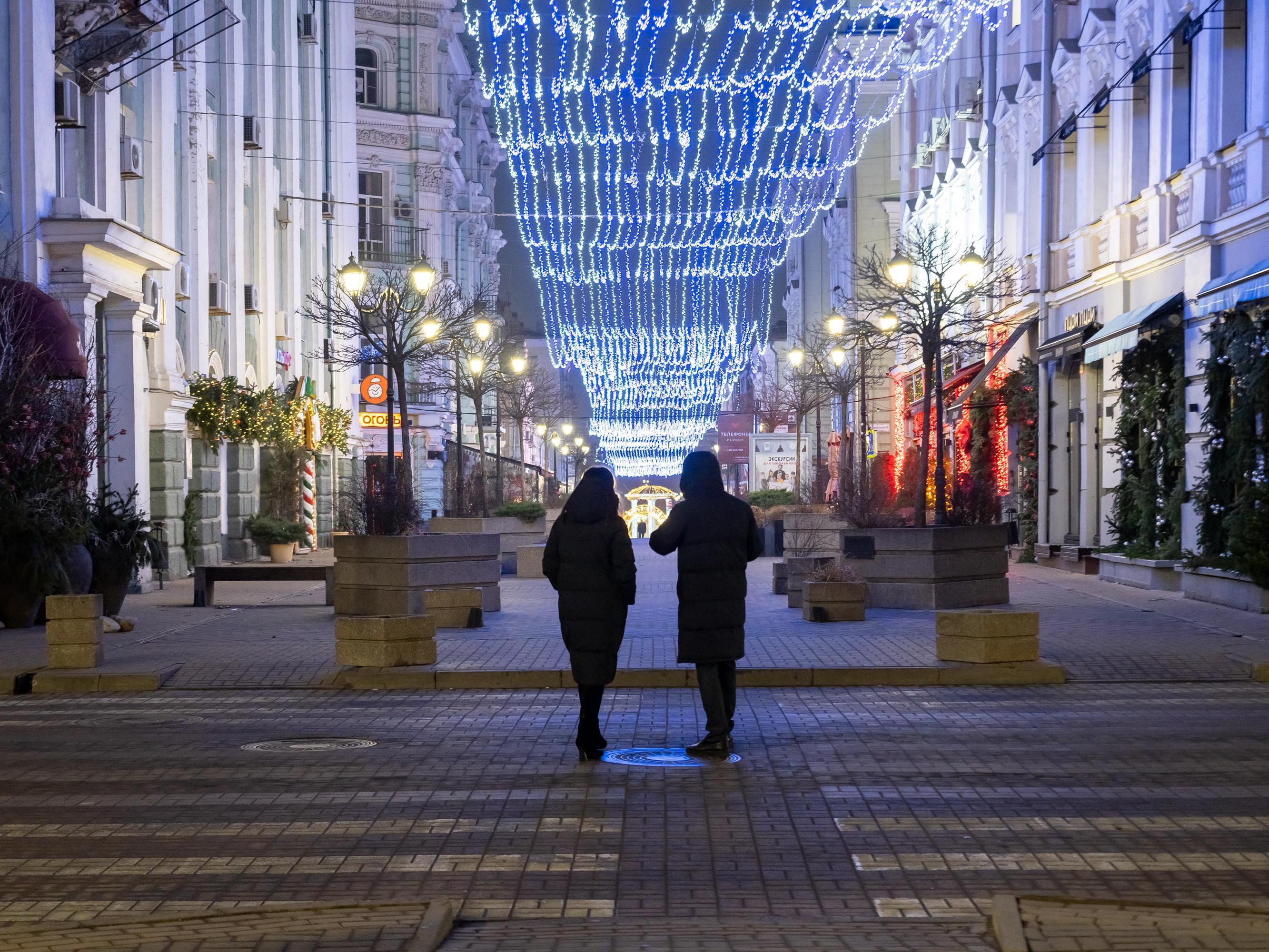

The columnist quotes Remarque in illustrating how a city becomes familiar through shared experiences.
Source:
Maria, the columnist, stopped in Rostov for work. The young woman found herself in the southern capital for the first time, and she had only a few hours to get to know the city. The editorial team of 161.RU found out what especially impressed our guest.
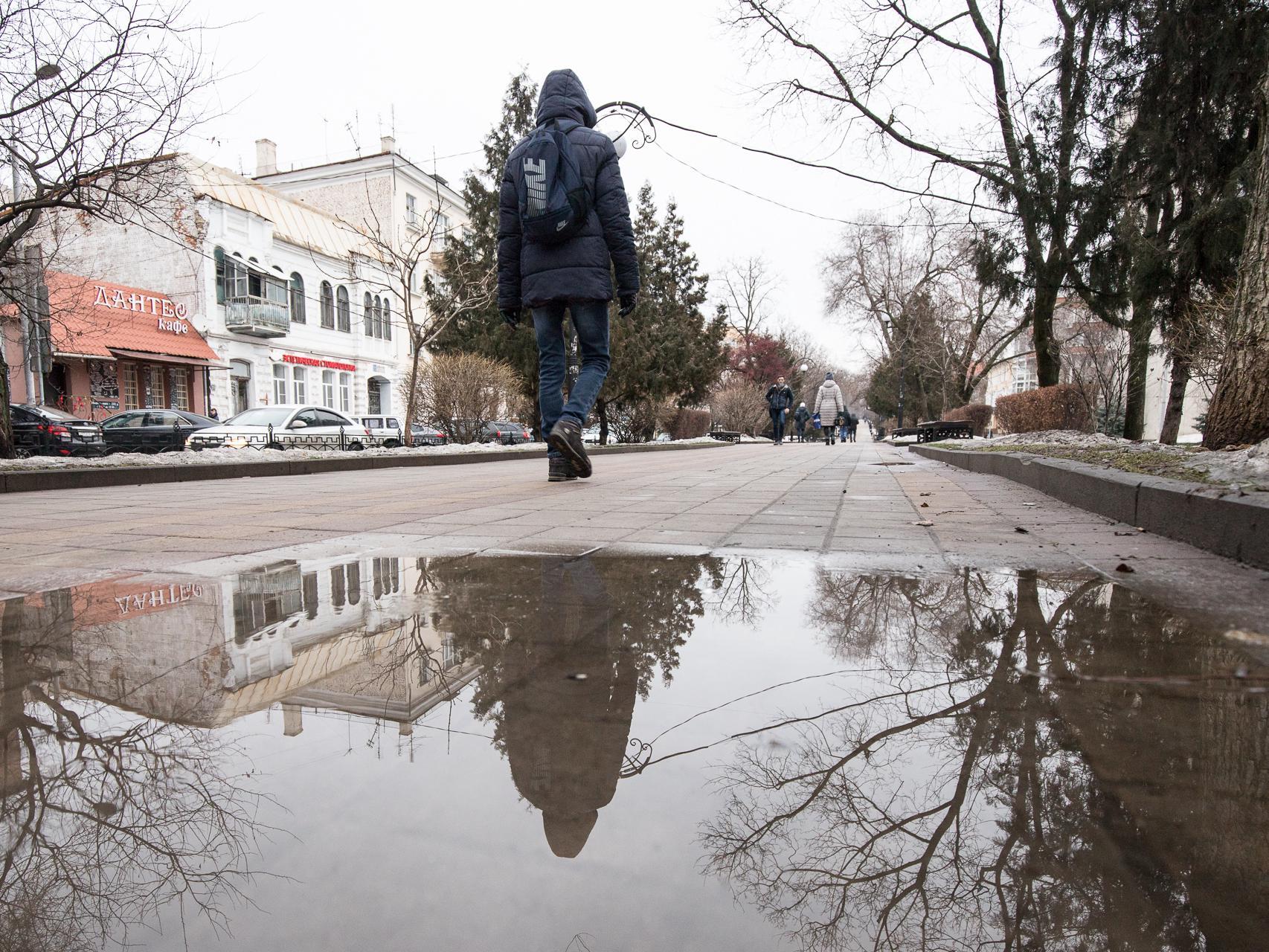
Yevgeny Vdovin«s image highlights the city»s mix of old and new architectural styles.
Source:
«Discovering» is a word hardly applicable to a one-day trip that started at six in the morning and ended at eight in the evening. On the other hand, arriving in a new city is always like opening a book in the middle. You don«t know the plot, the characters are unfamiliar, but the rhythm of the streets already captivates you. You walk around, trying to piece together the beginning of the story from fragments: from the architecture, from the faces of passersby, from the signs.
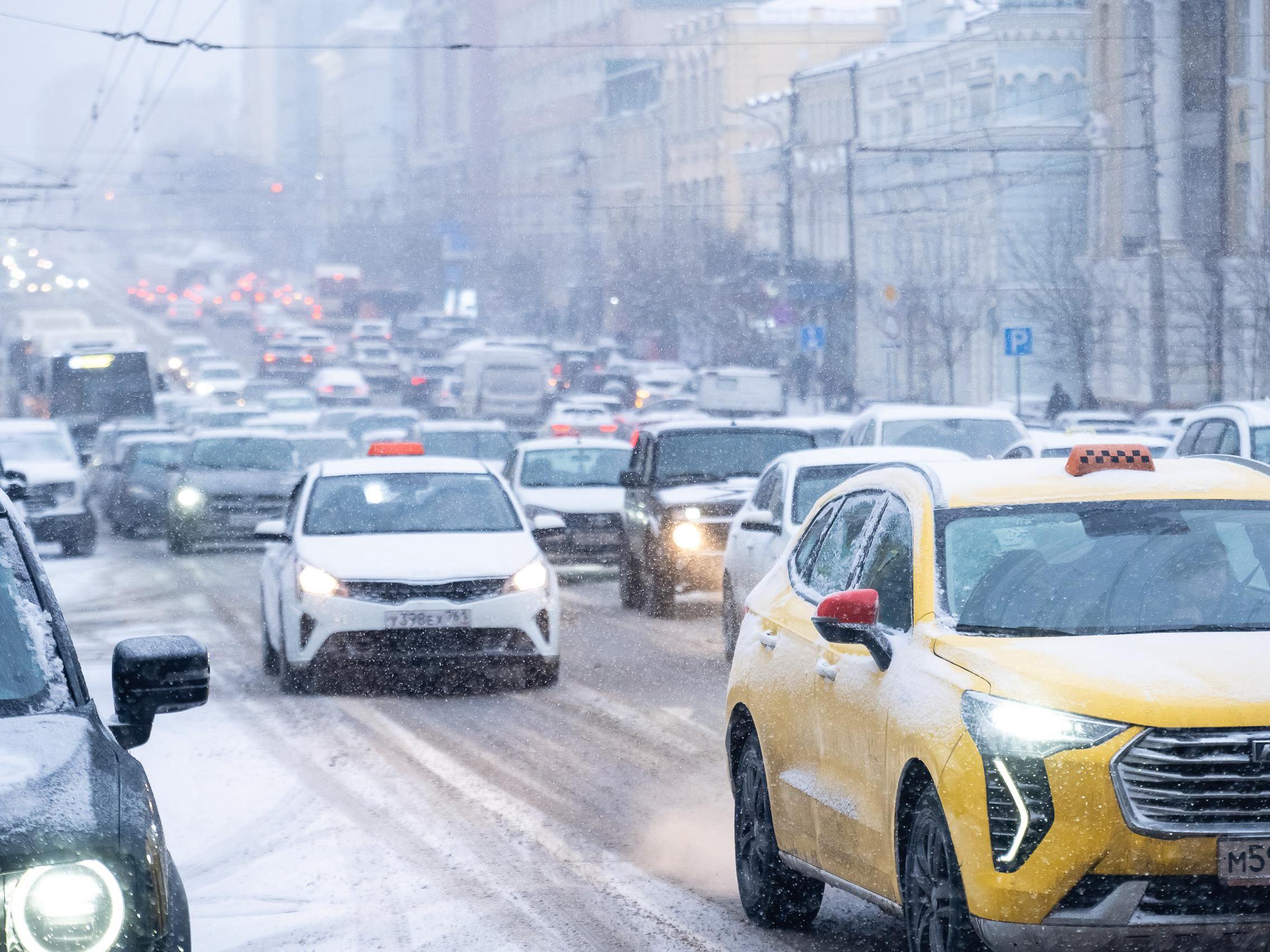
The columnist describes Rostov«s relentless energy, comparing it to a giant, buzzing beehive.
Source:
There is a popular quote by Remarque: «Any city ceases to be hostile as soon as you have eaten and drunk in it.» I would add that you become part of the city«s life when you and its residents overcome shared difficulties.
That morning, Rostovites and I were united by all the types of black ice and slush possible in a southern city that solves the problem of snowfall in the traditional way: «wait until it melts.» From the railway station up the stairs in Sokhumi Park, I climbed practically on all fours, having despaired of balancing on the mushy snow-covered steps. Coming toward me, also on bent legs, slipping and performing feats of balance, the locals descended. I understood this from their stoic faces and skill in choosing their route.
In such weather, the elevation changes in the cityscape immediately stood out: the streets stretch upward, then descend and turn into real ice slides.
The next noticeable part of the landscape was the trash bags, which for some reason were stacked in neat piles near every lamppost, in the best traditions of European cities during a garbage collectors« strike.
However, putting aside situational sarcasm, Rostov really has much in common with European cities (the author lived in Europe for some time. — Ed.). At least for a person who knew only that Rostov is «papa» (the dad of southern cities), and had no specific expectations... But when I turned from a narrow alley onto Bolshaya Sadovaya, I was struck by the vista and the neat rows of beautiful buildings, each of which made me want to stop and examine the facades with stucco on the cornices, bay windows, and wrought-iron balcony railings.
The first impression that Rostov made was this contrast: you find yourself in an intimate little courtyard with an arch, where time seems to have frozen half a century ago, and then you step onto a large wide street where you feel the vibe of a big metropolis.
With a similar feeling, I watched a broad-shouldered man in a military jacket drink from a pastel-colored cup, standing on the porch of an elegant coffee shop with New Year«s decorations, thoughtfully touching a bead covered in red velvet and quietly smiling at something of his own — eclecticism.
Eclecticism, by the way, is the second association with Rostov: from urban architecture to the array of establishments. Here, old two-story merchant-era houses peacefully coexist with new buildings of dark brick in English style, and bakeries selling aromatic sourdough bread are neighbors with a restaurant serving French pâtés. Incidentally, I realized that Rostov is the gastronomic capital of the south just by wandering a bit in the center. The abundance of establishments for every taste is striking; practically every one makes you want to step inside.
But gastronomy is just fuel for the frantic rhythm in which the city lives. After just an hour of walking, a persistent feeling emerges: Rostov is a huge, buzzing beehive. It seems that in the contest for the title of city that never sleeps, Rostov could well push out Moscow (in terms of traffic jams, it certainly gives it worthy competition). At seven in the morning, when other regional centers, including my native Volgograd, are only stretching lazily, the streets here are already filled with brisk, tenacious people. It«s as if there is no morning warm-up; the city immediately turns on at full power.
This vital energy seems tangible: it vibrates in the air between merchant mansions and glass business centers.
And of course, the main generators of this electricity are the residents themselves. Rostovites give the impression of being extremely businesslike, tenacious, and down-to-earth. And their love for their hometown is the same — without excessive sentimentality, strictly practical. They clearly see all the flaws: the ice on the steps, the trash bags near the lampposts, and the chaotic development.
But, for example, unlike us Volgogradites, who often live with a perpetual «suitcase mood,» Rostovites seem not too eager to leave the city in search of a better lot. Instead of escapism, they choose work: they want not to change the scenery, but to transform their home«s shortcomings into advantages, or at the very least, sell them profitably. And there is a higher logic to this very «beehive»: bees may buzz angrily in cramped conditions, but they faithfully carry honey to their combs, making them fuller, richer, and warmer every day. In this, one very much wants to take example from Rostov.
Read more