‘We Also Got Burned’: Ex-Harmony Employees Allege Pay Delays
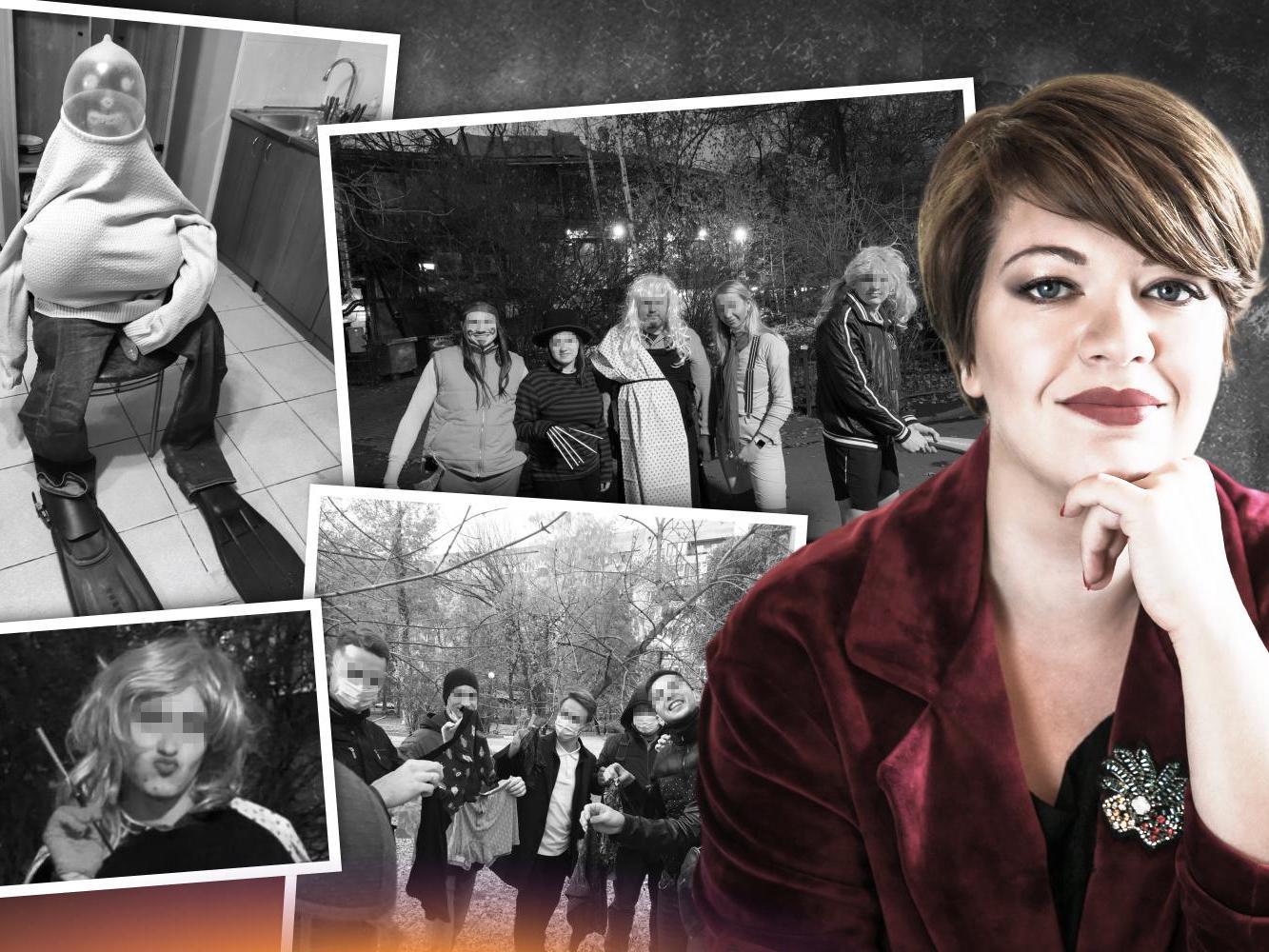

Former employees of the Harmony training center in Samara believe they were part of a fraudulent scheme.
An investigation by 63.RU journalist into the Samara training center Harmony, which has been ongoing since early January, is gaining momentum. Now not only clients but also former employees who worked in businesses linked to the center are speaking out. The editorial team has obtained audio recordings and transcripts of conversations with people who, they claim, worked in the photo studio (FotArt) owned by Ella Prudnikova’s structures. They share stories of salary delays, pressure, and, in their view, unbearable working conditions.
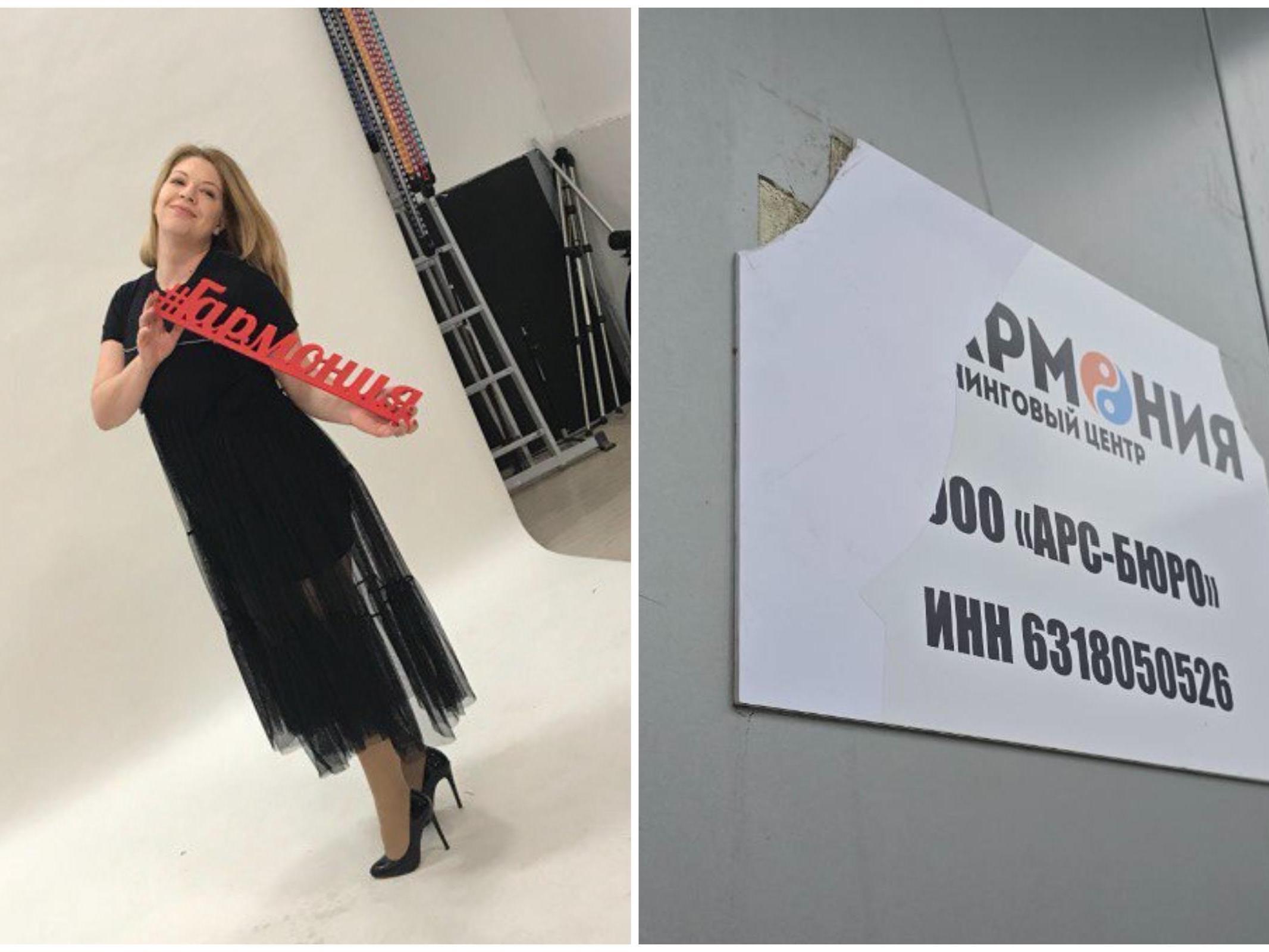
The center«s sign has been almost torn down, marking the collapse of Harmony.
What We Have Already Reported
Let us briefly recap the timeline. In January 2026, 63.RU published stories of dozens of people who believe that after Harmony’s trainings, they were pressured into loans, urged to take credits, and ultimately left with multi-million ruble debts. The damages, they estimate, reached up to 20 million rubles per person.
The Harmony center was evicted from Gagarin Street for rent arrears. It also became known that a criminal case was opened under articles on fraud, but so far against an ‘unidentified person.’ One of the victims, Alexander Pozdnyakov, has been officially recognized as a victim.
The editorial team also obtained the center’s internal manual, the ‘Captain’s Book,’ which a cult expert characterized as ‘instructions for creating a sect.’
The story of Harmony is gaining new details. Now we hear the voices of former employees who believe they worked in a photo studio controlled by Ella Prudnikova. These stories, the interlocutors believe, add to the portrait of the organization.
How People Ended Up in the System
According to the interlocutors, one could end up inside the system even against their will. One of them, Rita (name changed), says that her parents, who had completed the ‘leadership program,’ gave her a pass to the same training for her 18th birthday.
“I walked in and felt right away that it was some kind of trick. After maybe two levels, I said: ‘That’s it, guys, goodbye.’ And I left because I realized it was some kind of systematic fraud,” she shares in an audio message.
However, Rita believes her departure did not go without consequences. During the training, she met an assistant to Ella Prudnikova and through her, she says, got a job at the photo studio. The girl links her subsequent departure from FotArt and problems with salary payments precisely to her refusal to continue participating in Harmony’s programs. According to Rita, management regarded this as disloyalty.
Systematic Salary Delays
According to former employees who were contacted, the main problem at the photo studio was systematic delays in payments. They believe these were not isolated incidents.
One of the girls, Nastya (name changed), describes the process. In response to demands to pay a salary debt of 70,000 rubles (about $778 at current rates), Ella’s ‘right hand,’ she says, constantly found excuses: “Either Prudnikova left… or Prudnikova got sick and is in the hospital… or they have bank account problems.” Nastya calls this process “stringing along.” Salary, she asserts, was not paid in full but in small amounts, “handouts” of 2,000, 3,000, or 5,000 rubles ($22–$55).
“I say, great! And what am I supposed to live on, excuse me?” says Nastya.
When the employee began, she says, to threaten a complaint to the labor inspectorate, they sent her an official letter promising to pay everything by September 30. On September 30, Nastya believes, nothing was paid. Then, according to her, they sent a new letter offering to take 50% of the point’s weekly revenue.
“I’ll be collecting those 70,000 rubles for another two years,” the girl speculates.
Another employee holds the same view: salary delays, she believes, were the norm.
“During that time, I had about 3–4 months without delays. All the rest of the time there were delays,” she says.
Because of this, the studio had high staff turnover, according to the employees.
Fear and Pressure: Why They Stayed Silent
Why did people, by their own admission, endure this situation and not turn to regulatory authorities? The answer, they believe, lies in an atmosphere of fear and manipulation.
Fear of being drawn into financial schemes. One interlocutor says she planned to file a complaint with the labor inspectorate but, she says, changed her mind after a conversation with a colleague. That colleague, as the girl recalls, admitted that not all receipts were processed through the terminal and asked her not to file a statement, fearing consequences. The interlocutor admits that after that conversation, her own fear of possible problems outweighed her intention to defend her rights.
Dangerous working conditions. The photo studio employees worked in a district with a difficult environment, in their opinion. One describes how drunk stranger men came to her porch, she says. The ‘panic button,’ she is convinced, did not work. Assistant Natasha called the police, but they, according to the interlocutor, declared it a ‘false call.’ Another time, an unknown man, she believes, harassed her right on the street near work.
Pressure to participate in training. Employees were constantly urged to attend trainings, they say. “Everyone kept urging me to go to this training. I joked then, ‘Mom, I’m not going to those sectarians.’ And it really is like that,” recalls Nastya.
Where Did the Money from the Sale of FotArt Go?
An important detail that emerges in the conversations: the photo studio (FotArt), according to the interlocutors, was eventually sold. And this fact raises questions for them.
“Where did the money from the business sale go? Probably into a house with a sauna complex,” shares one employee.
This echoes the suspicions of victims from earlier materials, who speculated that money taken from people might have been invested in real estate.
‘Coaching Session’ for 9,000 Rubles: How Enrollment Sounded
Separately, the editorial team obtained an audio recording of a conversation between Ella Prudnikova’s assistant and a potential client. On the recording, the girl is offered a ‘transformational program’ for 9,000 rubles ($100 at current rates). The conversation uses:
Manipulative questions: ‘Are you ready to play a game where… there’s no option not to do it?’
Comparison to childbirth: ‘Once the birth process has started, it’s like you have no option not to do it… there’s only the story of moving forward.’
Pressure through obligations: ‘If your butt isn’t in the chair by 11:00, then only the next program is available to you.’
Pseudo-profound musings about ‘being, doing, having’ and feedback.
What Next?
The stories of former FotArt employees, they believe, add to the picture of Harmony’s activities. They describe systemic problems at different levels: from pressure on clients and loans to difficulties with paying salaries to ordinary employees.
They didn’t lose 20 million rubles, but in their own words, they ‘also got burned’ — their experience, they share, was fear and a sense of helplessness.
Now their voices join the chorus of victims. While the criminal case is being investigated against an ‘unidentified person,’ yesterday’s employees and clients of Harmony, as they say, are seeking justice on their own — on TV channels, in journalists’ offices, and in online posts.