Inside Novosibirsk's Heat Delivery and Temperature Control System
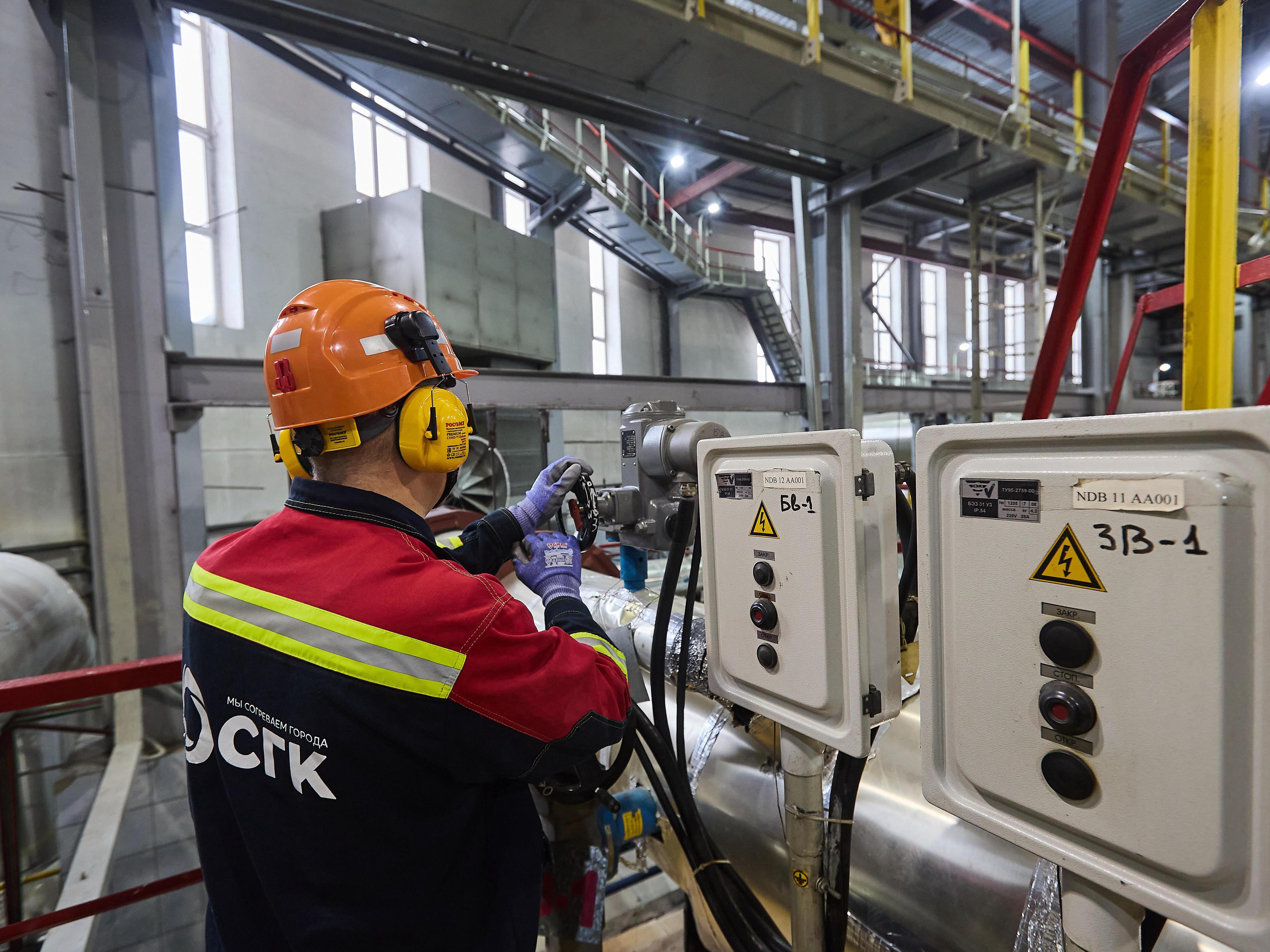

In Novosibirsk, the issue of heating is always acute, and residents in winter pay close attention to how the heat supply system works. NGS correspondents observed the systems that deliver heat to homes—pump stations and central heating points. We also asked energy experts about the development of the city«s heat supply system. Details in the report.
‘A Very Powerful Engine’
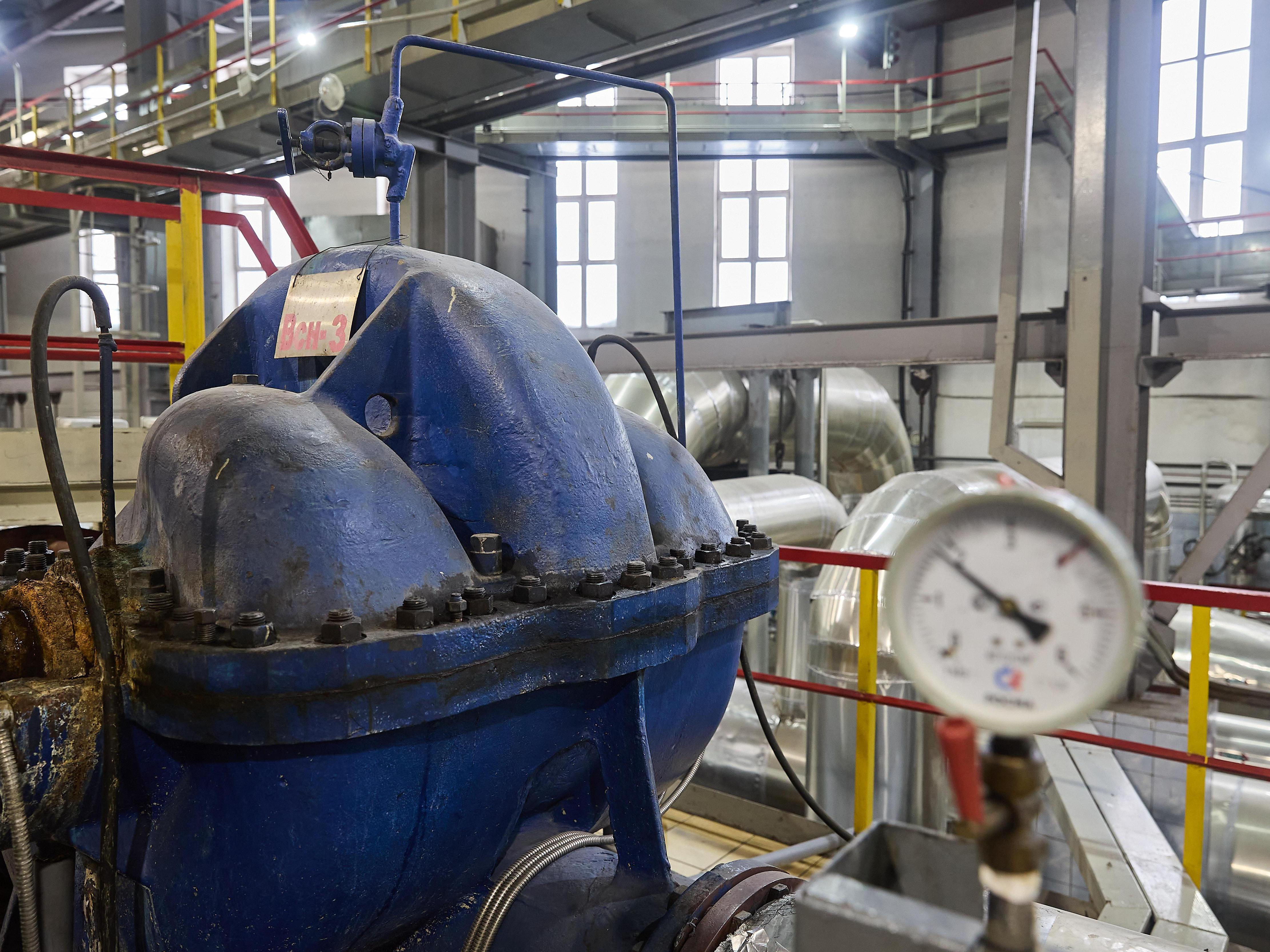
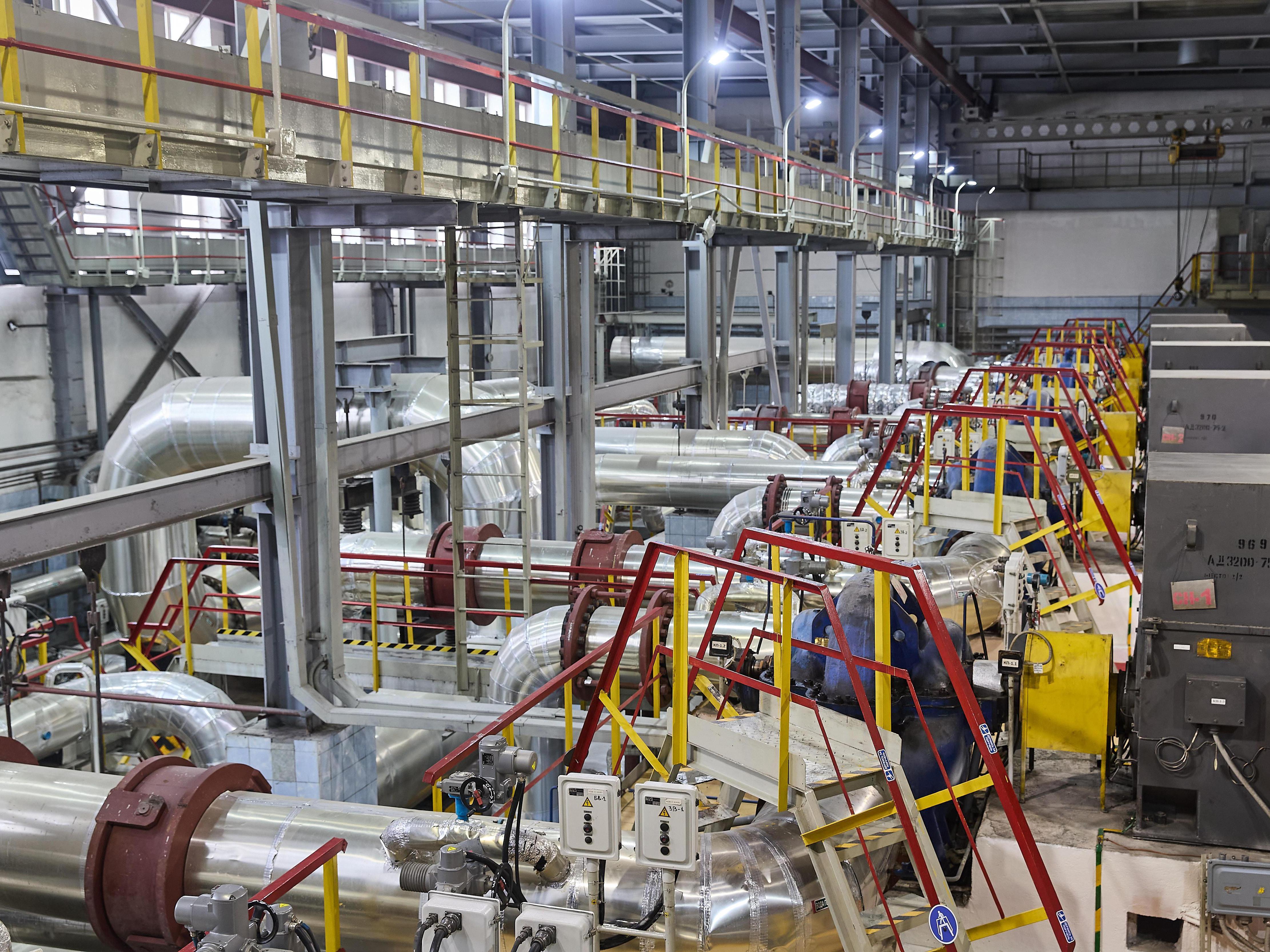
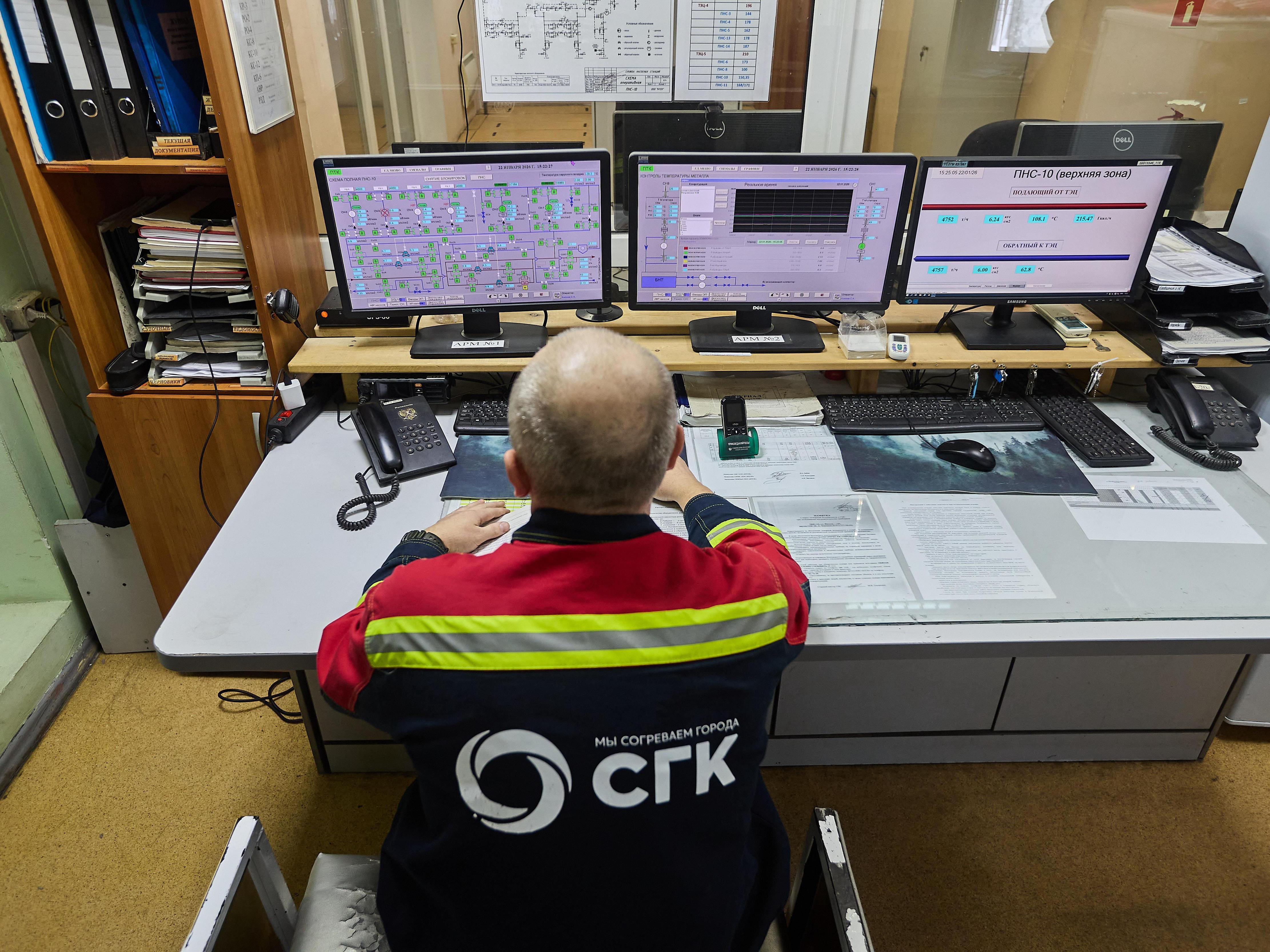
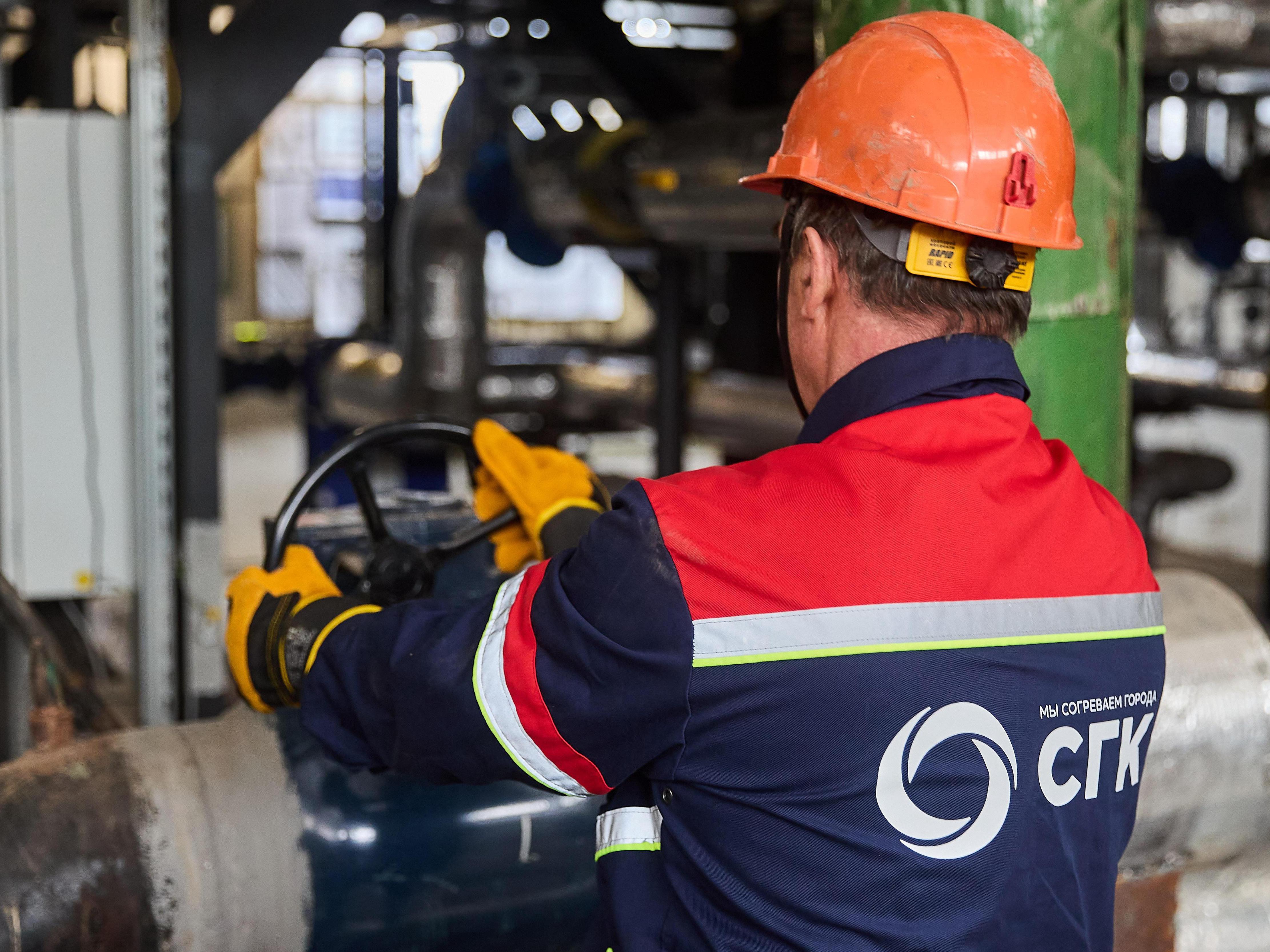
In a small, stuffy room stand six huge pumps. This is a pump station, or PNS for short. It is maintained by five people around the clock. Whether heat reaches Novosibirsk homes depends on the PNS.

As explained by Roman Korniyenko, deputy chief engineer for operations at Novosibirsk Heat Network Company (NTSK), part of Siberian Generating Company (SGC), heat is generated at thermal power plants (CHP), but Novosibirsk has uneven terrain, and pumps are needed to deliver water with the required pressure.
«The radius of CHP-5, for example, is a maximum of 19 kilometers if measured along the pipes, not on the city map. The farthest subscribers receiving water directly are Kholodilnaya and Planovaya streets,» notes Roman Korniyenko. Then pump stations come into play.
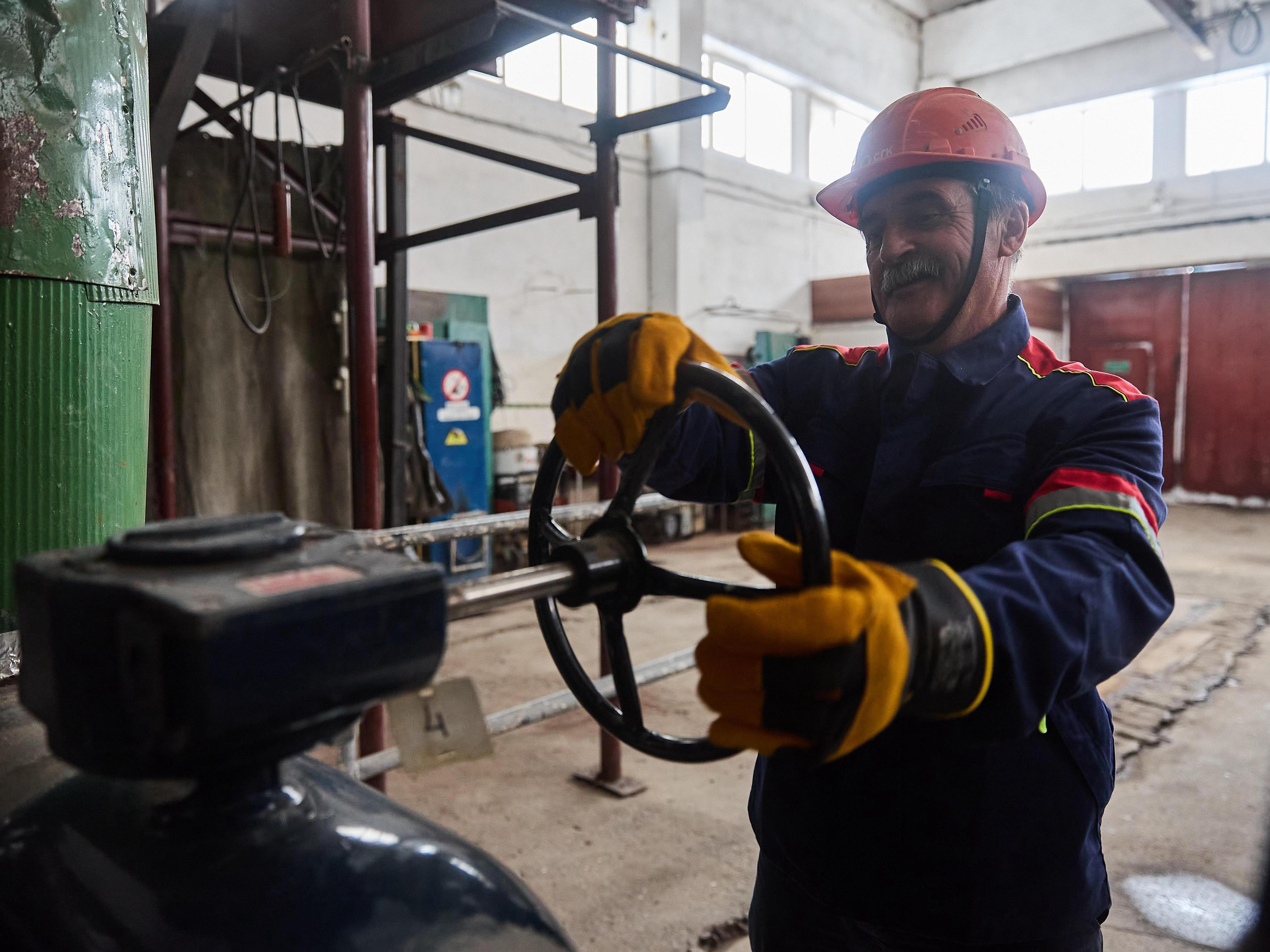
To deliver water, not one pump station works, but an entire cascade. Some transfer hot water, while others, like the one visited by NGS correspondents, on the contrary, take cooled water and deliver it back to the CHP.
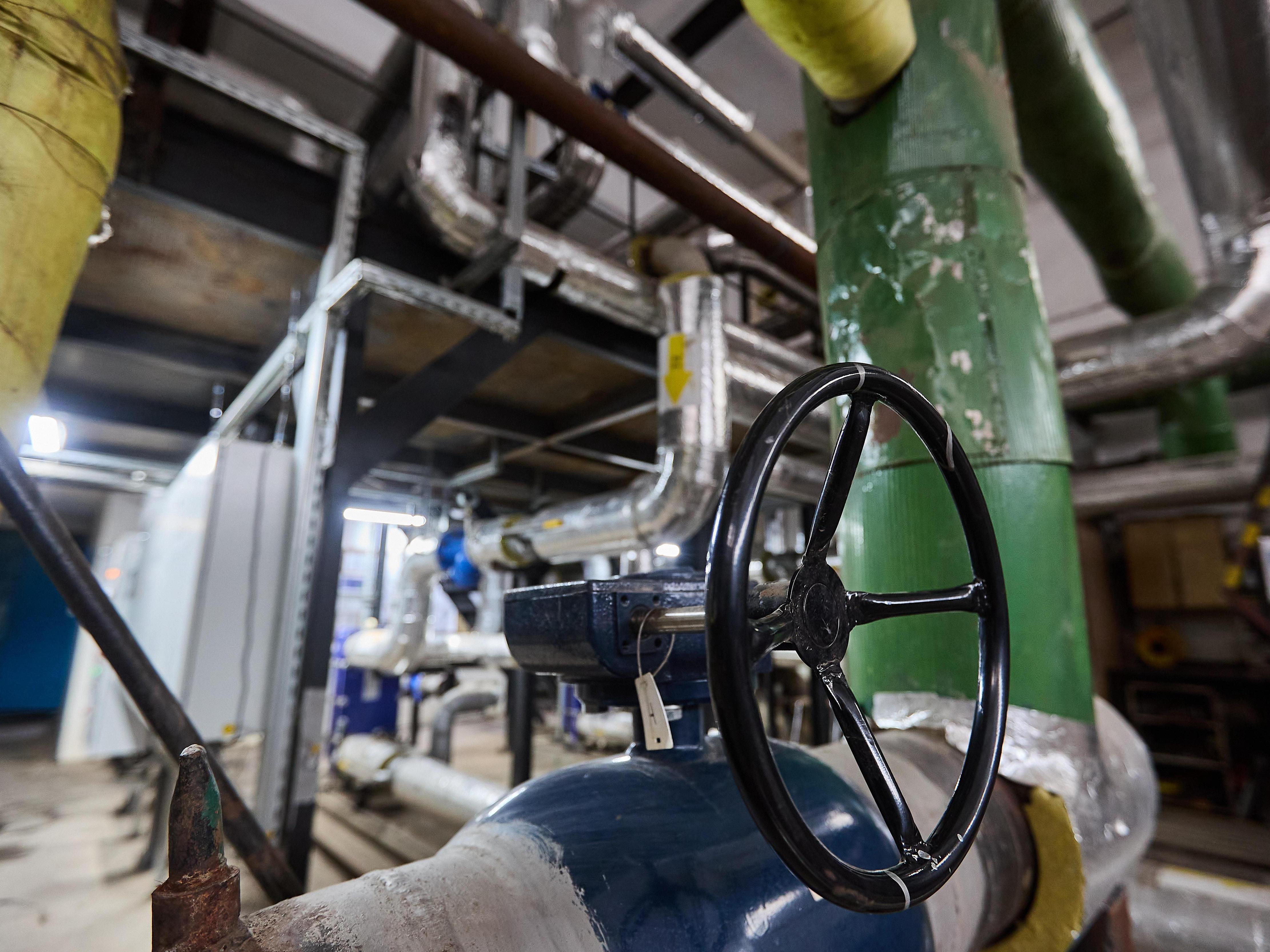
«This pump station is not small. It is the second in the city where we have very powerful pumps, each pumping 2,500 cubic meters per hour nominally. And it can pump 3,200. A very powerful engine,» explains the deputy chief engineer for operations at NTSK.
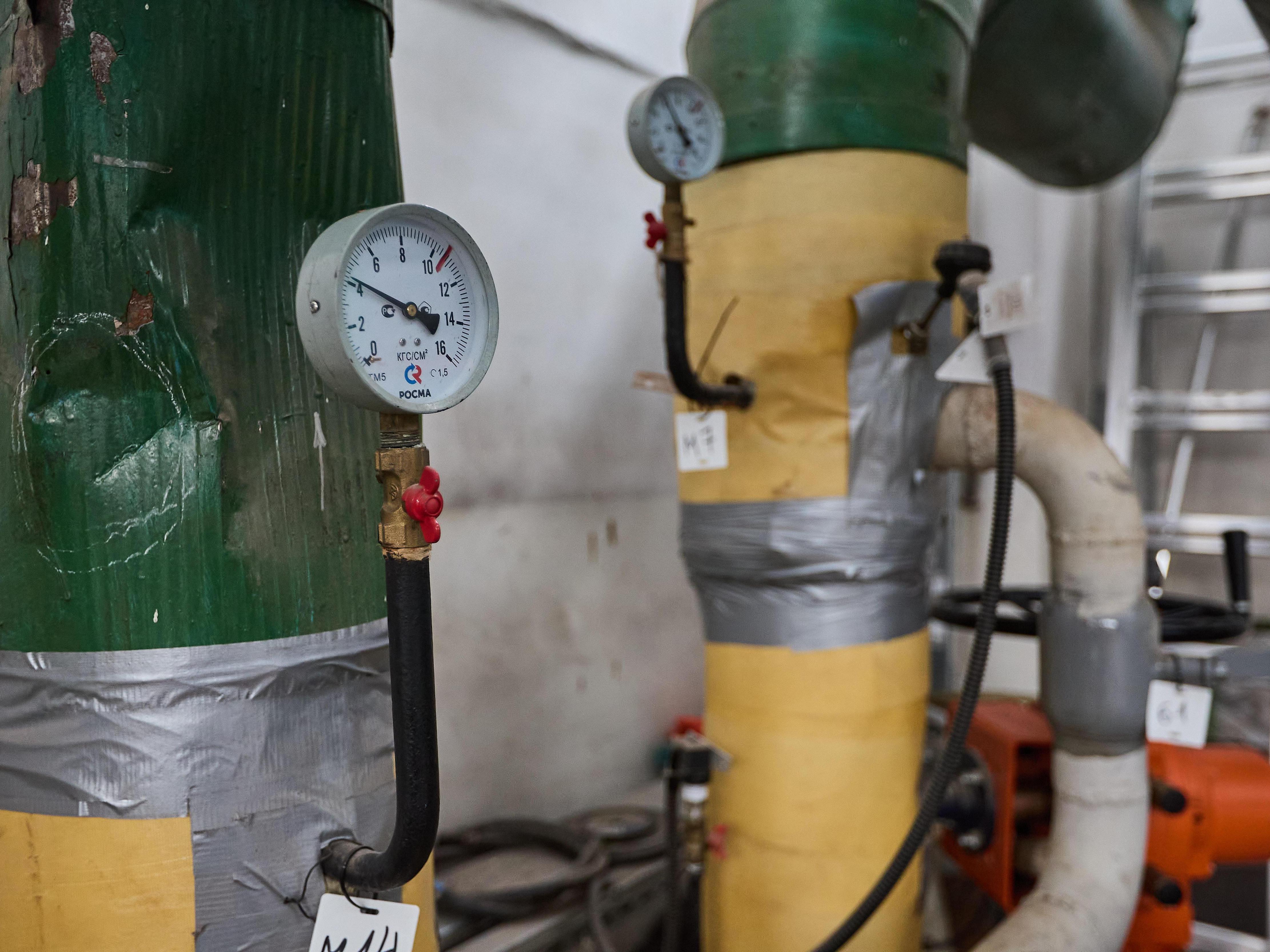
4,800 tons of water flow through the pump station per hour. In total, there are ten PNS in the city.
«At the moment, there are certainly enough PNS in the city. When a new residential area or development is planned, the throughput capacity of the networks and pressure are checked. If they are insufficient, either the diameter of the pipelines is changed, or a new pipe is built. If a house or group of houses is somewhere remote, either the pump station is replaced or its parameters are adjusted,» says an SGC employee.
A failure at a PNS can cut off heating for hundreds of homes. For example, the station where journalists found themselves serves more than 700 buildings. In autumn 2024, pumps at PNS-5 stopped, and then heating was lost in 640 buildings. This PNS has automatically engaging reserves.
‘Not Everywhere Has This Scheme’
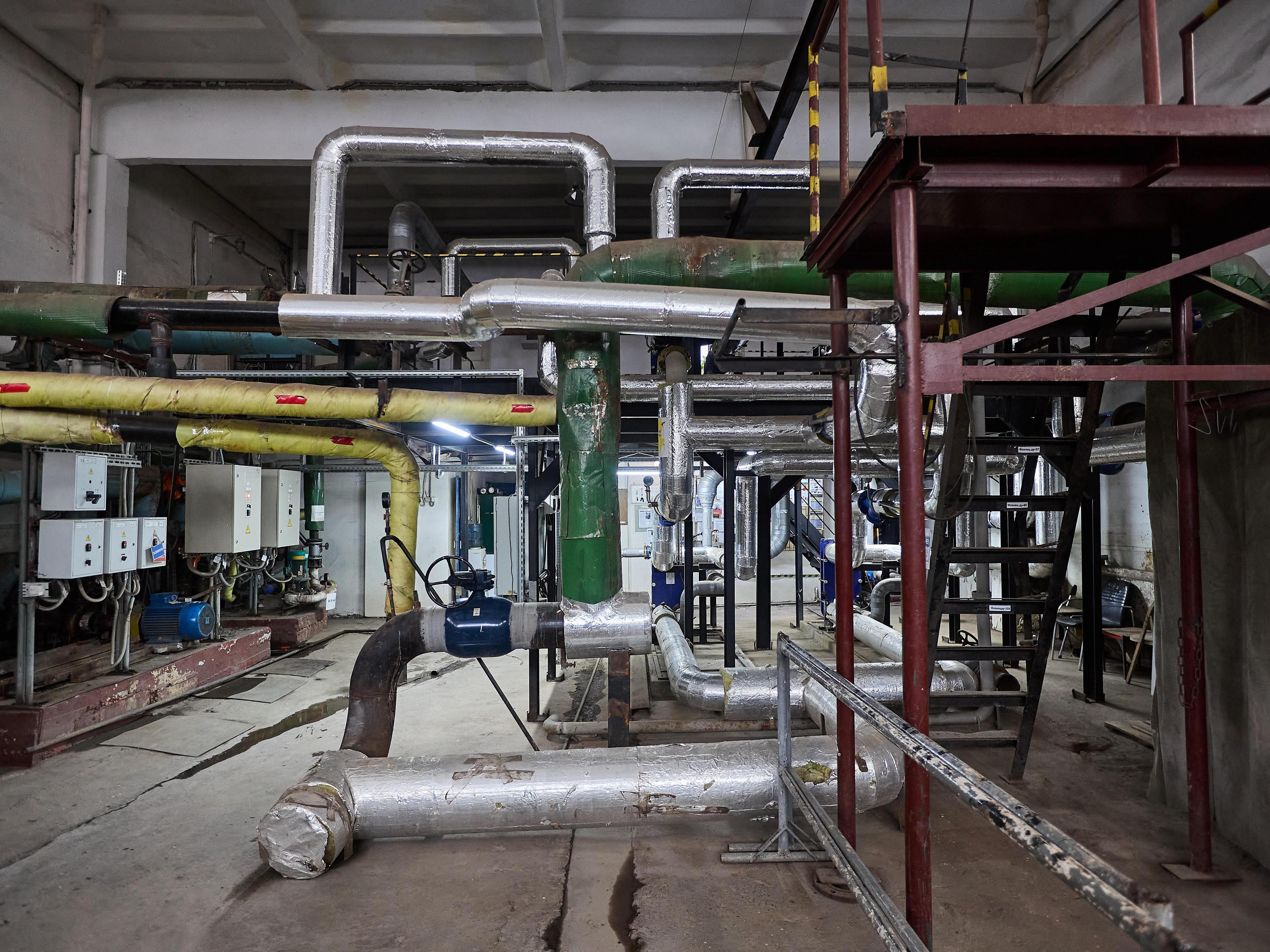
Another important part of the heat networks in Novosibirsk is Central Heating Points, or CHP. They are located in courtyards and serve three to four houses each. They have several purposes.
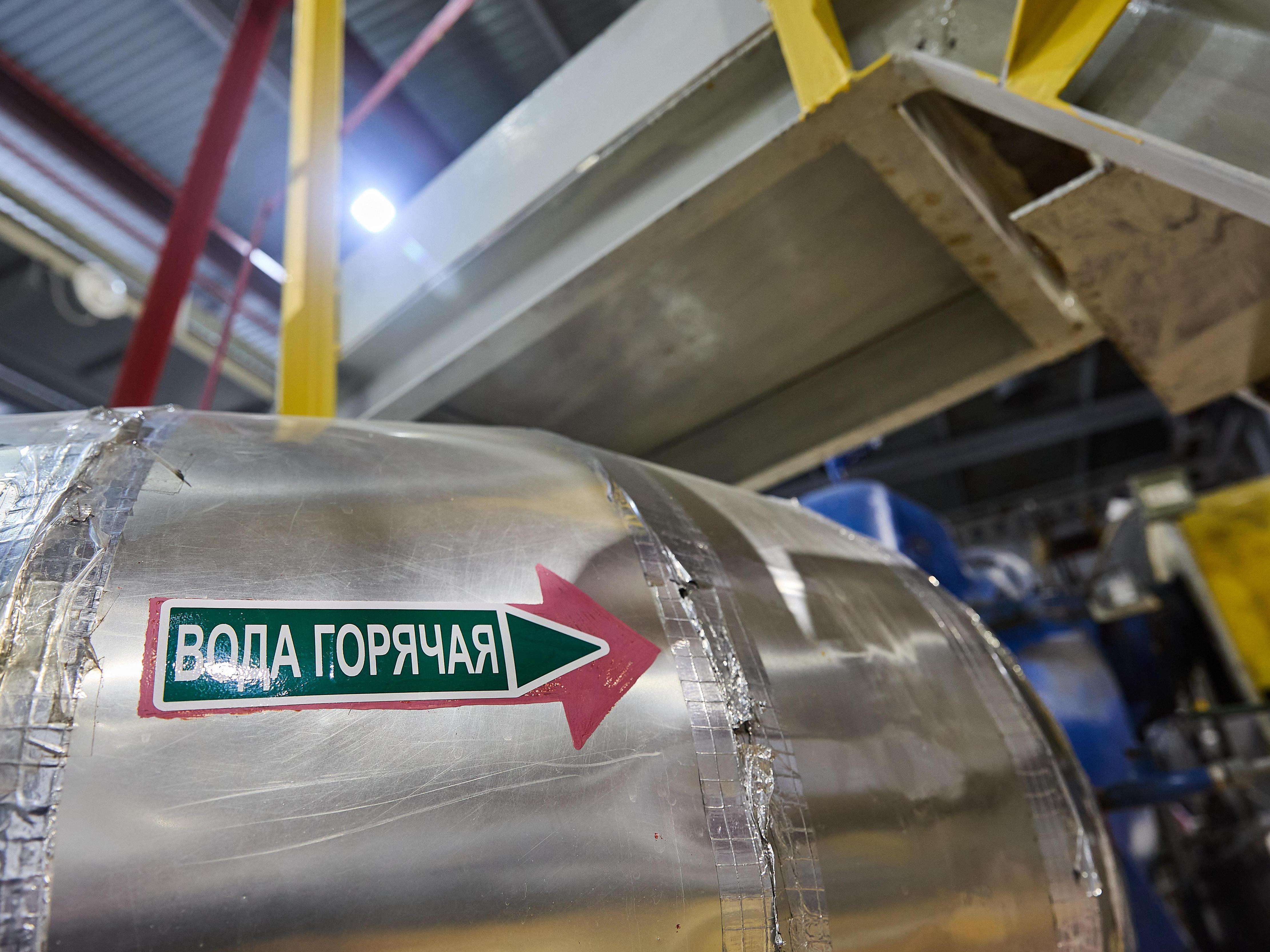
First, at the CHP, cold water from ‘Gorvodokanal’ (the city water utility) is heated so that people have hot water in their taps. Using the water from the station is not allowed, as it does not meet technical specifications.
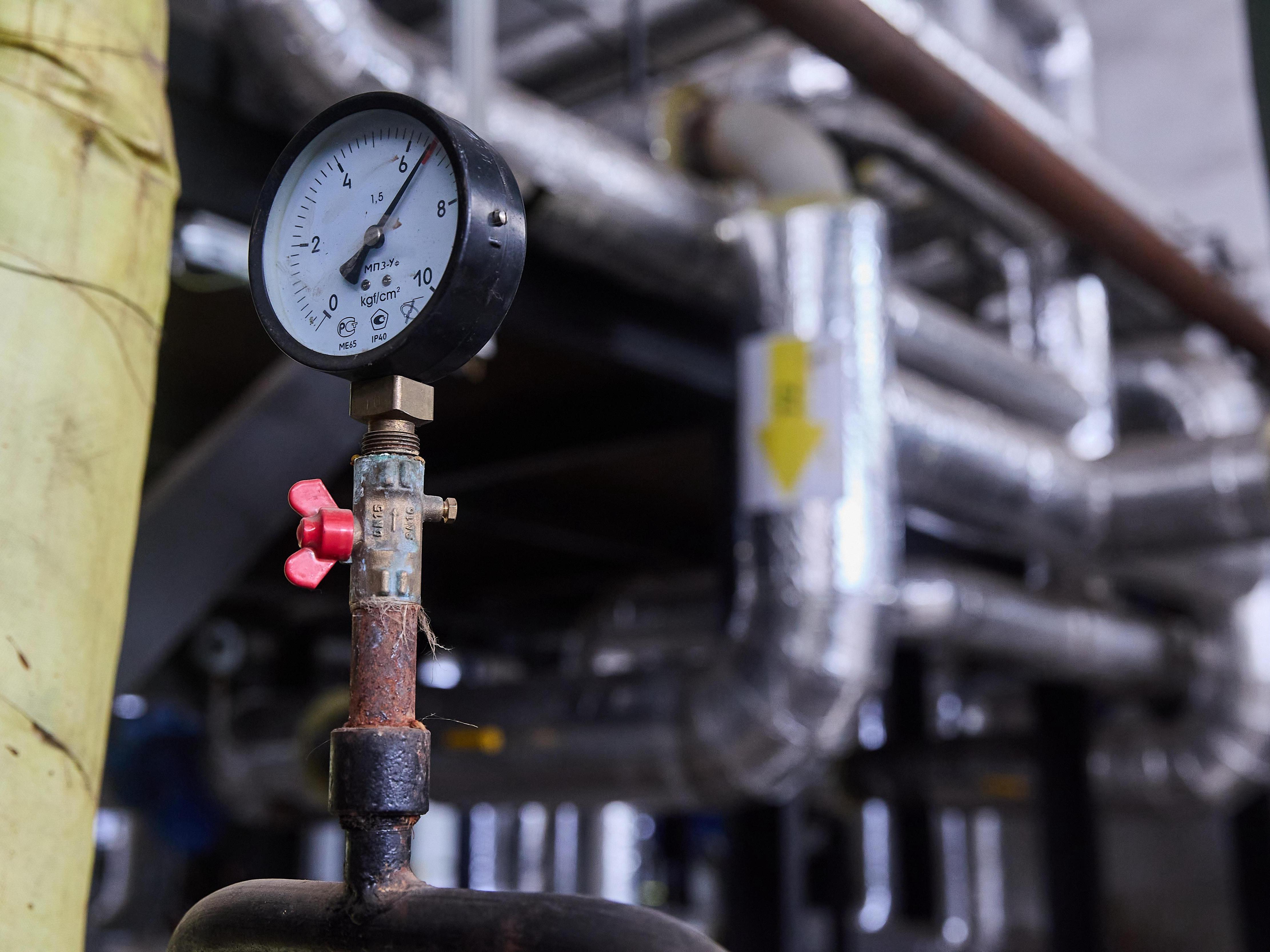
«It is heated in our heat exchangers without physical contact. We only transfer heat through the walls of the heat exchangers and supply it to apartments. Not everywhere has this scheme. In new buildings, especially high-rises, the system often works directly, without a central heating point, and hot water is prepared in the basement of the house. In the heat unit,» said Roman Korniyenko.
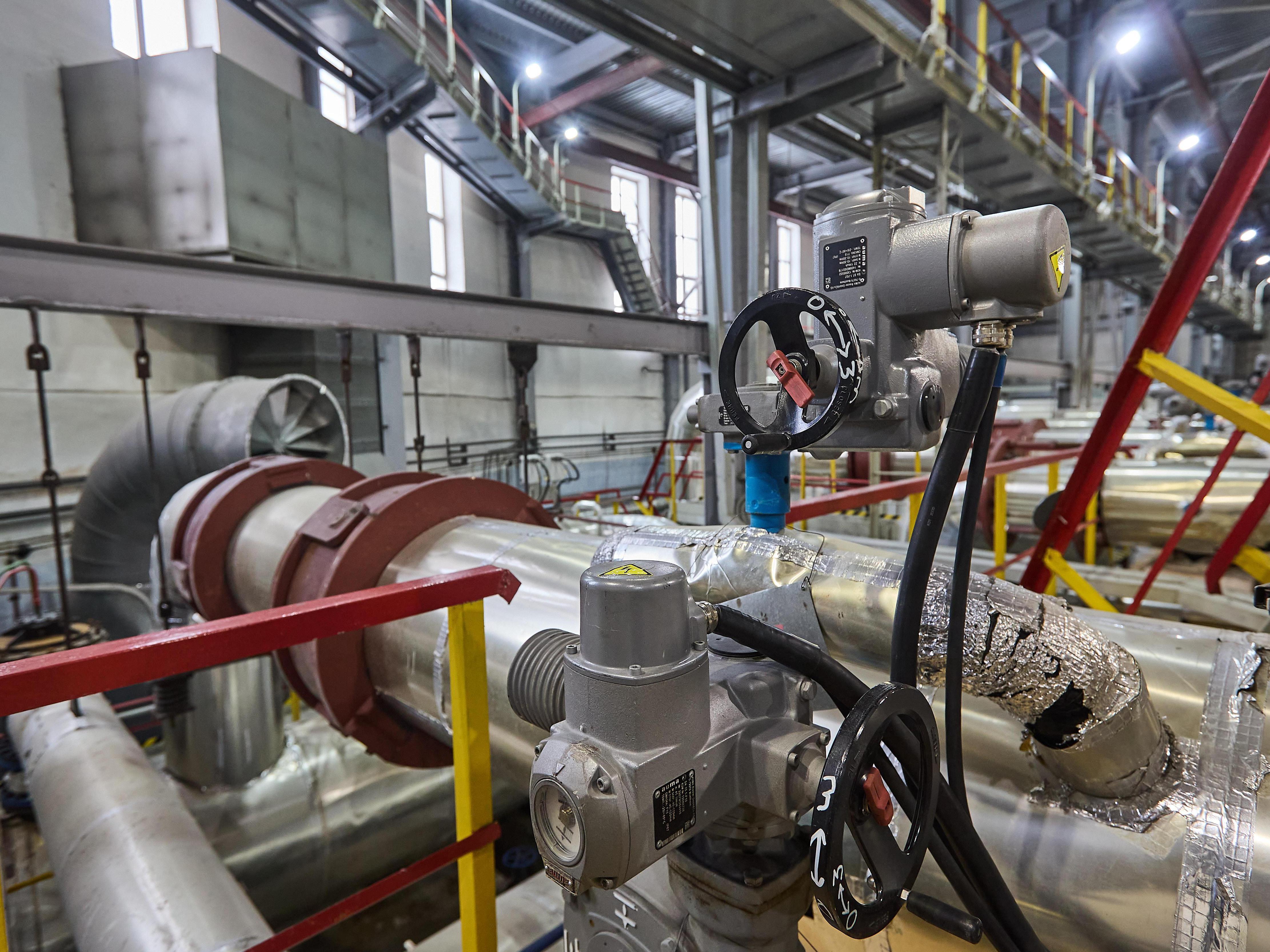
The second function of CHP is to lower the temperature of the heat carrier supplied from the CHP. According to employees, this is necessary because the water from the CHP is so hot that it cannot be fed into radiators. It could damage appliances and overheat rooms. All standards are established by legislation.
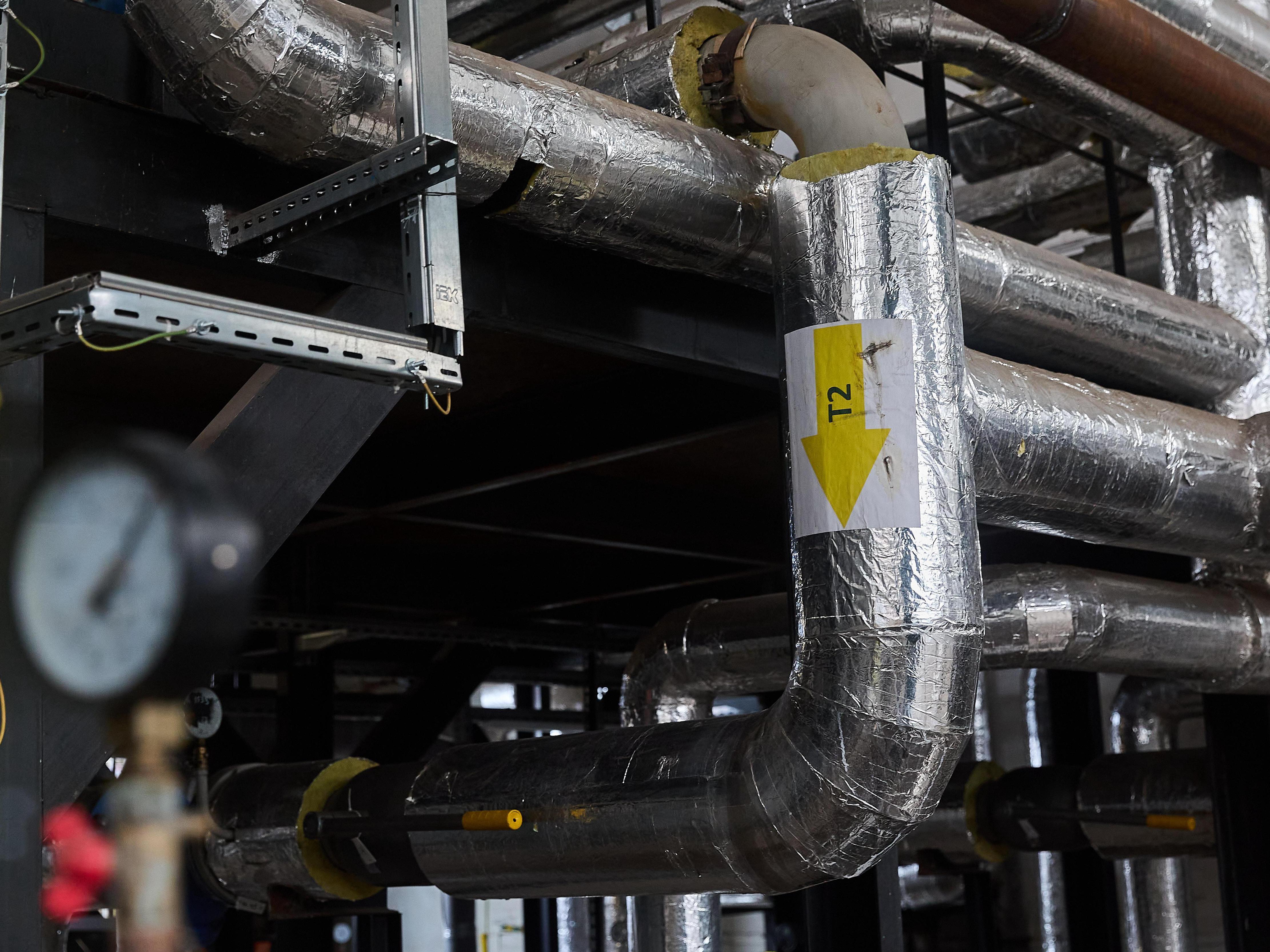
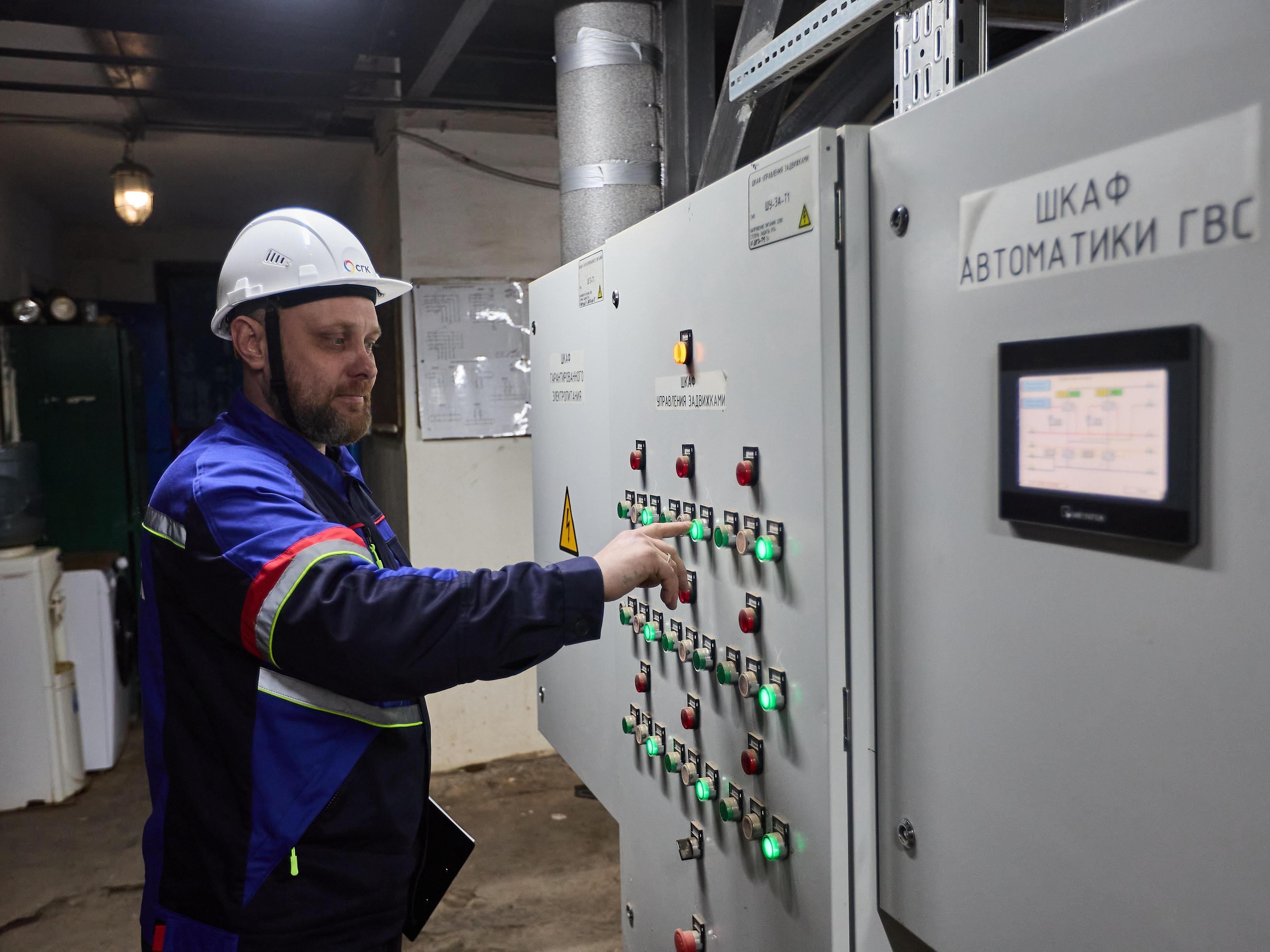
CHPs work automatically, and employees only appear for checks. All information is transmitted to SGC offices, where they monitor how everything is working.
«There is a temperature schedule, and it is automatically checked whether the temperature in the pipes corresponds to it. There’s no such thing as someone manually adjusting something—there’s no point for us because we sell heat,» adds the deputy chief engineer for operations at NTSK.
In old buildings, as stated by Roman Korniyenko, there are often problems with heat carriers, which are considered property of the house. Heat units lose pressure due to old equipment.
If residents are sure that their problems are due to the CHP, they need to contact the management company (UK). Then the management company contacts SGC, and an inspection is dispatched to the site.
The mode of reduced parameters during emergency situations is not regulated at CHPs. Usually, this occurs at accident sites, added SGC, and for the period of defect elimination. In this case, energy workers warn management companies about the problem.
SGC says that, as a rule, defects are eliminated within one working day. There are no shutdowns during the heating period lasting more than a day, stated the energy workers.
During severe frosts, only urgent repairs that could escalate into an accident are conducted. Defects identified in winter are monitored by specialists to be eliminated in warm weather.
‘Replace Inefficient Coal Boiler Houses’
In addition to questions about CHPs and PNSs, SGC also answered other questions that interested journalists and city residents.
Will SGC invest in building new heat networks? Are there plans to build a CHP? Is the current volume sufficient for the city?
SGC’s total investments in Novosibirsk’s heat network complex for 2022–2025 amounted to 27 billion rubles (approximately $300 million at current rates). With these funds, SGC replaced, built, and repaired a total of 232 kilometers of heat networks in Novosibirsk.
The degree of wear on pipelines older than 25 years is gradually decreasing. The length of dilapidated main networks has decreased by 13% over 4 years. If in 2020 the share of such heat networks was 71.4%, by the end of 2025 this figure should decrease to 66.8%.
— The lifespan of defects has halved. Speaking of the near future, it is important for us to maintain the level of investment. It is obvious to everyone that reducing the pace of modernization of the heat network infrastructure is unacceptable. We are working on this, — reported SGC.
There are no plans to build new CHPs, as there is currently no need. The available thermal capacity is sufficient. But everything depends on the development of Novosibirsk. Therefore, CHPs continue to work on increasing capacity with an eye to the future.
How many boiler houses are there in the city, are there any private ones, and is there an option that local boiler houses could help the city«s development?
The main heat sources in the city are five generating enterprises: CHP-2, CHP-3, CHP-4, CHP-5, the power unit of ‘Generatsiya Sibiri’ (Siberian Generation) company, as well as 242 boiler houses, of which about 155 are small boiler houses with a capacity of no more than 5 Gcal/h.
CHPs provide about 64% of the total thermal load of the city«s consumers, boiler houses—35%, and the heat sources of ‘Generatsiya Sibiri’ LLC—1%. Within the NTSK circuit, there are 23 boiler houses: 11 gas and 12 coal.
Where there is no technical possibility or economic feasibility to connect objects to a CHP, the issue is resolved through the construction of boiler houses. For example, NTSK (SGC) plans, under a concession, to replace inefficient coal boiler houses with new block-modular gas boiler houses.
In 2025, the company resolved issues with the municipality regarding the provision of land plots for designing boiler houses. New boiler houses will replace coal heat sources with a high degree of wear in five districts of Novosibirsk: Oktyabrsky, Pervomaisky, Leninsky, Kirovsky, and Dzerzhinsky.
What did the company undertake after the 2024 emergency? Why have such accidents not repeated?
The situation at the beginning of 2024 was seriously analyzed, resulting in the development and implementation of a two-year program to improve the reliability of heat supply on the left bank of the city. 1.6 billion rubles (approximately $18 million) was invested in this direction.
Major main heat networks were replaced, for example, on Vertkovskaya, Serafimovicha, Stepnaya, Petropavlovskaya, and a number of others. The replacement of two large sections on Serafimovicha and Stepnaya was carried out by NTSK with a threefold increase in the throughput capacity of the pipes.
The modernization projects on Serafimovicha and Stepnaya are part of the work to prepare the left bank«s communications for separating the heat supply circuits of CHP-2 and CHP-3. If the diameter had remained the same, the pipe capacity would have been insufficient for quality heat supply to residents.
By the start of the current heating season, the heat supply system of the left-bank part was changed—a node for feeding network water between heat supply zones was built for this purpose.
The commissioning of the node, along with the relaying of heat networks, allowed for the separation of the looped heat supply circuits of CHP-2 and CHP-3. As a result, the impact of defects on heat supply modes on the left bank of Novosibirsk should significantly decrease.
Digital control and automation continue to be developed. For example, monitoring of chamber flooding, acoustic leak detection sensors on pipelines, equipping sectional shut-off valves with hydraulic actuators. This reduces the time to localize defects and saves heat carrier.
At reduction and boosting pump stations, as well as heating points, the company is conducting modernization and reconstruction.
Why are there steaming collectors in the city? Does this mean they need repair?
It must be considered that steaming from a heat chamber in frost is not always a sign of damage. For example, it can be a consequence of the temperature difference inside and outside the chamber. Also, the cause can be snow or moisture ingress—in particular, due to faults in adjacent engineering communications.
In some cases, steam may indicate the presence of a defect and is definitely a reason to check the situation on site. If residents notice strong steaming, please report it to the SGC call center at 8800-300-5555, or the city mayor«s dispatch service at (383) 218-00-51.
Are there problems with electrical current on the pipes damaging them?
The main cause of pipeline defects is external corrosion. Currents have little effect on pipeline wear, as heat networks have protection from stray currents.
In the city, there are sections of heat networks that are already over 30–40 years old, but they are in dry conditions, with groundwater and surface water drainage. At the same time, newer heat mains in some parts of the city operate in more difficult conditions, accelerating their wear.
Therefore, when selecting heat network sections for replacement, specialists look not only at the age of the pipes but also at their condition—checking wall thickness, degree and nature of deposits, and conducting a whole range of diagnostic measures, including robotic diagnostics.
What Else to Read on the Topic?
«A house in the center is freezing, and no one is responsible for it». Residents of a ‘Stalinkа’ near the station are going to sleep in offices—temperatures in their apartments are below +10°C (50°F).
«It will be hell in the cold»: Novosibirsk residents are freezing in apartments with warm radiators—experts named possible causes.
«There is no work with debtors». What Novosibirsk residents can expect from utility tariffs: whether prices can rise and why.