'Indians Will Work in Our Fields': Interview with Chairman of Omsk's Biggest Farm
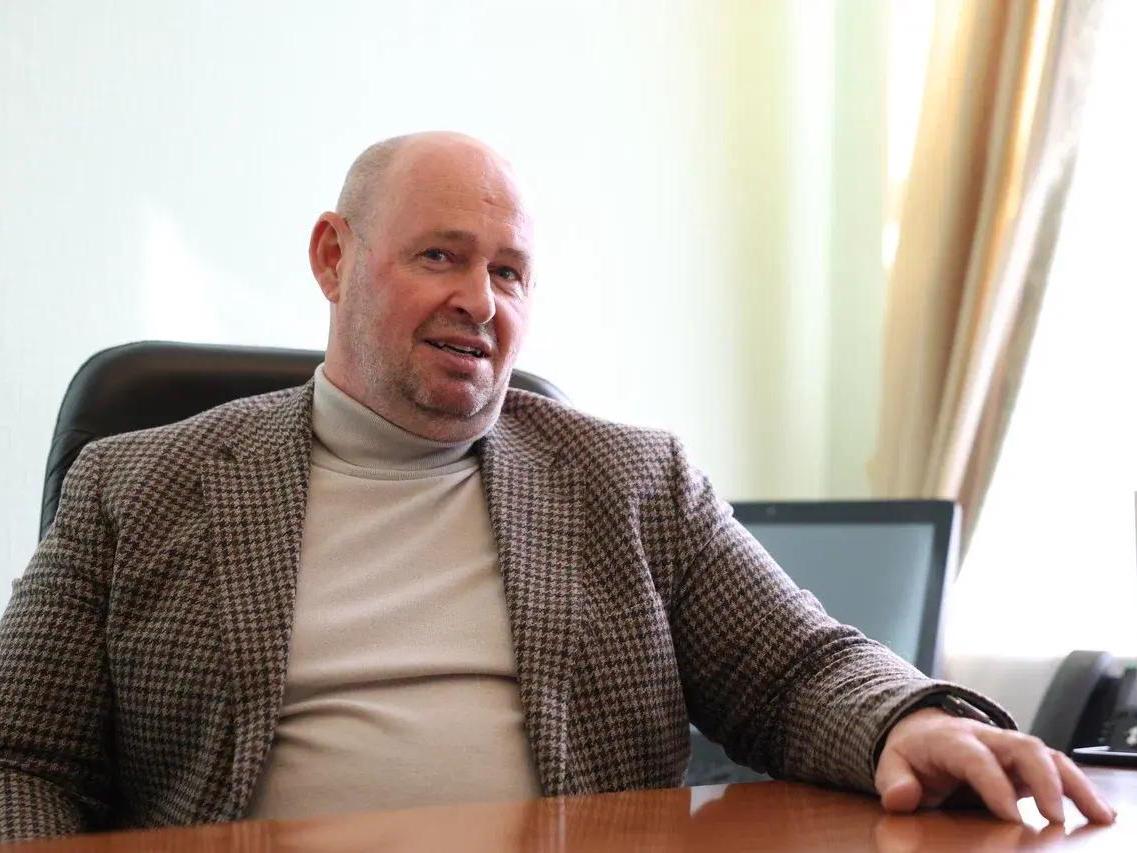

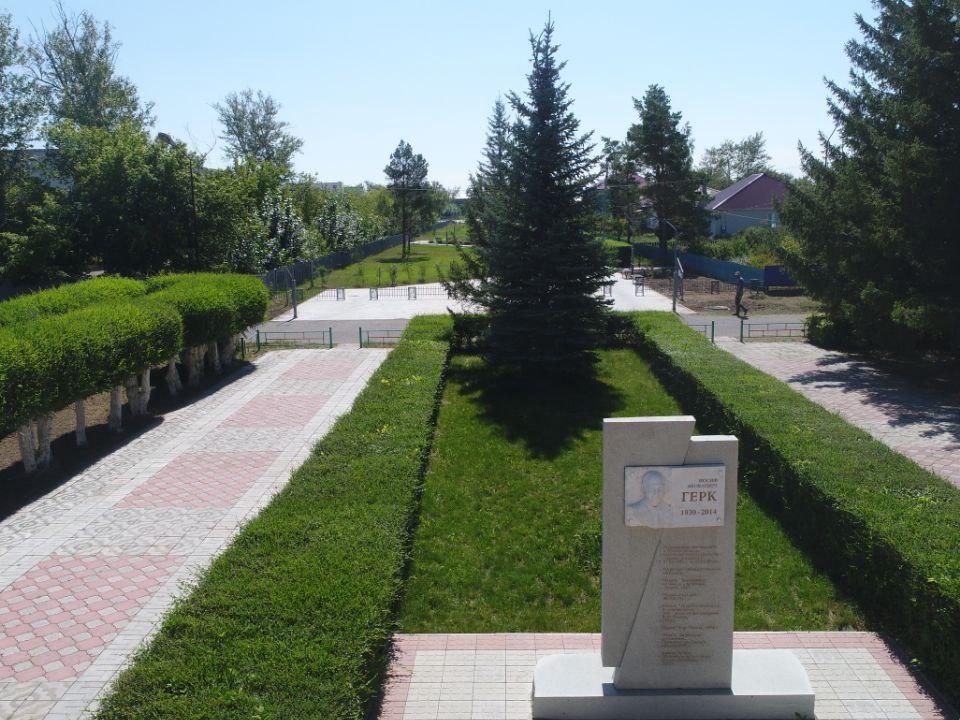
The village of Yermak is located in the southernmost part of Omsk Region on the border with Kazakhstan. Here is the region«s largest agricultural production cooperative, or as it»s traditionally called, a collective farm — SPK «Yermak». Its chairman since 2017 has been Vladimir Gerk — the son of Iosif Yakovlevich Gerk, who managed the agricultural enterprise for 32 years.
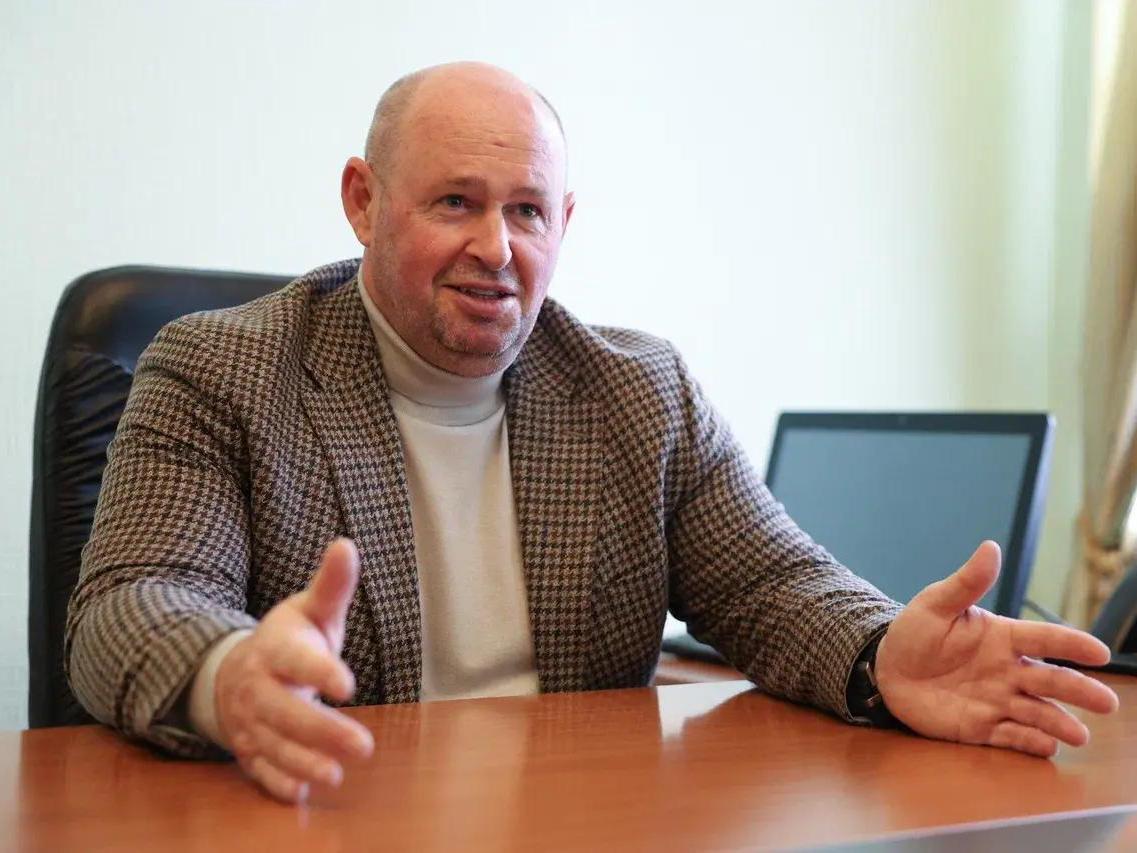
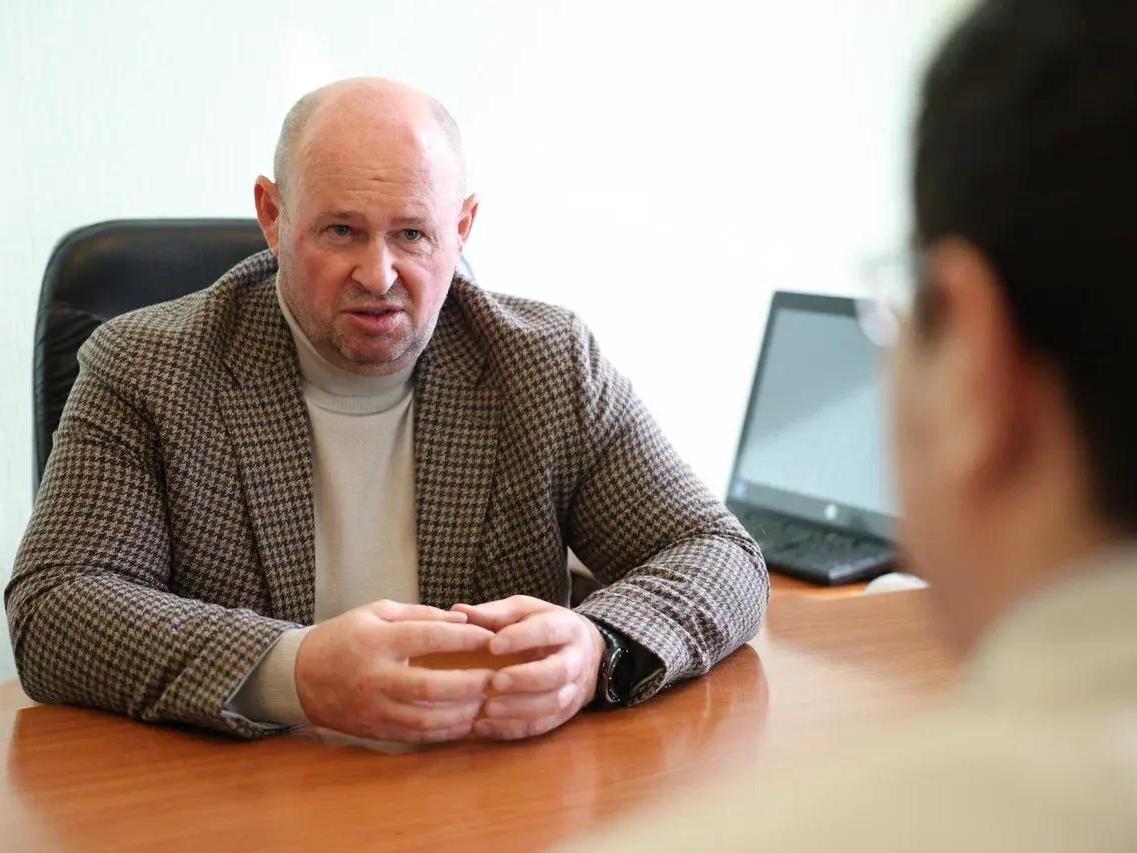
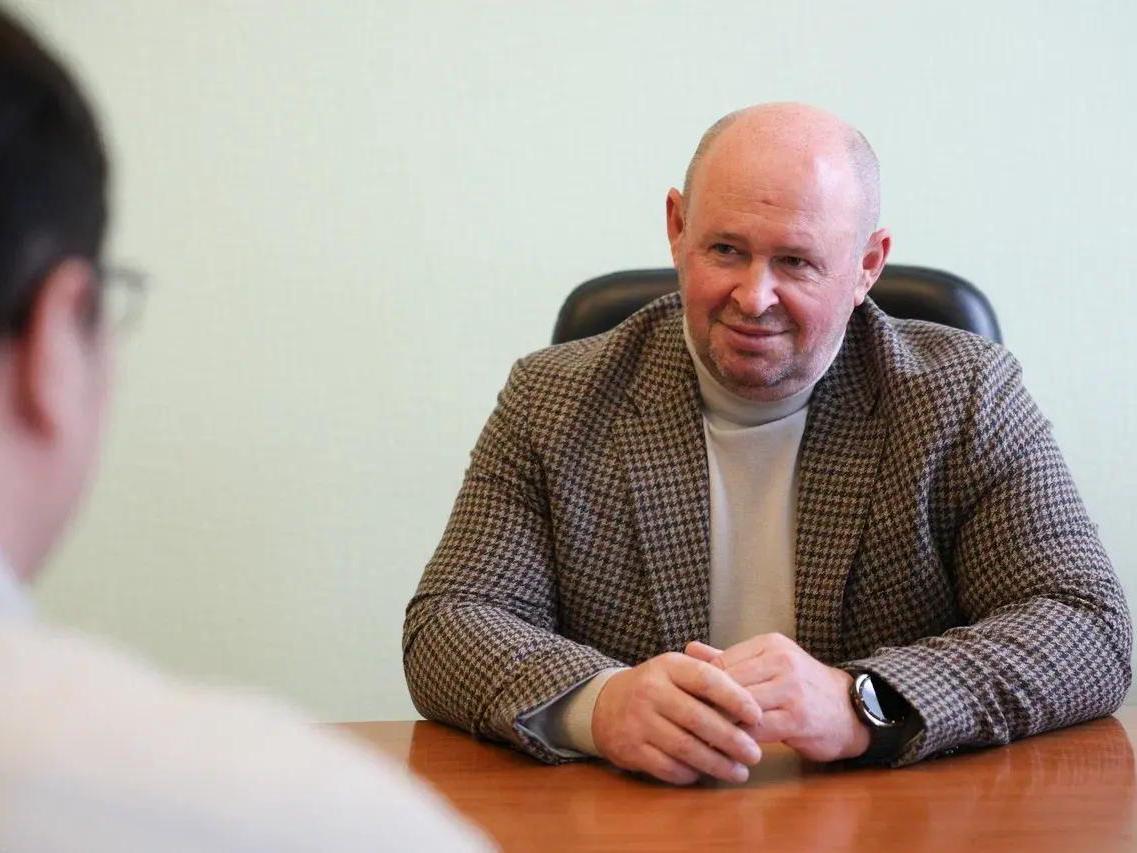
In an interview with NGS55.RU, Vladimir Gerk talked about how he managed to preserve the largest collective farm (SPK) in Omsk Region and why young people do not want to stay even in well-equipped villages with salaries twice as high as in the city.
Harvest Campaign — 2025 Continues in February
— Vladimir Iosifovich, how do you assess the results of last year? Last year, many Omsk farmers could not harvest the entire crop — part of it went under the snow.
— We are still continuing the harvest — we are harvesting 800 hectares of sunflowers. We planned to finish with it in November, but there were rains, then snow, then ice rains, later storms and frost. Now for two weeks in February we will be harvesting the seeds.
And it«s not just us — it»s like that all over the region. Flax is left for spring. Sunflower and flax are currently the most profitable crops, for which there is at least some price. So we«ll focus on sunflower seeds, add rapeseed. We»ll grow corn in cobs — its grain is valuable.
We harvested wheat and barley completely in the fall — we got 16 centners of grain per hectare, although the average for our arid steppe zone is 10–11 centners. But there is no price for grain, no sales either. With a cost price of 10,000 rubles (approximately $100 at current rates) per ton of grain, they offer 9,000–10,000 rubles (approximately $90–$100 at current rates). So part of the grain will go to feed livestock — that«s more profitable.
Due to low prices, many farmers this year will reduce costs, refuse fertilizers. Otherwise, it«s impossible to stay afloat.
Almost Like in the USSR
— Do you still have a classic collective farm where its workers are co-owners?
— Yes, a collective enterprise. Cooperative members have shares, voting rights, reporting and election meetings are held, and the chairman is elected every five years. Real democracy.
— Is SPK «Yermak» really the largest collective farm in Omsk Region?
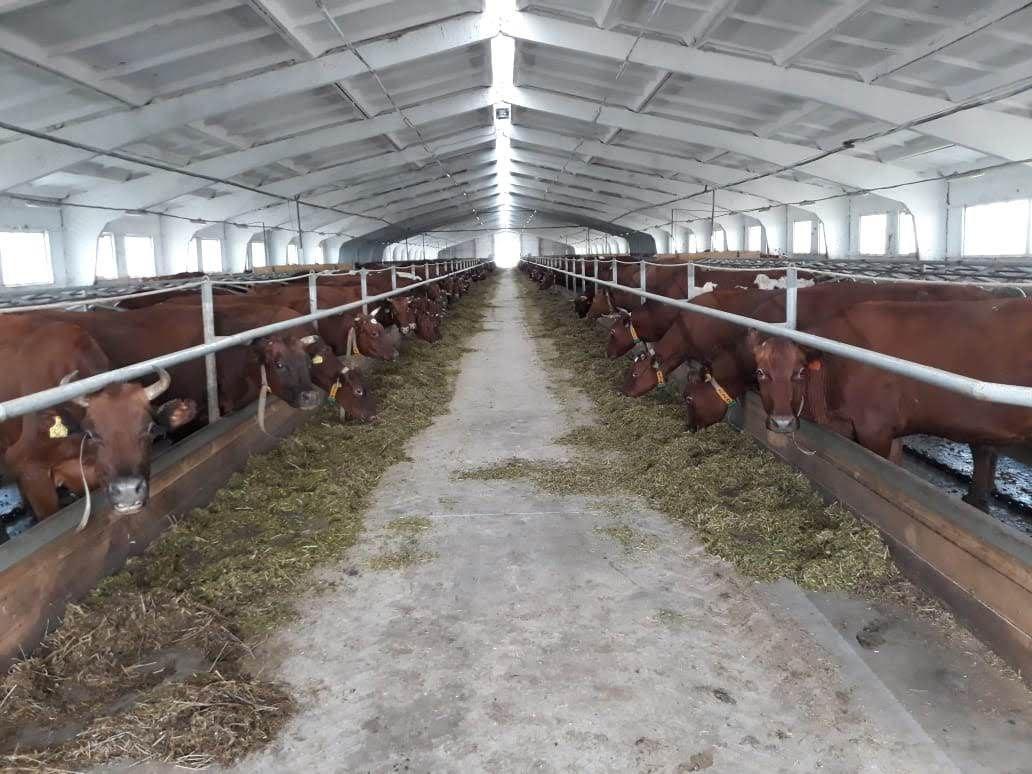
— We are a virgin land farm, in 2025 it turned 70 years old. Today, on the farms in Beregovoy and Alexandrovka, there are 1,500 cows (that«s more than in the Kalachinsky, Kolosovsky, and Okoneshnikovsky districts combined. — Ed.). The arable land area is 22.6 thousand hectares. The number of workers is over 200 people. We don»t let people go in winter. We have year-round employment — in winter, workers do repairs, help in livestock farming. Not everyone wants to sit on the unemployment benefits for half a year.
Unlike many farms, we preserved everything in the 1990s, we have no ruins, no «abandoned sites». Everyone who comes to us says: I feel like I«ve landed in the Soviet Union. When the instability came in the 1990s, my father managed to prove that if we fragment like that, we won»t survive. We had examples of people leaving to become farmers. But none of those farmers managed to preserve their farms.
— Are there enough people to milk 1,500 cows and cultivate more arable land than in all the northern districts of the region combined?
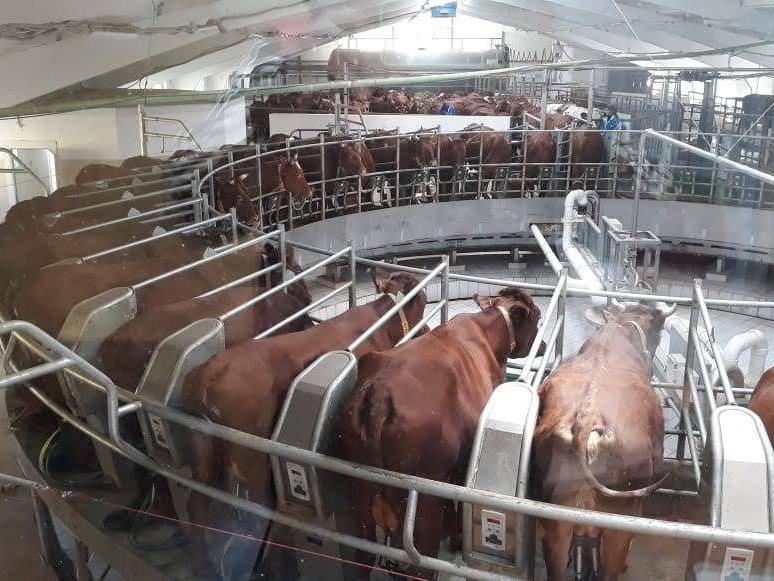
— Of course, there is a shortage of people. We partially solve the problem through modernization. In Beregovoy in 2019, we installed a «carousel» milking parlor, now instead of 24 milkmaids, 730 cows are served by six people. This saved us from a personnel crisis when employees retired en masse. We would like to install the same in Alexandrovka, but it all comes down to financial issues.
Salary — Over 200,000
— Can«t high salaries retain personnel?
— For 2025, our average salary is 59,000 rubles (approximately $590 at current rates), but in season, combine operators get 220,000–250,000 rubles (approximately $2,200–$2,500 at current rates). Where in the city can you earn that much? Our competitor for personnel is the railway. They have shift work, which suits many. With us, from April to October, it«s often without days off. This scares young people.
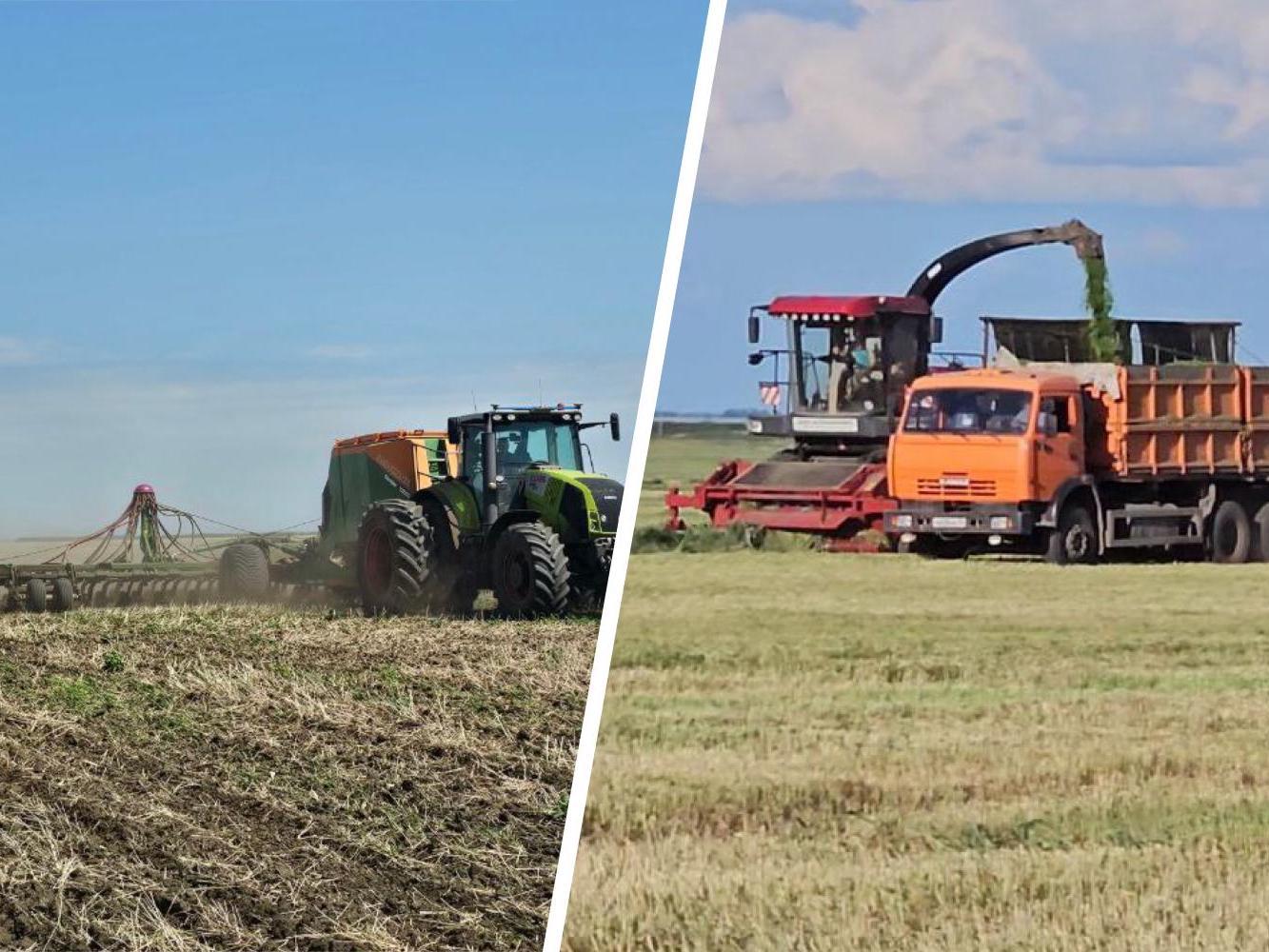
Although let«s remember how the virgin lands were developed — combines were without cabins, bulky, with those stiff levers. And now — machines with air conditioning, with joysticks that drive back and forth across the field on their own. Press a button — and the tractor or combine drives across our huge fields of 400–500 hectares.
By the way, we have no forest belts — because of this, the steppe stretches from horizon to horizon. In June, we fear dry winds, when steppe winds dry out the soil. And in winter, where is all our snow? In the Irtysh floodplain, where it«s blown by strong winds.
— As far as I remember, «Yermak» is almost the only one in the region that had a field irrigation system. They want to revive it across the region, but so far not very successfully.
— Previously, we had 1,000 hectares of irrigated fields. In 2018, we made a project to reconstruct the entire system. We started repairing, then the cost of iron went up, and everything stopped. At 2018 prices, it all cost 180 million rubles (approximately $1.8 million at current rates), now — 300 million (approximately $3 million at current rates). It«s clear that these 300 million will never pay off. Especially when milk prices drop sharply.
— Against this background, many farmers are striving to either reduce or completely get rid of livestock farming.
— Without livestock farming, there would be no our farm. We are not spoiled by big harvests, and if there«s no milk and meat, we won»t survive on grain alone. Harvest has always been hard for us. In the past four dry years, from 2020 to 2024, without livestock farming, we would have collapsed.
We supply milk to «Yastro», fat content 4% — it«s excellent for cheese production. In 2025, we milked 6,200 kilograms per cow, total gross milk yield — over 9,000 tons. If you feed a cow well, it gives more milk — milk yields grew by more than 1,000 kilograms over two years.
On Price Disparity
— Last year in the region, prices for beef and lamb sharply rose, reaching 600–700 rubles per kilogram. Farmers say it has become profitable to produce this meat.
— That«s the market price for meat at 600–700 rubles, they don»t give us more than 420 rubles per kilogram for beef. For young bulls — maximum 500 rubles. But you need to fatten that same bull for 1.5 years.
Milk in the store also costs 100 rubles. But for us, purchase prices drop every two weeks. In Chelyabinsk, they accept milk for 27 rubles. It«s scary to imagine what will happen if prices in Omsk Region fall to that level. And we need to modernize cow sheds. One costs 150 million rubles (approximately $1.5 million at current rates). With such milk prices, there»s no talk of any investments. Now our main goal is to survive.
Will Koreans and Indians Work in the Fields?
— Nevertheless, you still invest in modernizing production. The same milking «Carousel» is rare in the region.
— I already talked about mechanization in crop farming, modernizing machinery. And in livestock farming, we also have to go this way because there«s a big personnel deficit. Now, for raising calves, we are acquiring a »calf feeder« that can feed 120 babies at once. It»s an automatic calf feeding installation. Replaces several people.
Everyone solves the personnel problem in their own way. Somewhere there are milking robots. Maybe we«ll come to that sooner or later. Many are switching to services of foreigners — Uzbeks, Tajiks, Indians, Koreans. Only they ask for 150,000 rubles (approximately $1,500 at current rates) per month — can we afford it? Although I don»t rule out that someday Indians or Koreans will work in our fields.
But we still work with personnel, attract young people. In summer, high school students work. They get 70,000 rubles (approximately $700 at current rates), and such a salary suits them.
— With regular workers, it«s clear it»s not easy, but how about specialists?
— Of course, specialists are needed, university graduates are snatched up like hotcakes, when they don«t even understand what they studied for, so we grow our own. A mechanic studied to be an engineer, a foreman — to be an animal scientist. But many from out of town, when they learn that Yermak is 200 kilometers from the city, immediately refuse to go. That scares them off.
Plus, there«s bureaucratization of work. We have all these FGIS systems — »Saturn«, »Mercury«, »Grain«, »Land«. An agronomist, instead of driving around fields, has to sit at a laptop all day, doing reporting.
Need to Popularize Village Life
— So how to solve the personnel issue? In about 50 years, Omsk villages will be completely empty.
— It«s very hard to drag young people to the village, although we are ready to buy houses if specialists come. But young people, while children go to kindergarten, live in the village. Then children go to school, and families move to the city, take out mortgages there. There are programs »Zemsky Teacher«, »Zemsky Doctor«. Teachers, doctors also gain experience, buy an apartment in the city, work for five years and leave. Before, they built houses, there was distribution. And there were personnel in the village. And now what?
We need to popularize rural life. Remember how village life was portrayed before. The first virgin land settlers went to the steppe — from Leningrad, Moscow. Will capital residents now go to develop virgin lands? By the way, in our village, there are still first virgin land settlers. They are already 80–90 years old. There are many labor dynasties too.
— People first and foremost need normal roads, water supply, gas.
— And the social sphere should be decent. Pools, gyms, fitness centers are needed. But our road is terrible, they can«t fix it. There»s no gas either. While they are gasifying the north, maybe it will reach the south. Especially since we have no forests, firewood is expensive. This is our stumbling block. A person drives on such a road, sees there«s no gas, products are 30% more expensive than in the city, and what impression will they have? Yes, and utilities are more expensive than in the city.
— Milk, meat, and vegetables are now brought to villages from the city.
— That«s nonsense. But the problem is even deeper — our people are getting unaccustomed to natural products. And from kindergarten. Let me give an example: we used to supply milk in cans to kindergartens and schools. Then controlling agencies said it must be pasteurized. Fine, we bought a pasteurizer. But then they set a condition that it must be packaged, and that put an end to everything. Now how much milk is brought to the kindergarten? At most, one packet. It»s not funny, it«s scary.
Our milk comes from the farm as higher than premium grade. You can drink it right away — it has no antibiotics, no chemicals. A natural product! No palm oil or the like. But it«s taken to the city, processed there, and then brought back to the village. How many times does its cost increase and what do they bring us in those packets?
— Nevertheless, you have developed processing, there«s a bakery.
— There is processing in Yermak, not everyone wants to work with cows. Our bakery is the only one left in the entire district. We deliver bread to kindergartens, schools. We planned milk processing, but logistics turned out to be expensive. And again, no gas.
Developing an International Village Festival
— You are not only the head of the agricultural enterprise but also a deputy of the Legislative Assembly. How do you manage to combine everything?
— My district is not small — it includes Cherlaksky, Tavrichesky, and Novovarshavsky districts. We work with heads, with deputies. Working in a team is easier, plus now there are various programs for repairing schools, cultural centers. Expenses for the social sphere in the region have not been cut. That«s encouraging.
We preserved cultural centers and schools in all villages. We support them. True, the school in Yermak is old, built in 1960, we hope it will enter the major repair program.
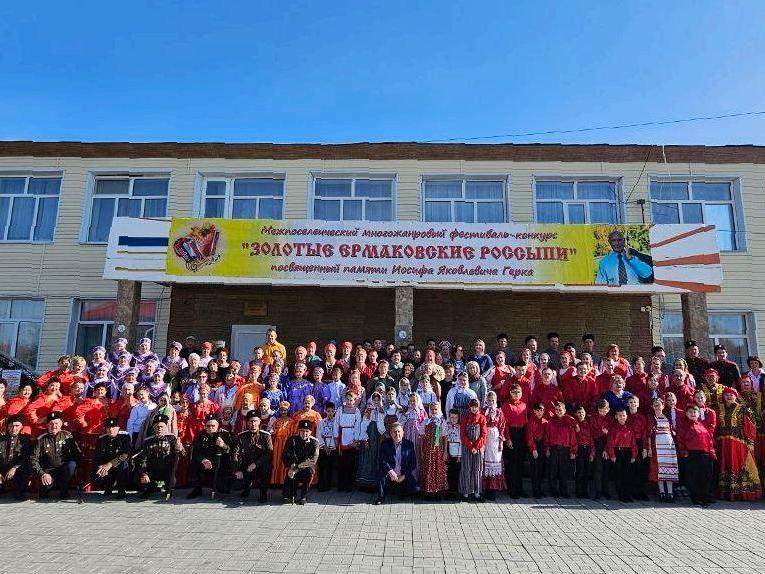
Every autumn, in memory of my father, we hold the festival «Yermakovsky Gold Deposits». It has already become international — last year participants from Kazakhstan came to us. This has become a good tradition.
Yermak today is a well-equipped, beautiful village where rural tourism can be developed. So come visit us.