Samara mayor's minibus ban sparks fears of 2-hour bus waits
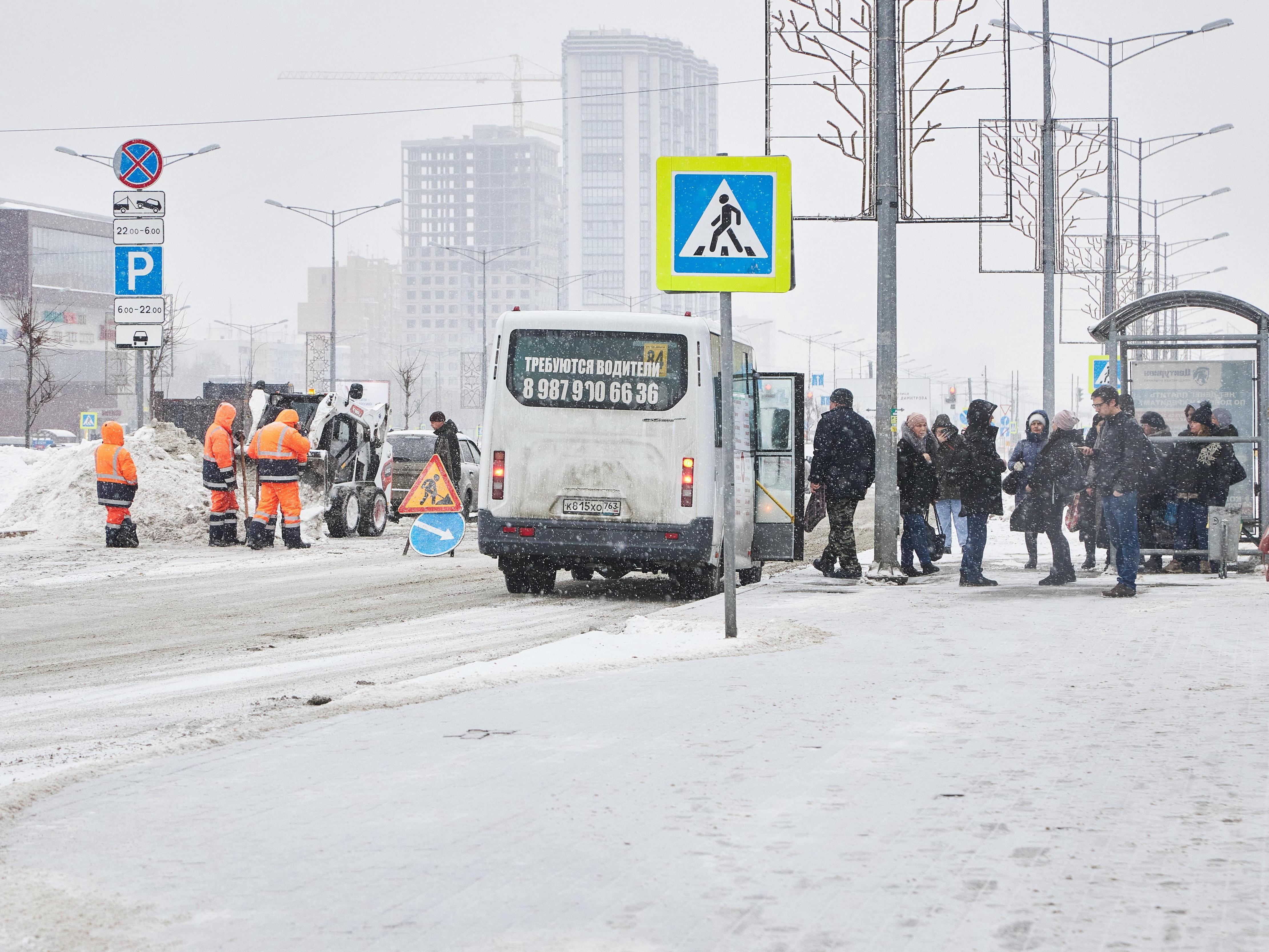

In Samara, the confrontation between supporters and opponents of minibuses (marshrutkas) is flaring up with new force. In one «corner of the ring» are the city authorities. In the other are local residents. Mayor Ivan Noskov recently confirmed that minibuses will be replaced by buses. But townspeople fear that without a decent alternative, another transport collapse will happen in the regional capital. Or is it not so dire?
Minibuses — a «brothel on wheels»?
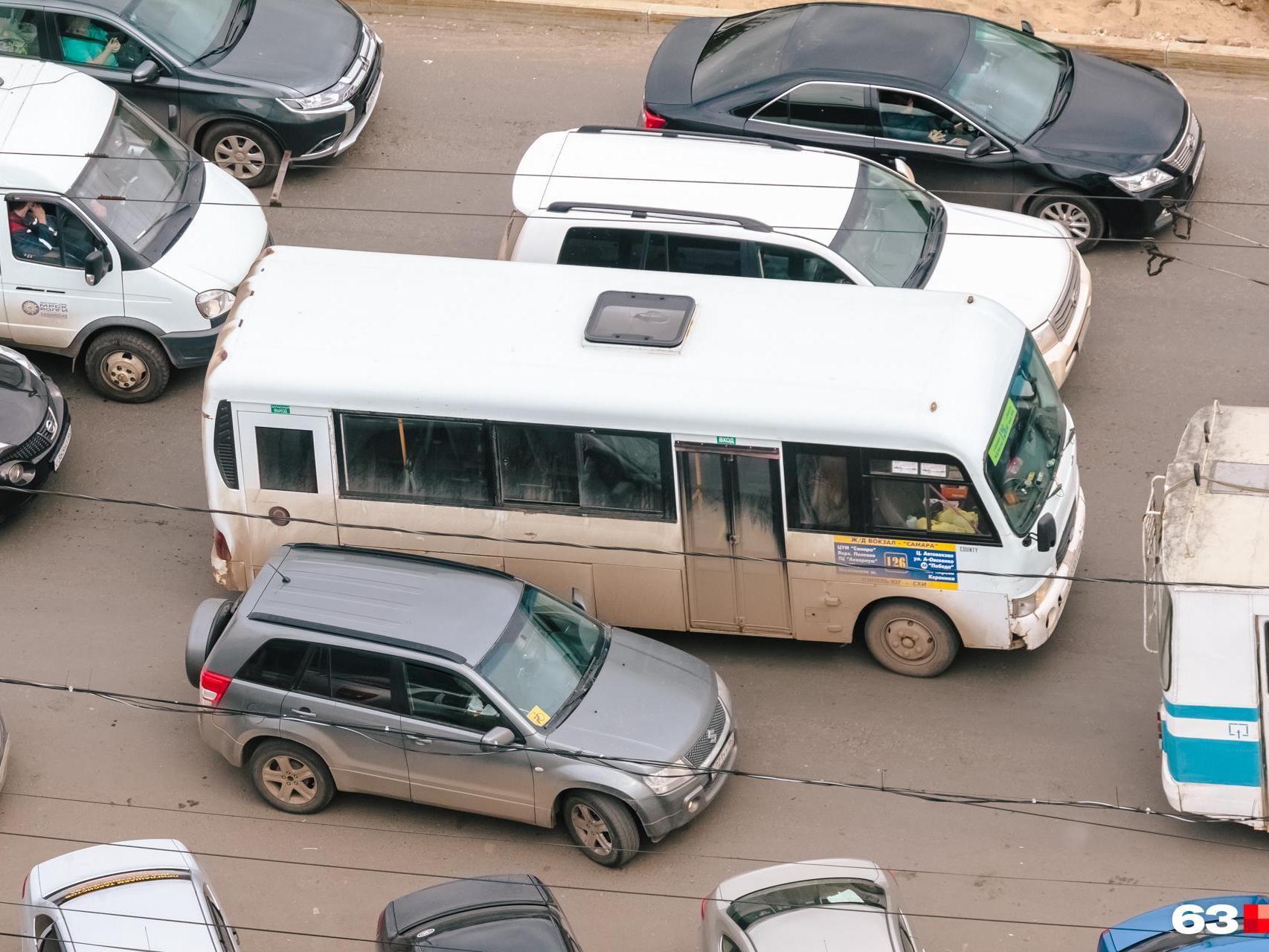
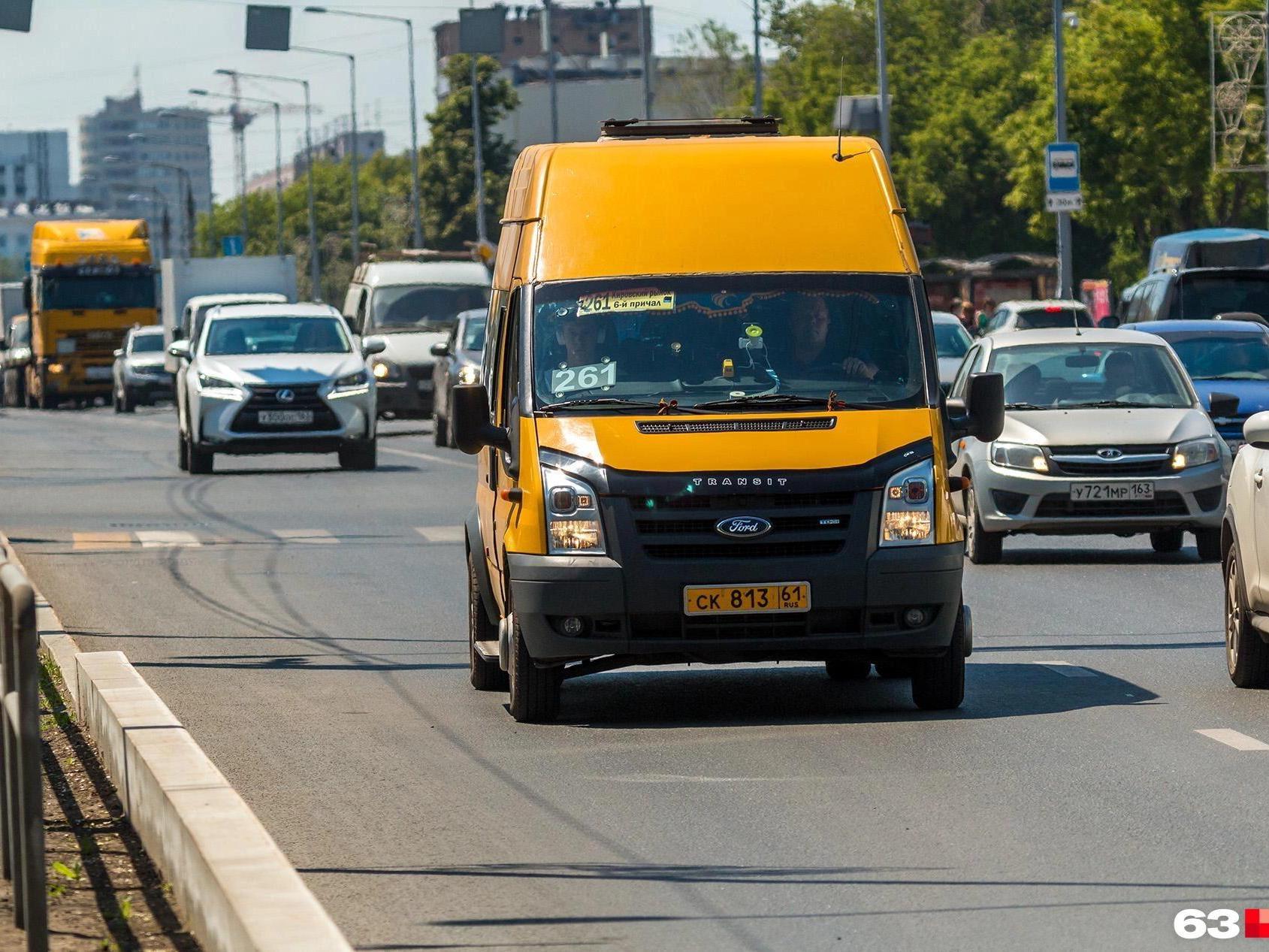
It«s hard to say now when the first minibuses appeared on the streets of Samara. But in the minds of residents, they are firmly associated with yellow or white »Gazelles«. Another association is the »multifunctionality« of the drivers. While working, they have to both drive the minibus, collect fares, and issue tickets. And some even manage to talk on the phone...
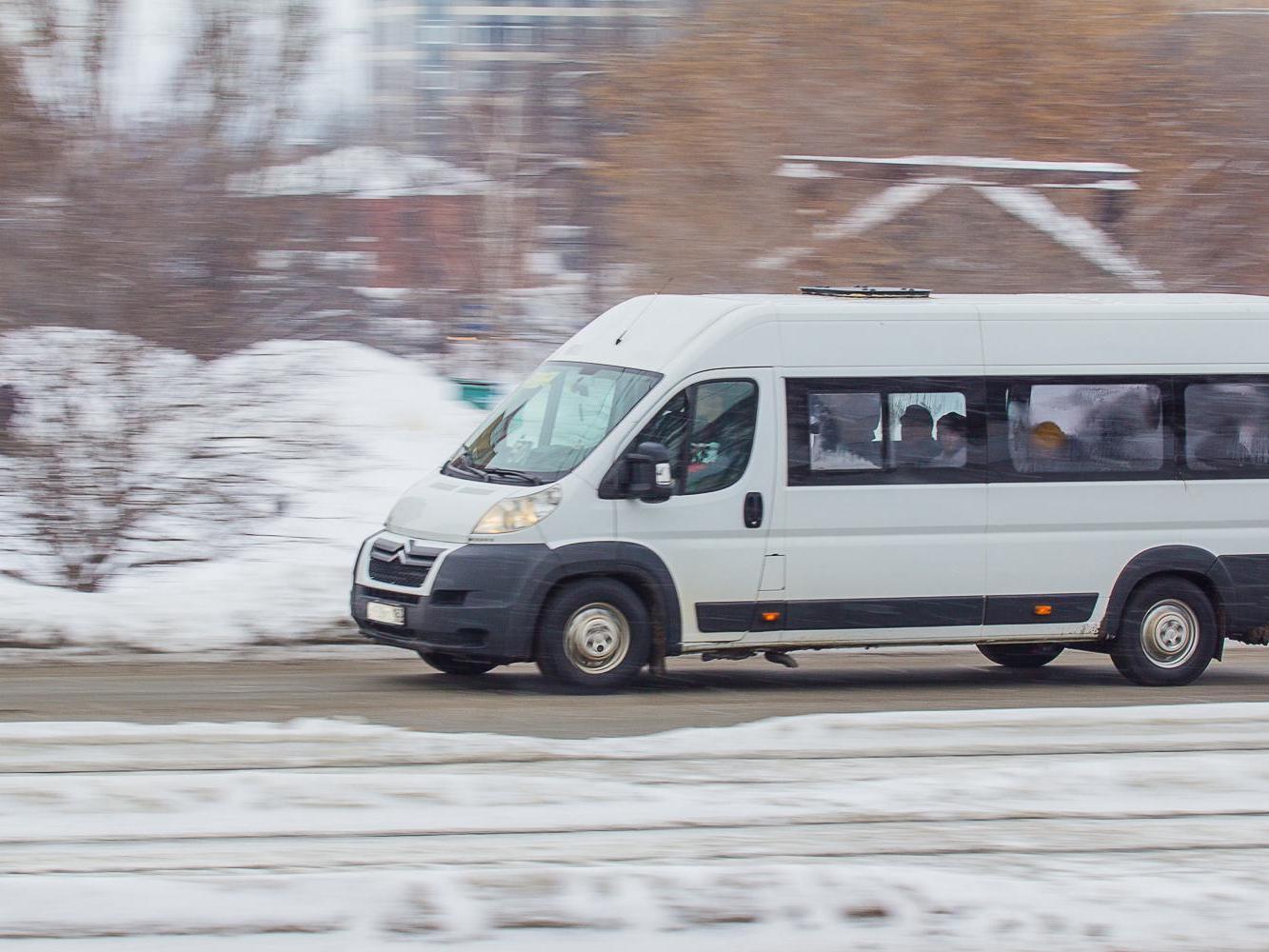
A few years ago, the authorities did declare war on them. The first «offensive attempt» was made in 2018. Officials decided to increase passenger flow on municipal public transport by reducing minibuses. This primarily affected those that duplicated existing bus, tram, and trolleybus routes.
In 2020, specialists from the RosdorNII Institute came to Samara. They were preparing a paper on the development of the region«s transport system. And one of its points concerned minibuses. In 2022, Deputy Head of the Transport Department Yuri Tapilin told in an interview with 63.RU what forecasts the experts had voiced on this matter.
«Samara should abandon this type of transport by 2025. It is assumed that by that time the entire city will be covered by subsidized transport, and Samara residents will be on an equal footing. That is, they will be able to get on at a stop and pay for the trip with a transport card or cash at regulated tariffs and get where they need to go,» the official stated.
He cited statistics for the period from 2019 to 2022. Then, more than half of the routes were closed in Samara. If initially there were about 50 minibus routes in the regional capital, then three years later only 20 remained.
But time passed, and no one declared a complete victory over this type of public transport. Although proposals to abandon it periodically appeared. Here is the statement about minibuses made by former city duma speaker Alexey Degtev in late February 2024:
«We have dozens of minibuses, some village buses, which are distinguished by their driving quality. We»re talking about when they jump from the third lane into the first, then into the second, when they drop off passengers in the middle of the road. We see such a brothel on the road every day. A capital city should not have any minibuses, there simply should not be these village buses,« the duma chairman said.
In the autumn of 2024, Sergey Markin, who was then head of the Transport Department, again announced an imminent abandonment of minibuses. However, he did so with a caveat:
«Minibuses are a necessary evil. A big city like Samara must transition to transport that runs on regulated tariffs. So that passengers can use all types of benefits. Naturally, a minibus is no match for a comfortable bus. We are working in this direction. This is not only our opinion, it is confirmed by respected experts from RosdorNII. They made transport planning documents for us. We are moving towards phasing out minibuses. I think in a while we won»t have them anymore,« the official explained.
But time passed, and even in 2025, it was not possible to get rid of minibuses...
«I won»t mince words...«
The need to rid Samara of minibuses was once again stated by Mayor Ivan Noskov in January 2026:
«I won»t mince words: minibuses will be replaced by modern, comfortable buses. This is exactly what a modern city needs, especially a metropolis. And it is very important that uniform tariffs, including subsidized ones, are observed in all types of transport, regardless of the carrier. We are doing this work together with the regional Ministry of Transport,« the mayor stated.
Ivan Noskov made this statement after analyzing the public transport route network in Samara. However, the head of Samara did not specify any deadlines.
«Passengers get tossed around the cabin»
The news of another impending «death of minibuses» divided the townspeople into two camps. Some agree with the authorities« plans, while others have come to the defense of this type of transport. On our website and on social networks, residents left more than 150 comments. Here are some of the most vivid statements:
«Task: there is a passenger flow of 100 people per hour. Solution No. 1: six minibuses per hour. Solution No. 2: two buses per hour. Of course, the second option is very profitable for the carrier. And we will pay with time and health.»
«They»ve completely lost their minds. What are you so happy about? It will be like in St. Petersburg and Kuzbass — they«ll put two buses on the route and that»s it. The rest have broken down. You will wait 2 hours for a bus, and that«s not a figure of speech.»
«I constantly use minibuses, even though I»m a pensioner and have a social card. To the «Ekran» factory, 3 trolleybuses and 2 trams go. At the stop you can stand and wait for them for half an hour. Then you give up and ride for money. And they want to take even this away from us...«
«Oh yes, they»ll put short Lotus or PAZ Citymax 9 buses, 3-5 buses with an interval of 30-60 minutes. Only the naive rejoice at the cancellation of minibuses!«
«Hands off the minibuses... They»ve already cut all the transport anyway.«
«And if you ask car drivers: what would they do with minibus drivers?»
«We»ll give up cash, we«ll give up minibuses... What will we give up next?»
«If we don»t do anything now — in 2-3 years the minibuses will die out on their own. And that«s it, there will be nothing at all.»
«Their time has passed. It»s not profitable to maintain minibuses.«
«Just like they phased out the Gazelles, so they are phasing them out. The new ones don»t run much. Take route 247 (347), for example. Many used it, it was convenient. And now it«s gone.»
«If only they»d teach the drivers how to drive. They«re playing with the gas and brake pedals, and the passengers get tossed around the cabin!»
«Maybe we should force minibuses to work by providing benefits and subsequently compensating for lost income, as is done now with »SamaraAvtoGaz«? Subsidies are provided to the carrier for all beneficiaries, like in Moscow. Under such conditions, minibuses would continue to operate.»
«Everything will be not very good. If you remove minibuses, you need an alternative type of transport. To run on the same routes, with the same intervals. At least until 9:00 p.m. But decisions are made by people who ride in official cars. Let them ride public transport for at least a month, and then decide what to cancel and what to give in return!»
«Minibuses, unlike buses, ran until midnight, and you didn»t have to wait long for them. And the newly created routes like No. 84 and No. 86 with Tula buses run half-empty and even fly past stops when there are people waiting.«
«Leave the minibuses! The private sector of the Zheleznodorozhny district asks. Only they make it possible to get quickly both to Solnechnaya and to Pobeda. And even then you have to go up to Aerodromnaya. We are not the city center. One route goes. If you miss it, wait half an hour for the next one.»
«What»s wrong with minibuses for the mayor? They, as I understand it, work on a self-sufficiency basis, pay taxes. The passengers are satisfied. All expenses fall on the carriers themselves.«
«Unfortunately, minibus drivers are tied to revenue. The higher it is, the more the driver gets. Therefore, it is not uncommon for some to pack the cabin so full that you stand on one foot for 40 rubles (about $0.45 at current rates). Safety rules are violated on the routes. It»s torture, not riding. You undergo a test of endurance. We need spacious buses, and drivers need to be warned about capacity, how many people they can carry at most. Private business strives for maximum revenue. They will not create comfortable conditions. Why would they have extra expenses? The interests of consumers will never coincide with the interests of business. Therefore, transport should be under state control.«
«What do you mean — remove them? Somewhere minibuses are needed too. You remove, for example, route No. 272. And large buses won»t be filled there. And it«s not convenient for them to drive on those roads. In the end, they»ll say that this route needs to be canceled. But it«s in demand!»
«I»ll have to quit my job at the factory. Minibus No. 4 is the only sane option to get from Michurina to Metallurg. Or somehow change my schedule. But the boss probably won«t agree to that.»
«Coffins on wheels»
One of the ardent opponents of minibuses is Samara blogger and public figure Andrey Ishmuratov. Here is the point of view he voiced about this type of transport several years ago:
«Let»s look at the «Gazelles», Fords, Citroens themselves that they put on the line — these are «coffins on wheels». It«s dangerous to ride in them! Sometimes there»s not even a place for a passenger to sit. You«ve probably seen cars where the seats over the wheels are arranged so that you have to fold your knees up to your ears. And what will happen to such a passenger in an accident? Especially since in a normal situation the driver should be at the stop, ticketing passengers, and only then start moving. With us, everything is different. Firstly, during all the time people enter the cabin through one narrow door, two traffic jams immediately form: on the road and on the sidewalk. Secondly, the driver counts money on the go. That is, he is distracted from the road. And what does this lead to? Correct, to accidents. On some routes, a »conductor« sits next to the driver. But who needs that: to give up one seat in the cabin, lose revenue, pay such an employee a salary?» — explained Andrey Ishmuratov.
Of all the existing routes, only a handful cope with their main task, according to Andrey Ishmuratov.
«The contribution of »Gazelles« to solving Samara»s transport problems is minimal, almost zero. There are probably 2 or 3 routes that save the situation — No. 21m, for example. But this is because it has sections that only it enters. And if you put a municipal carrier on this route, there will be no work left for the businessman. But for now we have such transport parasites or tapeworms without unique sections on the routes. Why are there no minibuses on Dybenko or Maurice Thorez streets, but plenty on Aerodromnaya and Antonova-Ovseenko? They run where there is plenty of transport. And minibuses do not perform a social function. A city transport route is built so that it passes through both busy and less populated areas. The same No. 67, before exiting onto Moskovskoye Shosse, goes into Mekhzavod. But minibuses don«t need that. They only run on »fat« and money-making roads,» the blogger explained his point of view.
Andrey Ishmuratov is convinced that minibuses are a relic of the past that needs to be gotten rid of. Moscow, Kazan, Rostov, and Perm have already done so. And there are cities where they never existed at all.