St. Petersburg Metro Station Renaming Proposals
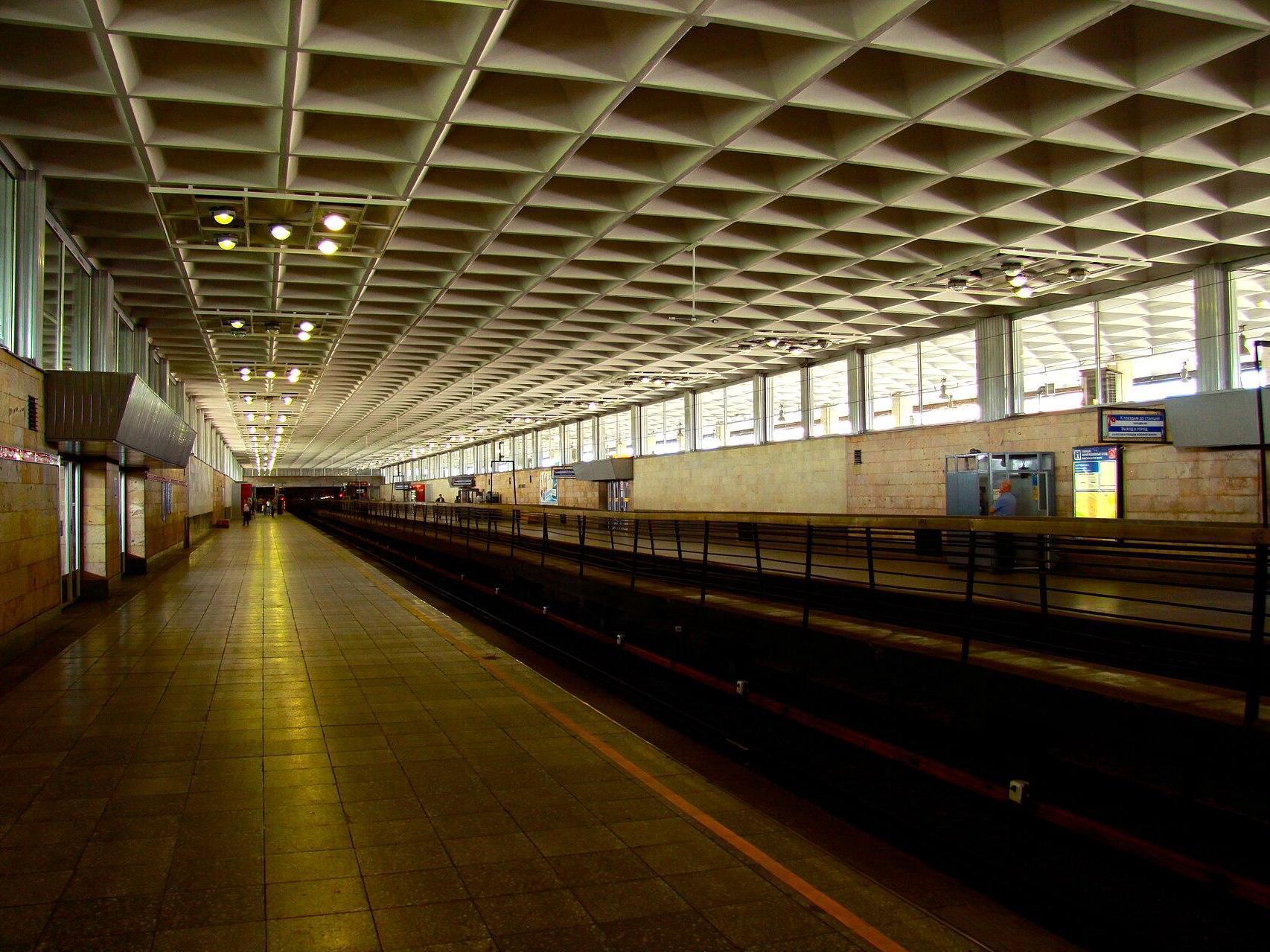

The initiative by deputies from the Communist Party of the Russian Federation (CPRF), registered in the office of the Leningrad Oblast parliament on 4 February, proposes returning the Devyatkino metro station to its former name, Komsomolskaya. Similar attempts have been made before, often timed to coincide with anniversaries of the founding of the Komsomol (All-Union Leninist Young Communist League, VLKSM).
In St. Petersburg«s history, there have been cases where stations changed names. These include the transitions from Ploshchad Mira to Sennaya, from Krasnogvardeyskaya to Novocherkasskaya, from Novokrestovskaya to Zenit. The Komsomolskaya station became Devyatkino in the early 1990s.
Toponymist Andrei Ryzhkov notes that renaming is now complicated. The nearby railway station has the same name, and its renaming is regulated by a stricter law on geographical objects. The last such precedent — the name change from Detskoye Selo to Tsarskoye Selo in 2013 — required a government decree.
How Ideological Names Were Born
In their appeal, the deputies criticize the name Devyatkino for its «geographical character,» allegedly not reflecting the significance of the transport hub. However, the modern toponymic commission adheres to the principle of tying names to the locality rather than symbolism.
Metro historian Dmitry Grafov cites the example of Pionerskaya station, opened in 1982 for the 60th anniversary of the Pioneer movement. The architectural theme of Prospekt Ispytateley, associated with aviation, was adapted to the new ideological name. Similarly, Devyatkino station was initially planned as Kalininskaya, but just before opening it received the name Komsomolskaya.
Unsuccessful Renaming Attempts
Over the past two decades, the city«s toponymic commission has considered many proposals. In 2006, for example, they voted to rename Prospekt Bolshevikov to Okkervil, and Ulitsa Dybenko to Vesyoly Poselok. Although the commission supported these ideas, the Committee for Transport Infrastructure Development and the metro opposed them, citing a lack of clear ties to the locality.
Later, other discussions arose. Bukharestskaya station was proposed at various times to be renamed Metrostroiteley, Ekaterininskaya, or Universitet Profsoyuzov. The commission rejected these options, stating they disorient passengers or are inconvenient to use. In 2012, due to tensions in Russian-Romanian relations, there was a proposal to rename it to Ploshchad Sodruzhestva (Commonwealth Square), but the commission emphasized a desire to keep toponymy away from politics.
Modern Disputes and New Names
Naming issues remain relevant for stations under construction. In 2024, the commission returned to discussing Bronevaya station on the Circle Line, which passengers might confuse with the neighboring Borovaya. The variant Blagodatnaya was considered. Also, for the future station Ligovsky Prospekt-2, the name Yamskaya was proposed, but due to the lack of historical references in the architectural design of the vestibule, the issue was postponed.
One of the few successful renamings in recent years was the transition from Novokrestovskaya to Zenit in 2019-2020. The football club covered all costs for changing the signage.
Over the years, the commission rejected many other initiatives. Begovaya was protected from being renamed to Ulitsa Savushkina. Yugo-Zapadnaya was not called either Tavricheskaya or Marshalskaya. Gorny Institut did not become Ploshchad Anatoliya Sobchaka, and Sportivnaya did not become Olimpiyskaya, largely due to the associated financial costs.
The story of St. Petersburg metro station names continues to demonstrate a constant balance between historical memory, geographical logic, and political or commercial ambitions.