Omsk Fast Food Crisis: Belyashi and Shawarma at Risk
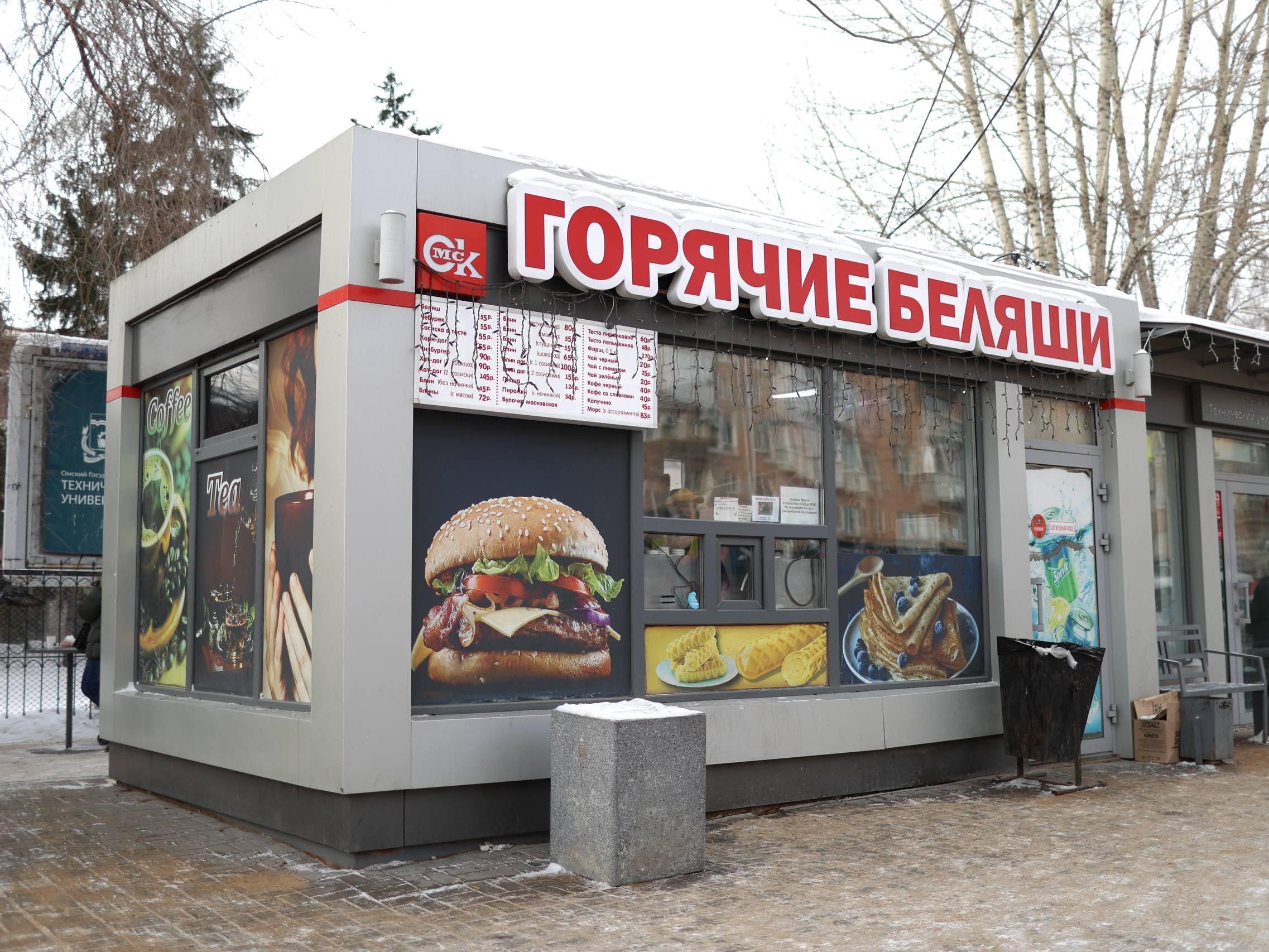

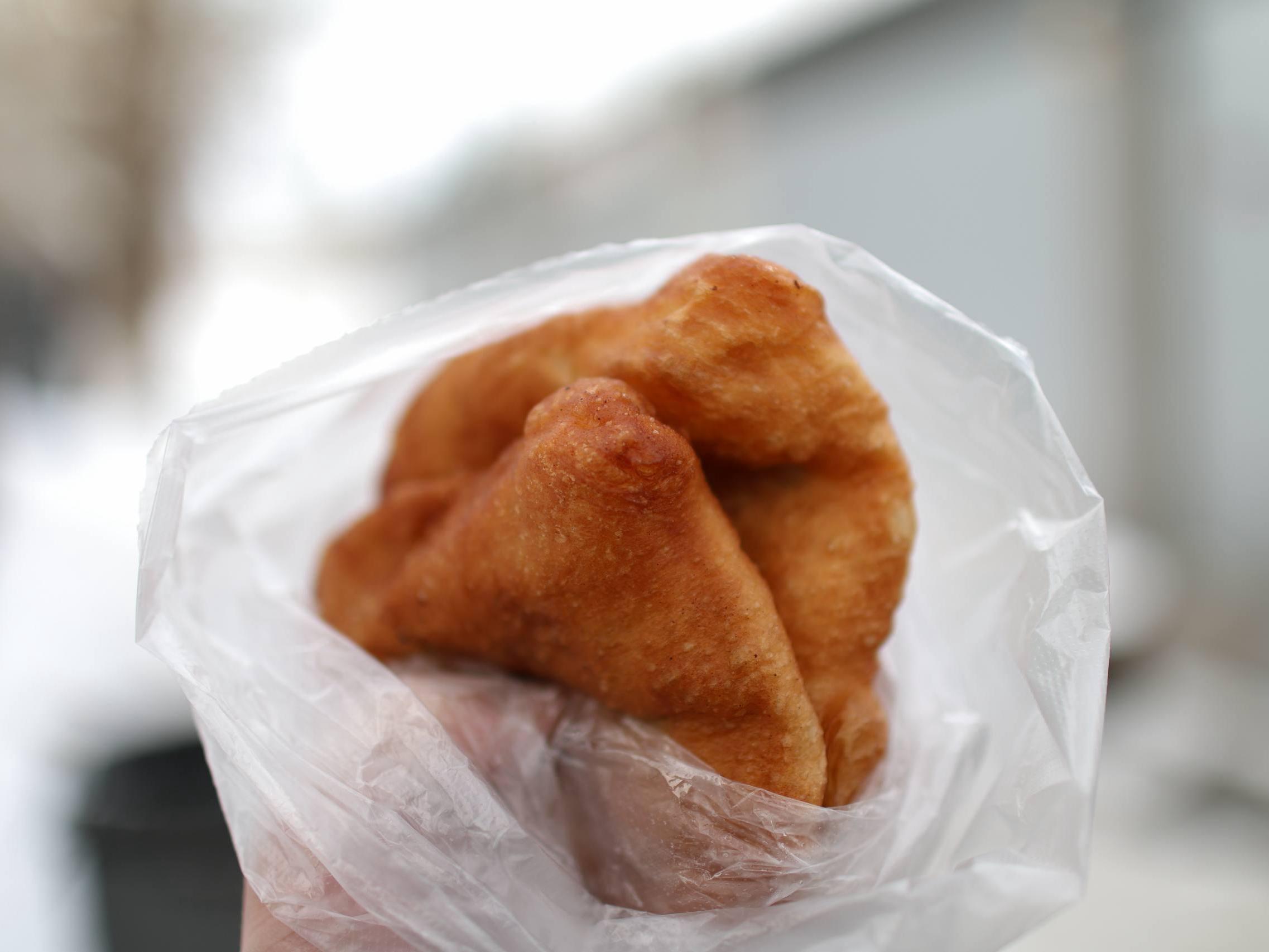
Fast food is one of the most accessible and widespread types of public catering. Over the past few years, many outlets selling belyashi (fried meat pies), pies, shawarma, and other hot-off-the-griddle food have opened in Omsk. For example, the so-called «Polytech» belyashi have long become one of the city«s symbols.
This article by NGS55.RU correspondent Sergey Enkvist explores why this fast food sector is so popular and what life is like for kiosk owners.
We Will Hold On Until the End
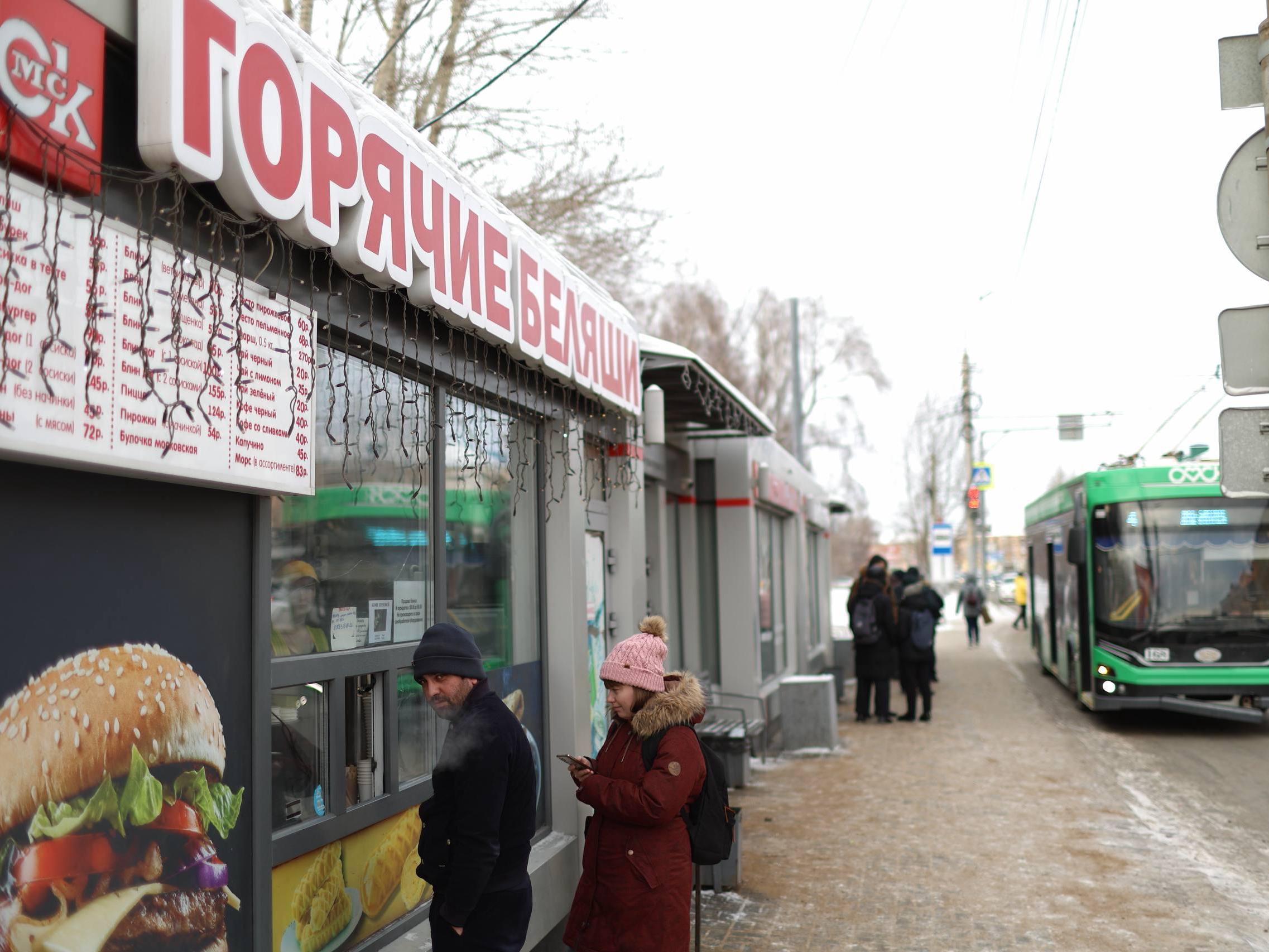
The popularity of belyashi in Omsk is primarily due to the price of the product. Despite rising costs, belyashi are currently the most affordable type of fast food.
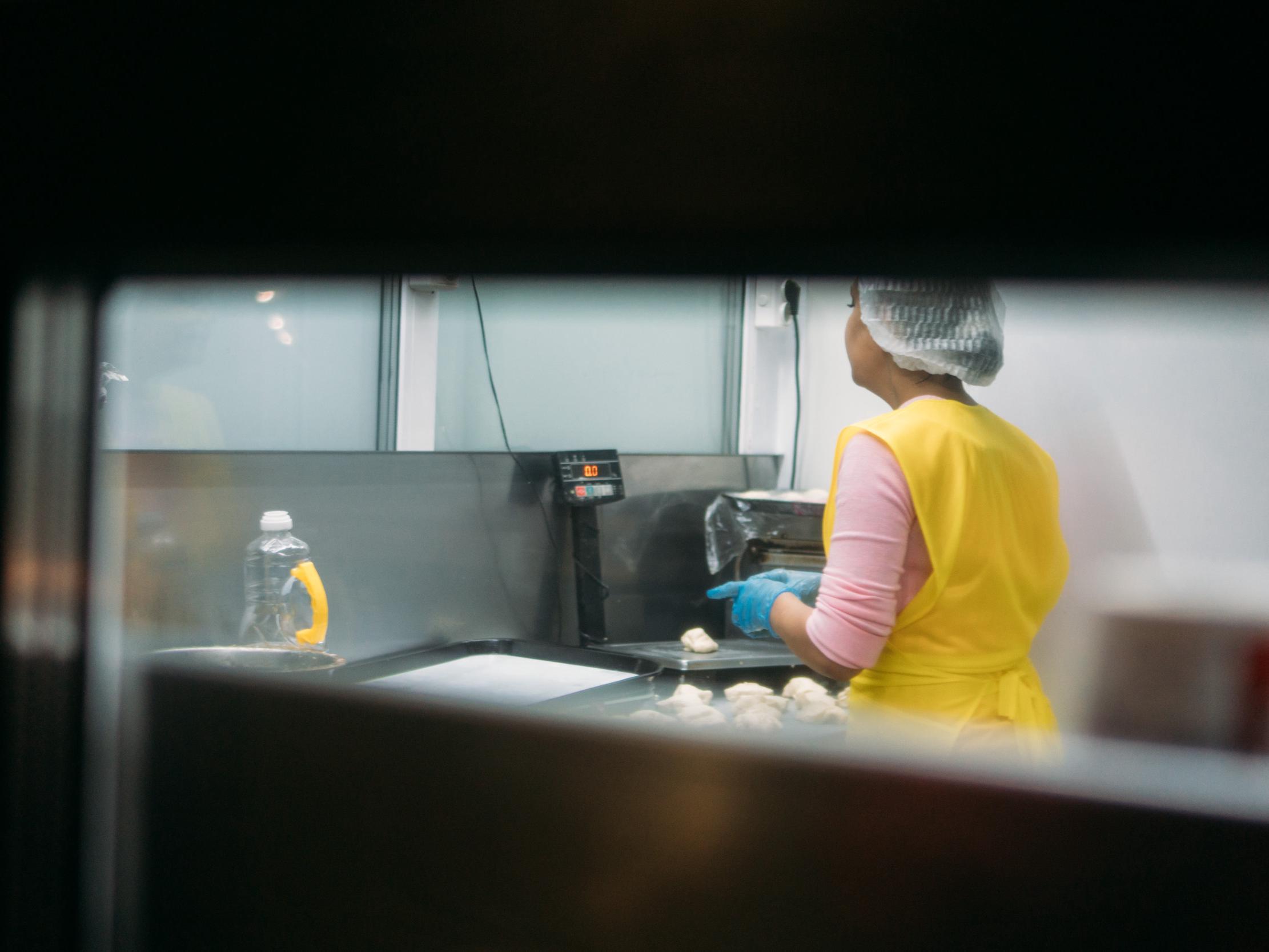
«Belyashi are so popular because of the quality-to-price ratio. This is currently the cheapest food. It»s a stereotype that students eat them. Everyone consumes them—office workers, laborers, entrepreneurs, officials, and I buy them myself,« says Victor Zyatikov, owner of the »Polytech« belyashi chain.

Most food outlets are located in heated bus stops. The rent in these places increases year by year, making it harder to operate. But other factors also affect the cost of production.
«Starting such a business from scratch now is very difficult, practically impossible. Expenses are high for everything, raw material purchases are expensive. It»s hard to find staff. Plus taxes. All these changes, including tax ones, are taking a toll. We already raised product prices this week, including for belyashi. We didn«t want to, but it happened because fuel, rent, and raw materials have become more expensive. We have no choice,» the entrepreneur says with frustration.
Victor Zyatikov intends to hold on until the end to survive in the toughest economic conditions.
«We will do everything so that Omsk residents are not left without belyashi. We will hold on until the end.»
Taxes Will Double—We«ll Have to Close
Another owner of a large fast-food chain wished to remain anonymous. A few years ago, belyashi outlets were springing up all over the city like mushrooms after rain. But over the past year or two, the situation has changed dramatically.
«Many opened outlets because they think it»s easy—you buy a fryer and make money. But easy is when you don«t pay anything. At current prices, to open a belyashi kiosk, you need at least 1 million rubles (approximately $11,000 at current rates). Plus, the population»s purchasing power has decreased—people are buying less food. And winter—January–February—is completely dead season. You«d think it»s cold, people should eat more, but no. We were just sitting and thinking about how to go on. Because we«re getting into such financial minuses that it takes 3–4 months to recover.»
Changes in tax legislation will inevitably affect small businesses. Those willing to open new catering outlets will become even fewer, and existing ones will be forced to close. Therefore, it is quite likely that Omsk residents will be left without belyashi.
«We already calculated with the accountant, estimated that even a 5% VAT will lead to closure. The margin is minimal. It seems like a profitable business. It»s not. If now we pay 800–900 thousand rubles in taxes per year, we will have to pay 1.8 million. For us, this is unbearable. Plus rent is increasing.«
Because of this, the entrepreneur is gradually winding down the business.
«We already closed one outlet on Komarova Street last year. Six points remain, and for two of them, we will likely have to make a decision to close this year. I think not only belyashi places but also cafes and restaurants will soon start closing. There»s no point in working under such conditions.«
The entrepreneur manages to stay afloat somehow thanks to outlets located in underground passages—rent there is more favorable than in heated bus stop kiosks. But the working conditions baffle the businessman.
«Maybe we can last another year there, and then we»ll close. Besides taxes, we have online cash registers, all this equipment. You pay 20 thousand rubles for a fiscal drive every 13–15 months. What a large supermarket pays, we pay. But the turnover of a supermarket and ours—they are incomparable.«
The industry is also affected by a staff shortage. Finding people who want to stand by the grill for 8–10 hours a day is not easy.
«There»s another sorrow—staff. You pay them a salary, officially employ them, and after a week, they get drunk and leave. In general, there are plenty of problems in our business.«
Due to Impoverishment, Omsk Residents Are Eating Less Shawarma
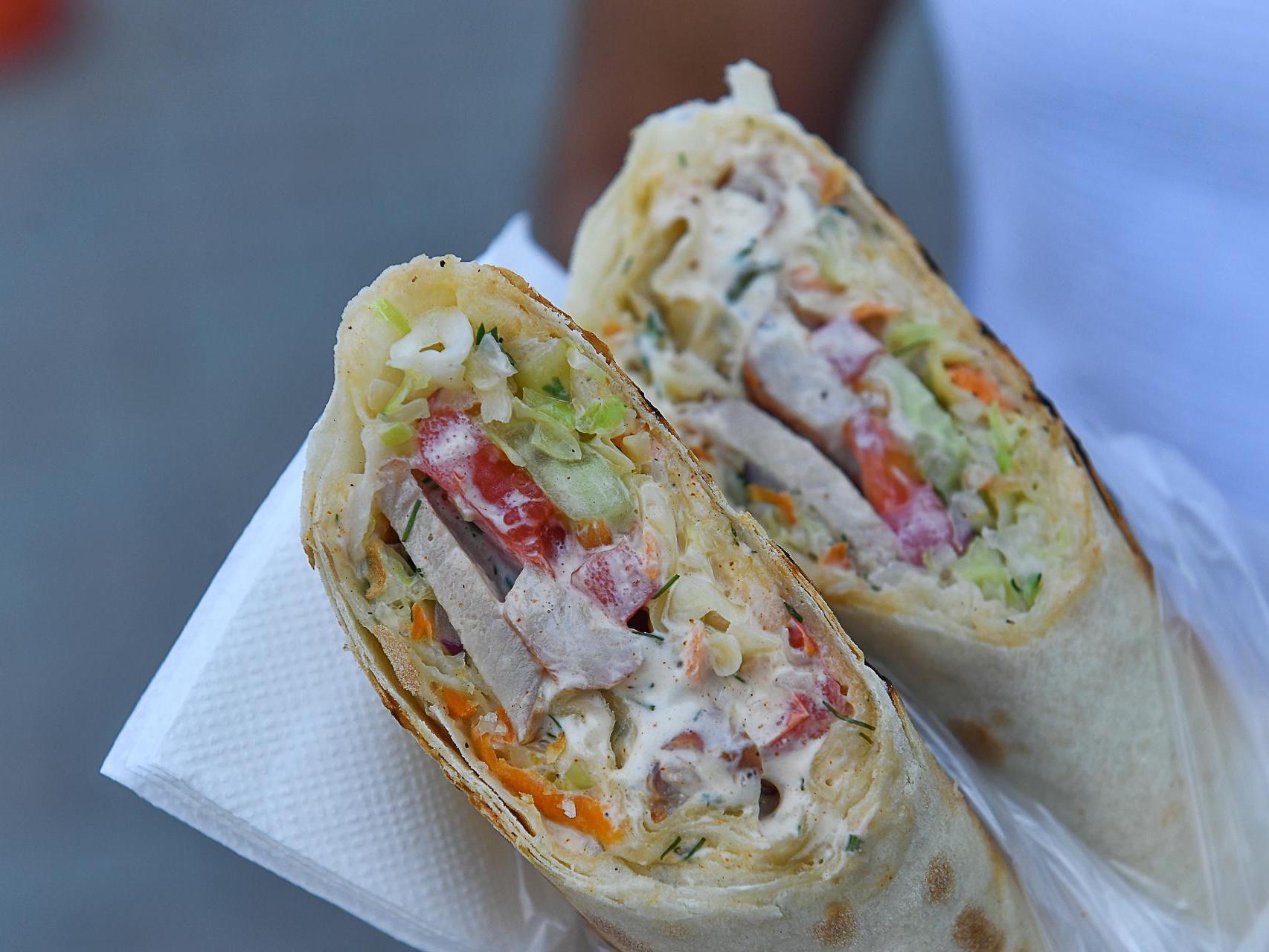
Things are no better in shawarma kiosks. About 5–7 years ago, the «Shawarma Master» chain by Yuri Shiyan was booming in Omsk. But in recent years, the situation has changed—the once successful business is going through hard times. Yuri Shiyan was declared bankrupt, and co-owner of the chain became Alexander Plisko. He explained to NGS55.RU that «Shawarma Master» will likely close for good.
«The popularity of shawarma has significantly decreased due to the impoverishment of the population, plus the tax situation for business, you know what it»s like. Everything is very bad. The likelihood of closure this year is high. Besides reduced demand, the ingredients for shawarma have become much more expensive, but we can«t raise its price. Taxes have been increased. Now we are getting negative profit.»
Expensive rent for outlets in heated bus stops—from 30 to 100 thousand rubles per month—also contributes to the business«s demise. It could all end with fifty employees being out on the street.
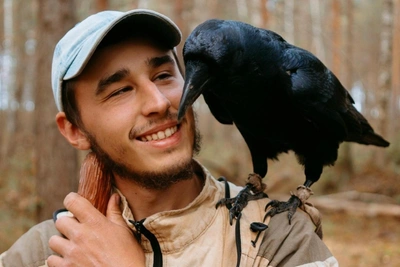
«Let someone come take our place. I»ll put 50 workers out on the street, and that«s it. And why work? What»s the point? Let people find other jobs. Since last year, it has become much worse. We«ve been operating for almost 10 years, but it has never been this bad. Maybe, in principle, the sector of such catering with belyashi and shawarma is dying. And by the way, belyashi is not a symbol of Omsk. The city»s symbol is the «Omsk Bird».«
Instead of Meat, Soy Will Be Put in Belyashi
The popularity of belyashi or shawarma in the city is not a sign that Omsk residents are poor and cannot afford more expensive food. This is believed by Doctor of Sociological Sciences, professor at the Faculty of Economics of Omsk State University named after F.M. Dostoevsky, Oleg Roy.
«Fast food exists all over the world, in the same USA it is very popular. The lifestyle of modern people is quite dynamic; people are not used to spending a lot of time on food. It is important for them to have a quick snack, especially on weekdays. As for Omsk, belyashi has become a city brand here. Of course, you can»t eat them every day, but they fit well into the diet. Shawarma is also popular, and not only in Omsk but also in Moscow. In principle, this phenomenon corresponds to global trends.«
An increase in VAT by just 2% is a strong blow to small businesses. Not to mention the introduction of new taxes against the backdrop of reduced demand from the population. It could all end with the closure of food kiosks, the economist believes. According to market laws, new establishments will come to replace the closed ones.
«But this does not mean that they will be better than the closed ones. Obviously, they will save on everything. If now they put meat in belyashi, they will put soy. We see that food quality is really deteriorating. And no one publicizes this. And in fact, this is a serious problem. Don»t assume it will get better.«
Thus, if Omsk residents are not left without belyashi, shawarma, and other popular fast food, the quality of the food may significantly decrease—in difficult economic conditions, producers will be forced to save on everything.
Earlier we reported on the price increase of «Polytech» belyashi to 55 rubles (approximately $0.60 at current rates) each.