Paveletsky passengers complain of vanishing trains
According to Moscow residents, on February 3 trains on the Paveletsky direction ran once an hour or less, forcing passengers to wait in freezing temperatures for extended periods.
Apr 24, 2026 0
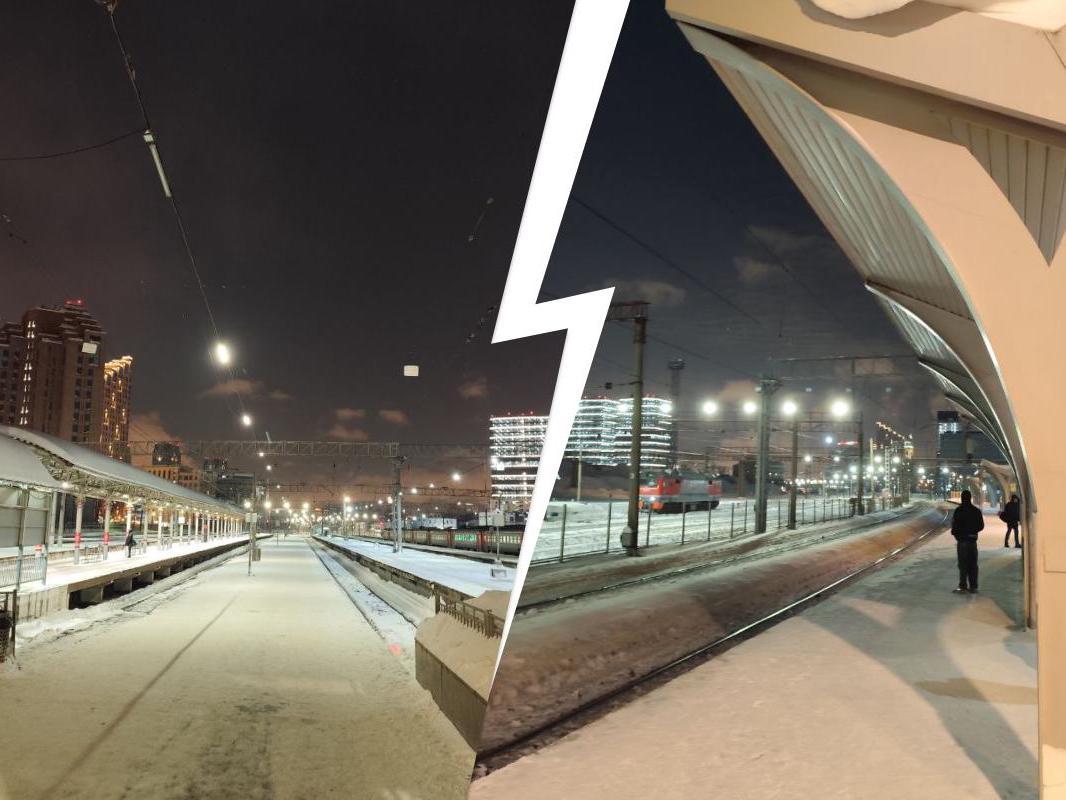

Passengers on the Paveletsky direction wonder where the trains went.
Source:
A mass cancellation of trains on the Paveletsky direction occurred in Moscow on February 3, MSK1.RU readers reported. According to them, the problems began around 6 p.m.
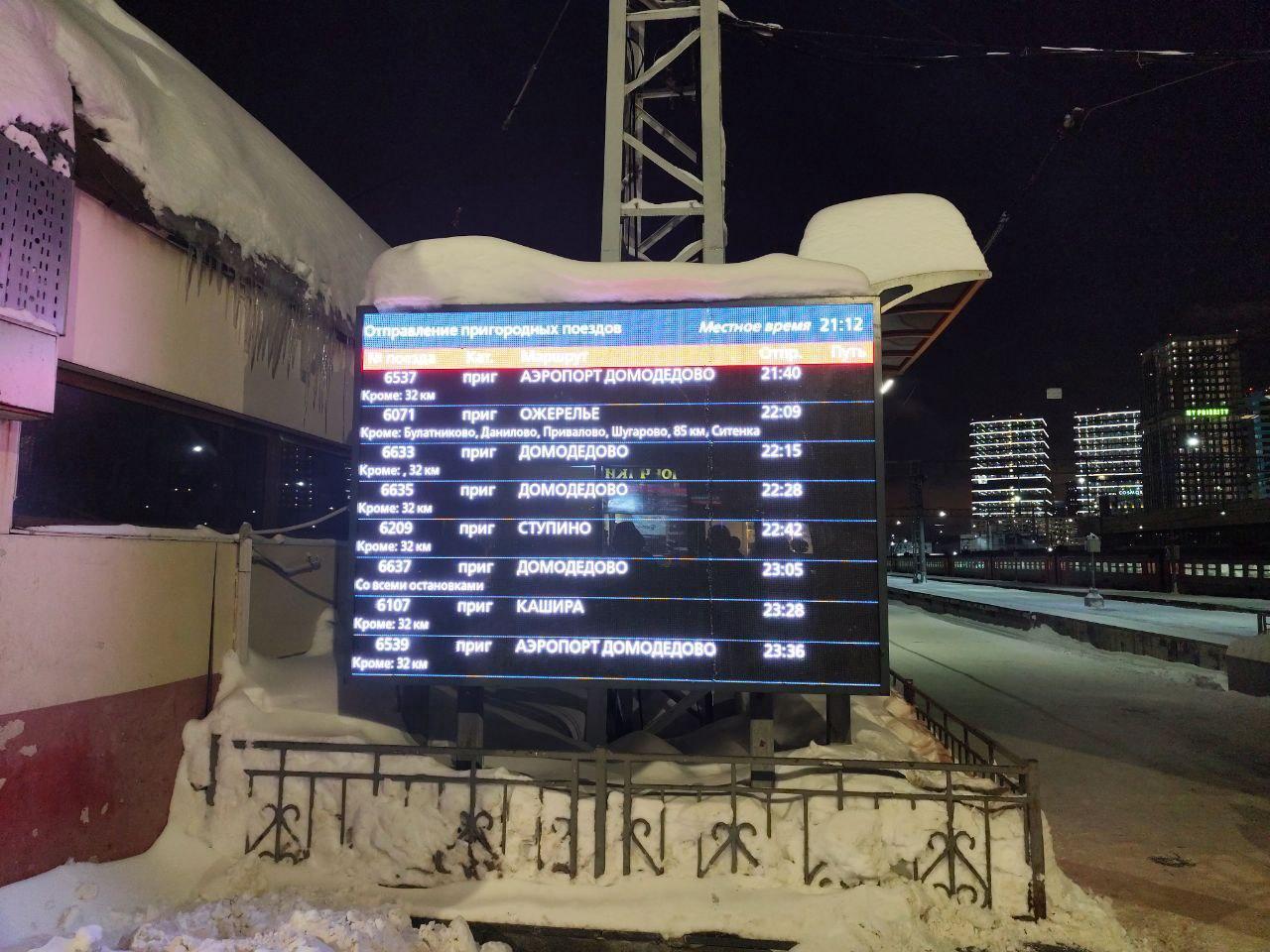
A reader described a nearly empty station with trains missing from the board.
Source:
«I arrived at Varshavskaya at 5:55 p.m., the train was scheduled at 6:03 p.m., but before that there had been a long wait. In the end, we stood for an hour in the cold, one train came at 6:50 p.m.,» a female reader complained.
Another reader reported that trains were not running despite being listed on the schedule.
Источник:
But that was far from the whole problem. The huge crowd that had gathered could not get on because the train was completely packed.
«I had to go to a shopping mall to warm up, and then leave an hour later on a semi-empty train that arrived,» the woman added.
It turned out there was a warning that the disruption was due to problems on the Mikhnevo–Barybino section. Passengers were warned of delays of 15–20 minutes and possible cancellations.
A little later, another reader wrote to MSK1.RU. He said he went to the station near Derbenevskaya around 8 p.m. But he couldn«t leave, neither at 8 nor at 9. When he arrived at Paveletsky station, he was surprised:
«First, a train was supposed to arrive in 10 minutes, but it never came. And when I went to the station to catch the 9:17 p.m. train, it simply disappeared from the board, not even marked as »canceled.« The station itself was half-empty. That is, trains are on the schedule — but in reality, they are not,» the reader wondered.
Earlier, MSK1.RU reported in detail that on Tuesday, amid severe frosts, a large-scale disruption in transport operations occurred in Moscow. People crowded on platforms and stops and often could not get on due to large numbers of passengers.
Read more