Novokuznetsk budget cut 10%: where will money go?
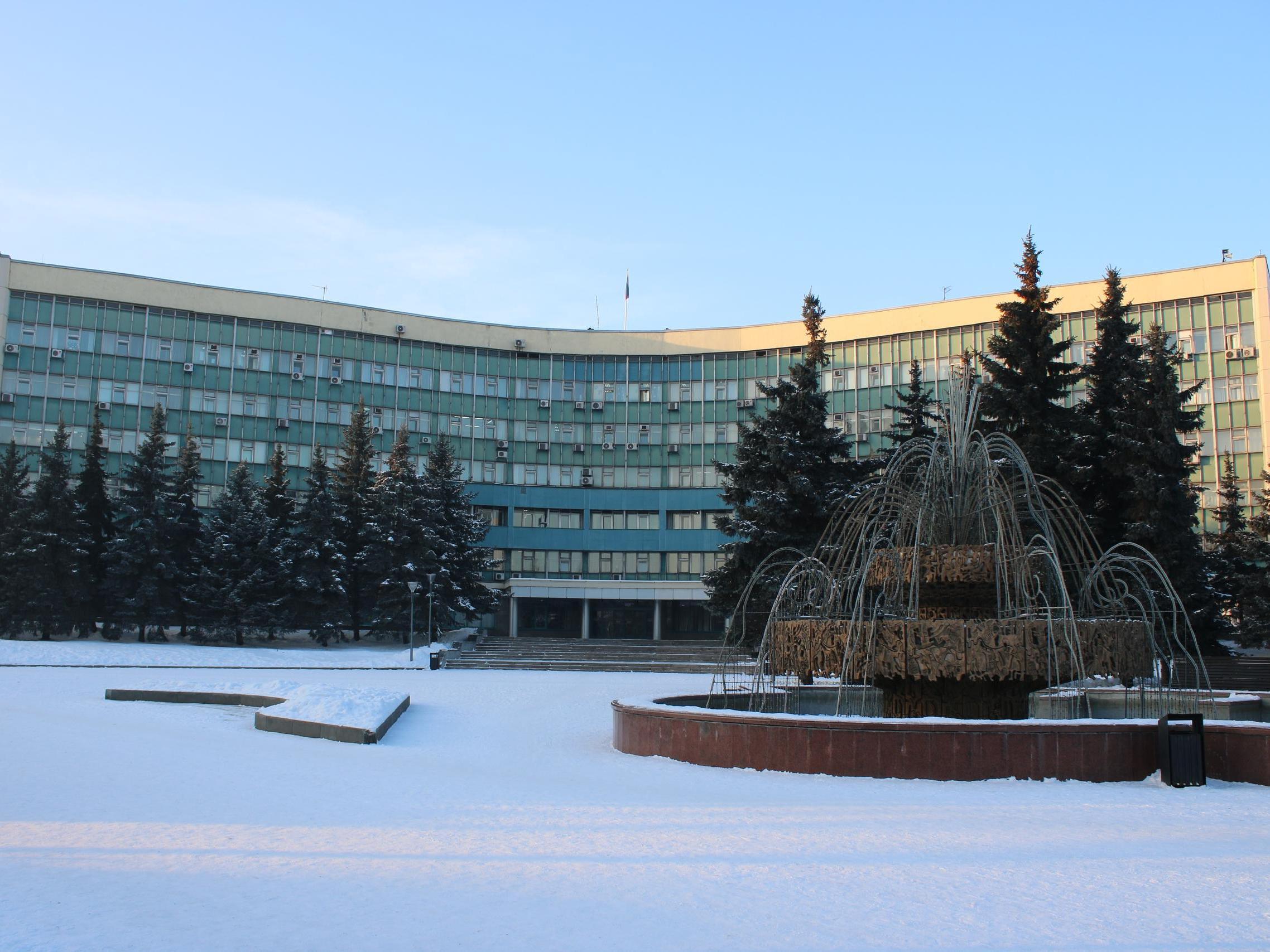

Novokuznetsk city council deputies adopted the city budget for 2026 with a significant reduction. Compared to 2025, its size shrank by more than 10%.
The editors of NGS42.RU examined the details of Novokuznetsk«s main financial document and found out how the budget cut will affect key sectors.
Key Figures
Novokuznetsk«s city treasury revenues in 2026 relative to 2025 fell from 28.1 to 25.4 billion rubles ($305 million to $276 million at current rates). The main reason was a decrease in non-repayable receipts from higher budgets (regional and federal) — the amount fell from 14.9 to 12.7 billion rubles ($162 million to $138 million). The city»s own tax and non-tax revenues also decreased, but less noticeably — from 13.2 to 12.7 billion rubles ($143 million to $138 million).
Novokuznetsk«s budget expenditure indicator fell from 29 to 25.8 billion rubles ($315 million to $280 million). We will detail how this will affect different areas below.
The city treasury deficit, estimated at nearly 900 million rubles in 2025, will be just over 400 million rubles in 2026 (about $9.78 million and $4.35 million, respectively, at current rates).
Education
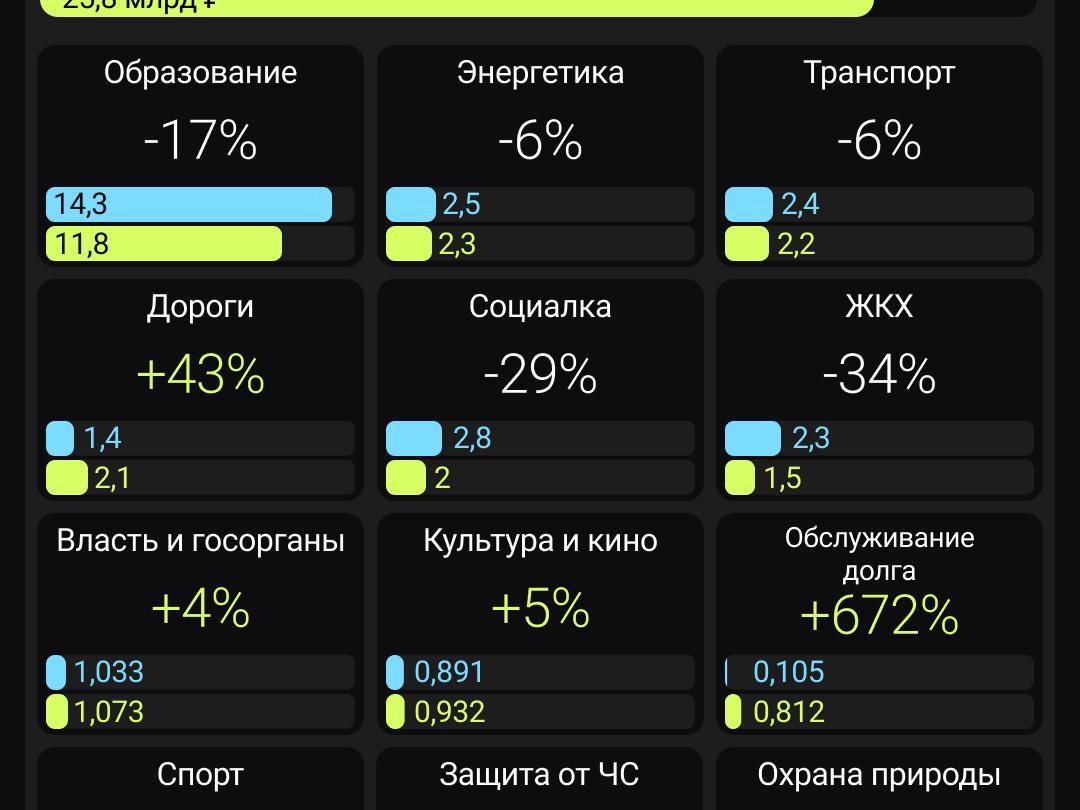
Education remains the most expensive item in Novokuznetsk«s budget. However, in 2026 compared to 2025, its funding was cut from 14.3 to 11.8 billion rubles ($155 million to $128 million).
The spending reduction will affect, in particular, kindergartens (from 6 to 4.9 billion rubles, $65.2 million to $53.3 million) and schools (from 5.6 to 4.1 billion rubles, $60.9 million to $44.6 million). Additional education institutions will also have to tighten (from 1.4 to 1.3 billion rubles, $15.2 million to $14.1 million).
How the spending cut will manifest is not specified, but teachers fear the savings could affect their salaries. As NGS42 previously reported, one thing not to expect is a salary increase.
National Economy
The national economy block became one of the few where more money was allocated than the previous year. Spending will rise from 6.4 to 6.8 billion rubles ($69.6 million to $73.9 million).
The main increase came from higher spending on road infrastructure, from 1.4 to 2.1 billion rubles ($15.2 million to $22.8 million). At the same time, the fuel and energy complex and transport will receive less money — spending will be cut from 2.5 to 2.3 billion rubles ($27.2 million to $25 million) and from 2.4 to 2.2 billion rubles ($26.1 million to $23.9 million), respectively.
Social Welfare
Unlike the previous sector, this one declined, from 2.8 to 2 billion rubles ($30.4 million to $21.7 million). Direct social services and welfare spending fell from 1.5 billion to 915 million rubles ($16.3 million to $9.95 million), and family and child protection — from 760 to 620 million rubles ($8.3 million to $6.7 million).
A small increase occurred only in pension provision. Last year, 155 million rubles were allocated, now — 160 million rubles ($1.68 million to $1.74 million).
Housing and Utilities
Housing and utility spending in Novokuznetsk was cut from 2.3 to 1.5 billion rubles ($25 million to $16.3 million). Housing management will receive only 133 million rubles instead of 670 million ($1.45 million instead of $7.28 million), and utilities will get 500 million instead of 620 million ($5.43 million instead of $6.74 million).
Less funding will also go to urban improvement. The amount decreased from 805 to 705 million rubles ($8.75 million to $7.66 million).
General Government Affairs
Spending for this area was raised from 1 to 1.1 billion rubles ($10.9 million to $11.96 million). The increase is primarily related to the 2026 elections for the Novokuznetsk city council, for which 50 million rubles ($543,000) were allocated along with related events.
At the same time, spending on the operation of city authorities decreased from 645 to 625 million rubles ($7.01 million to $6.79 million), and spending on local branches of various state bodies remained at 115 million rubles ($1.25 million).
Moreover, a huge part of the spending is the transportation of Novokuznetsk head Denis Ilyin and other officials. Last year, about 45 million rubles ($489,000) were spent on this, as previously reported.
Miscellaneous
In 2026, compared to 2025, Novokuznetsk will spend more on culture and cinema — not 890 million, but 930 million rubles ($9.67 million to $10.11 million). Additional funds will also be needed to service the municipal debt — the amount will rise from 105 to 810 million rubles ($1.14 million to $8.80 million).
Other relatively small budget items are expected to see cuts. Physical education and sports will fall from 590 to 510 million rubles ($6.41 million to $5.54 million), national security and law enforcement — from 405 to 345 million rubles ($4.40 million to $3.75 million). Environmental protection was cut from 100 to 15 million rubles ($1.09 million to $163,000).
What«s Next?
When adopting the budget for 2026, deputies also approved preliminary parameters for 2027 and 2028. According to their estimates, Novokuznetsk«s treasury will begin to grow, and revenues and expenditures will balance.
Thus, it is expected that in 2027, the southern capital of Kuzbass will be able to spend 26.4 billion rubles ($287 million) on its needs. In 2028, the figure should rise to 26.6 billion rubles ($289 million).
It should be kept in mind that these figures are preliminary, and the actual size of the future budget of Novokuznetsk may be different.
What else to read:
Earlier, NGS42.RU analyzed in detail the Kuzbass budget for 2026. It shrank from 256 to 220 billion rubles ($2.78 billion to $2.39 billion), leading to reduced spending across all areas.
We also found out how the main cause of the region«s financial problems in recent years — the crisis in the coal industry — is hitting the economy of Kemerovo Oblast. It turned out that the budget directly depends on the profits of mines and open-pit mines.