Expert: Sheremetyevo biometric boarding test won't see rush
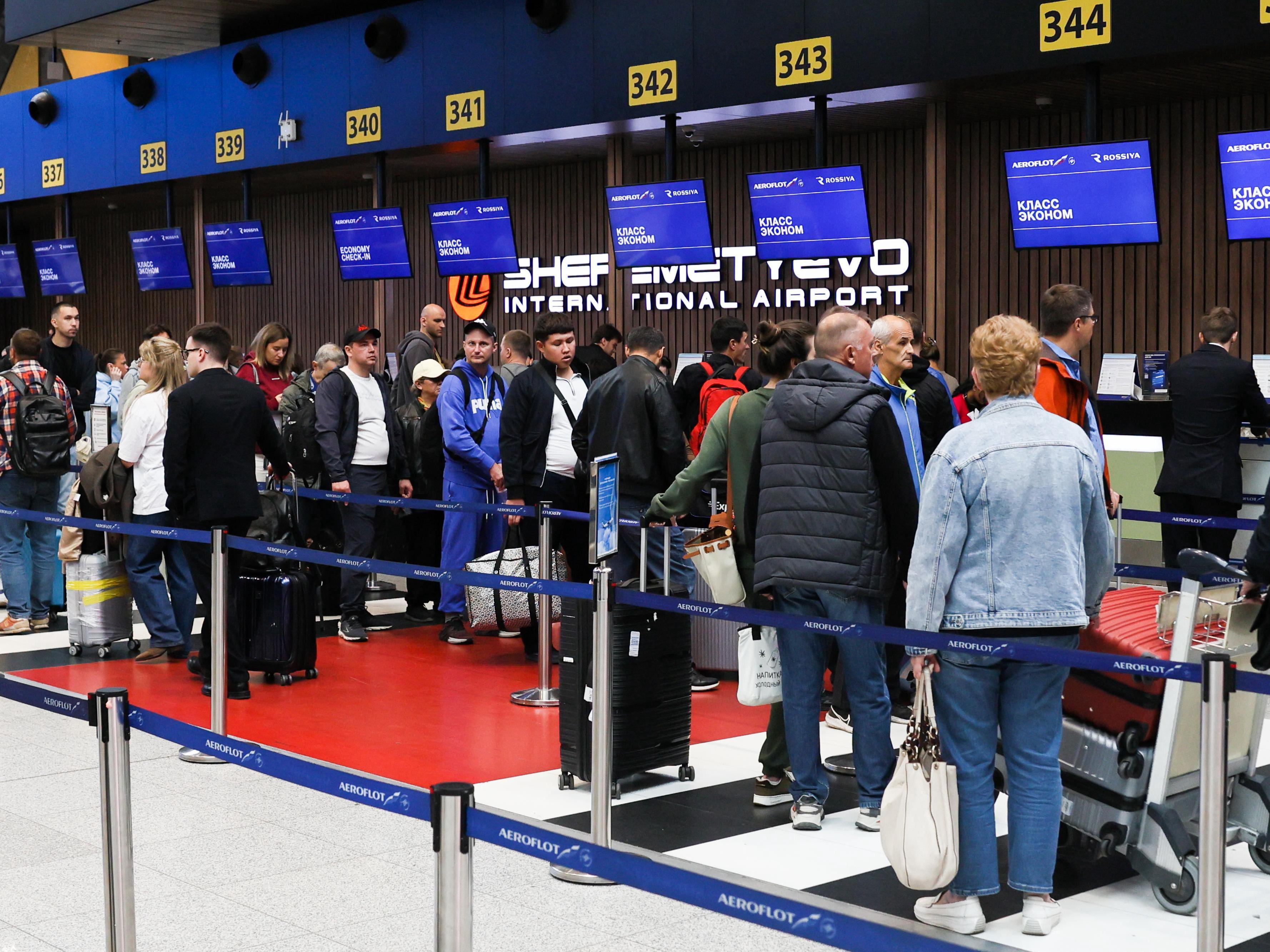

A transport expert discusses the potential changes for passengers from the new biometric boarding system at Sheremetyevo Airport.
Moscow«s Sheremetyevo Airport will be the first in Russia to launch a system for boarding a plane using biometrics instead of a passport. The experiment starts on 1 June 2026 and will be available on Aeroflot flights on the route Sheremetyevo (Moscow) – Pulkovo (St Petersburg) – Sheremetyevo (Moscow).
As clarified by the airport«s press service, identification will be carried out using the Unified Biometric System (UBS) and the Unified Identification and Authentication System (UIAS).
The Unified Biometric System (UBS) is a state information system that collects, stores, and uses biometric personal data for user authentication and identification. This system works in conjunction with the Unified Identification and Authentication System (UIAS). It can be conditionally called an «electronic passport». It is used for authorization on such sites as Gosuslugi (State Services) and Russian Public Initiative.
Kirill Yankov, a member of the Public Council under the Russian Ministry of Transport, told MSK1.RU how a passenger will be able to board a plane without a passport and whether this will affect the cost of air tickets.
«We have the Unified Biometric System, but not many people are registered (according to July 2025 data, over 6 million people are registered in the UBS. — Ed.). I don«t think this will seriously increase boarding efficiency, but it»s hard to say,» the expert said. «For example, there is a queue of passengers for boarding — 2–3% will go through another booth where they will look or put a finger. Does that change anything? No, not really.»
According to Kirill Yankov, the UBS works well with a document. For example, Sheremetyevo now has biometric automatic passport control booths: a passenger enters with a passport, places it, and the system allows or denies passage. Many people use them, the expert says, because they have passports.
«Considering that people won«t rush en masse to register in the biometric system, it»s clear that they are being incentivized. Something similar can be seen in the Moscow Metro: those who go through biometrics pay less. But if a discount on air tickets is introduced, then most likely more people will register. But the economic rationale for such a ticket discount is completely unclear,» Yankov added.
How this will look in reality is technically difficult to say at the moment. The expert says that, for example, the price of identification in the Moscow Metro is conditionally 80 rubles (about $1 at current rates). And the cost of a plane ticket is much higher than a subway ride.
«I think the equipment will be more serious,» Yankov said. «Perhaps it will resemble automatic control booths. At the same time, we see that disguise technology is also improving. And it«s unlikely that someone will put on makeup to ride the subway. But to put on makeup to board a flight where a ticket costs 50 thousand rubles (about $560 at current rates), then the makeup will be cheaper. It»s hard to do that with a finger, but fake finger technologies also exist.»
Recall that we reported that Russia wants to allow processing of biometric data of persons involved in crimes without their consent. The corresponding bill is planned to be submitted to the State Duma in 2027.