Tourist brings chikungunya fever to Russia: symptoms
After several years of relative calm, an imported case of chikungunya fever has been recorded in Russia, diagnosed in a woman returning from the Seychelles. Travelers are urged to be careful.
Apr 25, 2026 0
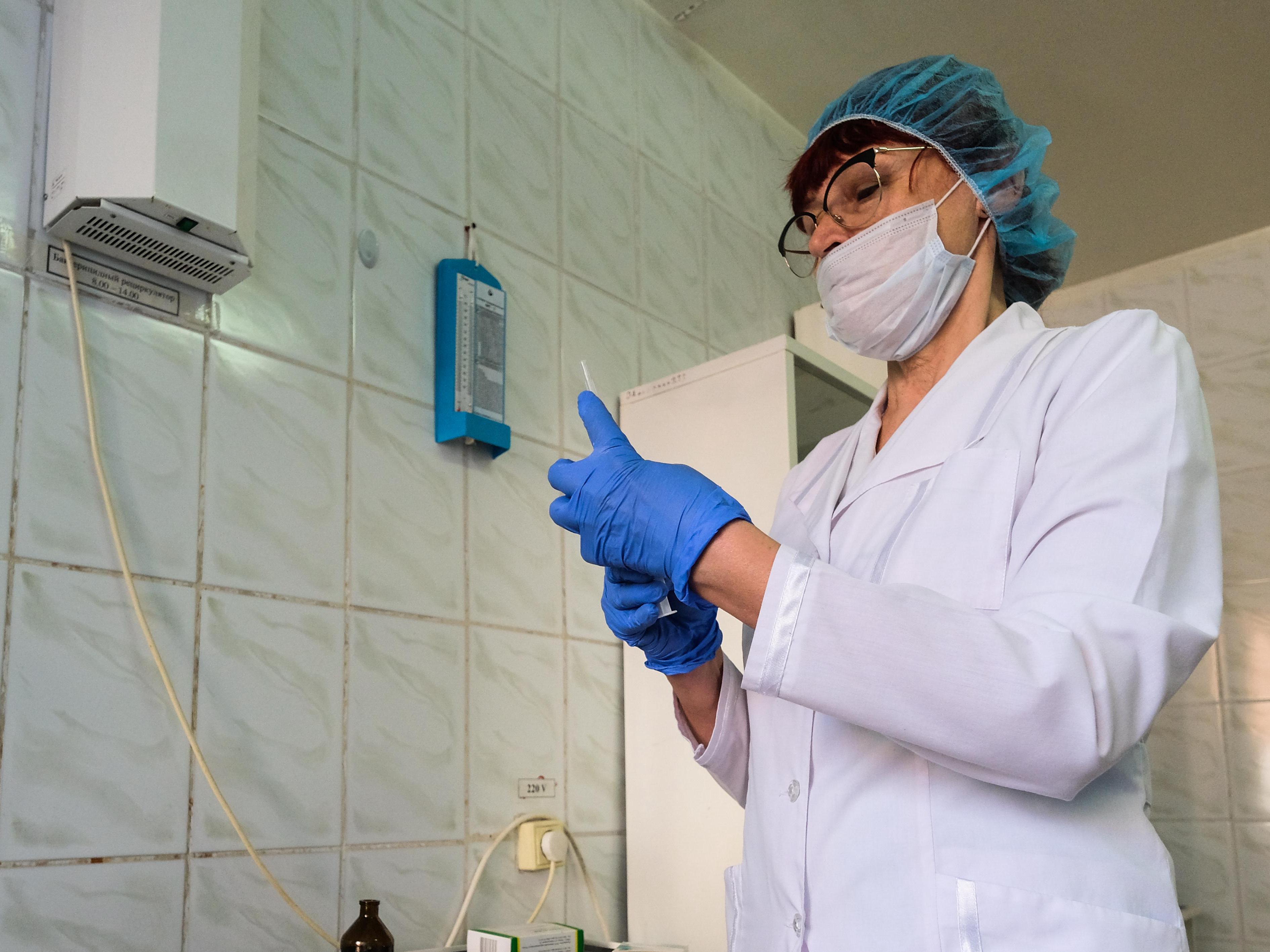

The disease manifests with high fever and a number of other symptoms.
Source:
After several years of relative calm, an imported case of chikungunya fever — a viral disease common in tropical regions — has been recorded in Russia. The illness was diagnosed in a woman who returned from a holiday in the Seychelles. Rospotrebnadzor (the Federal Service for Surveillance on Consumer Rights Protection and Human Wellbeing) has already organized anti-epidemic measures. We explain why there is no need for panic, but vigilance is advisable.
Chikungunya fever is a viral disease transmitted to humans through the bites of certain species of mosquitoes (mainly the Aedes genus). Symptoms appear within 2–12 days.
Main signs of the disease:
- sharp rise in temperature (up to 39–40 °C, or 102–104 °F);
- severe joint pain (due to which a person sometimes cannot straighten up — hence the name: «chikungunya» means «to become contorted» or «to bend»);
- sometimes rash, muscle pain, headache, nausea.
According to Rospotrebnadzor, there is no need to fear mass spread of the infection in Russia. This is because chikungunya fever is not transmitted directly from person to person; infection is only possible through bites from infected mosquitoes.
The agency promptly organized all necessary anti-epidemic measures. The situation is under constant monitoring by Rospotrebnadzor.
Chikungunya fever is common in a number of regions around the world, including sub-Saharan Africa, Central and South America, Southeast Asia, the Western Pacific region, the Arabian Peninsula, and the Indian subcontinent.
Rospotrebnadzor urges travelers planning to visit these regions to take prevention seriously: use repellents, install mosquito nets on windows and doors, use bed nets, and wear clothing that covers as much skin as possible (e.g., long sleeves and pants).
If you develop symptoms after returning from a trip, you should see a doctor as soon as possible and be sure to inform them of your itinerary.
Read more