
A draft resolution for new funeral tariffs is open for public discussion.
Source:
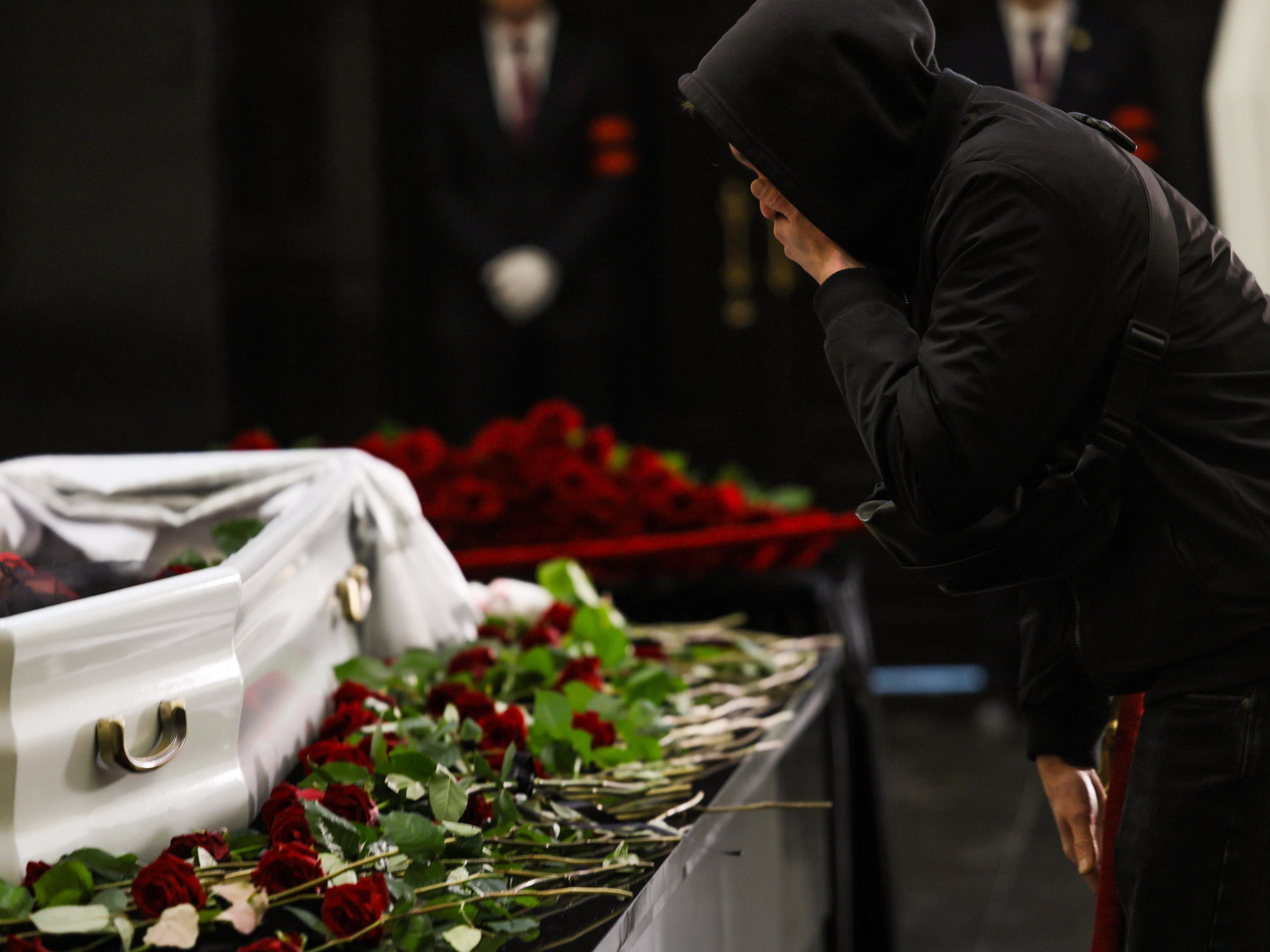
Funerals under the guaranteed list of services will become more expensive again in Samara. If last year the tariff increased by nearly a thousand rubles (about $11 at current rates), now an additional increase of more than 500 rubles (about $6) is proposed. A draft of the new resolution has been put forward for discussion.
The document is currently in the stage of collecting proposals from citizens. The discussion will last seven working days.
According to the draft, from February 1, 2026, the total cost of burial services paid by the Pension and Social Insurance Fund will be 9,678.63 rubles (about $108 at current rates). This amount includes:
- Document processing (free).
- Coffin and necessary items — 2,295.10 rubles (about $26).
- Body transportation — 1,090 rubles (about $12).
- Burial — 6,293.53 rubles (about $70).
For comparison: in February 2025, the tariff was increased to 9,165 rubles (about $102). Before that, it was 8,370 rubles (about $93). Thus, over two years, the cost of the guaranteed list has increased by more than 1,300 rubles (about $14).
It is important to understand: this money is received not by the relative but by a specialized service. For most citizens, these services remain free — the costs are reimbursed by the state in the established amount. The tariff increase is associated with annual indexation approved by the Government of the Russian Federation.
Interestingly, a new department is now handling the tariff updates. After the reorganization in the city hall, this function was transferred to the Department of Tourism, Entrepreneurship and Trade. Previously, funeral affairs were overseen by the Department of Urban Economy, which was left by its former head Alexander Andriyanov. Recall that it was under him that in 2019 a scandalous incident occurred near the city hall building with a displayed coffin, when relatives of the deceased tried to draw attention to problems in the funeral industry.
If the draft is adopted, the resolution will come into force after official publication, but will be applied retroactively — from February 1, 2026.
Read more