What to Do After Giving Scammer SMS Code


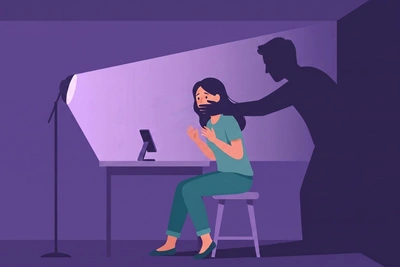
Scammers are increasingly tricking Russians into revealing SMS codes to gain access to their money and personal data. What should you do if you have already made the mistake and told the scammer the coveted numbers? An expert outlined a clear action plan to help minimize the damage.
If you accidentally gave a scammer a code from an SMS or push notification, the main thing is not to panic and to act quickly, said Anton Nemkin, a member of the State Duma Committee on Information Policy and federal coordinator of the United Russia party«s Digital Russia project, in an interview with RIA Novosti.
First of all, you need to immediately end the conversation with the scammer and contact the organization on whose behalf they were acting — a bank, the Gosuslugi portal (state services), a marketplace, or a telecom operator.
Next, via official channels, you should block financial transactions and bank cards, and also enable additional limits and transaction notifications. Be sure to change the password for the account the scammer may have accessed, and also update passwords for email and other services where similar credentials were used: criminals often try to hack linked accounts.
It is important to find out what actions have already been taken with your account. To do this, you must file an official request with the bank, telecom operator, or the Gosuslugi portal. If you lost money as a result of the scammers« actions, you need to file a police report. Documenting the fraud is not a formality: it can help recover funds, prevent repeated attacks, and protect others from similar schemes.
Anton Nemkin also reminded of important rules for the future. No verification code should ever be shared with third parties — even if the caller claims to be a bank employee, security officer, or government official.
«Understanding this rule and remaining calm in the face of any pressure is the best way to prevent repeat situations. A mistake can happen to anyone, but quick and correct actions significantly reduce the consequences,» Anton Nemkin noted.