'Dog's Job': Paramedic on Ambulance and COVID Ward

«There»s No Question of Compassion for Colleagues«
I observed a complete disconnection between medical services, hospitals, and clinics. It«s like a game of football, where the ball is the patient. A woman has a clicking jaw, the dentist sends her to a maxillofacial surgeon, the surgeon sends her to an orthodontist, and so on in circles—the same with many diagnoses.
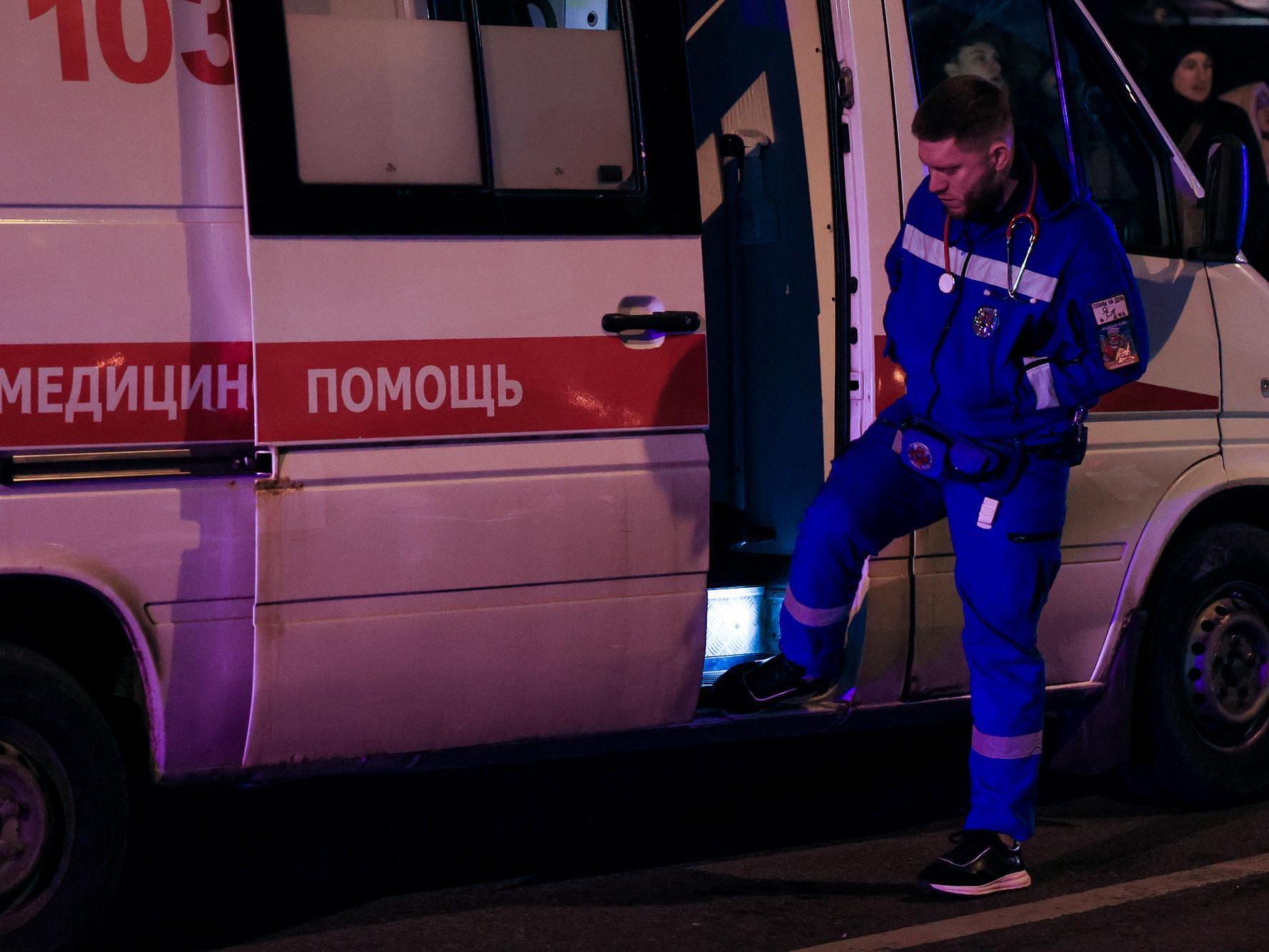
Doctors in the emergency department openly feud with the ambulance crew (emergency medical staff — Ed.), considering them under-doctors. The ambulance workers naturally respond with aggression to aggression, even though they«re just doing their jobs. There»s no question of compassion for colleagues; everyone tries to shift responsibility onto someone else, but no one understands that we«re all in the same boat in public institutions and we all have a dog»s job here.
«Crazy? Of Course»
Due to the number of patients, constant stress, and low salaries, healthcare workers are very prone to emotional burnout, neuroses, and addictions. Often these addictions manifest themselves right during shifts… They drink, smoke pot, or snort—everyone has their own kicks.
High bureaucratization is another problem: for one office in a hospital, there are supposed to be 10 logbooks. Once we brought in a woman with a crushed leg—she was hit by a dump truck while on a scooter. The leg below mid-thigh was smashed to pieces, hanging by skin and muscle, bones shattered. The ambulance gave her a painkiller, but when they wheel her into the operating room, the anesthesiologist immediately shoves a paper in front of her to sign that she has no claims in case of amputation.
Crazy? Of course. But the system dictates the rules; no one wants to deal with lawsuits later. By the way, our eagles managed to save the leg.
«Where Are We Heading?»
In the emergency department, I«ve seen it all. A lot of homeless people, with lice, stench, pants soiled with filth. Suicidals, many drunks, and in the last four years, a huge number of bath salt addicts. Most wounds are not from accidents or occupational injuries, but from banal drunken brawls or stabbings. Same with domestic violence—drunks often beat their wives.
We treat it with bitter irony. But it really gets on your nerves when you see all this disgrace. You inhale the smell of blood mixed with hydrogen peroxide and think, where are we heading? When did this become our everyday reality? It«s not even the sight of human flesh that»s depressing, but the decay of society.
«Psychiatry Is a Separate Pain»
Psychiatry is a separate pain. Often patients who need to be hospitalized in a psychiatric ward are taken to neurosurgery or even the ICU, where there are no necessary medications or specialists. And the funniest thing is, you can«t openly refer someone to a psychiatrist if you don»t want a scandal or a lawsuit. A psychiatric team is only sent out for acute psychoses.
«That»s How Old People Died«
When I worked in the COVID hospital, the first waves weren«t bad—good pay—but then it became a quiet horror. For a ward of 100 people, there were two orderlies, two nurses, and three doctors. The mid-level staff couldn»t leave, eat, or get out of their suits. Elderly people with coronavirus couldn«t get up or call for help, and four medics couldn»t keep track of everyone. That«s how old people died.
Every other elderly person went home incompletely treated, just to free up a bed. They were saving money on everything back then, primarily on staff and consumables.
«Medicine Is Becoming a Privilege for the Rich»
I also worked in oncology, and its main problem is inaccessibility. Either pay for proper examination and treatment, or wait until the tumor reaches stage four. Medicine in general is increasingly becoming a privilege for the rich. As our head doctor said, if it weren«t for the remnants of the Soviet Semashko healthcare system, we would have weathered COVID much worse. People need quality and affordable healthcare, but within the current policy and economy, it»s impossible.
Earlier we reported how snowfalls hindered ambulance work. A paramedic from Moscow shared with MSK1.RU his experience of a call in the middle of bad weather, when the car got stuck in snowdrifts and they had to call the Ministry of Emergency Situations.