Yekaterinburg woman becomes aircraft component technician
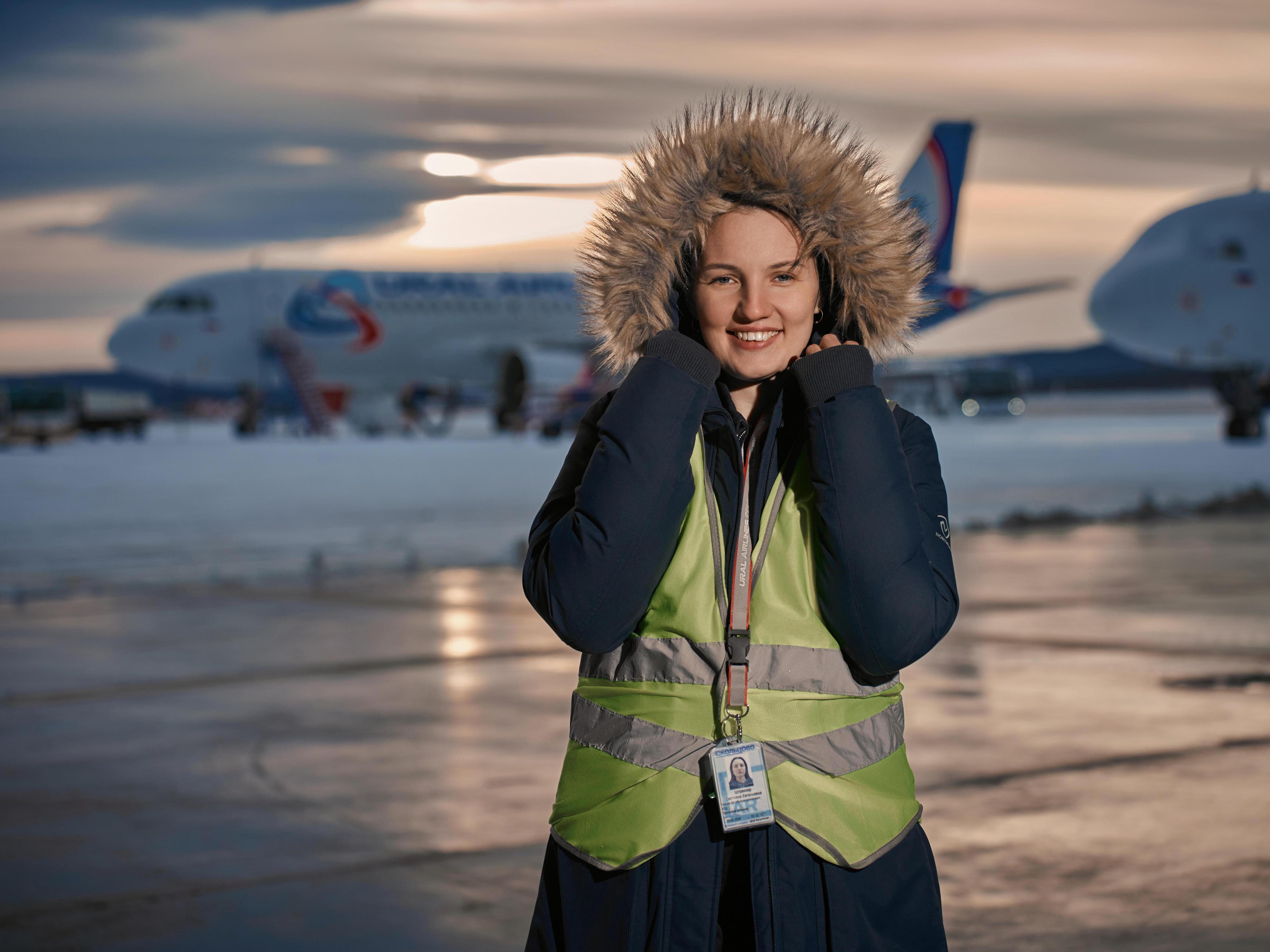

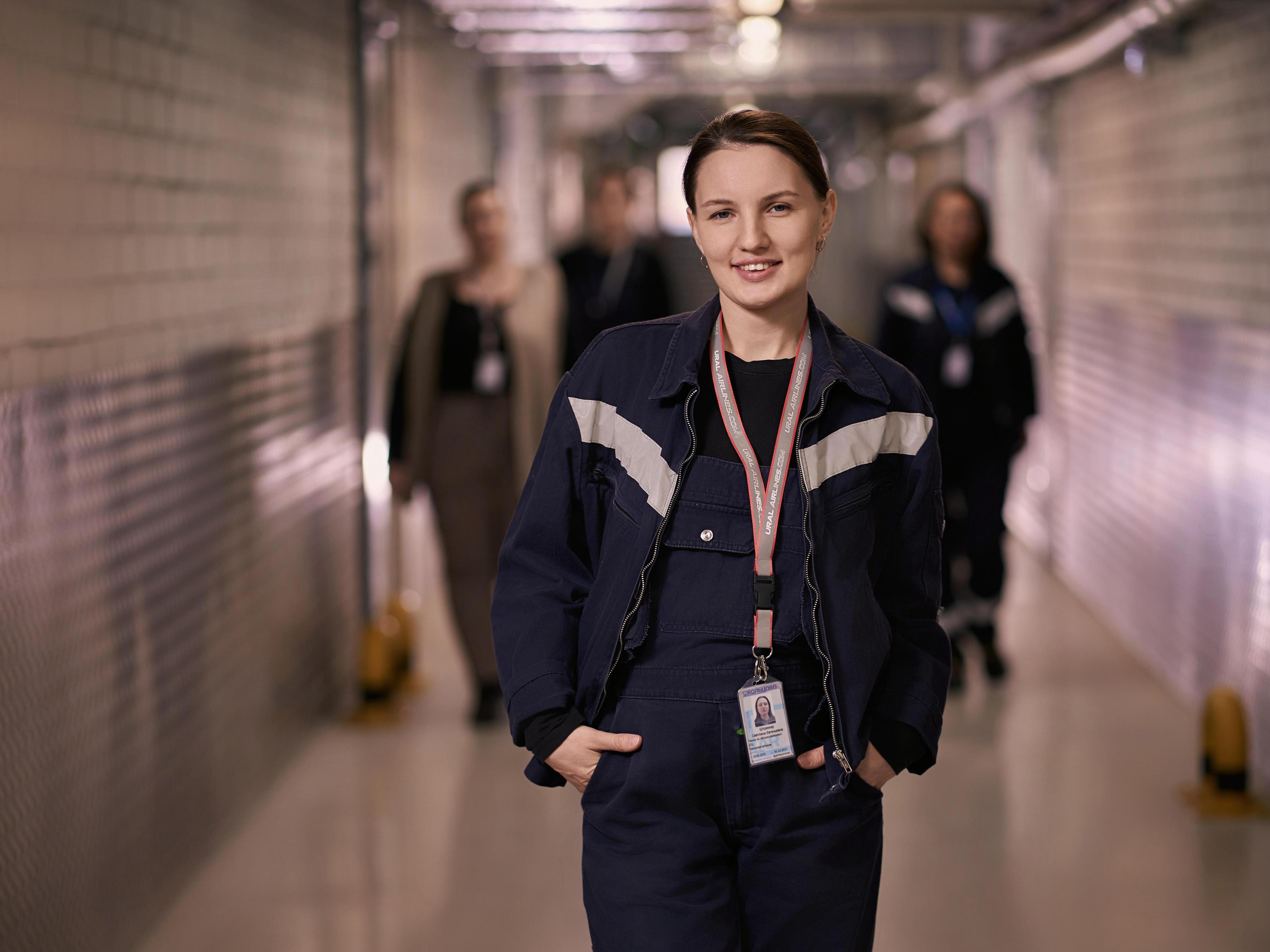
The video project about how various airline services operate continues. In the new episode, we meet a young woman who has made aviation her life«s work. Svetlana Shtrekker is a component maintenance technician: she restores the voices in pilot headsets and the light from landing lamps to the skies.
What is it like for a woman with a screwdriver to work in aviation, what does she love about her profession, and where can you see an airplane only in parts? Details in the material.
— Svetlana, how did you get into aviation?
— My path wasn«t straightforward. I was born and raised in Troitsk, Chelyabinsk Oblast. In my family, I am the aviation pioneer: my mother works as a kindergarten teacher, my father is a driver, and my sister is a speech therapist. So I ended up here by the call of my heart, not by family tradition. After the ninth grade, I planned to become an accountant, but fate had its own adjustments. I learned that the Troitsk Aviation Technical College had a specialty that accepted girls. The idea seemed both frightening and fascinating. I decided to apply, imagining myself as the only girl among many boys.
— Are female technicians in aviation a rarity?
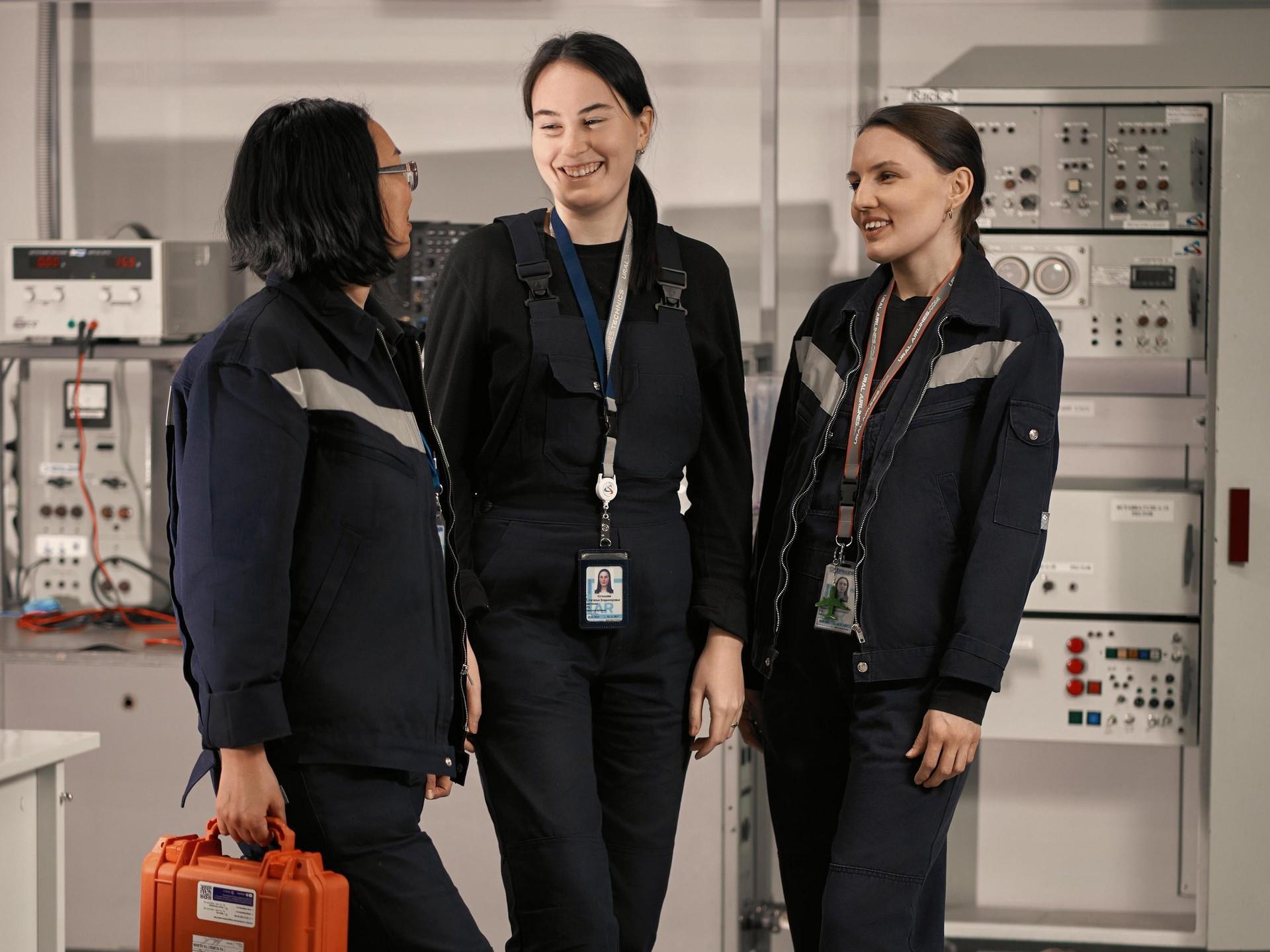
— Actually, reality turned out differently. There were quite a few girls in the group initially, but the studies tested everyone«s mettle. Many veered off the path, transferred to other fields. About ten people made it to graduation. And today, roughly half of them work in the specialty: some, like my classmate, work with me at the airline, some got jobs at a factory or moved to other cities. So we, female technicians, are not such a rarity.
— How did your relatives react to your choice?
— My relatives, of course, were surprised by such a sharp turn, but they supported me. I myself, having taken this step into the unknown, never doubted it. Right after graduating from college, I moved to Yekaterinburg and started working at Ural Airlines. Yes, the work is not easy, but when you immerse yourself in the task, difficulties take a back seat. Most importantly, I am confident that the next flight will take off safely.
— Where did your career begin and what do you do now?
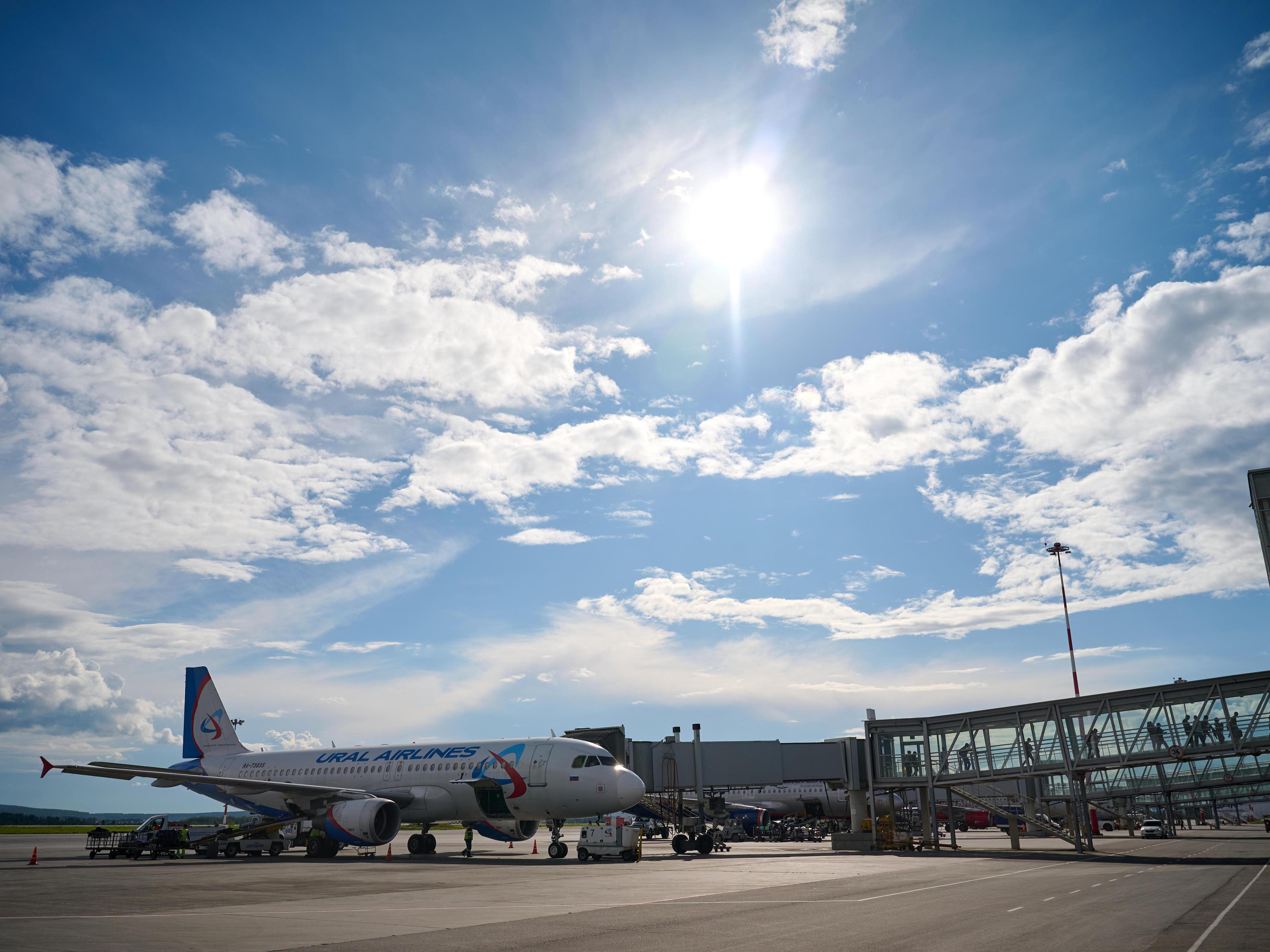
— I started working in 2017 in aircraft line maintenance, on the tarmac. I was young then, and I wanted drive, adrenaline, for everything around to be moving. I consciously chose the tarmac. Our task was to fix malfunctions promptly, because the aircraft couldn«t wait. This could involve testing equipment, replacing ceiling light bulbs, repairing seats, or installing a new component, such as headphones, handsets, megaphones, boilers.
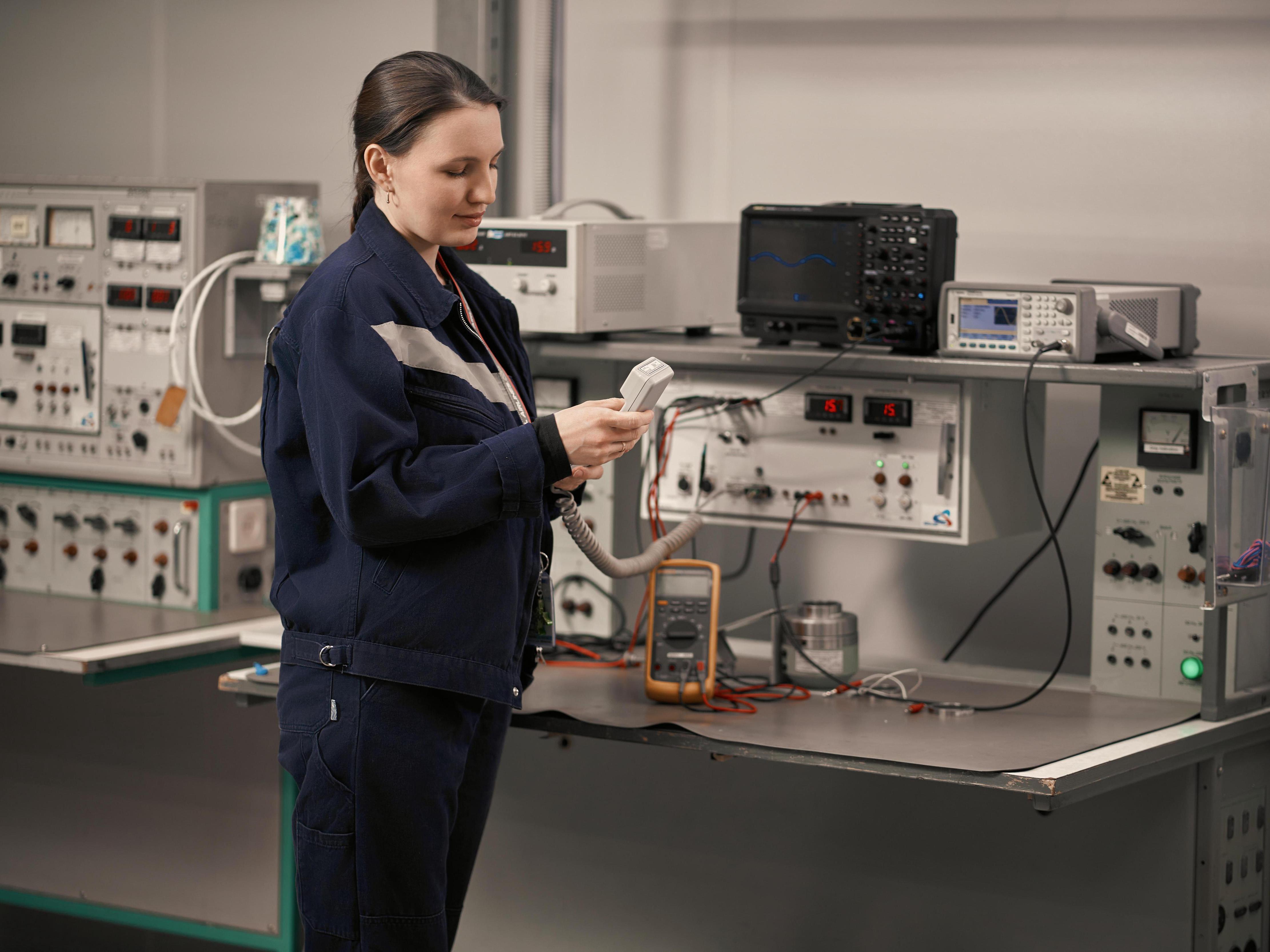
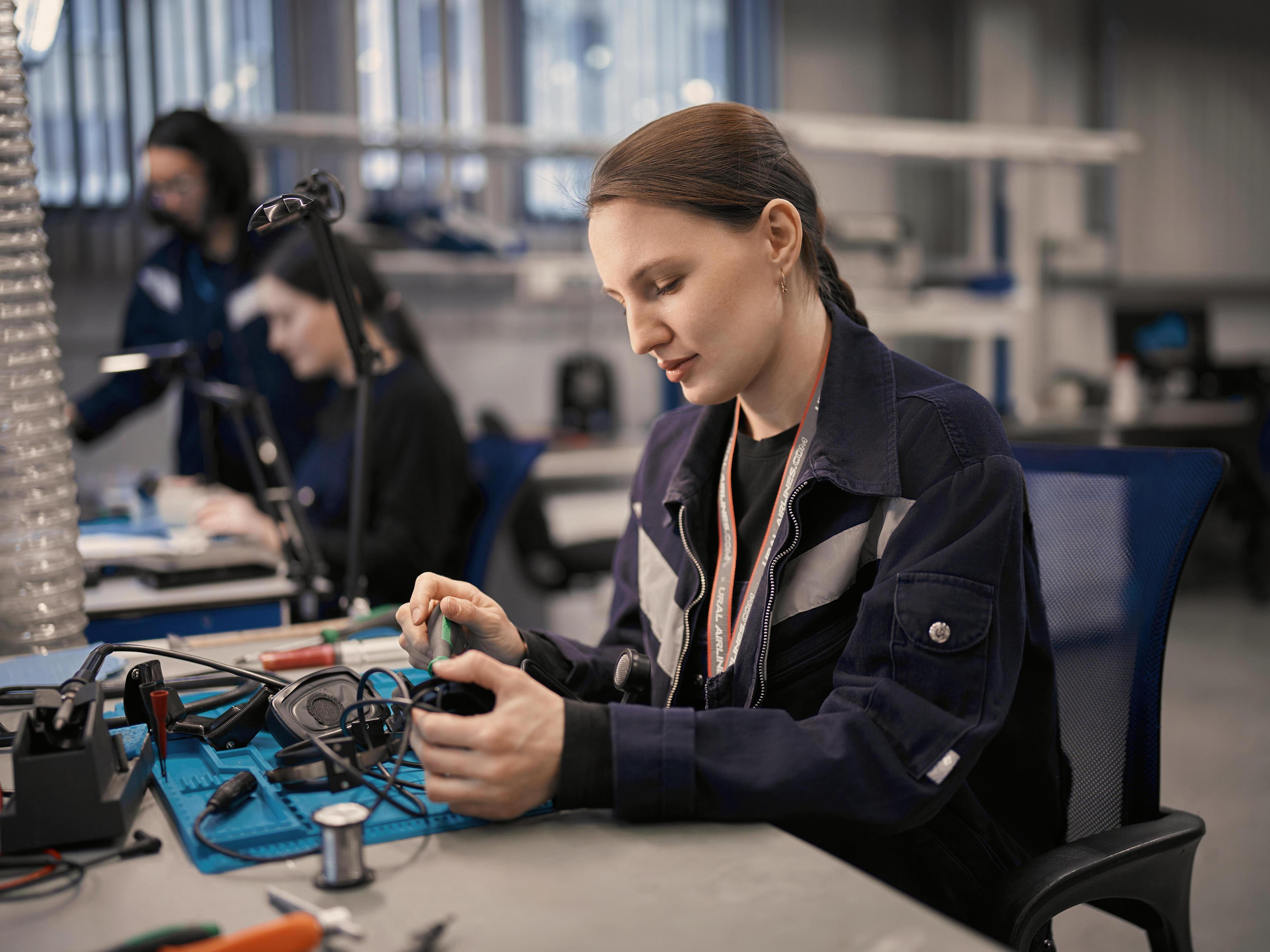
After maternity leave, I returned to a different reality — to the laboratory, to the position of component maintenance technician. For me now, this is a more comfortable and balanced format. Here we work on giving removed components a second life. These are various devices, for example communication means or onboard electronic equipment.
— How does work on the tarmac differ from work in the laboratory?
— The difference is fundamental. The tarmac is about a frantic pace. You need to think and act with a pilot«s reaction, because the aircraft»s ground time is limited. If it only has an hour, then you have exactly sixty minutes for everything: meet the aircraft, refill water, remove waste, while other services load catering and the crew changes. If there are no remarks, then the inspection and preparation for departure happen quickly. If a more complex procedure is planned, a whole team of technicians works. Each has their own area: radio equipment, engines, landing gear. Everyone acts according to clear instructions, identifying and eliminating faults according to plan. The shift flies by unnoticed, in one breath.
The laboratory, however, is a world of concentration. Here the day flows steadily, no one rushes you, you can fully immerse yourself in finding the fault.
— How does your work shift go now?
— Most often we deal with routine faults: a headset failed, headphones «glitched,» a light bulb burned out. First, technicians from the tarmac remove the device and send it to the warehouse. We pick it up from there, conduct thorough diagnostics on special test benches, repair it if possible, and after successful tests, complete all documents confirming serviceability. Then the component is sent back to the warehouse, to return to the aircraft when needed. The circle is complete.
My workday in the lab is structured. I come in, receive a task from the engineer, take on the project for servicing the device, which is in a special system. Then I take the component into work and immerse myself in the process. Sometimes I have to wait for spare parts, and then the work is postponed. No rush.
— How many components do you service in the lab, and do experienced employees get more complex tasks?
— There are actually very many components. Our laboratory has a whole approved list of what we are authorized to service. The work process is standardized and clear. When a newcomer first takes up the position, the first three months are a period of adaptation and learning. After that, the employee receives personal authorization and their own numbered stamp — the first serious mark of distinction and trust. From that moment on, when working with any component from your list of approvals, you independently complete the work order card and affix that very stamp.
The next stage is obtaining the right to issue a Component Serviceability Tag (CST). This document officially certifies the device«s serviceability and travels with it to the warehouse, and then on board. In our profession, you can»t get a diploma once and stop. Aviation does not tolerate stagnation, so training and professional development for us are the natural rhythm of our working life. Master a new component, complete an internship, receive approval, and start working with it independently.
— What qualities are most important in your work?
— Besides technical skills, other, no less important qualities are needed here. First — patience. Patience with equipment that sometimes is in no hurry to reveal its fault. Patience with the process, which cannot be rushed at the expense of quality.
Second — the ability to interact with people. It«s important to find common ground both within your own team and with colleagues from other services: from the warehouse, from the tarmac, with engineers. The coherence of all our work depends on this.
Moreover, perseverance and, as I already said, readiness to constantly learn are important — then you can achieve success in the profession faster. I myself continue to learn, looking at colleagues who hone their skills. Their example motivates me. This year I took a serious step and enrolled in the correspondence department of Tomsk State University of Control Systems and Radioelectronics. I chose a direction to, in perspective, open a new height for myself, to become an engineer.
— Did the fact that you are a woman hinder you at work?
— The most difficult moment was at the very beginning, eight years ago, when I, all alone and very young, came to unfamiliar Yekaterinburg to undergo a medical examination for employment. It was so hard and scary that I was ready to drop everything, buy a ticket home, and forget about aviation.
The team was of varied ages, with established traditions, and I was a bit worried about how they would react to the appearance of a female technician. Stereotypes do exist. But my fears were quickly dispelled: reality turned out to be much warmer and friendlier than I could have assumed. My colleagues accepted me wonderfully, always ready to help, advise, explain nuances that aren«t covered in college.
— Can you imagine yourself in another profession now?
— Sometimes I wonder what would have happened if I hadn«t chosen the technician profession, but I come to the conclusion that I can»t imagine myself in another field. I can talk with great pride about what I do. Yes, the work can be difficult. But it is mine. Unique, demanding, and beautiful. And so far, no other field has sparked such burning interest in me. I am in my place.
In the next episodes of the project, we will continue to introduce you to new heroes whose work on the ground and in the sky ensures the transportation of thousands of passengers over thousands of kilometers every day.