Woman Regrets Moving to Sochi, Issues Warning
After moving to Sochi, a woman found her seaside dream ruined by humidity, high costs, and a lack of culture.
Apr 24, 2026 0
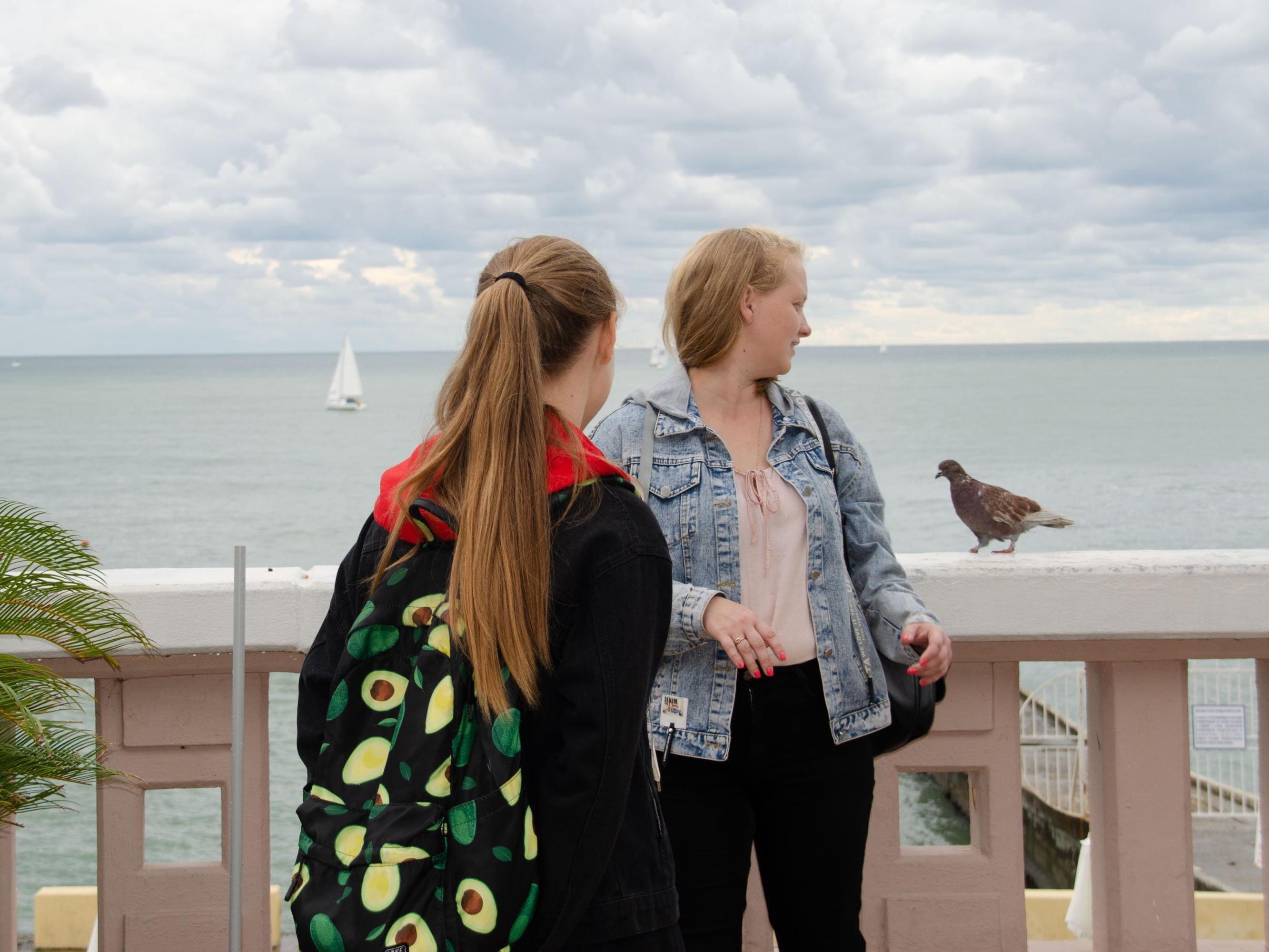

The embankment, a hallmark of the resort, may briefly feel like a piece of paradise.
Source:
The girl managed to fulfill her cherished dream — moving to the south, closer to the sea. She chose not Anapa, which some call a village, not Novorossiysk with its cement dust and winds, but aimed for the country«s main federal resort — Sochi.
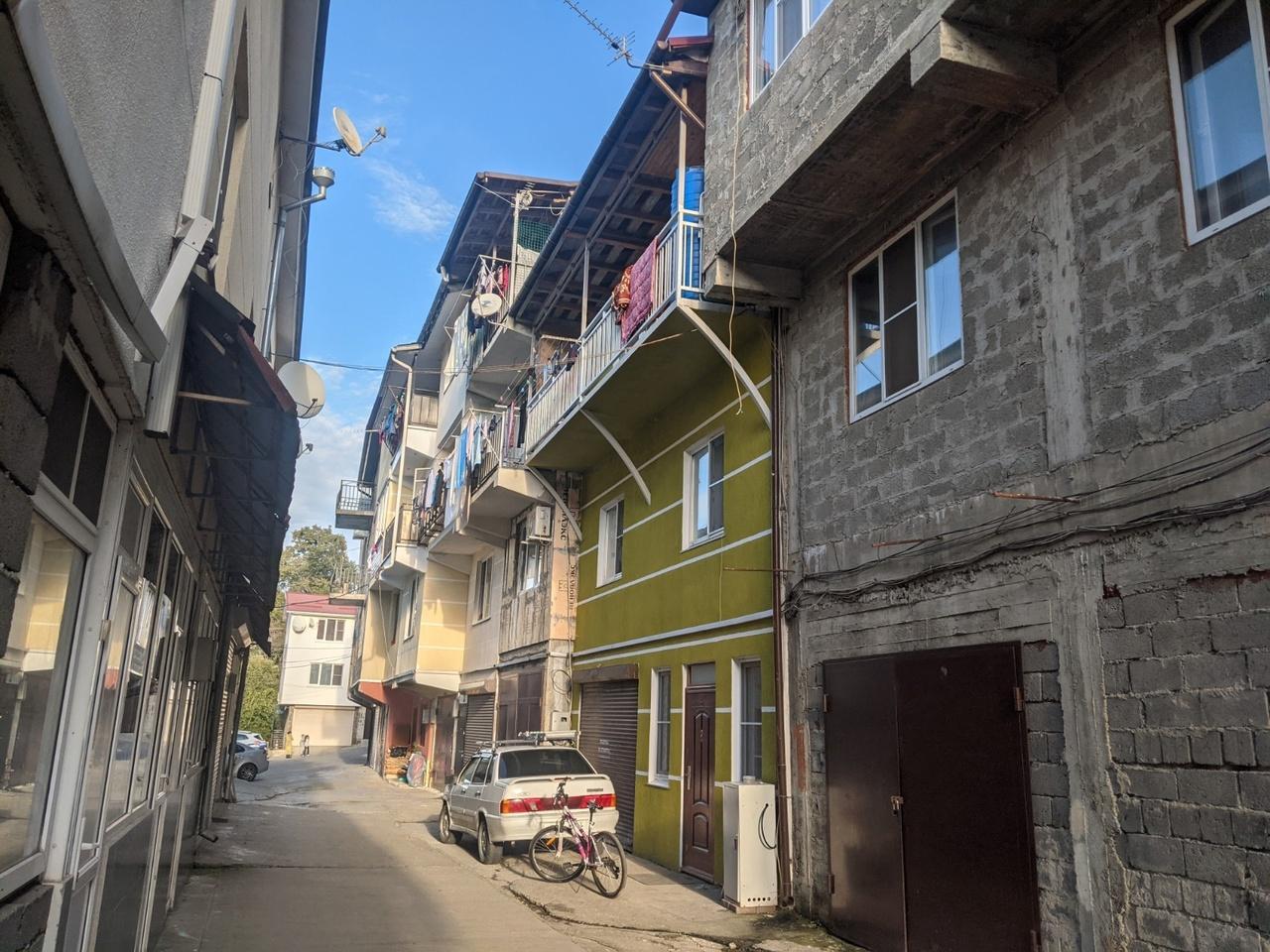
Residential garages in Sochi are unauthorized yet affordable housing, sometimes bought by those moving south.
Source:
Real estate prices were steep, but the entry ticket to paradise, as she thought, was worth the effort. Perhaps that«s why her disappointment was boundless.

The subtropical humid climate is not suitable for everyone.
Source:
In her head, she painted a wonderful picture: periodically going to the shore and greeting the sunrise or sunset, no more routine and gray days, only southern romance. The dreams turned out to be far from reality, as she shared in her microblog.
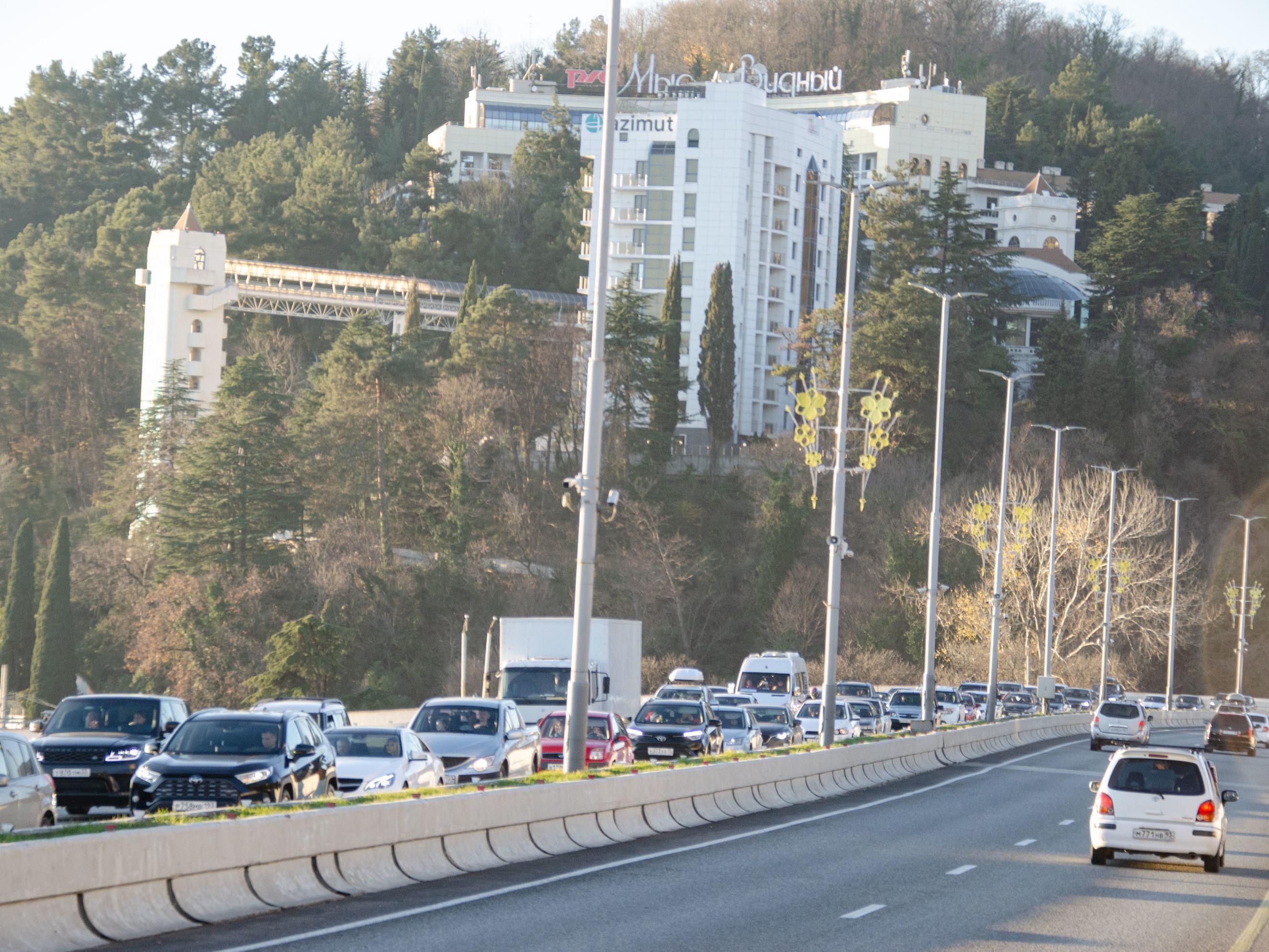
Sochi«s main roads are plagued by traffic jams in both winter and summer.
Source:
The first thing she disliked about Sochi was its oppressive humid climate. It was very different from the climate in Anapa, which also has a sea. But there it«s dry. In Sochi, summer is a constant steam room by default. Things don»t dry out and stay damp. It«s hard to breathe. Walking outside is impossible; shade doesn»t help, and there«s no escape from the humidity.

Visitors to Sochi should be prepared for crowded conditions at popular city locations.
Source:
In winter, the dampness seeps into your bones. Mold appears in the apartment. Leather items go bad. Everything smells musty. She never got used to that.
Second — in Sochi, everything is for tourists.
The city is entirely oriented toward tourists. First, prices are steep, calculated for wealthy guests. Second, in the off-season, the city seems to freeze, waiting for summer. Stores, restaurants, and most beaches close or switch to a different schedule.
Third — the local mentality.
The heat breeds laziness. Southerners are measured and leisurely; the heat and sun simply don«t promote productivity. It»s very hard to muster energy for any activity, and with a constant holiday atmosphere around, it«s difficult to concentrate on work.
Fourth — no culture.
She clearly lacked cultural events, as everyone assumes guests come for beaches and restaurants, not for theaters and museums. According to her, this sphere is poorly developed.
Fifth — too many people.
In summer, the beach is impossibly crowded. Buses are full. Roads are hellish with traffic jams. All sights are drowning in tourists. Even being there is unpleasant, as if you«ve come to a crowded market.
— Not everyone on vacation behaves culturally and quietly; some litter, curse, and bother passersby, — the author wrote.
She encountered this regularly, and that factor also shattered her dreams of a wonderful life in the south.
Because of all this, she couldn«t visit the sea as often as she wanted. The bus is packed to capacity, and walking is stuffy and hard. And if you do make it to the beach, the crowds, terrible noise from music, shouts, and drunken revelry make it depressing. After work, such outings didn»t boost her energy; they only exhausted her. She began to visit the sea less often, and she was consumed by routine: home, work. And living a routine life in Sochi is too expensive and not worth it. After spending a couple of years in Sochi, the girl returned to her hometown, and she plans to come to the south only as a tourist.
Read more