Unusual Names and Histories of Yugra Settlements
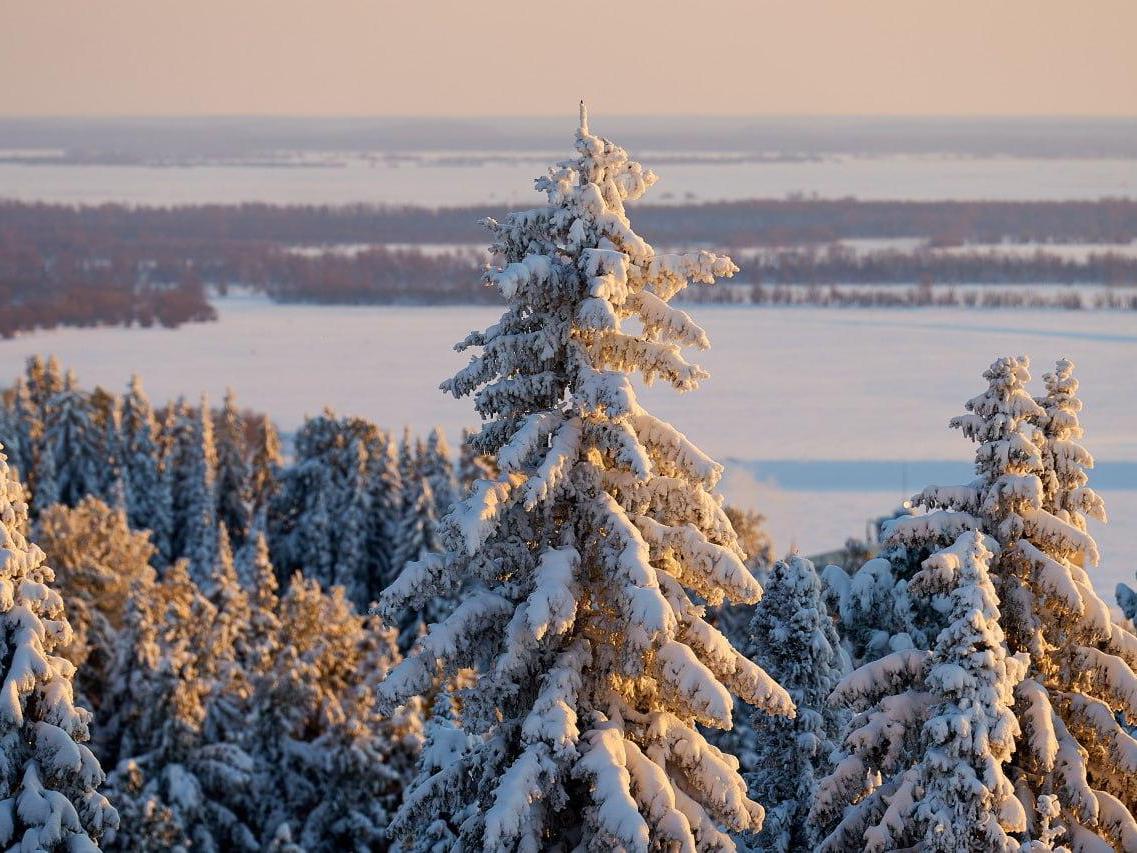

Cities, towns, and villages in Yugra often have unusual names. This characteristic is linked to the language of the indigenous peoples — the Khanty and Mansi. For example, the village Lombovozh translates to «a road leading to heaven.» And the village Vata is named after the wind. We have gathered unusual names and explored the history of these settlements.
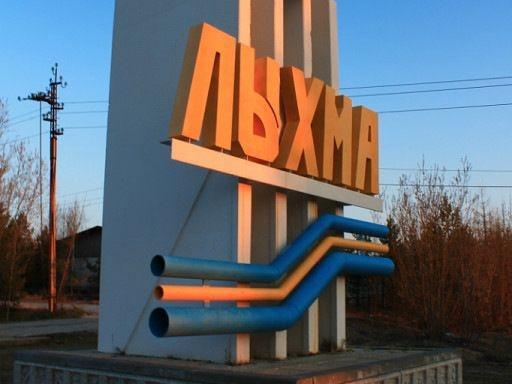
Lykhma Settlement
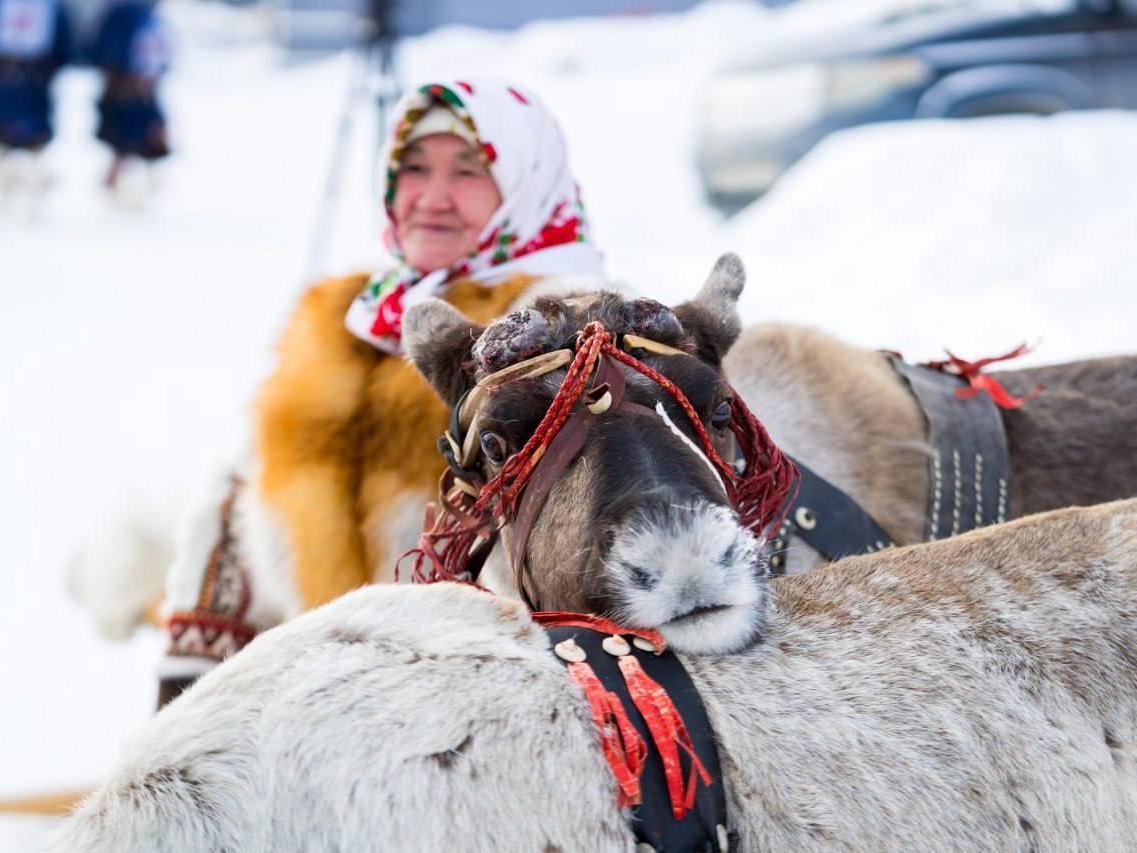
The settlement of Lykhma is located in the Beloyarsky District. It has a harsh, long winter with blizzards, strong winds, and a very short summer. In January, temperatures in Lykhma often drop to -35°C (-31°F), and in July, the air warms up to +20°C (68°F).
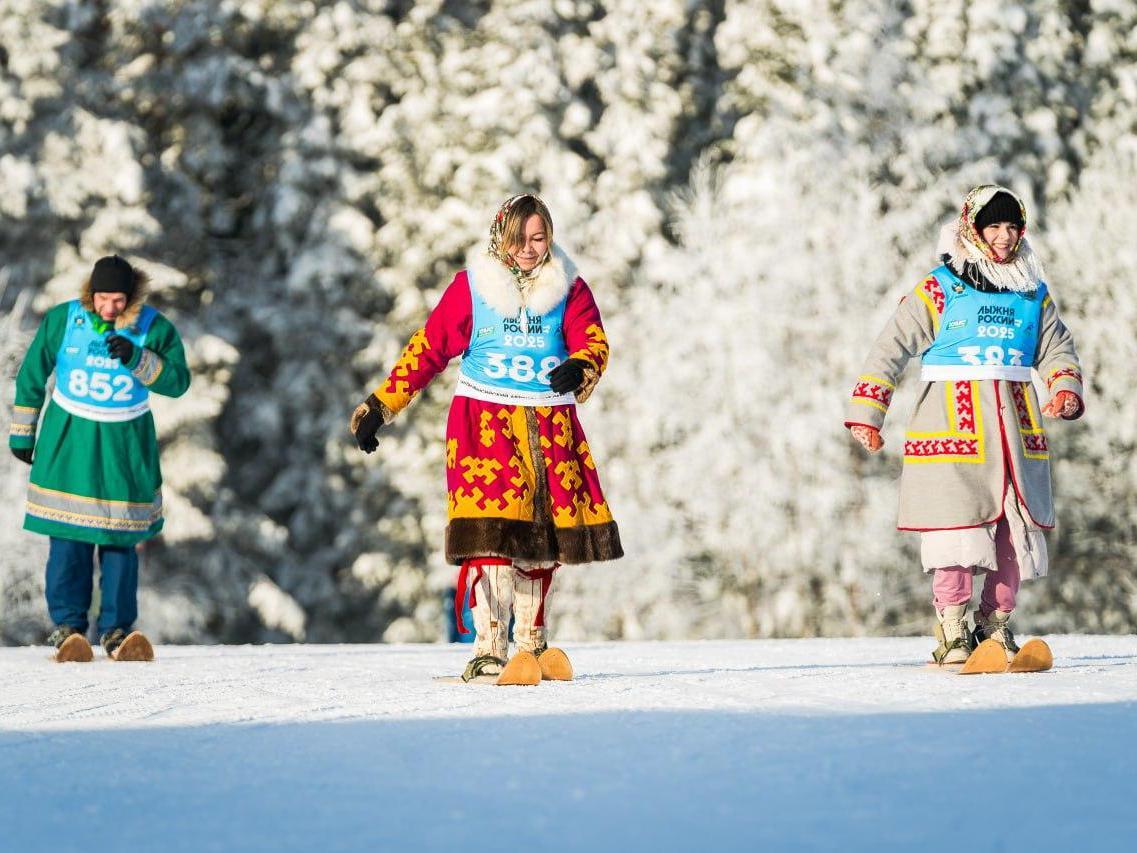
The official name Lykhma was given to the settlement in 1986 by a decree of the Presidium of the Supreme Soviet of the RSFSR. It is associated with the name of the ancient Khanty river Lykhma. Several years earlier, construction of the Bobrovskaya compressor station began there.
Initially, a Finnish complex was built in the settlement, which included 5 dormitories, 4 houses, 6 two-apartment cottages, a school, a kindergarten, a canteen, a shop, a club, and a polyclinic.
Now it is hard to believe that three decades ago this was a land of ancient taiga, lakes, and swamps. Today, it is powerful gas compressor stations, threads of gas pipelines stretching into the distance, roads, and developed infrastructure.
Today, the settlement has transformed and grown. About 1,300 people live in Lykhma. The town-forming enterprise of the rural settlement is a branch of the company «Gazprom transgaz Yugorsk» (a subsidiary of Gazprom).
Vata Village
In 1840, two exiles (one of them — Nester Lipetsky, the surname of the second is unknown) settled beyond Surgut in the Vatinsky settlements. They started their business — engaging in trade. Nester Lipetsky gained recognition among the people by supplying the local population with goods. He is considered the founder of Vata Village. Mainly, the residents were engaged in fishing, hunting, and later began growing vegetables in gardens.
In the thirties, exiles — dekulakized families — appeared in the village. People pooled their livestock, fishing gear, and organized a collective farm. They were engaged in agriculture and fishing. There was even their own fur farm with black-brown foxes. Things were going well.
For more than 60 years, there was no school in the village. It appeared only in 1902. In 1971, a bird cherry garden was planted, which still pleases the village residents. Now about 650 people live in Vata.
There are two versions of the origin of the village«s name. According to one — translated from Khanty, the word »vat« means »wind,« and »vatta« means »to blow.« According to mythology, this was the name for the deity of wind or the exalted force of this natural phenomenon.
Tegi Village
Tegi — is a village in the Berezovsky District, located on the left bank of the Malaya Ob River. This is a place of traditional residence for the Teginsky Khanty.
There is a legend about the appearance of the taiga island on which the modern village of Tegi is located. The winged hero Tokhlang Kurk Iki did not have his own territory to settle, and he decided to bring himself land. He burrowed into the ground, then rose on wings with earth and flew to the south. Where earth fell from his wings, islands formed, one such layer of earth fell where the village of Tegi is currently located. This place was considered sacred, and people did not settle there.
In the vicinity of the village, there are elements of traditional Khanty culture, for example, a sacred grove formed by natural floodplain willow thickets, and a sanctuary — a barn where wooden idols are stored.
The name Tegi has Khanty origin and literally translates as «standing in the middle.» According to another interpretation, the village Tək Kurt (in the local dialect) is named after the patron spirit of the Teginsky Khanty — the hero Tək-Iki.
Now about 350 people live in the village.
Lombovozh Village
Lombovozh — is a village in the Berezovsky District. It is located in the middle course of the Lyapin River (basin of the Northern Sosva) in the Ural part of the West Siberian Plain.
In the history of the settlement, several periods are noted: settlement, prosperity, oblivion up to disappearance, and reappearance. In the first half of the 16th century, Middle Ob Khanty moved there, gradually — Mansi from the nearest surroundings of Lombovozh. From the beginning of the 17th century, the first of the settlers from the Sheshkin family — Ches Kushkin — settled in Lombovozh.
In Lombovozh, there were three sacred houses where clan shrines were kept and collective holidays and rituals were held. The name of the village comes from Khanty words. «Vozh/vosh» translates as «city, town.» Also, the name arose from the name of the stream Lopyng (now Lyapin), meaning a peat place.
The second point of view is that the name of the settlement comes from a special ritual: in case of the death of all members of a clan, representatives of other clans would come to their dwelling place, gather cult objects there, and bury them in a special square or rectangular pit, lined with birch bark and covered with birch bark, resulting in something like a box. In this case, the name literally means «hidden city.»
According to the third version, the true name of the village is Lopnys Pavyl, which means «a road leading to heaven.»
A folk legend tells of the wealth and amazing Lombovozh craftsmen, whose painted tueskas, elegant fur parkas, and household items were admired by visitors.
In official state documents, Lombovozh is noted since 1858 as the yurts of Lobymvazhsky. Now about 200 people live in the village.
Kimkyasuy Village
The village is located in the Berezovsky District near the Northern Sosva River. The exact years of foundation are unknown. The settlement was approximately founded at the beginning of the 20th century by Russians. At that time, the indigenous Mansi people led a sedentary lifestyle, and the village was named Rushchpavyl, which translated from the Mansi language means «Russian village.»
Scientific literature indicates that the name of the village comes from the name of the stream Kimkya, which translated from Mansi means «grouse lek» or «grouse forest.»
In 1931, a fishing collective farm was organized in the villages of Ogurya and Kimkyasuy. Now it is a small and hospitable village with just over 100 people.
Previously, we told about other settlements of Yugra with unusual names.