The People Making Boxes in Perm: A Photo Project
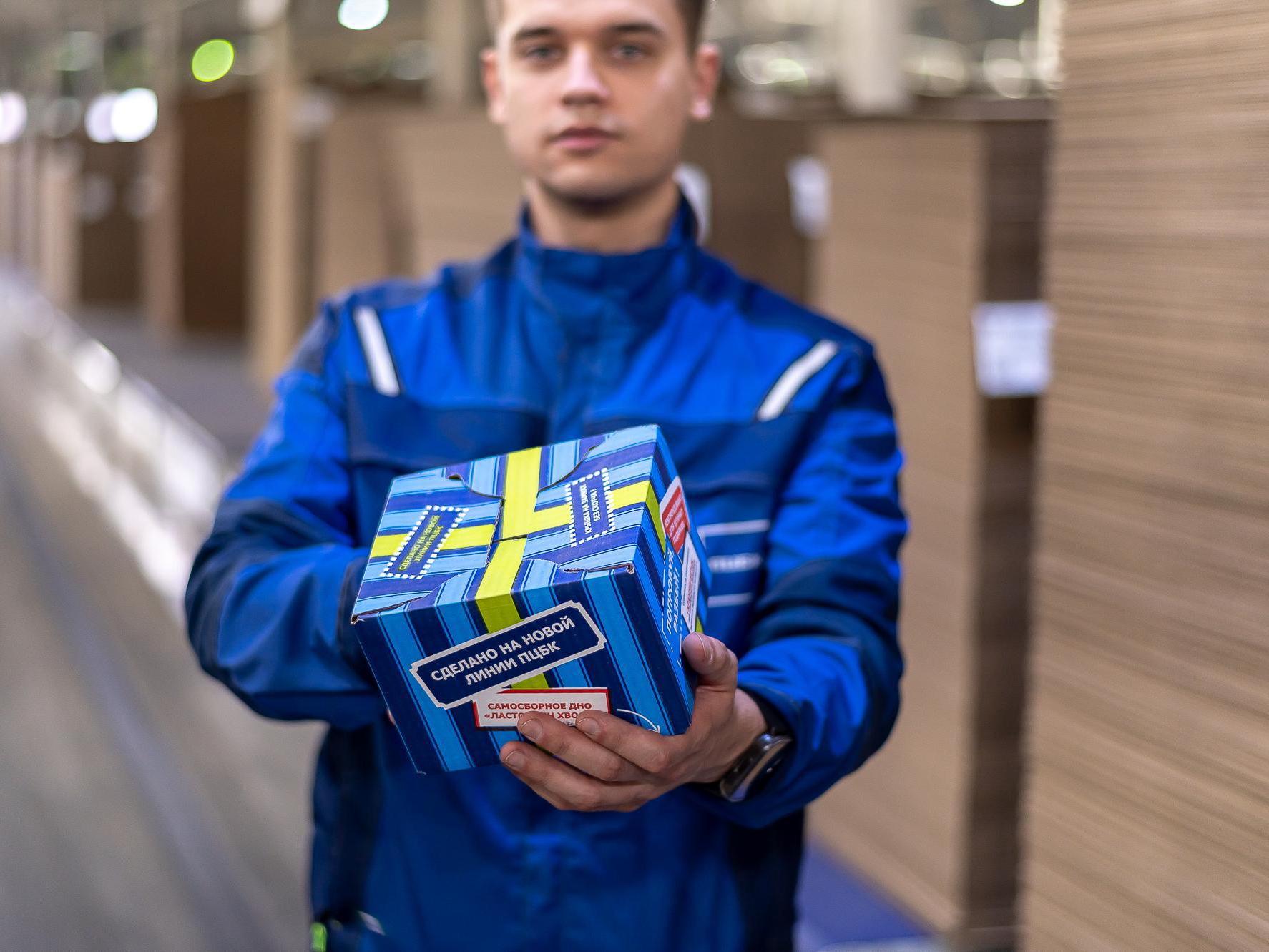

PCPC employees talk about their labs, automation, and products that are essential to modern life.
We rarely think about where the pizza box, the marketplace packaging, or the moving box comes from. Behind it all lies a huge world of production and people who know it down to every screw, formula, and button on the control panel.
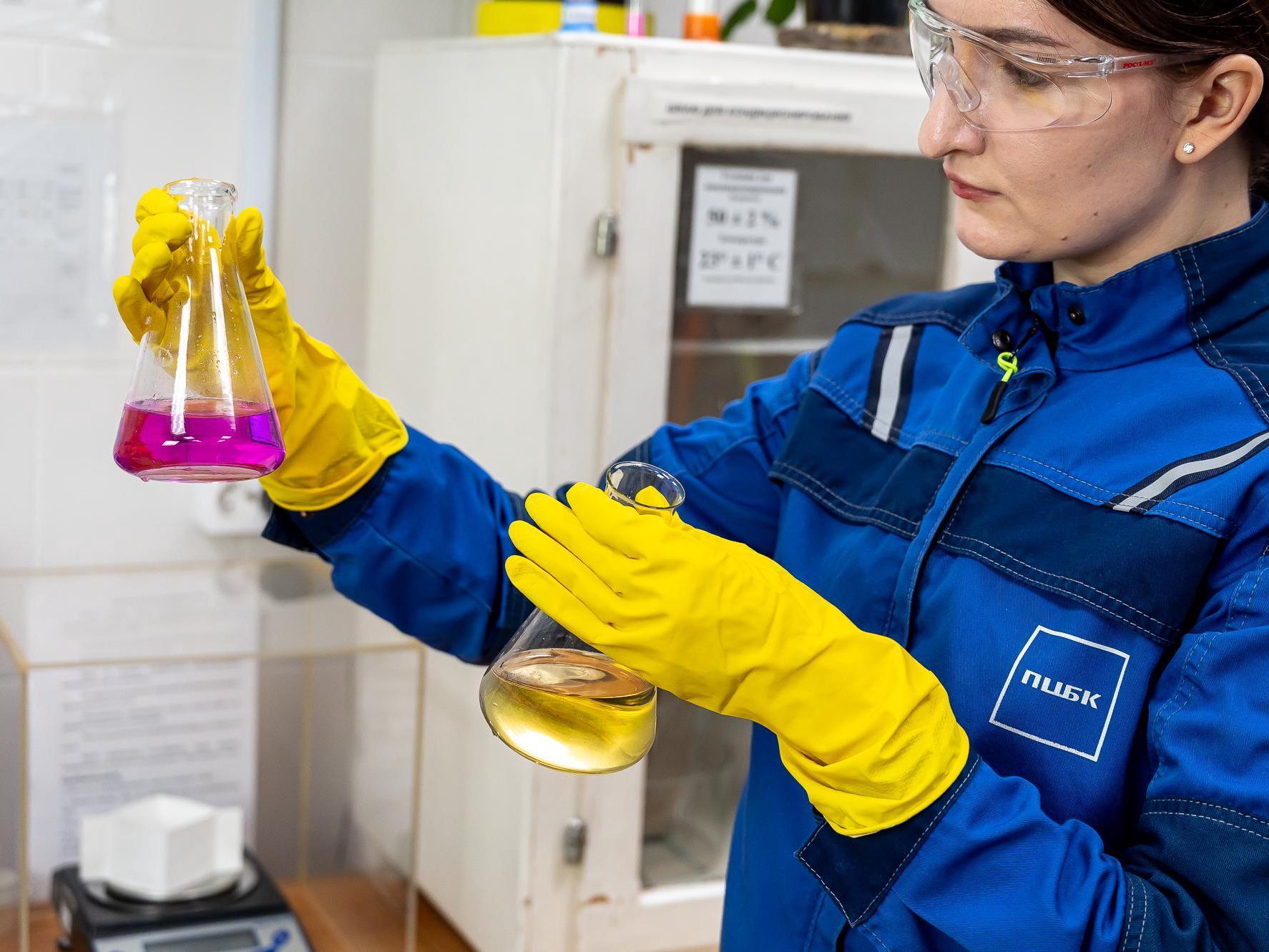
Ekaterina has worked at PCPC for three years.
In a large photo project, the employees of PCPC themselves become guides through the plant. They explain how production works from the inside—from laboratory tests to automated control systems. They share details about the products they work with every day and that we encounter at every turn.
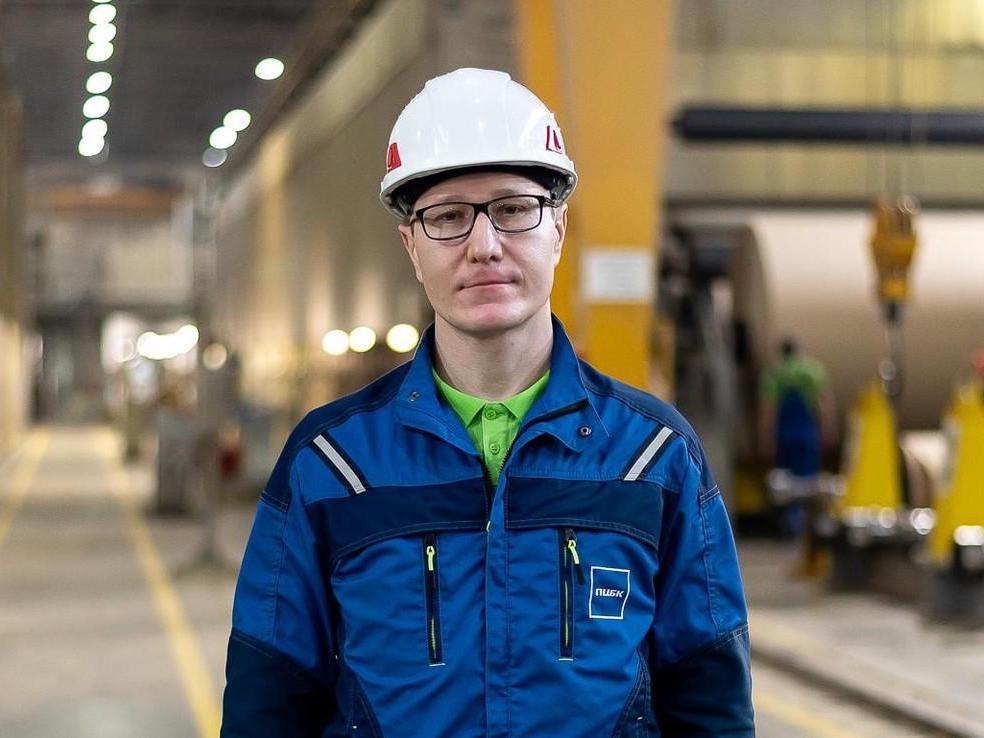
Dmitry has worked at PCPC for 17 years.
«There»s Room to Create Here!« — Ekaterina Ivanchina, 26, Deputy Head of the Industry Research Center
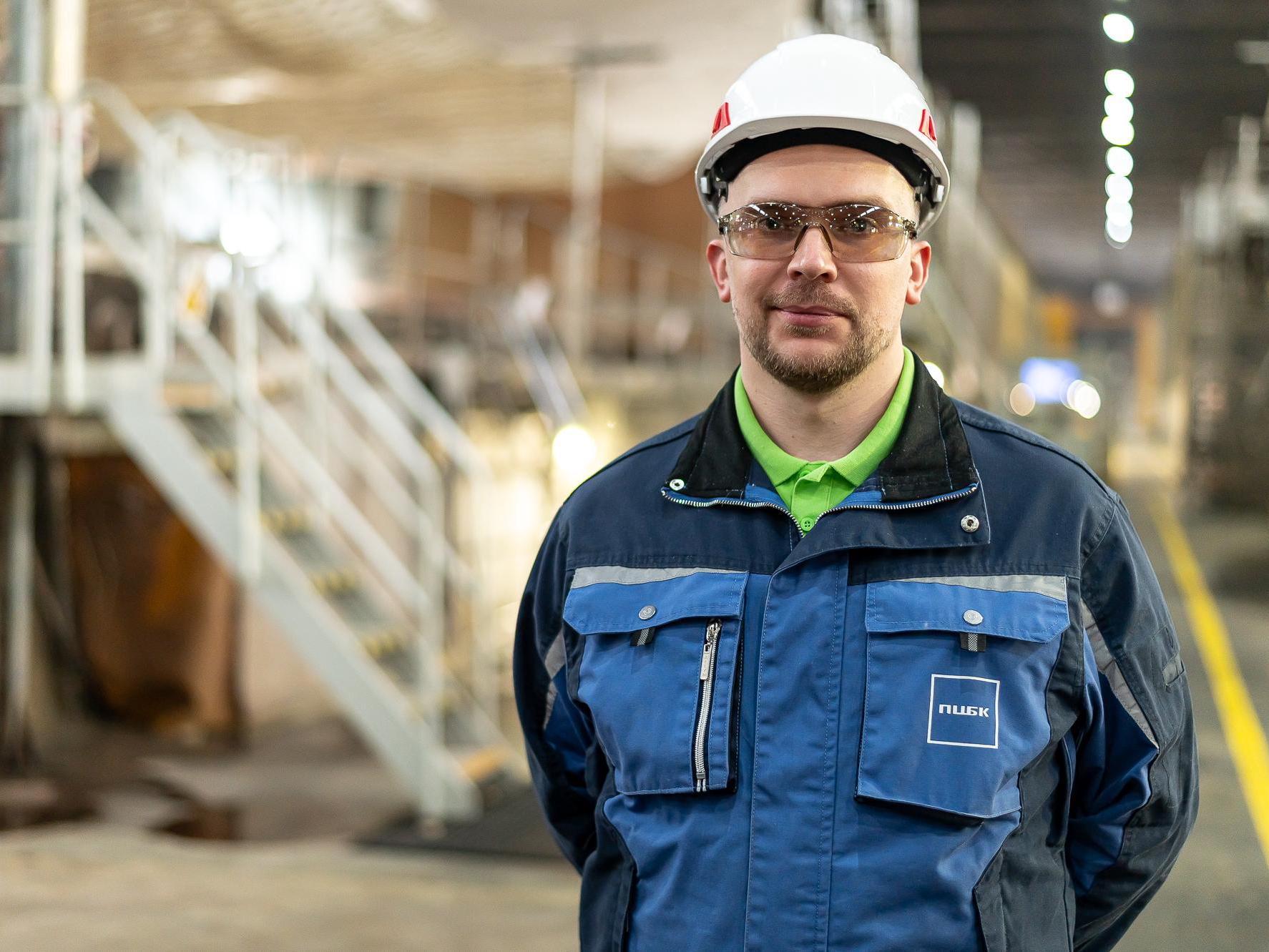
Alexander has worked at PCPC for 14 years.
In the PCPC laboratory, oil is sometimes dripped onto cardboard. It«s not by accident or out of curiosity—this is how they test whether the material can withstand grease and won»t let it seep through.
«Grease-resistant cardboard is one of our unique products. To test it, we use, among other things, the kit test—a mixture of special reagents by which we determine the degree of grease resistance and assign the material a specific score,» said Ekaterina Ivanchina.
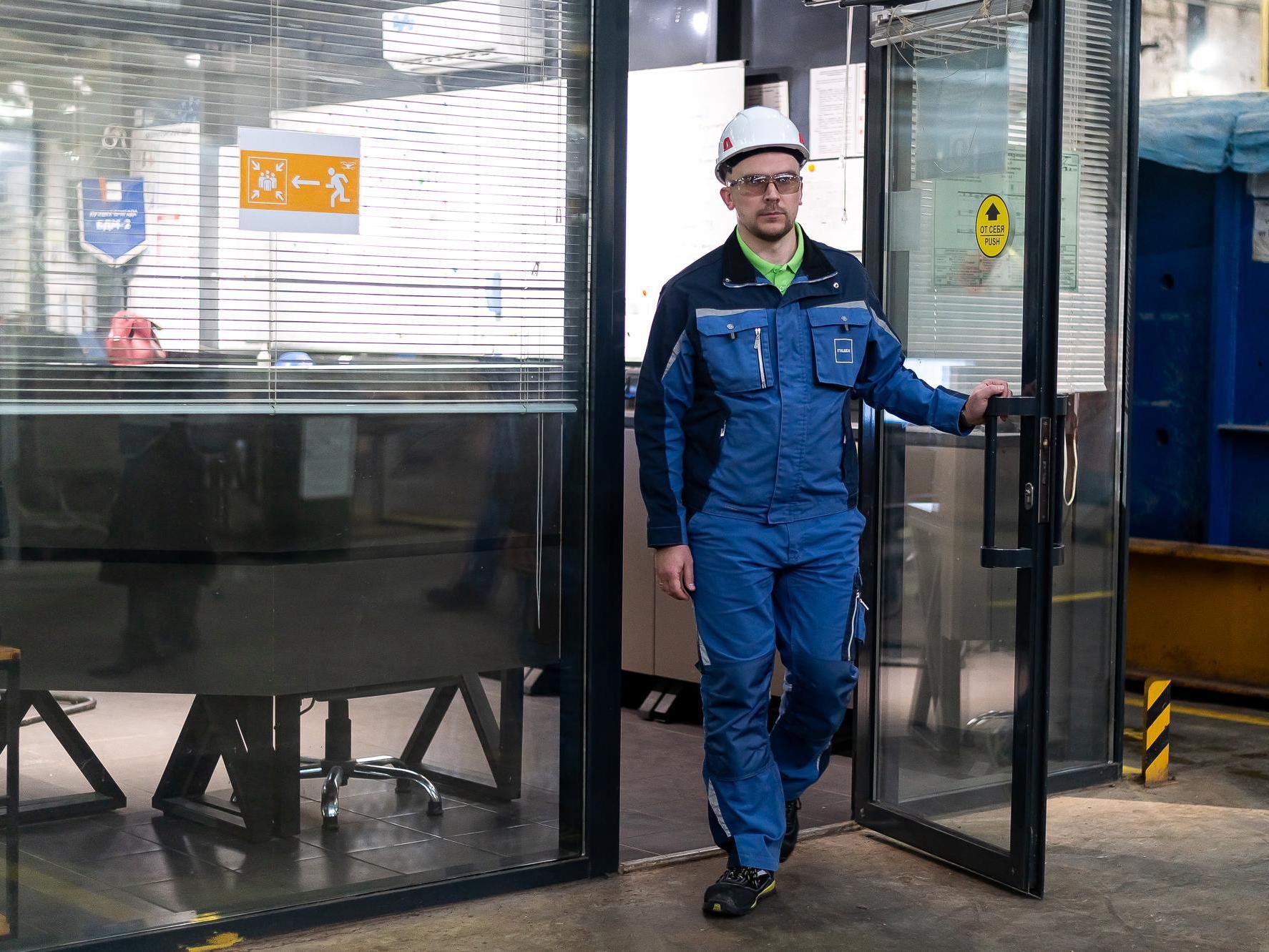
The level of production automation is impressive, with sensors monitoring every process.
The young woman works in the research center, where she and her colleagues test and improve products: they check cardboard for tearing, punching, select chemical reagents, and change technological parameters. It was here several years ago that work began on moisture-, heat-, and grease-resistant cardboard—the very kind used to make boxes for pizza, cookies, and other products.
«What hooked me was that there really is space for creativity here. You can suggest new options, optimize something, try a different way. And it»s very nice that the enterprise works at such a pace where the results of your ideas become visible quite quickly,« admitted Ekaterina Ivanchina.
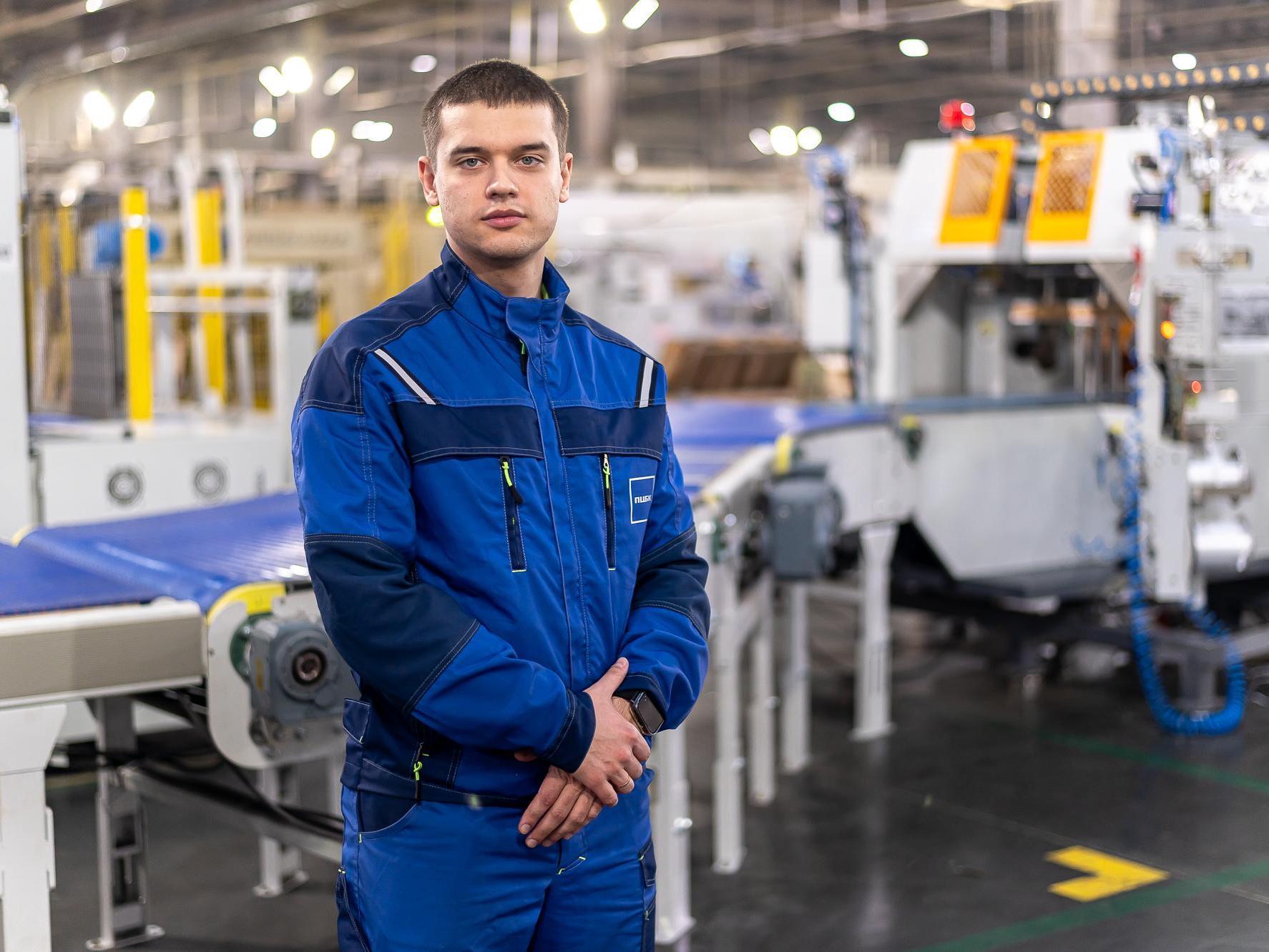
Anton has worked at PCPC for seven years.
For her, PCPC is not just a professional story but a family one. Her father has worked in the pulp and paper industry all his life, so she was familiar with production long before her first workday. Today, Ekaterina is also a mentor for new employees and students, supervises diploma projects, and conducts master classes during tours, in schools, and at universities.
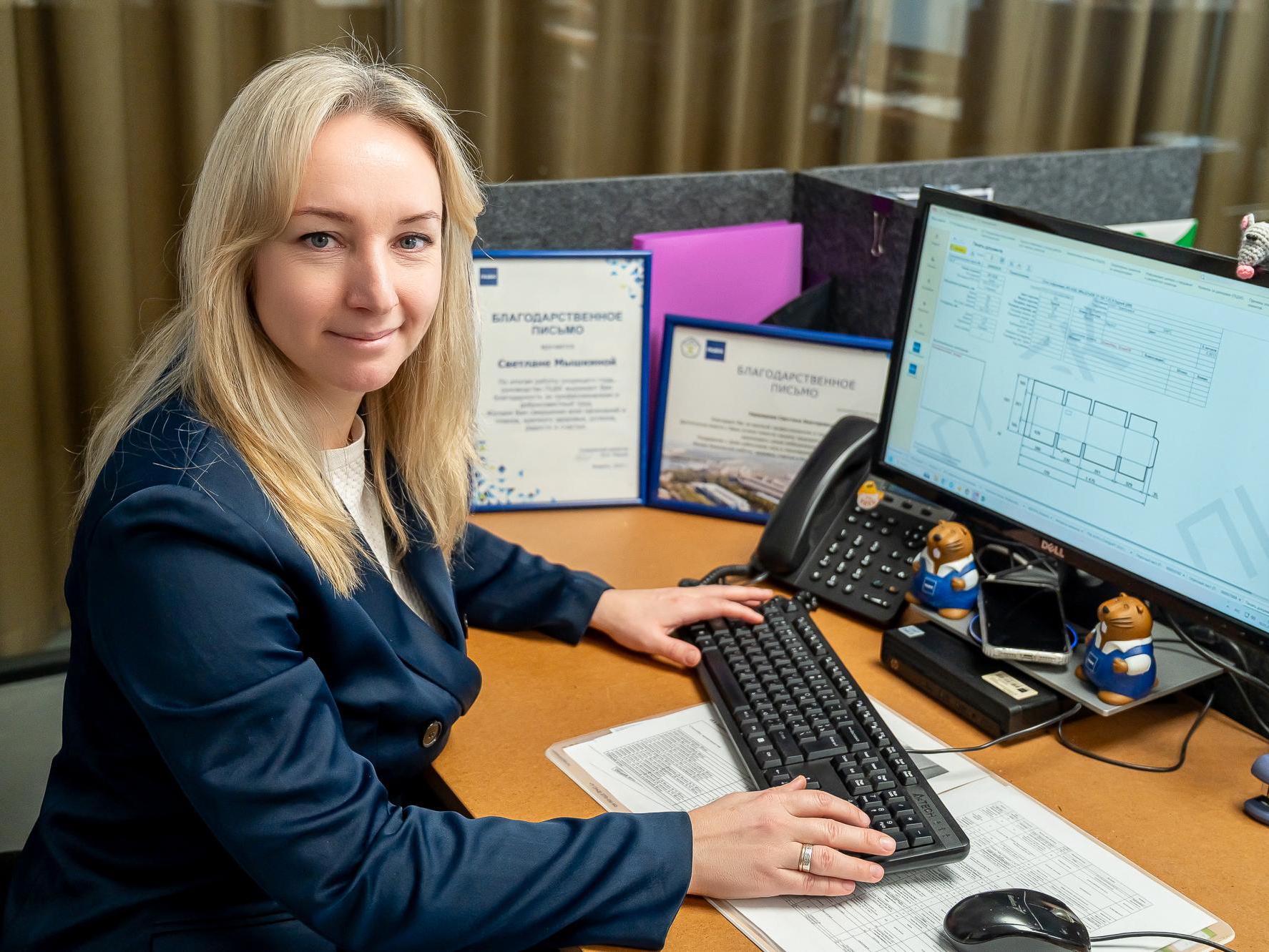
Svetlana has worked at PCPC for 16 years.
«Sometimes friends from other cities send photos of boxes and write: »You make these, right?« she smiles. »In such moments, I feel proud, remembering whether I had a hand in making that particular item.«
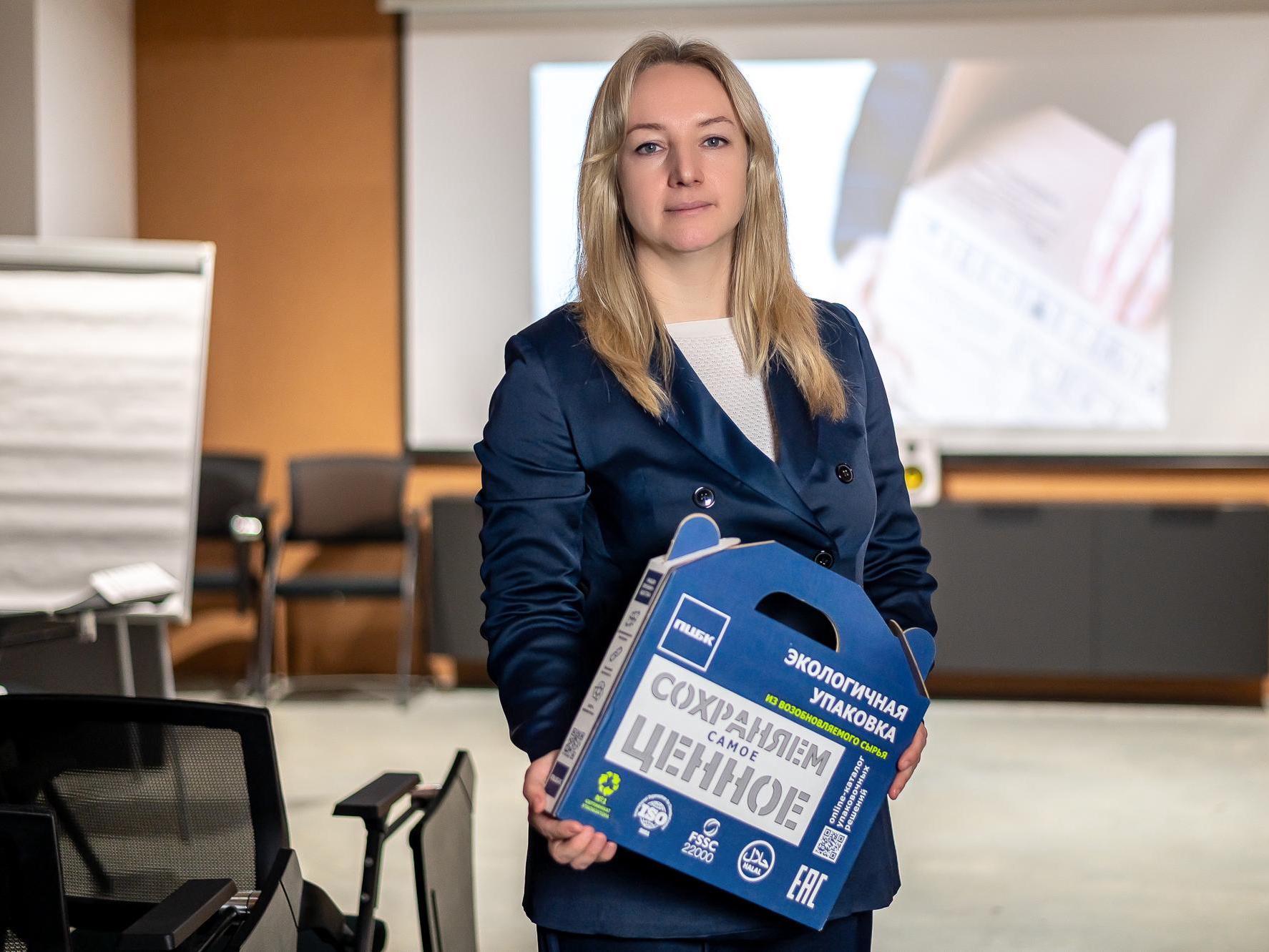
The plant produces industrial, commercial, and even gift packaging.
«Our Production Runs 24/7» — Dmitry Teryoshin, 42, Lead Technologist of Cardboard and Paper Shop No. 1
Here, several huge rollers spin non-stop, with fresh paper and cardboard on them. It is produced at speeds of up to 720 meters per minute (about 2362 feet per minute), and up to 393 tons per day. Yes, here they count in meters per minute, and in tons per day! Ensuring everything runs smoothly is the job of Dmitry Teryoshin, lead technologist of paper machine No. 2. Under his control are product quality, material consumption, energy resources, technological regulations, and personnel training.
«This machine runs on both wood and waste paper,» said Dmitry Teryoshin. «The other two run only on waste paper. We have 24/7 production, so it»s important to constantly monitor the process. I rely on sensor data and also regularly conduct inspections myself.«
Dmitry joined PCPC 17 years ago after graduating from the relevant faculty of the Polytechnic. In that time, he has climbed every step: from a simple glue maker to a supervisor. Thanks to this, he sees the process as a whole and understands how one decision affects the entire chain.
He enjoys talking about his work at home.
«Sometimes I point to some box in the store and tell my kids: »Look, guys, dad makes this at work!« To be honest, it feels really nice,» confesses Dmitry Teryoshin.
«12,000 Signals—and Everything Must Work» — Alexander Permyakov, 34, Head of the Metrology and Automation Center
He sees information from thousands of sensors every day—every valve, press, and motor under control. Alexander Permyakov leads a team of 85 specialists and is responsible for automating the entire production.
«I remember my first time in the shop when I had just arrived here after college. I was amazed by these huge machines producing cardboard and paper. The number of rotating cylinders and their sizes were impressive. The level of automation in those years was much lower, so I gradually realized the volume of work would be substantial,» said Alexander Permyakov.
Currently, the paper and cardboard production operates with 6 major automation systems with a total volume of about 12,000 signals and 44 distributed controllers.
Connected to the control system are more than 1,700 analog sensors, 800 electric motors, 950 valves of various purposes, all hydraulic systems, large chemical preparation stations, the steam-condensate system, conveyors, and other equipment. Almost all software development is done at the plant itself—from instruments and cabinet assembly to commissioning work. It«s complex, but this approach helps preserve technological sovereignty.
«It»s pleasing that our products are eco-friendly, and I don«t see a replacement for them now. Plus, it works cycle after cycle and regularly returns to our plant as waste paper,» noted Alexander Permyakov.
«Here, Ideas Are Not Discouraged» — Anton Klimenko, 27, Section Head
When Anton Klimenko first came to PCPC, he was thrilled by the scale of production.
«They told me they»d show me the shop in a couple of minutes, and we just kept walking and walking,« recalls Anton. »To me, a 20-year-old guy, all this made a huge impression. Back then, I was hooked precisely by the scale of production.«
Over 7 years, he has managed to work, it seems, on all units. He volunteered for substitutions and extra shifts because he was interested in learning something new. This was noticed and appreciated; a year ago he was promoted to equipment adjuster, and recently made a section head.
Now he is responsible for the corrugated packaging production shop, where finished boxes are cut from huge sheets. Everything is under his supervision—from presses to die-cutting.
«They even sent me on a business trip for training. I»ve noticed that initiative isn«t discouraged here; there»s even an idea bank where anyone can suggest an improvement. Currently, they are refining the production lines based on my idea. We«re doing some things with our mechanics, buying some extra parts so that blanks don»t have to be held by hand all the time,« the specialist says.
«No Enterprise Can Work Without Boxes» — Svetlana Myshkina, 43, Head of Regional Development
Every day Svetlana sees how her work directly affects her clients« businesses.
«Sometimes they call and say: »Take an urgent order, otherwise we«ll have to stack the product on the floor,»« she says. »In such moments, you understand how fundamental this is—no enterprise can work without boxes. And our clients range from small individual entrepreneurs to huge factories.«
The main product Svetlana Myshkina promotes is the corrugated box. She also pays special attention to specialized products: water-, heat-, and grease-resistant boxes needed for hot, frozen, or greasy goods. Even if they make up a small share of the total volume, these solutions help clients work with non-standard products and help PCPC stand out in the market.
She values the company for its responsive team and rich corporate life. Her whole family regularly participates in the sports festival «Territory of the Beaver,» and now she and her colleagues have organized help for shelter dogs.
The next time you pick up a box, know that somewhere in Perm, behind it are faces, experience, ideas, and a sense of pride in their work. PCPC is machines, numbers, and technology, but most importantly—people. Their work is rarely in the frame, but it«s precisely what holds up everyday life—from order deliveries to dinner at home.
Perm Pulp and Paper Company,
pcbk.ru;
VKontakte;
Telegram.