Record Snowfall Then Floods? Moscow Spring Risks
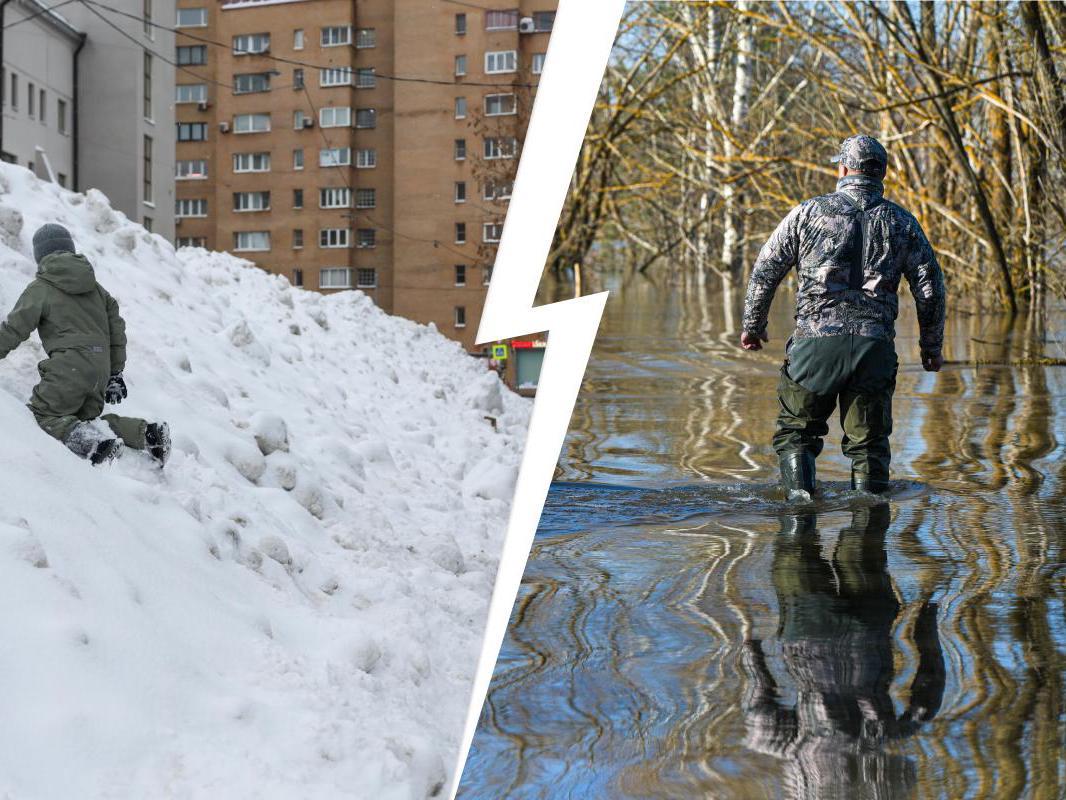

January 2026 has gone down in Moscow history as one of the snowiest months. The height of snowdrifts in the city reached 61 centimeters, comparable to the record of 1994. And what will happen to all this snow when spring arrives? Will the story of the spring before last repeat itself, when villages and dacha plots in the Moscow suburbs were flooded? MSK1.RU spoke with hydrologists to figure out how real the fears of turning the region into a Venice-like situation are.
Will we be flooded in spring?
The amount of snow does not determine the flood level, but rather the melting pattern, noted Viktor Danilov-Danilyan, scientific director of the Institute of Water Problems of the Russian Academy of Sciences (RAS).
“The melting pattern, in turn, is determined by temperature dynamics and rainfall. If it is very warm, and also rainy, then, of course, with such a high snow cover as now, there will be a very high flood with inevitable inundations, at least in the floodplain of the Moscow River,” warned the hydrologist.
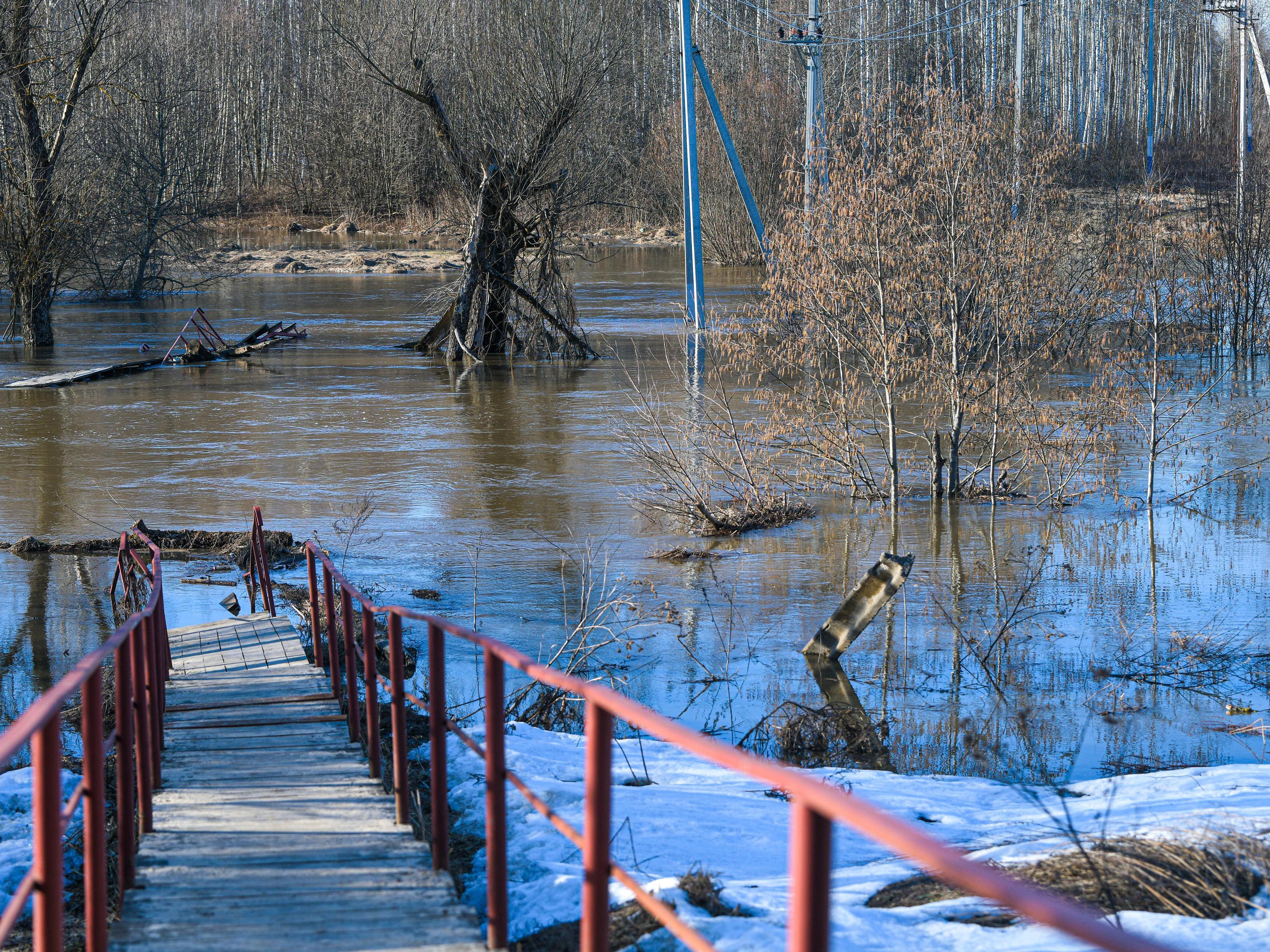
Two factors must coincide for the worst scenario.
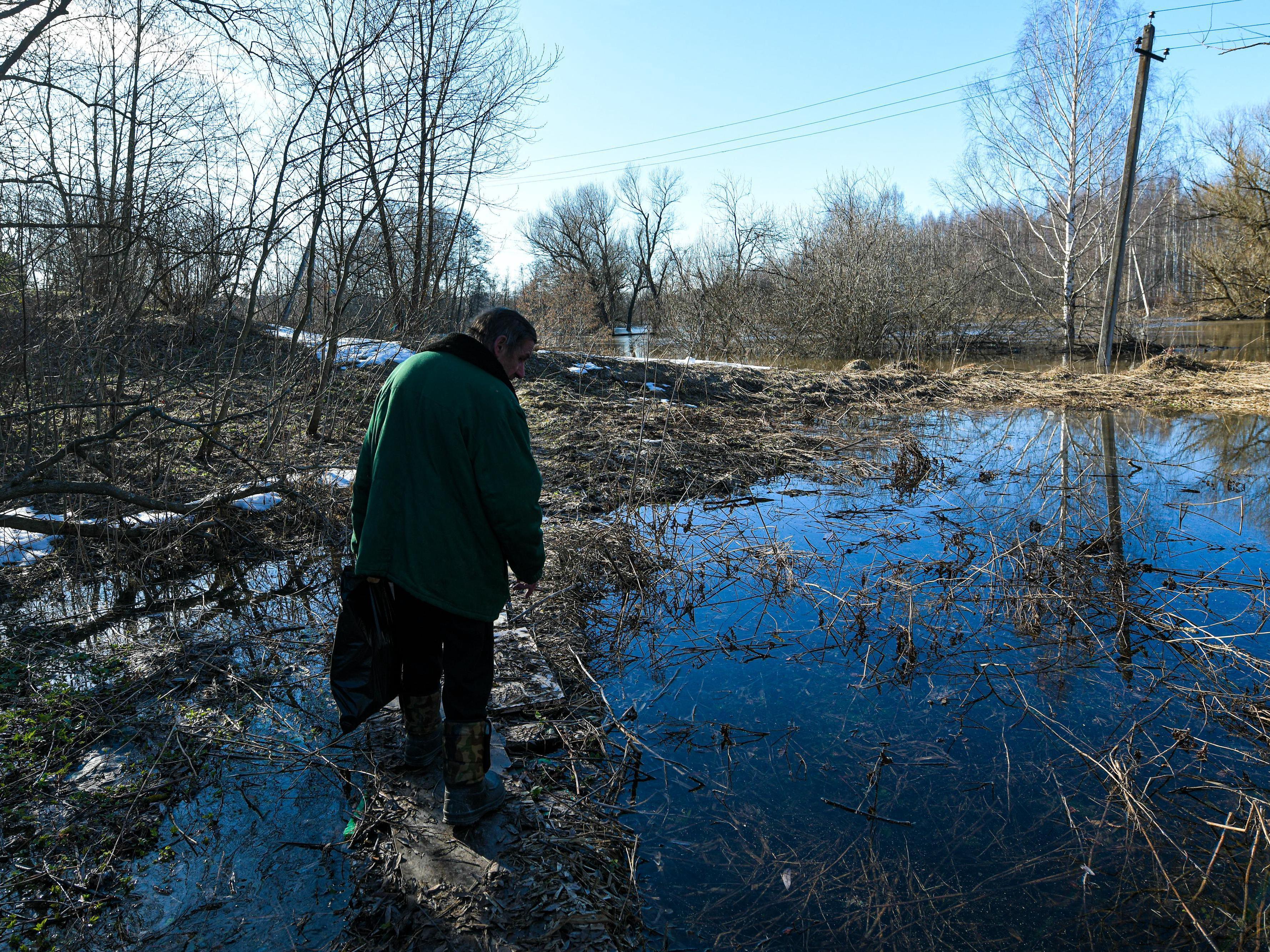
First, the condition of the soil.
“If the soil managed to freeze deeply before the snow fell, then the snow and meltwater have nowhere to seep. They will run off as if over a waterproof surface,” said hydrologist Maria Sidorova. According to forecasters, frosts at the beginning of winter and in January were significant, which increases this risk.
Second, the nature of spring itself. This is the most important factor. Even if spring is warm, but comes gradually, the region can avoid flooding.
“If spring is «friendly» — meaning it suddenly becomes warm, and the warmth persists for a long time — then yes, the flood will be large. It will be like in Orsk, remember, when it was flooded. There was also a lot of snow then, and the spring was «friendly» — sudden and warm. It can be the opposite. Around 2005 there was a very snowy winter, but the spring was prolonged and windy, and all the snow evaporated, and even the reservoirs did not fill up,” explained Maria Sidorova, a researcher at the hydrology laboratory.
Some long-term forecasts actually indicate that spring in the European part of Russia may be delayed and cool, which reduces the risk of flooding.
Currently, in early February, it is premature to make forecasts about the timing and intensity of the flood, noted Viktor Danilov-Danilyan. More accurate meteorological data for the spring months are needed.
What Moscow and the Oblast should prepare for
So, a spring flood is inevitable. But does that mean water will enter our homes? Specialists distinguish between risks for the city and the region.
The city of Moscow itself is reliably protected by a complex engineering system. Four reservoirs — Mozhayskoye, Ruzskoye, Ozerninskoye, and Istrinskoye — will play a role, noted hydrologist Viktor Danilov-Danilyan. The reservoirs can partially intercept and store some of the meltwater, smoothing out the peak of the spring flood on the Moscow River. But their capacity is insufficient to completely prevent problems.
The main concerns concern suburban areas in the Moscow Oblast, especially floodplains.
“In the event of a very high flood, almost the entire floodplain will of course be flooded,” warned hydrologist Viktor Danilov-Danilyan.
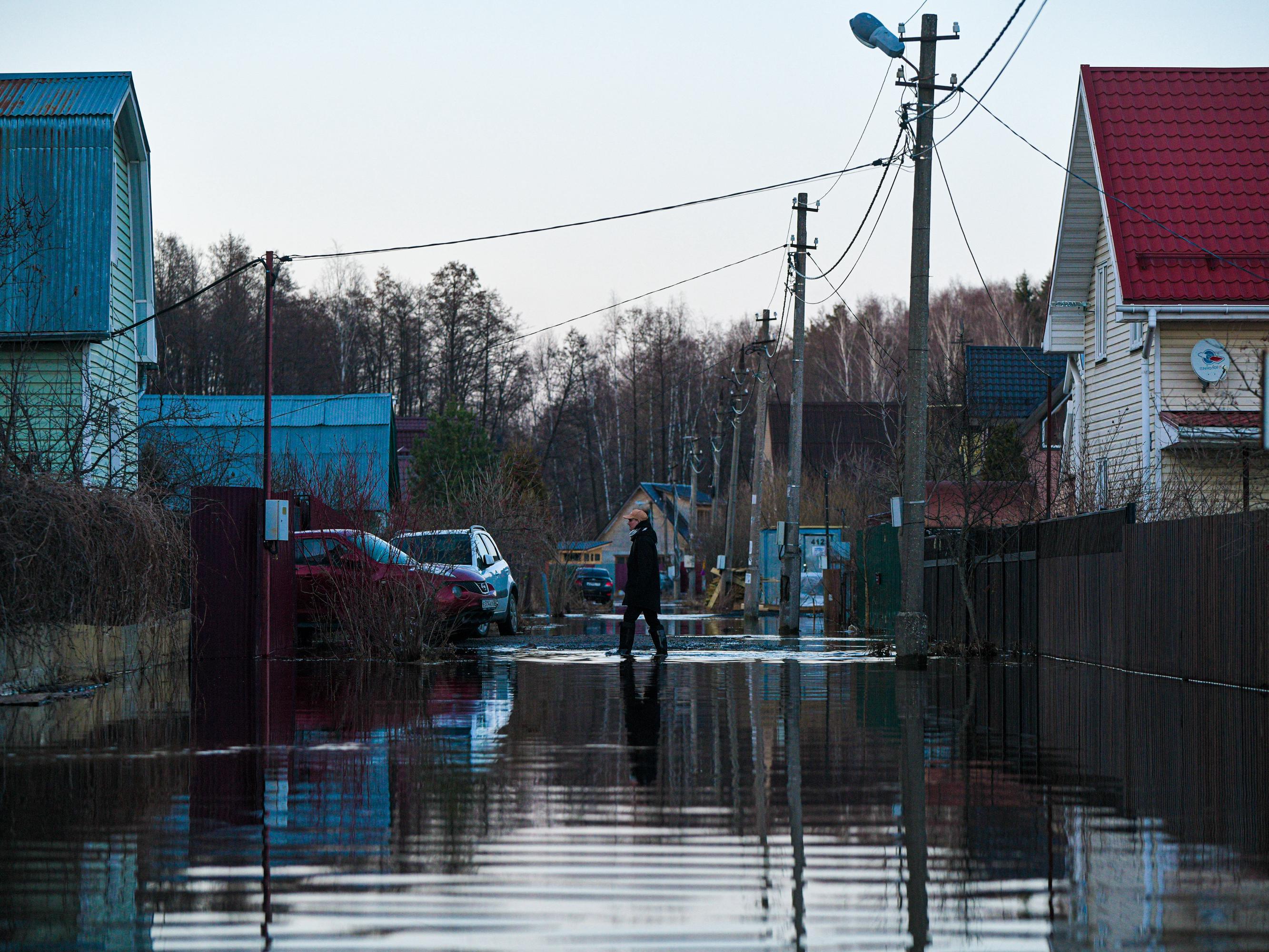
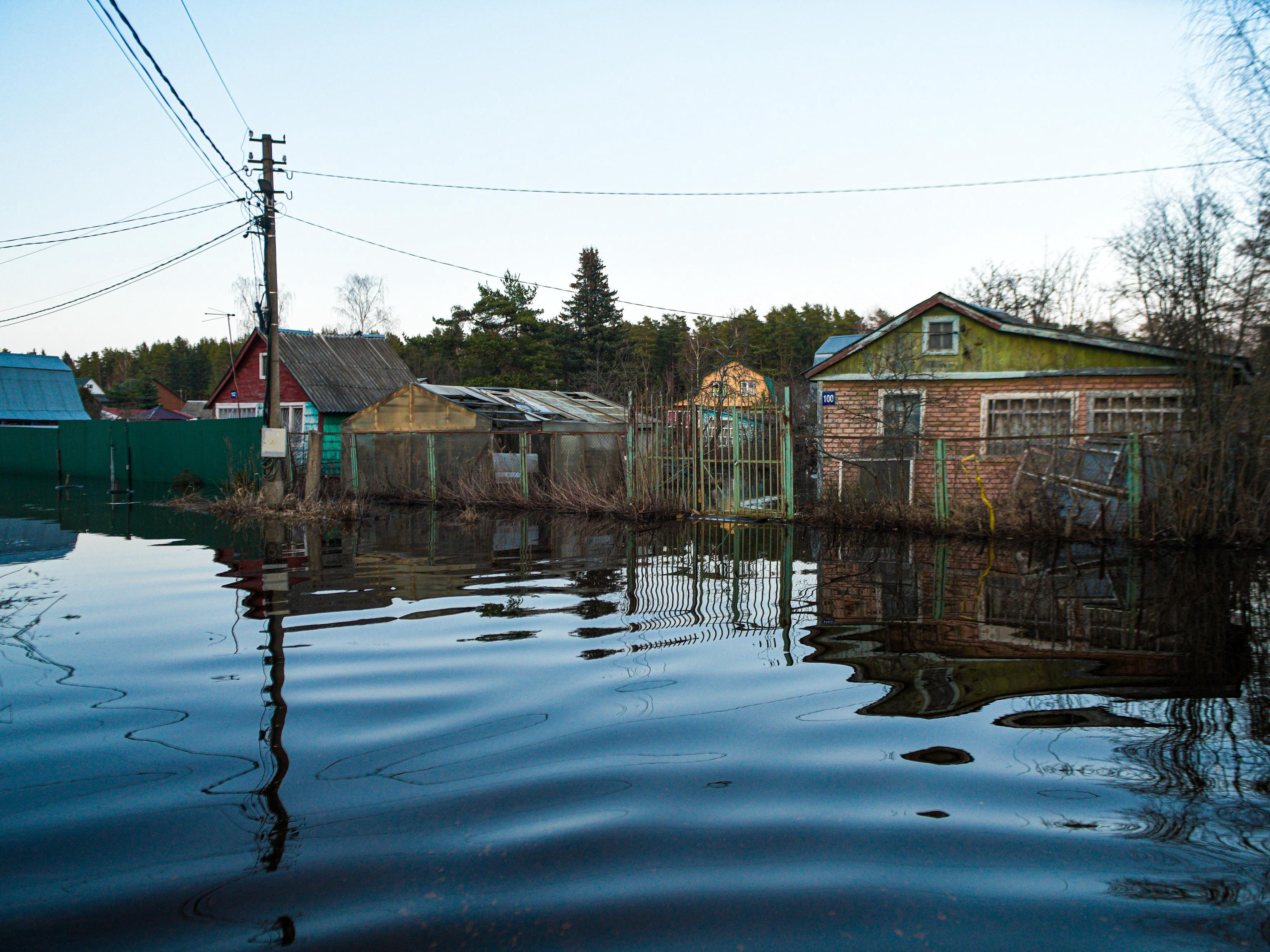
Urban districts near rivers should be under increased scrutiny. In 2024, due to a sudden spring, plots in the Voskresensk, Yegoryevsk, Noginsk, and Shchyolkovo urban districts were flooded — and that is not a complete list.
How to prepare for the spring flood this year
According to hydrologist Viktor Danilov-Danilyan, water management workers will do their part with the reservoirs. But their efforts alone will not be enough. City and district services in the Moscow region should mobilize now: check and clear storm drains, drainage ditches, and the beds of small rivers and streams, which are often clogged with debris. This will allow water to drain naturally.
Owners of dacha plots in low-lying areas should also think about preparation. The hydrologist advised clearing snow from ditches around the plot in advance and removing valuables from basements.
Hydrologist Maria Sidorova, on the other hand, sees no reason for concern in the amount of snow.
Should we worry? No one will give a definitive yes or no today. Too much depends on the whims of spring weather, which cannot be accurately predicted a month or two in advance. As meteorologists say, forecast accuracy drops sharply beyond one or two weeks. A clearer picture of predictions will begin to emerge towards the end of February or beginning of March, when the first reliable spring forecasts appear.
Flood or spring flood? Understanding the terms
It is also worth clarifying an important nuance, pointed out by Maria Sidorova, senior researcher at the laboratory of hydrology at the Institute of Geography of the Russian Academy of Sciences (RAS) and HSE University. In everyday speech we often say «flood» (navodneniye), but when referring to the spring melting of snow, it is more correct to use the term «spring flood» (polovodye).
Spring flood (polovodye) — is an annual, expected seasonal phenomenon, a rise in river levels due to snowmelt. Whereas a flash flood (pavodok) — is an irregular, sudden event. It can occur at any time of year, for example due to heavy summer rains. So this spring we are expecting precisely the spring flood. Whether it will turn into a flood (navodneniye) — that is, inundation of areas that are not normally covered by water?
Earlier, weather forecasters reported what weather to expect in February in Moscow.