Nizhny Novgorod's six-month mobile internet disruptions: what has changed
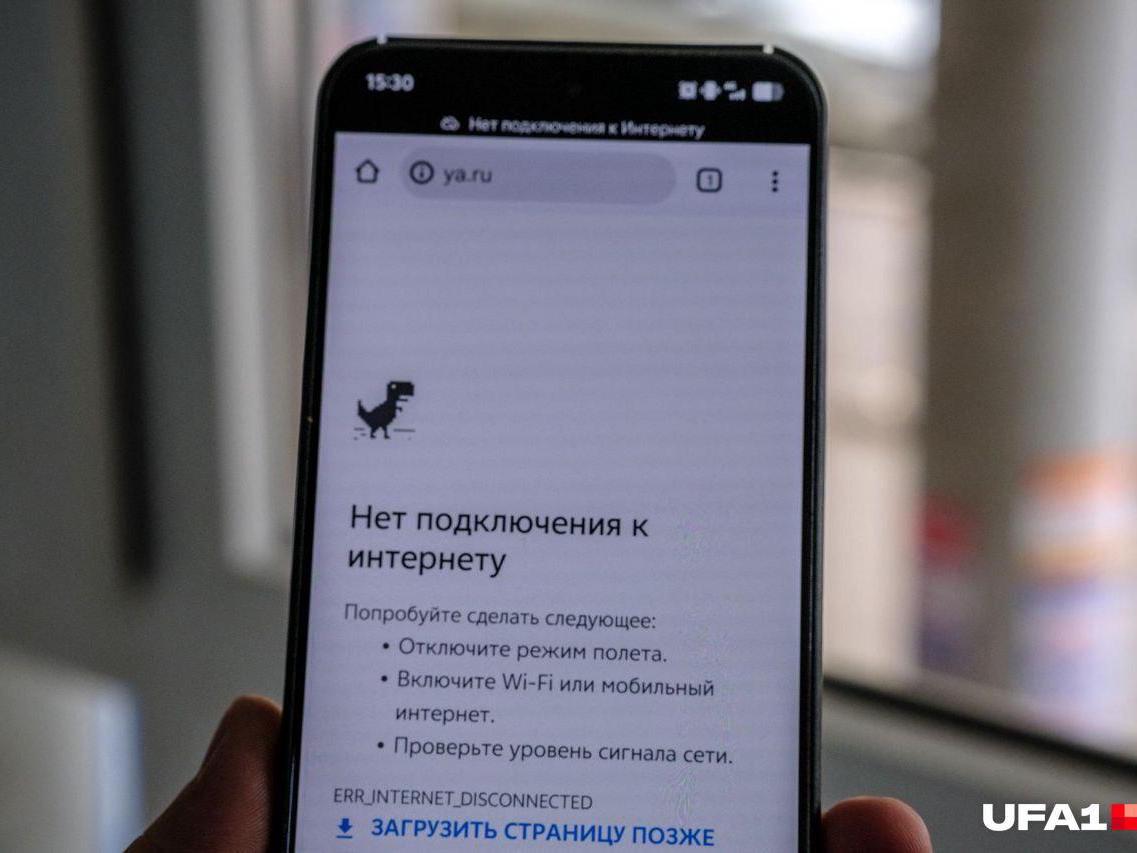

Internet service periodically goes down in various districts of the city, impacting daily routines.
The last Sunday of January is marked annually as International Internet-Free Day worldwide. People voluntarily give up gadgets to remind themselves of the importance of real life and live human interaction. Nizhny Novgorod residents, however, face such a situation far more often, as the region has been experiencing periodic internet disruptions for over half a year. NN.RU decided to recall how communication has fared in the Nizhny Novgorod region over these months and what forecasts experts have for the future.
The first mass internet outage for Nizhny Novgorod residents occurred on 9 May last year. Before the holiday, the authorities warned that this was a forced measure necessary to ensure security in the city.
In the summer, problems not only with the internet but with communication in general began to be recorded more frequently. Regional Governor Gleb Nikitin commented on the situation for the first time in July, stating it was related to enhanced security measures.
Other regions of the country also faced temporary internet shutdowns. The Kremlin also called the decision a justified measure to combat drone attacks. The decision was based on an assessment by the security agencies responsible for ensuring safety.
In the Nagornaya (Upper) part of Nizhny, the internet most often disappeared on holidays—during mass events. In the Zarechnaya (Riverbank) part, noticeable communication disruptions began at the end of June. Back then, there was no connection in most residential areas.
The absence of the Network significantly impacted people«s daily lives. In a number of cases, residents couldn»t pay by card, track transport on online maps, or even call a taxi. Some faced enormous difficulties at work. For example, couriers or taxi drivers, whose work directly depends on stable internet.
Moreover, residents are still outraged that they pay for mobile operators« services but do not receive them in full. Furthermore, in December, a price hike for communication services by 75–140 rubles (approx. $1–2 at current rates) was announced.
The problem with mobile internet is being addressed with free Wi-Fi hotspots. One can connect to the Network in Nizhny Novgorod at smart bus stops, near shopping centers, and parks. The regional Ministry of Digital Development compiled a map of Wi-Fi points. It was posted on the portal «Map of the Resident of the Nizhny Novgorod Region» and on the website of the regional government in the «Wi-Fi Map» section. Currently, about two thousand such points are operating in the capital of the Volga region.
Furthermore, a so-called «white list» has appeared, which includes services necessary for daily life: transport apps, government services, social networks, marketplaces, and major platforms. Additionally, regional websites that are most in demand among local residents are also included. Among such services are applications by «Yandex,» certain social networks, and so on.
Regarding forecasts and the near future, the Ministry of Digital Development announced a solution that could help with the internet shutdown problem. They want to create a database of unique mobile device numbers—IMEI.
Experts believe the database could be linked to specific mobile numbers, which would then enable the identification of each user. According to specialists, such a measure will help improve the communication situation.