Moscow Demolishes Historic Buildings for High-Speed Rail and Housing
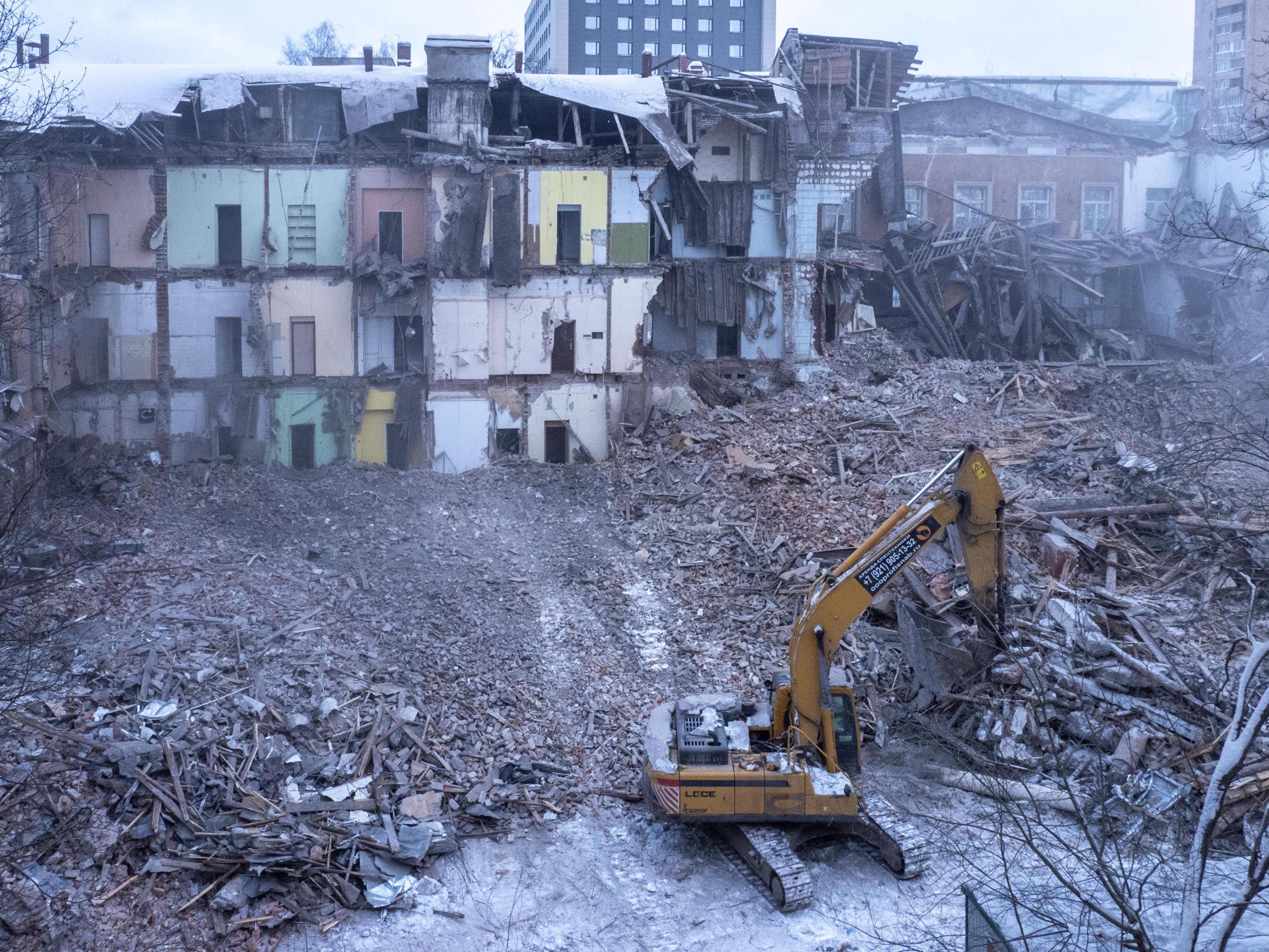

We are continuing a series of articles inspired by the «Black Book» of the Arkhnadzor project. This is a list of architectural objects that have been demolished or undergone radical reconstruction by decision of the authorities. Urban conservation activists have not yet released a full update of the «loss list,» but while summing up the year, they named the addresses of some demolished objects. Among them are many valuable monuments of capital architecture.
MSK1.RU tells the story of these buildings, shows how they looked in their best years, and finds out what city authorities plan to build in their place.
Building of the Goods Office of the St. Petersburg–Moscow Railway
Komsomolskaya Square, 1A, building 20
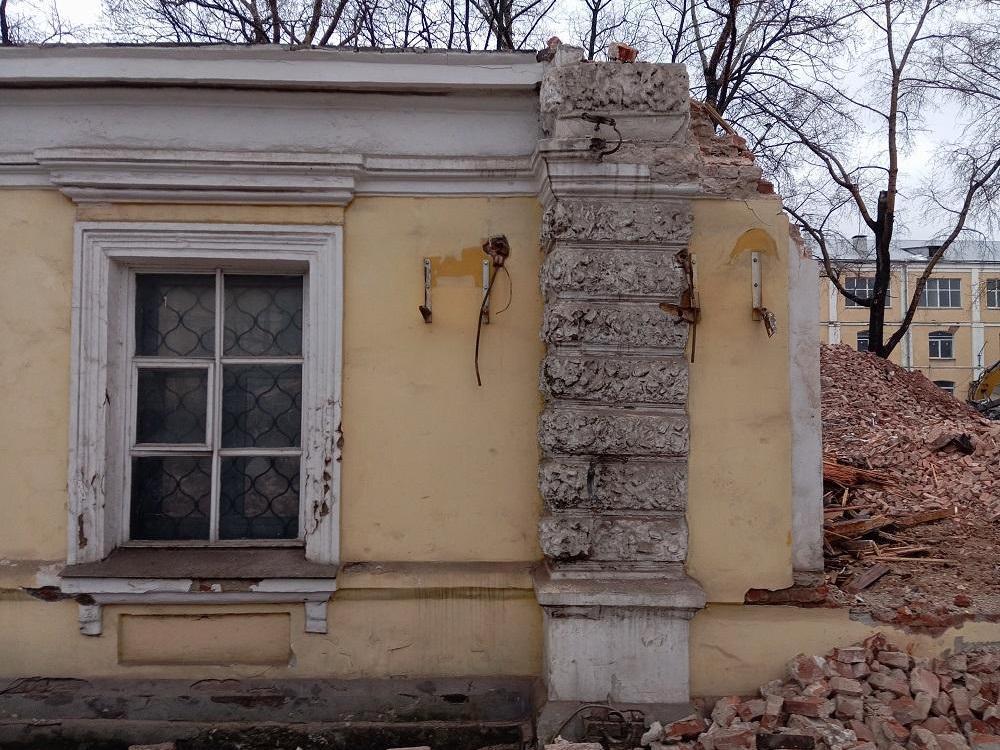
The first demolitions last year began right during the New Year holidays. On January 9, by order of Russian Railways (RZD) with the approval of the mayor«s office, the historical building of the Goods Office of the St. Petersburg–Moscow Railway was demolished.
The entire goods yard consists of twelve buildings, the oldest dating back to the 1840s. The office building was constructed in 1891. It handled the documentary processing of goods transported by the railway. In recent years, the office housed offices and a shop.
It was a one-story stone building with rich decoration in a Renaissance-Baroque style. The central risalit and side wings created a symmetrical composition with a tall entrance arch and a pediment above it; the arched windows of the wings were adorned with stucco frames, and the recurring decorative motif was rustication imitating wild stone. In a small town, such a building could have passed for an entire railway station.
In 2023, Arkhnadzor activists tried to secure protected status for the goods office building. Mosgornasledie (Moscow City Heritage Committee) refused: even then, the demolition was planned for the construction near the Kalanchevskaya platform of the high-speed railway (HSR) «Moscow–St. Petersburg.» This plan is being implemented today.
House of the Professoriate of the Petrovskaya Agricultural Academy
Timiryazevsky Proezd, 4
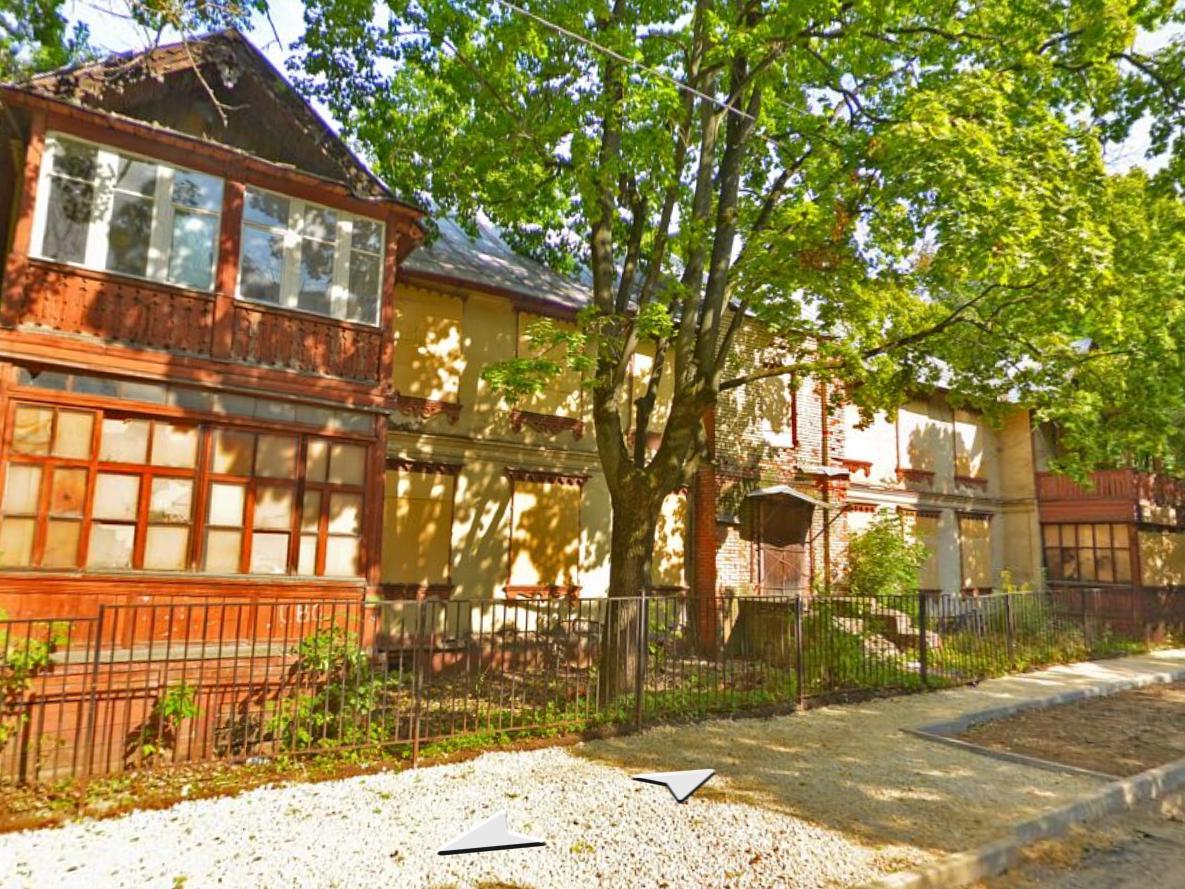
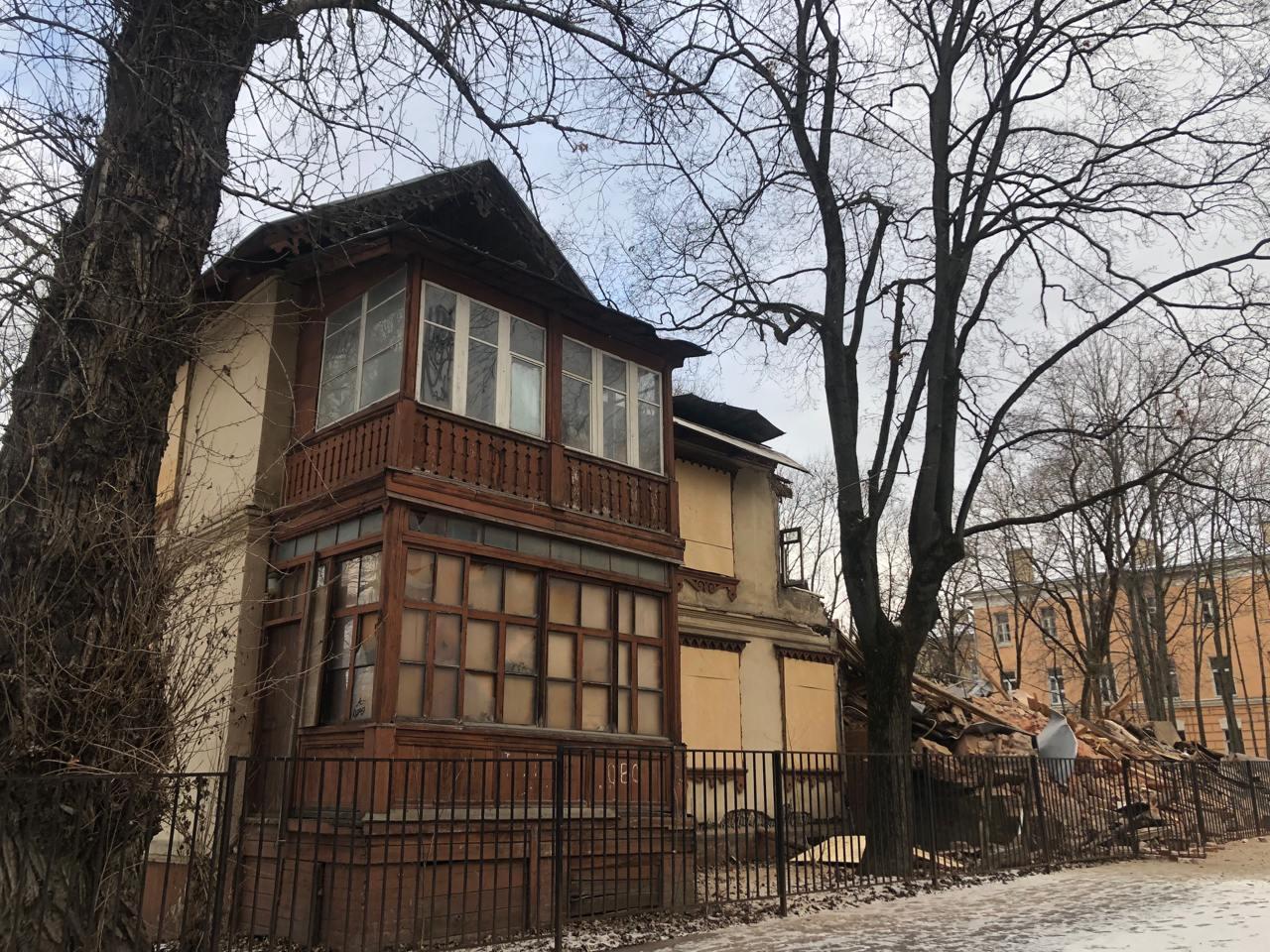
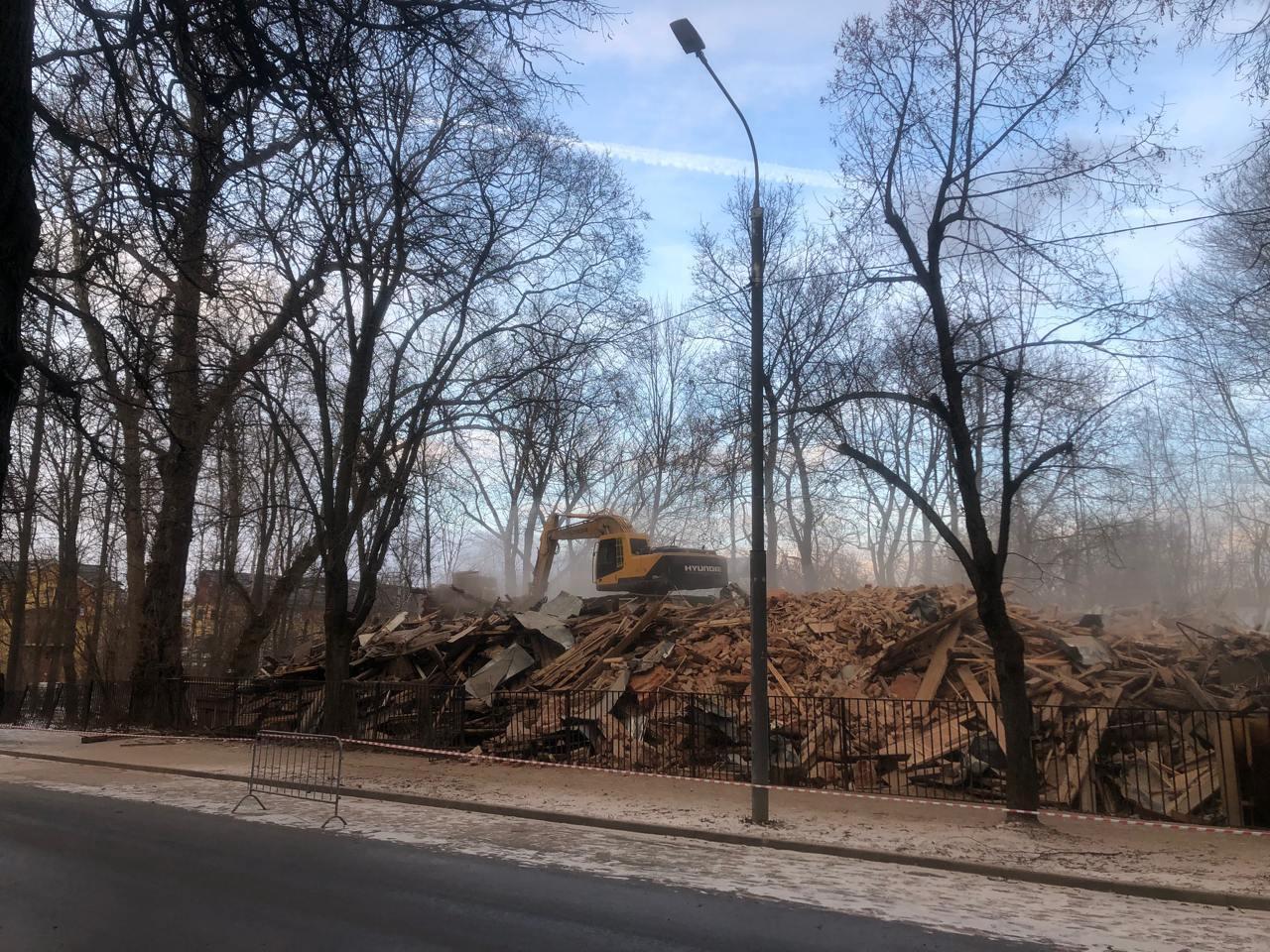
On February 15, Moscow lost one of the historical wooden buildings of the agricultural academy. Ten days before that, a fire occurred in the building. However, according to the vice-rector of the university, the demolition was approved by Rosimushchestvo (Federal Agency for State Property Management), the Ministry of Agriculture, and Moscomnasledie (Moscow Committee for Cultural Heritage) long before the fire. The academy«s press service stated that the house, which had been vacant since 1983, was declared emergency after several fires, and its restoration was deemed impractical.
The cottage for the professoriate of the Petrovskaya Agricultural Academy (the former name of the Timiryazevskaya) was built in 1874 to a design by architect Ieronim Kitner. The design for the wooden house in Victorian style was brought from Great Britain by Kliment Timiryazev.
During the construction of the house, the architect used innovative technologies for that time: anti-icicle carving, porous plaster, camel felt in upholstery, and more.
At various times, the house was home to famous scientists, and visitors included Anton Chekhov and Ivan Bunin. In the 1870s, the house housed the first academic meteorological station.
Despite its uniqueness, the cottage did not have official status as a cultural heritage object. According to the park zone improvement project, a flower bed will be laid out on the site of the demolished cottage.
Building of the Dyeing Factory of the Pankratov Brothers
Krasnobogatyrskaya Street, 38
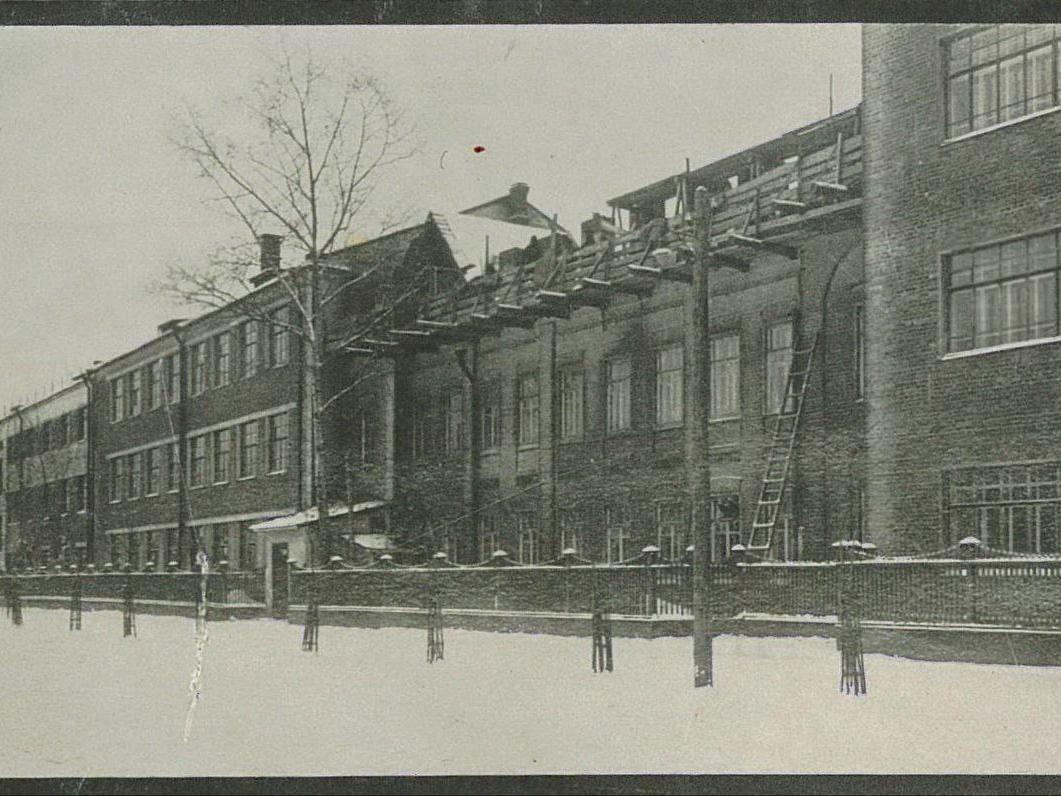
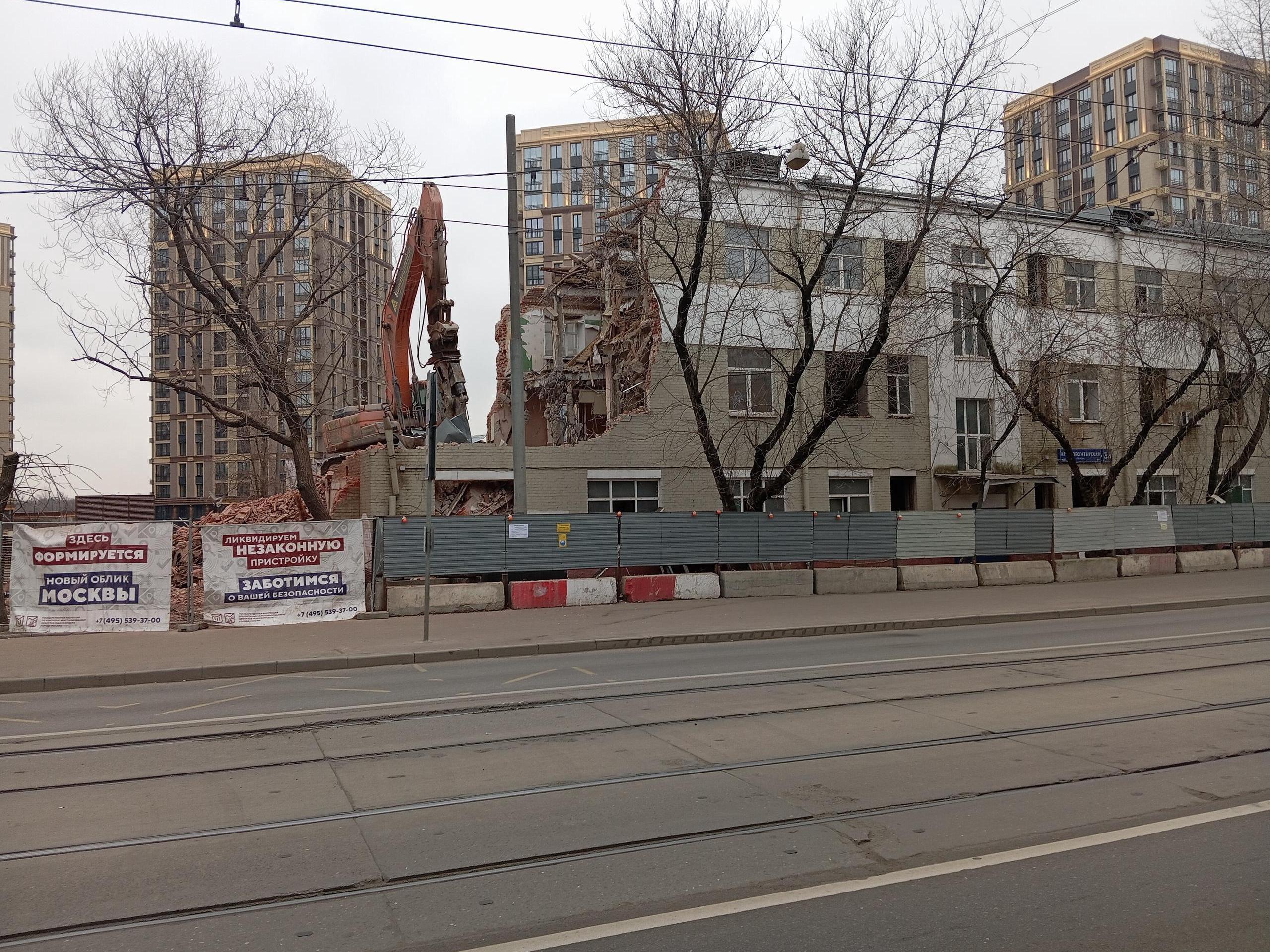
In 2025, the demolition of industrial buildings on the territory of the dyeing factory in Bogorodskoye continued, having begun back in 2019. Under the excavator buckets was a lengthy building consisting of four parts, constructed along the street in the 1910s–1930s.
Since 1833, one of the first dyeing factories in Bogorodskoye was located here. In the second half of the 19th century, the factory owners were the merchants Astakhov, then the Pankratovs. One of the demolished volumes is a pre-revolutionary building, precisely the former office of the Pankratov brothers« factory. On some bricks, one could see the stamps »I. Gerasimov«—the name of the architect.
The southern building had traditional façade design in the Constructivist style with partially plastered surfaces. The contrast of red brickwork and light plaster attracted the eye.
The premises housed the office, school, and dormitory of the Leather Combine, later the Moscow Leather Technical School (college), then College of Hospitality Industry and Management No. 23. After the demolition, according to Telegram channels dedicated to development, a residential complex (RC) will be built on the site of the factory buildings.
If you are interested in the history and architecture of Moscow, read our series of articles about the unusual houses of the capital. We also told about the past and present of Stalinist skyscrapers and published guides to the cities of the Golden Ring.