Krasnodar district names: tales of demolished church and Kuban reservoir
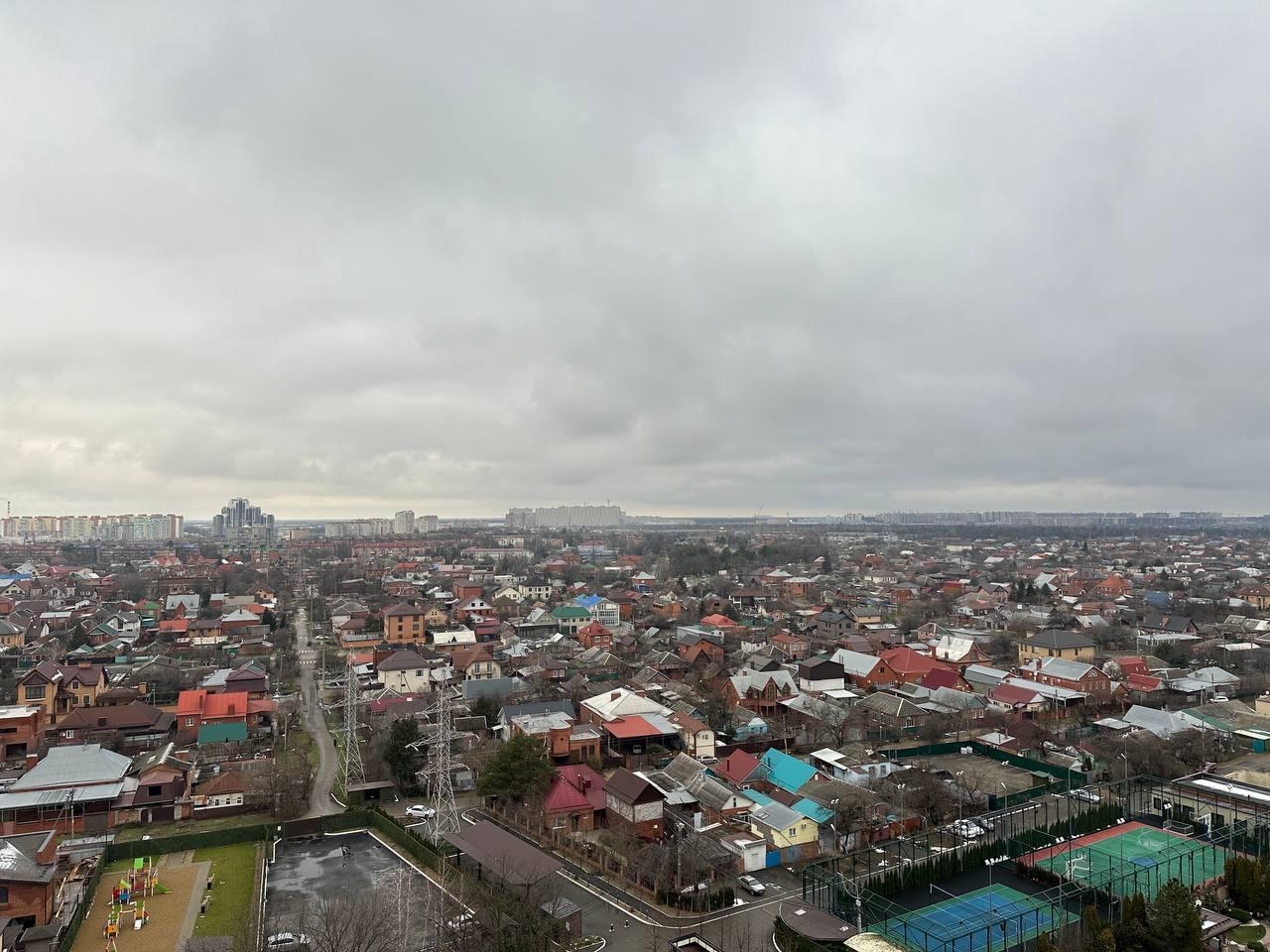

Throughout its history, Krasnodar has traditionally expanded from the center — Postovaya Street and Gorpark — to the outskirts. The oldest districts are rightly considered to be the center, Dubinka, Pokrovka, and Pashkovka.
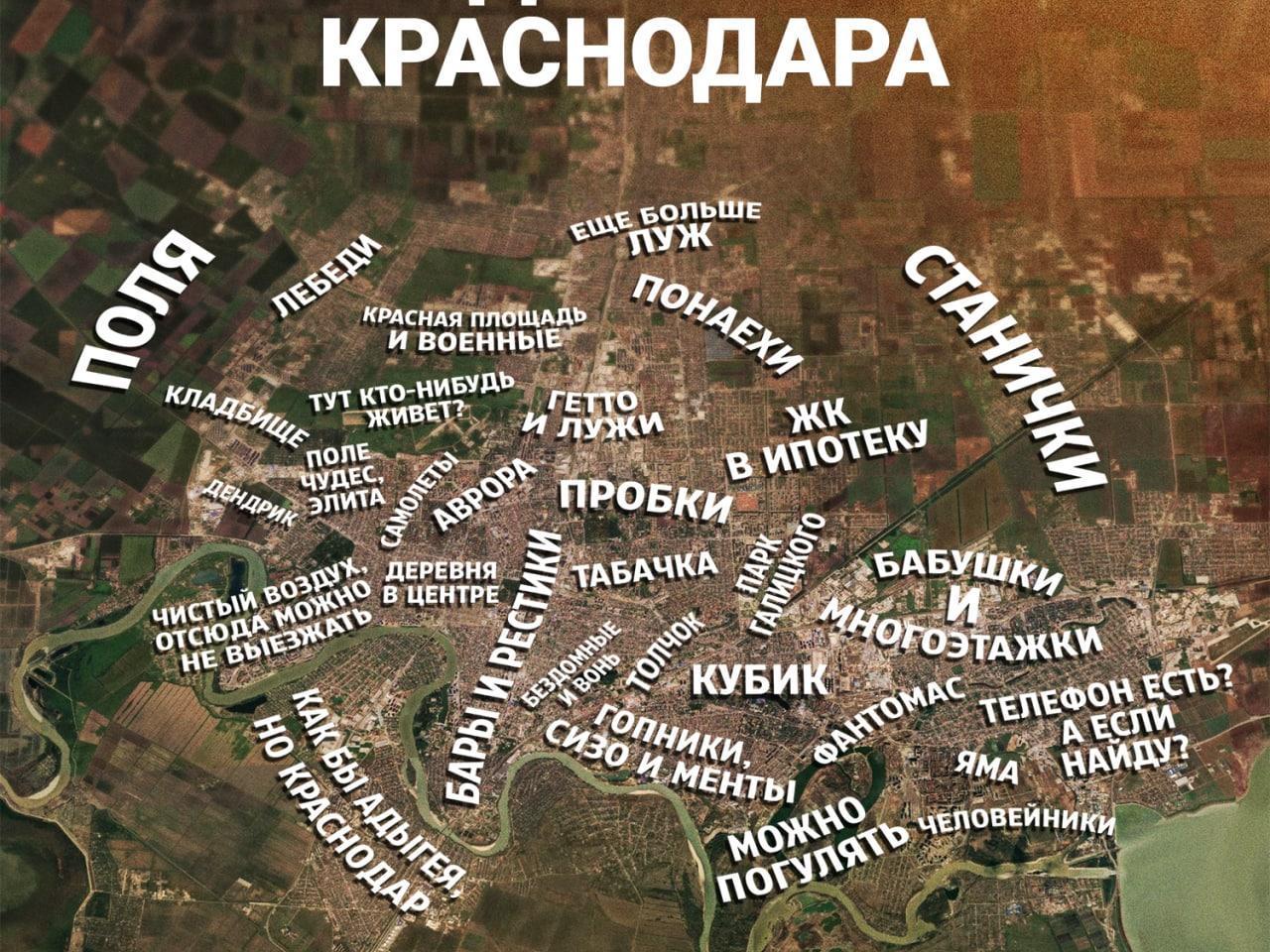
Already in Soviet times, it was proposed to divide the city«s territory into 6 architectural-planning districts, each with its own public center and complex of enterprises and social, cultural, and domestic institutions. Then, several more local points of attraction formed on the city map. Each had its own fate and history. 93.RU explains why Krasnodar»s districts are named as they are.
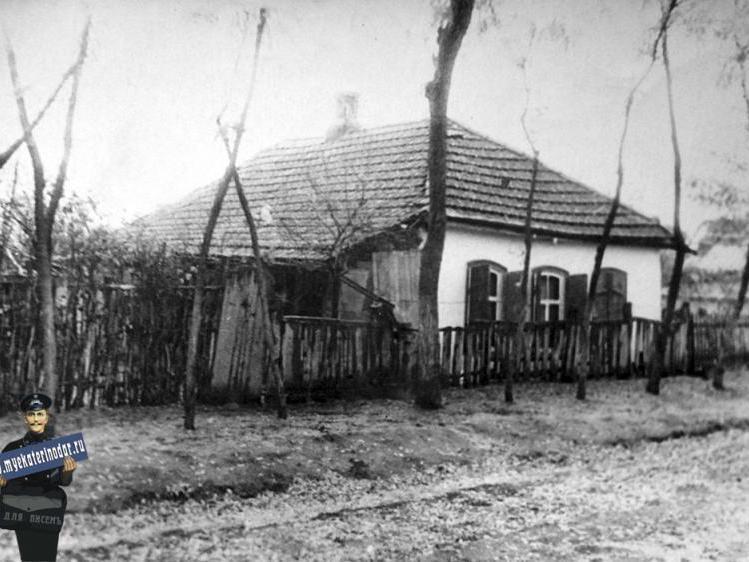
Pashkovka
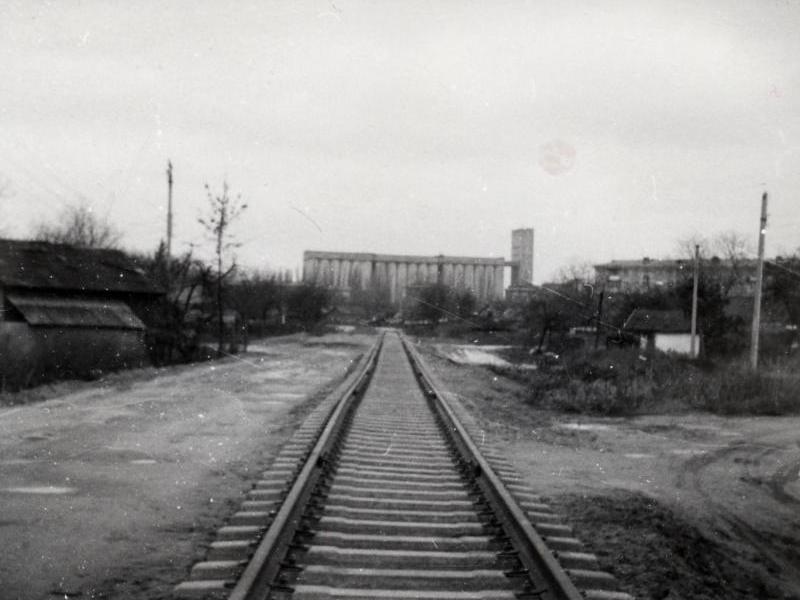
This microdistrict is located in the southeast of the city and is one of the oldest. Initially, Pashkovsky was an independent Cossack settlement. It was from here in 1908 that the construction of a tram line to Yekaterinodar began.
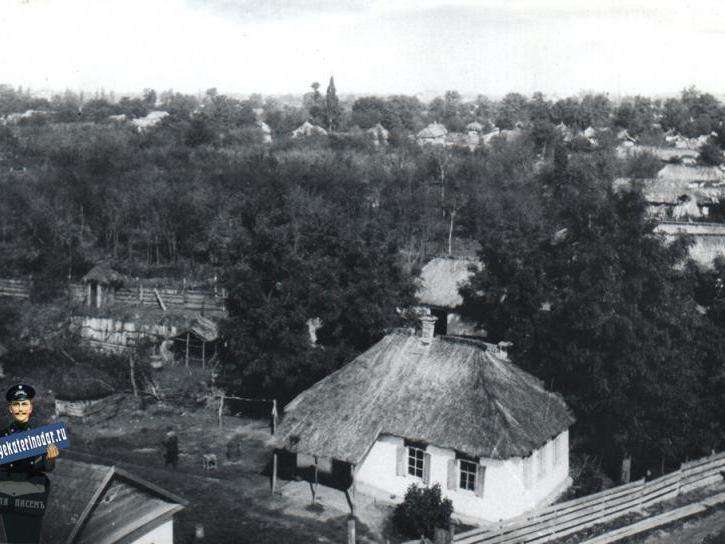
Originally, it was the Pashkovskoye kurinoye settlement of the Black Sea Cossacks, founded in 1794 (one of the 40 initial settlements of the Black Sea Cossacks). The name was transferred from the eponymous kuren in the Zaporizhian Sich. According to one version, the Pashkovsky kuren was named in honor of the koshevoy ataman of the Zaporizhian Sich — Pashka.
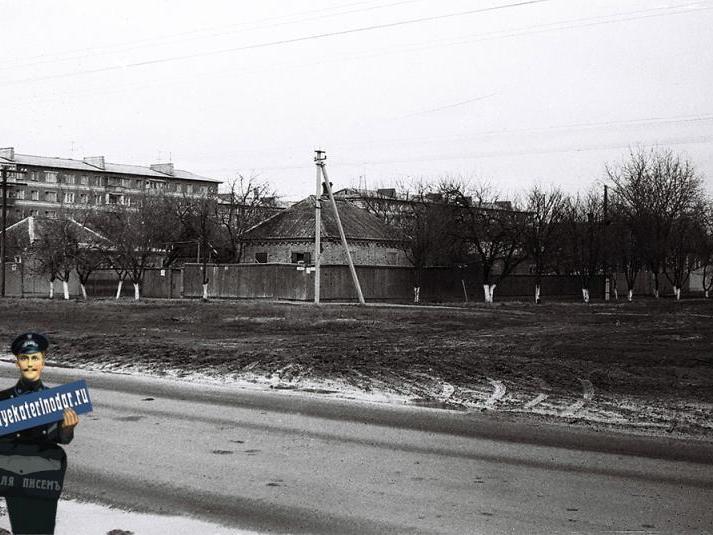
By 1821, there were already 165 houses in Pashkovka. Another 21 years later, it officially became a settlement; by the end of the century, there were over 1000 households, an Orthodox church, a boys« school, a post office, 12 shops, 10 drinking establishments, and 20 windmills.
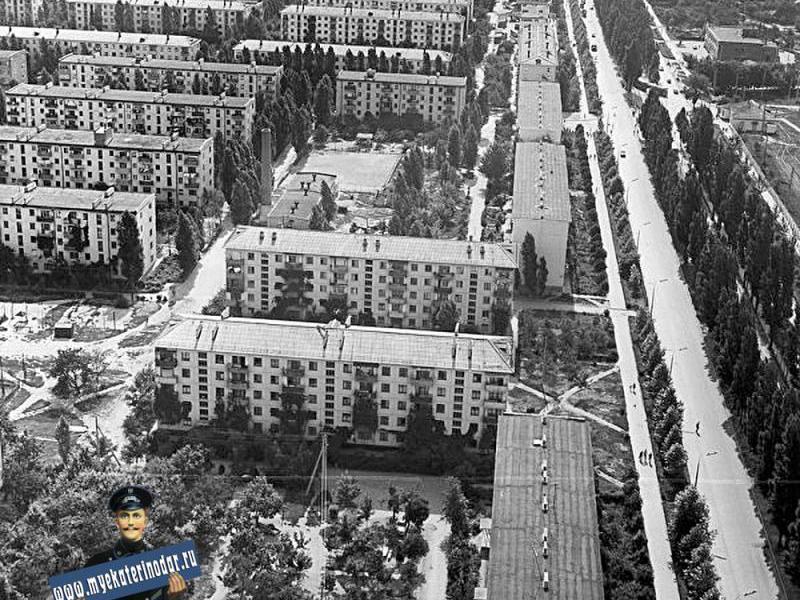
In 2003, the settlement became part of Krasnodar.
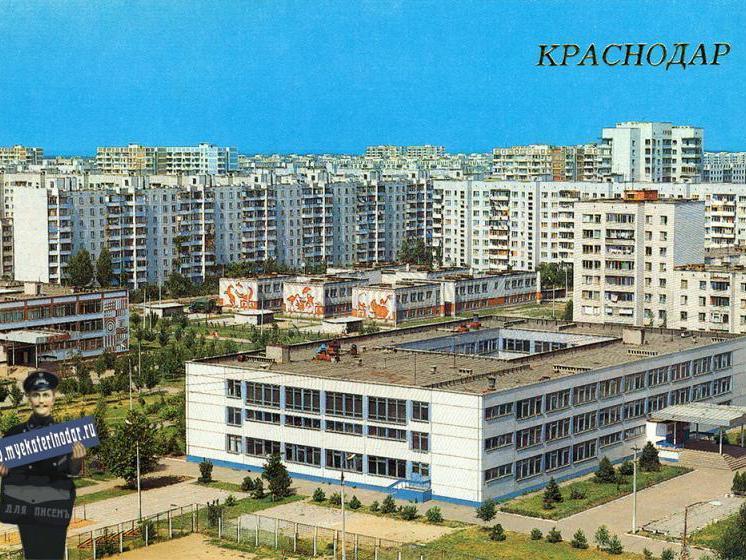
Pokrovka
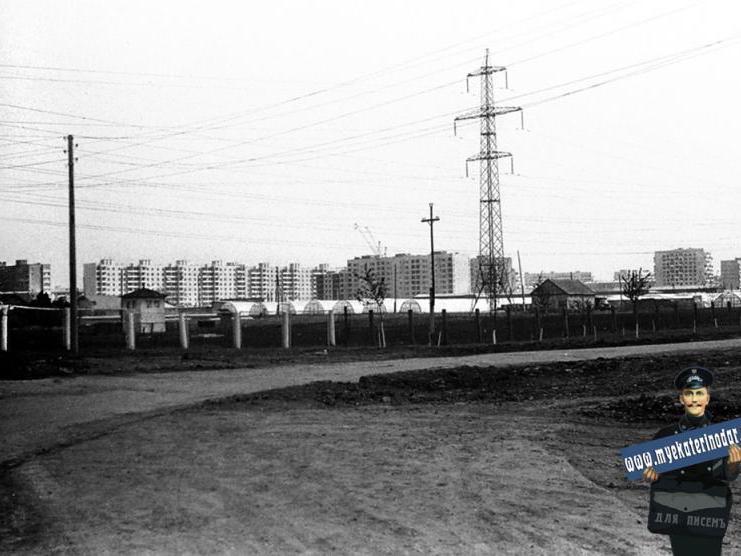
This district is now bounded by Promyshlennaya, Severnaya, and Sadovaya streets, located along the Pokrovskiye Lakes, which in the mid-19th century were part of the Karasun River. People settled on the right bank — until 1867, this was the Yekaterinodarskaya stanitsa.
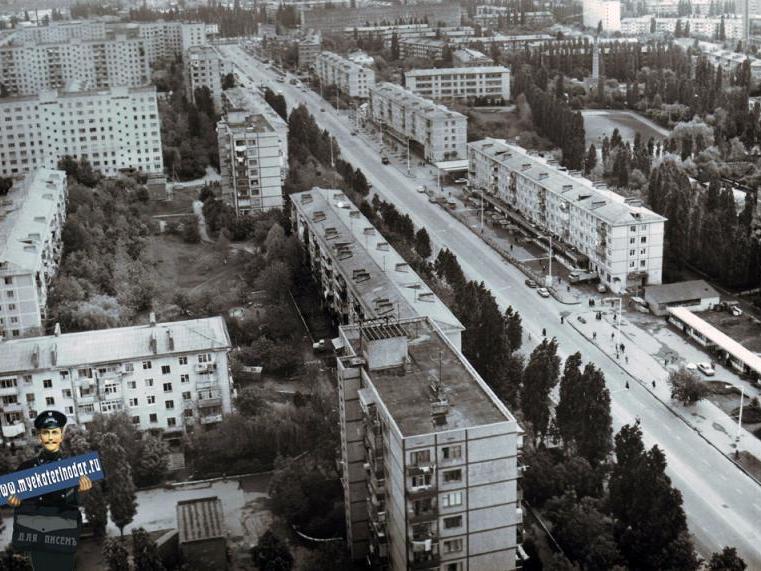
In 1888, the Church of the Intercession of the Most Holy Theotokos was built on Kuznechnaya Street; now there is School No. 15 there. Most likely, since then the district began to be called Pokrovka. In 1936, the church was demolished by decision of the Soviet authorities, and a school and kindergarten were built in its place.
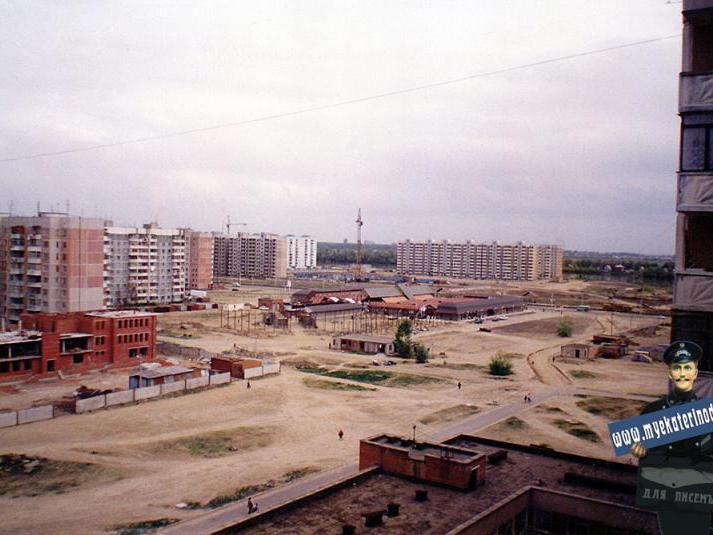
According to some sources, Pokrovka was also called Frolovka after the first mayor, Konstantin Frolov (headed the city from 1868). It is believed that this is where the first newcomers settled, who did not have enough money for houses in the center.
Dubinka
This was once the name of an oak grove beyond the Karasun River; now there are streets such as Stavropolskaya, Vishnyakovoy, Kovtyukha, Voronezhskaya, Burgasskaya, Starokubanskaya, and others. The first house in the settlement, separated from the main city by the river, was built in 1867. There was also a prison there, which later became SIZO-1 (pre-trial detention center).
In Dubinka, there are six Lines of the Kuban River floodplain, several Kuznechny Zaroy and Obryvny passages. Most of the microdistrict is private housing, but there are also multi-story buildings. Nearby, there are trams, all necessary infrastructure, and the «Solnechny Ostrov» park.
Slavyansky
Another of the oldest microdistricts is considered to be Slavyansky — it is located on the western outskirts of Krasnodar along Krasnykh Partizan Street. The first houses appeared there back in the 1920s, and mass construction of Khrushchyovkas began in the 1960s. A bit later, a tram line was laid there, and hospitals, schools, and kindergartens were built around.
There is an opinion that the district was named after the eponymous cemetery, near which it is located. But this version is questioned, as the district appeared before the graveyard.
In turn, this cemetery was opened in 1965, and by now it has become the largest in Krasnodar. It is separated from residential buildings by an industrial zone and a railway, but since 2019, multi-story buildings have come right up to the graveyard: it is already visible from the windows of some residential complexes.
Cheremushki
The microdistrict in the area of Stavropolskaya and Starokubanskaya streets began to be built up in the middle of the last century. It is a typical Soviet residential district with five-story buildings, green courtyards, schools, and kindergartens. There is all necessary infrastructure, markets, roads, a university. But the housing stock itself is old — there are almost no new residential complexes around.
The Cheremushki district exists in almost every city in Russia, and the name was given by the eponymous village near Moscow. Once, it was there that the country first began to massively build multi-story Khrushchyovkas instead of old houses and barracks. The village«s name became a common noun, and new microdistricts began to be called that throughout the Soviet Union.
Komsomolsky
This microdistrict is located on the outskirts of the city; the decision to build it was made in August 1975. Then the authorities decided to divide the city into 6 districts; KMR was built up mainly with nine-story buildings, with slightly fewer five-story ones. It turned out to be a cozy «bedroom district» with all necessary infrastructure.
From the name, one can guess that it is dedicated to the Komsomol members. About 15 years ago, a stele in honor of the Komsomol movement was opened in KMR. The monument with a square and park appeared at the intersection of Sormovskaya and 30th Irkutskaya Divizii streets.
The locals themselves initially called the district Vostochny (Eastern), but then the name Komsomolsky took hold. In 1987, the main stage of work was completed, but since then many new houses and points of attraction have appeared. Part of the district runs along the Karasunskiye Lakes.
Gidrostroiteley (Hydrobuilders)
The microdistrict in the southeast of the city began to be built up in the 1970s–1980s for the families of builders of the Krasnodar reservoir. Actually, that«s why it is called that. The district borders Cheremushki and Pashkovka, and on the other side, the Kuban River runs.
Despite the district being over 50 years old, it continues to be actively built up with multi-story buildings. However, there is a catastrophic shortage of roads, schools, clinics, and other infrastructure facilities.
Former mayor Andrey Alekseyenko even banned the construction of new houses in Gidrostroy until all problems were resolved. But since the ban was verbal, work continues.
Festivalny
The Festivalny microdistrict of Krasnodar began to be built in the 1960s on the site of agricultural fields. Initially, five- or nine-story houses began to be erected there. The district«s landmark is a monument with two MiG-21 fighter jets, officially called »The Feat of the Fathers — the Wings of the Sons.« Its unofficial name is »Two Airplanes.« The monument appeared in 1985 and is now a cultural heritage site.
When the microdistrict began to be built up, it had no official name. But Festivalnaya Street already existed — it was named after the VI World Festival of Youth and Students in 1957. A bus ran along it, connecting the street with the city center.
It is believed that first the local residents themselves began to call the microdistrict Festivalny, because when asked where they lived, they answered that in the area of Festivalnaya [Street]. Over time, this name became official.
Yubileyny (Jubilee)
The Yubileyny microdistrict of Krasnodar is located in the western part of the city, surrounded by the Kuban River and resembling a peninsula in shape. From the name, it is immediately clear that it was named after some anniversary — but which one?
Local residents have different opinions on this matter. Some believe that the microdistrict was named in honor of the 200th anniversary of Krasnodar, because its first part was commissioned in 1993. At the same time, many locals who have lived here since the late 1980s say that it was called Yubileyny long before that.
Another, more plausible version is that the district got its name in honor of the 70th anniversary of the October Revolution. Since it was planned to be built from scratch on fields taken out of agricultural use, before construction, river sand was pumped in for several years and the land level was raised. Then, all utilities — water, heating mains, storm drains — were laid in YMR, and construction began.
The first houses were built in the area of the current «Pochta» bus stop in the late 1980s.
There are several other versions of the district«s name. Some say that Yubileyny became the tenth in Krasnodar, for which it received its name. Others — that it was named in honor of the 40th anniversary of Victory. It is said that initially the district was to be called Yugo-Zapadny (Southwestern), but a different name took hold.