Knives, Lemons, and PAZ Buses: Pavlovo's 19th-Century History in Photos
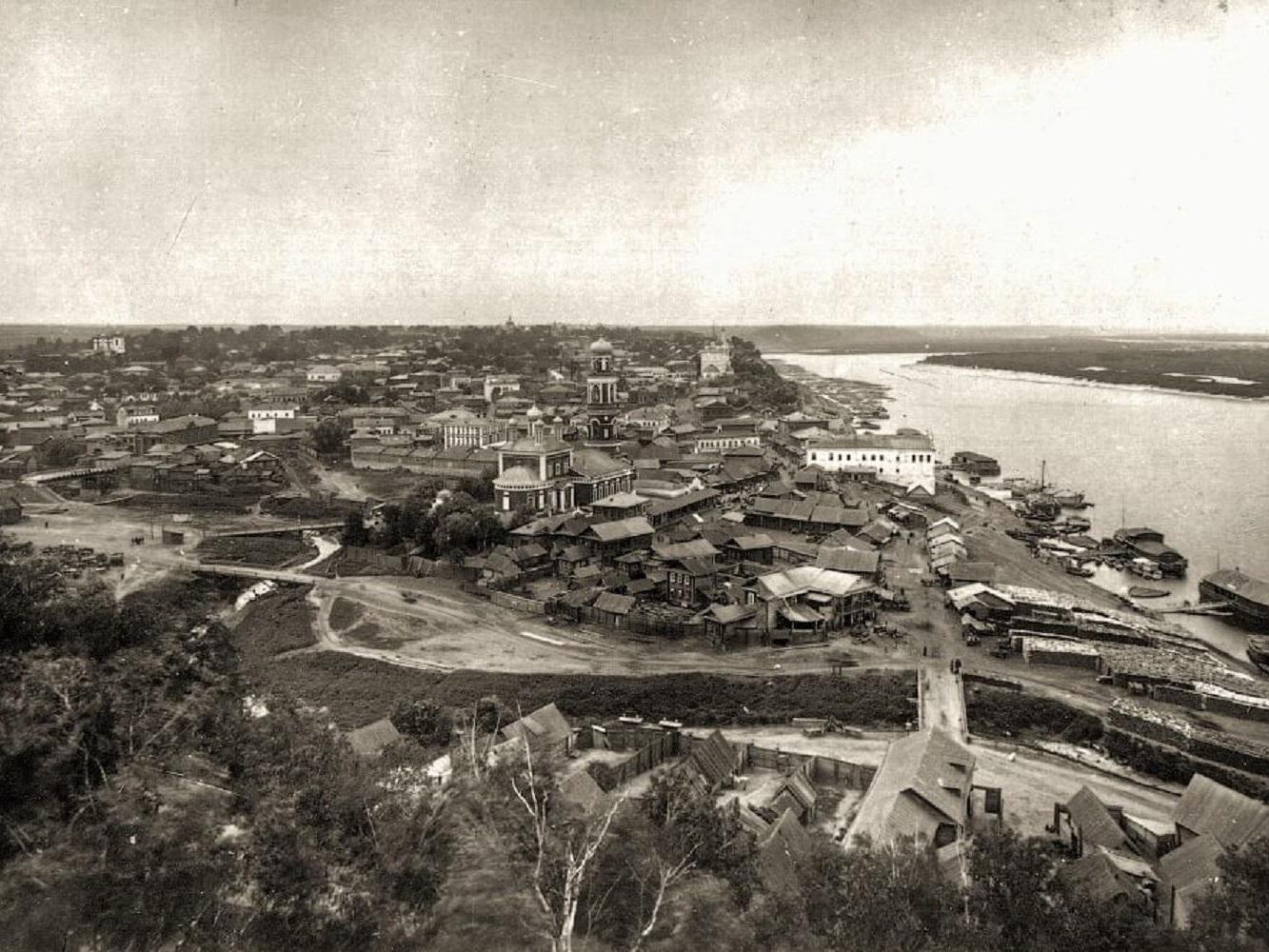

An archival view of Pavlovo from the 1890s to 1910s, showcasing the town«s layout along the Oka River.
The town of Pavlovo is one of the oldest settlements in Nizhny Novgorod Region, known for knives, lemons, and, of course, PAZ buses. It is located on the right bank of the Oka River, 80 kilometers from the regional center—residents can reach it in 1.5 hours.
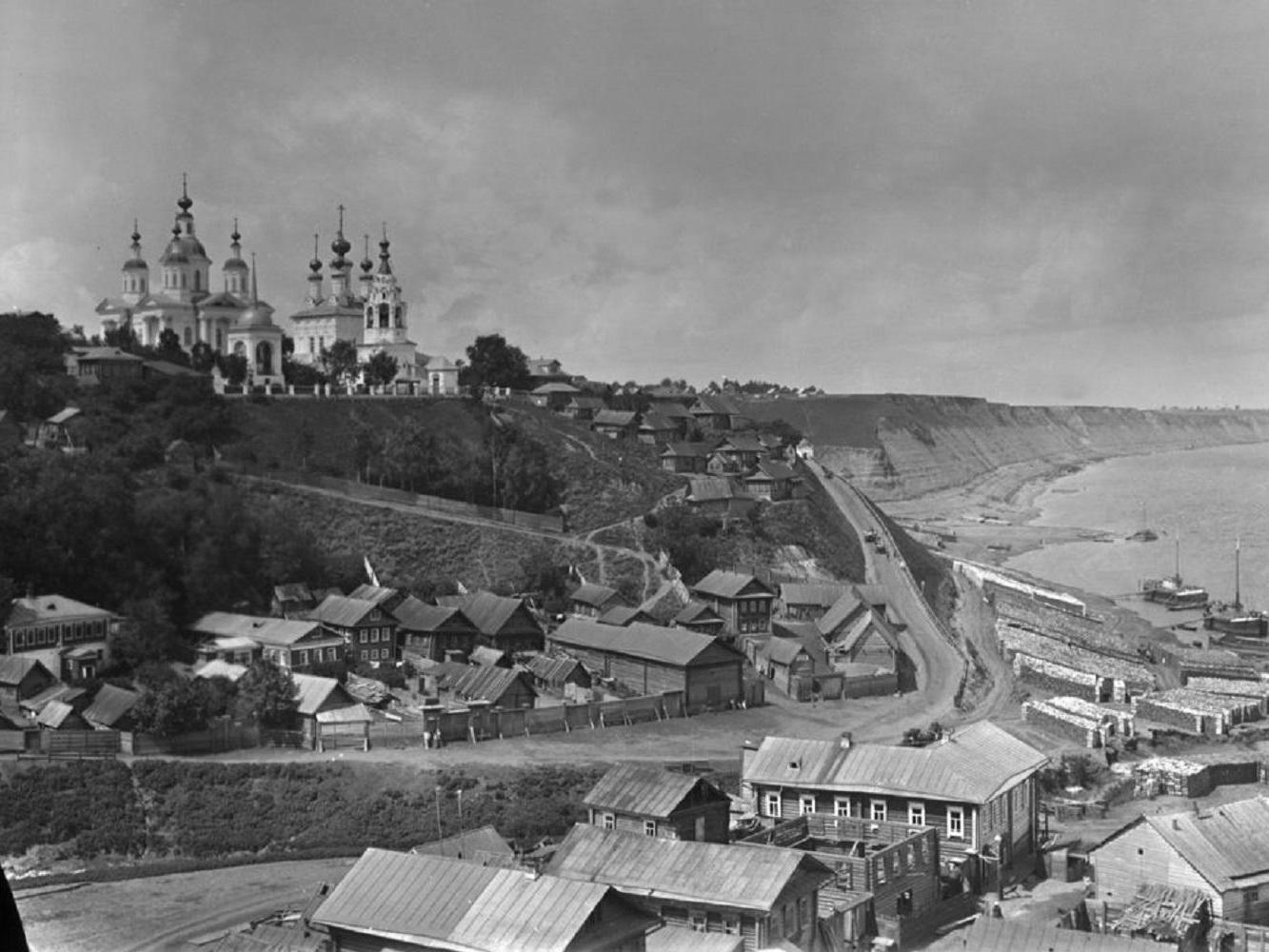
A historical photograph capturing the scenery of Pavlovo in the late 19th century, with its distinctive architecture.
Pavlovo evolved from a small palace village in the 16th century to a significant industrial center in the 20th–21st centuries. Its history is a tapestry of crafts, trade, architecture, and human destinies that left a vivid mark on the region«s cultural landscape. What is known about this and what historical photos of Pavlovo have survived to this day is told and shown in the material by NN.RU.
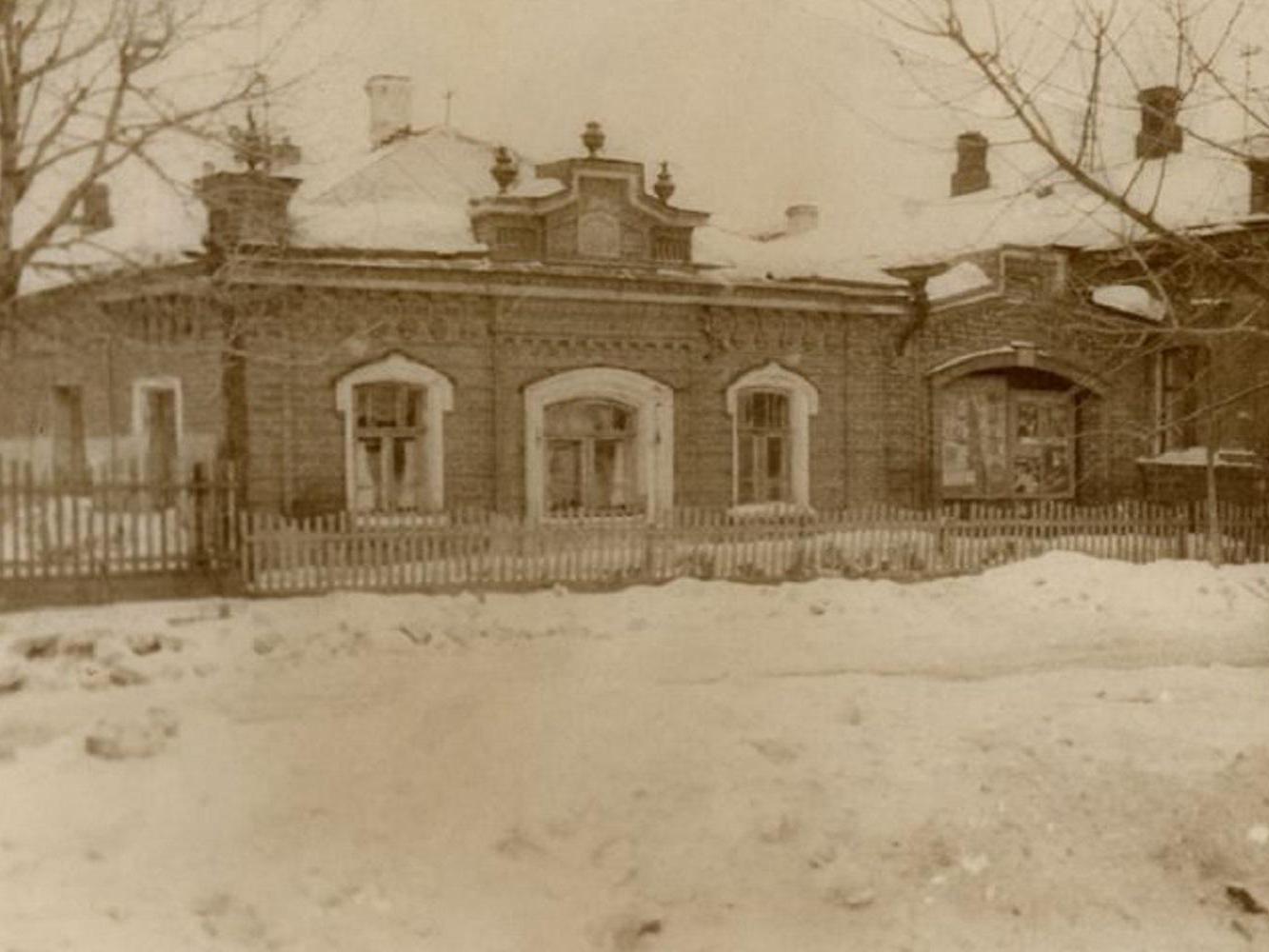
The fire station building in Pavlovo during the 1920s–1930s, reflecting early firefighting infrastructure in the town.
From a Ferry Crossing to a Craft Center
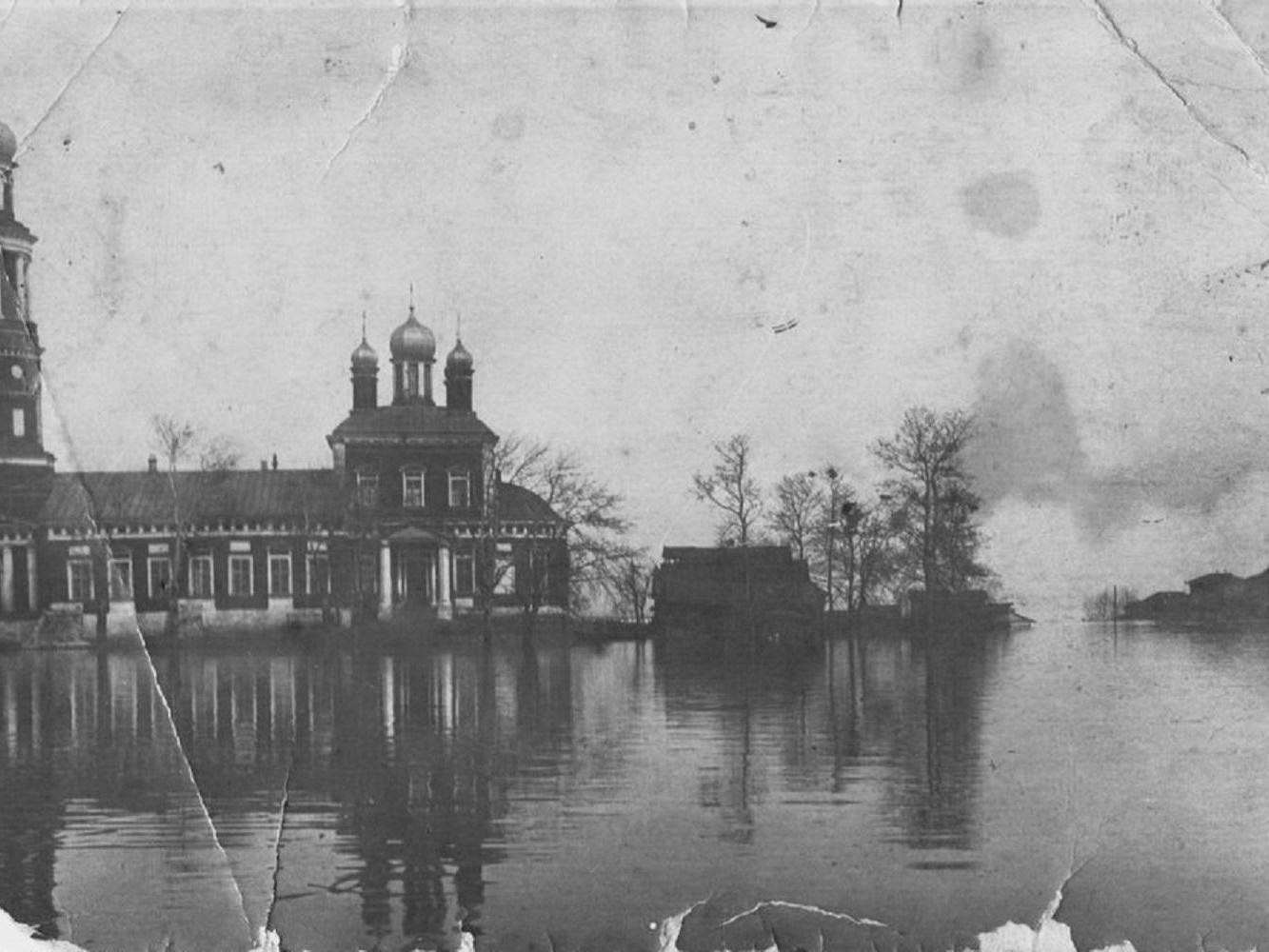
Pavlovo during a spring flood in the early 20th century, illustrating the town«s vulnerability to the Oka River.
The first documentary mention of Pavlovo dates to 1566: it appears in a charter of Tsar Ivan the Terrible as a state palace village. According to one legend, the name is linked to a ferryman named Pavel who organized a crossing over the Oka; according to another—to the first townsman, referred to as «Pavlov Ostrog» (Pavel«s Fort).
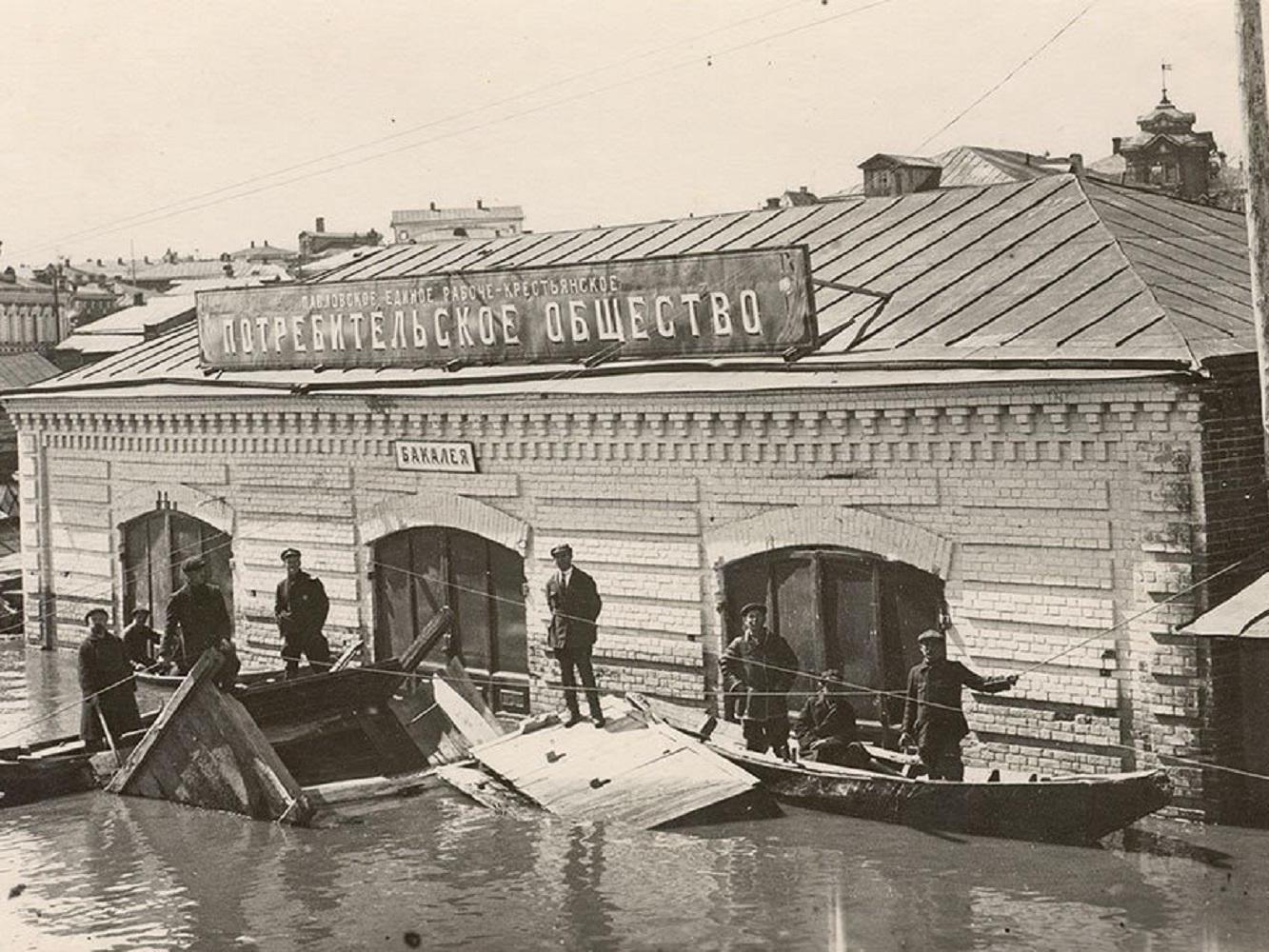
Trade rows submerged in floodwaters in Pavlovo during the 1920s–1930s, highlighting seasonal challenges for commerce.
Thanks to its favorable location on the navigable Oka River and the special economic freedom of palace peasants (unlike serfs), the village quickly became a center of metalworking. By 1621, there were 11 forges here, and by 1677, their number had grown to 40. Masters produced:
cold and firearms;
knives and scissors;
padlocks (including miniature ones, the size of a pea);
scale beams;
cutlery.
Parallelly, other trades developed: rope-making, leatherworking, soap-making, and tallow-rending production.
Pavlovo in the 18th–19th Centuries
In the 18th–19th centuries, many significant events for the settlement occurred in Pavlovo:
1778—the Church of the Resurrection of Christ was built, the oldest preserved temple in the city, combining elements of Baroque and Russian patterned style;
1785—the Cathedral of the Ascension of the Lord was erected in the Baroque style, now the main Orthodox church of Pavlovo;
1820—merchant Terebin founded a factory for steel products, marking the transition from artisanal to industrial production;
1860s—the tradition of growing indoor lemons began (legend links it to merchant I. S. Karachistov, who brought cuttings from Turkey).
Unfortunately, many shrines in Pavlovo have been lost to the present day.
In the 19th century, the village became the heart of the Pavlovo artisanal metalworking district, uniting over 200 villages and hamlets in Nizhny Novgorod and Vladimir provinces. Here, a unique printed organ for the Russian Empire was published—«Acts of the Organs of the Pavlovo Peasant Society» (1894–1904), and in 1900, one of the first in the country verification tents for trade measures and weights opened.
The Powerful Fire of 1872 in Pavlovo
On 12 June 1872, Pavlovo was engulfed by a massive fire—the largest known in the town, lasting more than a day. At that time, in the settlement, 515 houses (60 of them stone), 550 metalworking workshops, 115 trading premises on the two market squares that existed then in Pavlovo, as well as all warehouses of iron, copper, steel, and grain, several plants and factories burned down.
The tragic events forced local self-government to seriously engage in firefighting. By the end of the 19th century, a volunteer fire brigade was created in Pavlovo, consisting of 24 firefighters (local peasants obligated to appear at a fire at the sound of an alarm bell and receiving one ruble (about $0.01 at current rates) as a reward for each appearance at a fire) and a fire elder leading them.
The fire station was located in the Pavlovo volost administration, situated in the building of the former estate office. At the station, eight communal horses were constantly maintained. Also, with public funds, boots and mittens were sewn for the firefighters.
Several photos of Pavlovo during floods have also been preserved.
Pavlovo in the 20th Century: From Village to City
By 1911, Pavlovo became the largest rural settlement in Nizhny Novgorod Province (1,852 households). In 1919, it was officially granted city status and became a district center.
During the Great Patriotic War (World War II), evacuation hospital No. 1743 operated in Pavlovo, and the 106th Separate Rifle Brigade was formed. The post-war decades were a time of rapid industrial growth for the city. Thus, in 1952, the production of the first PAZ brand buses began, which became a symbol of the city.
Today, Pavlovo is also a tourist town where historic buildings are preserved. Among such objects, for example, is the estate of merchant V. I. Gomulin (1885)—now a historical museum and an example of eclecticism with Baroque elements; the house of industrialist A. M. Terebin (1910) and a two-story 19th-century house where chemist A. E. Favorsky was born.
Therefore, now the small town of Pavlovo can surprise even a seasoned tourist with its rich history, legends, and unexpected facts. NN.RU correspondents visited modern Pavlovo and saw how the city lives in the shadow of a metropolis. Details are in our report.