Deputies Propose Confiscating Animals from Cruel Owners
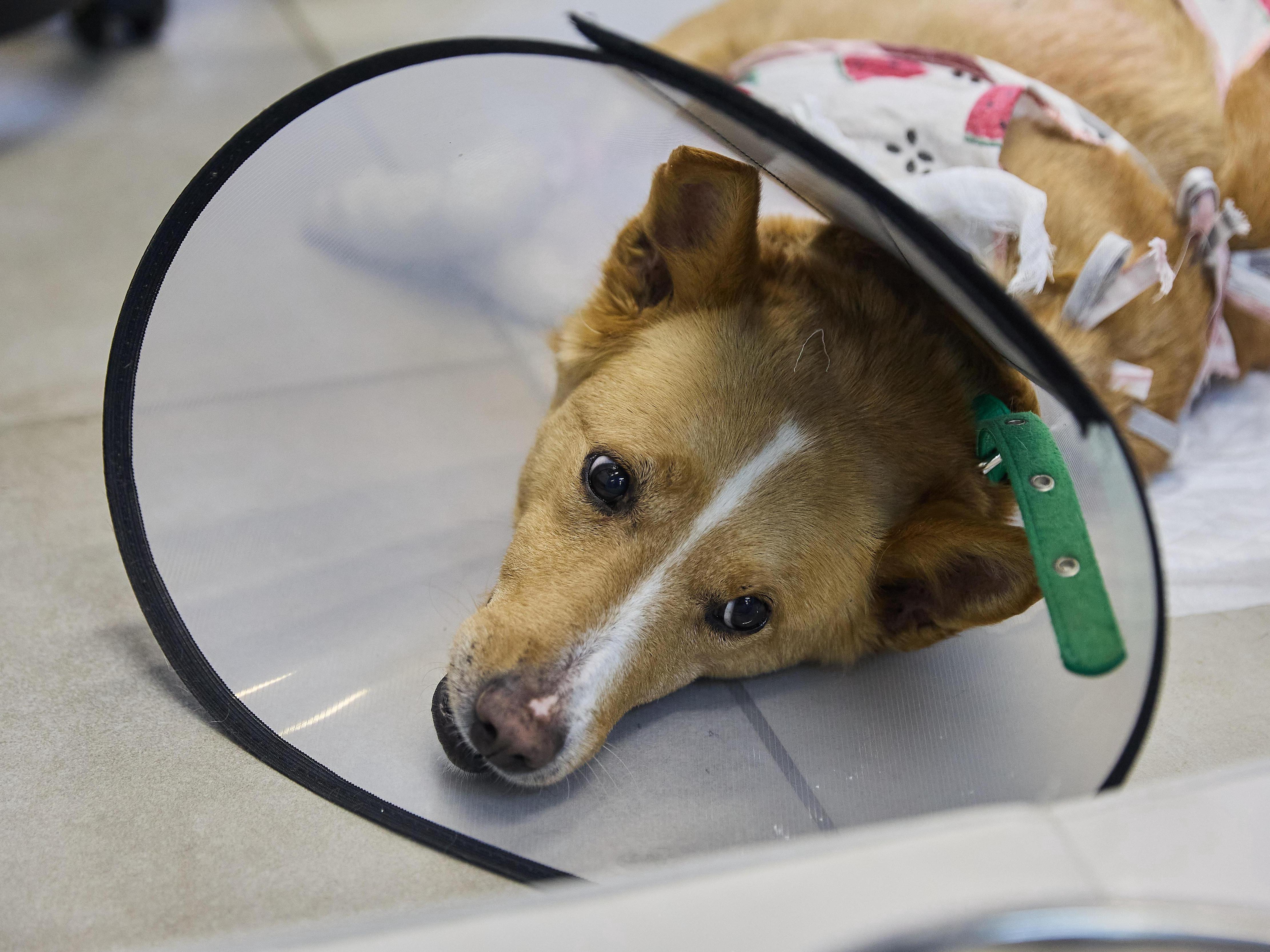

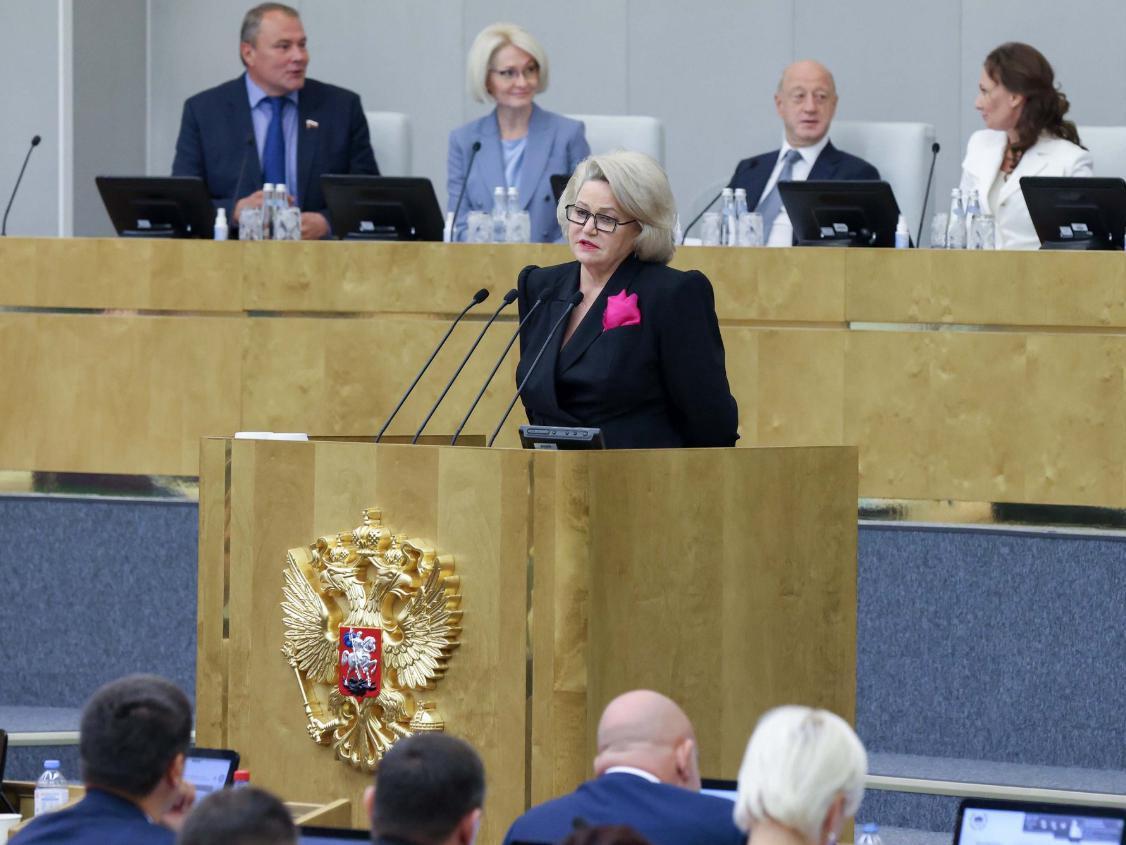
A group of 37 State Duma deputies, including Nina Ostanina and Biysultan Khamzayev, introduced amendments to the law «On Responsible Treatment of Animals.» The document provides for the creation of a «response system» for reports of aggressive animals based on the 112 emergency service, and also legalizes confiscation of pets from owners in cases of cruel treatment. Confiscation will require a court decision, after which the animal will be sent to a shelter. Implementation of the project will require changes to the Criminal Code and the Administrative Offenses Code.
The government«s support for the concept has drawn mixed reactions among pet owners. Many express bewilderment, questioning who and by what criteria will evaluate methods of raising pets. »If the authors are not aware, some breeds require fairly strict training,« one commenter noted.
What causes indignation is not the call for humanity, but the very possibility of confiscating animals. «It feels like we have entered a bourgeois paradise. Everyone has a home, a job, a good salary, warmth in winter, air conditioning in summer. Everywhere is clean and cozy. Children are not molested, people are not killed. The only thing not yet resolved is the civil rights of pets,» one discussion shared.
Concern also surrounds the fate of shelters, which may face an influx of confiscated animals. Readers propose that the court should oblige former owners to fully pay for the maintenance of pets in shelters. The owner of a St. Petersburg animal welfare fund stated: «Shelters are almost overflowing, there are fewer and fewer donors, and sometimes fundraisers are opened not for treatment and surgeries, but simply for food.»
Criteria for Cruel Treatment
One of the authors of the amendments, Deputy Nina Ostanina, explained that the initiative is aimed at protecting both people and animals. «First of all, it is protecting people and protecting animals. There are packs of stray dogs that threaten people. [If the bill is passed], there will be a single number, »112«, and a single response service,» she said.
Asked what constitutes cruel treatment, Ostanina replied: «If a dog has violated some rules of interaction with its owner, that is still the owner»s business. Let«s not make it worse. If we are talking about cruel treatment, it is visible — when an animal is suffering. For example, an animal gets sick and is not taken to the vet, not vaccinated, and so on.»
She gave specific examples: «How to prove the fact of cruel treatment? When there are wounds, beatings — just like with a person. When an animal is in a state of extreme exhaustion, like the huskies that the owner did not feed for ten days, and they ate the face of a small child. Isn»t that cruel treatment? Those are the cases I mean. Extreme cases.«
In February 2024, in Sochi, huskies attacked a 9-year-old boy and tore his face. The dogs escaped from a campsite — the owner did not feed or water them for 10 days. The owner was found guilty of causing grievous bodily harm by negligence and sentenced to 1 year and 6 months of restricted freedom.
The deputy stressed that the law will not work on the basis of unconfirmed complaints. «The law will not work in such a way that someone wants to spite a neighbor — they take it, write a statement [and have the animal taken away without proof of cruel treatment],» Ostanina stated.
Funding Shelters and Owner Responsibility
Asked what to do if the owner lacks funds for expensive pet treatment, Ostanina replied: «Only the animal»s owner is responsible. When veterinary care is not provided, that is cruel treatment. If you cannot cope yourself, either turn to those who can help you, or then think about transferring the animal to another owner. But do not throw the animal out onto the street.«
Regarding additional funding for shelters, she noted: «Then why do animal rights activists create public organizations and hold pickets? That is their job — to encourage our citizens to pay attention to animals and help fund shelters.»
The deputy added: «In Moscow, for example, there are municipal shelters and enough funds. In regions where they are insufficient — well, what? Cut your coat according to your cloth.» She spoke in favor of supporting shelters but called for public oversight of their activities. «Shelters should not be closed organizations. If citizens see that this is a shelter where dogs are comfortable and live well, I think they themselves will agree to fund them,» Ostanina concluded.