Why Teens Become Droppers: Impulsive Acts Without Malice

In June 2025, the State Duma passed a bill introducing criminal liability for transferring bank cards to third parties for remuneration. Now, participants in fraud schemes face not only large fines and corrective labor but also imprisonment.
A year ago in Russia, according to Sberbank analysts, there were at least 2 million droppers. Most often, they were children aged 14-16.
A dropper is a person who provides their personal data, documents, bank cards, or accounts to other people for conducting illegal financial operations.
The editorial team of 161.RU continues a series of useful materials on how not to become a victim of fraudsters. This time, psychologist Rodion Chepalov explains why children become droppers and how to avoid it. We publish his column.
Scammers Offer «Adult» Roles
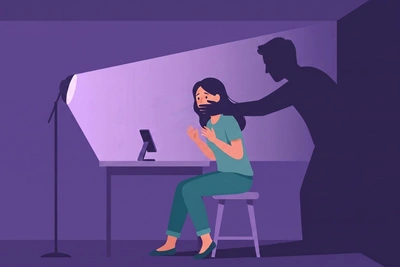
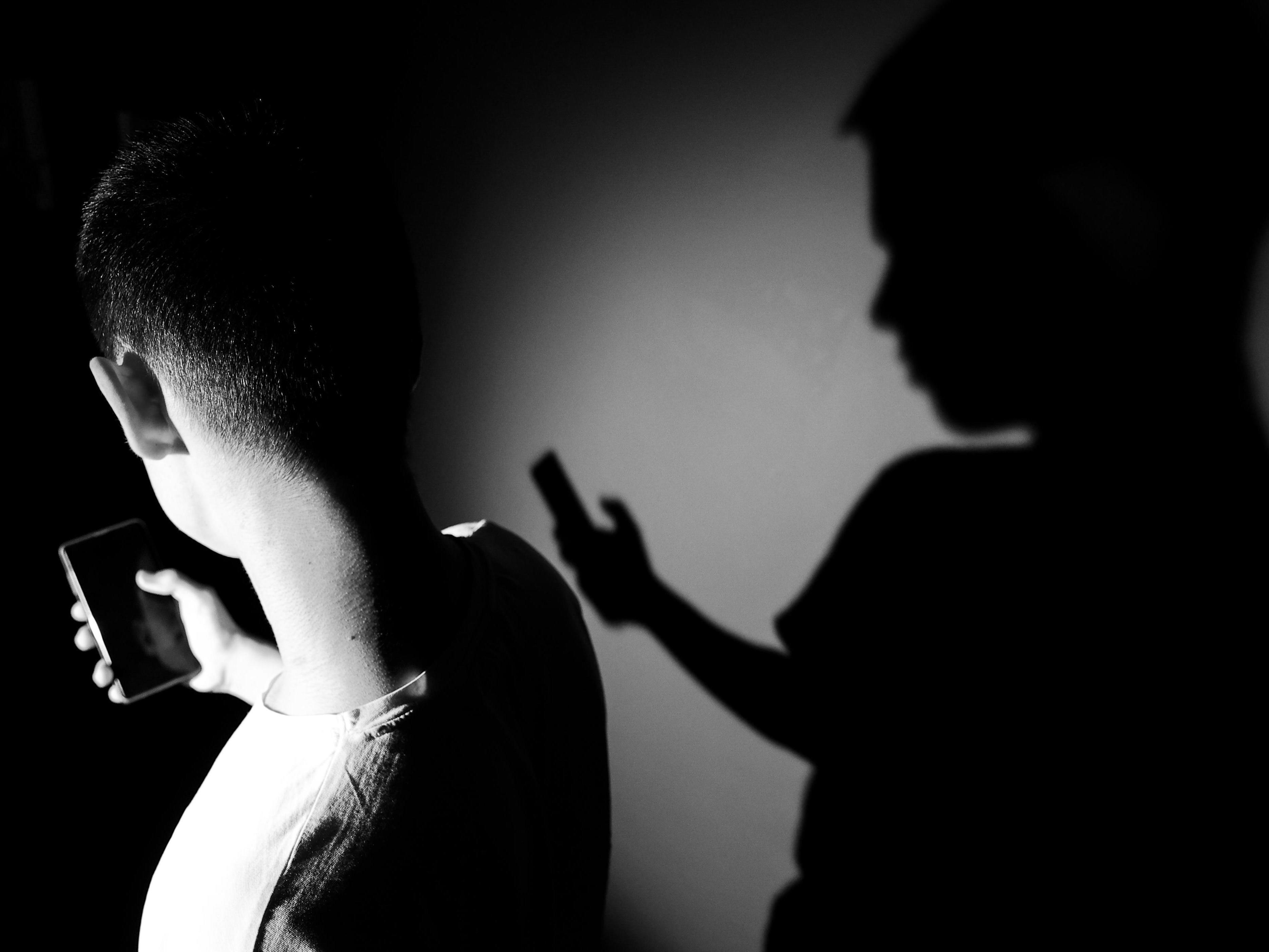
Teens are particularly vulnerable to being drawn into fraud schemes not because they «understand the law worse,» but due to a combination of age-related psychological factors. At 14-16 years old, a sense of adulthood, the need for autonomy and recognition actively develops, while critical thinking and the ability to foresee consequences are not yet mature enough. Scammers take advantage of this by offering simple and «adult» roles: «help,» «bail out,» «it»s just a technical transfer,« »you«re not breaking any laws.» For a teenager, this sounds like trust and social significance, not like a crime.
In practice, I have seen cases where a teen genuinely considered themselves a victim: they were written to allegedly from an online store, offered «temporary part-time work,» asked to accept money «for a couple of hours,» and then the scheme unfolded automatically. Another typical example is an appeal to fear and urgency: «if you don»t help now, the account will be blocked,« »another person will suffer.« The teenager acts impulsively, not out of malice, but out of anxiety and a desire to be helpful.
Dry Prohibitions Don«t Work
Prevention works poorly in the format of dry prohibitions and abstract warnings. The inscription «do not transfer your card» psychologically loses to live scenarios. Much more effective are methods that allow the teen to «live through» the situation in a safe form. These can be short documentaries, social videos, theatrical performances, interactive videos, or even animations that step by step show: what the first message looks like, what the teen feels, what happens next, what legal and life consequences arise. When a person sees not a slogan but a chain of events with real comments from lawyers and psychologists, awareness kicks in.
It is also important to teach teens skills to resist pressure: to articulate typical phrases of scammers, analyze them in lessons or trainings, rehearse responses like «I can»t,« »I need to consult,« »I don«t accept money.» In psychology, this is called refusal training and reducing automatic reactions. The more such rehearsals, the higher the chance that in a real situation, the teen won«t act »on autopilot.«
Don«t Start With Accusations
If a child has already unintentionally become a dropper, it«s important not to start with accusations. Guilt and fear only increase dependence on external influence. First — documenting the facts, consulting with a lawyer, then psychological work with anxiety, suggestibility, and the need for approval. In many cases, it is indeed possible to prove that the teen acted as a victim of manipulation, but this requires early appeals and competent support.
Overall, protecting teens is not only a matter of law but also a matter of psychological literacy. As long as children act unconsciously and impulsively, no formal warnings will work. Awareness, practice, and visual experience are the only sustainable way to reduce the risks of involvement.