The Origins of Writing: From Cuneiform to the Alphabet

Imagine: you live in deep antiquity, and your neighbor promised to exchange his goat for your sack of grain. You agreed to meet, but during the night the goat dies. You«ve already brought the heavy sack to the square and don»t want to carry it back. Then your neighbor suggests a solution: you give the grain now, and he will later bring two sheep. As a token of promise, he presses a conventional goat sign into soft clay and gives you this tablet — tangible proof of debt.
That is likely how the first steps towards writing were taken. Its predecessors were precisely such clay «receipts,» used for accounting goods about 10,000 years ago. The earliest deciphered records are not religious hymns or chronicles, but dry trade accounts and inventory lists.
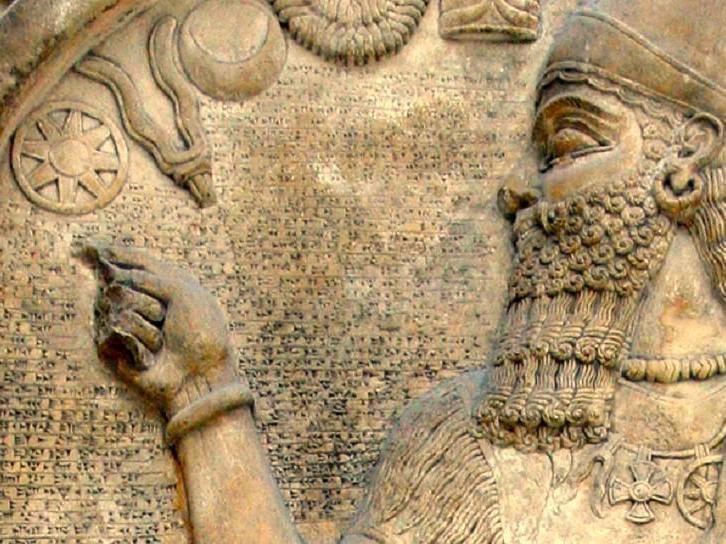
Sumerian Cuneiform
One of the oldest writing systems — Sumerian cuneiform — emerged in Mesopotamia around 3200 BCE. Wedge-shaped signs were impressed onto damp clay tablets, which were then dried or fired. Cuneiform, initially serving to account for grain, livestock, and land, gradually became a tool for recording laws, literature, and diplomatic correspondence, spreading throughout the Near East.
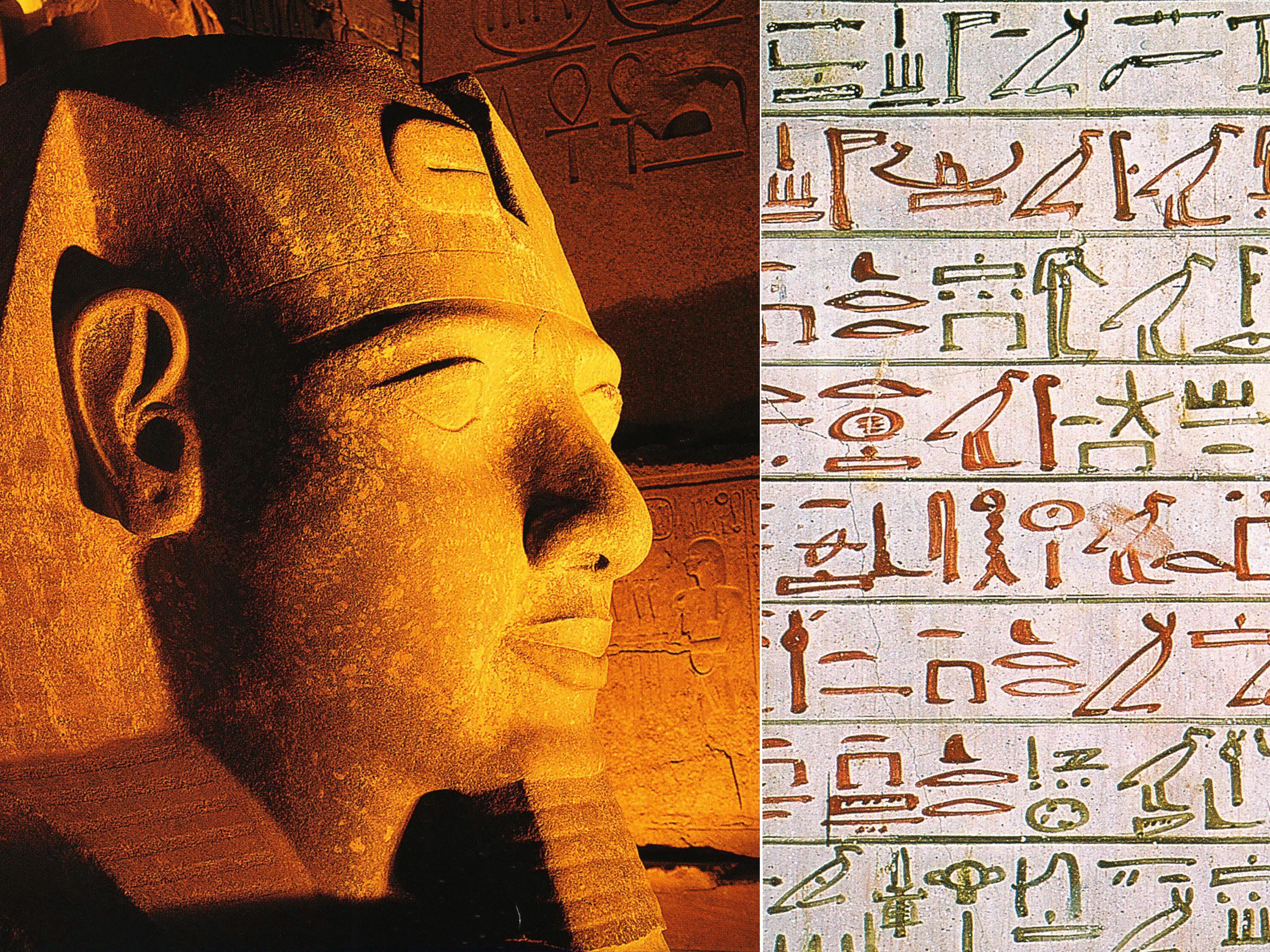
Egyptian Hieroglyphs
Almost simultaneously, Egyptian hieroglyphics — «sacred carving,» as the Greeks later called it — developed in the Nile Valley. Initially, these images recorded administrative data: property boundaries, tax amounts, river flood dates. For a long time, scholars believed that hieroglyphs, like early cuneiform, conveyed only concrete images. However, the decipherment of the Rosetta Stone in the 19th century revealed their phonetic nature: Egyptians used signs also to record sounds, enjoying wordplay and puns. This duality became an important step towards the alphabet.
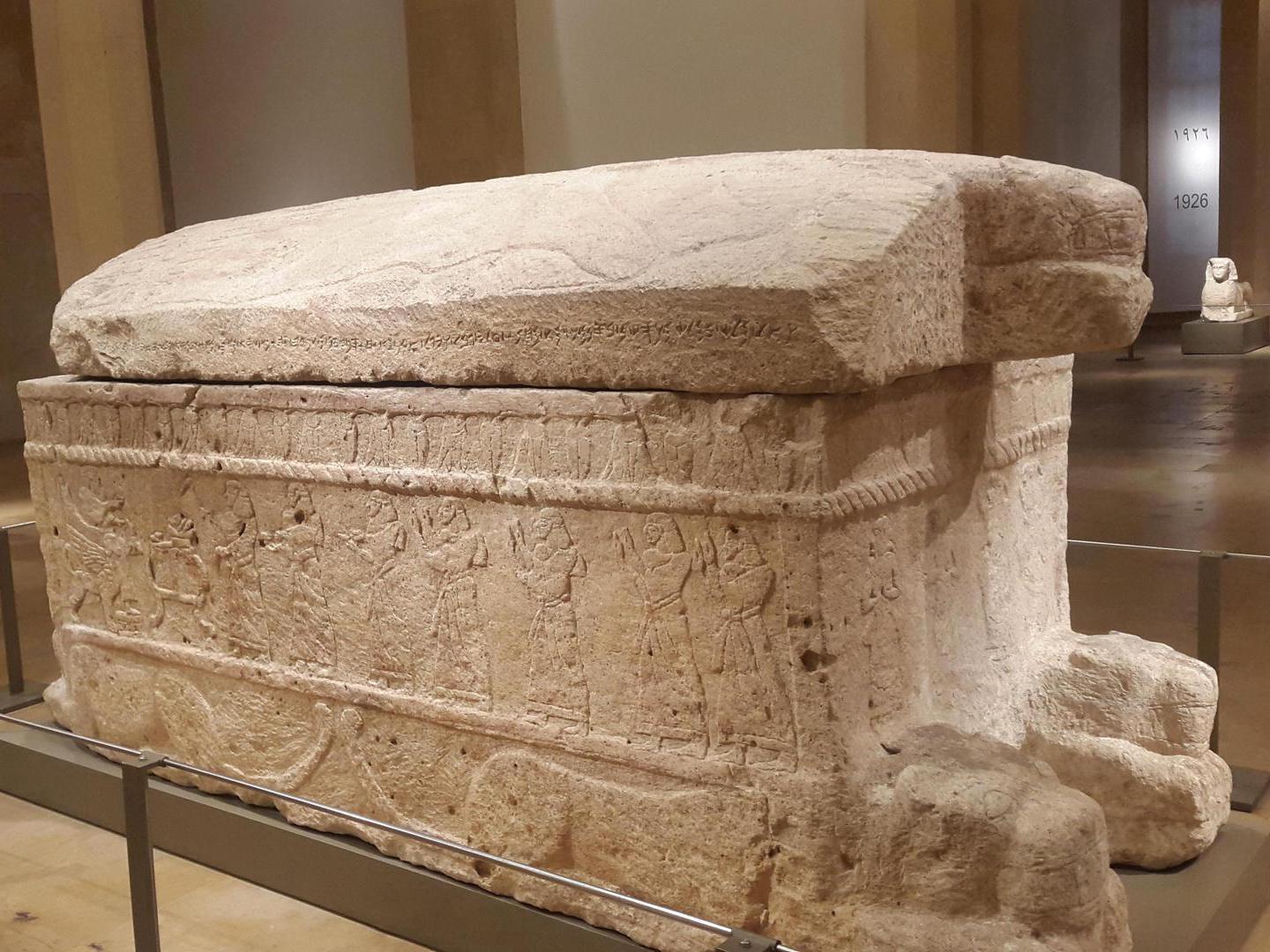
The Phoenician Alphabet
A true revolution was made by the Phoenicians, who lived on the eastern coast of the Mediterranean Sea. Between 1500 and 1700 BCE, they created the first alphabet, consisting of 22 signs denoting only consonant sounds. The simplicity and convenience of this system were likely due to the Phoenicians« active maritime trade, which required quickly recording transactions in different languages. Scholars believe the alphabet was invented only once: Phoenician writing became the ancestor of most modern alphabetic systems in the world.
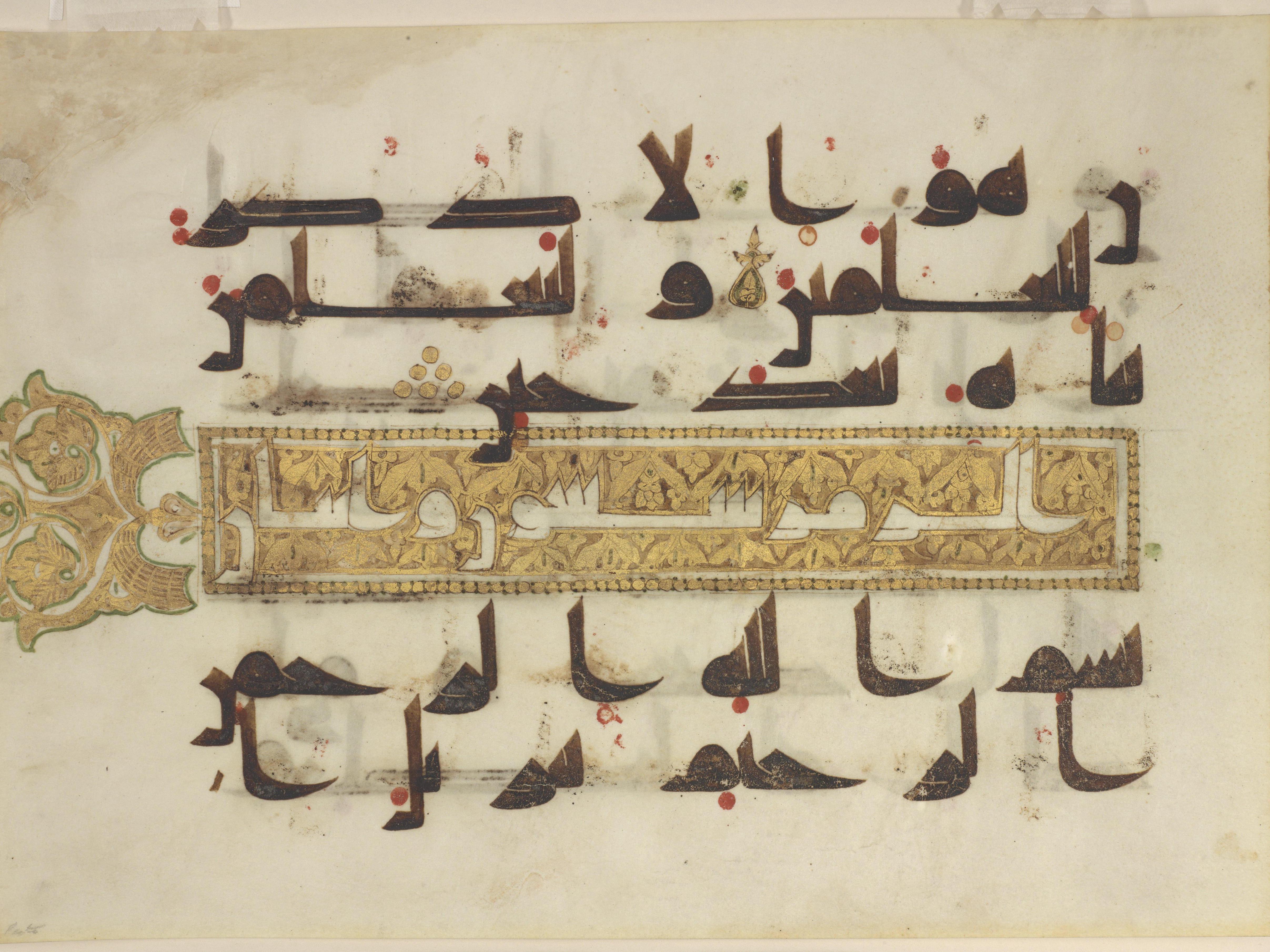
Arabic Script
The Arabic alphabet, the second most widespread in the world, traces its lineage from Phoenician through Aramaic and Nabataean scripts. By the 8th century CE, it had fully formed. Its development is inextricably linked to Islam: the Quran, the holy book of Muslims, is considered the uncreated word of Allah and, according to canon, must exist precisely in the Arabic language. The text of the Quran is divided into 114 surahs (chapters), and the oldest preserved manuscripts date to the 7th–8th centuries.
Chinese Characters
In East Asia, writing developed independently. Chinese characters, which emerged in the 2nd millennium BCE, represent a logographic system where each sign often corresponds to an entire concept or morpheme. This complex and rich system, adapted for Japanese, Korean, and Vietnamese languages, remains in active use today, demonstrating an alternative path of writing evolution.
Mesoamerican Codices
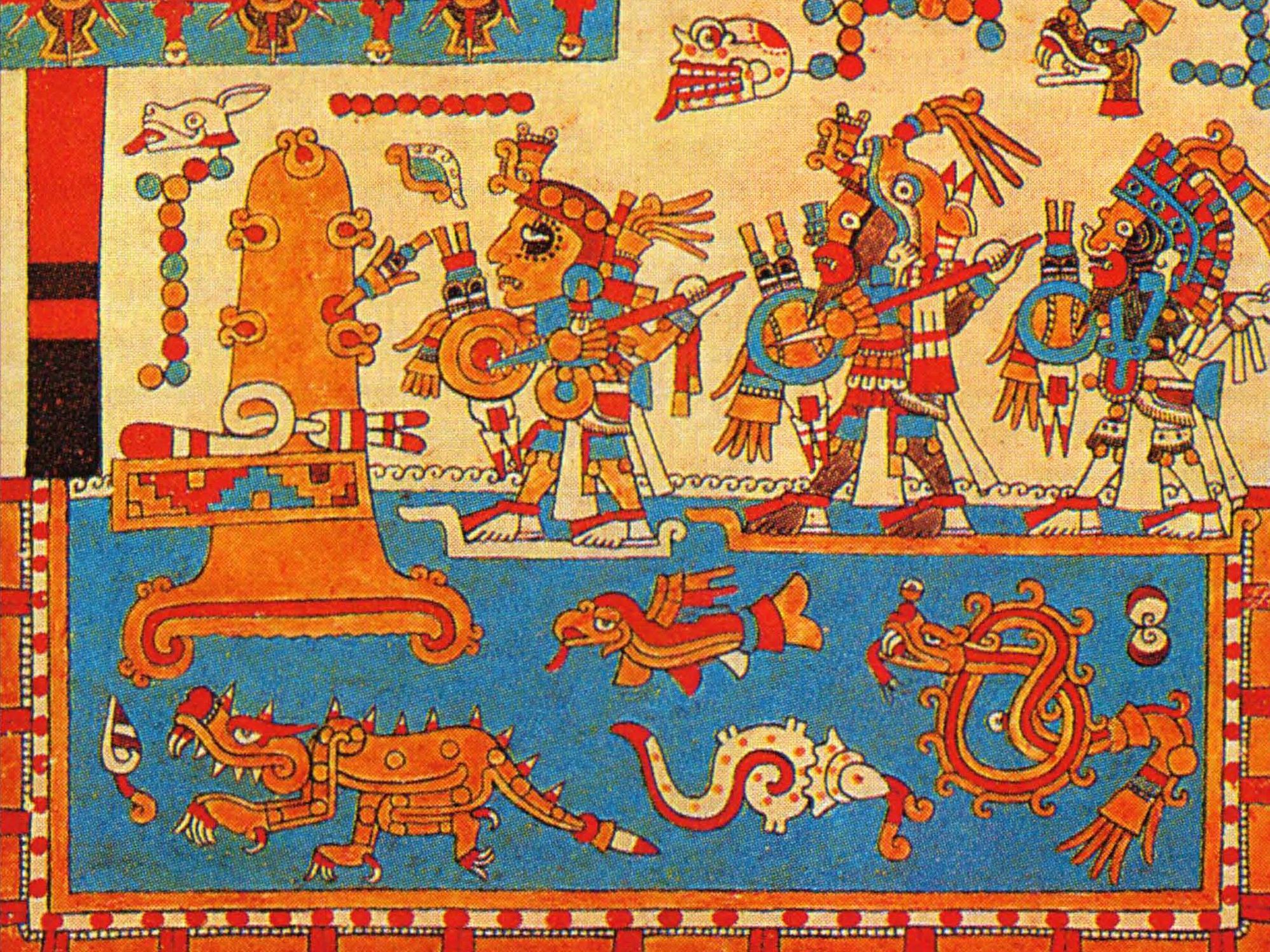
On the other side of the ocean, in Mesoamerica, peoples such as the Mixtecs, Aztecs, and Maya created unique pictographic manuscripts — codices. They were made from deerskin or paper obtained from bark, and folded like an accordion. In these codices, for example, in the 11-meter Mixtec codex folded 44 times, they recorded myths, historical chronicles, astronomical observations, and economic reports. They served simultaneously as an archive and a sacred text.
Greek and Latin Writing
The Greeks, borrowing the Phoenician alphabet, added signs for vowel sounds, creating one of the first full-fledged alphabetic systems. Greek writing became the basis for many others, including Cyrillic. From it, through the Etruscans, came Latin writing, which with the expansion of the Roman Empire spread across Europe and later became the basis for the writing systems of Romance, Germanic, and many other languages.
Slavic Alphabets: Glagolitic and Cyrillic
For recording Slavic languages in the 9th century CE, two alphabets were created: Glagolitic and Cyrillic. Their development is linked to the mission of the educators Cyril and Methodius. Cyrillic, refined based on Greek uncial writing, over time became the primary alphabet for many Slavic peoples, including Russians, Ukrainians, Bulgarians, and Serbs, and continues to be used to this day.
From clay tablets to digital screens — writing has always evolved, responding to society«s needs for accounting, communication, religion, and knowledge preservation. Each time we write something down, we are, in essence, continuing a tradition begun millennia ago with a simple debt mark.