They Want to Throw Us Out: Life in Volgograd's Paradise

Shall we walk through Nizhnie Barrikady?
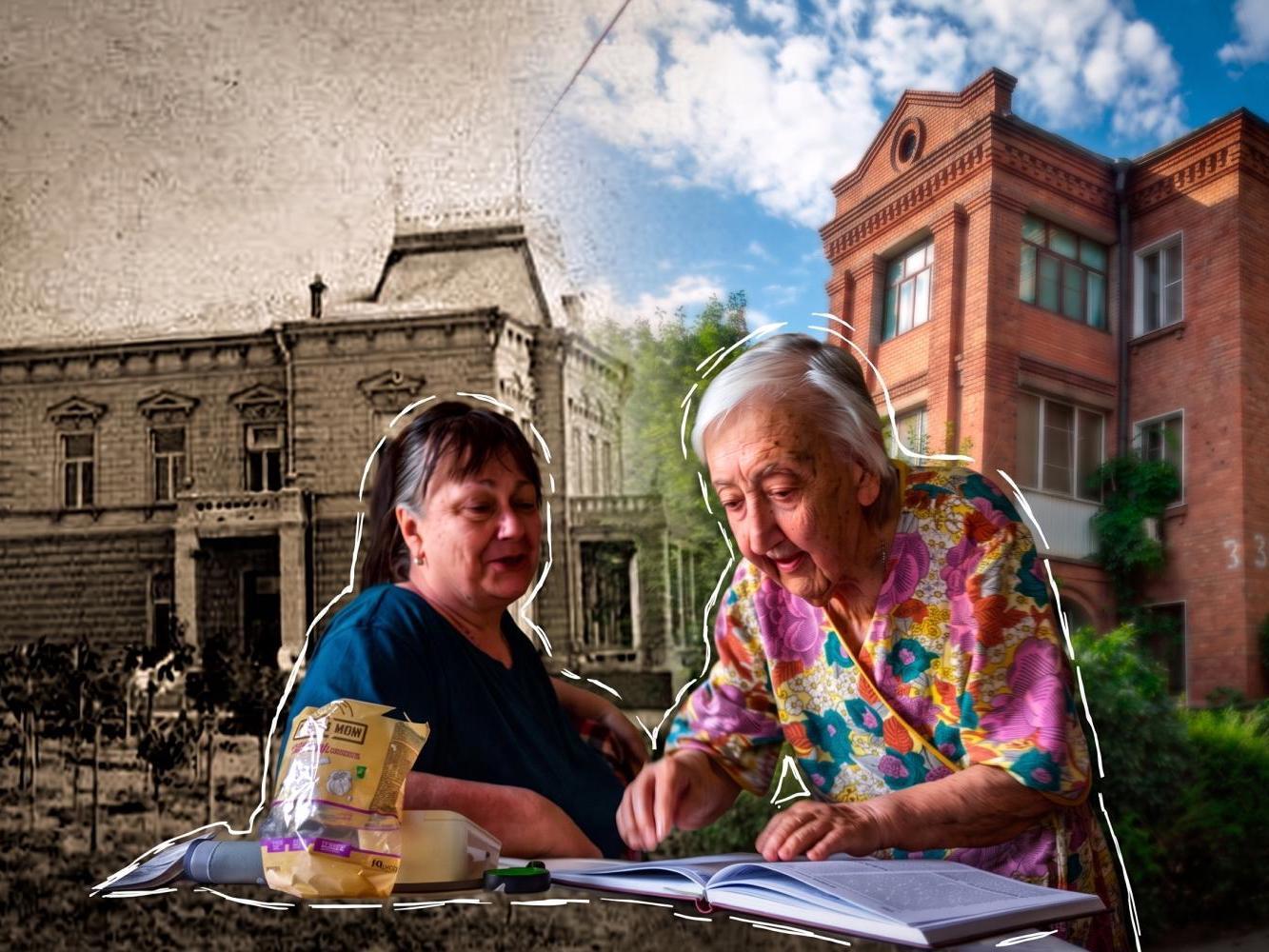
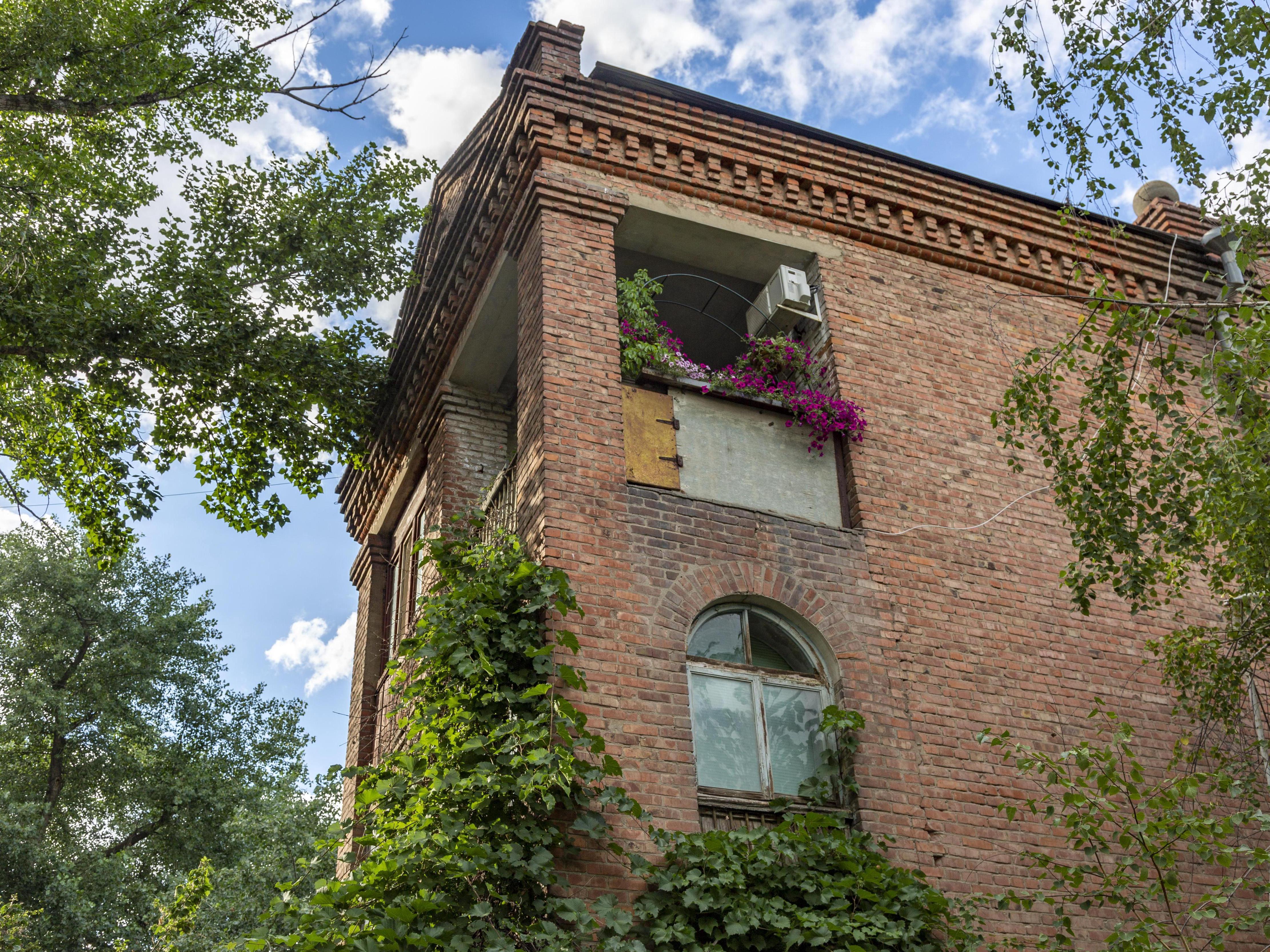
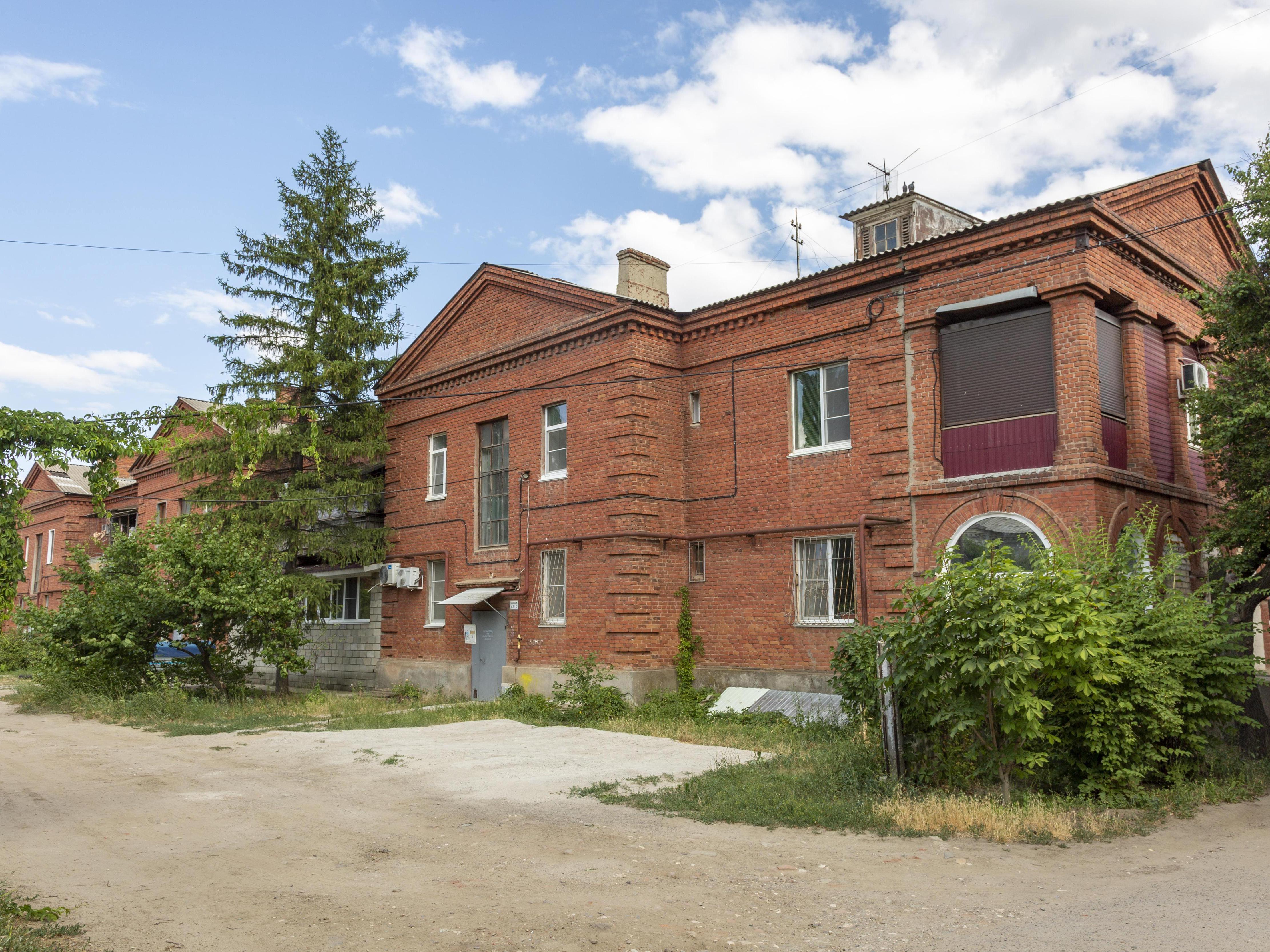
«The Nizhnie Barrikady settlement on the outskirts of Krasnooktyabrsky District in Volgograd is called a «corner of old Europe». Pre-revolutionary red two- and three-story cottages, over 100 years old, have been preserved there! A stone«s throw from the residential buildings is the Ludnikov Island memorial complex with the ruins of the director»s house of the Barrikady plant. And you can also stumble upon the ruins of a real brick castle… Except that tourists are not taken there now, and locals are not very welcoming to visitors. So don«t be surprised if you are asked: «Are you spies?»
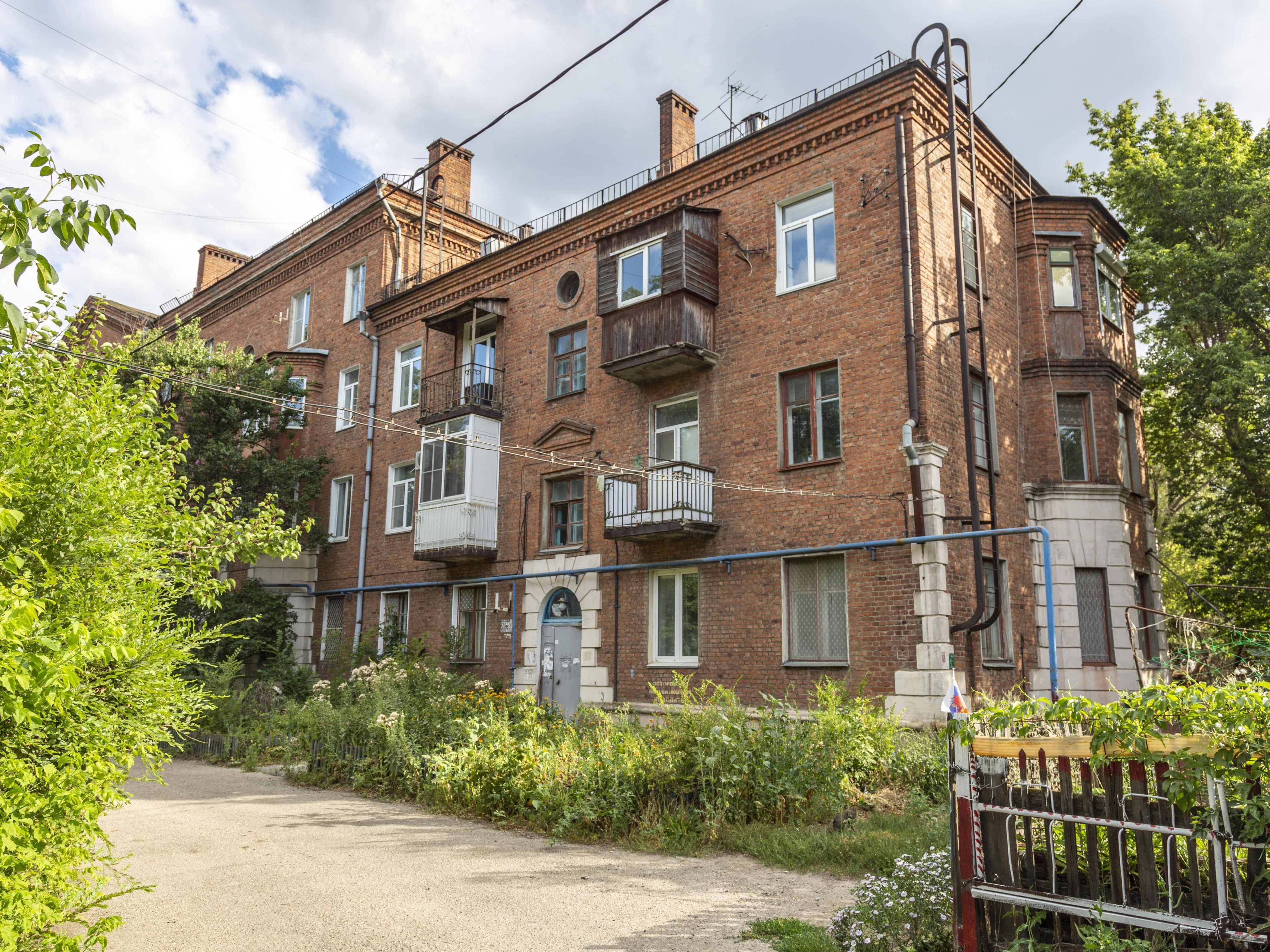
Houses that have survived so many upheavals…
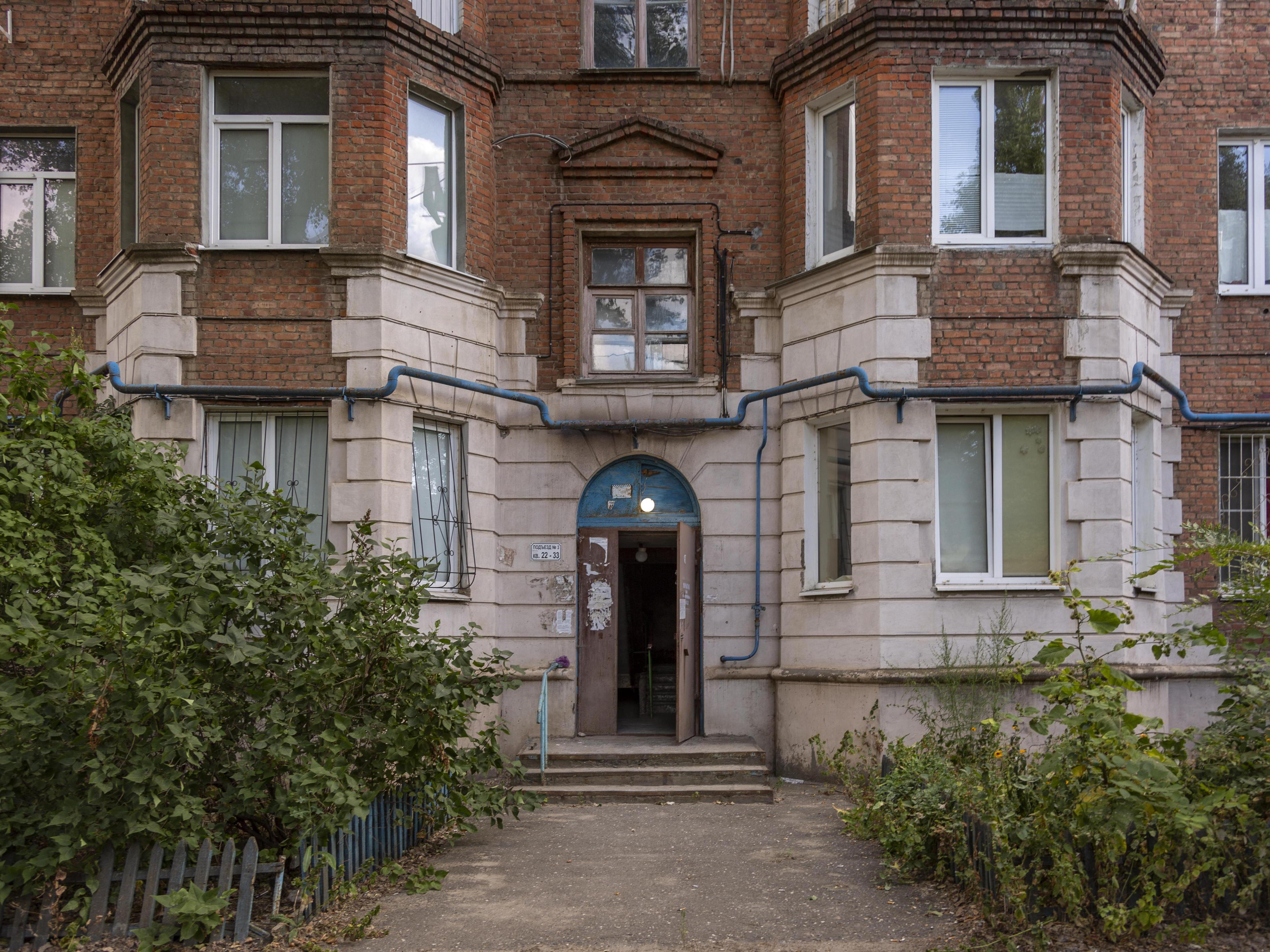
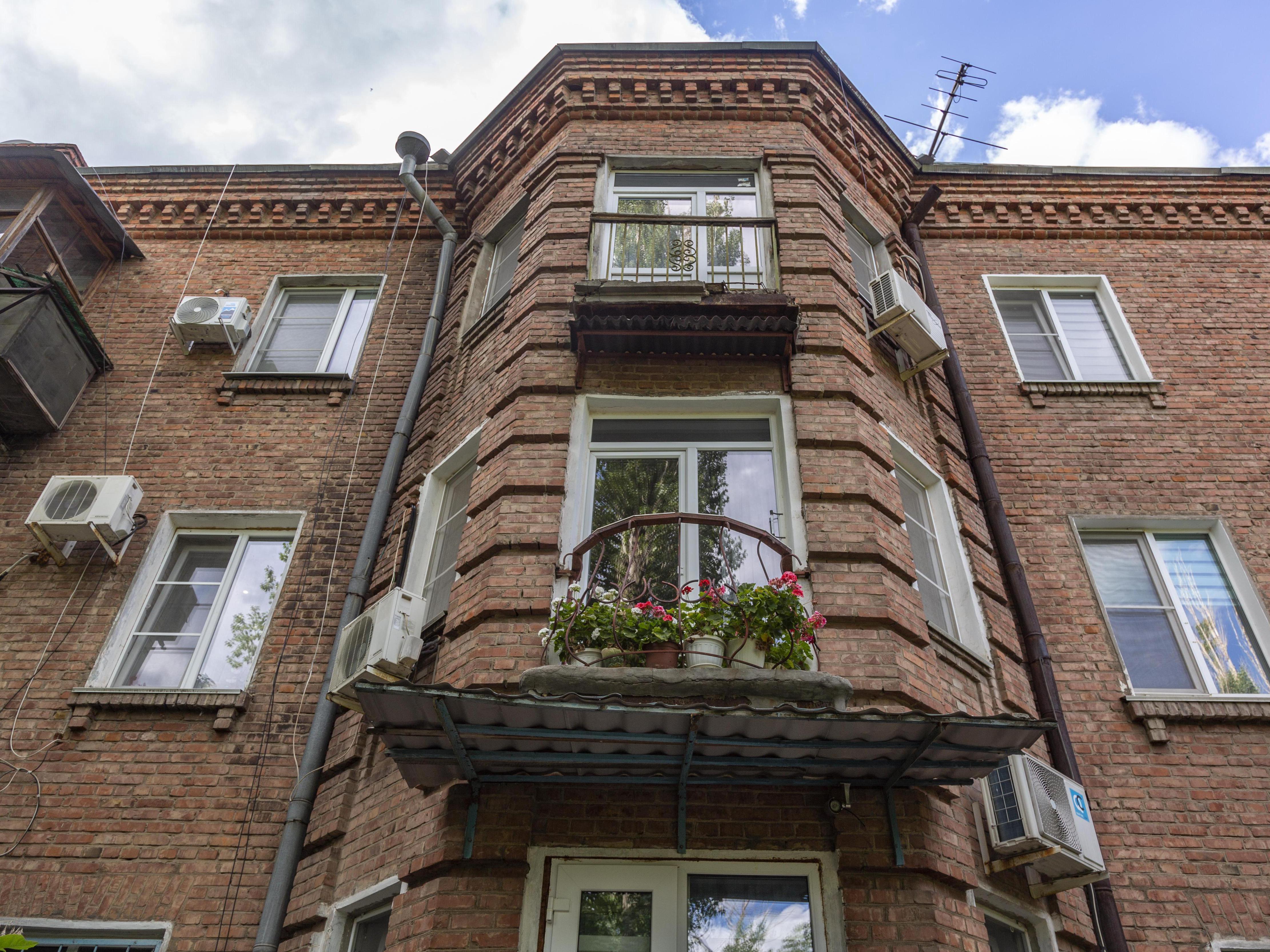
The residential buildings in Nizhnie Barrikady were built parallel to the construction of the Tsaritsyn Ordnance Plant in 1914. Skilled workers and plant management lived in two-story red brick houses. Why is the settlement called the «corner of Europe?» The contract for the construction of the plant and, accordingly, the houses, was concluded with the Russian Joint-Stock Company of Artillery Plants, and its partner was the English company Vickers. Here is what urbanist and channel author «Architectural Excesses» Pavel Gnilorybov wrote about this settlement:
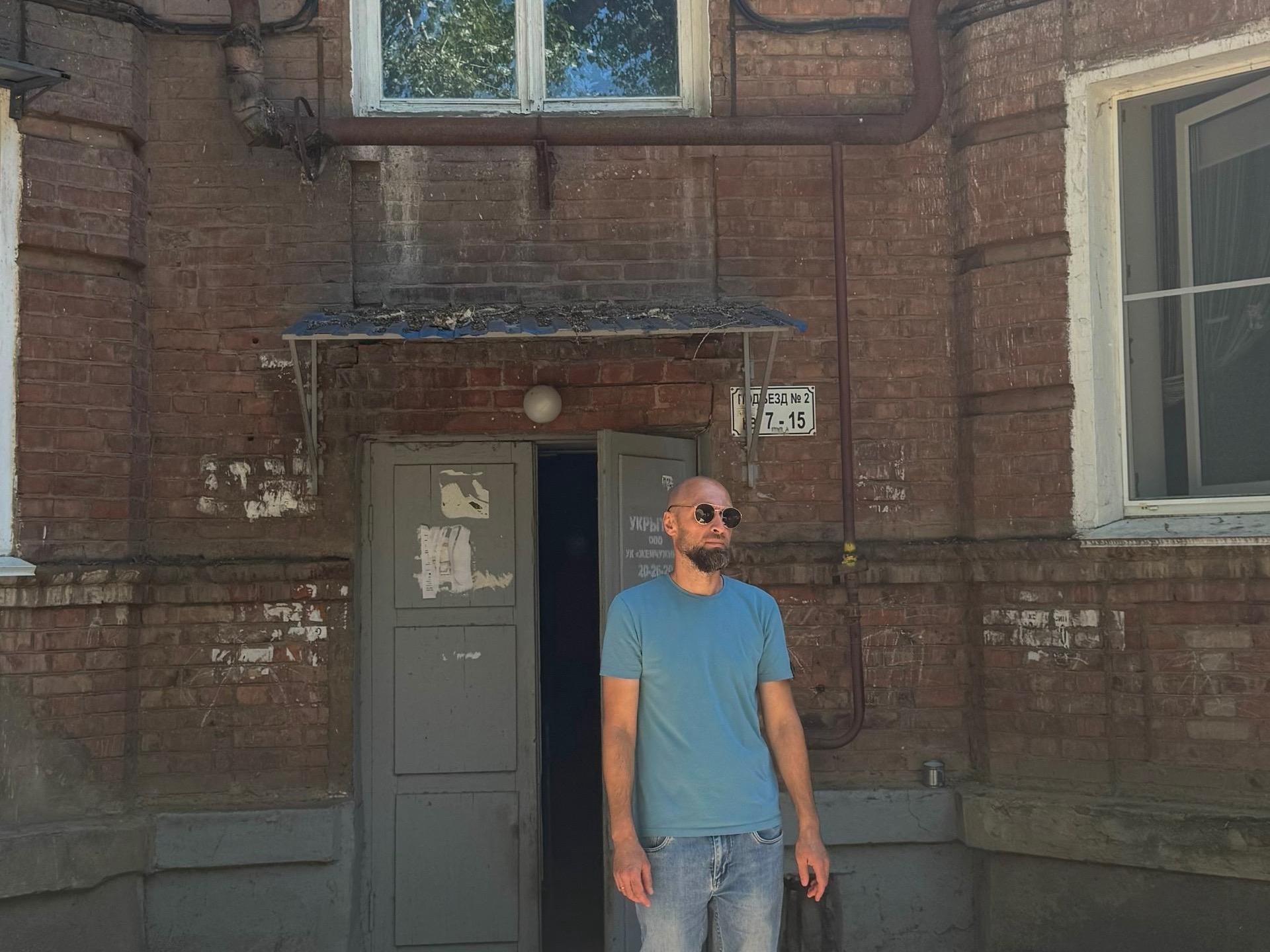
Anton has lived in his home on Pribaltiyskaya for 6 years
«In Volgograd, the Nizhnie Barrikady settlement is a must-visit. Here are the houses of the Tsaritsyn Ordnance (Gun) Plant — some built in the 1910s, others in the 30s and 40s. Many of the red brick buildings are over 100 years old. The atmosphere is striking — laundry is drying everywhere, with neat front gardens around the houses. It«s clear that residents maintain the area as best they can. You could easily shoot »Hercule Poirot« here — the cottages could easily pass for English. If the area were a bit more fortunate in terms of logistics, all these houses would have been bought up and renovated long ago.»
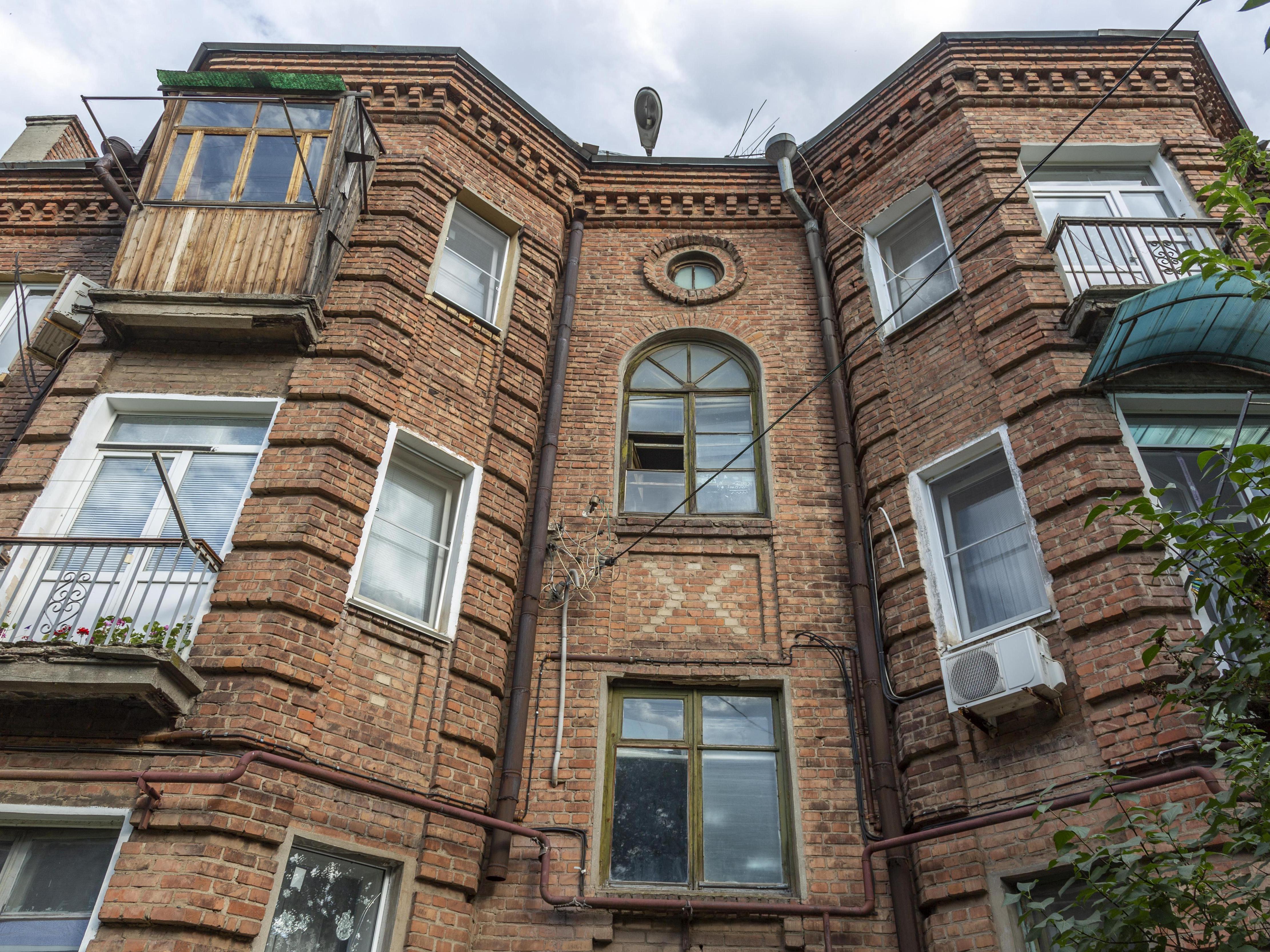
The first houses in the settlement appeared at the beginning of the 20th century
«See, we live in a remote pocket»
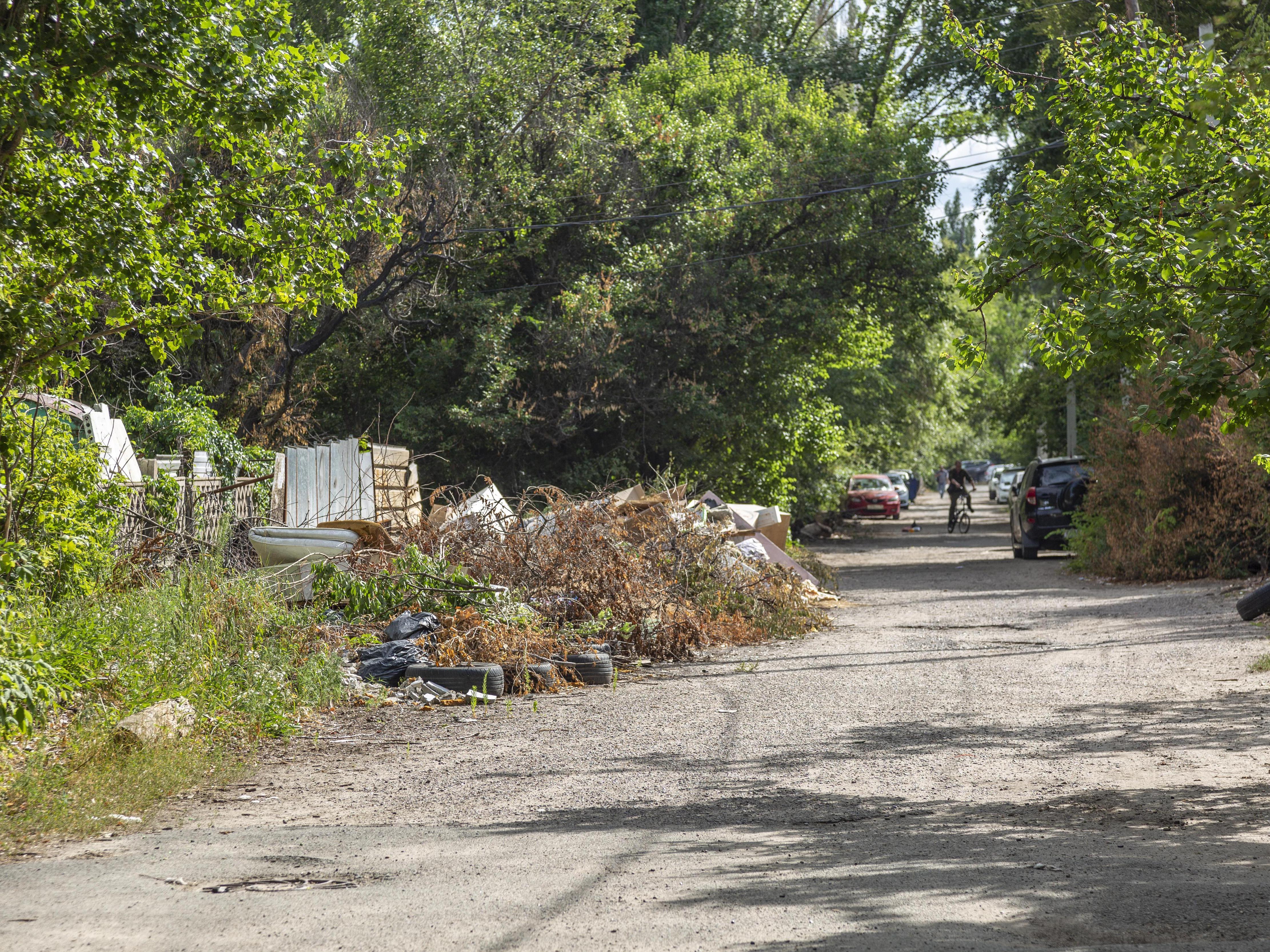
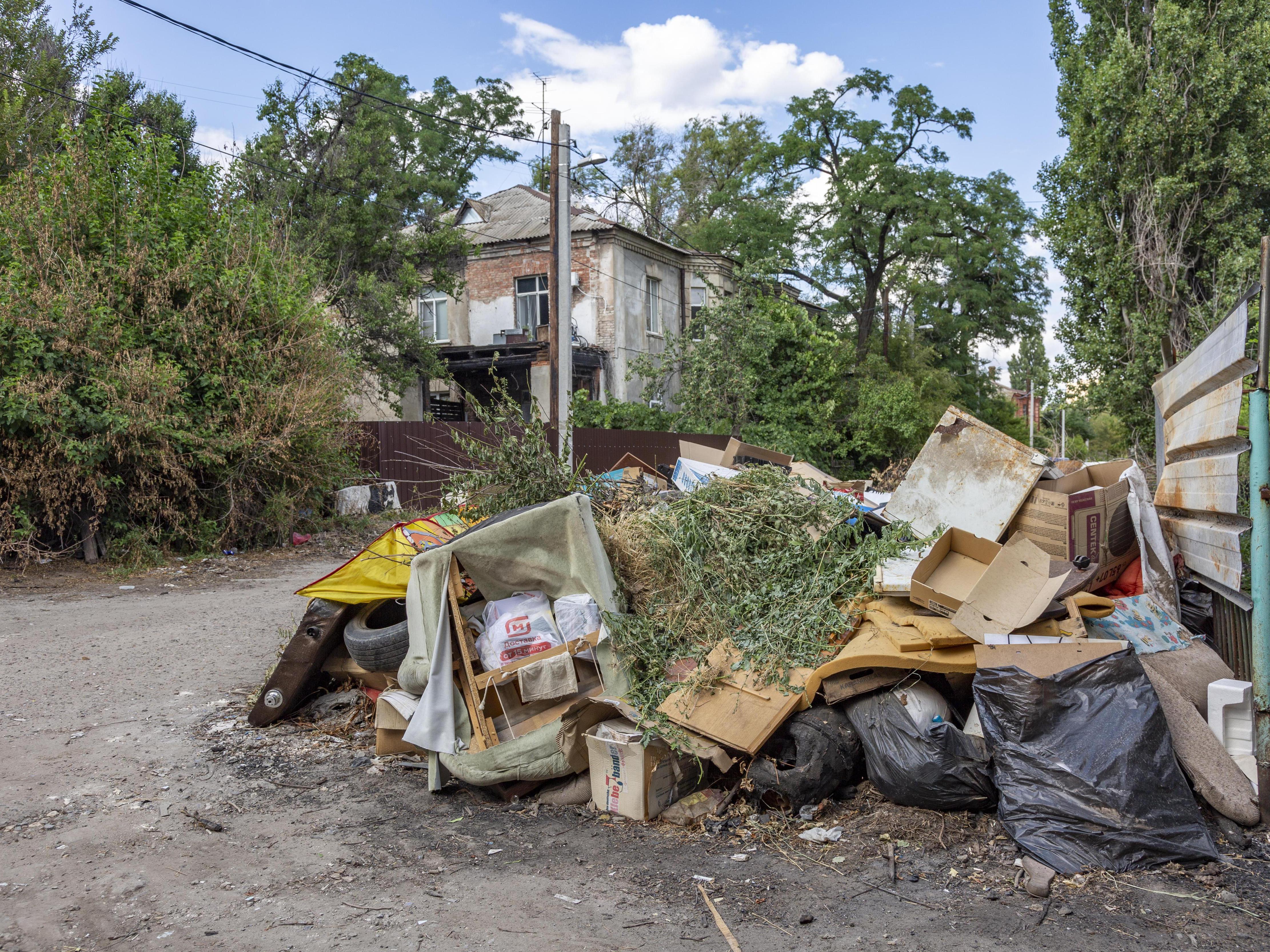
The dump, according to residents, has burned more than once
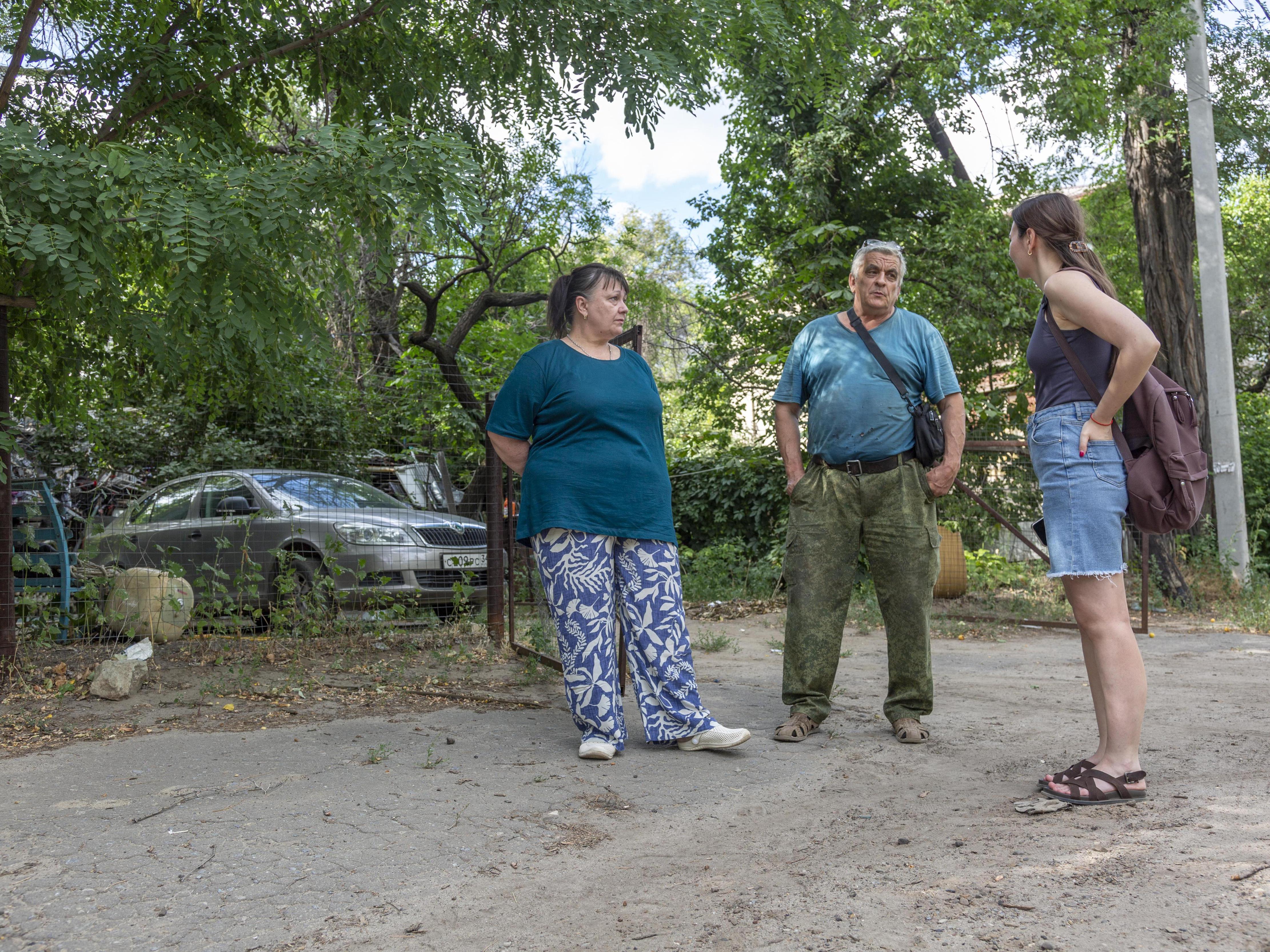
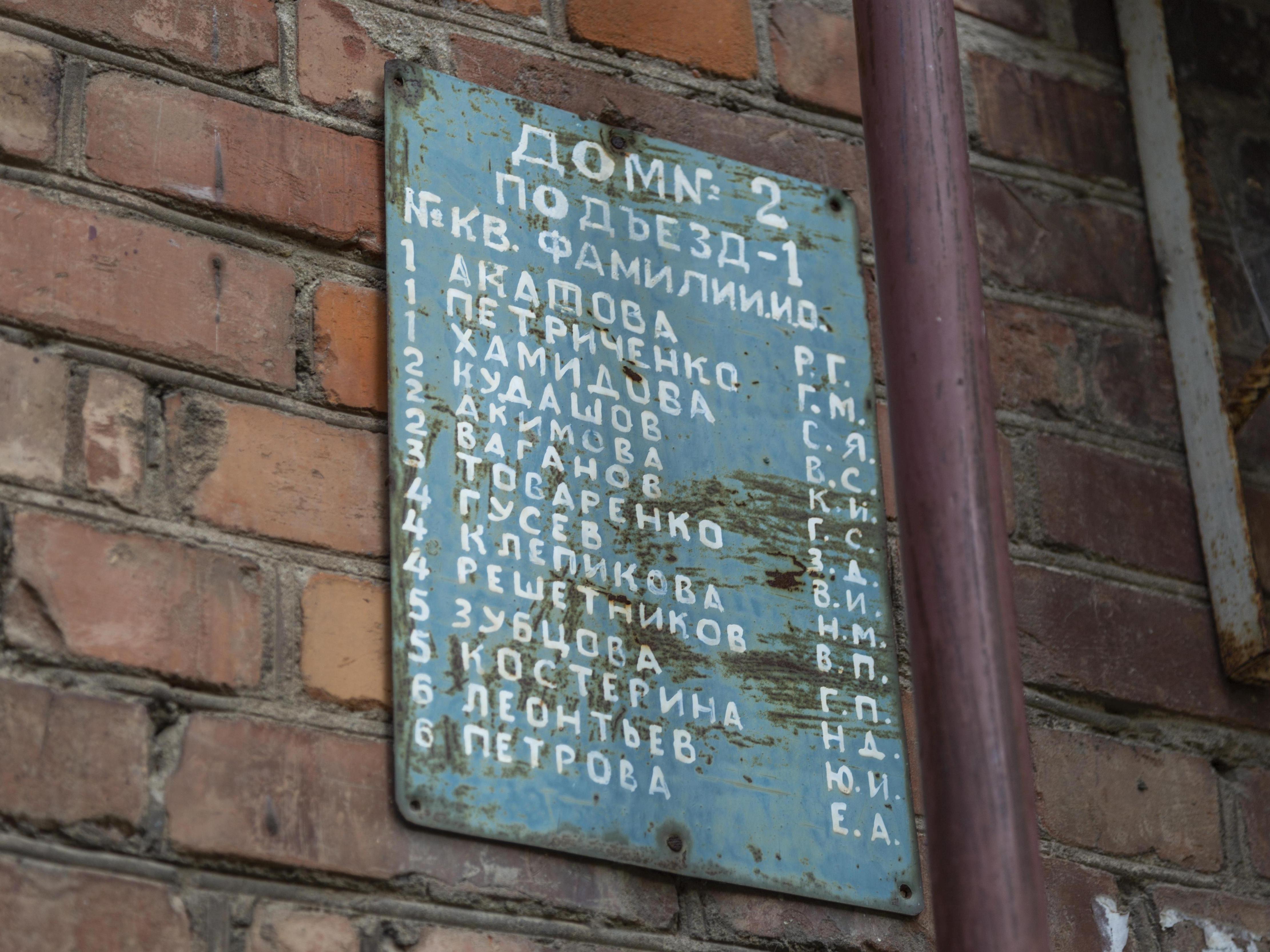
If you suddenly decide to visit Nizhnie Barrikady, know this: locals are not happy to see visitors. While I was waiting for my interviewee outside house No. 2 on Pribaltiyskaya Street and taking photos, a woman looked out of a window and watched me for several minutes.
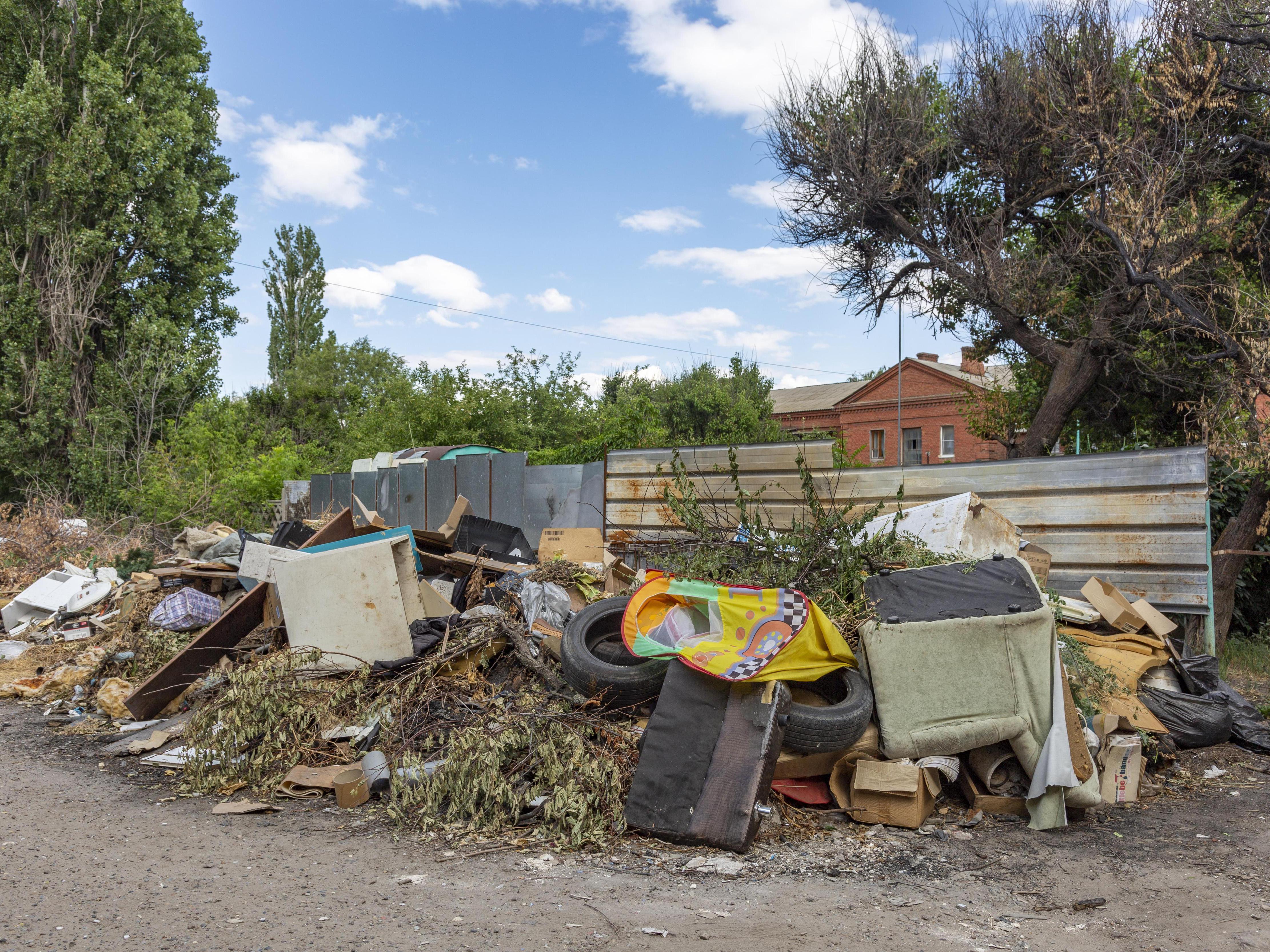
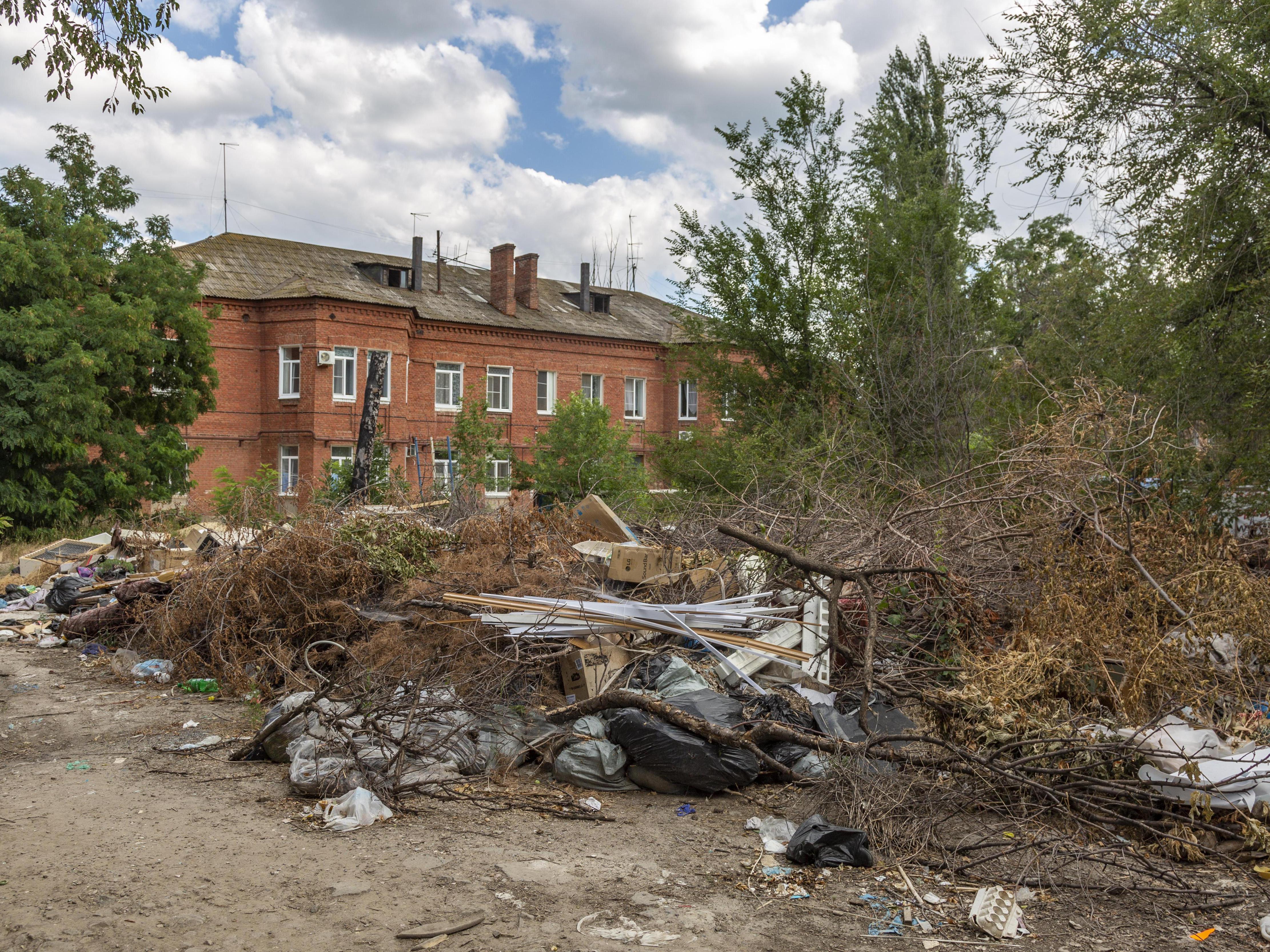
No one is in a hurry to clear the area of accumulated garbage
— «What are you filming?» she asked suspiciously.

Residents try to maintain order in the houses on their own
— «I«m photographing your beautiful houses,» the journalist replies.
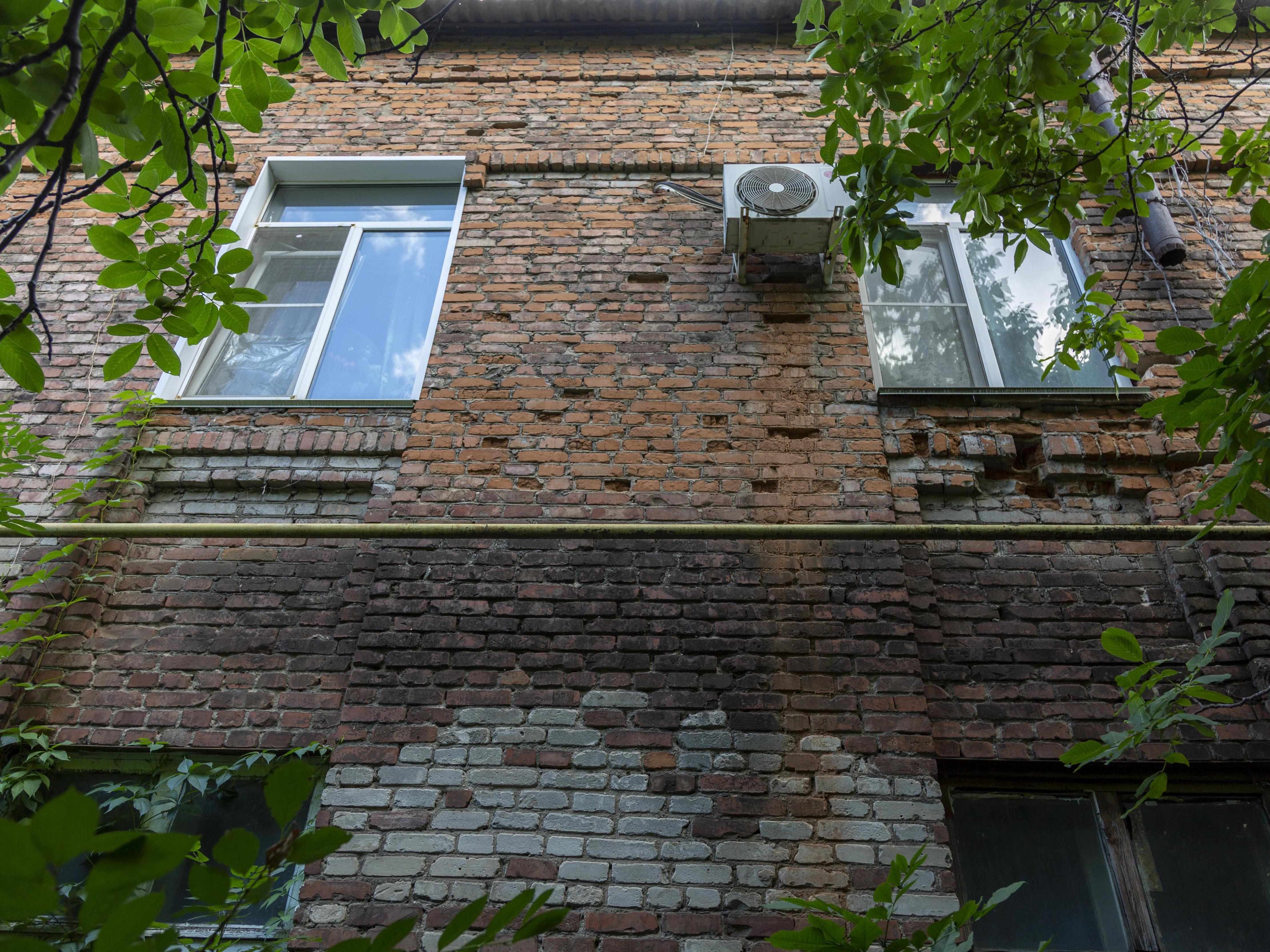
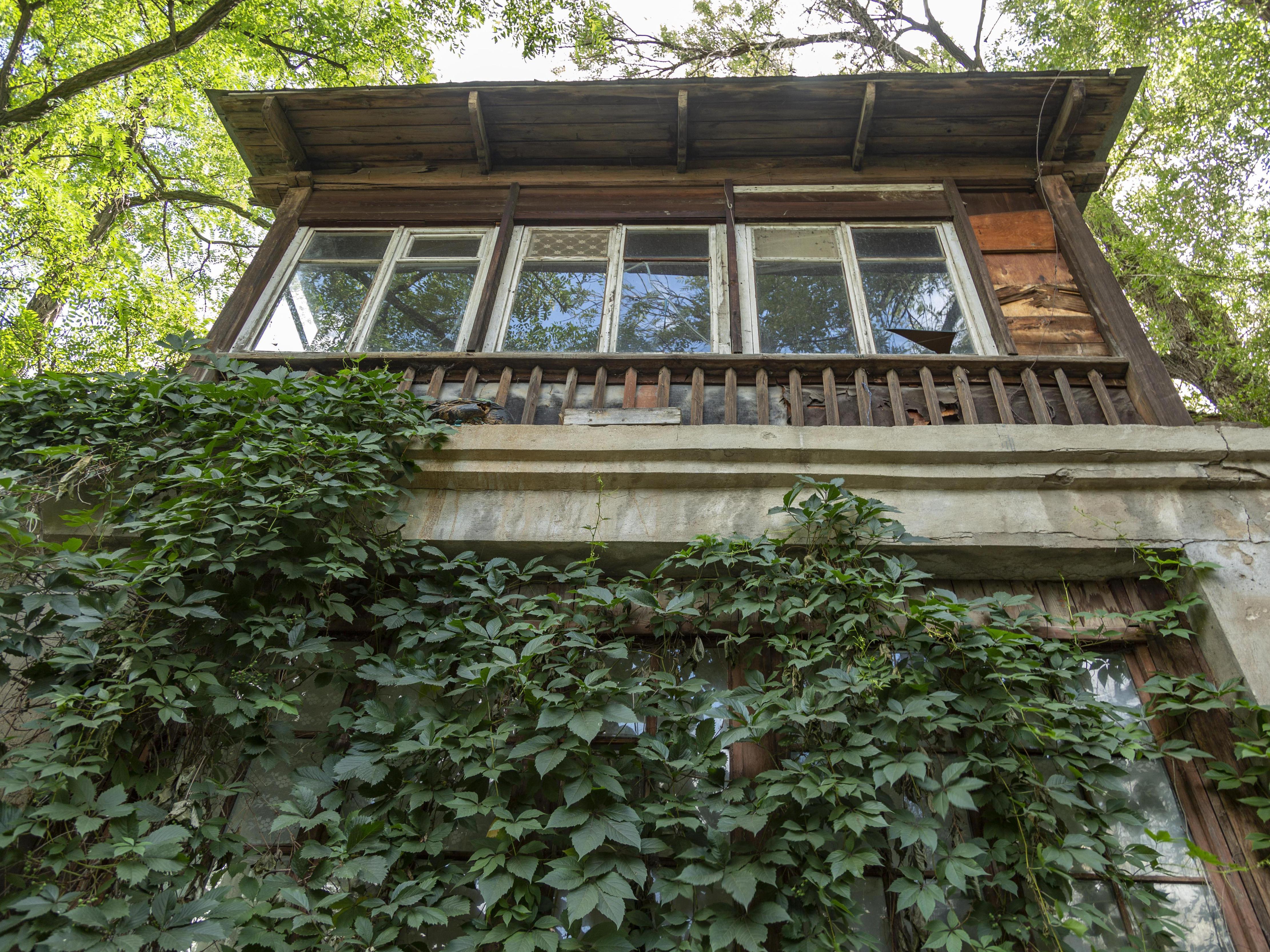
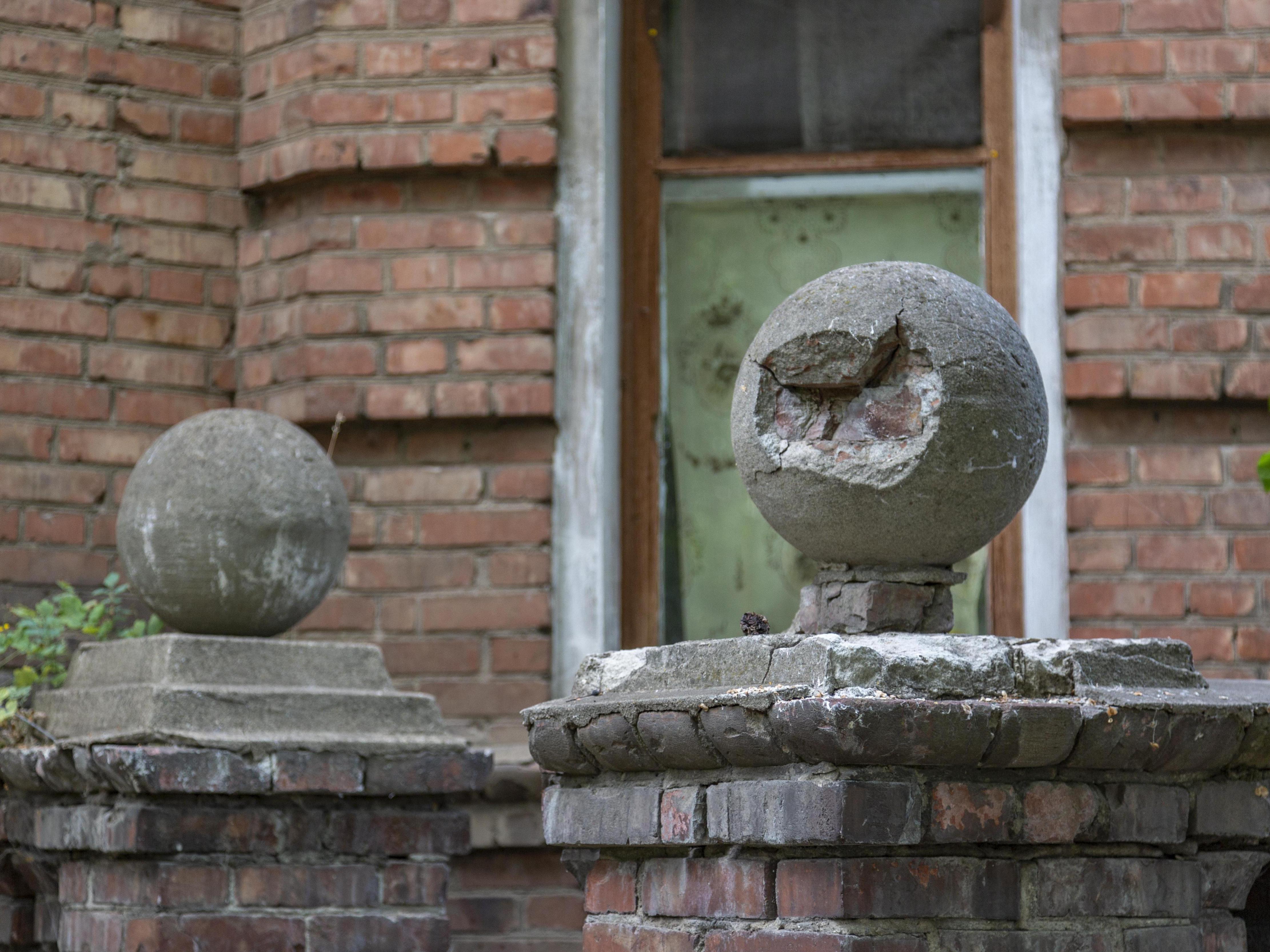
But some clearly need repairs
— «Beautiful houses… Yes.»
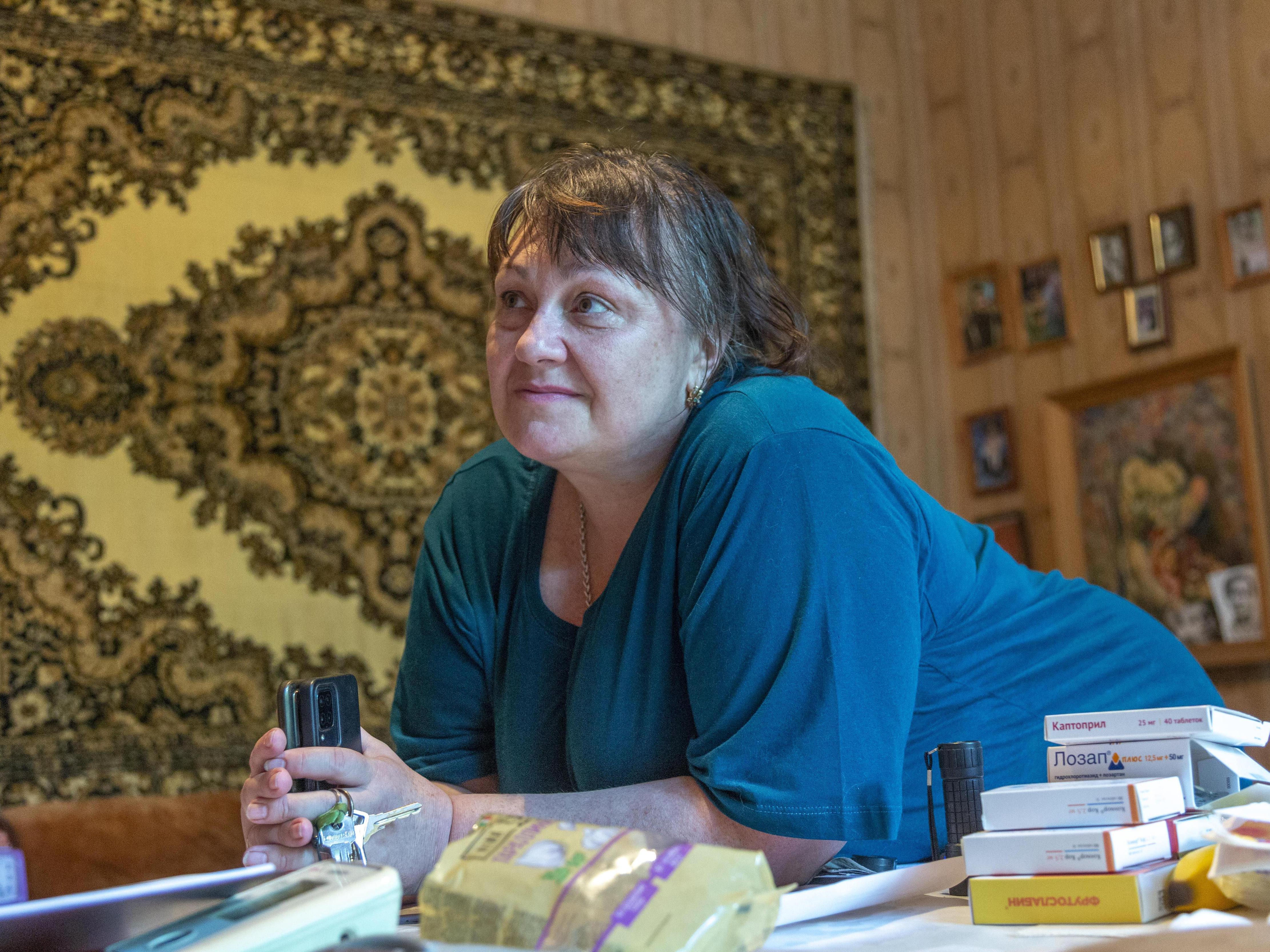
Elena insists she never thought of moving to more modern and comfortable housing
— «What, don«t you like them? Complain, what problems do you have?»
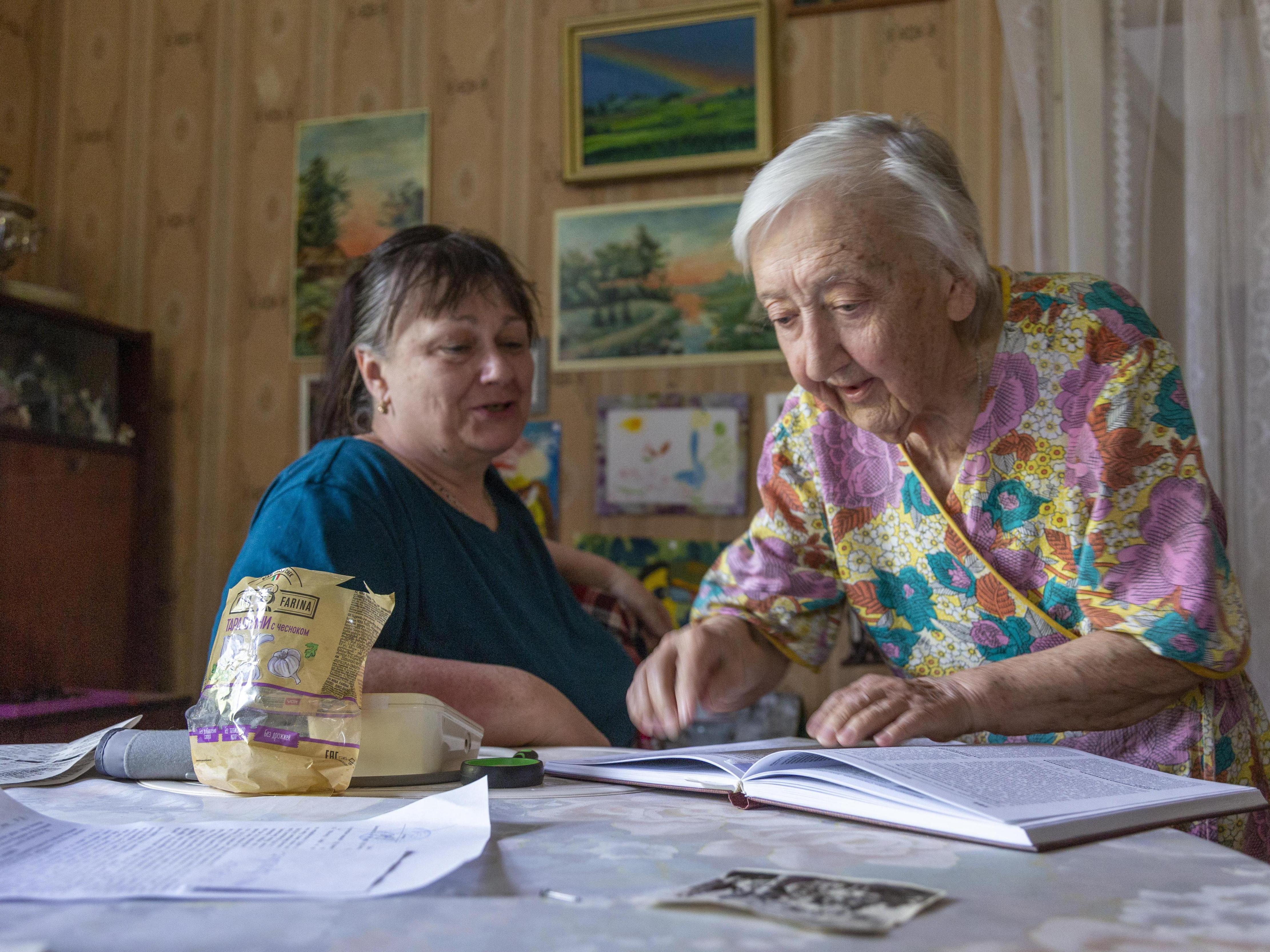
Lidiya Mikhailovna worked at the Barrikady plant for about 30 years
— «All kinds. I don«t want to complain.»
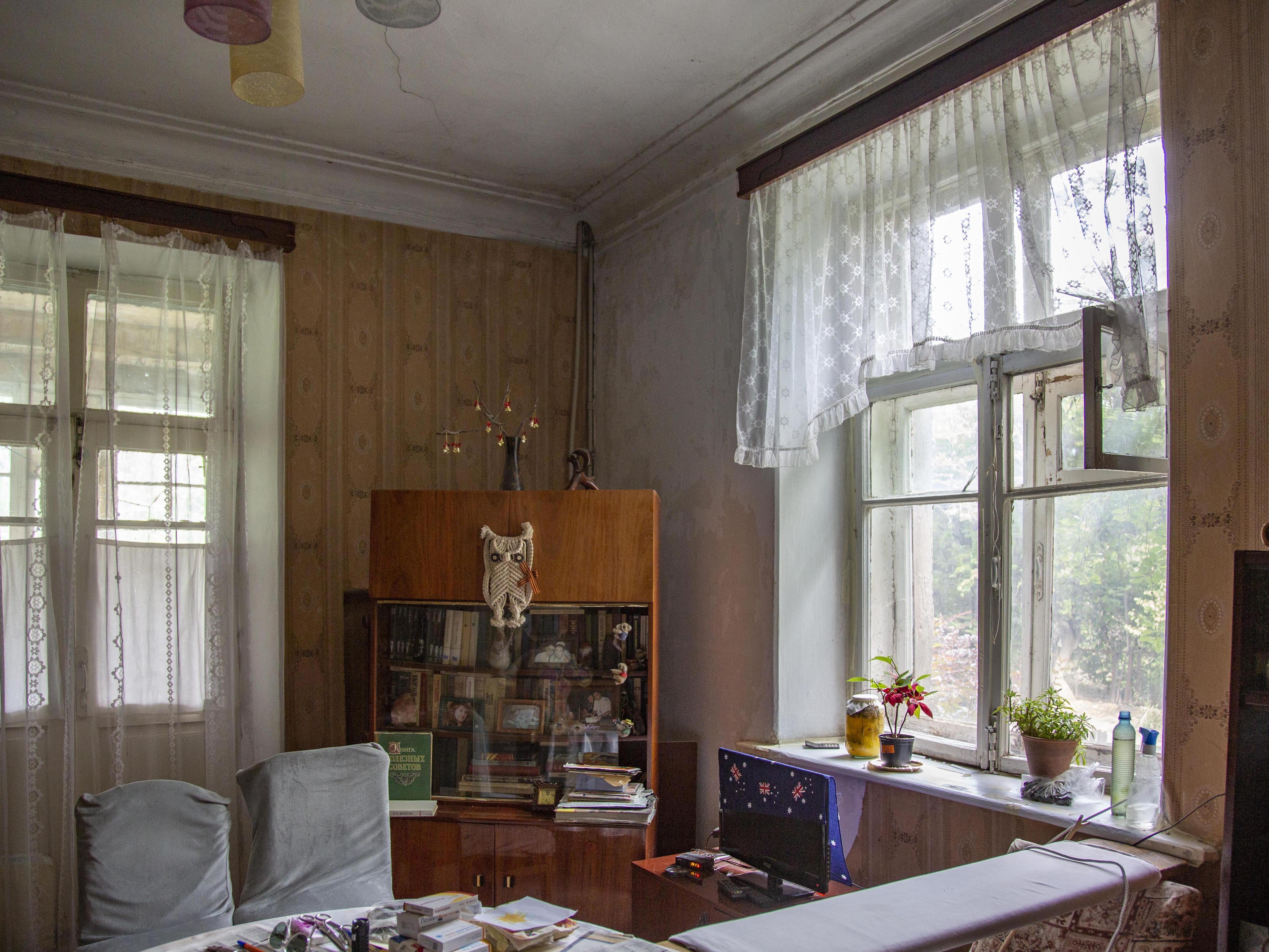
She has lived in this apartment since 1947
— «As I understand, not everyone here is friendly?» I ask Anton.
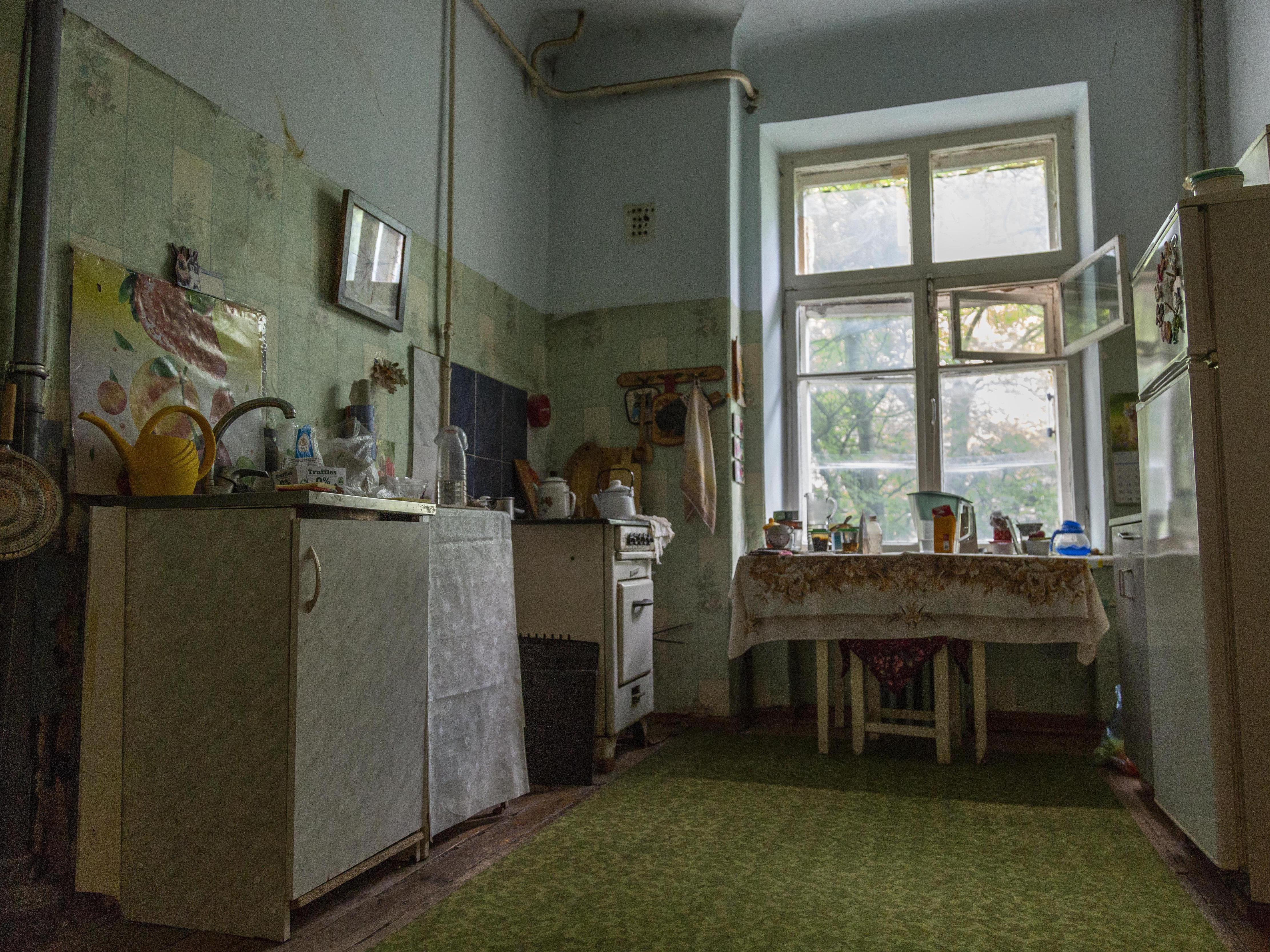
The grandmother has to share the old kitchen with a neighbor
— «Different… Well, they are afraid. A drone already hit a house,» the man replies.
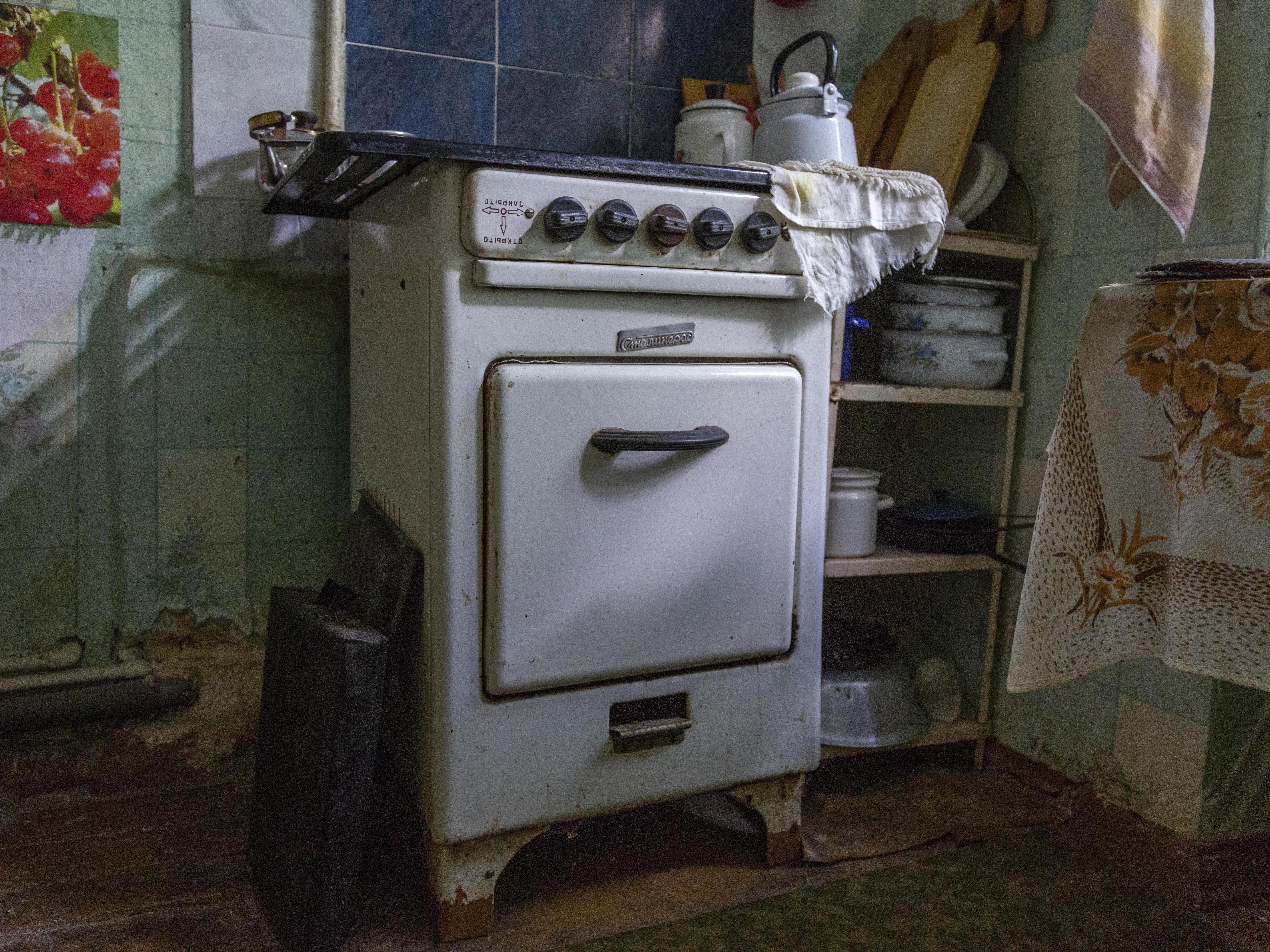
Gas stove «Stalingrad». They don«t make these anymore
Anton has lived in house No. 2 on Pribaltiyskaya Street since 2020. He moved here with his wife from Moscow Oblast, bought a two-room apartment, and admits he doesn«t regret anything. Although there are plenty of problems.
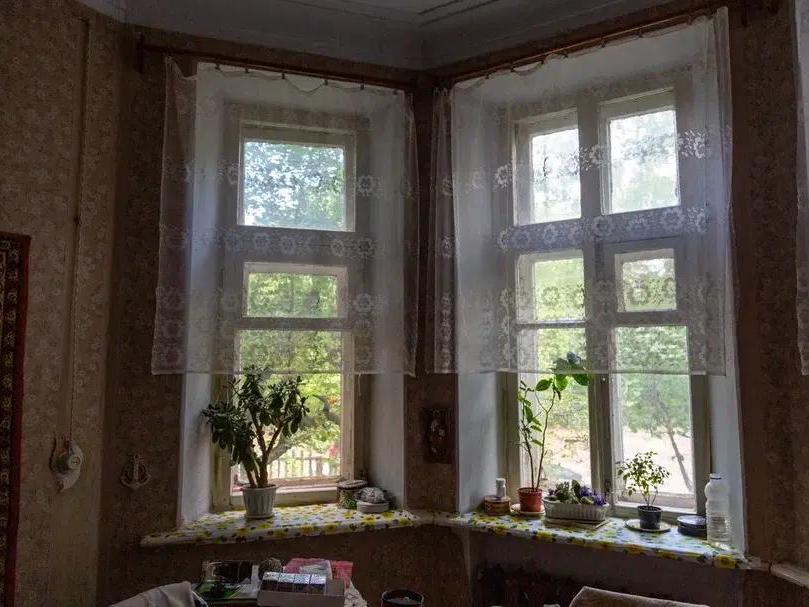
Old, simple, but so cozy
— «We lived in the Moscow suburbs for about 20 years. My parents got sick, my wife and I decided to move to be closer to them. We were choosing a house in Krasnooktyabrsky District, first wanted to be on Kuznetsova Street, but it«s very noisy there, constant traffic. But we liked it here,» Anton recounts. «The apartment was fully finished, just move in and live. We heard that this settlement used to be criminal, but now it»s quiet. True, the mentality is peculiar. Lots of drunkards and idlers, many marginalized people. But there are also many good people.»
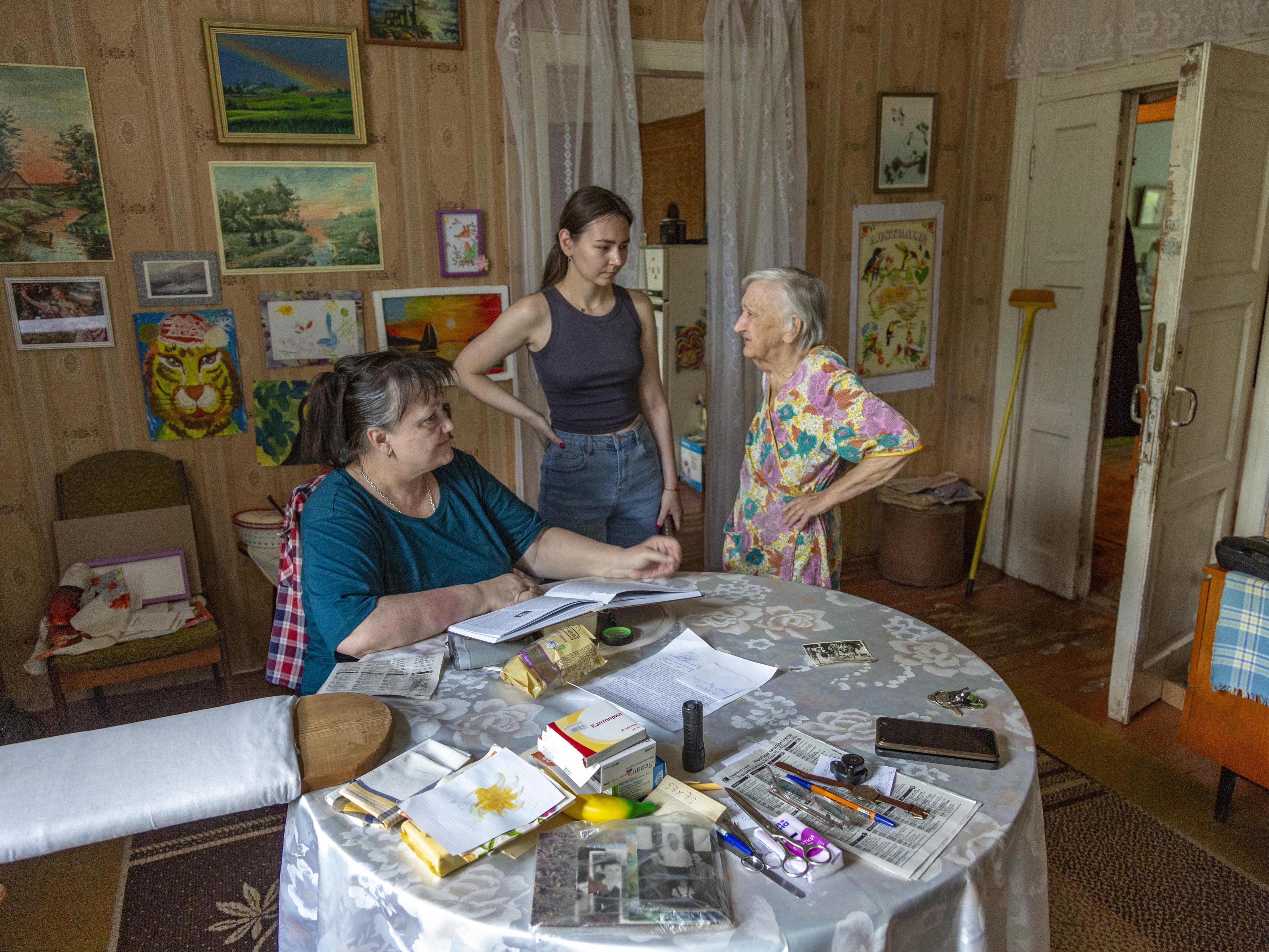
The grandmother admits that neighbor Elena once saved her and kept her fed
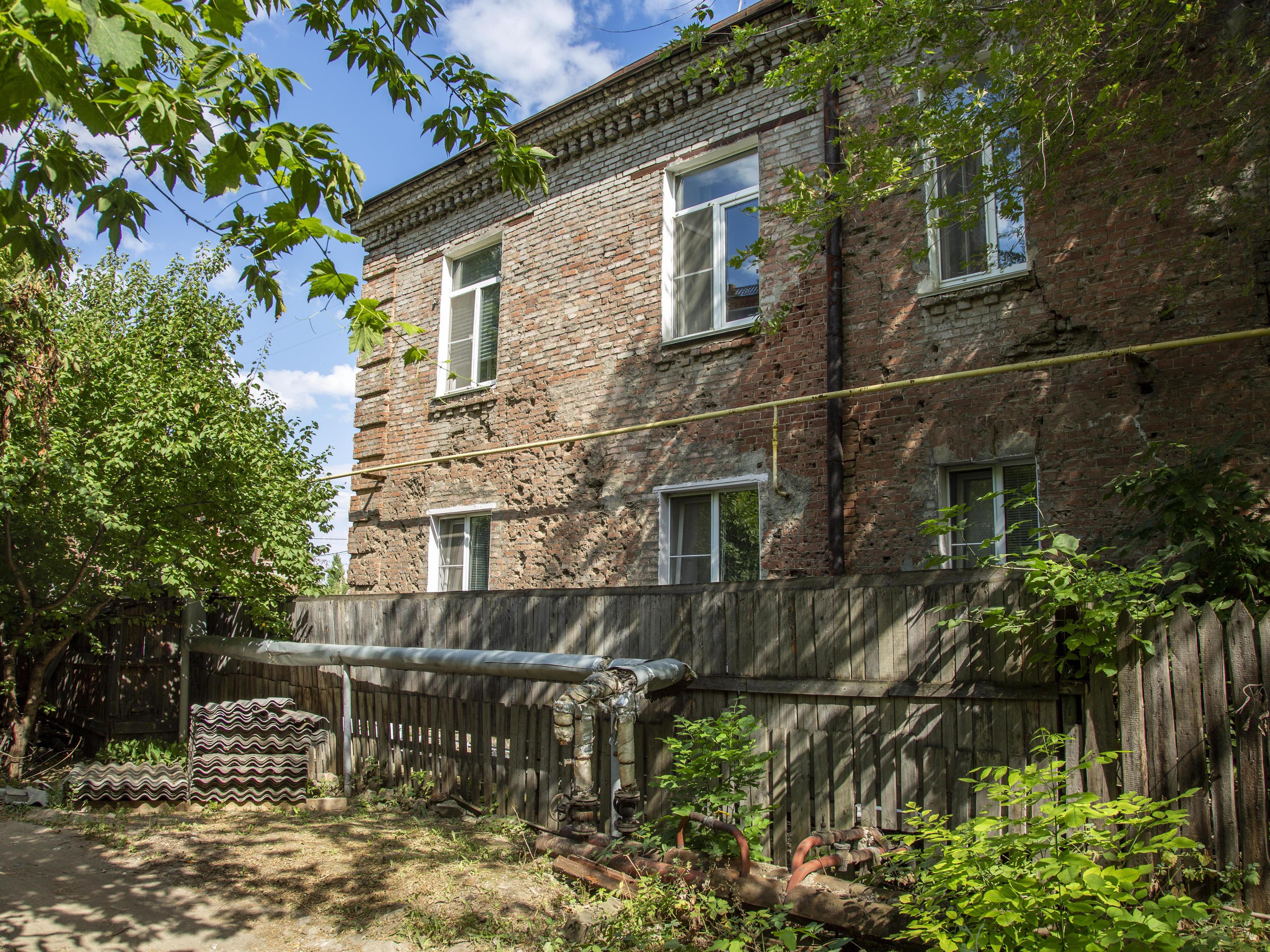
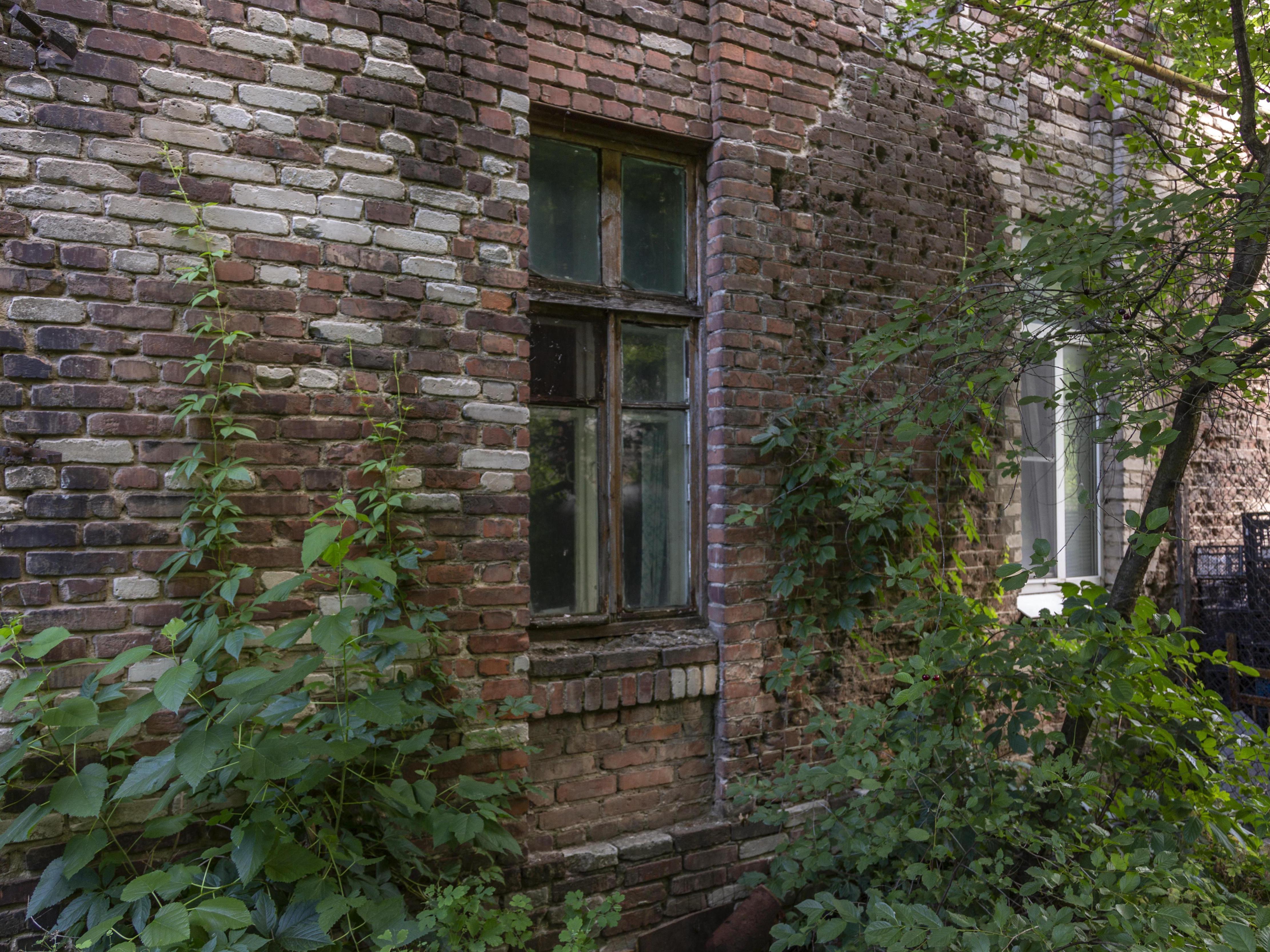
Anton gave us a short tour of the settlement. And as we walked toward houses with marks and pockmarks from shells from the Battle of Stalingrad, «picturesque» views opened before us: giant garbage dumps, overgrown playgrounds, withered trees, burned container sites, and broken roads…
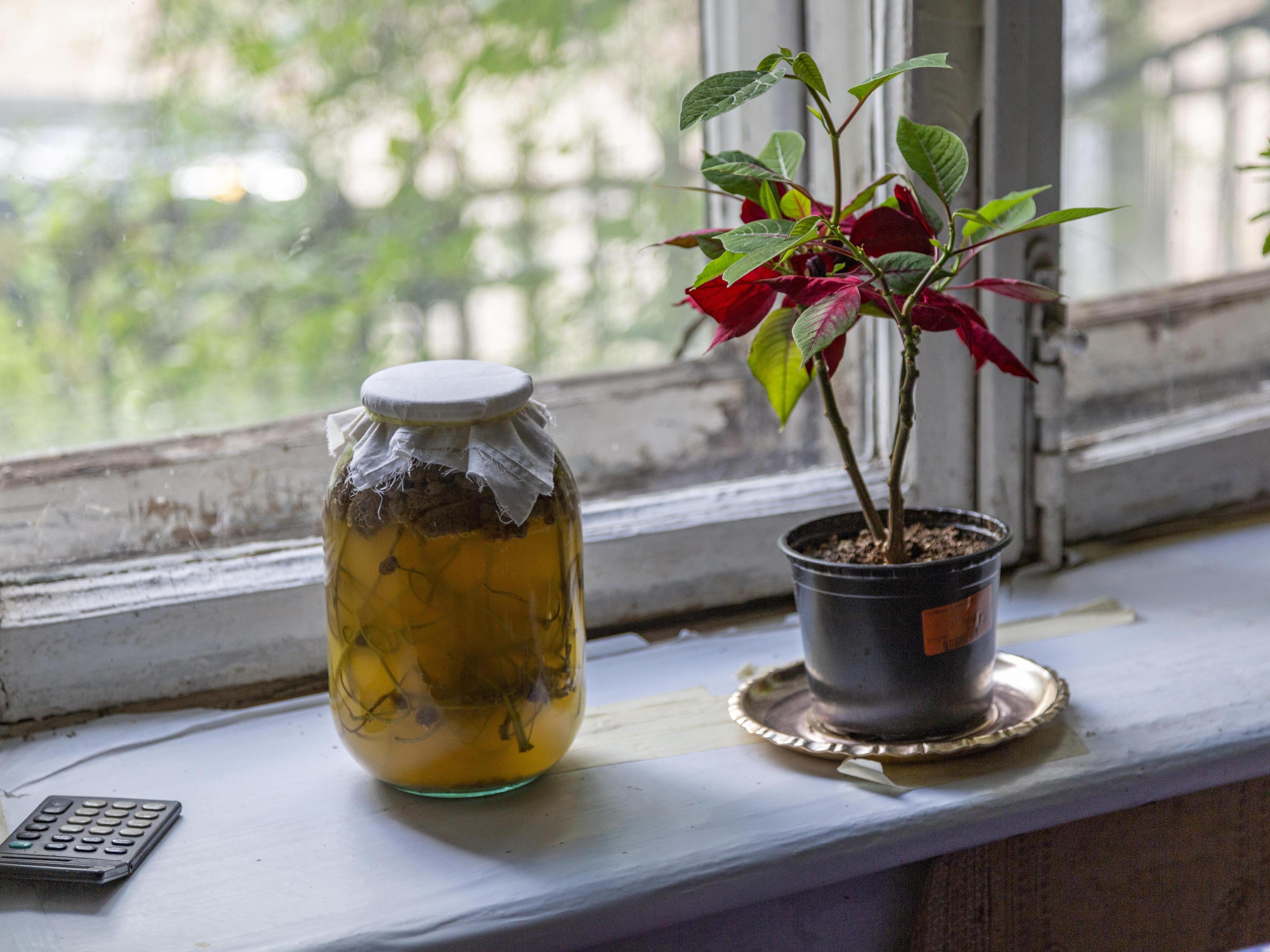
Homemade kvass according to Lidiya Mikhailovna«s special recipe
— «We have one big problem — housing services and management company. No one wants to do anything, but they send bills for roof repairs even though our roofs leak, for mowing grass that is waist-high in places, for foundation maintenance. Before that, the basement was flooded with sewage. There were fleas. A cleaner comes about twice a year,» says Anton. «Heating is fine, warm in winter. We initiated the installation of communal meters, the payment became lower, though it was astronomical before. The total utility bill comes to about 13,000 rubles (about $144 at current rates). I don«t know how the old ladies here manage.»
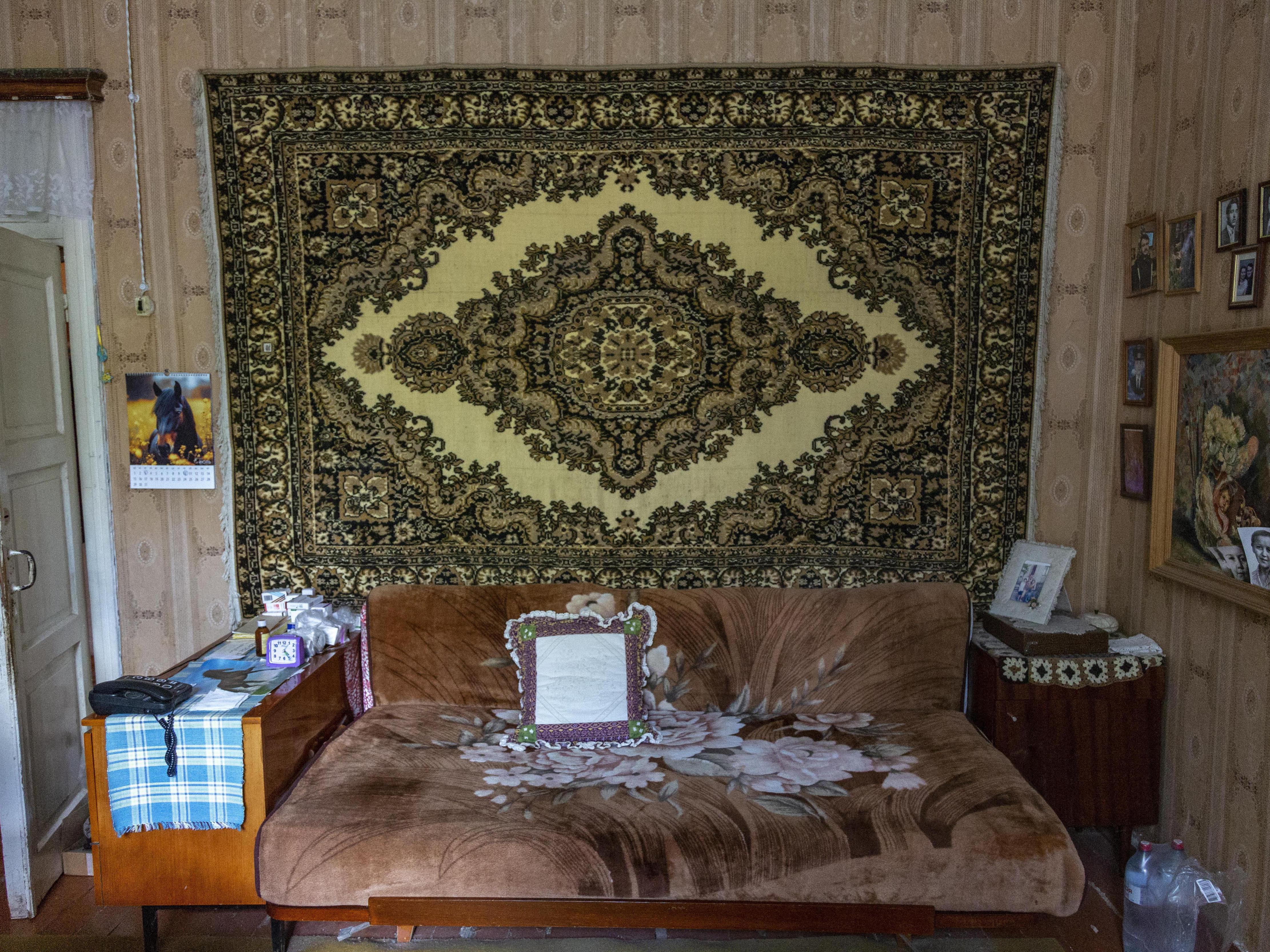
Another main attribute of the Soviet era — a grandmother«s carpet on the wall
Another problem, according to Anton, is public transport. Only one minibus runs to the settlement, but as residents say, «at the driver«s discretion.» Living here without a car is difficult. Despite this, the man admits he has no plans to leave. And he doesn»t want to.
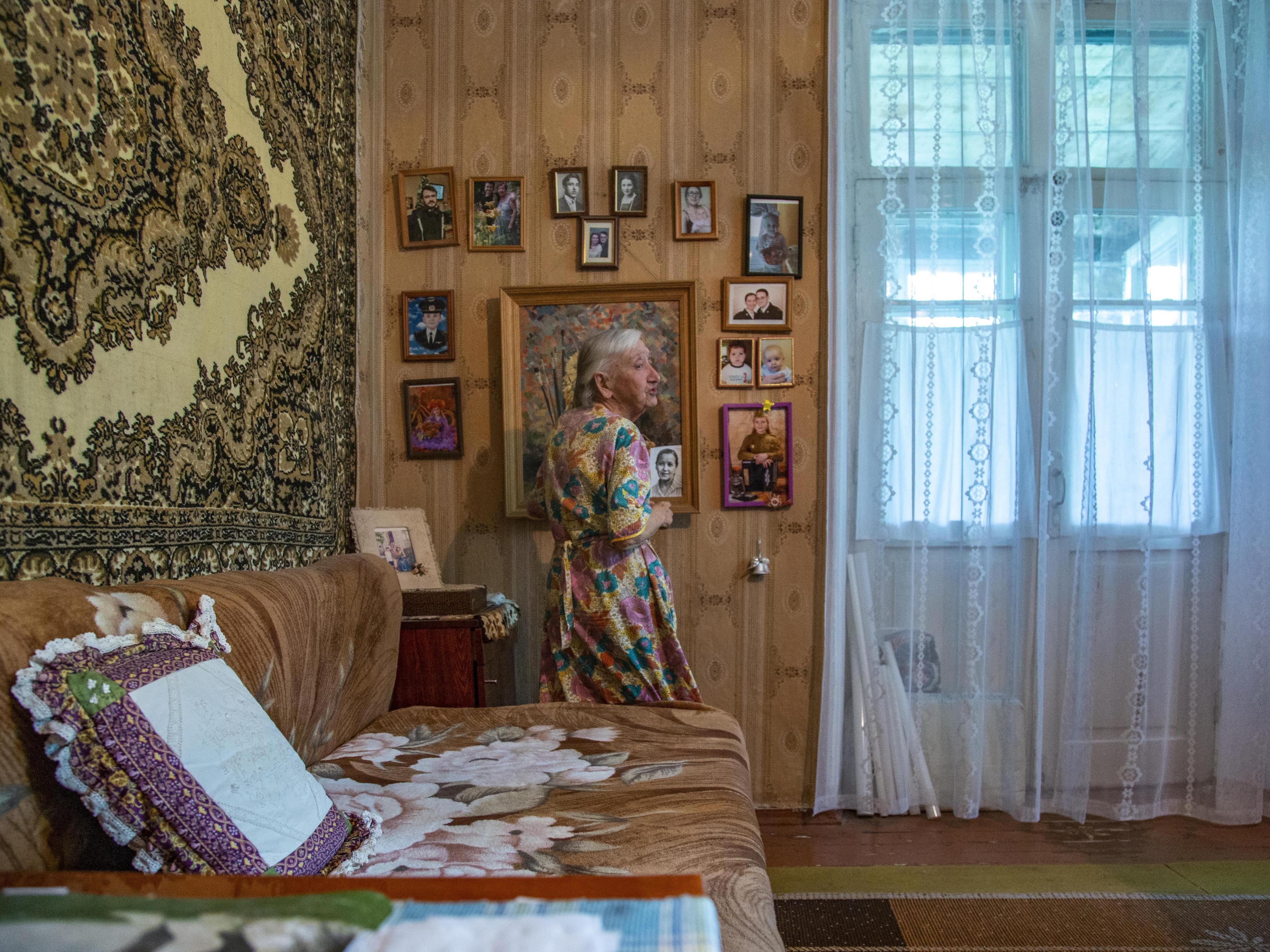
Once a large family lived in this house
— «In Moscow the pace of life is crazy. In Volgograd it«s calmer, there»s nature. My wife was born in Gelendzhik (a resort city on the Black Sea). She came here, heard the turtle doves, and that was it... Although I warned her that there are factories nearby. Well, she doesn«t regret it,» says the man. «What»s nice — the Volga is close, we go swimming. Ludnikov Island, monuments — history at every step. See, we live in such a remote pocket.»
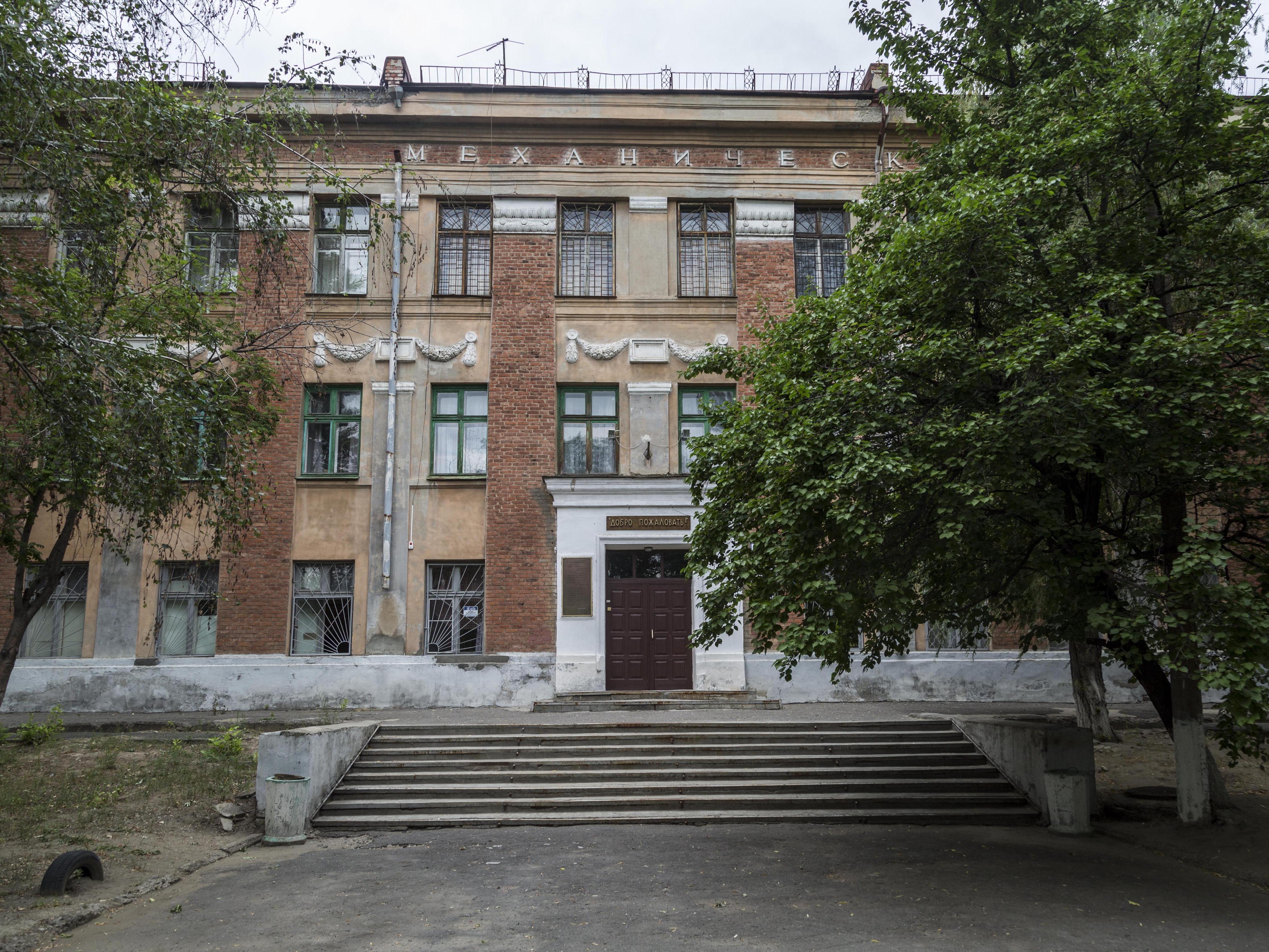
The huge building stands empty but is under guard
— «Doesn«t that bother you?»
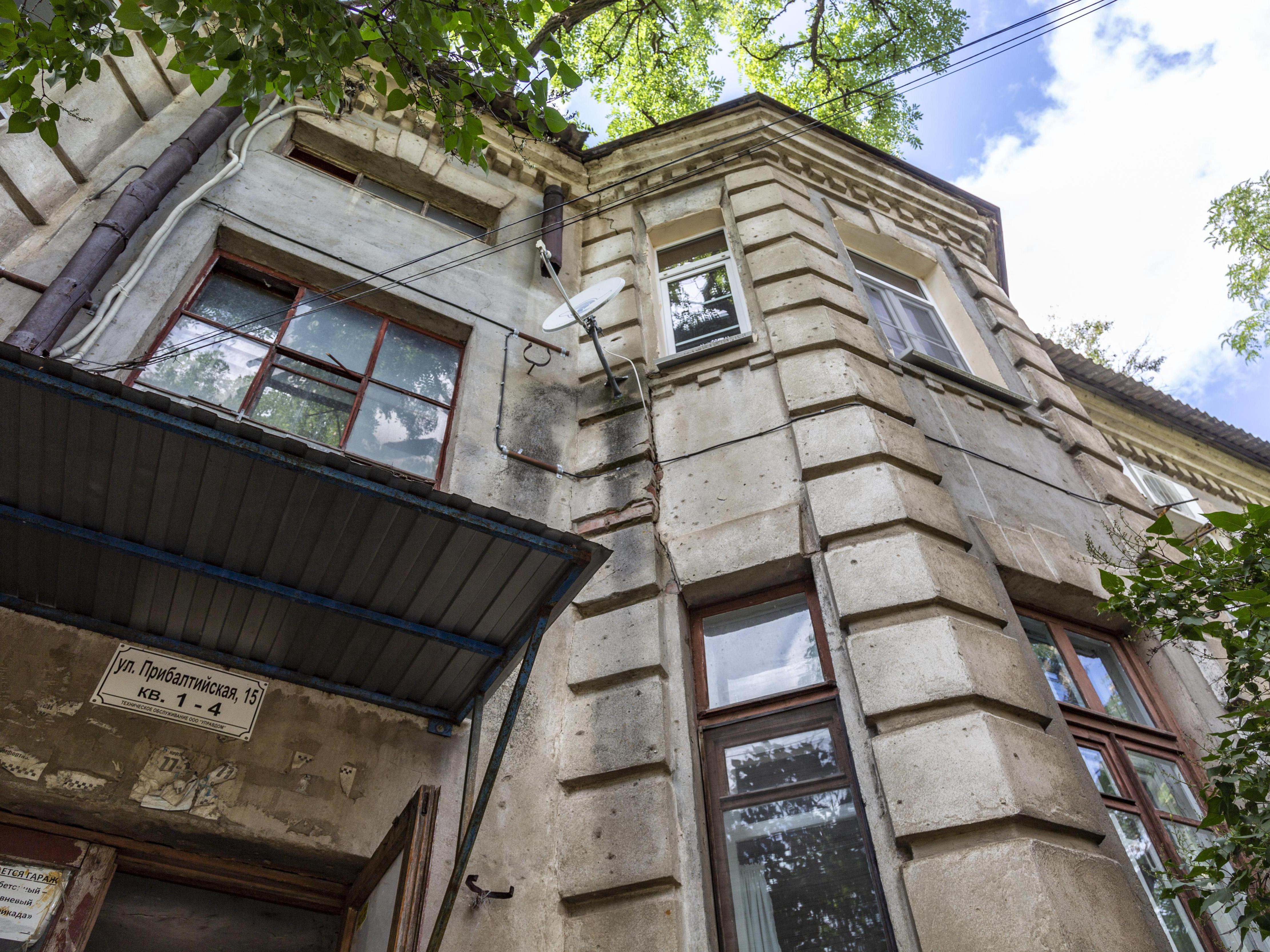
— «No, quite the opposite. It«s a good place, quiet. There»s no hustle and bustle that gets tiresome. Tourists come, of course, but mainly before holidays. There are enough locals... Right behind the monuments people engage in indecencies,» the man confesses. «We love our home. But we wish these houses were protected by the state as some sort of historical value.»
«We have the feeling that they carefully want to throw us out»
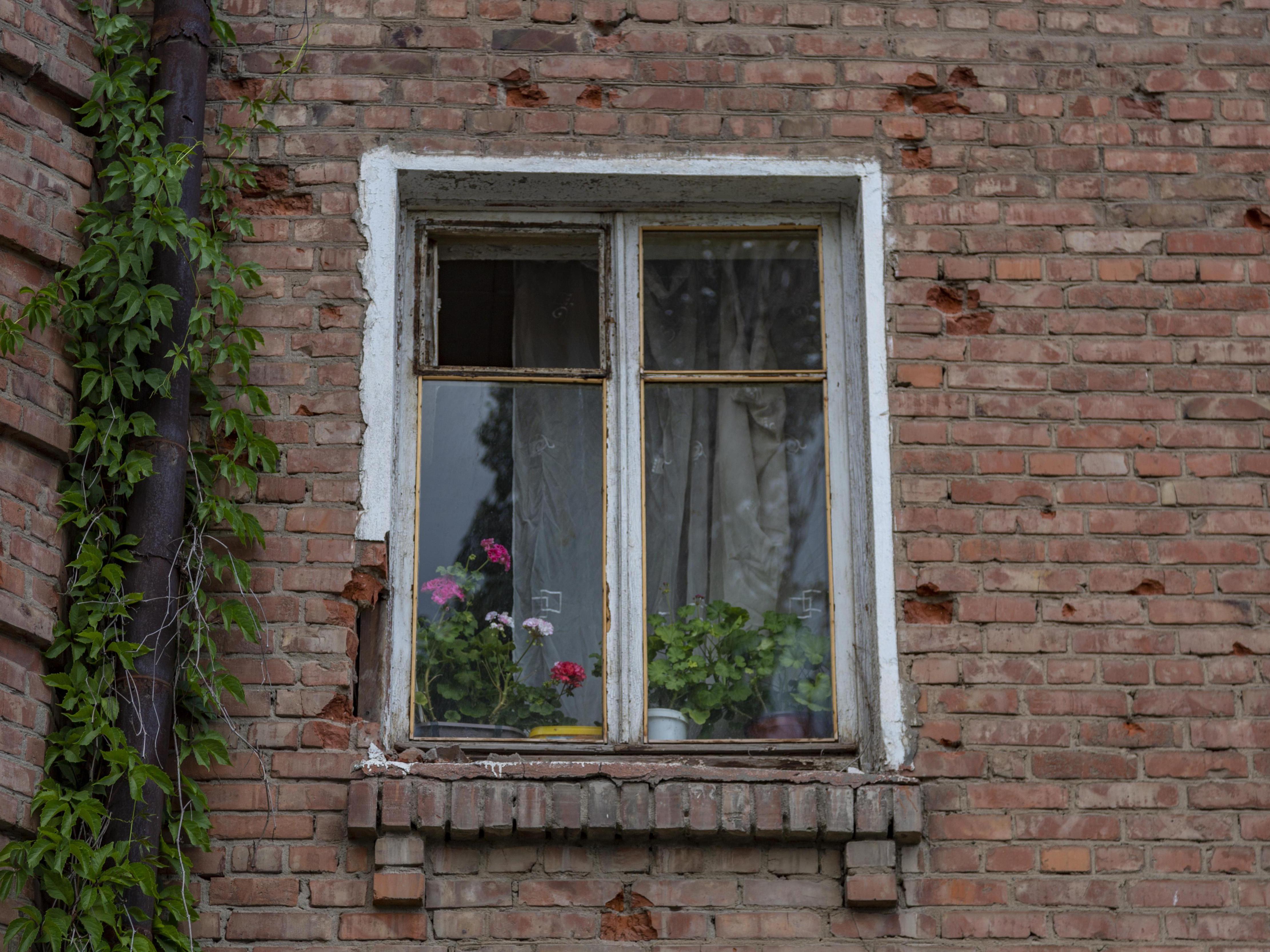
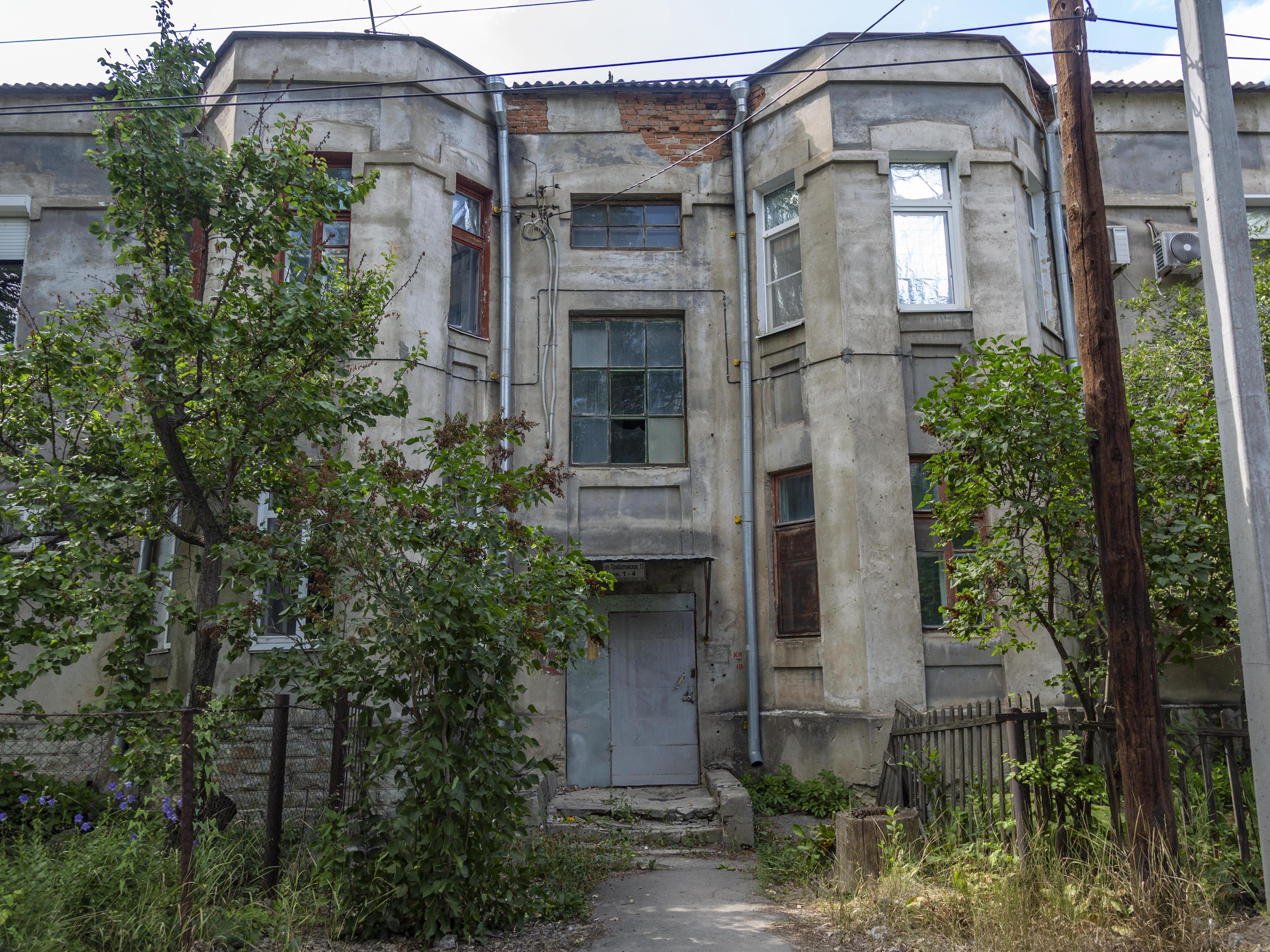
In the house with shell marks — at 13 Pribaltiyskaya Street — Elena has lived since 1966. Once her parents and grandfather, who worked as a shop chief at Barrikady, lived in this apartment. According to the woman, the documents say this house was built in 1911.
Elena recalls: in her childhood the stove was already gone, but a chimney remained where residents found shells.
— «Old houses, nobody needs them. One moment we«re an architectural monument, the next we»re not. Our status keeps changing endlessly,» says Elena. «Everything decent here is all done by residents« hands, whoever has the strength. There used to be a poplar tree that caught fire from a garbage dump fire; we cut it down. There»s a dump I«m always fighting. Our roof is full of holes. Patches appeared only after we pestered the management company. The workers last time said: »Well, what do you want? Everything has its lifespan. We patch a hole, but we break more.«»
— «Would you like to move away from here?»
— «I would not.»
— «Why?»
— «Because it«s my home, I was born here, grew up here. Because everyone dear to me has passed away here. Most locals generally don»t want to leave. The young — yes, they leave. What is there for them to do here. But otherwise, it«s basically a paradise corner.»
— «Paradise corner?»
— «If you close your eyes and remove all this mess… Our Nizhnie was always like a toy when I was growing up. All trees trimmed and whitewashed. Constant clean-up days in the yards. Now if you could raise our parents and grandparents — they would just keel over.»
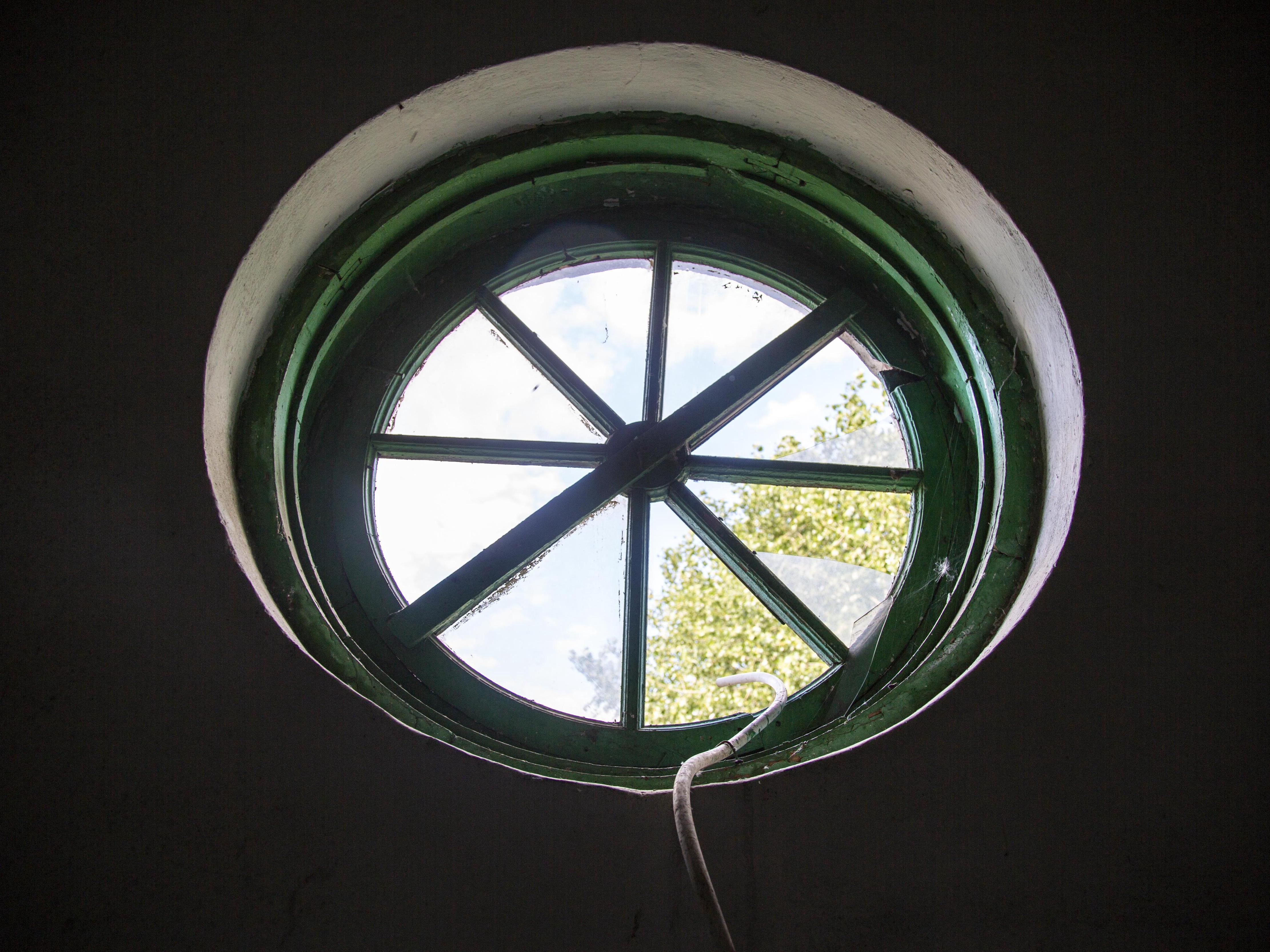
Another tangible downside the locals have to put up with is high utility bills. According to Elena, the average winter payment is 14,000 rubles (about $156 at current rates)! But the apartments are warm. And the walls of the houses, having survived so many upheavals, still remain strong and reliable.
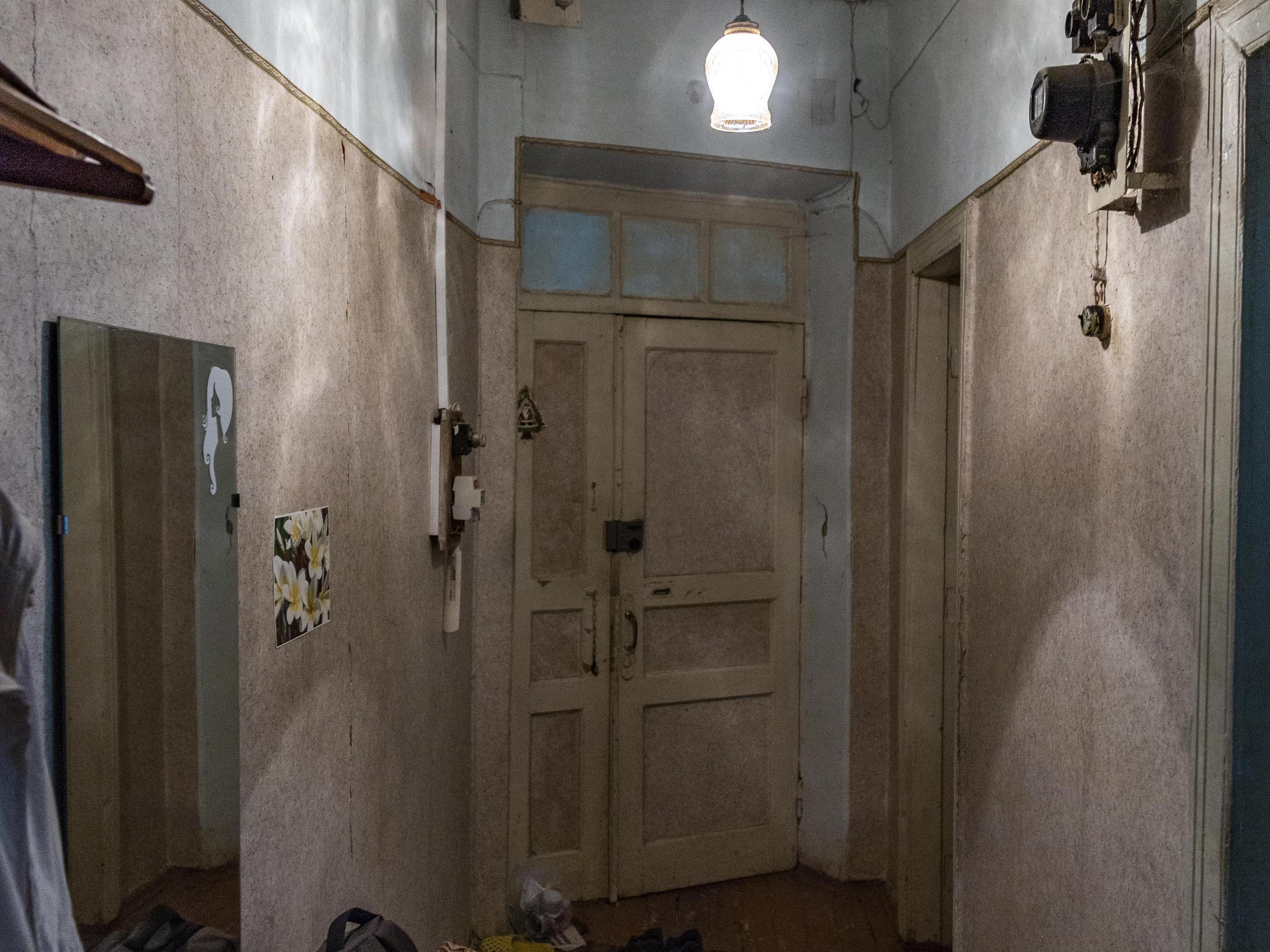
— «I step out into the yard, look at these marks on the house… Someone might say I«m crazy, but I»m an impressionable person,» Elena confesses. «I stand and actually hear the bullets whistling, the plant humming. It«s like on Mamayev Kurgan. One of my grandfathers died. The other worked as a shop chief. They would throw him from one facility to another. He didn»t come home for days because he had to push out production for the front. For me, leaving here would be like tearing out my soul.»
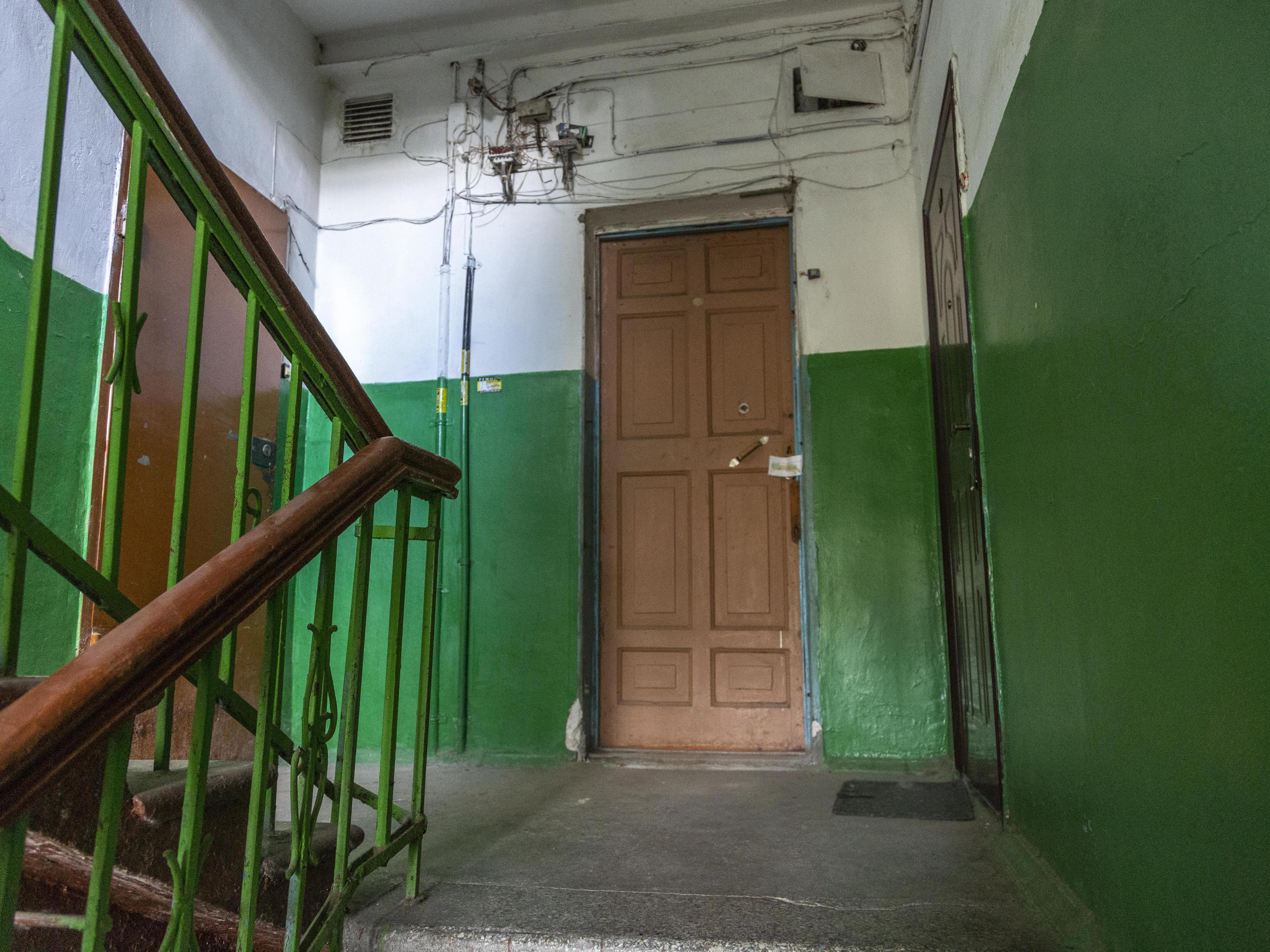
«Now I am left alone»
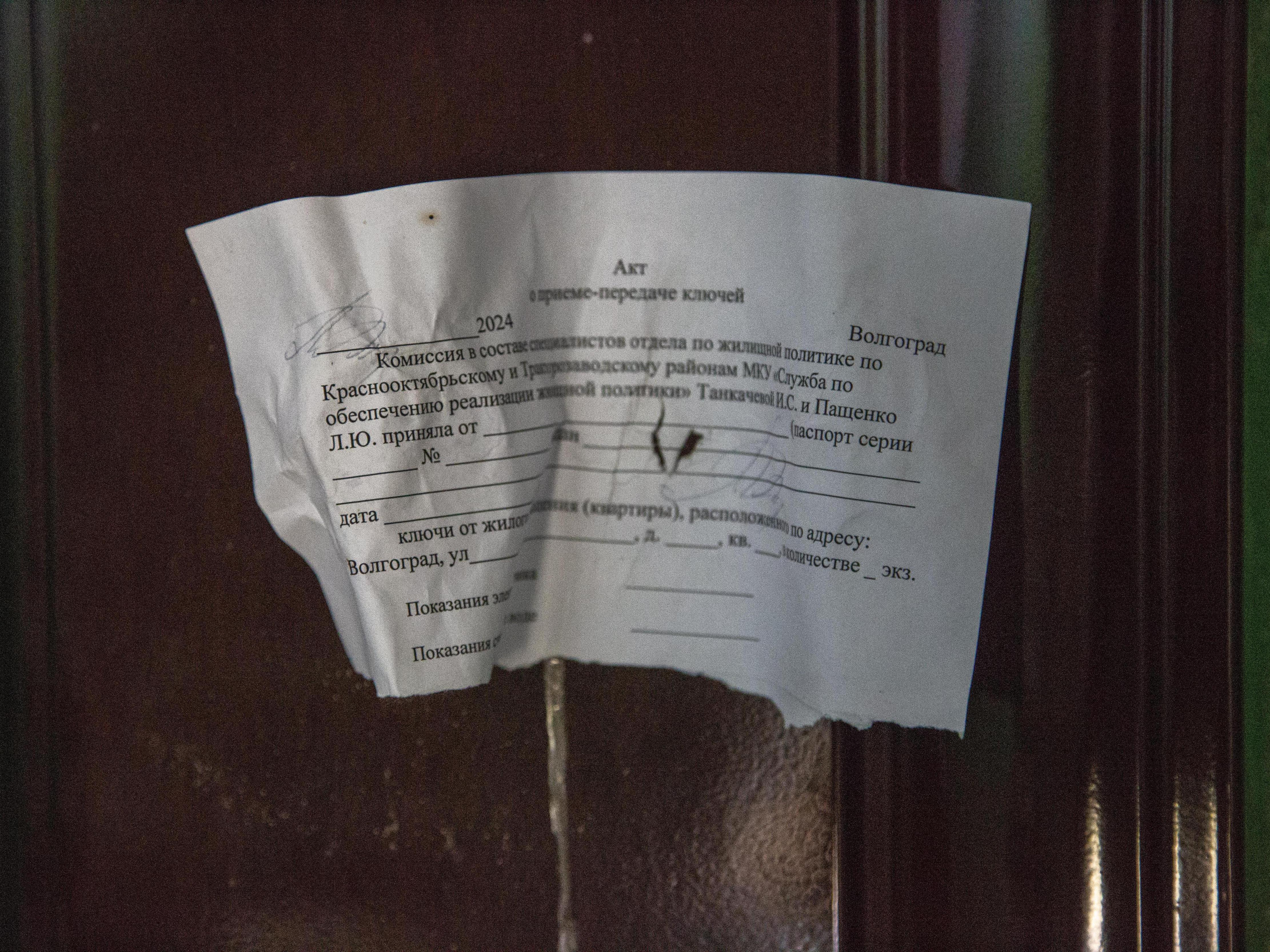
Lidiya Mikhailovna has lived in this same house since 1947. Once a large family lived in her apartment, but now the 86-year-old grandmother is alone. She allowed us to visit her. We enter a long narrow corridor, step into a spacious room with a round table in the center. Old yellowish wallpaper, children«s drawings on the walls, a bookcase, homemade kvass on the windowsill, and on the table — a black-and-white photograph.
— «In the photo I«m with my sisters and our teachers. We took apart a school brick by brick, and then rebuilt it. That»s 1945. I was 5 years old,» the grandmother recalls.
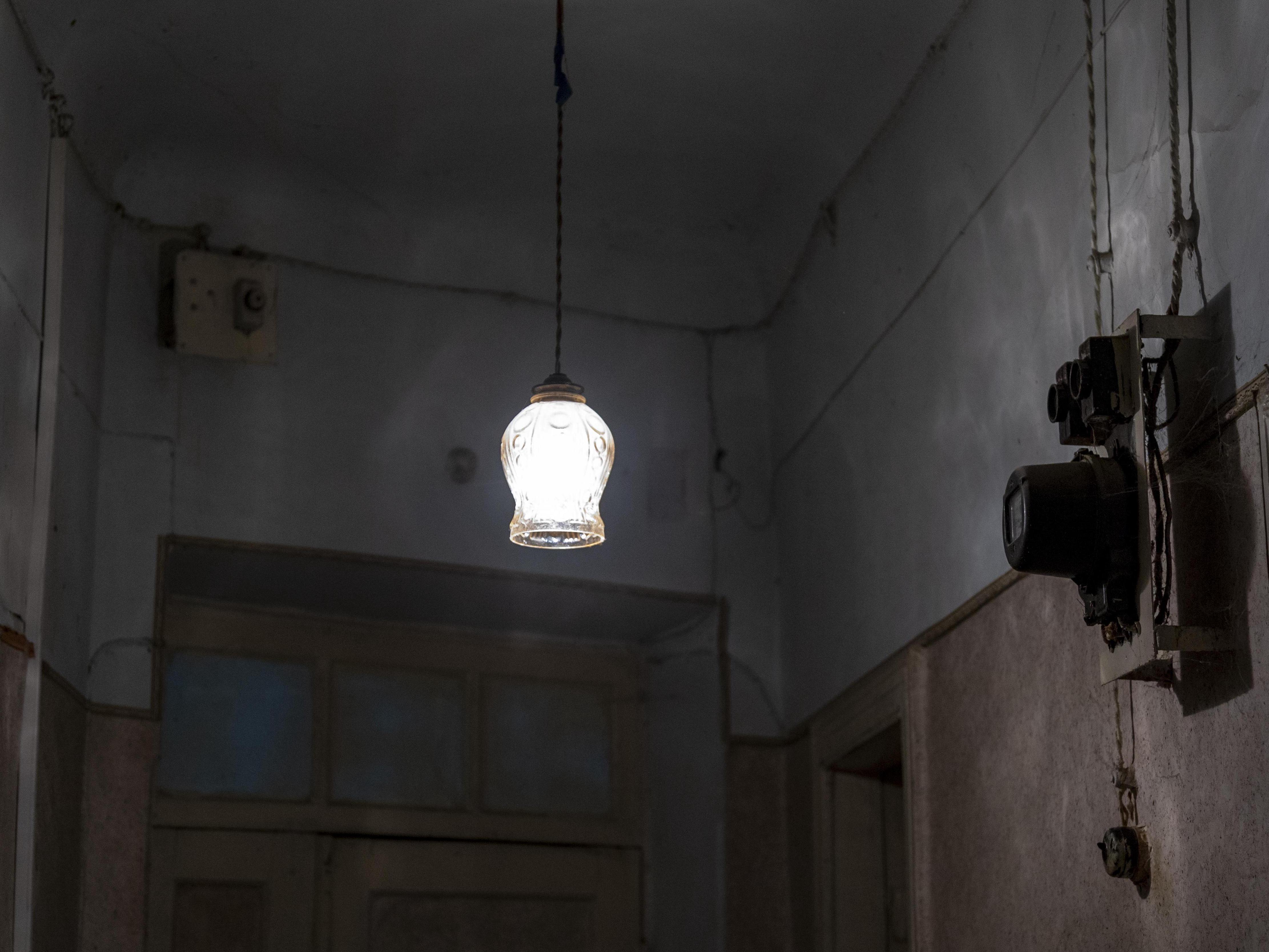
Lidiya Mikhailovna recalls how she came to this house with her parents and sisters after a «public toilet.» Since then, according to the grandmother, almost nothing has changed in the apartment. Only the pipes, doors, and wiring have been replaced.
— «They came to us, told us to evacuate. I was a year and a half, my middle sister about 4, and the oldest 10. So we with our mother were to be sent across the Volga to Leninsky District,» the grandmother recounts. «They brought a barge filled with people. Mother dug in her heels and said: «I will not go on the barge with the children. I will not. I will die here with my children, but I will not get on the barge — it will be bombed.» The barge left, some wooden boat came. We got to the middle of the Volga, and at that moment bombs were dropped on the barge. People died. We lived in a wooden school in Leninsky District until 1943. When Stalingrad was liberated, we came to a «toilet» with a roof at the fire station. In 1947 we moved in here. And my father was buried from here, and my mother, and my sister.»
During a missile strike on the plant, the grandmother«s apartment was slightly damaged — the glass was blown out. She did not receive any help and installed them at her own expense.
— «The roof in the kitchen is crumbling. Problems up to my neck. But despite that… We try ourselves. For example, there was an explosion at the plant, glass was blown out on the veranda. I received a note from the administration that I was recognized as a victim. To this day we wait for them to come and replace the glass,» says Lidiya Mikhailovna. «Thank God, I have a decent pension, and I installed the glass myself. Because waiting for the frost to start… My apartment is cold. It«s cool in winter.»
— «Do you like living here?»
— «Very much. The Volga is nearby, lots of greenery, even too much. All the people here, well, they«re elderly, very kind, intelligent, well-mannered. The neighbors were always good. We never quarreled with anyone, lived peacefully, like relatives. We celebrated holidays together. But now I am left alone.»
«Our city is like an orphan»
In addition to the preserved residential buildings, Nizhnie Barrikady has the Ludnikov Island memorial complex. The most famous monument of the complex is considered the ruins of the director«s house of the Barrikady plant, which housed the headquarters of the 138th Division under the command of Ivan Ludnikov during the Battle of Stalingrad. Now the ruins look dilapidated and could collapse at any moment. While local historians and activists ask officials to save the cultural heritage site, the Volgograd administration only says that no contractor wants to take it on. Read more about the memorial complex and its history in a large review.
Another preserved building from that era is the Stalingrad Mechanical Technical School. Now it is closed and put up for auction, and until recently students studied there. Local historian Roman Shkoda spoke about the features of this three-story building.
«The project development was entrusted to the famous Stalingrad architect Efim Levitan. He significantly expanded the original project, making the building U-shaped in plan. By 1949, the three-story technical school building was opened. Interestingly, its main facade faced the Volga, where the main entrance was located, and the letters of the inscription were placed there as well,» the historian wrote. «In 1961, everything connected with the name of Stalin was erased. The matter was not limited to renaming and demolishing monuments — everywhere the word «Stalin» was used even as part of other words — it was either chiseled off or plastered over. The same happened here. Probably, they thought at the time that the word «Stalingradsky» would simply be replaced by «Volgogradsky» over time, so they carefully chiseled off only the part «Stalin…». Over time, the letters «Volgo…» should have appeared there in theory, so the letters «…gradsky» remained, as did the continuation of the inscription «mechanical technical school».»
Now the building is guarded by a grandfatherly Cossack. According to him, during a strong hurricane and missile strike on the plant, the building was damaged and entering is dangerous.
— «Aren«t you afraid yourself?» I ask the old man.
— «Girl, reproaching a Cossack for cowardice is worse than death. Especially since I«m wearing a papakha (traditional Caucasian fur hat).»
Before the revolution, a real castle was built in Nizhnie Barrikady, where high guests from England and Saint Petersburg were planned to be housed. After the revolution and the Civil War, the management of the Barrikady plant moved into the building. During the Battle of Stalingrad, the castle was called the U-shaped house, or the «House of Commissars.» After the war, the ruins of the building were dismantled. Now only an empty field remains.
— «The settlement is certainly interesting. If we could perfect it, it would make a decent tourist cluster, especially if we illuminate it properly. Not only with an emphasis on military history, which we have at every turn, but also on architecture,» reflects famous artist Dmitry Zimin. «We have houses in Nizhnie Barrikady. Well, make them normal. We need some investor who understands the value of this place. We need to renew, but at the same time preserve the architectural heritage of the past. This is all very difficult to do.»
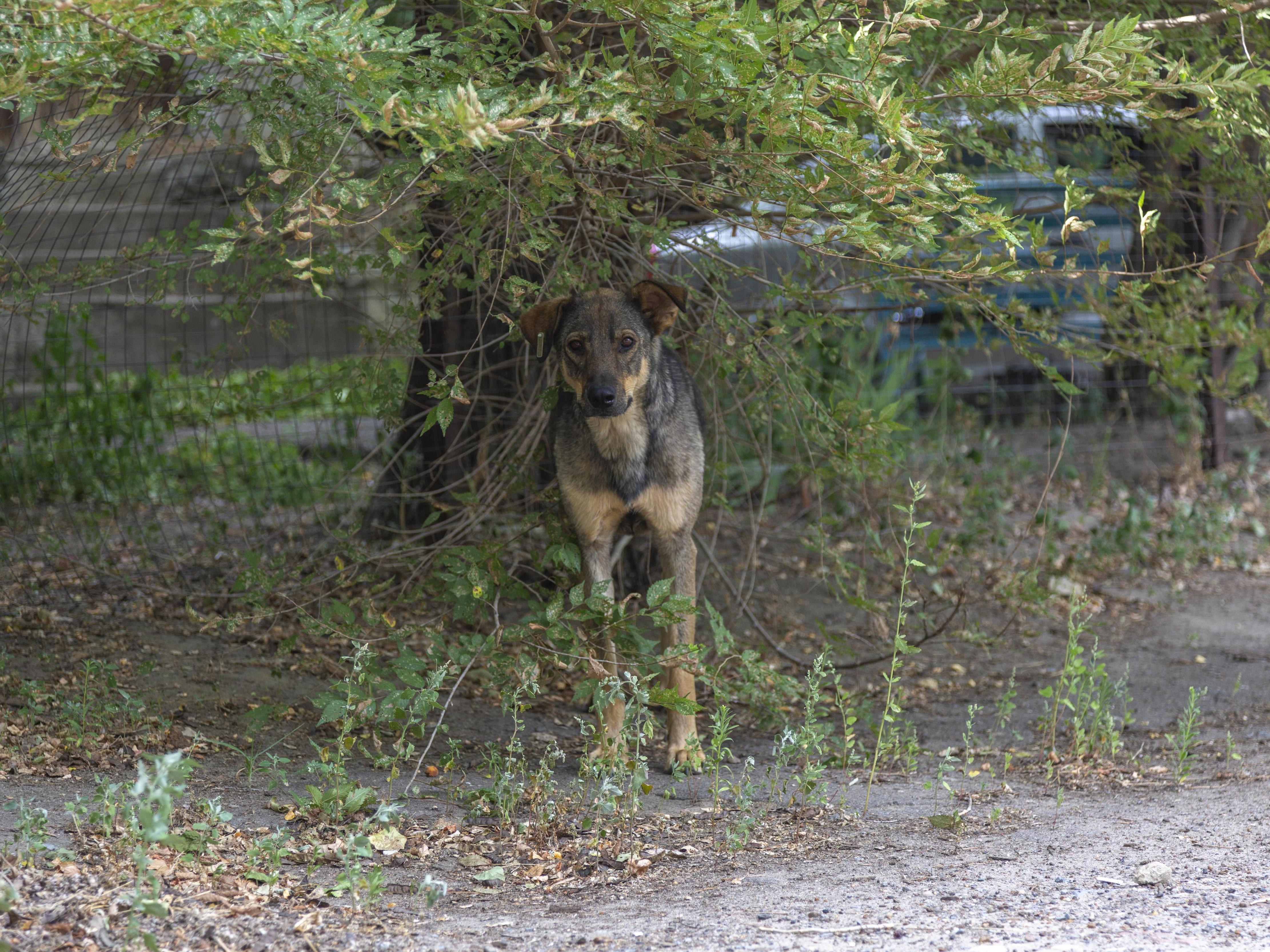
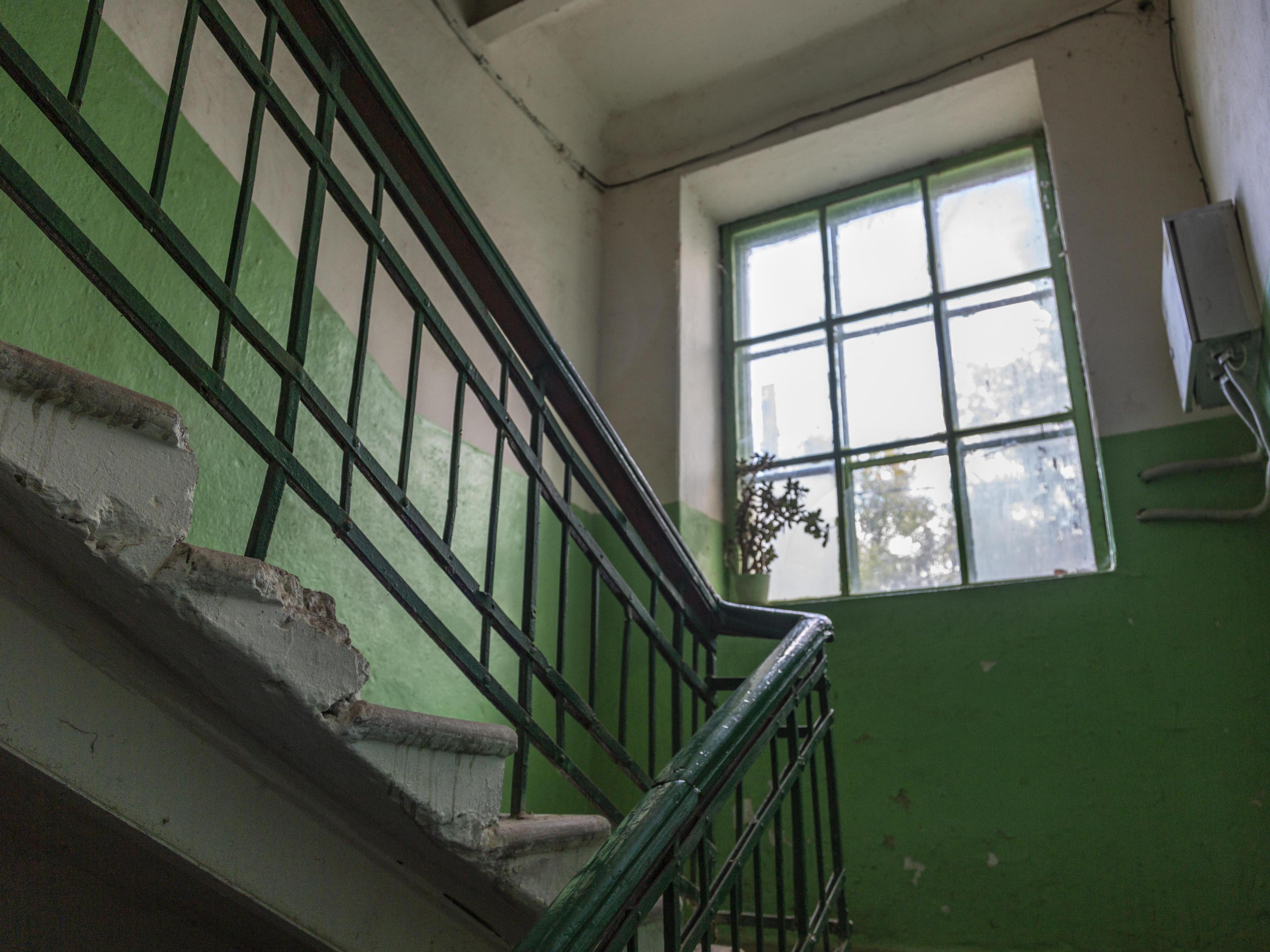
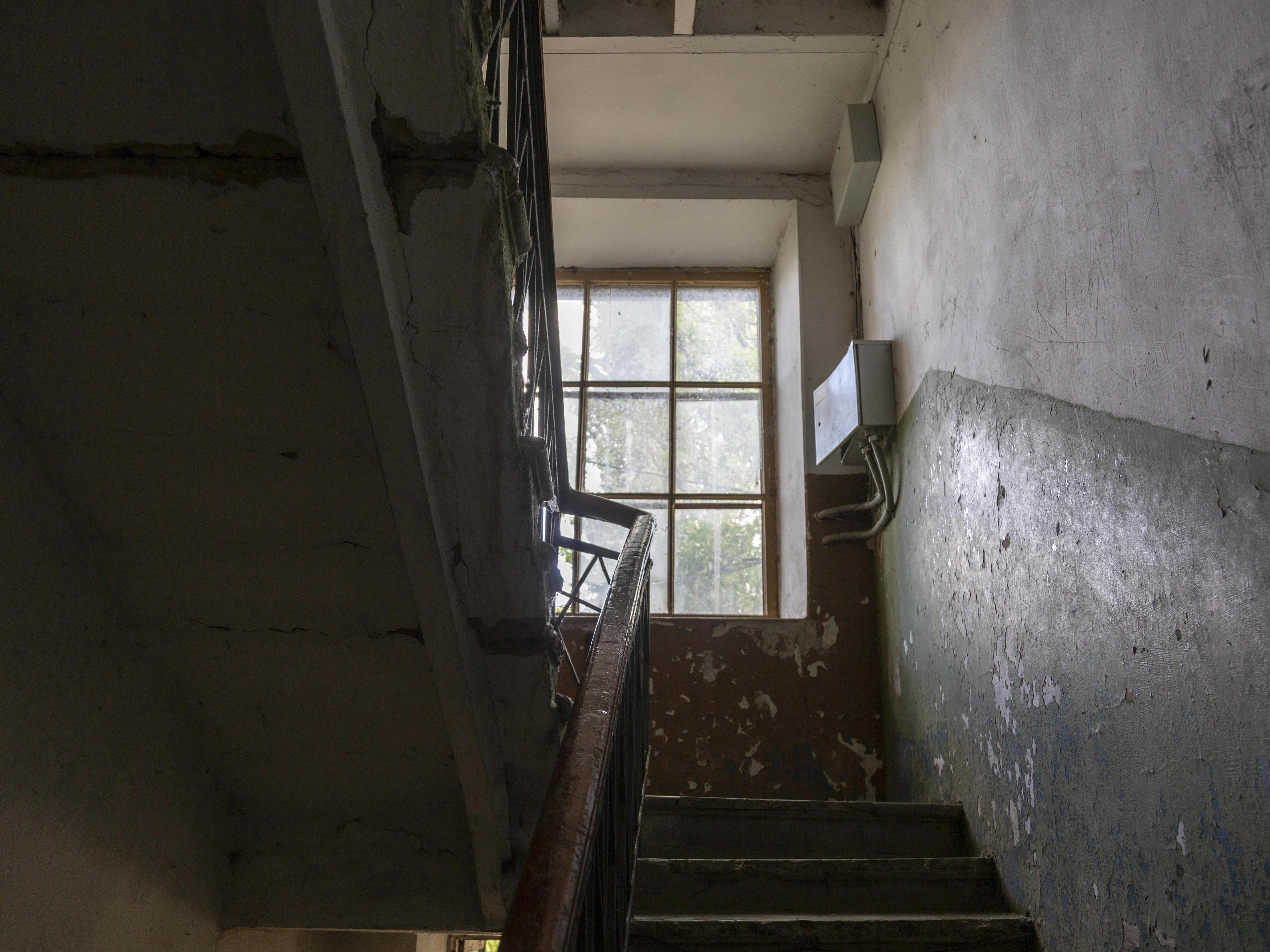
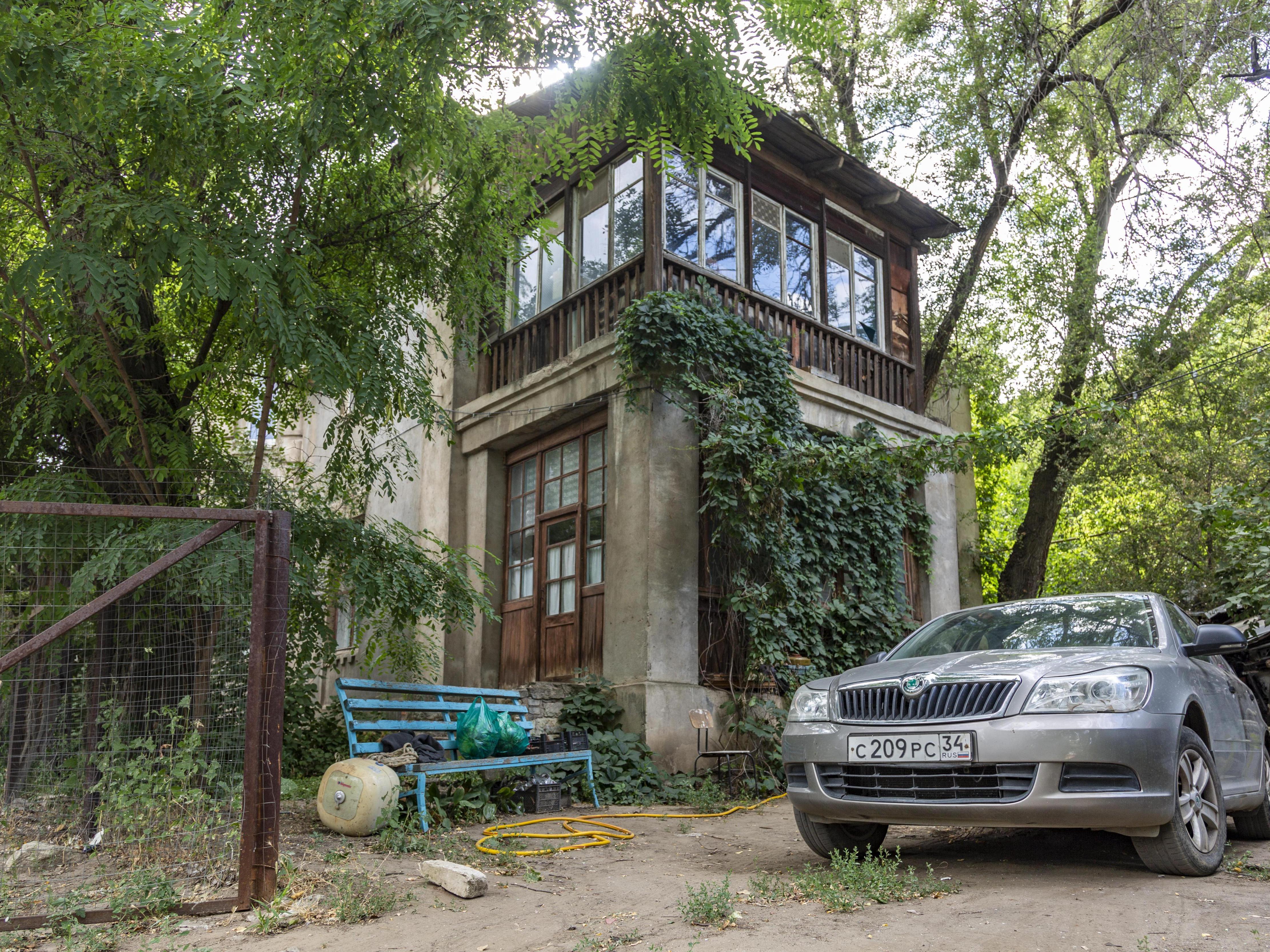
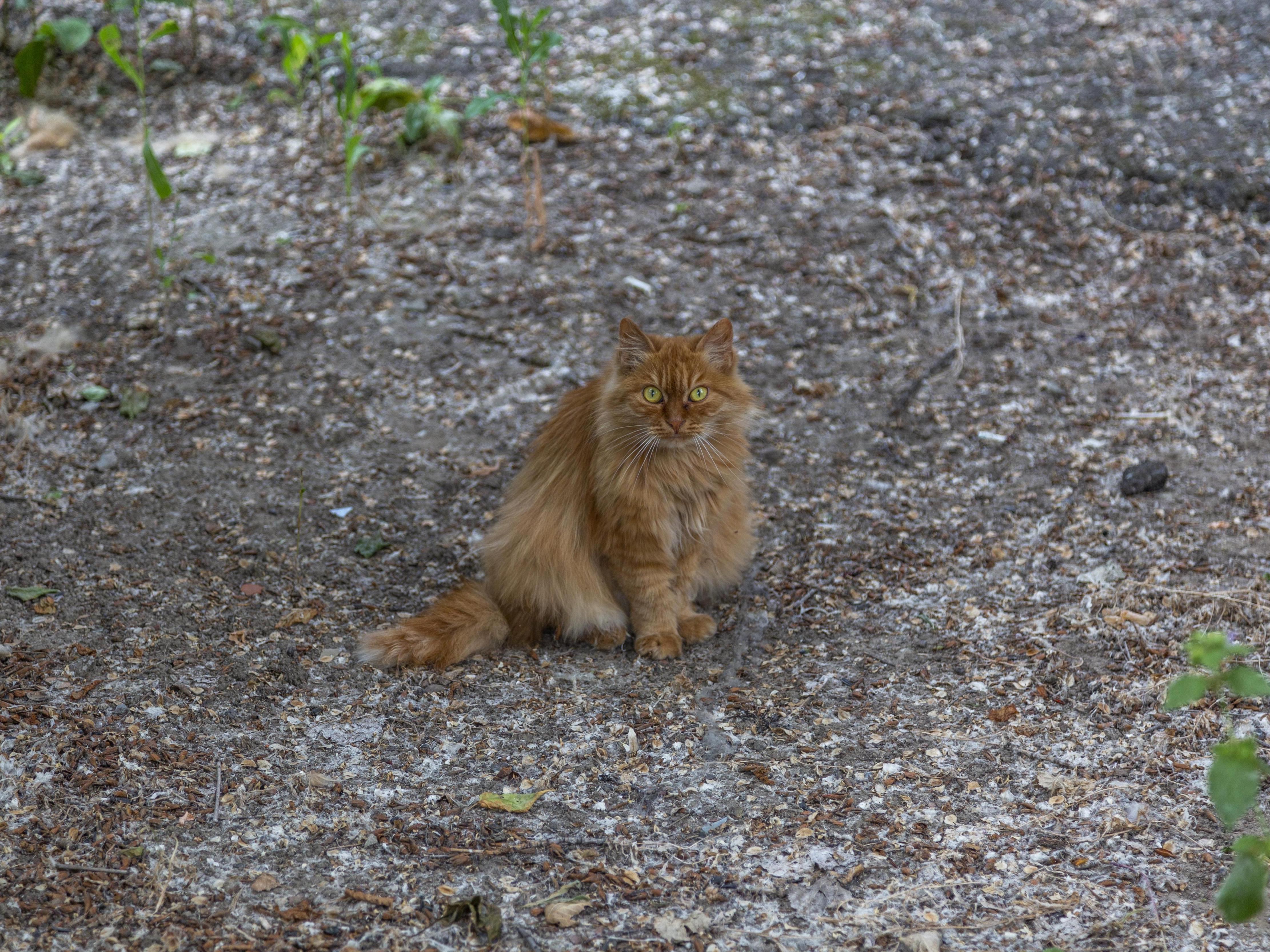
And a few more images to let you fully feel the measured life of Nizhnie Barrikady.