Chanel for 700 Rubles: Trillions and AI Fail to Stop Fakes
The combined turnover of sellers on Russia's two largest marketplaces has reached 10 trillion rubles, but counterfeits thrive. Journalists investigated how fake Chanel perfume is sold with the "Honest Mark".
Jul 23, 2026 0

An illustration of counterfeit Chanel perfume on a marketplace listing.
Source:
The turnover of sellers on the country«s two main marketplaces has approached a quarter of the federal budget — 10 trillion rubles ($111 billion at current rates). Some sell legally, others deceive buyers using counterfeit and fake goods.
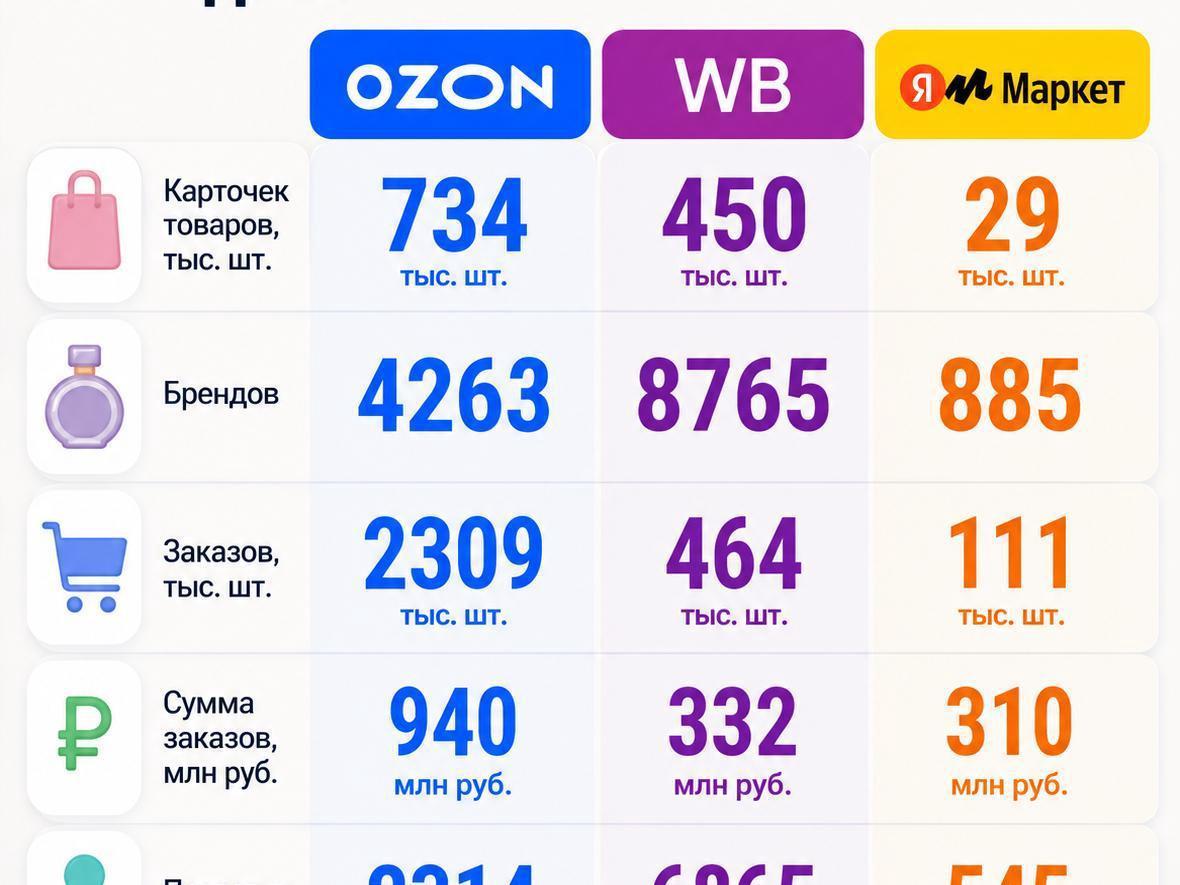
Perfume sales statistics for Ozon, Wildberries, and Yandex Market show Ozon leading in most metrics.
Source:
Monthly perfume sales on Ozon, Wildberries, and Yandex Market are estimated at 1.6 billion rubles ($18 million). After Wildberries thinned its product listings, orders on the platform plummeted fourfold on June 21, both in units and rubles. Seller losses for the month amounted to about 1.2 billion rubles ($13 million). On Ozon, conversely, growth was 15% compared to the previous month, with the number of orders significantly higher than on Wildberries and an order of magnitude higher than on Yandex. The average check on Ozon is 407 rubles ($5), while on Wildberries it is 700 rubles ($8), and on Yandex Market it is 2,700 rubles ($30).
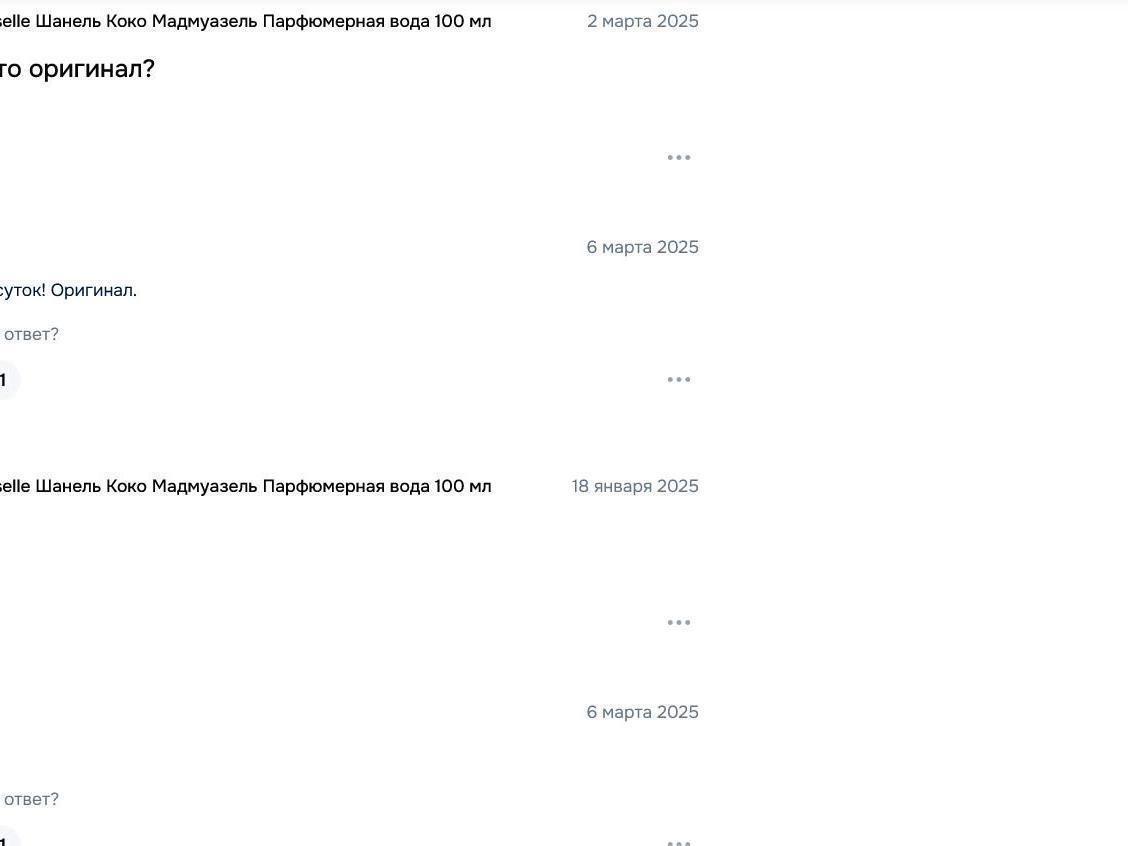
A screenshot of a product card with Honest Mark logo on an online marketplace.
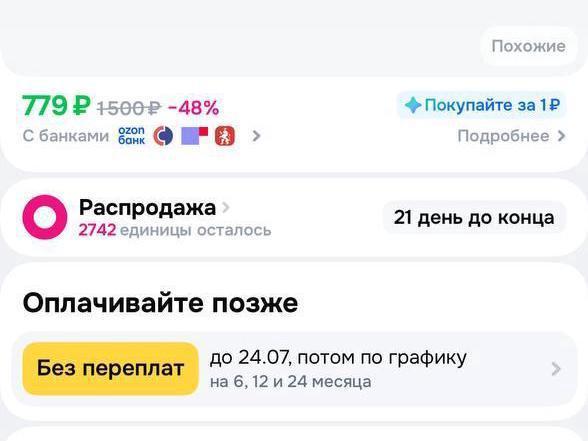
Product cards for expensive perfumes often feature «Honest Mark» logos. On Wildberries and Yandex Market, most sellers honestly indicate that it is a «replica» or «inspired by». But on Ozon, ads selling «original» Chanel without disclaimers appear. For example, a Chanel bottle for 1,500 rubles ($17) when the price at Zolotoe Yabloko (a cosmetics retailer) is 39,924 rubles ($444) with a 15% discount.
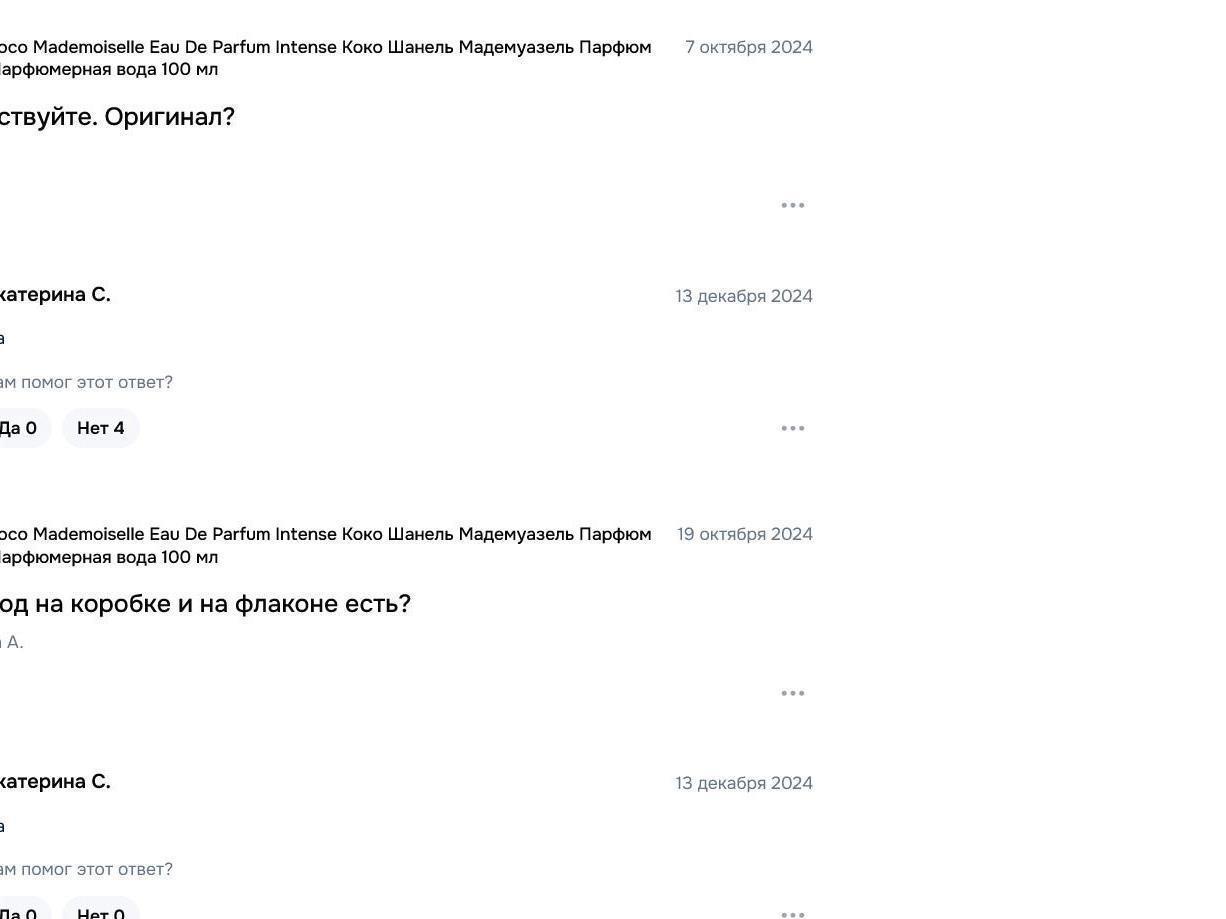
Comparison of prices for original and replica Chanel perfume on different platforms.
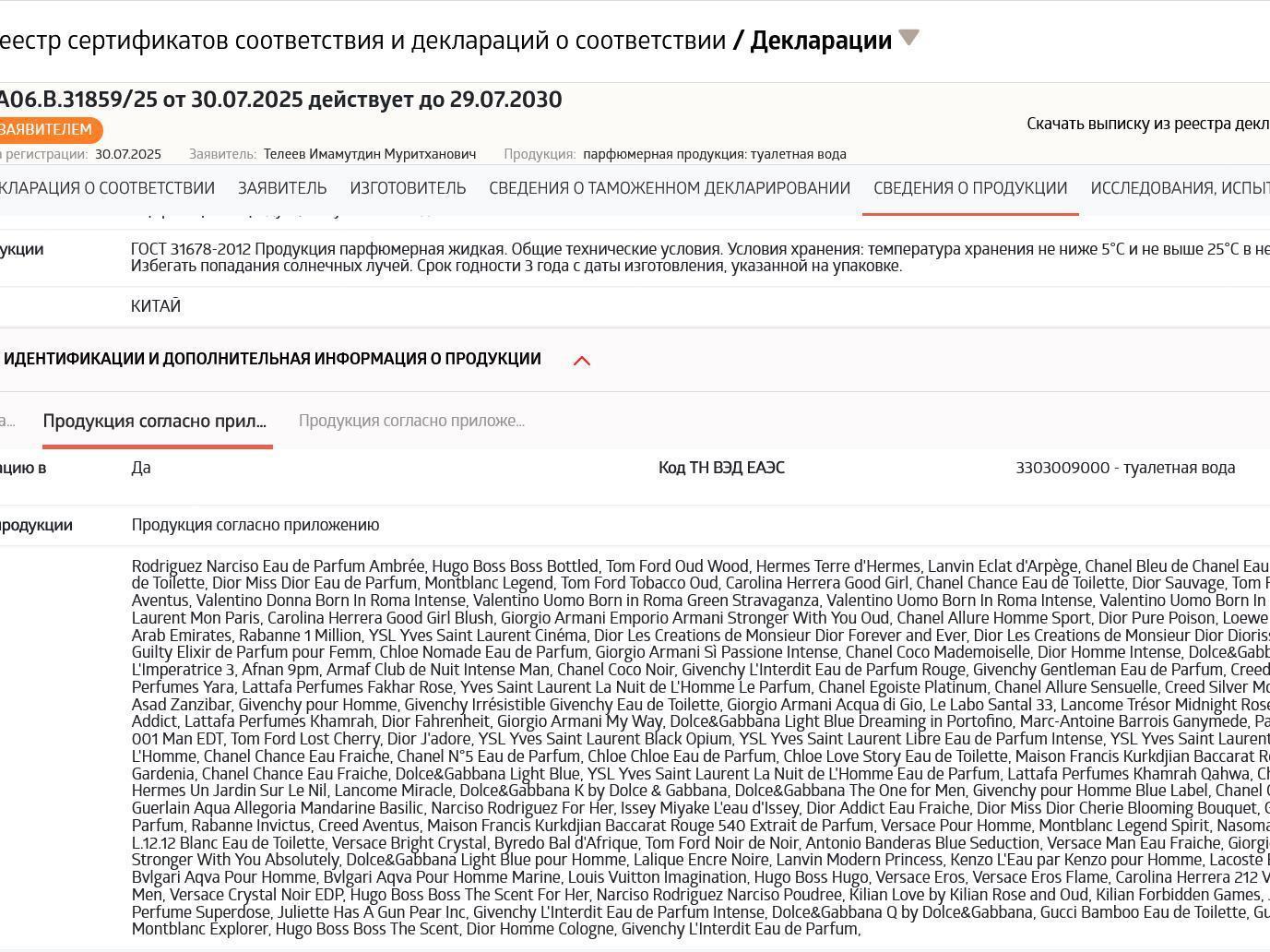
Meanwhile, sellers on Wildberries also offer suspiciously cheap «originals» for 1,200–1,500 rubles ($13–17) for 100 ml, but provide documents with the «Honest Mark» that pass verification through the Rosakkreditatsiya (Federal Accreditation Service) website. Production addresses in France, Italy, the UK, stamps and signatures — formally there are no grounds for the platform to refuse.
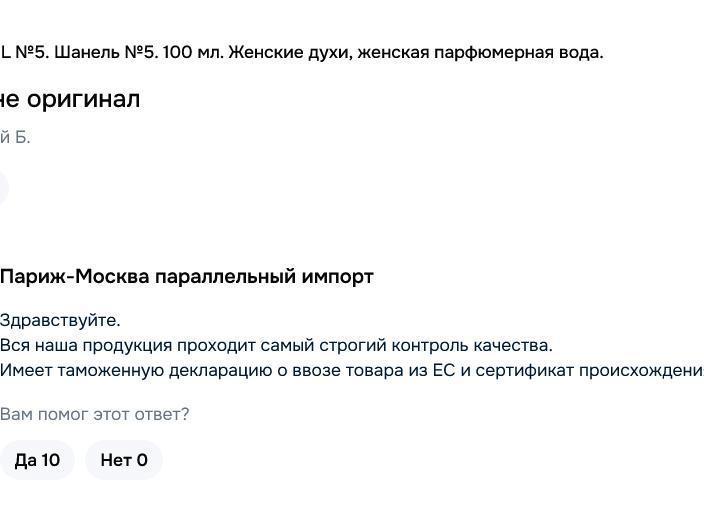
Document showing verification of Honest Mark code for a perfume product.
It«s a different story on Ozon: there, sellers sell »real Chanel« without any plausible documents. Sellers directly claim the product is original, although the item arrives without the »Honest Mark« label.
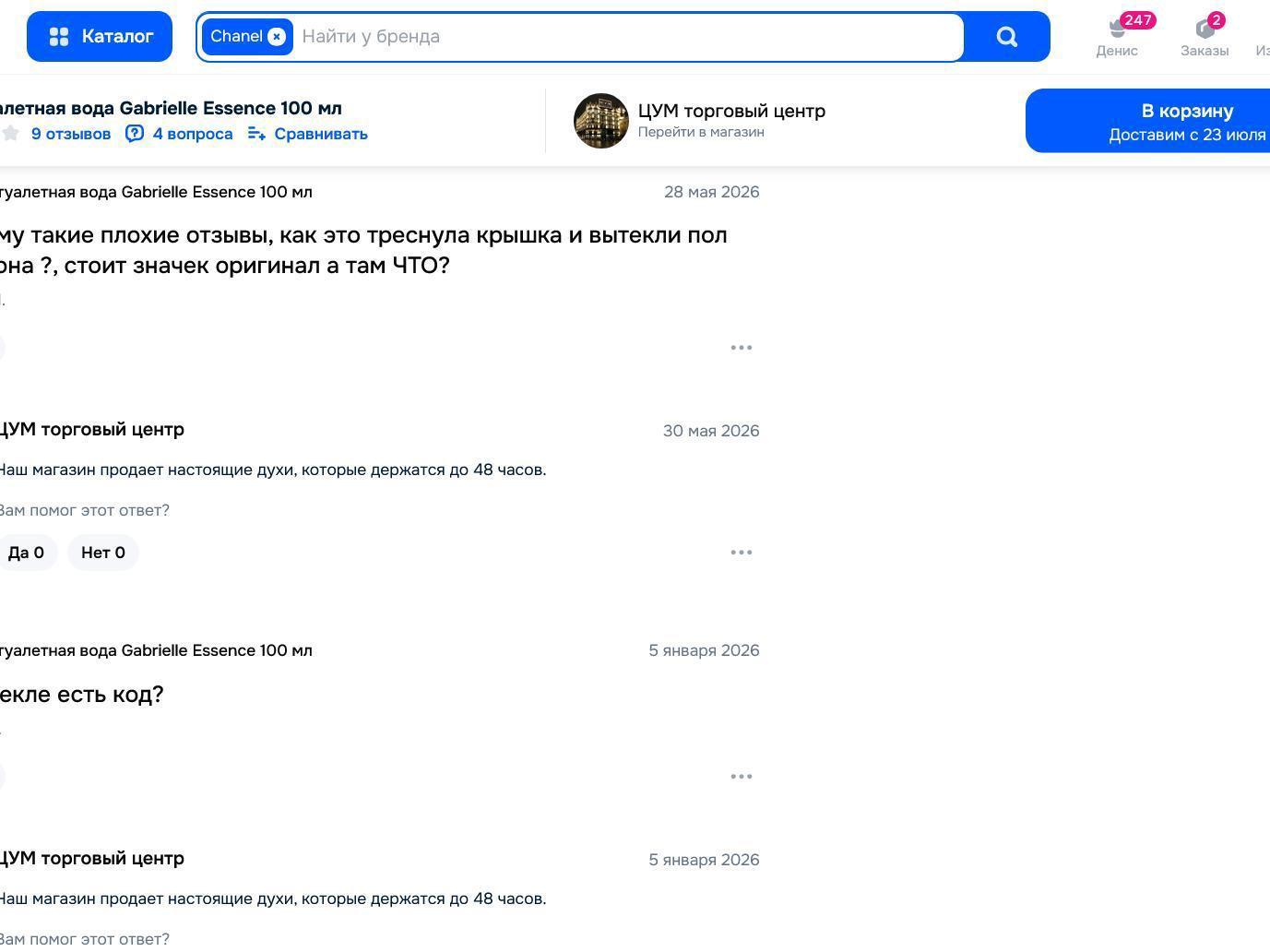
A screenshot of a customer complaint about counterfeit Chanel on Ozon support.
Journalists ordered 100 ml of Chanel Chance eau de parfum for 779 rubles ($9) (instead of 35,000 rubles ($390) at retail). There was no label. The sprayer cap was stuck, the scent was described as «alcohol-like», and longevity was absent — after 15 minutes the fragrance disappeared.
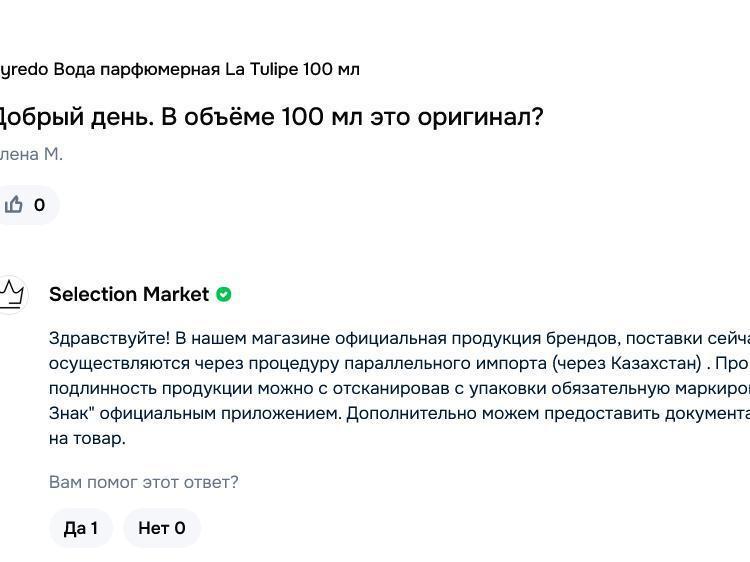
Screenshot of a product card listing France as country of manufacture with a verified badge.
Ozon«s support responds to customer complaints: «We carefully monitor the quality of goods on our marketplace. All suppliers undergo strict verification stages: we request all necessary documents and also check the product itself for compliance with quality standards. The product is not allowed for sale if it fails any parameter of our control.» However, then customers are advised to check the product at the pickup point and request a return if it does not match, shifting the burden of fighting counterfeits to the consumer.
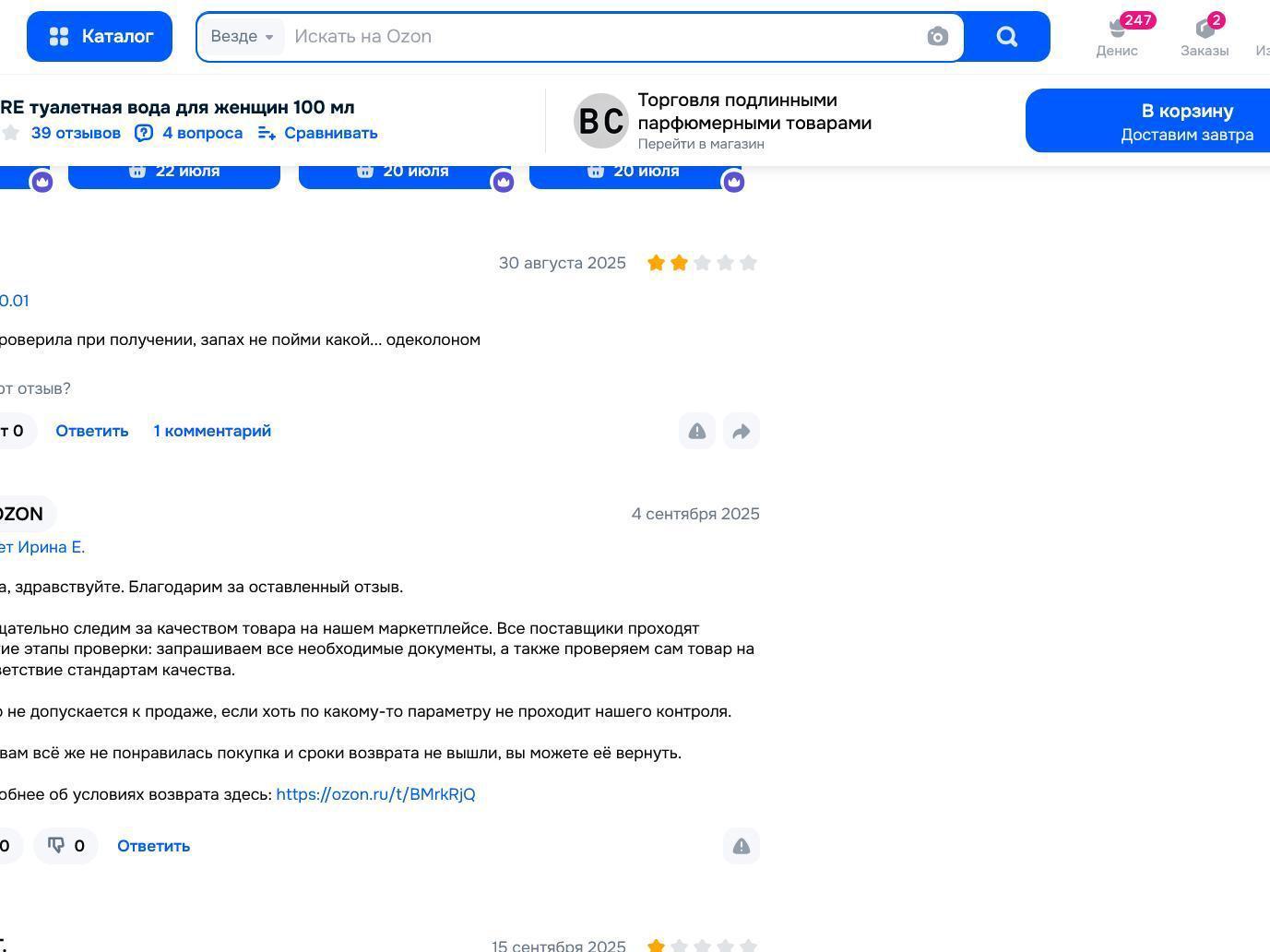
Ozon explanation of its verification system for labeled goods.
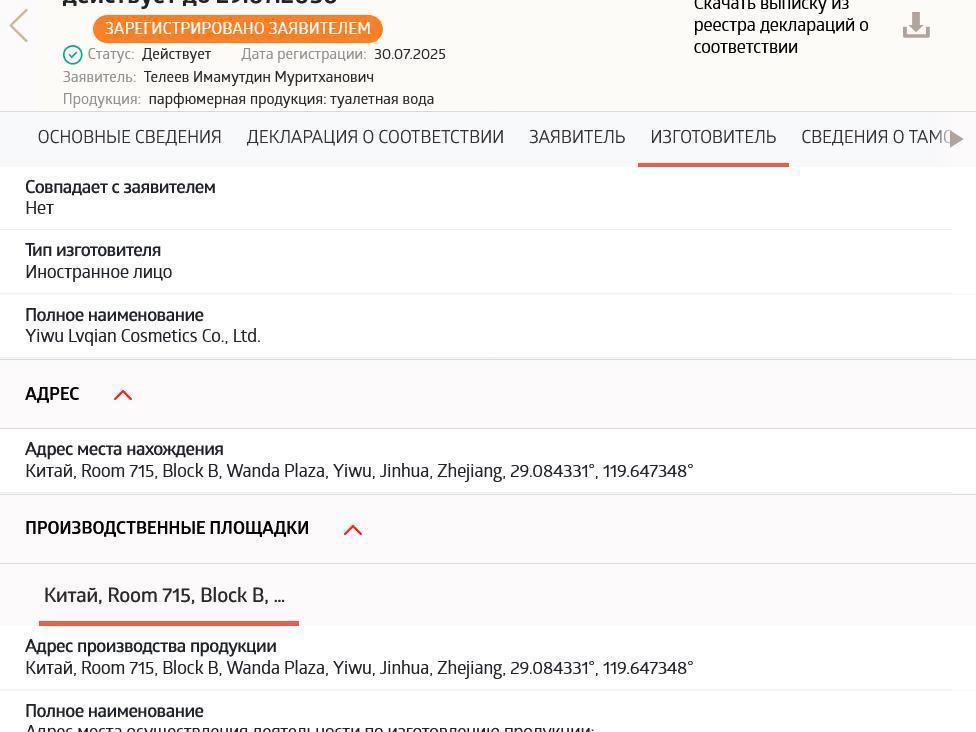
In September 2025, a customer complained about a product card listing the country of manufacture as «France». The seller, with 4,300 orders, insisted on authenticity. Ozon promised to look into it, but 10 months later, in July 2026, the same «Chanel» was still being sold. The seller«s documents, to which he referred, did not mention France: the place of production was listed as Room 715 in a business center in Jinhua (China). Meanwhile, on Ozon, a checkmark »Documents verified« was displayed.
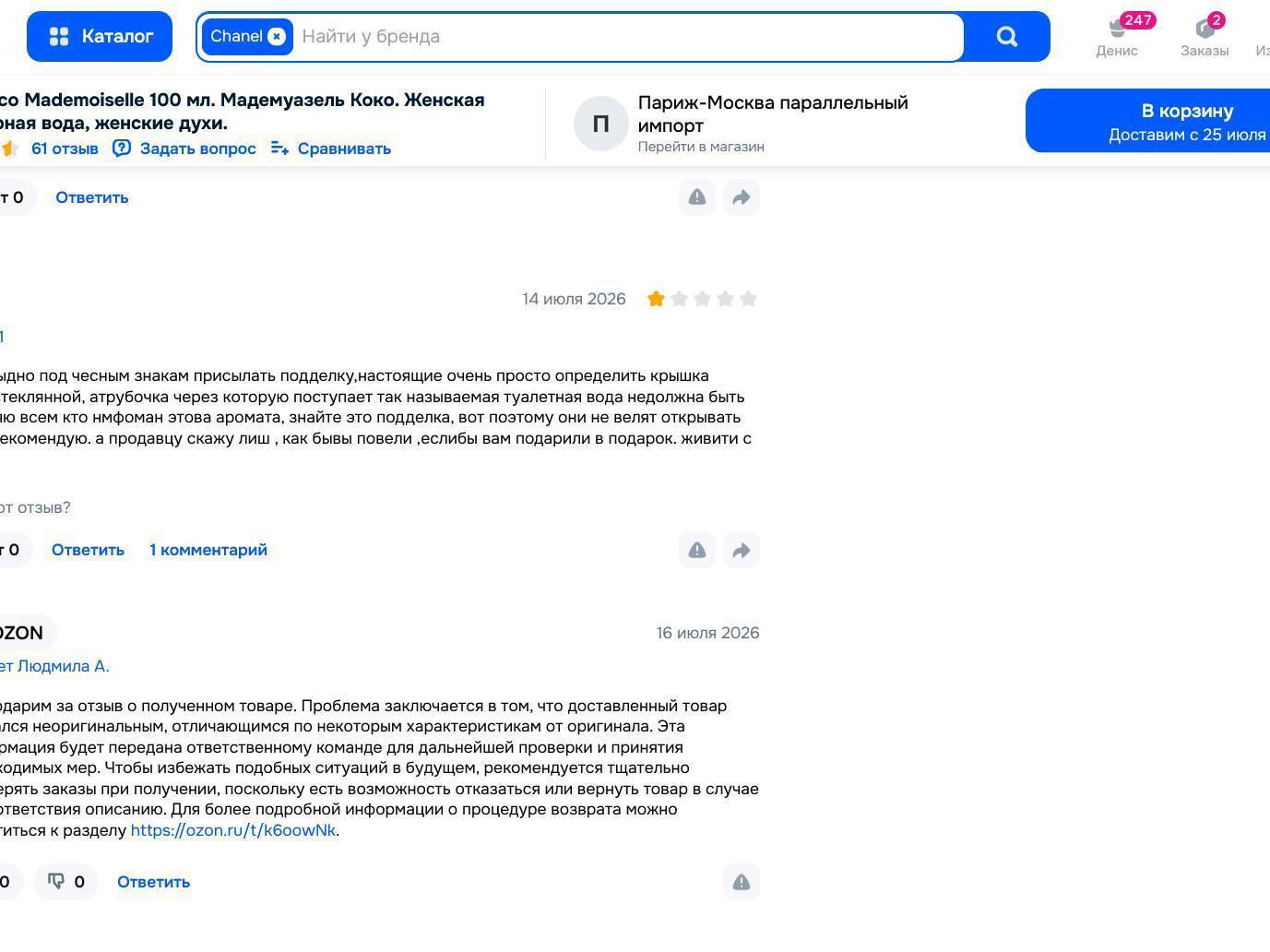
Interface of the seller personal account showing labeling code field.
In response to journalists« inquiries, Ozon explained the verification system in detail: «According to marketplace rules, all goods in categories where labeling is mandatory by law must have the »Honest Mark«. Ozon complies with these requirements: when placing goods in marketplace warehouses, we read the labeling codes. If for some reason the code is not read, such goods cannot be stored at the Ozon warehouse and will not be available for purchase.»
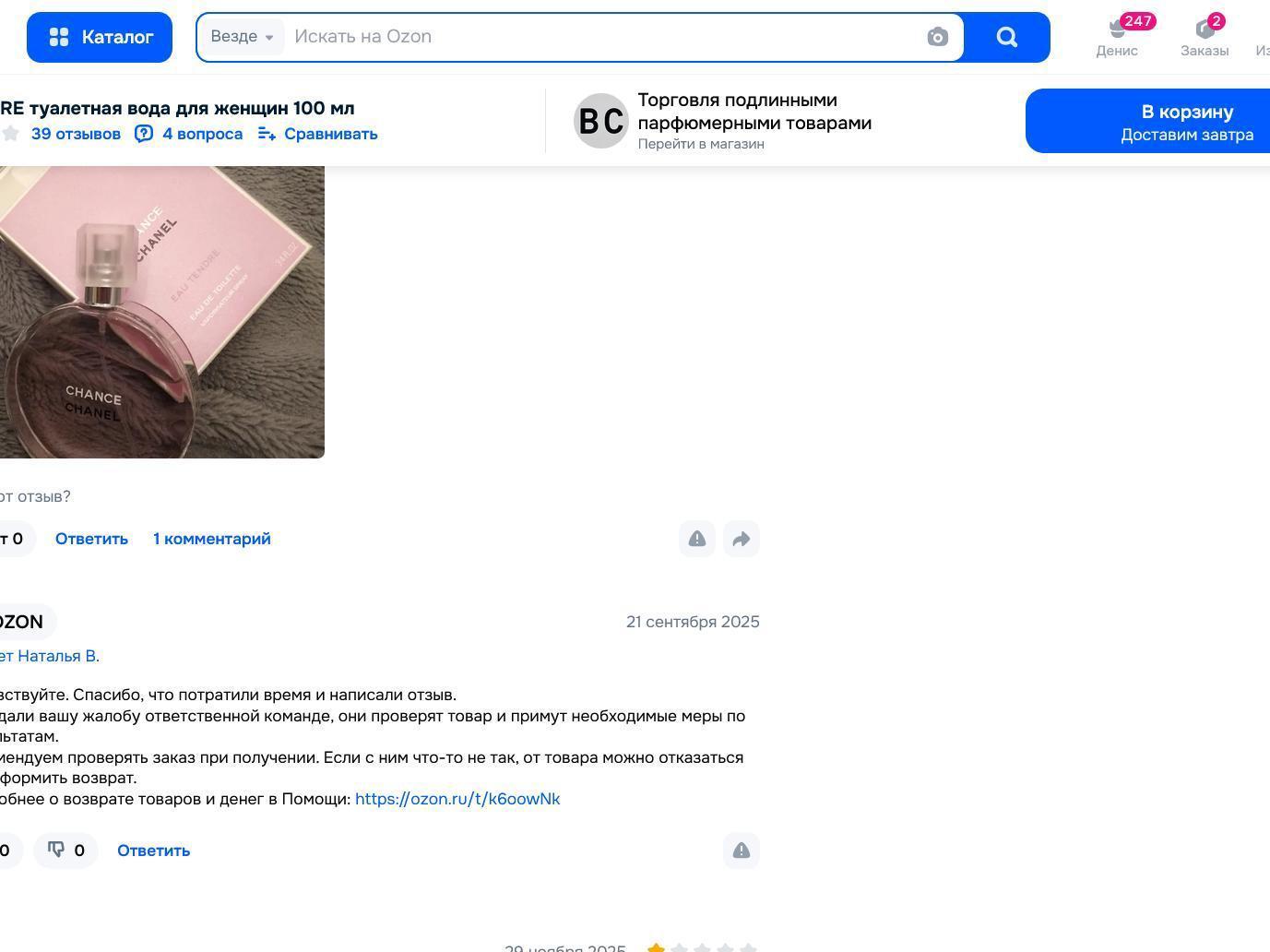
Diagram explaining the API integration between Ozon and the Honest Mark system.
«When creating a product card, the seller must specify the EAEU HS code. If in the category or for a specific HS code the goods are subject to labeling, filling in a separate field «Labeling Code» becomes mandatory in the seller«s personal account. The system can pre-fill it automatically (if labeling is mandatory for all goods in the category) or suggest the seller manually check a box (if labeling is optional, for example, for residues imported before mandatory labeling.)»
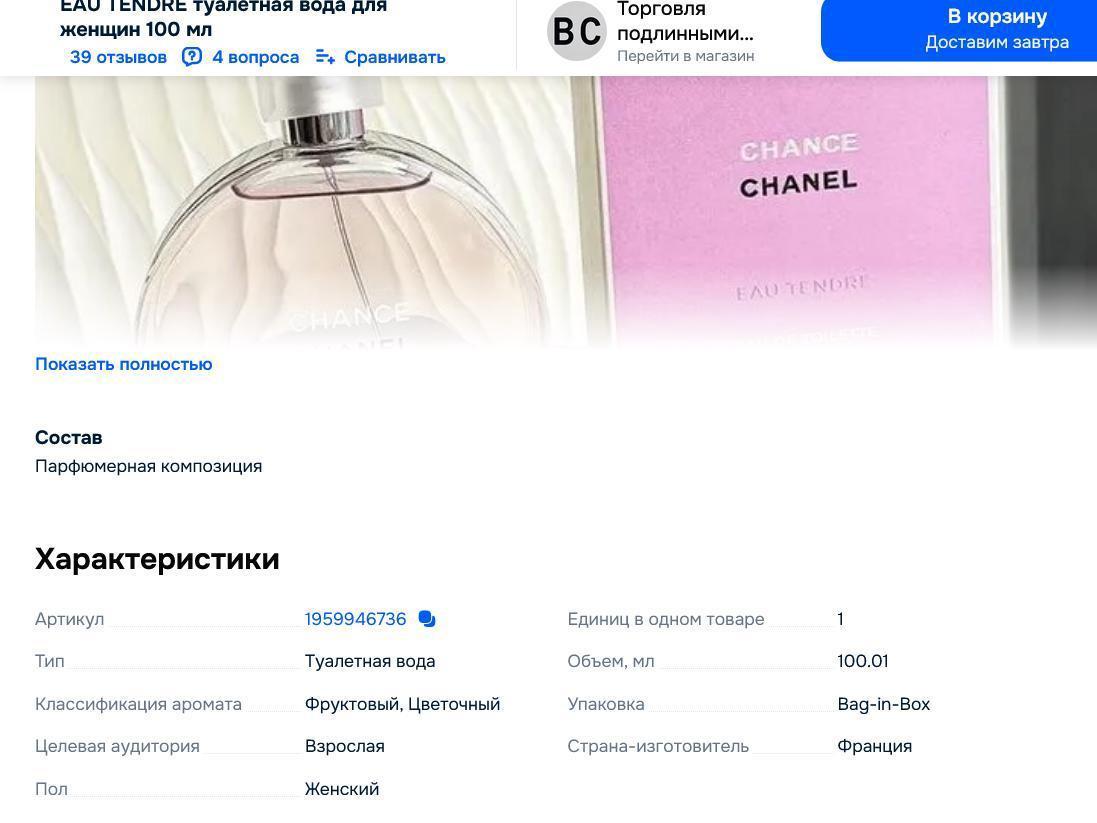
Illustration of machine learning models used for counterfeit detection on marketplaces.
«Goods checks are conducted via API integration with the state register: Ozon cross-checks the GTIN and seller«s INN (Taxpayer Identification Number) with data from the »Honest Mark« system. Based on such reconciliation, the marketplace adds a note to the product card about the check of the seller and goods in the »Honest Mark« system. This is not the same as the »Honest Mark« logo, which the seller can independently place in the description or images. The legality of a specific unit of goods can always be checked by the buyer in the »Honest Mark« app using the label code on the packaging.»
Response from CRPT about the misuse of Honest Mark logo for counterfeit goods.
«Ozon is constantly improving measures to combat counterfeit products. We check product cards manually and using machine learning models, study customer reviews, and promptly respond to complaints from users and rights holders. If users or rights holders have questions about the originality of goods, we request documents from the seller. If the seller does not provide them within three days, the card is hidden from the marketplace until the end of the investigation. For brands at high risk of counterfeiting, Ozon additionally checks documents confirming the quality and originality of the goods.»
Profile of an individual entrepreneur with high sales volume on Ozon.
In response to a request to explain how this aligns with specific facts, journalists were told to address each case separately. The authors noted that checking millions of cards is not their job, and they do not have machine learning resources.
A vintage Soviet-era scene of speculators selling fake jeans at Gostiny Dvor.
Source:
The CRPT (Center for the Development of Advanced Technologies), operator of «Honest Mark», stated: «Using the «Honest Mark» logo to promote counterfeit goods at low prices is unacceptable. According to surveys, 65% of consumers perceive labeling as a guarantee of quality, and 53% as a sign of state control, making such abuses especially dangerous. Since the beginning of 2026, the number of complaints about violations in the sale of labeled goods on marketplaces has exceeded 18,000.» However, this does not stop counterfeit sellers from continuing their business.
An example is an individual entrepreneur from Voronezh who sold journalists an almost-real «Chanel». She had already been in court with customers over refusing to refund money for a fake Dyson styler, and last year received a Rosstandart (Federal Agency on Technical Regulating and Metrology) certificate to import Nike, Vans, and Converse sneakers from China. Her total sales on Ozon alone amount to 4,800 orders.
Overall, buying luxury perfume for 700 rubles ($8) is not a new phenomenon. As in the Soviet era, when speculators sold fake jeans at Gostiny Dvor, buyers understand what they are purchasing, and sellers fulfill a social demand. However, laws require observance of certain rituals, and the responsibility of marketplaces for their violation remains as illusory as it was back then.
Read more