Why Ozon and Wildberries Sell Fake Chanel

Perfume Sales Volumes
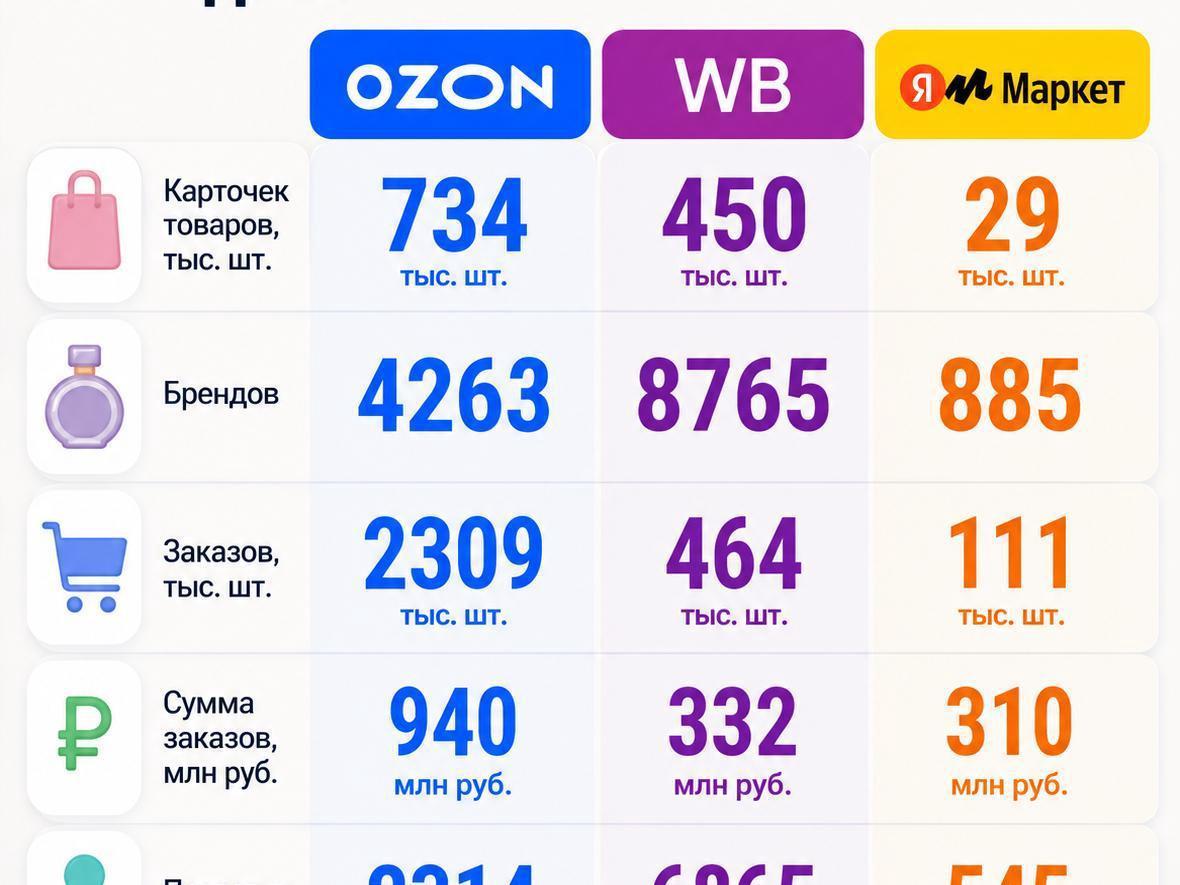
Monthly perfume sales on Ozon, Wildberries, and Yandex Market are estimated at 1.6 billion rubles ($18 million). Previously, the figure was higher, but after a cleanup of listings on Wildberries on June 21, orders on the platform fell fourfold — both in units and in rubles. Sellers« losses for the month amounted to about 1.2 billion rubles ($13 million). On Ozon, on the contrary, growth of 15% compared to the previous month. In terms of order numbers, the platform surpasses Wildberries and Yandex Market, but the average check is only 407 rubles ($5) compared to 700 rubles ($8) and 2,700 rubles ($30) respectively.
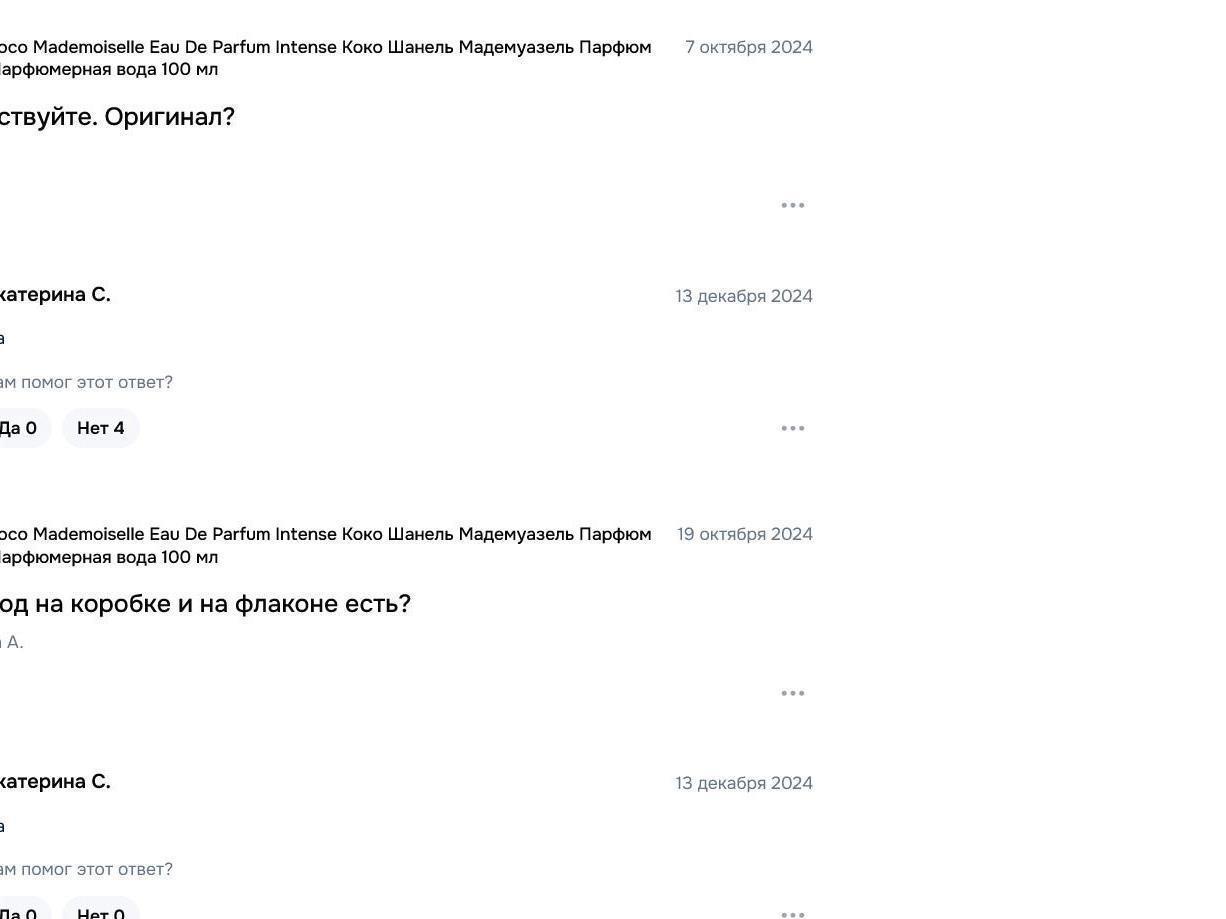
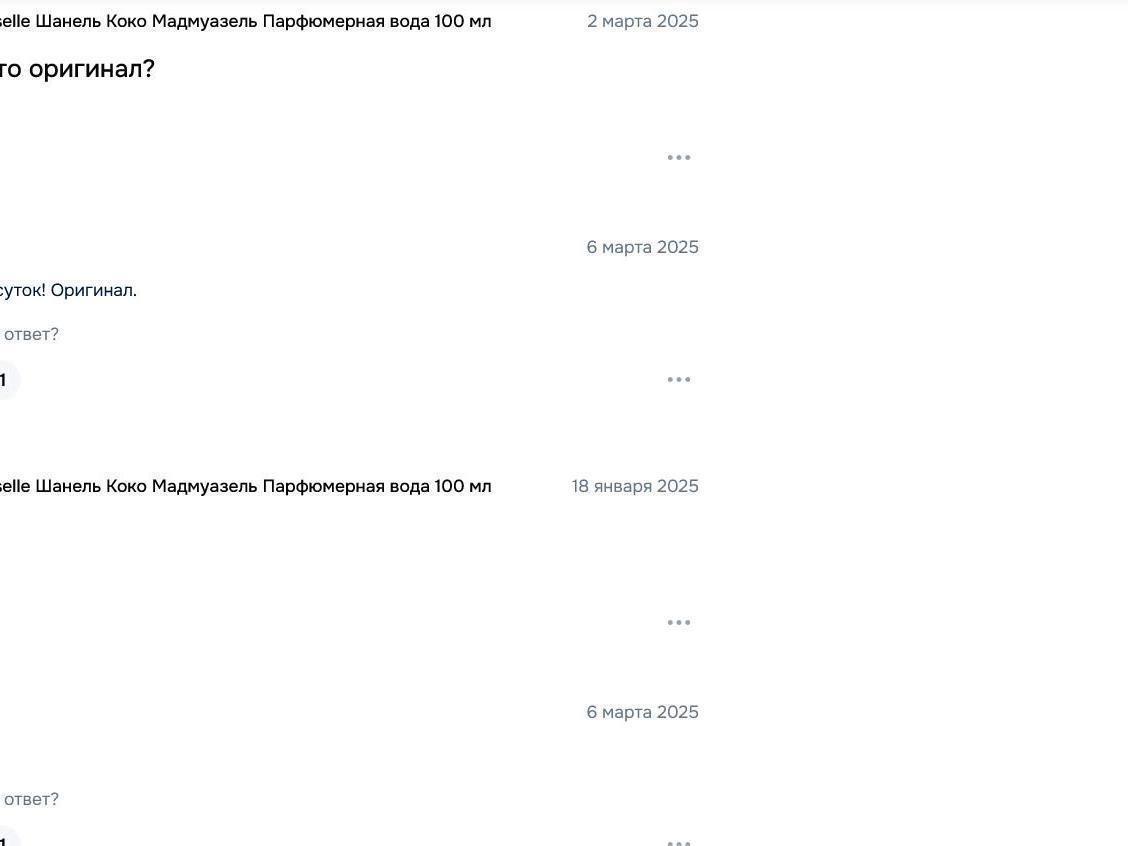
All platforms feature listings with «Honest Sign» logos. On Wildberries and Yandex Market, sellers mainly warn that the product is «inspired by» or a «replica». On Ozon, they directly claim the perfume is original.
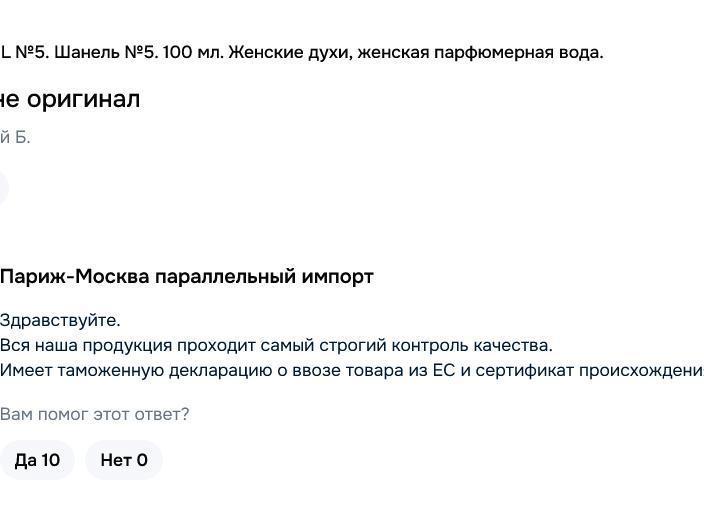
Sellers explain the similarity to the original by saying the scent will be the same. Since the product is self-produced, it is registered in «Honest Sign». For example, scanning a QR code from Wildberries confirms legality at a price of 1,500 rubles ($17) versus almost 40,000 rubles ($444) in a retail store.
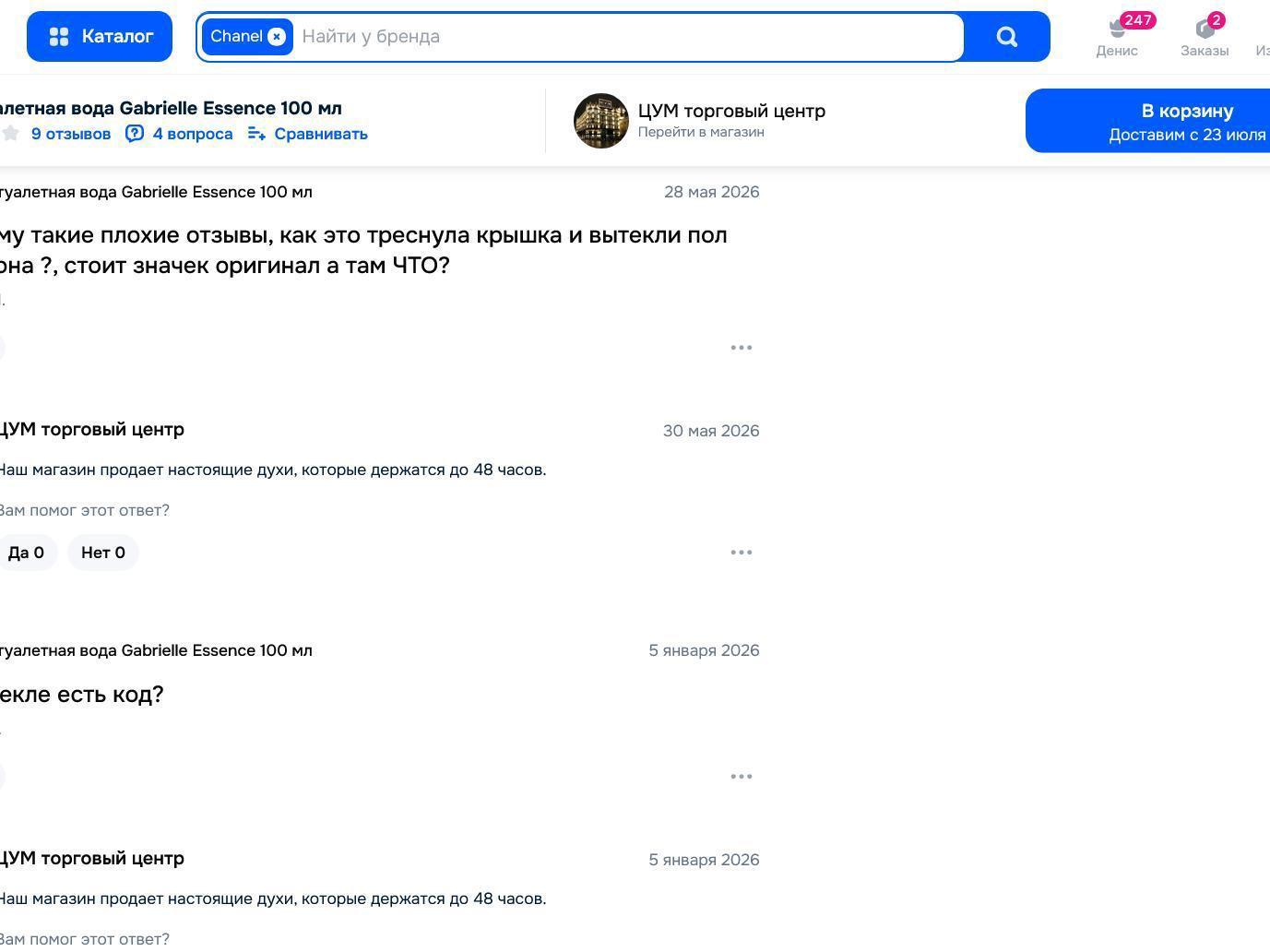
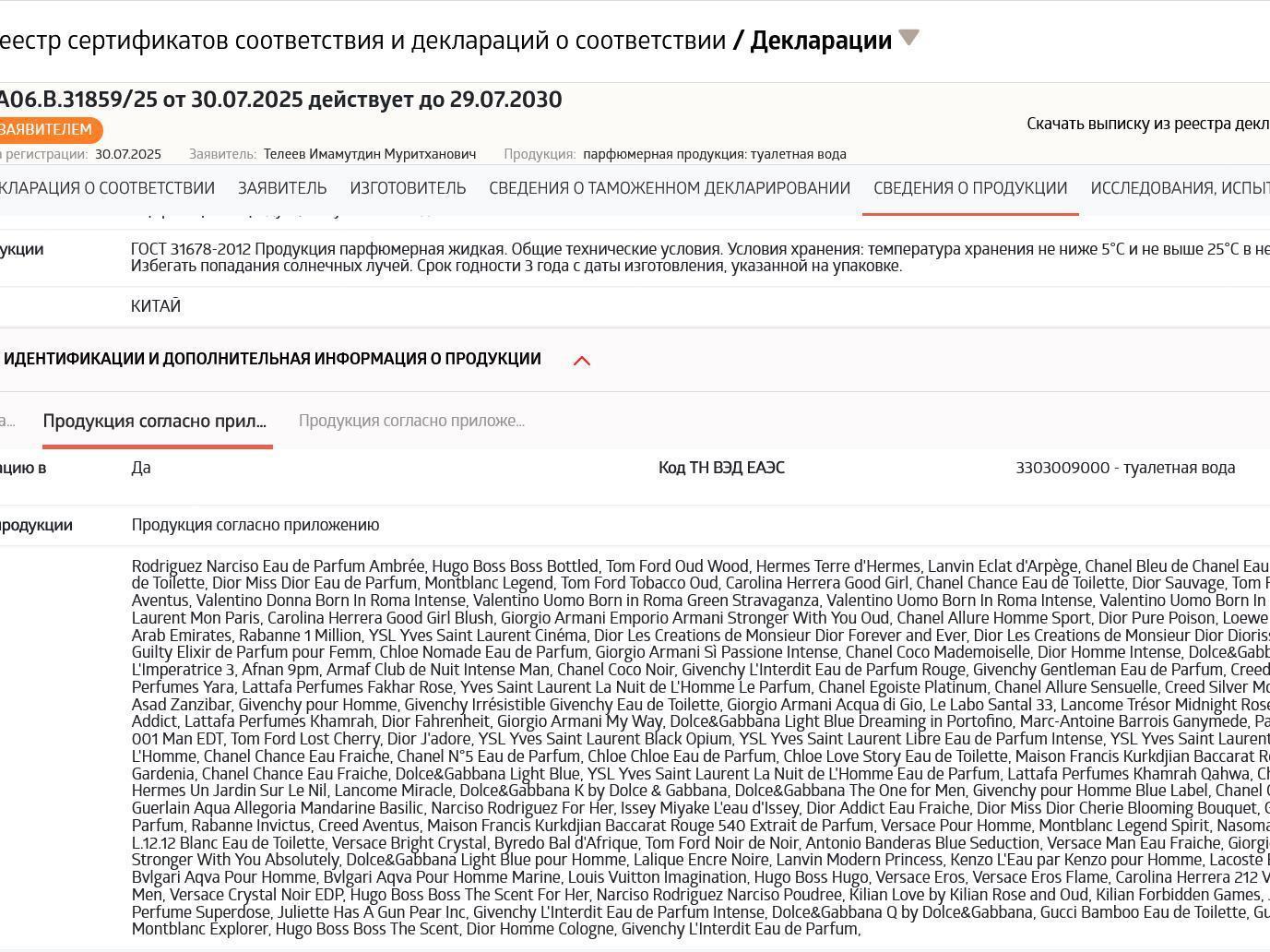
On Wildberries, there are suspicious offers of original perfume for 1,200–1,500 rubles ($13–$17) when the real price is tens of thousands. Sellers provide documents from the declarations register with addresses in France, Italy, and other countries. The documents are stamped by the Federal Accreditation Service, so the marketplace has no grounds to refuse sale.
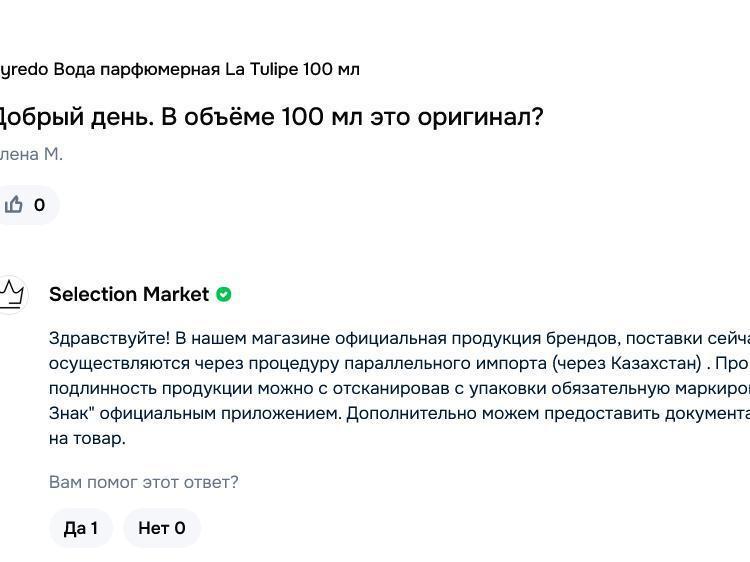
On Ozon, the situation is different: sellers claim they are selling genuine Chanel, with no reference to replicas. At the same time, «Honest Sign» labeling on the products is often missing.
Marketplace Response to Complaints
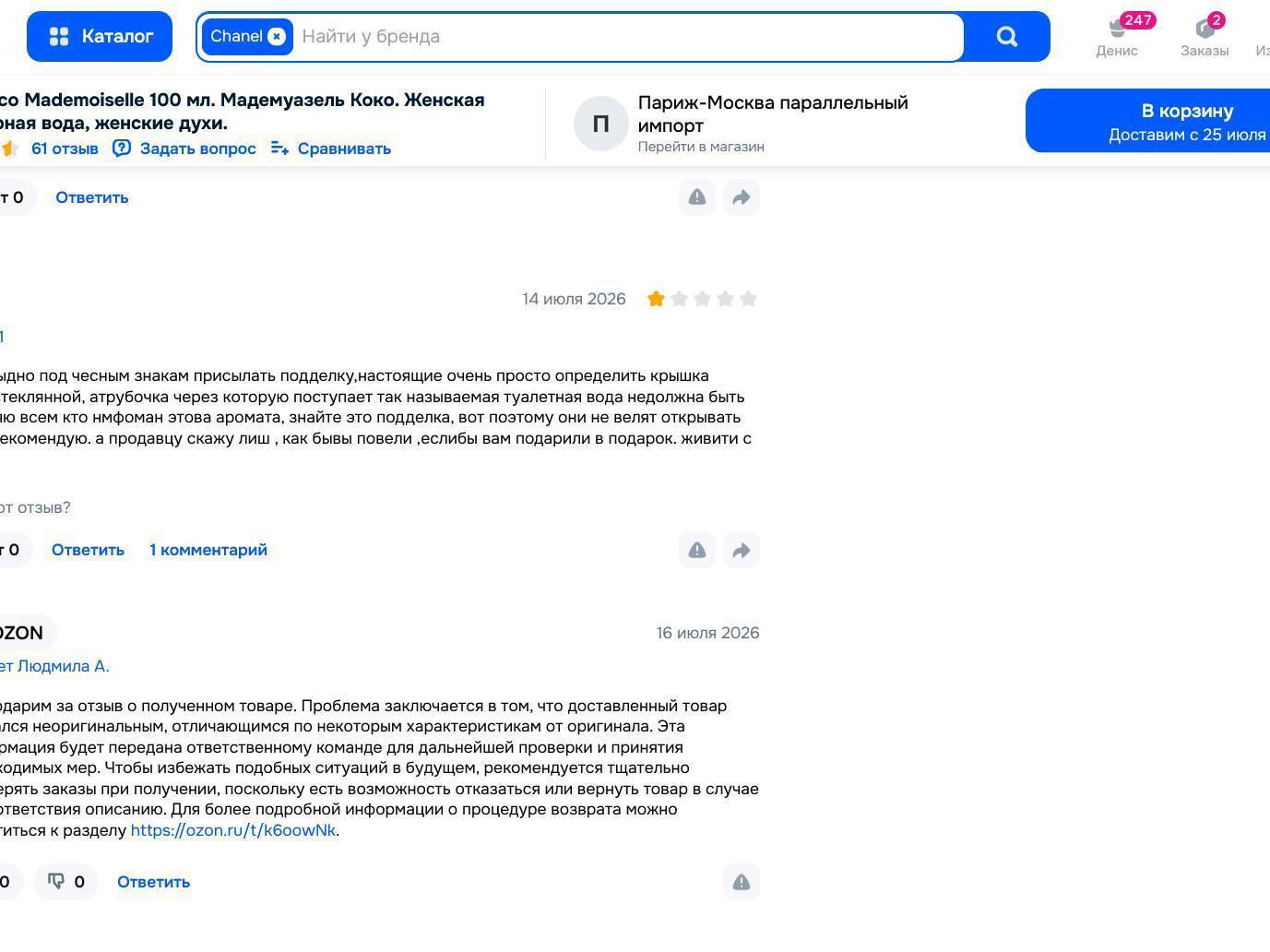
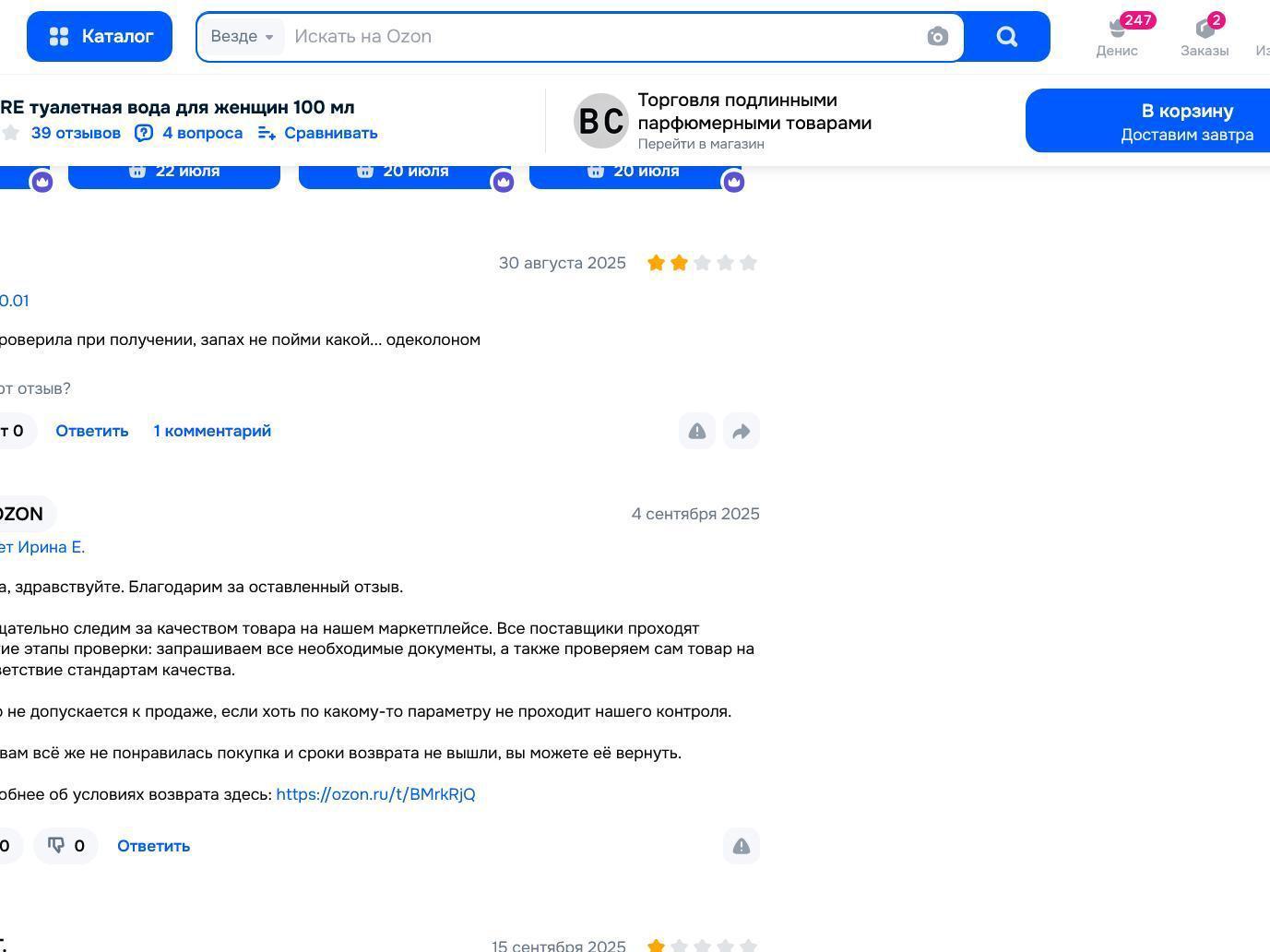
Sometimes buyers complain about quality, and Ozon steps in. Technical support states: «We carefully monitor product quality on our marketplace. All suppliers go through strict verification stages: we request all necessary documents and also check the product itself for compliance with quality standards. The product is not allowed for sale if it fails any parameter of our control.»
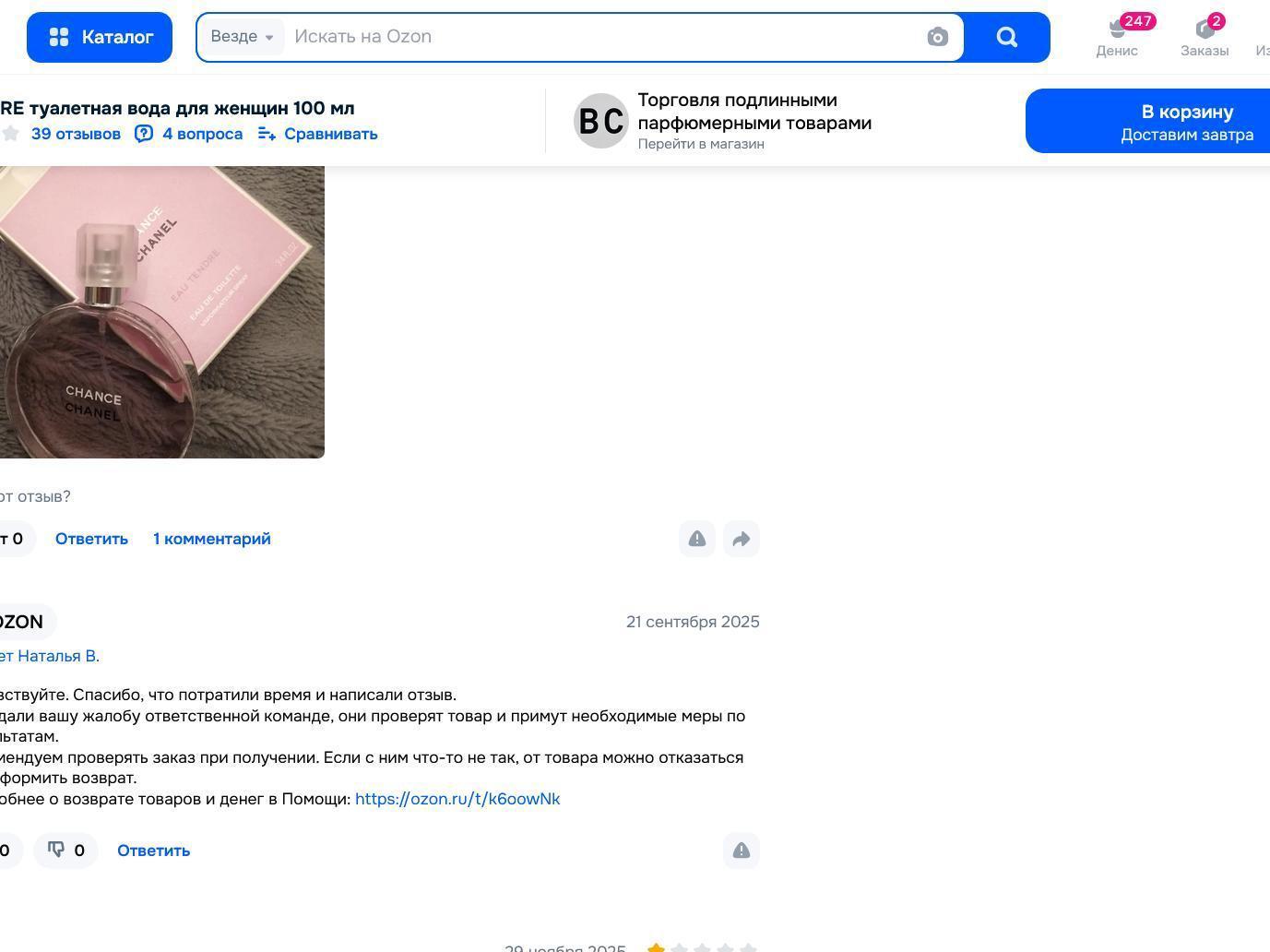
However, in response to specific complaints, buyers are offered to check the product at the pickup point and return it if something is wrong. Control over sellers is effectively shifted to the buyer.
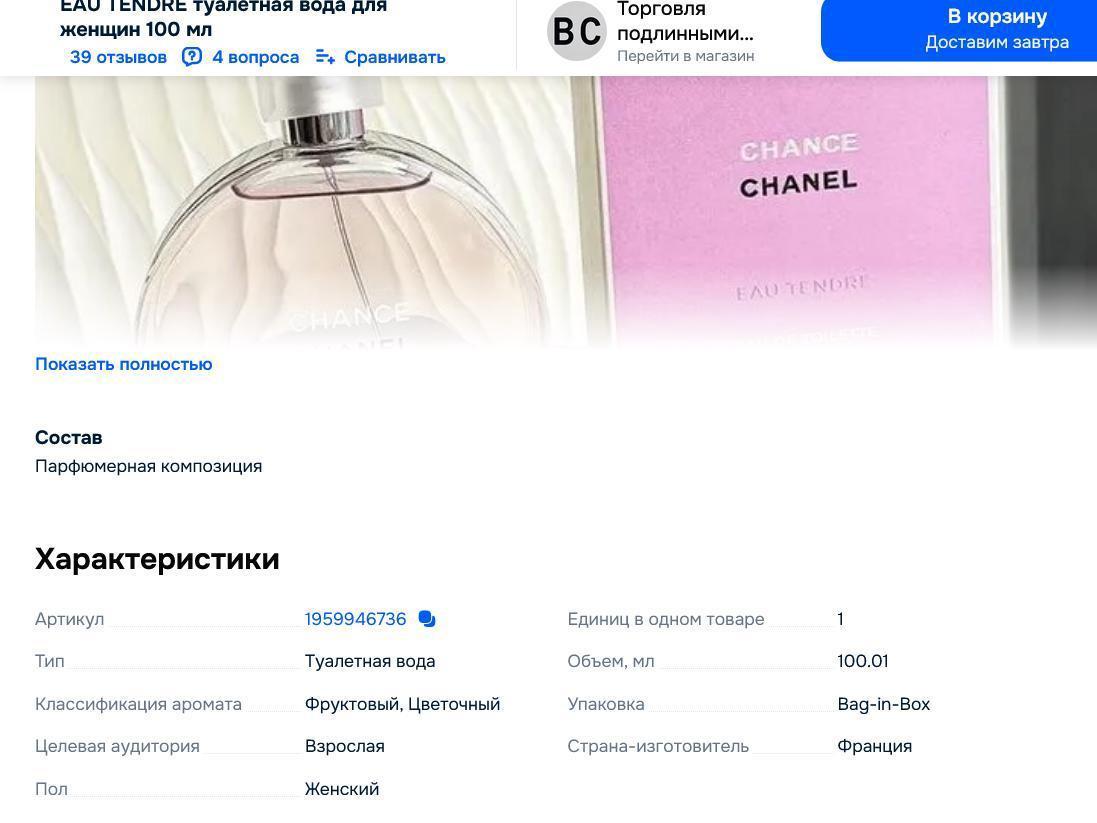
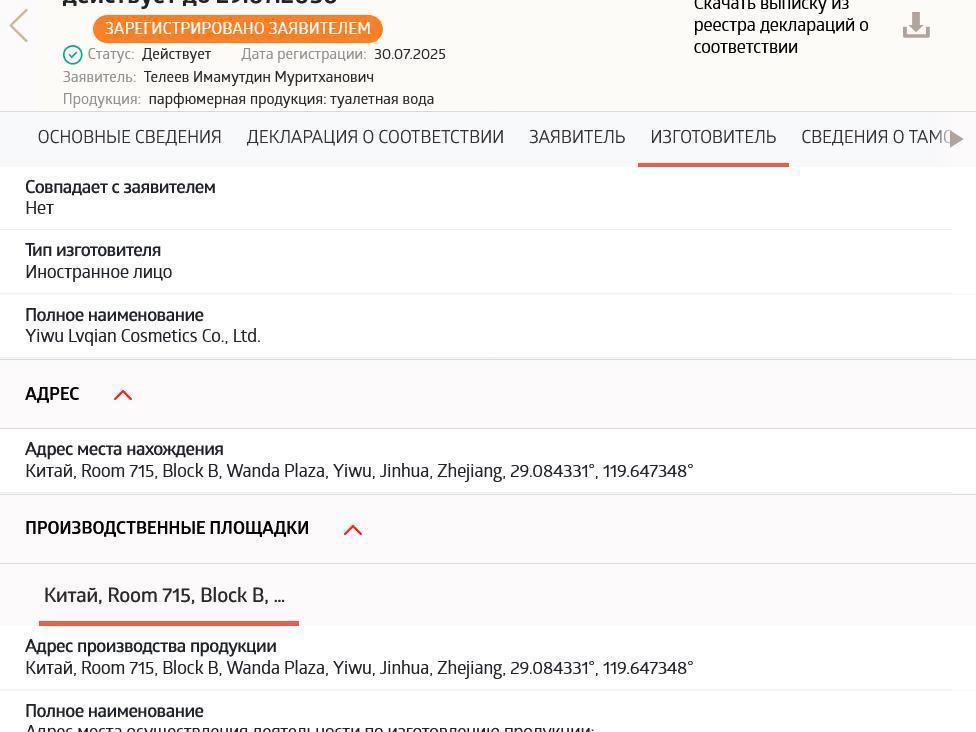
Example: a product listing indicating the country as «France» and 4,300 orders. Buyers complain, the seller assures authenticity. Ozon promised to look into it — that was in September 2025. The documents submitted for the product do not mention France, and the place of production is listed as room 715 in a business center in Jinhua (Zhejiang Province, China). The same declaration lists dozens of brands supposedly produced in that room. Ten months after the promise to investigate, the product is still for sale.
Purchase of a Fake
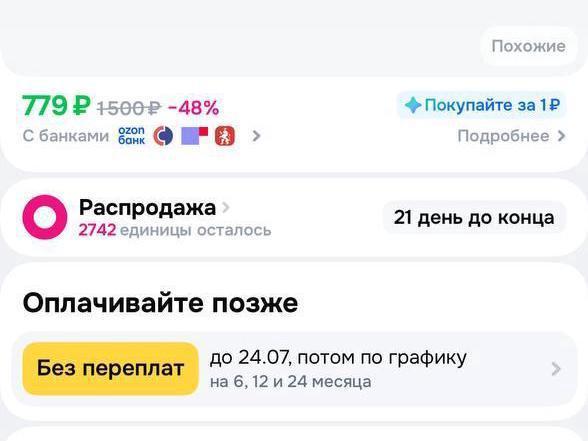
A purchase was made of 100 ml of Chanel Chance eau de parfum for 779 rubles ($9) (the original costs about 35,000 rubles, or $389). The listing had a «Honest Sign» logo and a «Product Verified» mark from Ozon; the seller confirmed authenticity.
The parcel arrived without labeling. The cap of the bottle jammed, the scent smelled of alcohol, and after 15 minutes the aroma completely disappeared. The buyer, who had experience with the original at duty-free, confirmed it was a fake. Despite this, a male buyer was satisfied: it works for aftershave use.
What Ozon and CRPT Say
In response to a request about the meaning of the «Product Verified» mark and the «Honest Sign» logo, Ozon gave a detailed answer: «According to marketplace rules, the «Honest Sign» labeling must be present on all products in categories where it is required by law. Ozon complies with these requirements: when placing goods in marketplace warehouses, we read the labeling codes. If for some reason the code is not read, such goods cannot be placed in Ozon«s warehouse and will not be available for purchase. When creating a product listing, the seller must indicate the EAEU CN FEA code. If in a category or for a specific CN FEA code the product is subject to labeling, filling in a separate «Labeling Code» field becomes mandatory in the seller»s personal account. The system may pre-fill it automatically (if labeling is mandatory for all products in the category) or ask the seller to check a box themselves (if labeling is optional, e.g., for residues imported before mandatory labeling). Product checks are carried out via API integration with the state register: Ozon cross-references the GTIN and seller«s TIN with the «Honest Sign» system. Based on the results of such verification, the marketplace adds a mark to the product listing indicating that the seller and product have been checked in the «Honest Sign» system. This is not the same as the «Honest Sign» logo, which the seller can independently place in the description or images. The legality of a specific unit of goods can always be verified by the buyer in the «Honest Sign» app using the marking code on the packaging. Ozon is constantly improving measures to combat counterfeit products. We check product listings manually and using machine learning models, study customer reviews, and quickly respond to complaints from users and rights holders. If users or rights holders have questions about the authenticity of a product, we request documents from the seller. If the seller does not provide them within three days, the listing is hidden from the marketplace until the investigation is completed. For products of brands at high risk of counterfeiting, Ozon additionally checks documents confirming the quality and authenticity of the product.»
When the publication tried to clarify why specific listings with fakes remain on the platform, they were asked to use the official channel. The journalists considered that checking millions of products is not their task and refused.
The lack of punishment stimulates the expansion of counterfeit sellers« businesses. For example, a sole proprietor from Voronezh who sold fake perfume has already been sued by buyers for refusing to refund money for a Dyson styler, and also received a Rosstandart (Federal Agency on Technical Regulating and Metrology) certificate for importing Nike, Vans, and Converse sneakers from China. On Ozon, this seller has 4,800 orders.
The Center for Research in Perspective Technologies (CRPT) — the operator of «Honest Sign» — stated: «Using the «Honest Sign» logo to promote counterfeit goods at low prices is unacceptable. According to opinion polls, 65% of consumers perceive labeling as a quality guarantee, and 53% as a sign of state control, making such abuses particularly dangerous. Since the beginning of 2026, the number of complaints about violations in the sale of labeled goods on marketplaces has exceeded 18,000.»
Nevertheless, complaints do not prevent counterfeit sellers from continuing their business.
Social Context
People have long wanted to own prestigious brands as a symbol of success. Even in the USSR, it was enough to show a scarce item to guests. Now you can post a photo of a Chanel bottle on social media. Buying elite perfume for 700 rubles ($8) is a conscious choice: everyone understands it is not original. Sellers are simply meeting demand.
However, laws require compliance with formalities, otherwise there are penalties. The responsibility of platforms for failing to comply with laws remains in question. In the USSR, no one fined Gostiny Dvor for selling counterfeit jeans, and now it is difficult to demand control from marketplaces.