Genrikh Fedosov: A Bright Flash of Soviet Football
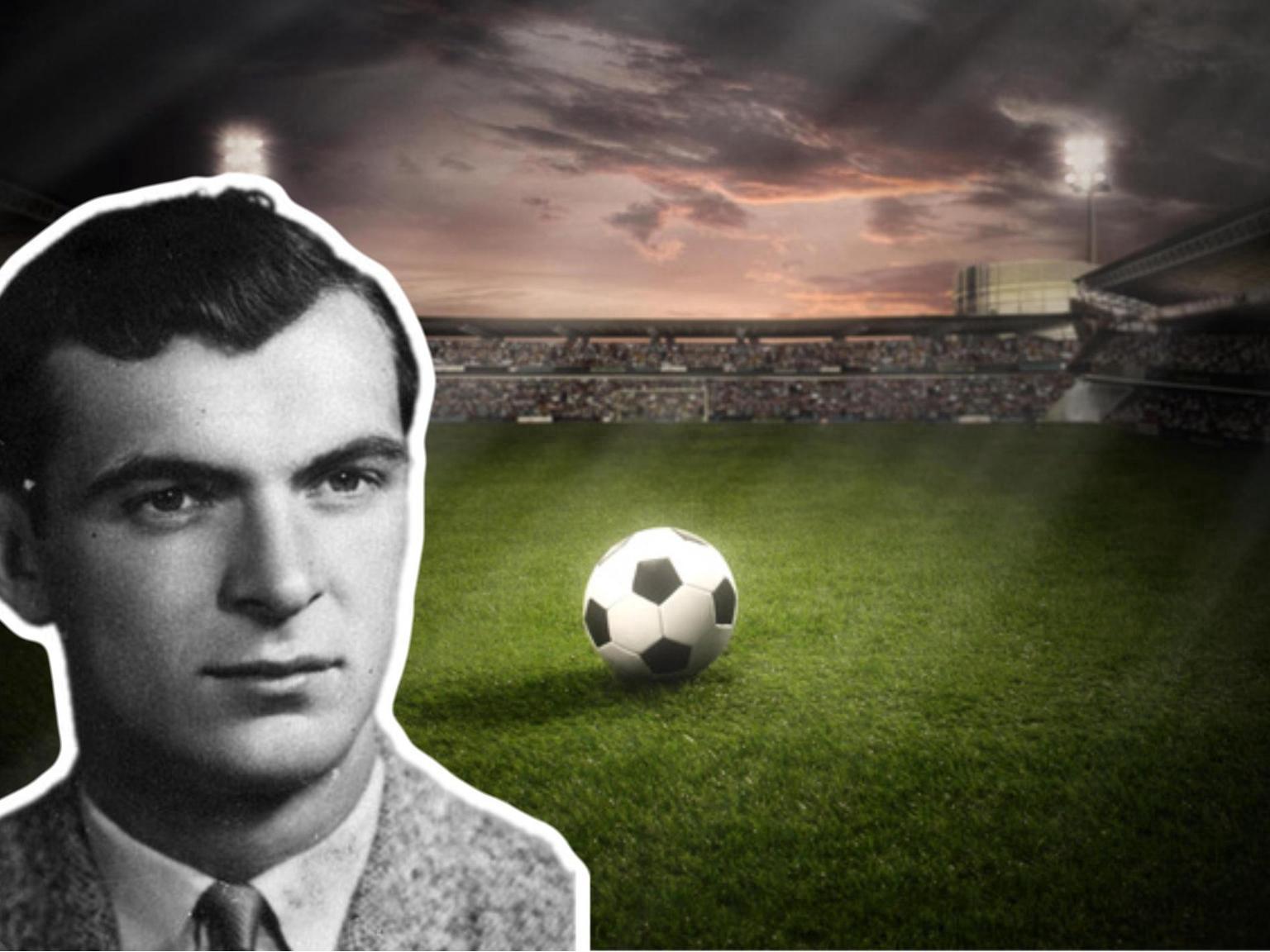

A film will surely be made about Genrikh Fedosov someday, just as about his famous USSR national team partners Lev Yashin and Eduard Streltsov. The biography of the Dynamo Moscow forward has enough material for an exciting drama: bright victories, a romantic story, tragic decline. His fate seems to reflect an entire era of Soviet football.
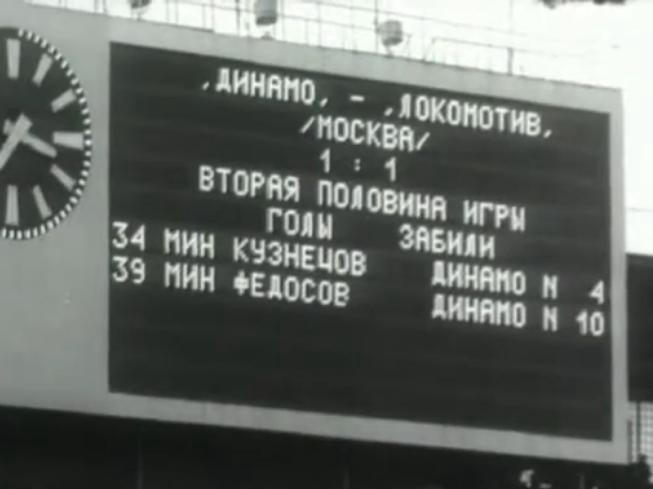
Fedosov was a three-time champion of the USSR (1955, 1957, 1959), twice became vice-champion, and once a bronze medalist. For the national team, he played three matches and scored one goal, participated in the 1958 World Cup. Twice he was included in the list of the 33 best footballers of the USSR, and in the top league he played 159 matches and scored 51 goals.

«He saw the sun» — a line from Yegor Letov«s song perfectly fits Fedosov»s image. In football history, he occupies a special, though not the most prominent place. Rarely are epithets like «great» or «legendary» placed next to him — but those who know, return to his name again and again.
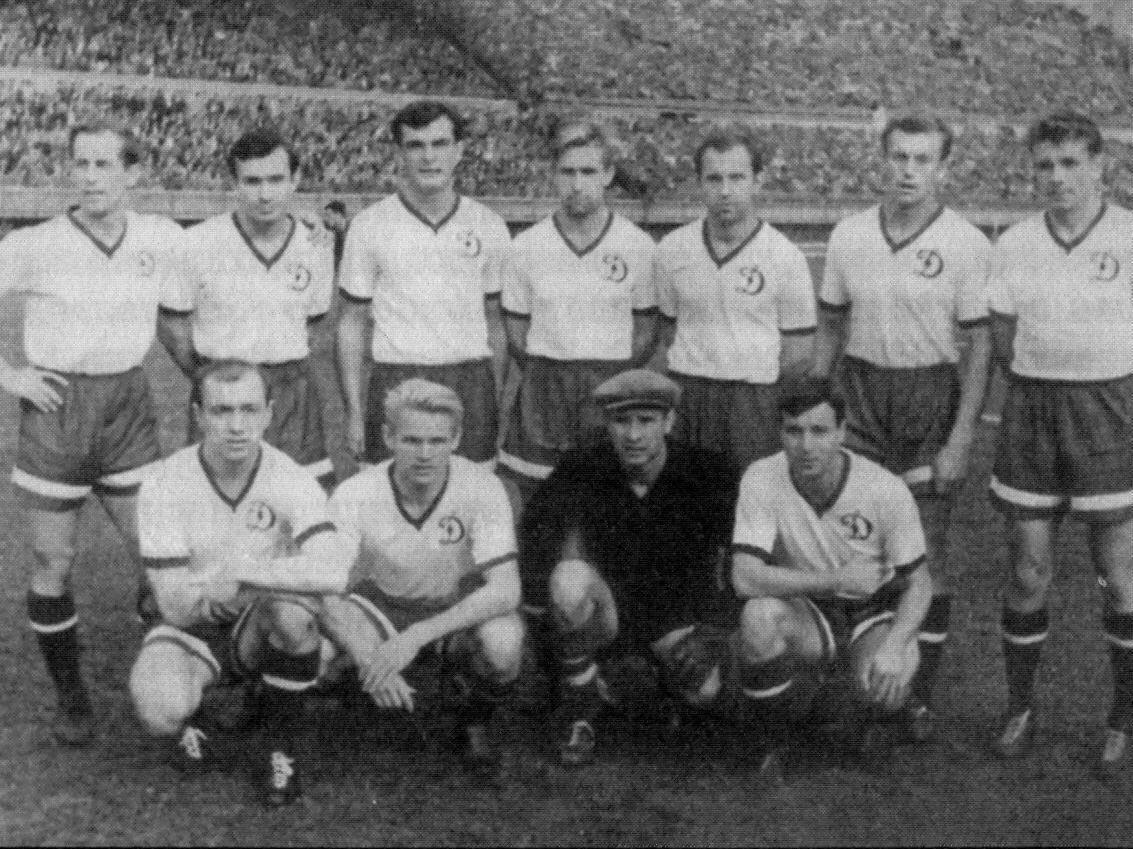
Yes, he won championships and scored important goals, including the first Soviet goal at the legendary Maracana, which was seen by the young Pelé. But in the shadow of giants like Yashin and Streltsov, his own light dimmed. Fedosov himself modestly assessed his talent, saying that there were many like him. And yet, without his figure, the story of 1950s football would be incomplete.
After finishing his career, Fedosov found himself on the sidelines of life. On days of important matches, he did not go to the stadium, but sat on the step near the «Electrotovary» store, smoked and listened to neighbors« conversations. Then he got up and went to unload refrigerators. Sometimes he dropped by Petrovsky Park, where he lived in a dormitory, and stopped at a stand with photos of veterans. From it looked a young, smiling Fedosov — and that gaze seemed like a reproach.
He was one of those footballers who was more than just a game. During foreign tours, when teammates ran to brothels or bought up scarce goods, Fedosov attended concerts and collected gramophone records — he had complete collections of Caruso, Miller, Armstrong. He loved good cinema, jazz, beauty in all its manifestations. This refinement distinguished him in the harsh world of sports of those years.
The central legend about Fedosov became the story that happened in Brazil during Dynamo«s tour in 1957. In Rio de Janeiro, he met Natasha — the daughter of Russian emigrants. The young people fell in love. One day at the beach, Natasha got caught in the tide and began to drown; Fedosov rushed to save her, miraculously pulled her to shore. Newspapers trumpeted the feat of the Soviet footballer, the girl»s parents held a banquet in his honor. But when the team flew away, they parted. Letters that Natasha later sent to Moscow remained unanswered. They say she even came, but Fedosov, who had taken to drink and sunk low, did not open the door.
The internal monologue attributed to Fedosov sounds like a sentence to himself: «What can I give her? An organ of empty bottles under the bed? My game is on the decline… I am no longer a national team footballer, not of capital »Dynamo«…». He won the battle with the ocean element, but lost the battle with the element of life.
After leaving Dynamo at age 29, Fedosov essentially ended his career in big football. He played a bit more in Kirov, Yaroslavl, Noginsk, helped Shinnik reach the top league, but his legs no longer obeyed — after matches, he soaked them for hours in a hot bath. He drowned the pain and disappointment in alcohol.
By nature, Fedosov was a soft, non-confrontational person — like Eduard Streltsov, who was called «a man without elbows». On the field, he needed to be «wound up»: partners intentionally pushed, pinched, even slapped his face to anger him. An enraged Fedosov became invulnerable. But outside the stadium, this magic disappeared — before everyday rudeness, he was defenseless.
He married late, in 1968, to a student named Zina, and lived with her until the end of his life. The last years were agonizing: prostate cancer, an unsuccessful operation. Fedosov lay on the sofa facing the wall and quietly asked his wife: «Mama, where to go from here?» He died in 2005.
Journalist Pavel Vasilyev, who grew up in the same yard as Fedosov, recalled: «No one knew he was a former footballer: swarthy, fit, casually smoking… He stood out among the loaders — always clean-shaven, cold-blooded.»
One evening, Fedosov watched as boys played «goat» against a wall. The ball flew poorly, the game didn«t click. Suddenly, the former footballer stopped the ball and showed some tricks — the ball obediently danced at his feet. The children froze. »You can«t do anything,» said Fedosov, kicked the ball into the darkness and added: «This ball ruined me.» He turned and left.
Today, the story of Genrikh Fedosov reads as a parable about the fragility of talent and the price paid by a romantic in the harsh world of professional sports. His name does not thunder in stadiums, but for those who value style, individuality, and human drama, he remains one of the most poignant figures of Soviet football.