Pavel Pechenkin on Documentary Film, Life, and Controversy
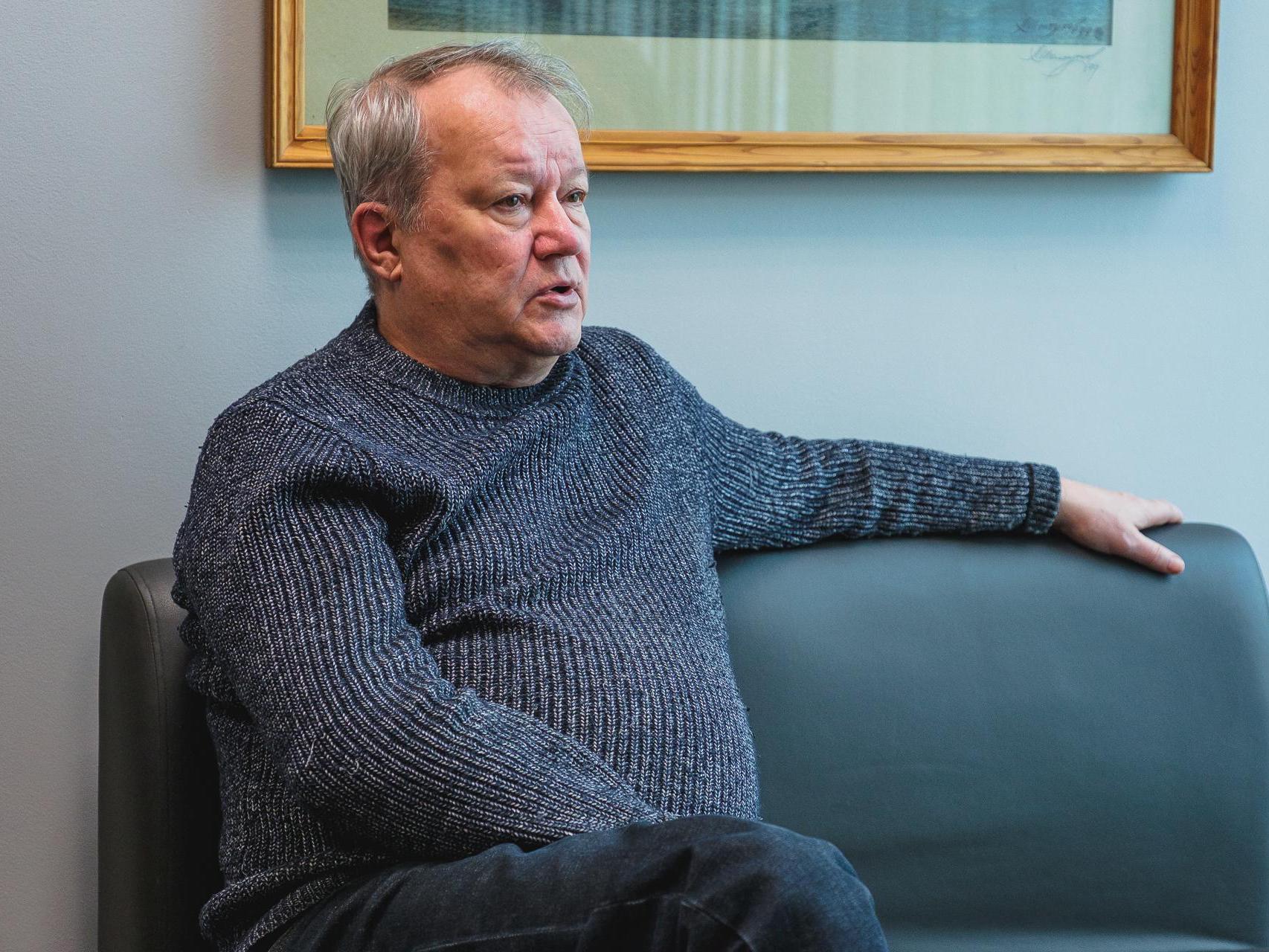

Pavel Anatolyevich has dedicated 40 years to documentary film
Pavel Pechenkin and documentary film are one and the same. On January 24, the renowned Perm director turns 70. He has dedicated almost 40 years to documentary films, and 30 years ago he founded the documentary festival «Flahertiana,» which has become international.
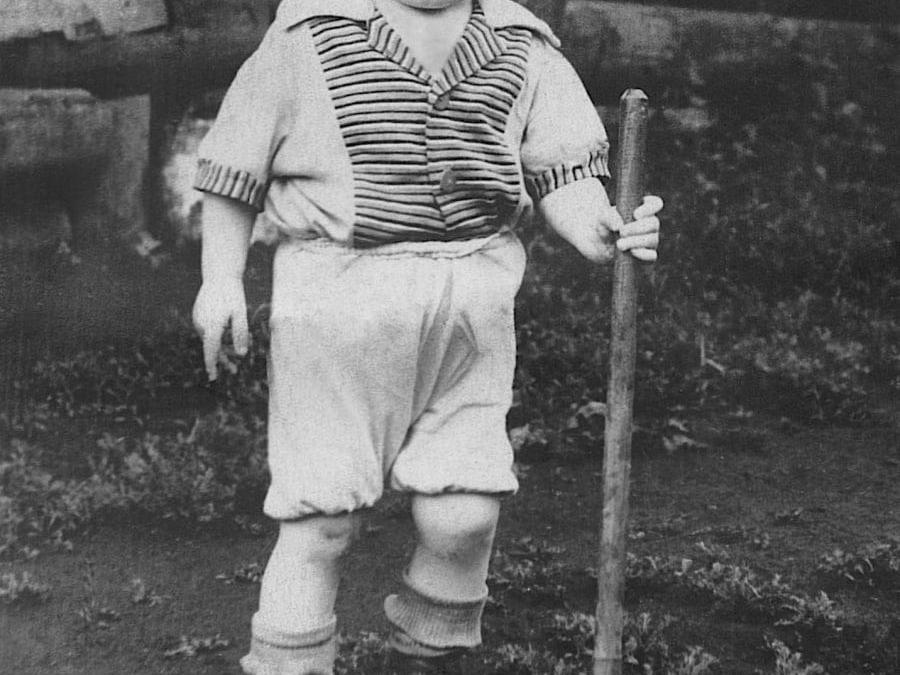
Here, little Pavel is just one and a half years old (1957)
Ahead of the anniversary, we met with Pavel Anatolyevich. The director shared with us why he came to documentary film, how part of the house containing the «Novy Kurs» (New Course) film studio collapsed, how «Flahertiana» was born, and whether audience interest in documentary film is waning.
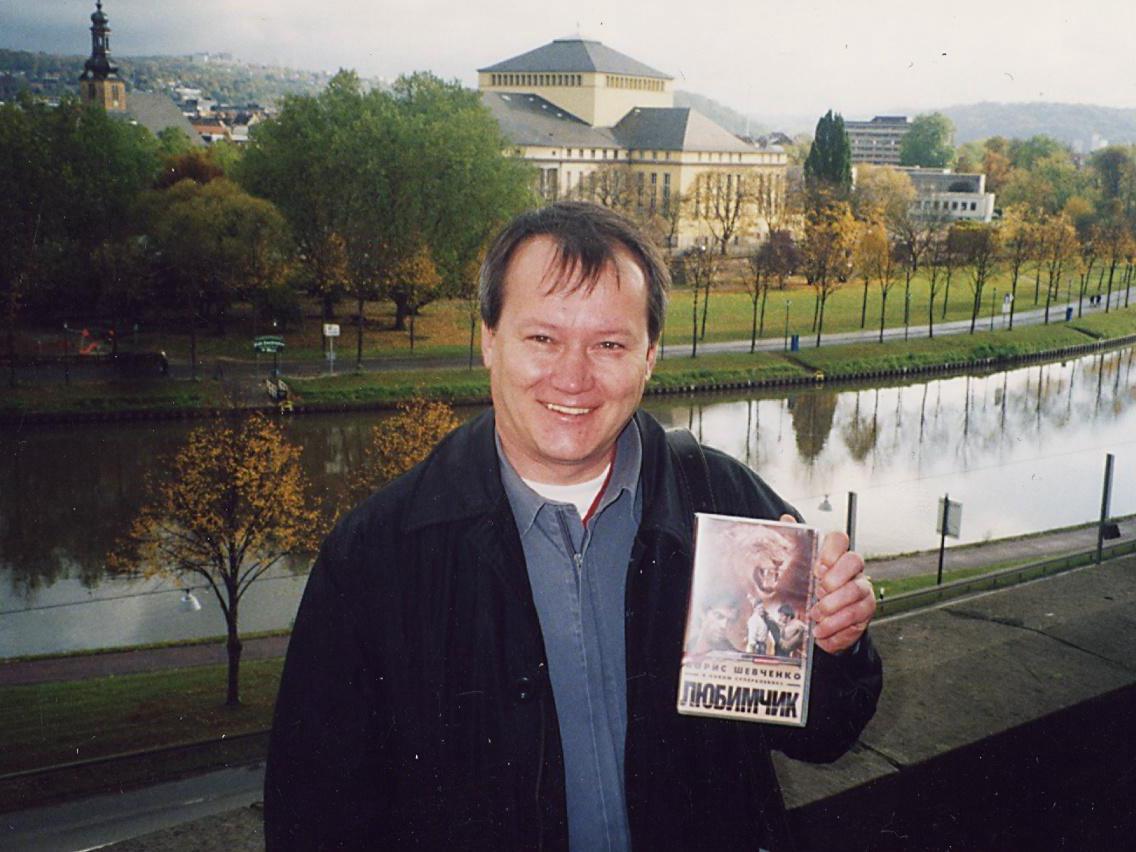
Pavel Pechenkin holds a cassette of the film «Lyubimchik,» which he bought in Germany
At the end of the conversation, we also touched on the trials regarding embezzlement from the charitable foundation «Sodeystviye — XXI vek» (Assistance — 21st Century), in which the foundation«s director Elena Naydanova and vice-premier of the Perm Krai Elena Lopayeva were accused. The first founder of the foundation was Pavel Pechenkin. He also expressed his opinion on this high-profile criminal case.
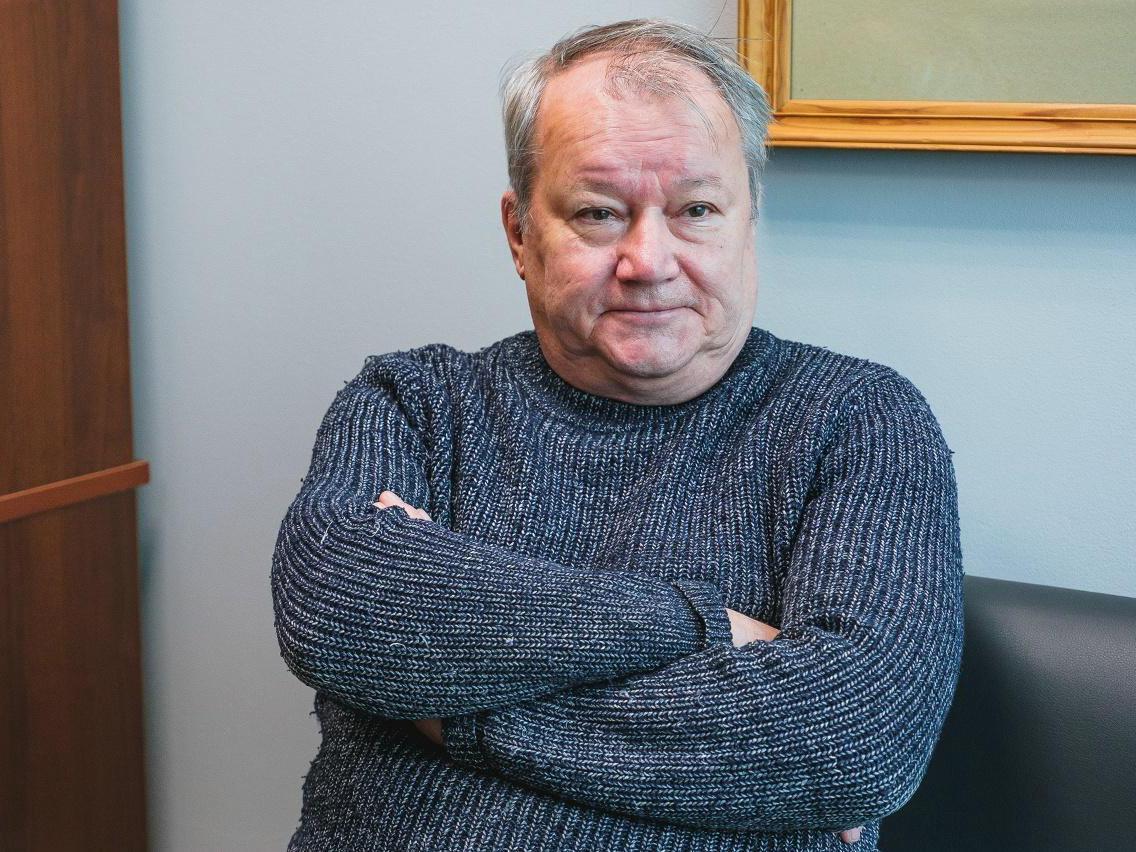
Pavel Pechenkin hails from the Perm Krai settlement of Kusye-Alexandrovsky, where his mother worked as a veterinarian—the only one in the entire district, «roughly the size of Belgium.» While his father served in the navy, they lived with his grandmother, then moved to the Chernushinsky district. Pavel himself explains: his father was from a repressed family. The family moved again—to the Kaliningrad region, where the children started school.
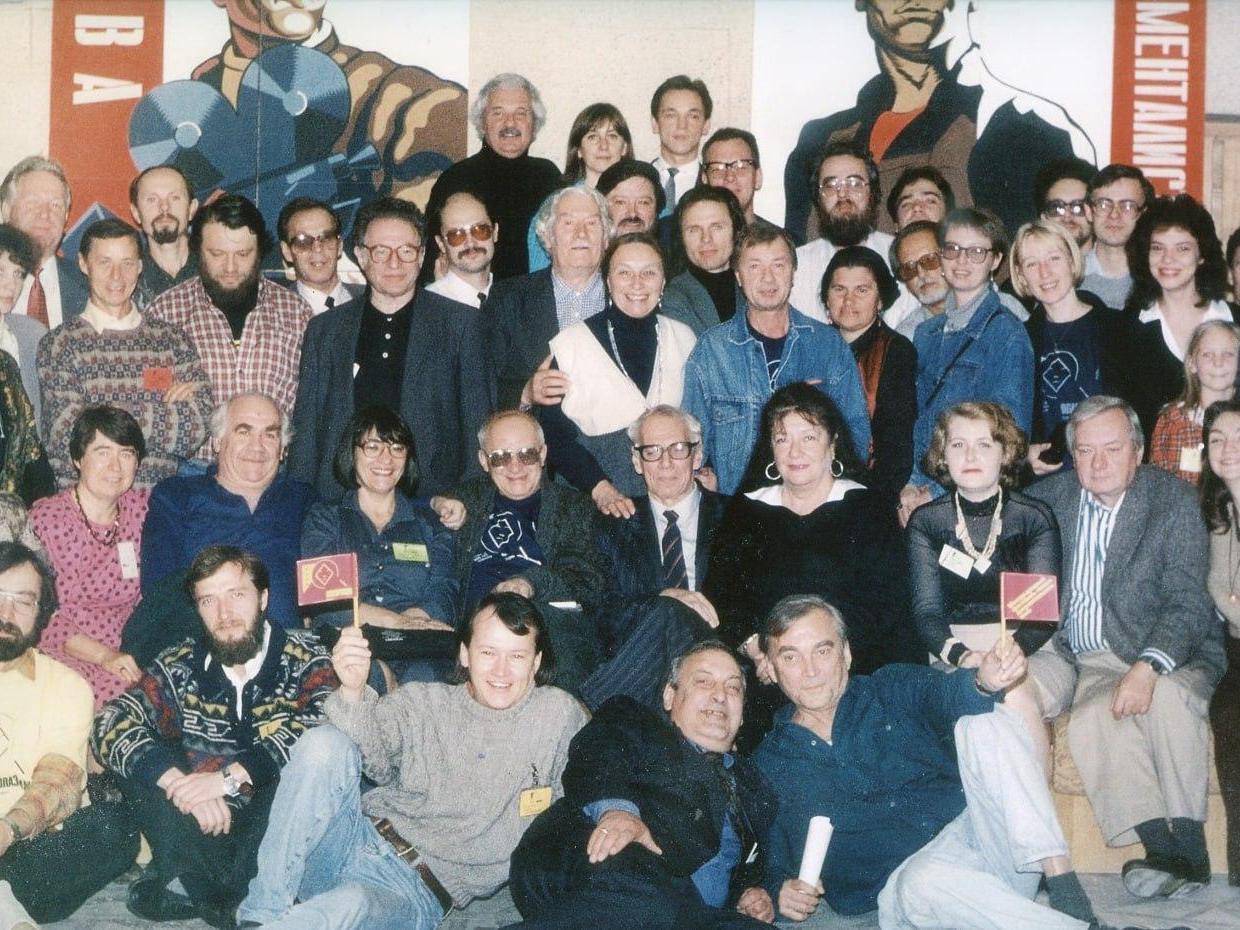
Guests and participants of one of the first «Flahertiana» festivals
— I remember well how every summer someone from our small rural school, where I studied, played in the ruins of Goering«s dacha or a Prussian aristocrat»s estate, — says Pavel Anatolyevich. — They were all bombed out. We made fires, found shells. I myself went swimming with friends once, and we discovered a whole stash of mines. First, we pulled out a few mines, then decided it was too risky. We called sappers, they came, retrieved the mines, and blew them up. And then my father found a stash of German weapons in the shed that my brother had dragged there. There was a machine gun, a submachine gun, a pile of gunpowder. There was a terrible scandal in the family, with a belt and other arguments. And our family eventually moved back to my mother«s homeland—the Nizhny Novgorod region. It»s very beautiful there.
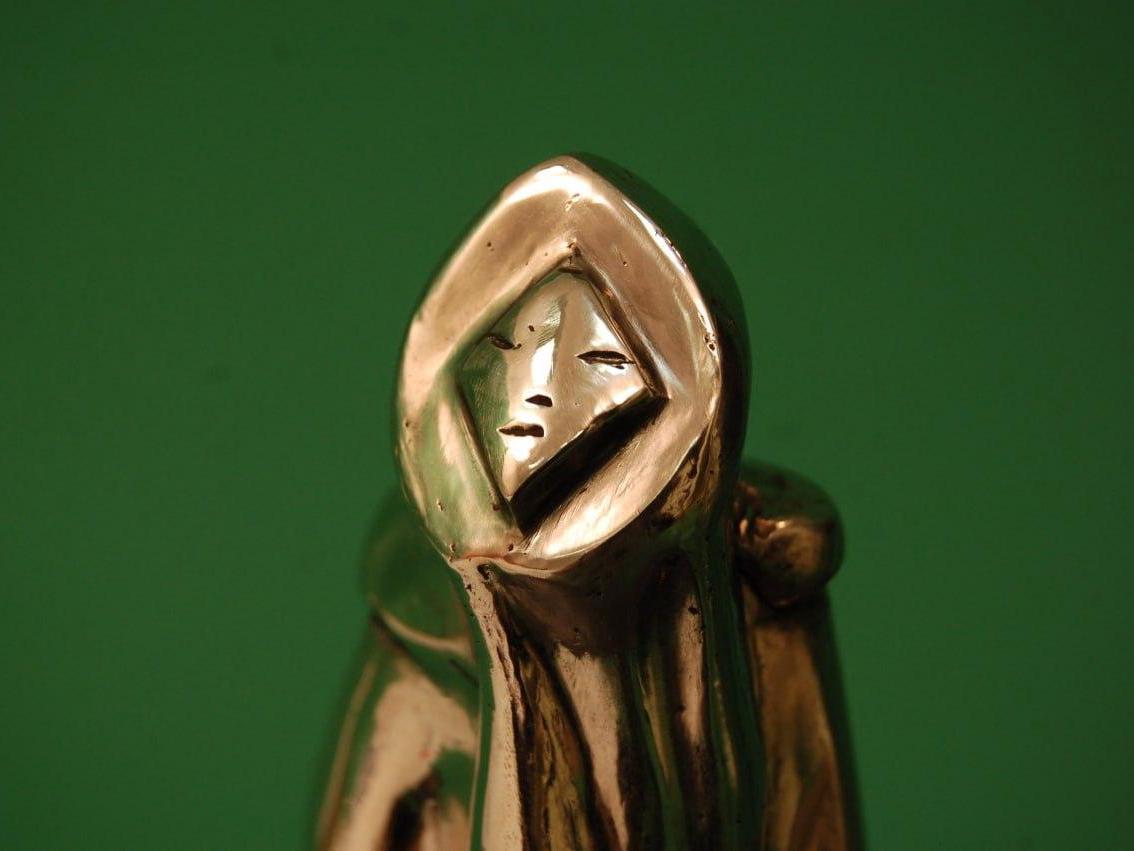
A figurine of Nanook became the symbol of the «Flahertiana» festival
In the Nizhny Novgorod region, Pavel finished school; his older brother was studying at the Perm Polytechnic Institute at the time, so he followed him to Perm. He studied to become an electrical engineer and even worked for two years as a mechanic-power engineer in the assembly shop at the Lenin plant. But he understood that «this wasn»t his thing.«
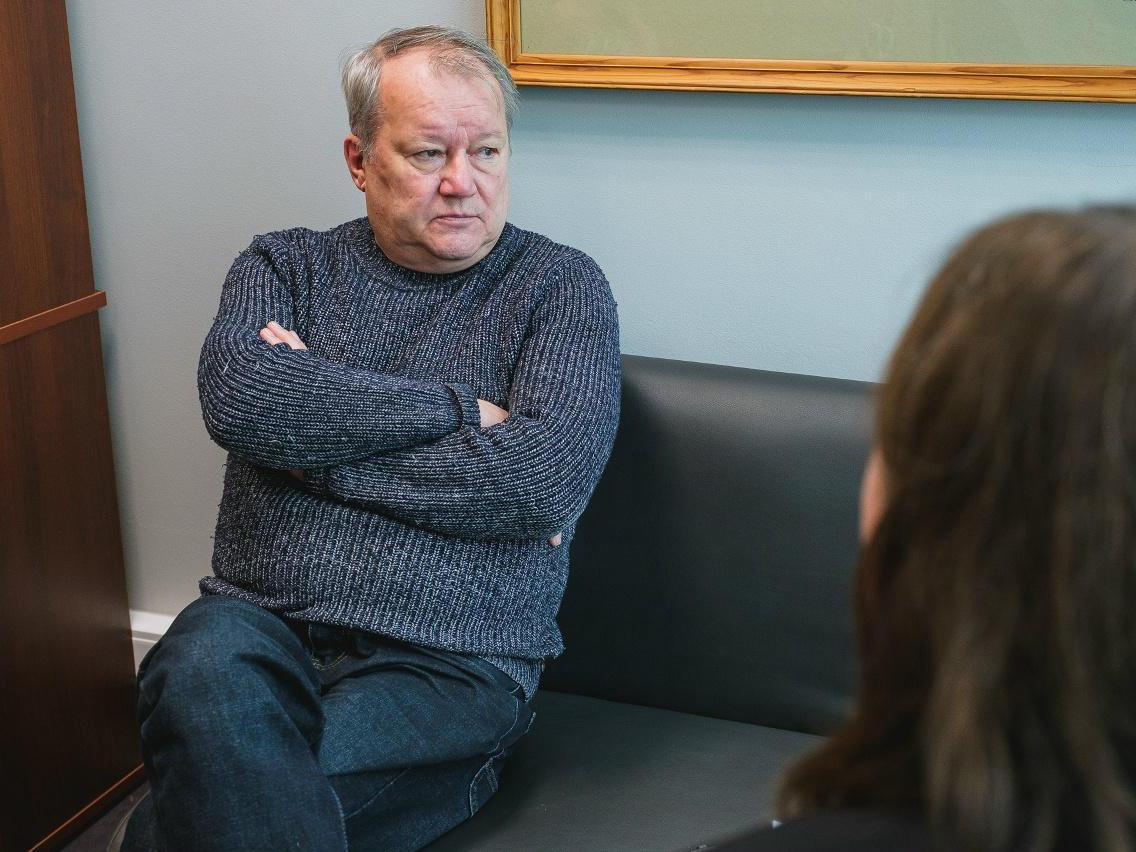
This year, Pavel Anatolyevich celebrates a milestone—his 70th birthday
— I spent about 10 years in the library and, essentially, received a normal, full-fledged humanities education there. Art history, literature in full, — recalls Pavel. — Mainly it was poetry, and later I wrote poetry too. And later, I finally understood that film suited me better. So in 1983, I went to apply for Marlen Khutsiev«s course. I was accepted, but out of foolishness, I didn»t study and returned to Perm.
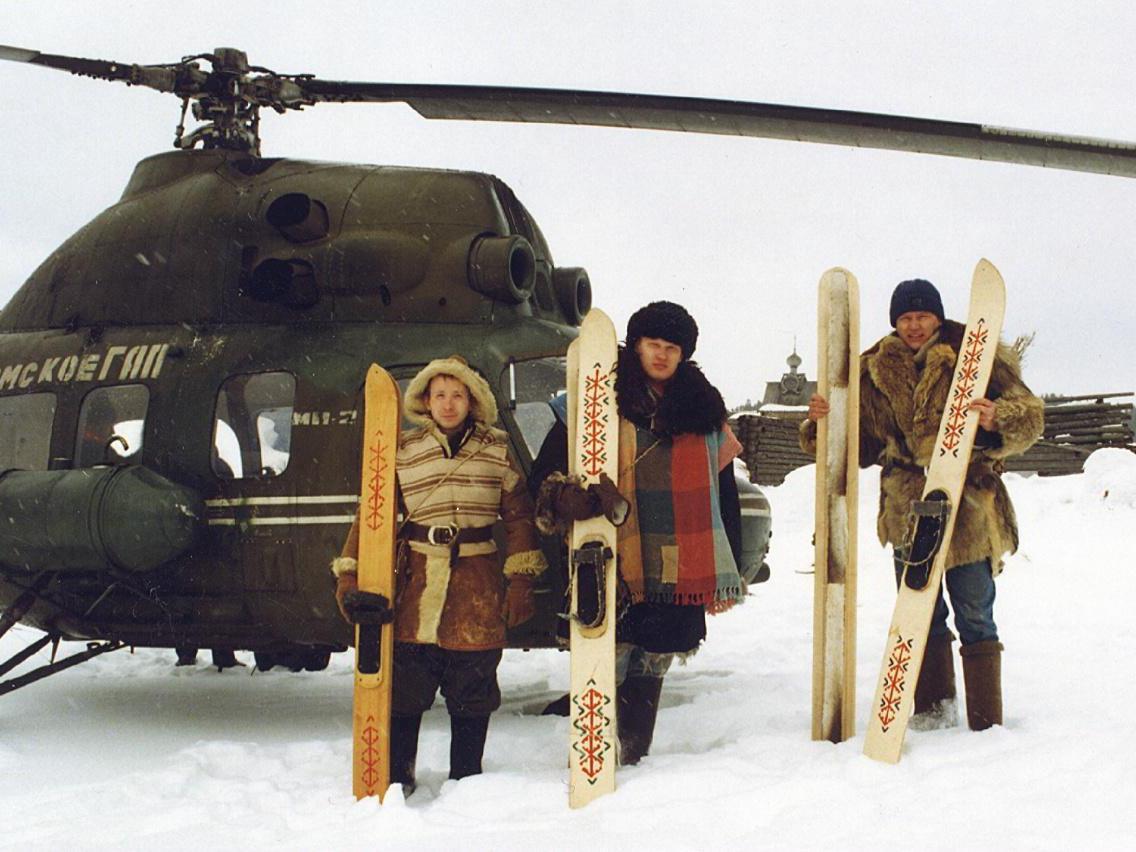
In the 1990s, Pavel Pechenkin shot an advertisement for the Perm basketball club «Ural-Great.» At that time, there were no drones; a helicopter was brought in for aerial shots
Marlen Khutsiev—a director, screenwriter, People«s Artist of the USSR, actor, and producer. His most famous films: »Spring on Zarechnaya Street,« »I Am Twenty Years Old,« »Afterword,« »And Still I Believe...,« »July Rain.« He taught at VGIK (All-Russian State Institute of Cinematography) for 30 years. He nurtured several generations of filmmakers.
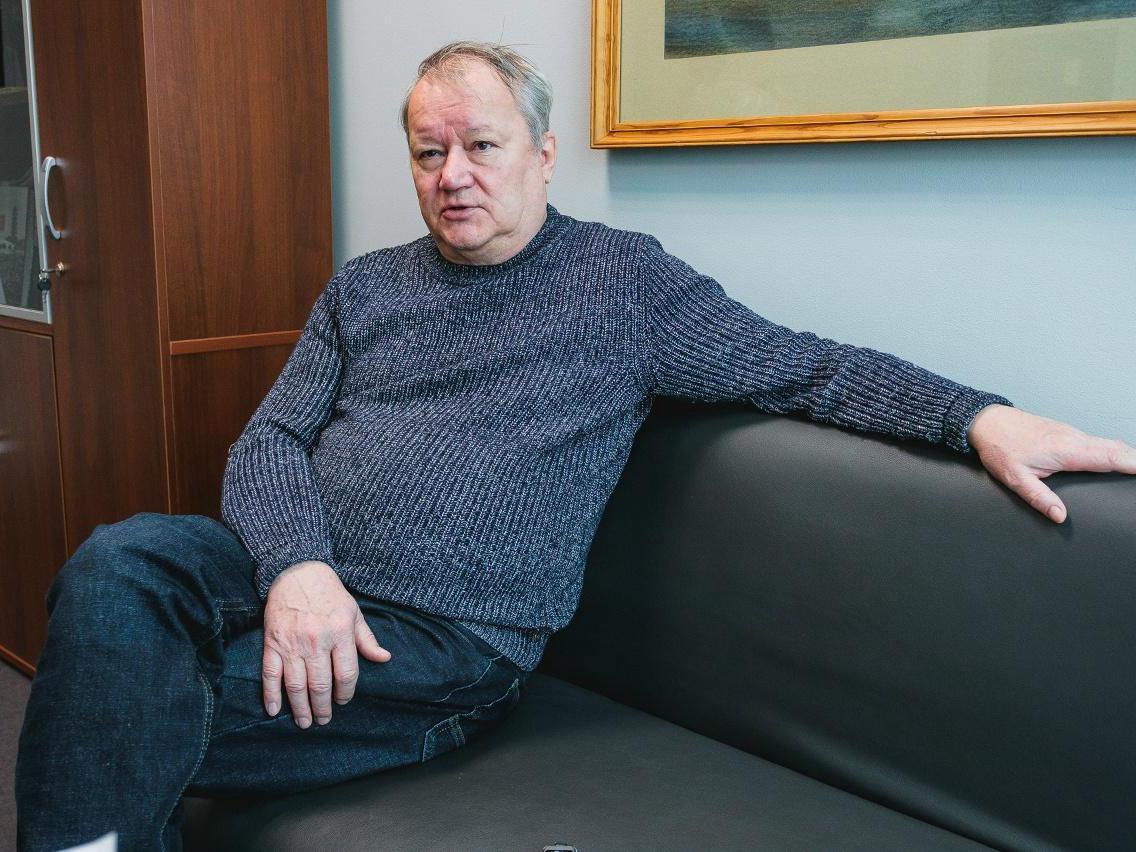
Two years later, director Alexander Mitta came to Perm, and Pavel decided to attend his advanced courses. But at that time, the director was allocated money for his film «The Tale of Wanderings,» so he left for filming. In 1985, at age 29, Pavel got a job as an assistant on Perm television, where they shot documentary film.
— Two years later, you left there. What didn«t you like?
— At that time, there were quite large fees. The «senior comrades» distributed the money among themselves. And most importantly—television then had a propaganda task, and I wanted to make films.
At that time, recalls Pavel, Gorbachev came to power and «a lot began to change,» including the fact that it became possible to create one«s own film studio.
— So in 1987, we created an advertising artistic agency. We—that«s me and later the workers from »Permtelefilm« who joined me, — says Pavel Pechenkin. — We bought equipment, a camera, lights, in short, all the equipment needed to make films. For this, we took a loan, which we later repaid, and even bought a Rafik minibus.
Thus began the history of the «Novy Kurs» film studio. The core of the old team consisted of cameramen Konstantin Shitov and Sergey Lepikhin.
— With him, I just shot my first short feature film with Zhenya Glyadinsky in the lead role, — says Pavel Anatolyevich. — In 1989, I wrote the screenplay for the feature film «Lyubimchik» (The Favorite), and, strangely enough, took it to a bank. In the end, the bank gave us money for production, and we finished that film. In 1991, distribution began with advertising on Channel One. In Moscow, our film was shown in 11 cinemas; overall, distribution was from Kamchatka to the Baltic states. In the end, the film was seen by four million viewers.
Here«s how writer Svetlana Fedotova described the film »Lyubimchik« in the publication »Novy Kompanion,« in a review she calls it an action film: »At the center of the plot is a karateka, elections to the RSFSR Council of People«s Deputies, the mafia, and a beautiful girl who helps the main hero. Perm»s James Bond couldn«t do without car chases, during which cameraman Sergey Lepikhin took the most risk, shooting scenes of speeding cars, leaning out up to his waist from the window of a rushing car.»
— But why do you still make documentary film?
— Documentary film is a film that studies how people live, and it can tell people how others live. Documentary film is primarily a humanitarian technology for discussion, for dialogue within society. Without dialogue, society decays. That«s absolutely true. This was already the case under Soviet rule. Why did the country fall apart? Because the Moscow elite didn»t see or know life, and that corrupt story destroyed the country. This can happen if there is no discourse in society.
— In one interview, you briefly mentioned how in «95, the house and basement where your studio was located collapsed. Under the rubble were 400 square meters with studio equipment. Can you tell us in more detail why it all collapsed? How did you restore the studio?
— It all started when the bank financing us asked us to leave the premises we occupied; they took it over themselves. In the end, we ended up in the basement at Lebedeva, 36, where Boris Milgram«s theater was previously located. One of the residents from the neighboring entrance dug a pool in the basement and made himself a sauna. The foundation was washed away because in that area, back in the early 17th century, there were copper mines, and a whole entrance sank into the ground, including our studio.
Of course, no one was in a hurry to give us new premises in return. It ended with, after my protests with photos in the press, including federal media, someone threw a gasoline bottle through the window at night. We called the firefighters. And what do firefighters do? They break open all doors and windows and douse everything with water. It was the physical death of the film studio. The next year, my one-room apartment became the office. All employees, naturally, were left without work. In the end, we were offered new premises.
The «Novy Kurs» studio is still located there.
— «Flahertiana» is 30 years old. Do you remember how you prepared for the very first festival? What venue did it take place at? Why was it without an audience?
— By the way, this emergency with the basement happened just after we held our first «Flahertiana.» Sponsors provided money for the first festival.
The second festival was supposed to be in 1997. But due to the fact that the film studio had no office, no money, the second festival took place a year later, in 1998. Both the first and second festivals were held at a sanatorium in Ust-Kachka.
The first three festivals were essentially conducted as seminars. That is, good directors, screenwriters came; it more resembled a gathering of documentarists. We just communicated, watched each other«s films, discussed films. Before »Flahertiana,« there were no attempts to understand what kind of film we were making, because under Soviet rule, documentary film served a propaganda role.
At that time, fair criticisms were voiced in the press that we weren«t showing festival film in Perm. Ultimately, in 2000, our first audiences came to the »Oktyabr« cinema.
In 2006, «Flahertiana» received the status of an international documentary film festival. Foreign colleagues came to the jury, there was a prize fund, and so on.
— Over these 30 years, personally, which «Flahertiana» films have particularly touched your soul?
— I want to talk about favorite directors. This is Yuri Shiller, my friend, who unfortunately died. This is Polish director Pavel Lozinski and his absolutely wonderful film, which has been shown many times at our «Flahertiana.» And he received prizes.
Good film moves me. What distinguishes the «Flahertiana» festival from other documentary film festivals, including international and European ones? Journalists who understand nothing about this always say: «Flahertiana» is a festival dedicated to Robert Flaherty. No! It«s a festival dedicated to the aesthetics of Robert Flaherty»s first documentary film «Nanook of the North.» The aesthetics where the director allows the hero to live part of their life on screen, and that is the selection formula for films. This is the main difference between «Flahertiana» and other festivals in the world.
Robert Flaherty—an American film director, one of the founders and classics of world documentary film. The features of Flaherty«s directorial style are prolonged film observation and the use of feature film techniques. In 1922, he shot the silent film »Nanook of the North,« dedicated to the Eskimos inhabiting the shores of Hudson Bay in Canada. At the center of the plot is hunter and family head Nanook (translated as »Bear«), as well as his two wives and children. The film is recognized as one of the best ethnographic films. As a result of long-term living with the heroes, Flaherty managed to authentically present the life of a little-known people.
Before creating «Flahertiana,» I worked for four years at the Sverdlovsk Film Studio, before returning to Perm in 1995. And there worked such powerful directors who made films that no one had made before.
What was happening in the 1990s? After the propagandist party film made under Soviet rule, we rushed to film living people. We filmed, among other things, the life of semi-marginals and marginals. In general, it was all the reality of the early and mid-90s. It looked terrible. Destroyed cities, prostitution, bandits, and so on, the mood was terrible, and so the film was «black.»
I remember, for example, director Andrey Anchugov«s film »Grandma«s Apartment,» which received the main prize at a documentary festival in Germany. The film is about two sisters, young girls. Their grandmother, with whom they lived, died. They inherited her apartment. And they, well, cremated the grandmother, but partied too much, and under the bed lies an urn with the grandmother«s ashes. And this film receives the main prize at a festival in Germany, the main prize—10,000 marks. At that time, that was huge money. You could buy an apartment in Moscow.
But no one, due to our naivety, sincerity, and Russian mentality, no one understood that we ourselves were playing into the hands of those destroying our own country. This understanding came later.
And directors came who made different films. This was Yuri Shiller, who filmed films about children all his life. Wonderful, very romantic, beautiful film. This is director Valery Solomin. Both are provincial from Novosibirsk.
I came and started making exactly such films. And I remember how Yuri Shiller and Valery Solomin accepted me. That was my first and greatest success. In that period, I made the film «The Man Who Harnessed the Idea.» This is a film about a man who lives in a house with horses. At the end of the film, the horse he tries to harness carries him away, and he can do nothing about it. This was the image of Russia in the 1990s—a horse that carries its owner when he tries to harness it. This is a metaphor for Russia in 1993. At that time, the film was shown five times on Channel Two.
— In your opinion, is interest in documentary film falling now? Or perhaps, on the contrary, growing?
— You understand that documentary film is more diverse, deeper, more interesting than feature film. Feature film is business. It«s big advertising and big budgets. The state still hasn»t figured out what documentary film is.
In Russia now, there are approximately 4.5–5 thousand screens showing feature films. And in China—80 thousand screens, in America—50 thousand screens. Guys, if you want to compete with someone, let«s play by the rules that are possible under these conditions. On equal terms, at least. I understand that feature film is needed, important, and so on. Now it was New Year, there are three fairy tales in distribution. But film is not only entertainment.
Film is a story that relates to a person«s worldview, to their reflections on what love is, what friendship is, what feat is, what the state is, what war is, and so on. No one reads books now, so the main emphasis is on film.
Society cannot live without film. The thing is, you won«t see advertising for documentary film anywhere. In schools and universities, documentary film is not shown. People don»t have the habit or skills for watching documentary film.
Documentary film is structured differently. Editing is done differently, heroes tell stories differently, the narrative is completely different. And a person who comes with the paradigm «let»s buy popcorn, sit in the back row, munch and laugh,« won»t watch documentary film because they come with a desire to munch and laugh.
Such viewers don«t perceive documentary film. Those people who think do. But most importantly, there is no opportunity to watch documentary film. Where are the platforms for such films?
Yes, television partly shows documentary life. They managed, thank God, at least to tell about the SMO (Special Military Operation). But there are other problems, a huge number of them in the country.
How does a director shoot a piece for television? Essentially, a journalist doesn«t need to go to shoot; they receive an order: »Go make a piece about how some factory is launched or how potatoes are dug.« Why would they go there? The farmer»s name is known. Everyone knows how to dig potatoes. The journalist doesn«t go there; they take the cameraman»s footage and put a voiceover text on it.
And a documentarian, to make a film, communicates with their hero for a year. A year! They become almost their relative. They will never betray them. And the main task of a documentary film director is to make a film about how the hero fights their problem, resists, tries to create something in this world.
Our viewer is thinking, asking the right questions. «Flahertiana» has raised such a viewer. Perhaps not numerous, but it«s about the quality of the viewer, not the quantity.
Five percent of the population is involved in decision-making and shaping public opinion. Our viewers are exactly part of that number.
— You yourself have been the director of many films. Which of your films do you particularly highlight? Why?
— I made my first films at the Sverdlovsk Film Studio.
Essentially, it was a stage of defining a position, including a civic position. I didn«t want to shoot dark, gritty stuff. I wanted to shoot a person who resists the circumstances that »bend« them. My hero is not always victorious, but always cheerful, courageous, sincere.
When I returned to Perm, I made a documentary film about the Youth Theater actor Valery Seryogin. He was the best Father Frost of Perm. The film «Pictures from the Life of a Provincial Comedian» is a film about what an actor«s bread is. I generally consider this my best film.
The filming took place in 1997. We shot on Soviet black-and-white film because there was no money for other film. We shot on «Svema» film, made in the city of Shostka (Ukrainian SSR—author«s note). It had Chernobyl defects. White spots appeared here and there in the image. Usually, this film wasn»t used for shooting, but we had no other choice.
— Tell us about your film that you shot just last year.
— In 2025, I made a film about how the Perm region lived during the Great Patriotic War. I made a film about the home front during the war; it«s an honest film.
When I started studying the facts, I was simply stunned. Our bread ration was 400 grams. In besieged Leningrad, it was 200 grams, and at the front, it was 400–450 grams. Books, memoirs of home front workers came out, a lot came out. But no one reads all this. I«ll just tell at least a few facts.
Every day from the Perm Machine-Building Plant named after Lenin (now the Motovilikha Plants—editor«s note), a truck left with the bodies of workers who died at night during the shift. People—mainly evacuees—died from hunger and cold. The 400 grams weren»t enough.
Evacuees to Perm, workers of the Mariinsky Theater, went to the Kama River to break ice to retrieve raw logs brought by the current. There wasn«t enough firewood. There was nothing to heat with.
In 1941, a vaccine for typhoid fever had already been invented in Europe, but production was very expensive, and the Soviet Union didn«t have the production technology. And our two Perm scientists—Pshenichny and Raykher—created the production technology for this vaccine. Thanks to this, during the war, there wasn»t a single epidemic. They saved millions of people. And how was this vaccine created? They needed people who tested it on themselves. Can you imagine what that is? And we know nothing about this. There are no films, nothing at all.
Another fact. In 1942–1943, girls from villages were conscripted into labor armies. They were 15–18 years old. In the Perm region, they were sent to work in mines at a depth of 300 meters. Moreover, some of them became explosives handlers. What is an explosives handler? That«s 30–40 kilograms of explosives in a backpack. And these girls went down the ladder. They were forbidden to descend in the bucket because they had explosive cargo on their backs.
If the bucket with these girls had blown up, it would have been a catastrophe for the entire mine. The mine extracted cornolite, a raw material for magnesium production.
Magnesium was needed for weapon production. And so, girls with explosives on their backs descended 300 meters. Of course, they cried, didn«t want to, but after two months, they worked no worse than experienced explosives handlers who had gone to the front.
— Where does the money for conducting «Flahertiana» come from anyway?
— The money is allocated by the Ministry of Culture of the Perm Krai. There were years when funding was three times less than now. Now it«s more or less normal funding.
Of course, a festival is such a multi-layered story. The more money, the more opportunities to conduct some unique events... If there«s no money, you can bring, say, a dozen directors and still show film. We always look for additional money for the festival. This year, for example, we brought Chinese directors to understand if we can collaborate with them on documentary film.
— You initiated the idea of opening social cinemas in the region. Do people go to them? How many such halls are there now? What«s the repertoire like?
— This is perhaps the most important project that distinguishes us from all festivals. We hold a forum for moderators of social cinemas. They come, watch films, select films they«d like to show in social cinemas. This is the only mass film movement in Russia now.
In the Perm Krai, we opened 221 cinemas. No one reads books. Film remains the only accessible form of art. Film isn«t just feet in a basin in front of the TV. It»s primarily communication.
About 200 feature films are made in Russia per year. And what of this quantity do we see? Well, we see at best 50. And if there are more screens, then more films can be shown.
Social cinemas are free. We started the monetization process, but that«s a separate story. People in villages have generally forgotten how to go to the cinema. Our task is to gradually accustom people to go to the cinema and even pay money for it. Although that»s not the main thing. In a social cinema, the main figure is the moderator, the opinion leader in that area. Typically, it«s a librarian, a cultural center or club worker, a teacher.
— Can you actually see «Flahertiana» films there?
— Yes, they show «Echo of Flahertiana.» Sometimes film screenings are attached to some, say, village holiday. In 2024, the cinemas were visited by 580,000 viewers. The statistics are roughly: 50% are cartoons, 25% are feature films, about 15–18% are documentary films.
— Let«s move from this topic to the case of embezzlement from the »Sodeystviye — 21 vek« foundation. There was a complex trial; you also testified as a former founder of this foundation. Tell us, did this legal proceeding affect you in any way?
The case of embezzlement from the charitable foundation «Sodeystviye — XXI vek» became one of the most resonant in the Perm Krai. The embezzlement of 68 million rubles (approximately $680,000 at current rates) from the foundation led to accusations against the former director of the foundation, Elena Naydanova, and the former vice-premier of the Perm Krai, Elena Lopayeva. According to the investigation, the officials, with the help of the foundation, misappropriated money by concluding fictitious contracts with numerous companies and entrepreneurs. The first founder of the foundation was Pavel Pechenkin. In court, he was questioned as a witness.
— Generally, all this is dirty information. Lopayeva ended up in prison, and Naydanova ran away. That says it all; what more can I comment?
I was a nominal founder of the foundation. By the charter, basically, I didn«t make any decisions. And yet the idea was good—to create a charitable foundation for cultural projects.
With the help of this foundation, a monument was erected to documentary director Anatoly Baluev in front of the school in Kochevo. That«s his small homeland. Tolya Baluev is the only director from the Komi-Permyak Okrug. His most famous film is »Bykoboy« (Bull Slaughter).
I can only say that, as the founder of this foundation, I didn«t sign any contracts, I didn»t even see them. By the charter, I had no duties. You could say it«s a rather nominal position.
— Were you asked to become a founder because your name and reputation played a role?
— Of course. And that«s precisely why it»s hard for me to talk about it.