Mobile Kindergarten Launched for Reindeer Herders in Tundra

Every day, countless events occur worldwide, making it impossible to keep up with the news flow. Therefore, we compile the key highlights in this digest. Today, we summarize the events of January 20.
Average Taxi Fare per Kilometer Hits Record High
The average cost of a taxi service per kilometer in December reached 50 rubles (approximately $0.55 at current rates) for the first time. Taxis were most expensive in four Russian regions:
Salekhard — 245.4 rubles per kilometer (approx. $2.70);
Nenets Autonomous Okrug — 170 rubles per kilometer (approx. $1.87);
Yamalo-Nenets Autonomous Okrug — 154.7 rubles per kilometer (approx. $1.70);
Chukotka — 125 rubles per kilometer (approx. $1.38).
Below the national average price per kilometer for taxi rides were Krasnodar Krai (48.85 rubles, approx. $0.54), Kaliningrad Oblast (47.78 rubles, approx. $0.53), Altai Krai (44.77 rubles, approx. $0.49), and Orenburg Oblast (35.8 rubles, approx. $0.39).
The lowest taxi prices were in Ingushetia — 18 rubles (approx. $0.20), Lipetsk Oblast — 23.3 rubles (approx. $0.26), Chechnya — 25.6 rubles (approx. $0.28). The service cost less than 30 rubles in Stavropol Krai, Bryansk, Tver, Omsk, Belgorod, Yaroslavl, Kursk, and Oryol oblasts, as well as in Karachay-Cherkessia, according to RIA Novosti.
Driving License Exams to Be Made Stricter
In Russia, plans are underway to tighten the rules for passing driving license exams. The changes will affect the theoretical part of traffic rules. A corresponding bill has already been prepared for government consideration. This is reported in our material.
«Public discussion of the document with amendments on conducting the theoretical exam for obtaining a driver«s license has been completed, and now the results are being summarized. Then, based on the results, the document will be refined, undergo interdepartmental coordination, and be submitted for consideration by the government,» an informed source told TASS.
Candidates may be barred from taking the theory exam or have their results annulled if they use gadgets during testing. It is also planned to conduct the theoretical exam under video surveillance.
Money Transfers to Be Blocked More Frequently
In 2026, the blocking of Russians« accounts and transfers may increase, according to an investment advisor from the Central Bank registry. Since the beginning of the year, 2–3 million cards have been blocked, although the Bank of Russia reports only 7,431 appeals in the first 19 days of January.
According to investment advisor Yulia Kuznetsova from the Central Bank registry, banks have shifted from targeted responses to fraud to automated systems for assessing client behavior, analyzing:
frequency of operations;
amounts;
recipients;
changes in behavior;
purchases on marketplaces;
transfers between accounts.
Due to this, conscientious clients are more often caught in blocks. And this year, the trend will intensify due to the complication of fraud schemes and the Central Bank«s requirements for preventive measures. The number of blocks will depend on economic activity, not the level of crime, the expert noted.
Most often, blocks occur in spring and autumn, when the number of operations and expenses increases.
Federation Council Explains How to Increase Pension Points
Russians will be able to earn pension points for their future pension even during parental leave. For example, one year of maternity leave gives from 1.8 pension points.
«For women, for the period of childcare up to 1.5 years, pension coefficients are accrued for one calendar year: for the first child — 1.8 IPC, for the second child — 3.6 IPC, for the third and each subsequent child — 5.4 IPC,» said senator and former head of the Social Fund branch for Pskov Oblast Natalya Melnikova.
She added that these points are taken into account when calculating the pension, and the coefficients are accrued only if the person did not work and did not pay contributions during this period.
«You can choose the more beneficial option — individual coefficients for work or for parental leave,» the parliamentarian emphasized in a conversation with RIA Novosti.
One of the Most Important Tests and an Operation Become Free in Russia
In Russia, under the compulsory health insurance (CHI) system, it is now possible to take a test for human papillomavirus (HPV) DNA as part of reproductive health screening. Women aged 21 to 49 are tested for high-oncogenic HPV types. If positive, a liquid-based oncocytology test is performed.
HPV is the human papillomavirus, which causes papillomavirus infection. It is not a single virus but a group of related viruses, with over 200 types known.
HPV is transmitted mainly through sexual contact. The virus can also spread through microtraumas on the skin and from an infected mother to child during childbirth. It leads to the appearance of papillomas (warts, flat and pointed condylomas) on the skin, genitals, anus, mouth, and throat.
Kidney transplantation has also become free. This was announced by academician of the Russian Academy of Sciences, director of the Shumakov National Medical Research Center for Transplantology and Artificial Organs, chief freelance transplant specialist of the Russian Ministry of Health Sergey Gauthier.
«Starting from 2026, kidney transplantation is part of the basic state guarantees program, it has been included in CHI. Thus, a region that practices kidney transplantation and has a certain contingent of patients in need of this treatment can no longer limit itself in transplants, as was the case before, because kidney transplantation was included in state assignments and was quite limited by the region«s capabilities,» he said during a press conference.
Doctor Lists the Most Health-Beneficial Months for Vacation
Therapist Ivan Eremenko from the Krasnogorsk Hospital in Moscow Oblast recommends planning vacations in May, June, September, and October. He called these months the most favorable for health.
«The choice of month for vacation affects the body«s recovery and stress prevention. The most favorable from a health perspective are late spring (May–June) and early autumn (September–October). During this period, the air temperature is moderate, the daylight is long, and the load on the cardiovascular system is minimal. This allows the body to fully rest, improve sleep, normalize hormonal levels, and strengthen immunity,» said Eremenko.
The doctor added that a spring vacation activates metabolism and energy, while an autumn one reduces the risk of seasonal fatigue. In summer, one can enjoy the beach, but it is important to avoid prolonged sun exposure.
«Winter vacations in cold regions require proper preparation: thermoregulation, weather-appropriate clothing, and gradual adaptation, otherwise the risk of hypothermia and colds increases,» Eremenko concluded in a conversation with RIA Novosti.
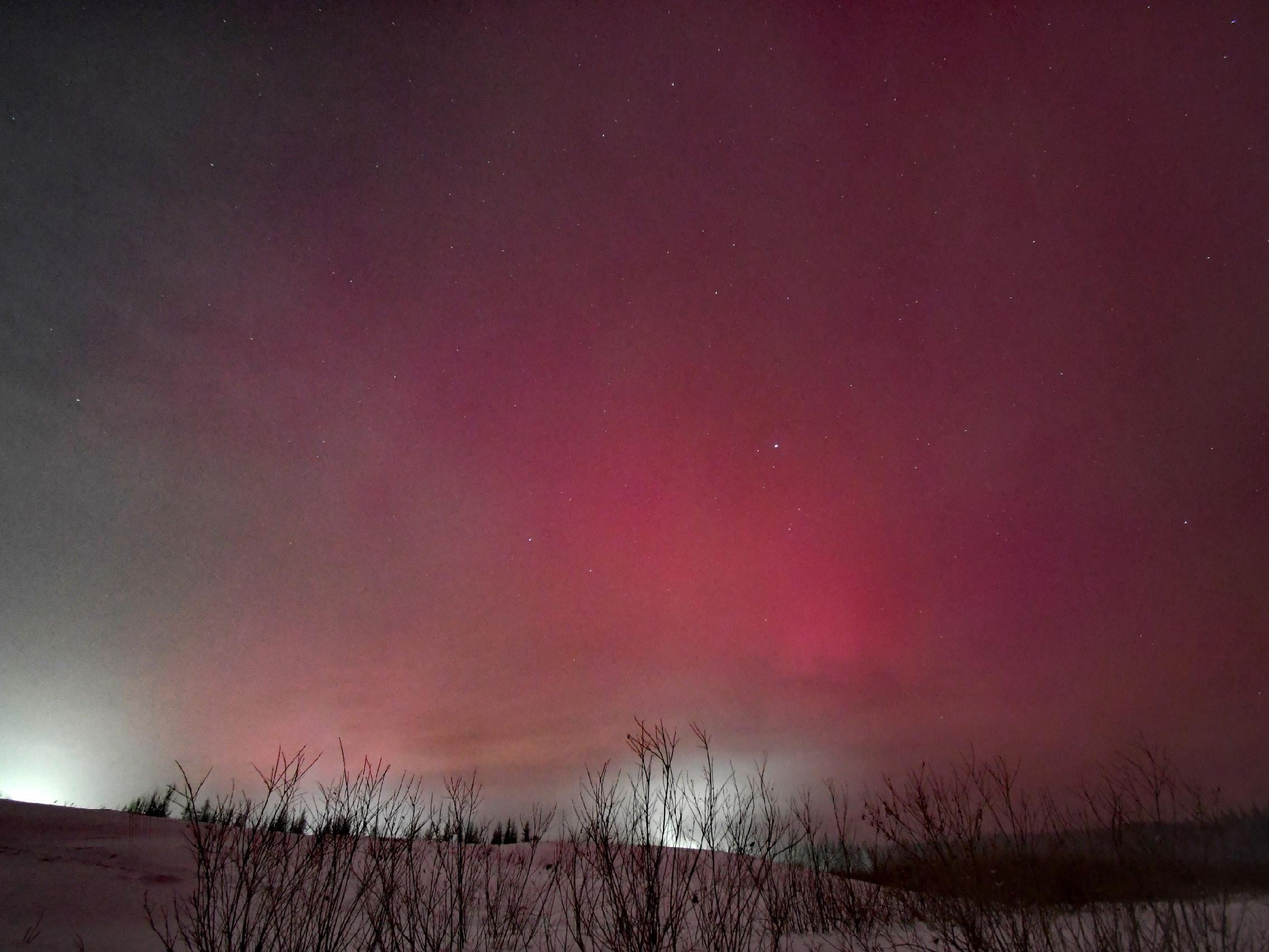
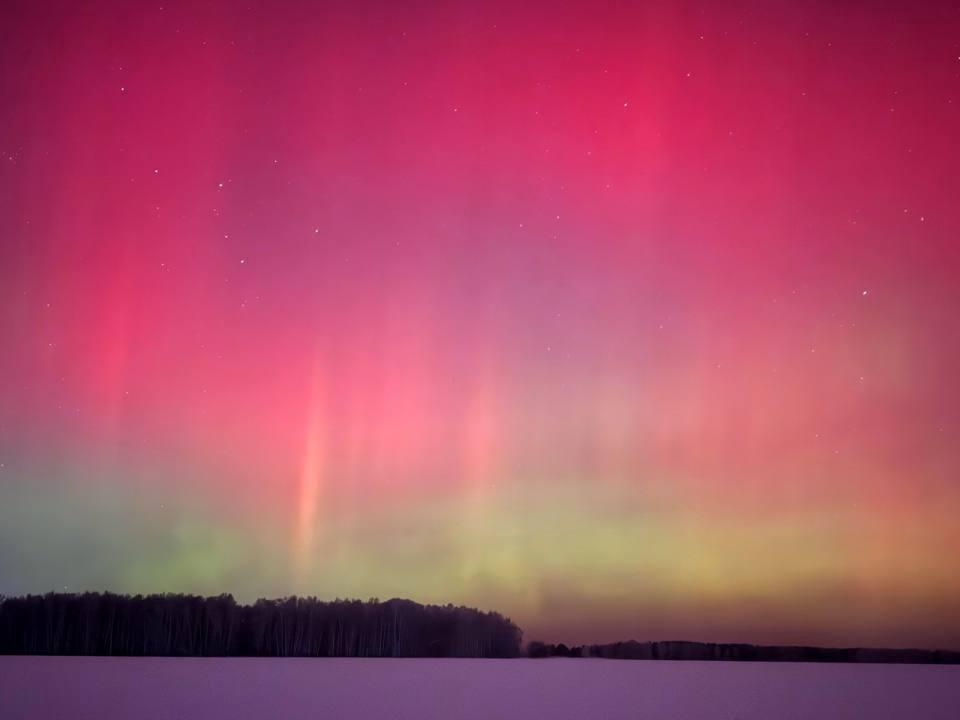
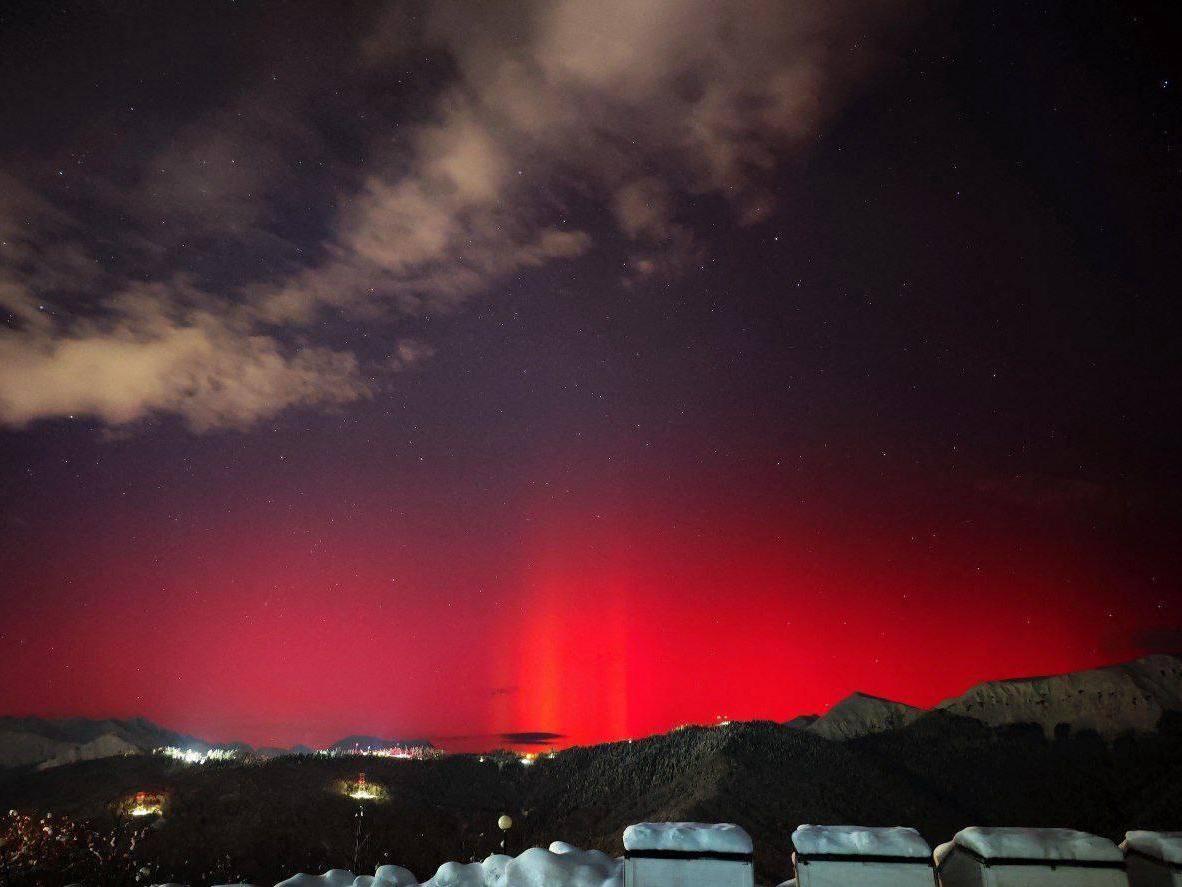
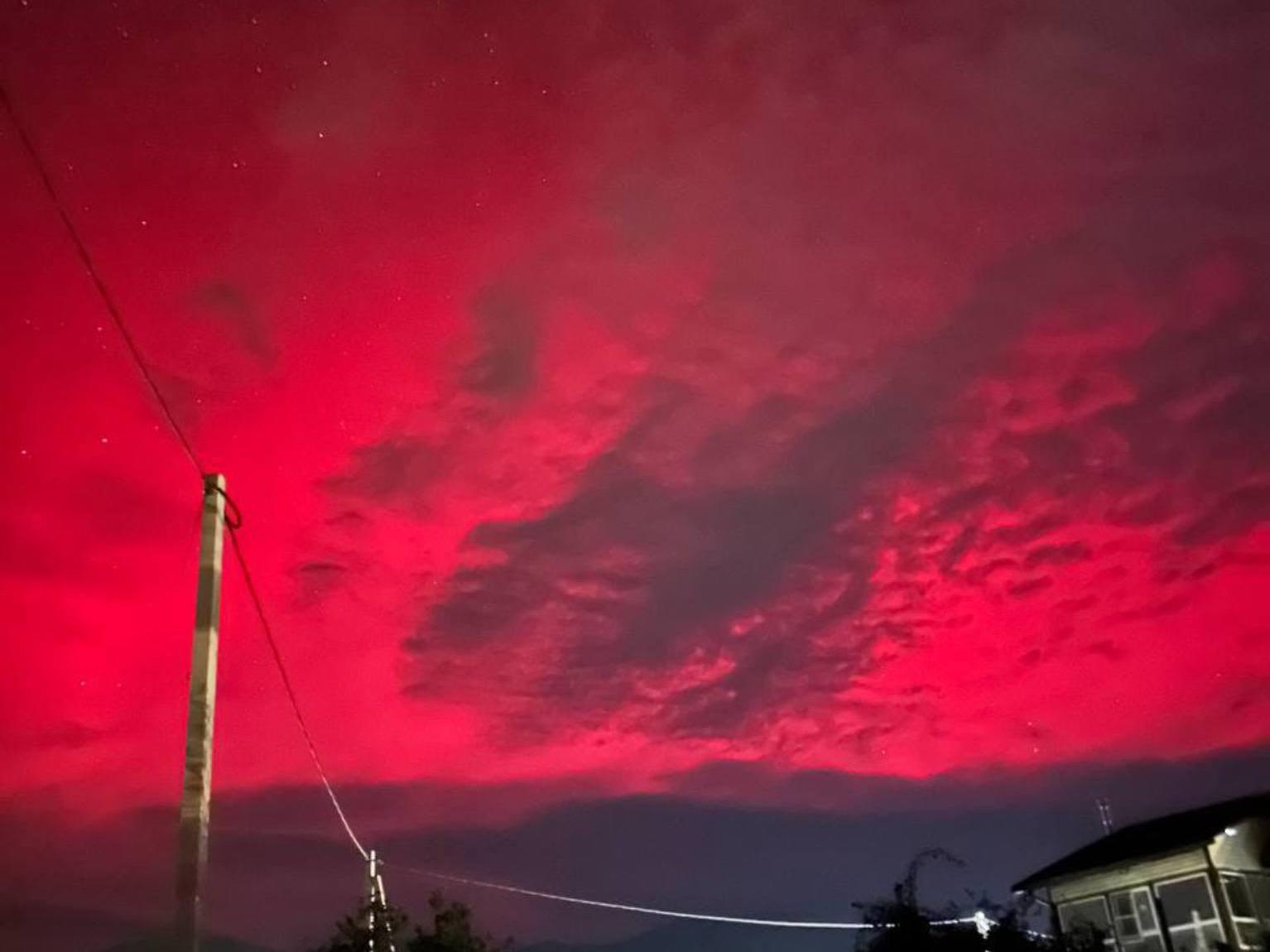
Sky in Regions Illuminated with Bright Crimson Light
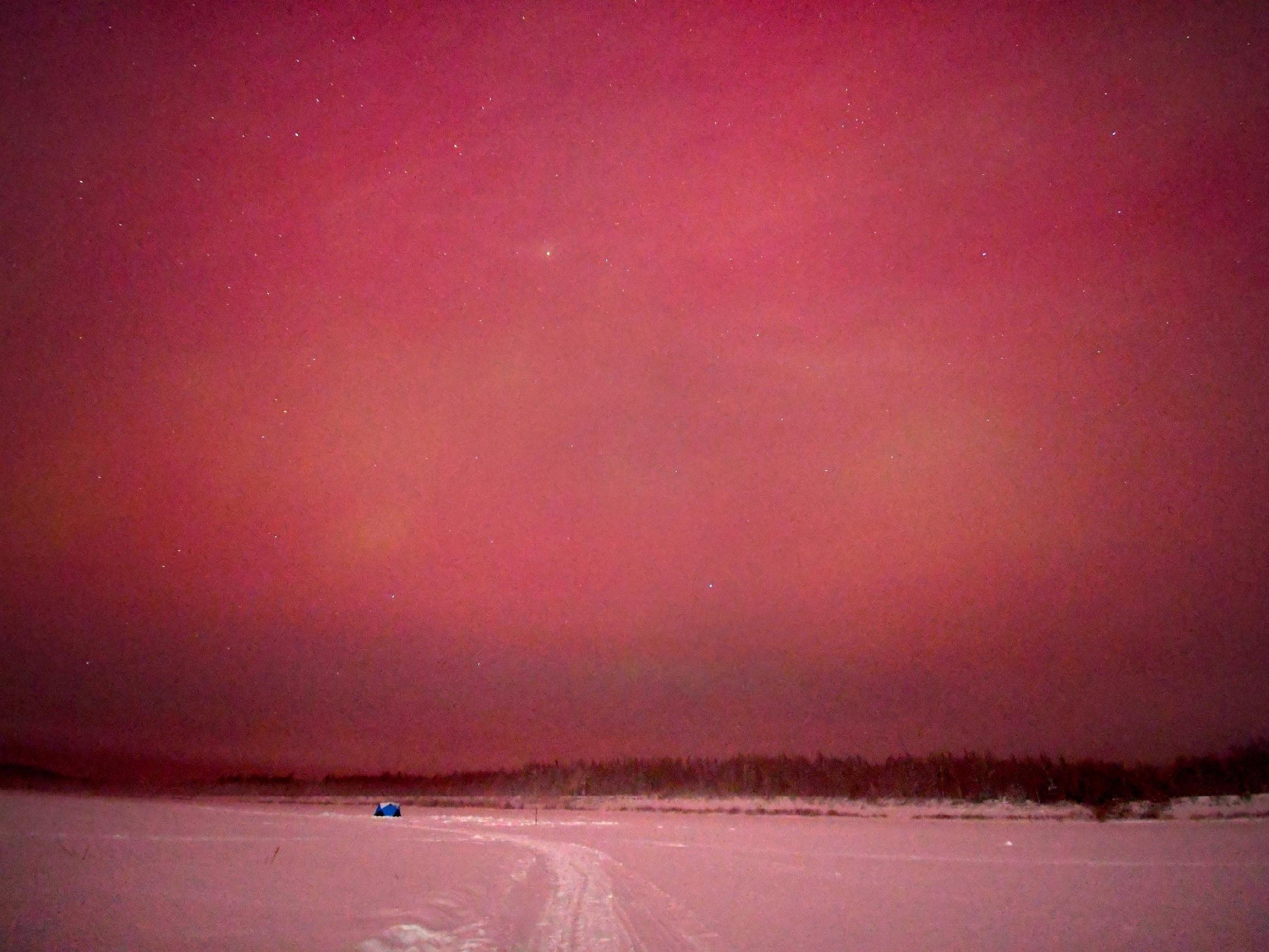
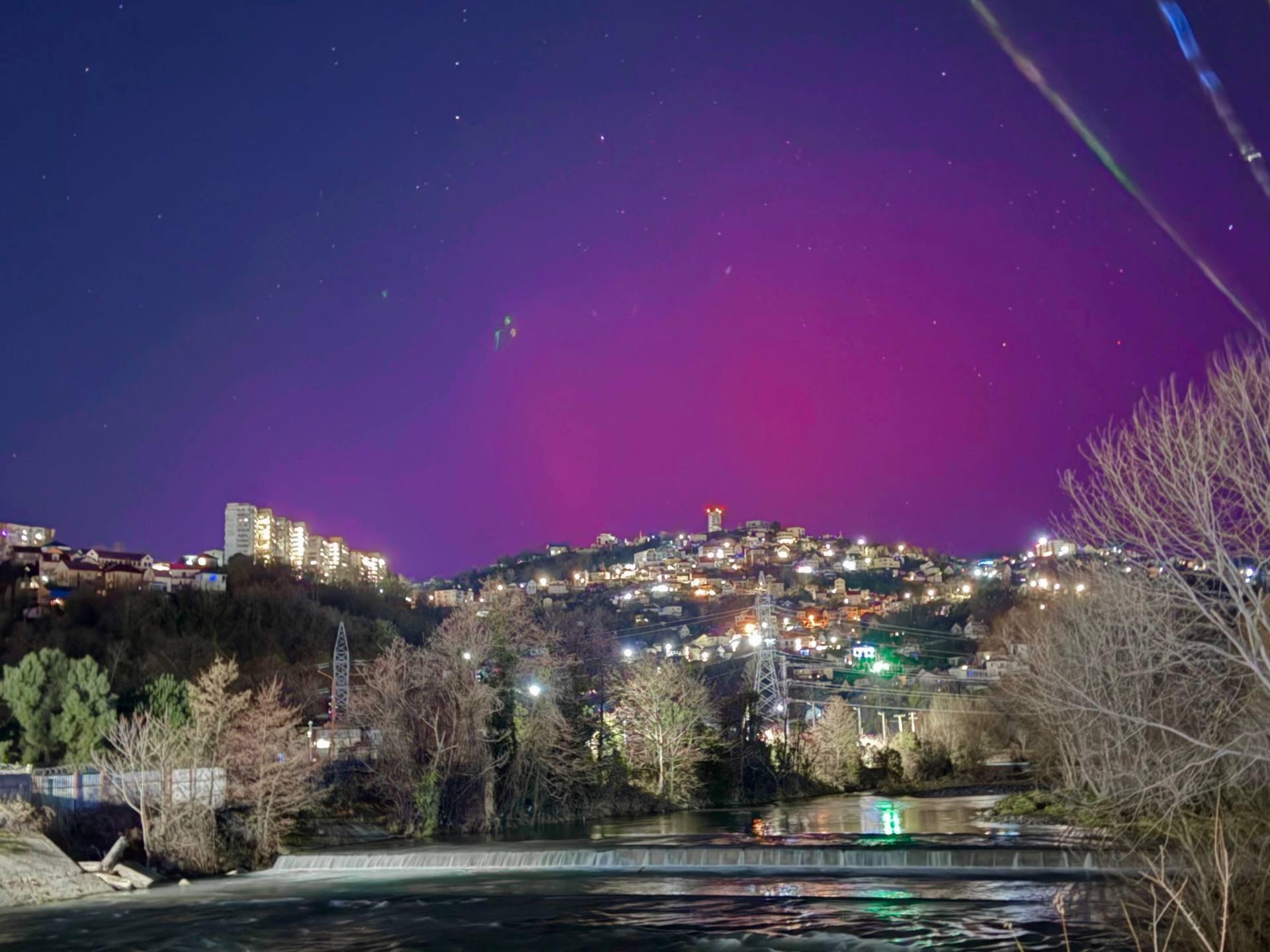
On the night of January 20, the sky in Russian regions turned bright crimson. Residents shared photos on social networks.
The Tunguska Nature Reserve in Krasnoyarsk Krai explained this phenomenon.
«The ejection of solar mass that occurred on the Sun last night reached our planet and caused an extreme storm,» they write in the reserve«s public page on VKontakte.
In the village of Vanavara, the polar aurora began at half past four in the morning and was unexpected for residents due to its unusual hue.
«Usually, the polar aurora looks smooth and soft. But here everything went differently: the skies became truly Martian in shade. And, honestly, there was only one thought: «Is this even planet Earth or have we already moved to Mars?»»
Also, the northern lights reached the subtropics. Residents of Sochi also shared unique footage of the natural phenomenon.
Lavrov Calls to Resume Air Communication Between Russia and USA
Direct air communication between Russia and the USA needs to be restored. This was stated by Russian Foreign Minister Sergey Lavrov at today«s press conference on the results of Russian diplomacy in 2025.
«And in order for not only diplomatic missions to function normally, but also for there to be some contacts, in favor of expanding which Washington has expressed under Donald Trump, direct air communication must be resumed. So we also include these issues in negotiations from other directions,» said the head of the Russian Ministry of Foreign Affairs.
Unusual Kindergarten to Open in Chukotka
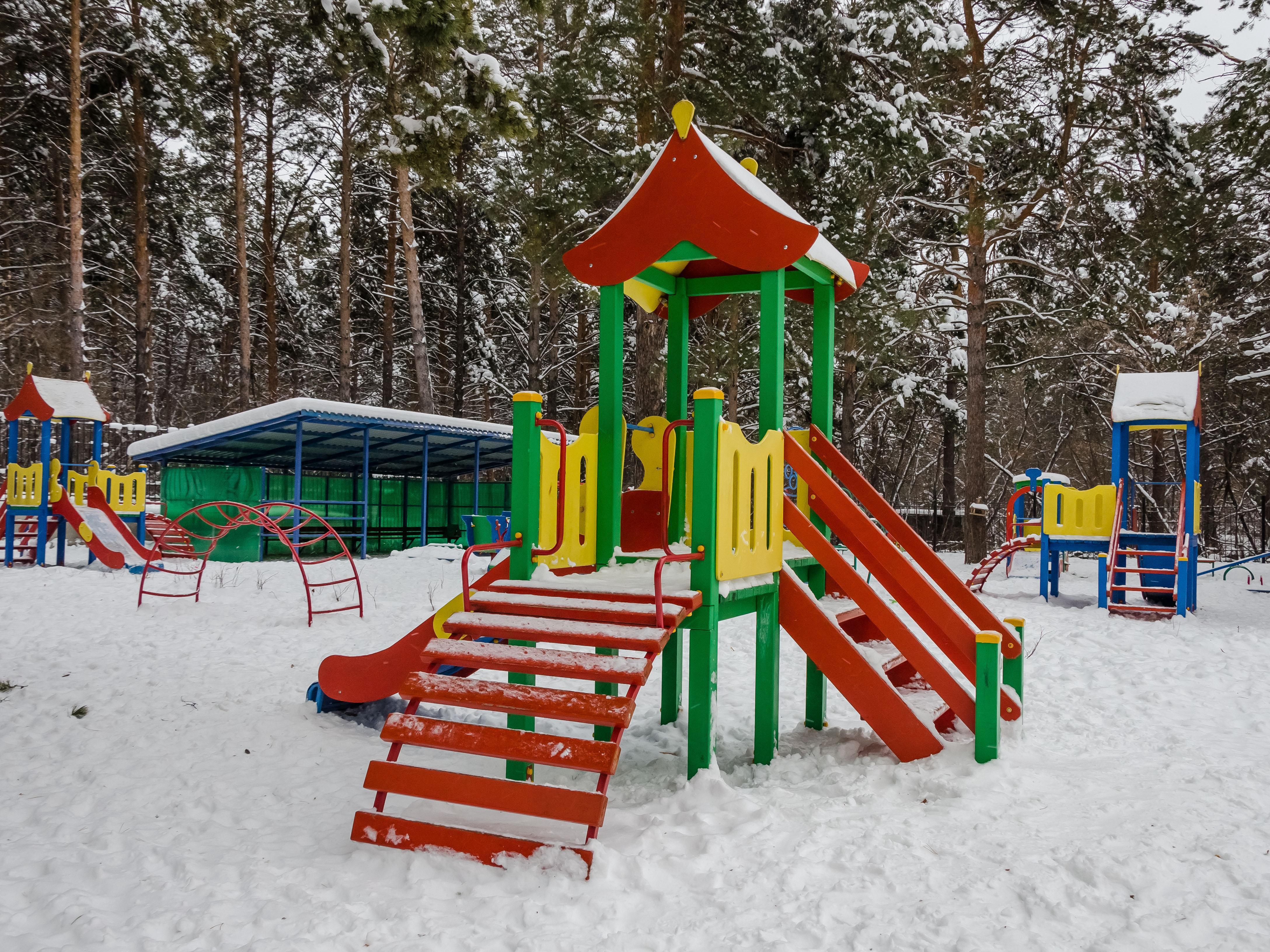
In the Chukotka Autonomous Okrug, a nomadic kindergarten will open — an innovative format of preschool education for the children of reindeer herders. This will allow them to continue living and learning together with their parents in the familiar conditions of the tundra.
The initiator of the project was district duma deputy and hereditary reindeer herder Anatoly Tyneru. And the idea was born from personal experience, as in childhood, he, like other nomadic children, was taken to a boarding school for nine months, separating from his family. According to the parliamentarian, early impressions shape a person for life, and separation from the native environment in preschool age is a painful experience.
The project will be launched in the first quarter of the year in the village of Amguema, Iultinsky District. The first group will enroll only three children, and the teacher will be a mother living a nomadic life. The teacher must know the traditions of the tundra not from textbooks. The woman will be officially employed in an educational center, and before starting the group, she will undergo a medical examination and psychological-pedagogical training.
Regional authorities note that the nomadic kindergarten does not replace stationary institutions but complements them. Families will be able to choose the format themselves — to leave the child in the settlement or raise them in the tundra. Upon successful completion of the pilot project, the model will be expanded.
Similar formats have been operating for many years in Yakutia and the Yamalo-Nenets Autonomous Okrug. But Chukotka plans to go further — organizing not only classes but also meals for children taking into account local specifics. For this, the region is already working with relevant scientific institutes.
«It is fundamentally important for me that the children of the tundra grow up in harmony, receiving modern knowledge and quality preparation for school, without being separated from their parents and their roots. «Nomadic Kindergarten» is a peer project. It keeps pace with the rhythm of life of reindeer herders, to support the family and preserve our unique way of life,» Chukotka Governor Vladislav Kuznetsov is quoted on the regional government website.