Yekaterinburg Bus Drivers Clutter Seats with Junk
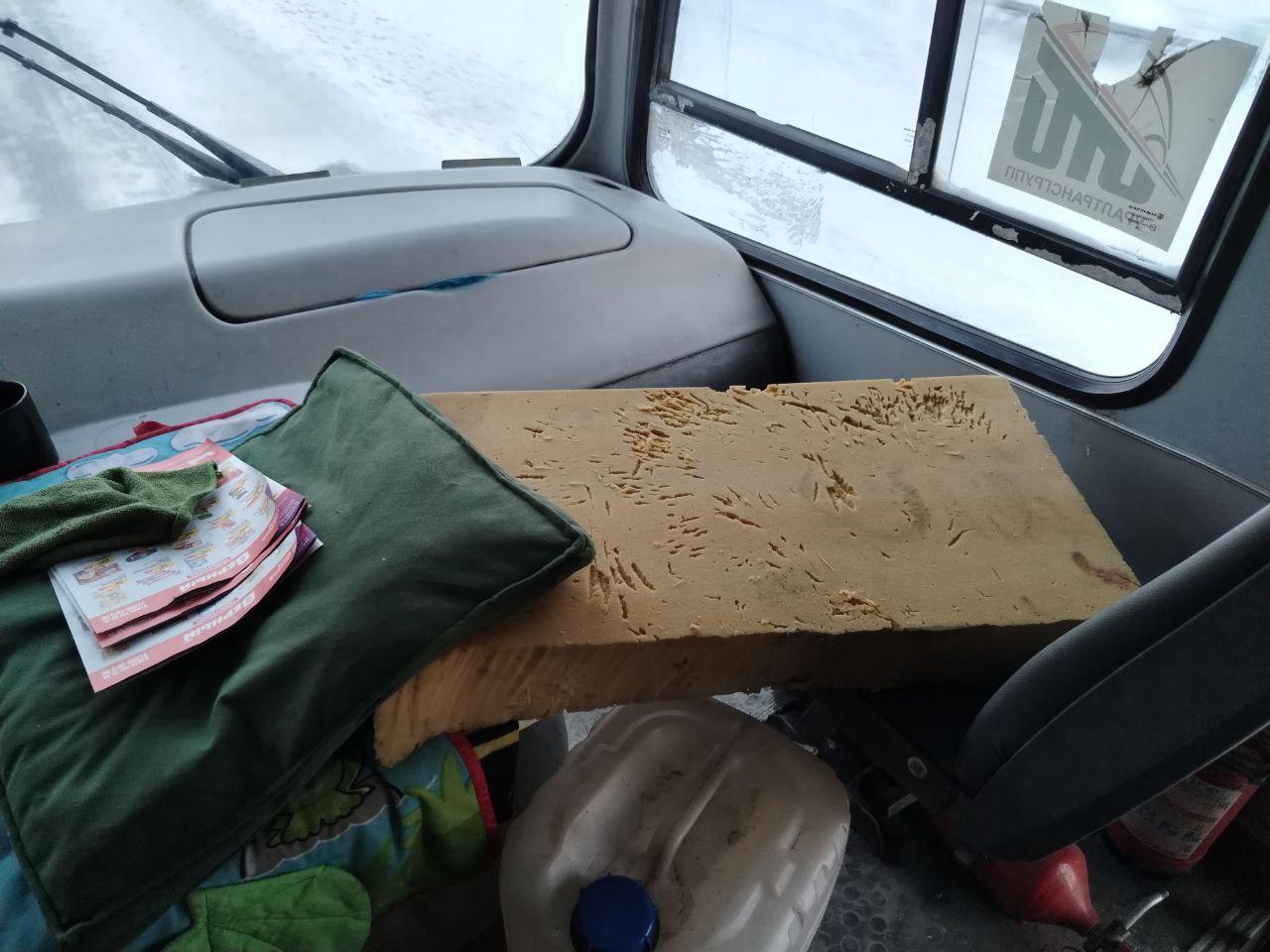

A new trend has emerged among Yekaterinburg transport workers. They have started cluttering passenger seats next to the driver«s seat with various junk. This concerns small buses where there is constant crowding, and every seat is worth its weight in gold.
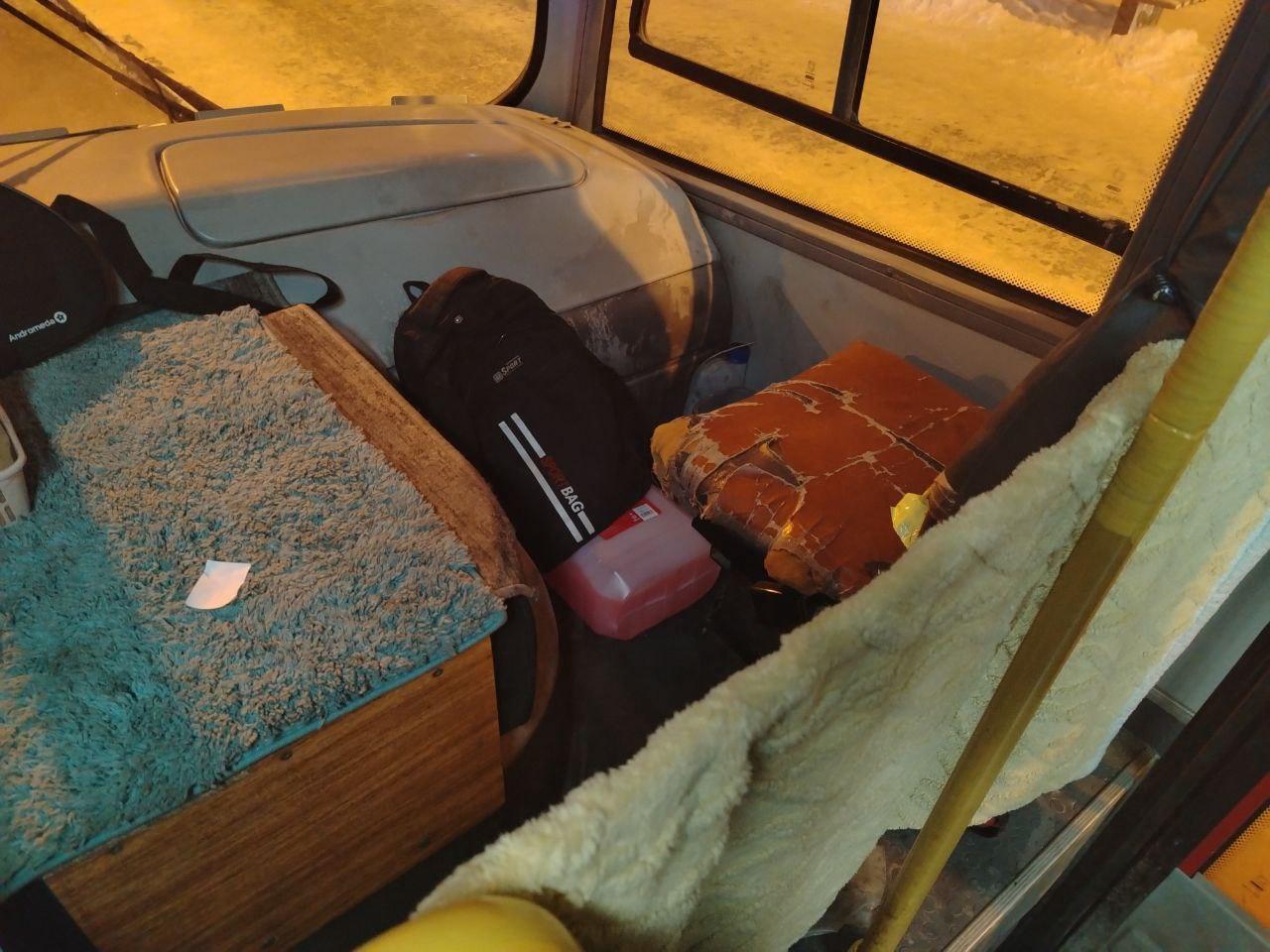
Previously, conductors sat in the seats next to drivers, but after the widespread introduction of payment terminals, these seats became empty, and passengers started sitting there.
However, drivers did not like this. They resorted to blocking ropes, cans, tools, bags, pillows, and so on, just so no one would occupy the seats. The most common explanation is that drivers fear passengers might steal money from ticket sales or their personal belongings.
The transport workers themselves (who wished to remain anonymous) told E1.RU that the front seats in buses are for official use.
In turn, the city transport department, which oversees transportation, sees at least one violation in this situation — cluttering the cabin.
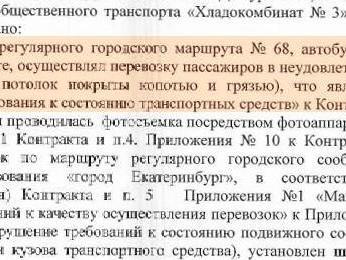
According to the municipal contract, passengers should travel in cleanliness. The document has a separate appendix that contains requirements for the condition of vehicles. The pile of items in the cabin raises issues not only of unsanitary conditions and aesthetics but also fire safety.
Thus, specialists from the municipal transport management center regularly fine carriers for dust and dirt in the cabin, and even for graffiti left by passengers. However, the fines are not particularly large — usually only 1,000 rubles (approximately $10 at current rates).
Much harsher, under gross contracts, they penalize for under-deployment of vehicles: in practice, the fine ranges from 2,000 to 10,000 rubles (approximately $20 to $100 at current rates), depending on the number of vehicles not deployed on the route.
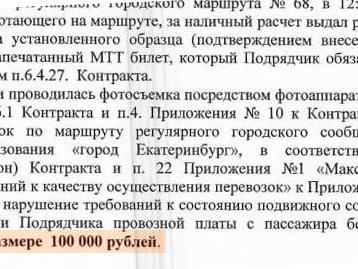
Finally, another draconian type of fine concerns fare payment. There have been precedents where drivers were caught cheating. For example, they managed to sell the same ticket twice to different passengers. For such actions, transport workers were immediately billed 100,000 rubles (about $1,000 at current rates).
All news about roads and transport can be read in a special section.