How road traffic rules emerged
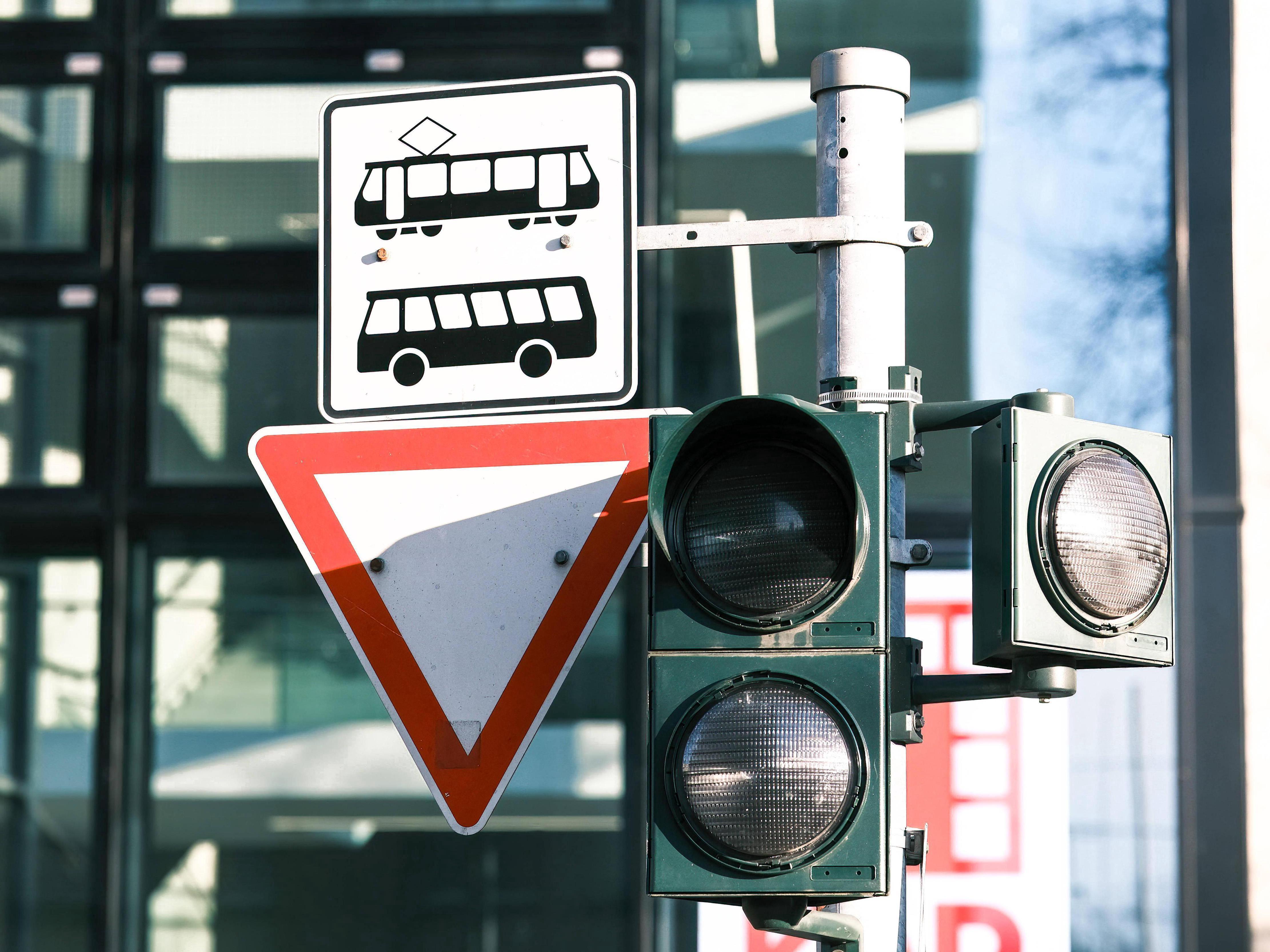

The history of road traffic rules began long before the advent of automobiles. In ancient Rome, Emperor Julius Caesar introduced the first known restrictions: chariots and carts were banned from the city during the day, one-way traffic was established on some streets, and left-hand traffic was enforced on all Roman roads. Firefighters, retrained as traffic controllers, monitored compliance with these rules.
In medieval Europe, right-hand passing among knights became standard — this formed the basis for traffic in most modern countries. However, left-hand traffic persisted in Great Britain, India, Japan, Myanmar (formerly Burma), and Cyprus. Its origin is linked to maritime traditions: ships gave way to each other on the port side, and this rule was transferred to roads.
The first official road traffic rules in the modern sense were adopted in France in 1893. Three years later, in 1896, a similar document appeared in the Russian Empire. According to it, a citizen could drive a car if they were at least 21 years old, could read and write in Russian, met medical requirements, passed a driving test, and obtained a special permit. Driver training was conducted in specialized schools that began opening in the early 20th century.
An important milestone was the first international convention in 1909. It established standardized road signs that already resembled modern ones — with clear pictograms. This was the first step toward uniform standards for all countries.
The most significant event in the history of traffic rules was the adoption by the United Nations in 1968 of the Convention on Road Traffic
. It was signed by 68 states, including the USSR. This convention remains in effect today, although it is constantly amended and updated. Traffic rules in most countries of the world are based on it — taking into account modern traffic lights, road markings, surveillance cameras, and other technical innovations.