Light Steps: 8 Pairs of Traditional Footwear

Many types of shoes that people wear today were invented hundreds of years ago. Some have become national symbols, others are sought-after souvenirs. Here are eight examples of traditional footwear from different parts of the world.
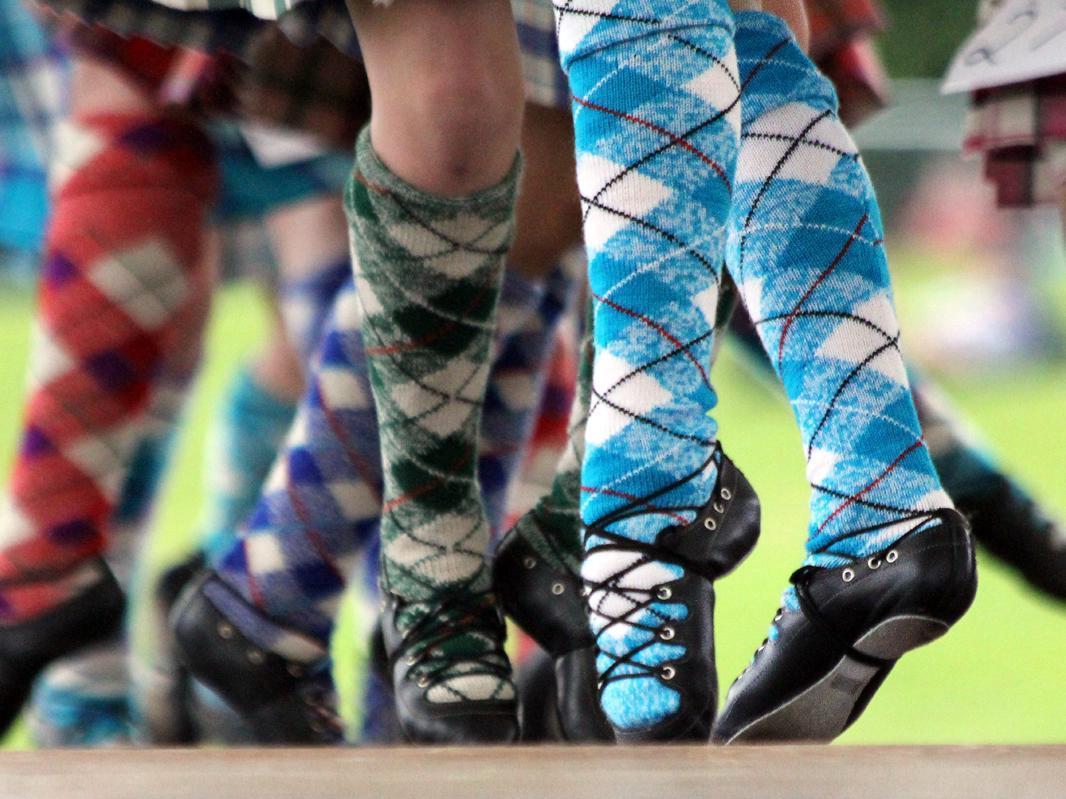
Ghillies are soft leather slippers that fit snugly. They are the official footwear for Scottish and Irish dancers. Unlike ballet flats, they have long laces that wrap around the foot and ankle. Traditionally black, they can be decorated with colorful stitching. Dancers wear them with thin, high socks. Today, they are seen not only at festivals but also in daily wear, especially among fans of Celtic culture.
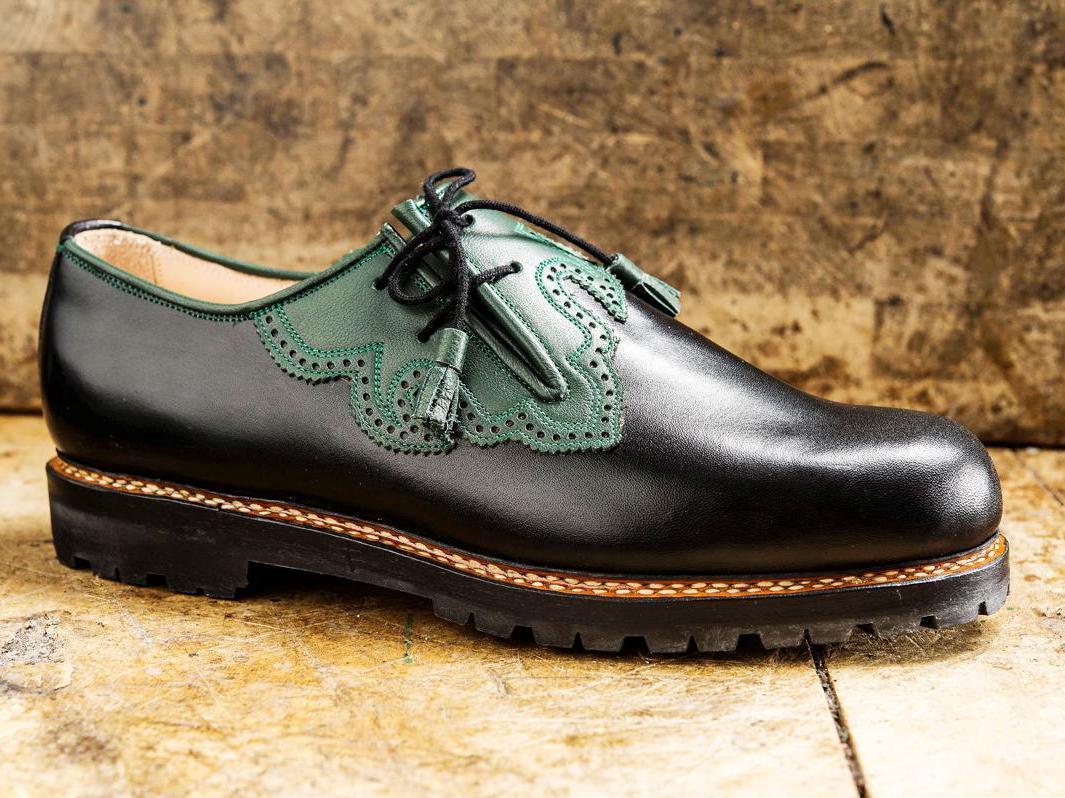
Haferlschuh are sturdy Alpine boots from Germany. According to legend, shoemaker Franz Schratt created them in the early 19th century, inspired by goat hooves. The soles were studded with nails for reliability in the mountains. Today, they look more urban and are popular at Oktoberfest and in everyday life. Modern versions are often made of lighter materials while maintaining the recognizable silhouette.
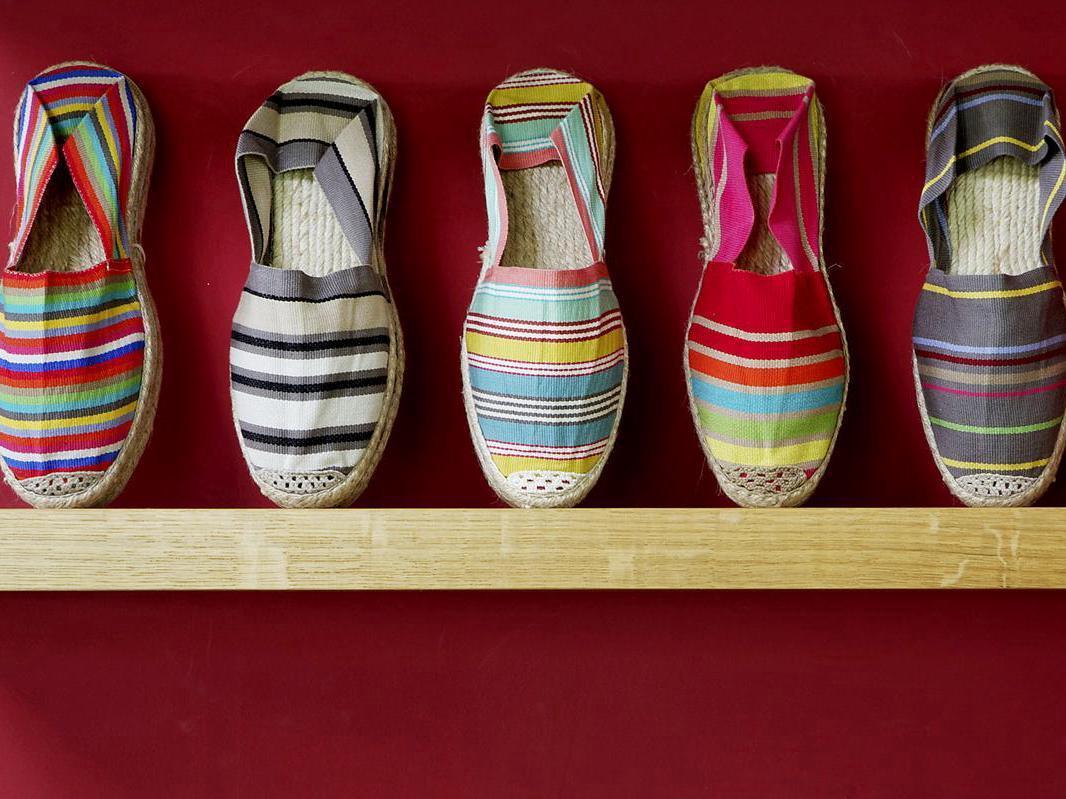
Espadrilles are summer shoes with a canvas upper and a rope sole. First described in the 14th century as footwear for Catalan peasants. Yves Saint Laurent brought them global fame in the 1970s with a wedge-heel model. Today, about 90% of espadrilles are sewn in Bangladesh. They have become an essential part of summer wardrobes worldwide.
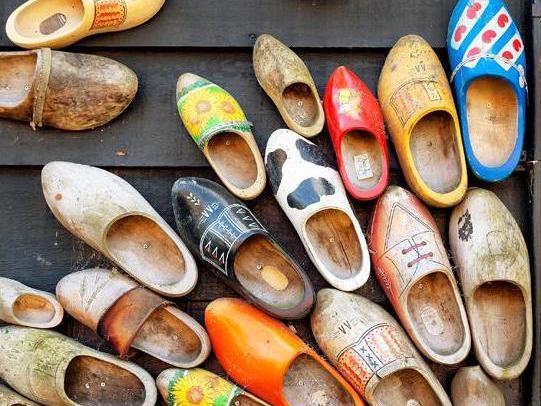
Klompen are wooden clogs, the top tourist souvenir of the Netherlands. The oldest found clog dates back to 1230. Once worn by all Dutch people, grooms gave clogs to their brides. Now, they are mainly used by gardeners and farmers, but about three million pairs are produced each year. They remain a symbol of the country and a popular diplomatic gift.
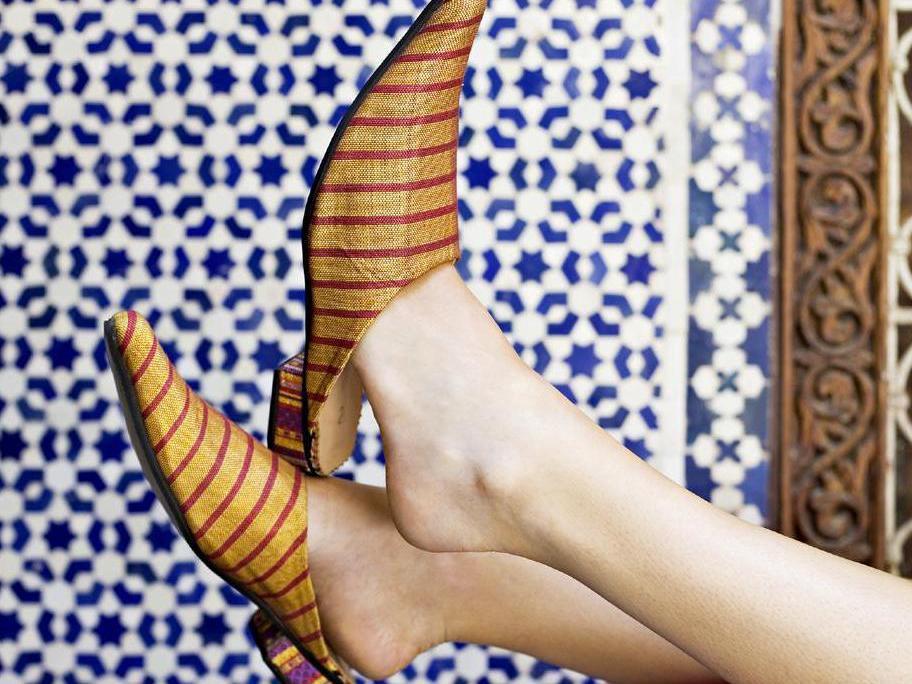
Babouches are Moroccan backless slippers with pointed, often upturned toes. They are made of high-quality fabric or thin leather, decorated with embroidery, ribbons, and stones. They are the main souvenir from Morocco, especially renowned from the city of Fez. They evoke footwear from oriental tales and are popular among tourists.
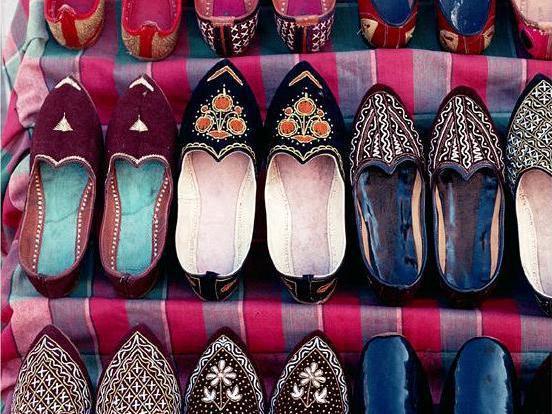
Juttis are Indian leather slippers with flat soles, skillfully embroidered. They are often not divided into left and right—simply shaping to the foot. Men«s versions have broad, rounded toes; women»s are backless. The specific style depends on the region and artisan. Today, juttis are worn not only with traditional attire but also with modern outfits.
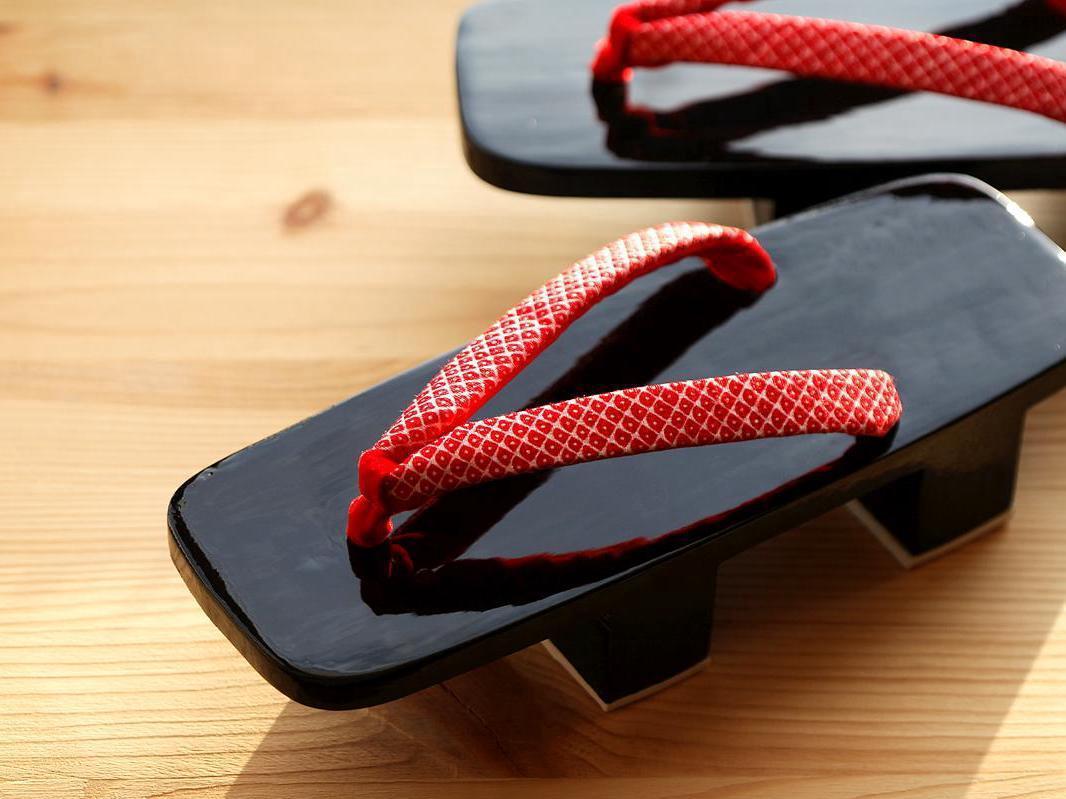
Geta are Japanese wooden sandals on two «heels» or a platform. Originally invented for rainy weather to keep feet dry and clean. Today, they are worn with both national and European clothing, and for geishas they are a mandatory part of professional attire. Modern geta can be brightly colored or lacquered.
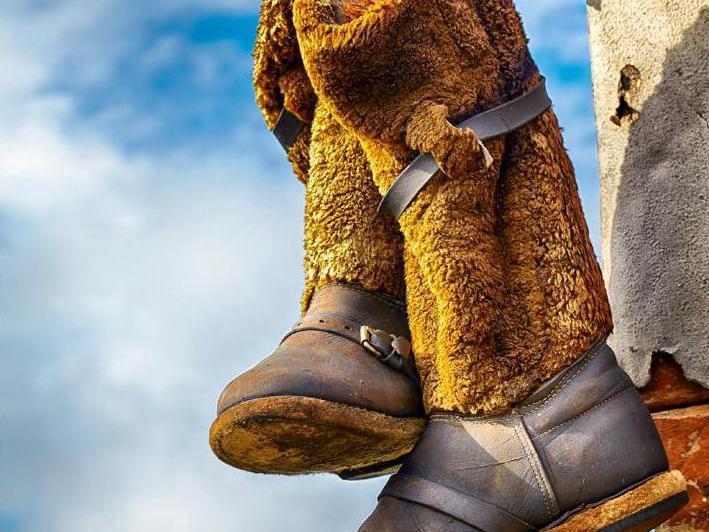
Unty and Torbasa are among the warmest types of footwear in the world. Similar versions exist among many peoples of the Far North: the Nanai and Udege call them torbasa, the Evenki and Yakut call them unty. They are sewn from reindeer or dog fur, with the fur inside or outside, and with rubber, leather, or felt soles. During the Soviet era, such boots were worn by pilots in winter, including during the Great Patriotic War. Today, they are used not only in the North but also in cities as stylish and very warm footwear.