Kuzbass life expectancy target lowered in revised plan
The Russian government has revised its socio-economic development program for Kuzbass, lowering the expected life expectancy to 74.7 years and reducing targets for investment and housing, while poverty remains at 7.5%.
Apr 27, 2026 0
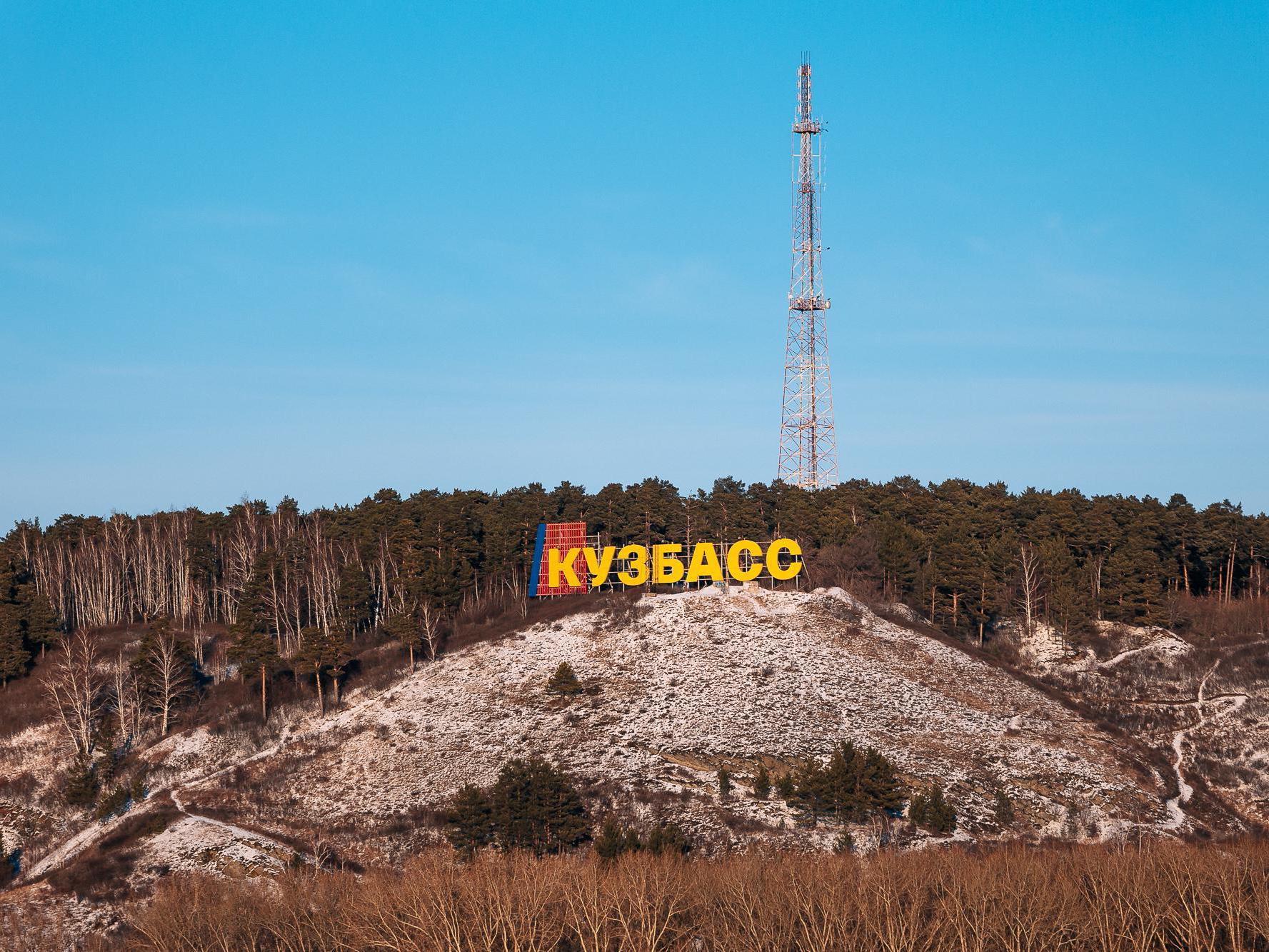

Russian authorities have revised the socio-economic development program for the Kuzbass region.
Source:
The Russian government has made changes to the socio-economic development program of Kuzbass, revising ambitious plans for the region«s future. It is expected that people will die earlier than previously projected, according to a decree seen by NGS42.RU on Wednesday, 4 February.
The document shows that the expected life expectancy in the region will be 74.7 years, nearly a year less than was expected when the program was drafted in 2020.
Furthermore, expectations for the rate of investment growth were reduced by 5%, housing construction volume by 100,000 square meters, and 600 fewer new jobs outside the coal sector.
Expectations for labor productivity growth in the coal industry have changed significantly. By 2026, instead of 16 million rubles ($160,000 at current rates) per worker in the sector, it will be no more than 7 million rubles ($70,000).
A new provision has appeared on reducing the share of coal mining and processing in Kuzbass«s gross product. In 2026 it will be almost 18%, by 2030 — 15.6%.
The revised program also includes some increases: for example, household incomes will grow by almost 20%, extra-budgetary revenues by 4 billion rubles ($40,000,000 at current rates), an increase in jobs outside the coal sector, additional investments of nearly 2.8 billion rubles ($28,000,000), and a 26% rise in tax contributions to the regional budget, among other things.
The poverty level, as predicted, will remain the same — 7.5%.
Former governor Sergei Tsivilev, speaking to NGS42.RU about the socio-economic development program until 2030, said that Kuzbass will become a region with a growing population.
Read more