Leninsky District faces unprecedented 60-year power outage


On the evening of January 23, Murmansk Oblast faced a large-scale power supply failure. Murmansk, Severomorsk, and several suburban areas were left without power almost simultaneously. In Murmansk«s Leninsky District, rotating power supply was introduced from January 24: electricity is turned on according to a schedule, approximately for six hours a day. Correspondent Dmitry Artyomenko of 51.RU went there — to the district where the situation remains one of the most severe.
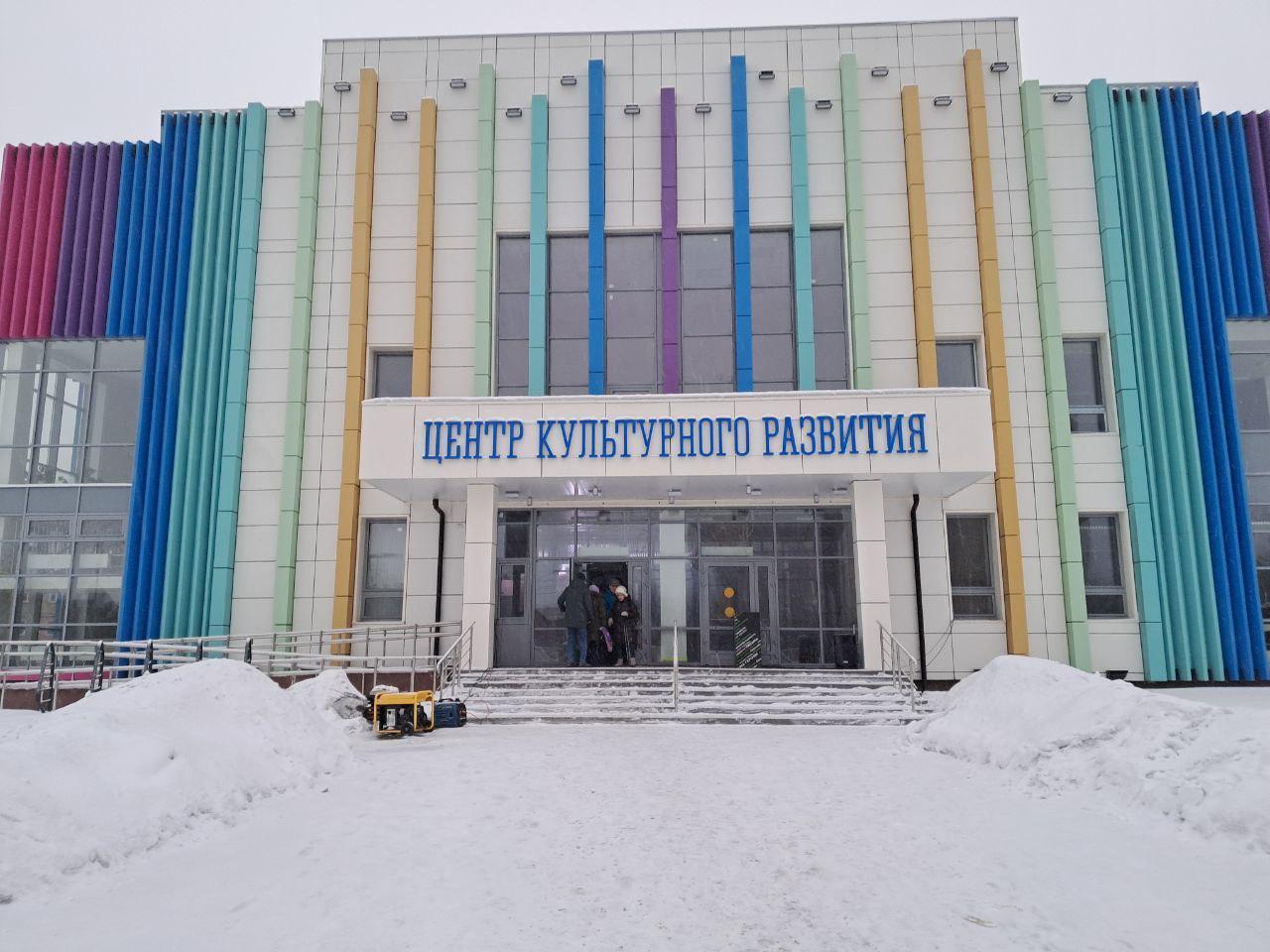
Aid Center on Askoldovtsev Street

One of the key places for residents of Leninsky District in these days has become the Cultural Development Center on Askoldovtsev Street. Here, an aid point has been organized for those left without light and heat. Dmitry Artyomenko visited the center and spoke with its director Elena Titarenko.
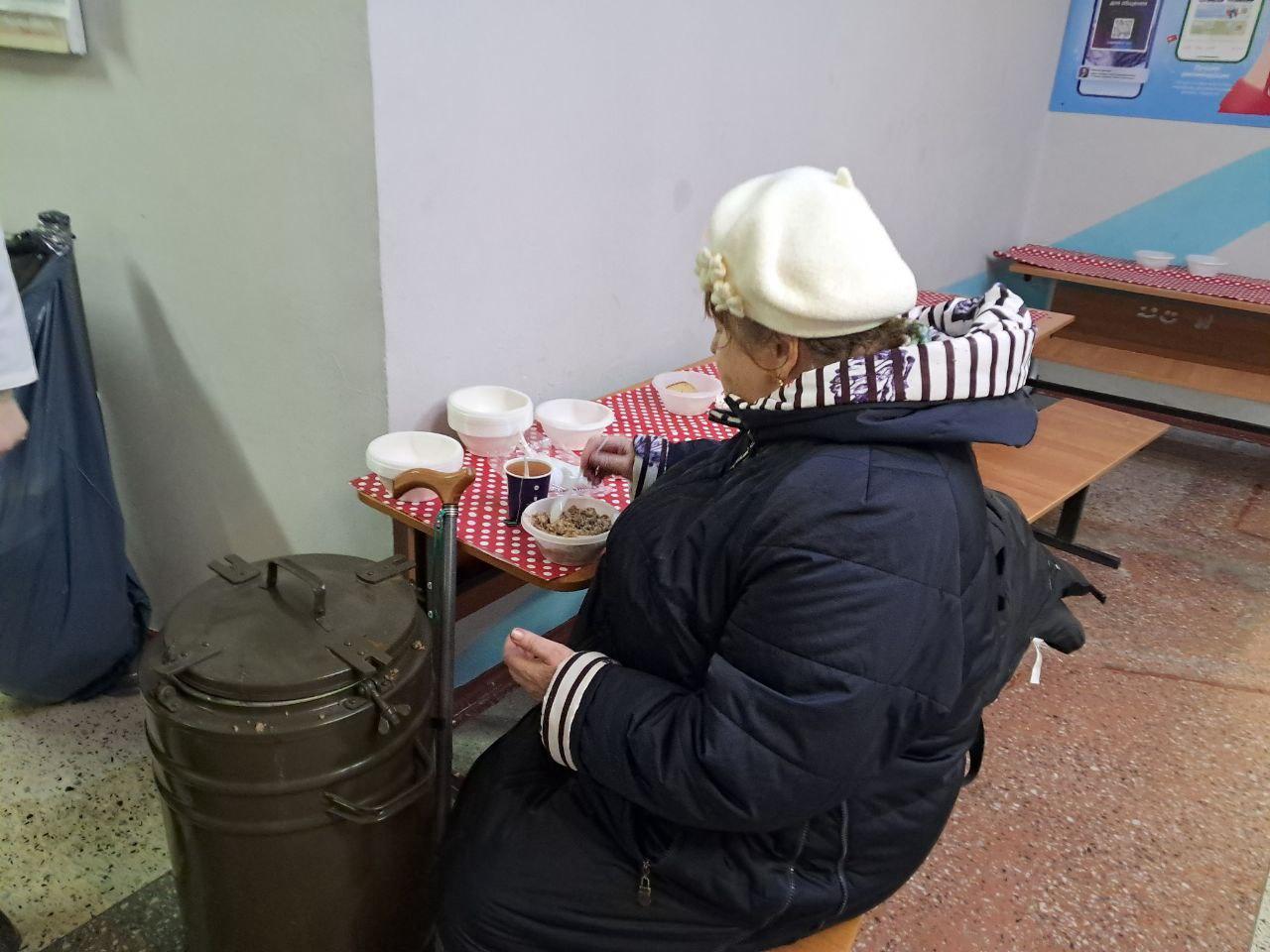
According to her, only on one day — January 24 — the center received about 380 people. In the lobby, a space has been equipped where people can warm up, charge phones and power banks, and drink tea with cookies. For children, cartoons are shown, board games are available, and music is played.
As Elena Titarenko explains, this setup is intentional.
According to the director, this is essentially one of the first aid points in the district where people are welcomed not only with the organization of daily life but also with the creation of a comfortable, almost home-like atmosphere.
Who Receives Help First
Food packages at the center began to be issued from January 23. Their quantity is limited, so assistance is distributed on a targeted basis. Priority is given to large families, elderly people, and residents with low income levels.
At the same time, as the center«s management notes, the atmosphere inside is calm and friendly. People do not conflict, thank the staff and volunteers, and many come here not only for food or electricity but also for communication.
It is noticeable that the aid point has become a meeting place: neighbors, acquaintances, people living in the same courtyard or building drop by here. For elderly residents, this is especially important — staying at home without light and TV is difficult, and here there is an opportunity to talk and simply not be alone.
Generator at Its Limit
Meanwhile, the Cultural Development Center itself is now operating practically on reserve. The generator that powers the aid point needs additional fuel. There is no full lighting in the building: in fact, only the first floor is functioning — several lamps and sockets for charging devices.
The other premises remain without light, and the center continues to work in a limited mode, adapting to current capabilities.
Not Only Aid but Also Order
According to Elena Titarenko, the center worked until midnight the day before. In the evening, intoxicated local residents began to arrive — with requests for water or food. However, they were explained that food distribution is organized for people who are truly in a difficult situation.
Maintaining order is helped by members of the voluntary people«s squad, who also work based at the center.
“It Feels Like It«s Not a Weekday but New Year»s Holidays”
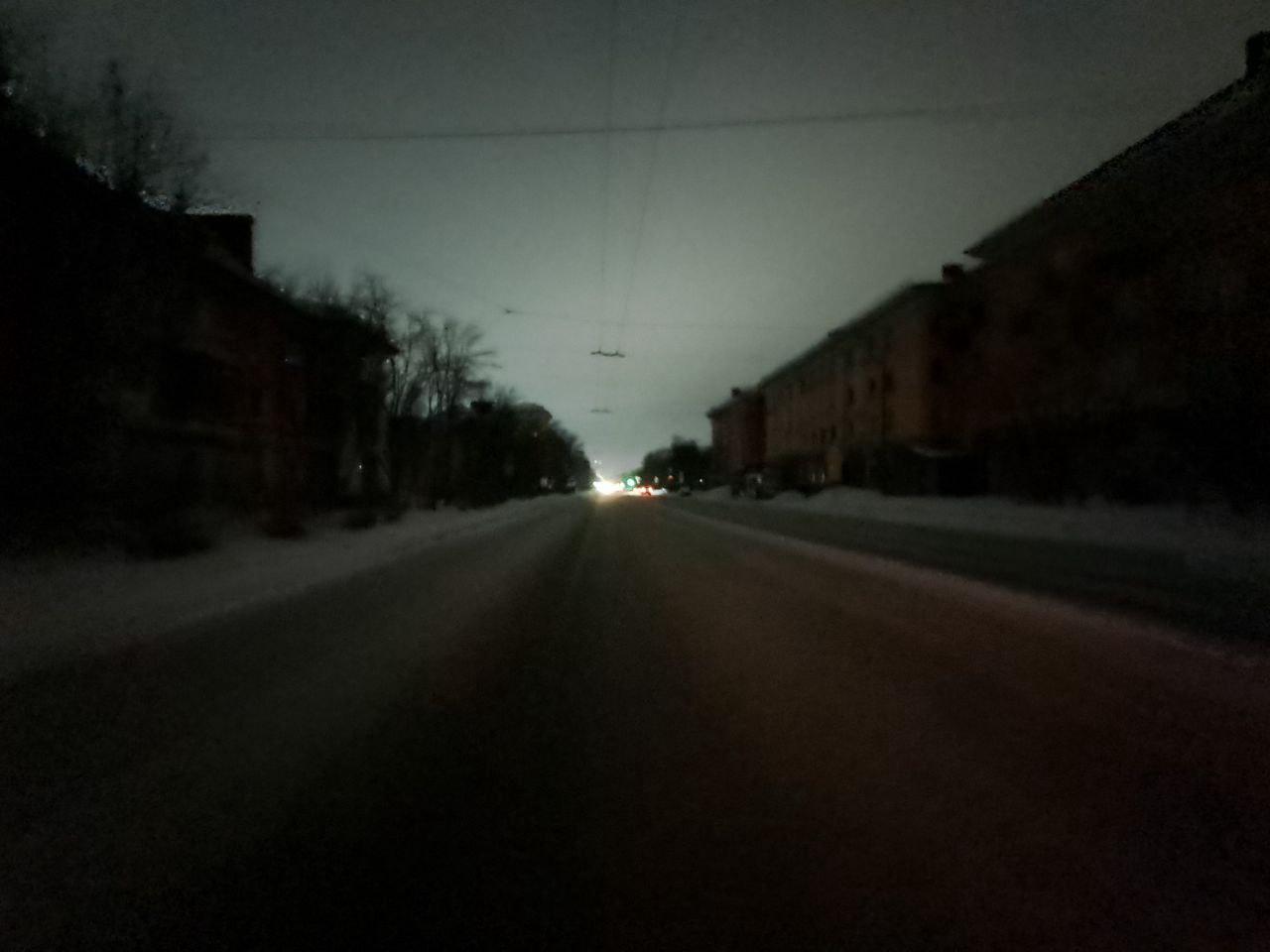
Outside the aid point, Leninsky District looks unusually quiet. Dmitry Artyomenko notes: it feels as if it«s not an ordinary Monday on the calendar but one of the days of the New Year holidays.
There are few people on the streets, almost no cars. In many houses, the lights are off. At the same time, it cannot be said that the district is completely de-energized: some houses receive power from other substations, and there is electricity there.
This very unevenness enhances the general feeling of uncertainty. Residents do not always understand why there is light in one courtyard but not in the neighboring one.
State of Waiting and Confusion
The general mood in the district is difficult to call panicky or oppressive. Rather, it is a state of waiting and not understanding what is happening. People help each other, thank volunteers and aid point staff, but in conversations, the same question is heard more and more often — when will this end.
Children perceive what is happening differently: for them, going to the aid point is a change of scenery, cartoons, and games. For adults, especially the elderly, the situation is noticeably harder.
“We Have Never Experienced This Before”
At the school on Skalnaya Street, the correspondent spoke with residents of Leninsky District, Olga Maksimovna and Anna Ivanovna. Both admit: they have encountered this for the first time.
According to them, the power in their house was turned off around 9–10 a.m. and only turned on at 00:40 at night. When electricity appeared, the first thing they did was boil water — it was impossible to sleep before that.
The women say that tea and hot food at the aid point became real support for them, and they were able to receive food packages.
Refrigerators on Balconies and Evenings in Darkness
Household difficulties have literally affected everyone. Residents take food out to their loggias so that it does not spoil. Freezers are still being kept cold, but what will happen next — no one knows.
In the evenings, apartments are dark and quiet. Without TV and light, one can only sit, lie down, or walk around the room. Sometimes, the windows of neighboring houses where there is still electricity serve as a guide.
A separate request that comes from elderly residents is hot water. People ask that volunteers with thermoses go up to the upper floors: without electricity, even instant noodles cannot be cooked.
“Our Houses Have Been Without Light for Three Days Now”
Another resident of the district, Maria, said that houses on Mira Street, 21–23, have been without light for the third day now.
The stoves in the houses are electric, so cooking has to be done during the short periods when power is still supplied — most often at night. Residents boil water and make supplies “for later.”
Despite the fatigue, Maria notes that people are trying to hold on and hope for the speedy completion of emergency work.
Leninsky District of Murmansk today lives between power turn-ons, visits to aid points, and attempts to preserve the usual way of life in conditions of polar darkness. There is no panic, but there is fatigue, confusion, and the main question that almost everyone asks: when will the situation finally normalize.
All important and current information about the power outage in Murmansk and the region is published in the online broadcast.