Interview: The Hard Truth About Funeral Business
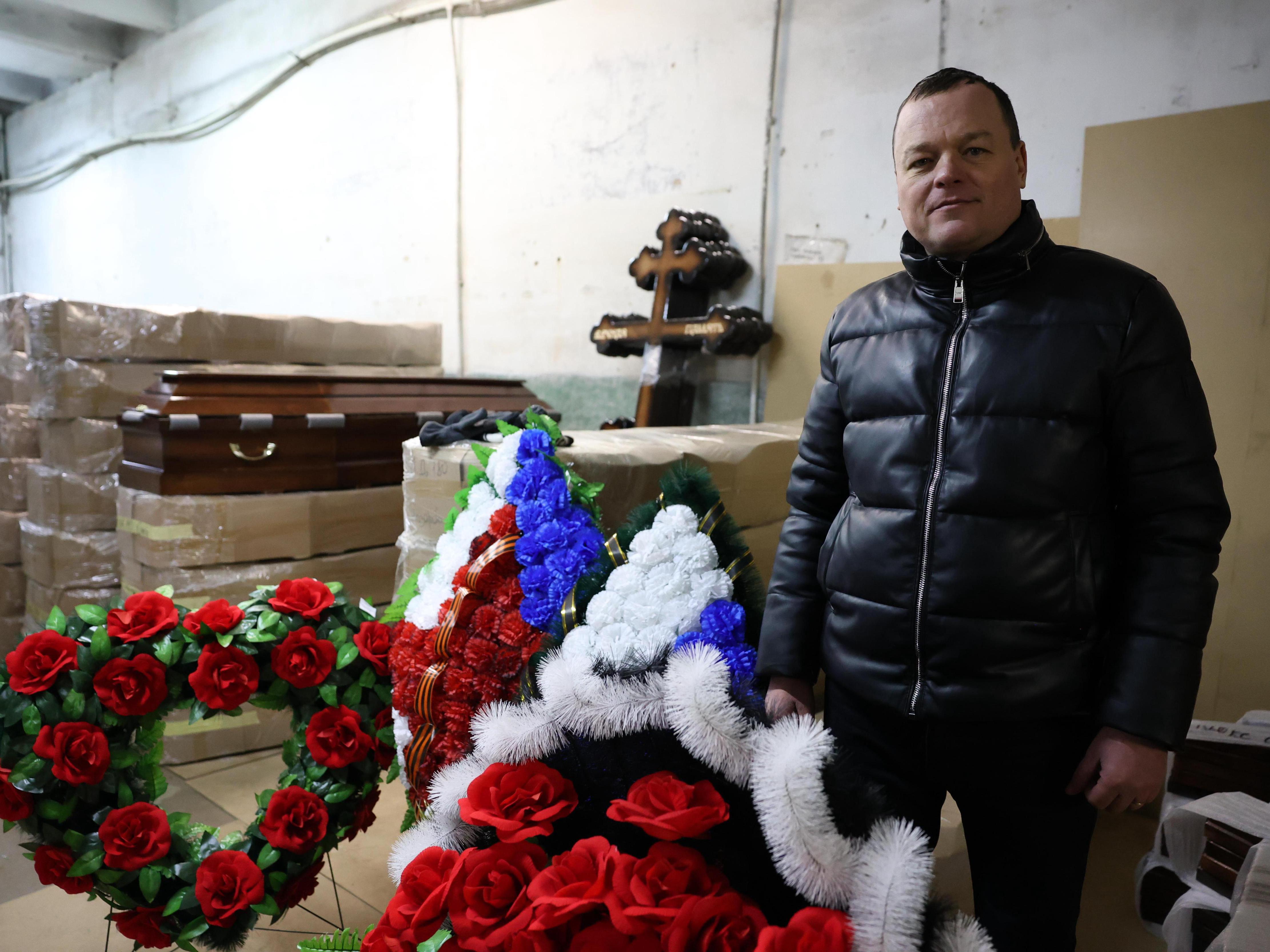

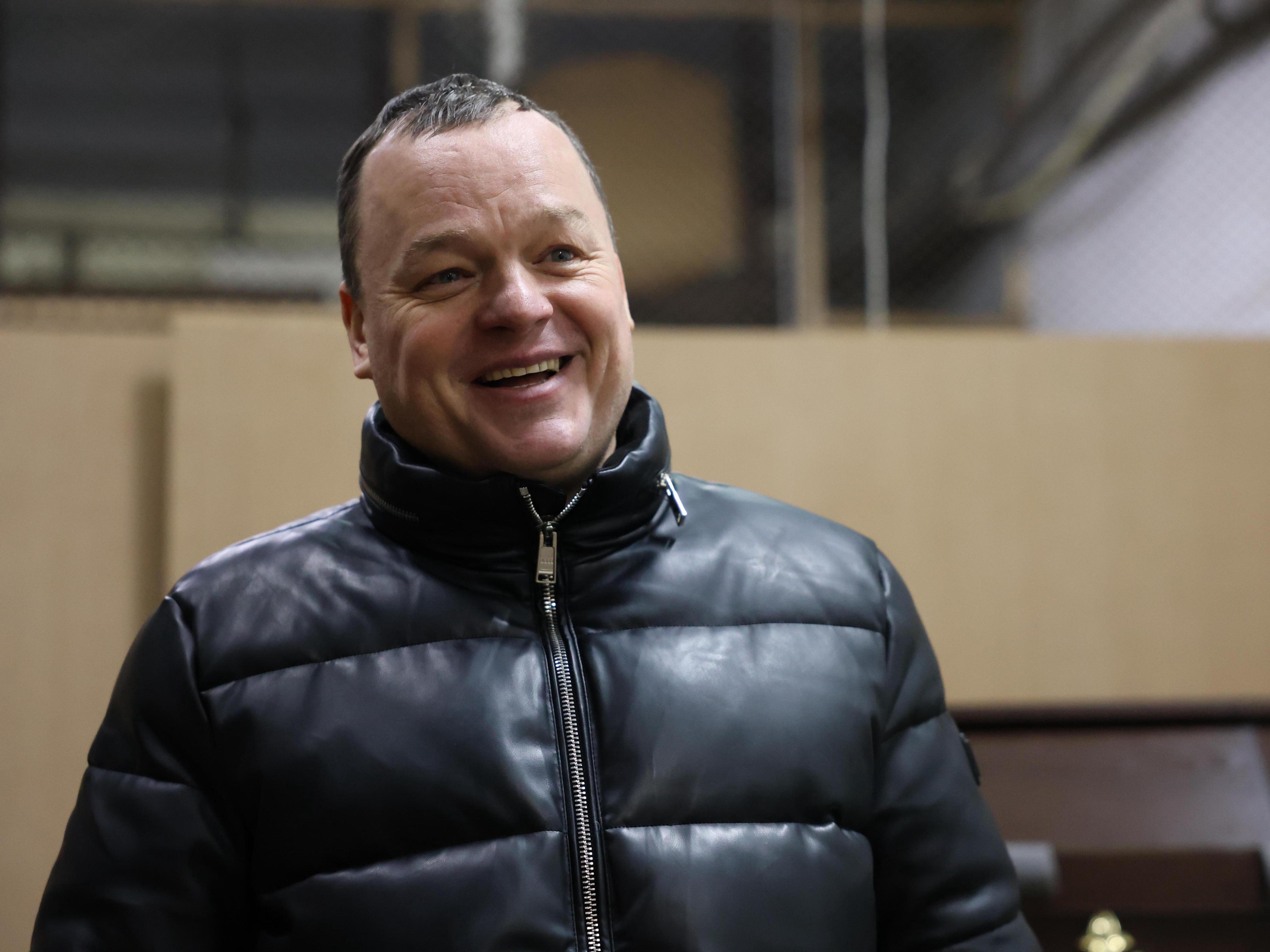
The funeral business is shrouded in many dark myths. To find out how things really are, we spoke with Kirill Nazarov, owner and director of the Zavet funeral service. About how scammers deceive people who have lost loved ones, how much they make from it, and how such situations can be avoided — in an interview with NGS55.RU correspondent Yekaterina Shrayner.
Threats and Crime
— Kirill Valeryevich, tell us how you got into the funeral business. Why did you choose this line of work?
— I have been in business for about 20 years. I had clothing stores, rented out construction equipment, sold cars, and ran minibus taxis. I ended up in the funeral business, you could say, by chance six years ago.
I had a minibus. I was asked to help an 18-year-old girl whose mother and father had died in the same year, and then her brother. He was in Ufa and needed to be transported to Omsk. A funeral company quoted 150,000 rubles ($1,700 at current rates) for that. The girl didn’t have that kind of money. I was asked to go. We figured out the expenses and went. There, local funeral directors cheated us — they named one price over the phone for releasing the body, but in the end took twice as much.
The pandemic started, and acquaintances who knew I had once helped with a funeral began contacting me. I applied to the employment service for a grant to start a new business and received a subsidy of 500,000 rubles ($5,600 at current rates). I have been working ever since.
— There is an opinion that the funeral business is very criminal and it’s impossible to get into it without connections. Did you face any difficulties at the start?
— I remember when we started working, threats really came in. They called us, didn’t want to let us into the market. But it didn’t go beyond threats. In principle, if someone wants to open a funeral company in Omsk, I don’t think there will be any problems.
— And who exactly threatened you?

— Other funeral directors. I don’t want to name names. Now those people just say hello, and that’s it.
Prices, Competitors and “Black” Funeral Directors
— So there is high competition among funeral directors in Omsk?
— We have maybe about 10 relatively large players, then several medium-sized players, and recently a lot of illegal companies have appeared. They work without a license, without registration.
— What is that linked to?
— They simply don’t want to pay taxes, bear legal responsibility, and at the same time intend to make big money. If you are accountable to no one, there is no demand from you. You can do whatever you want.
— What category do you consider your company — a large agency or medium?
— Our company is medium. You could say even small. We conduct between 15 and 30 funerals per month. There is no stability in this business. People think we bury someone every day, but there are breaks when there are no orders for a long time. We’ve gone 10 days without work, and at other times, three or four funerals in one day.
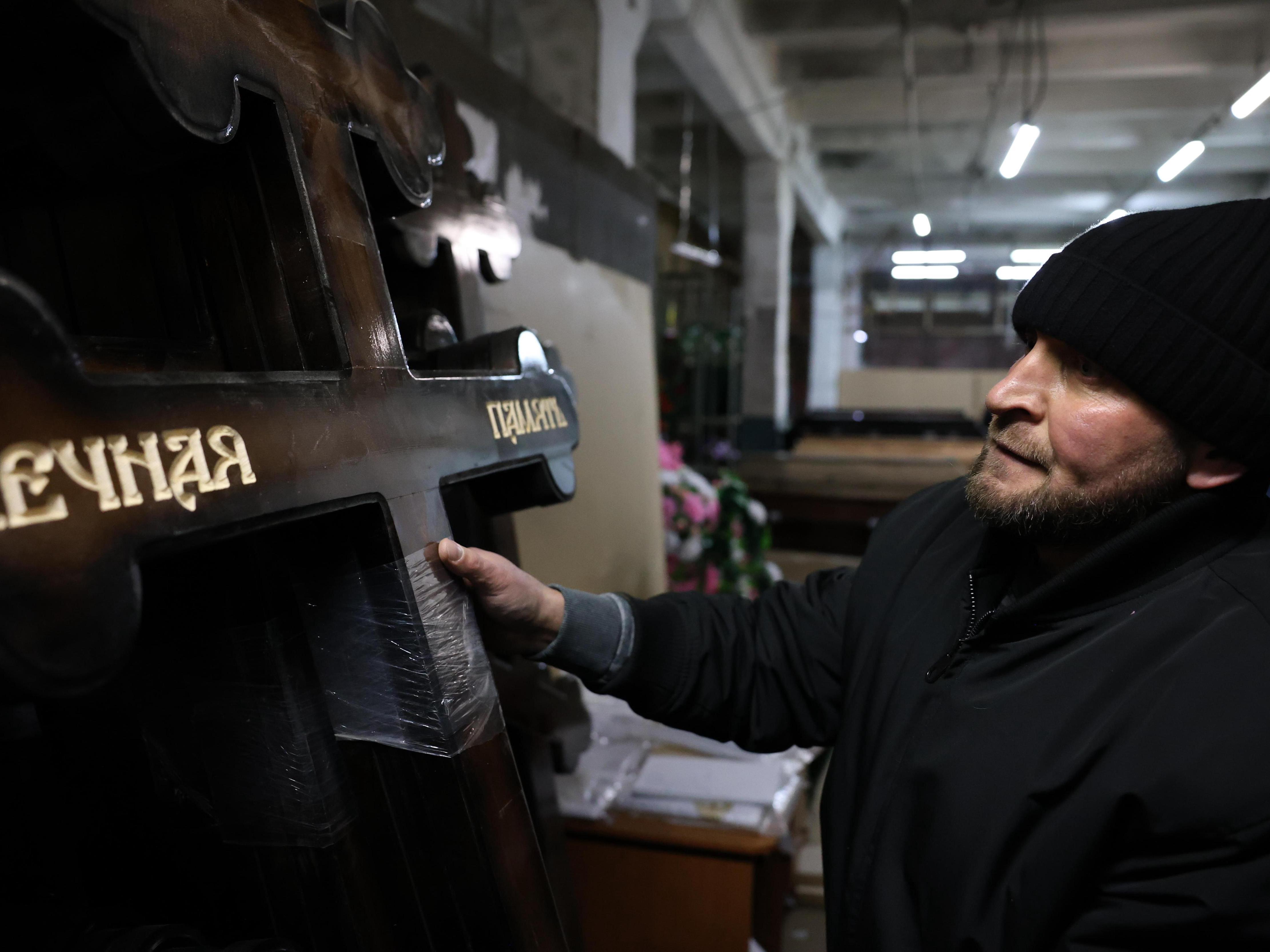
Mortality increases due to several factors. Sharp pressure drops, weather changes, solar magnetic storms — these are always harbingers that mortality will rise. In autumn there is also such a period: November–December. Right now we observe that people are dying more often. In principle, all funeral companies will say that because we communicate a bit among ourselves.
— Is it a plus or a minus that there are many relatively small funeral companies in the city?
— People should have a choice. There should be healthy competition. It’s a market; it regulates itself. That is, a person can always compare the quality of services or prices, or the products offered in this field. But often our business is characterized by unfair competition.
— How does it manifest itself?
— We’re talking about corruption. Of course, special agencies should deal with that. We encounter the fact that as soon as a call about a death comes in to the emergency services, unknown people show up at the address.
— “Black” funeral directors?
— Yes. They take advantage of the fact that people are in a state of stress. The information reaches them from the ambulance or police — I can’t say exactly. The cost of this information ranges from 20,000 to 50,000 rubles ($220 to $560 at current rates). Ultimately, that amount is paid by the person whose loved one has died. The price of funerals from such companies starts at 100,000 rubles ($1,100 at current rates). Whereas on average, companies like mine charge 65,000–70,000 rubles ($720–$780 at current rates).
There have been several cases where people contact us on the recommendation of acquaintances or through advertising. While the agent is on the way, a call comes in: “Oh, sorry, we already signed a contract.” Because someone came and started pressuring them, using various psychological methods.
I sometimes go out on calls myself. And often I have to bury acquaintances. A friend’s father died, the body is lying at home. We sit, talk, waiting for emergency services to arrive. There were several knocks at the door, several phone calls. Before the police and ambulance even arrived.
I open the door, there is a person showing a funeral agent’s ID. And he speaks very convincingly. This is essentially fraud.
What the State Should Do
— How can people be protected from fraud in the funeral sphere?
— We have a federal law on burial, but it is outdated. A new law is currently being developed with input from associations of funeral companies and so on. The work is difficult, with many nuances.
This law, I think, will aim in part at protection against fraud. I’ve heard that in time we will arrange funerals through Gosuslugi (the Russian government services portal). A person will be able to log in and see a list of accredited companies.
But then another question arises: who and how will obtain this accreditation? A new law is needed, and our work is needed. Someone has to do it.
— So the state can still fight “black” funeral directors?
— I think we first need to figure out where the information leak comes from. Then some order will be established. It is important that people can choose for themselves whom to turn to. For this, it is necessary to eliminate the corruption element — leaks of information from ambulances, police, and other services.
— Probably people themselves need to be cautious too?
— It is difficult for a person in grief to assess the situation. They are ready to give their last money; they are quoted huge sums and they pay. Only later do they sometimes realize they were cheated.
I can say one thing: if you didn’t call or summon anyone yourself and people knock on your door, they are “black” funeral directors. Often such people pose as morgue staff. Be on your guard. It is dangerous to talk to them. You can suffer financially.
— If you gave money to scammers, is it impossible to get compensation after the funeral?
— Usually people don’t want to get involved. You understand, everything connected with funerals is sacred. There are many superstitions, prejudices, mysticism and so on. Or, if they start to say something, they are skillfully talked out of it. Even though the person does not understand what they paid for. Therefore, many people dislike funeral directors. The “black” funeral directors will provide the service, but at a clearly inflated price.
Farewell Organization and Price Increases
— You said that on average a funeral costs 65,000–70,000 rubles. What is included in that price? What does the customer pay for?
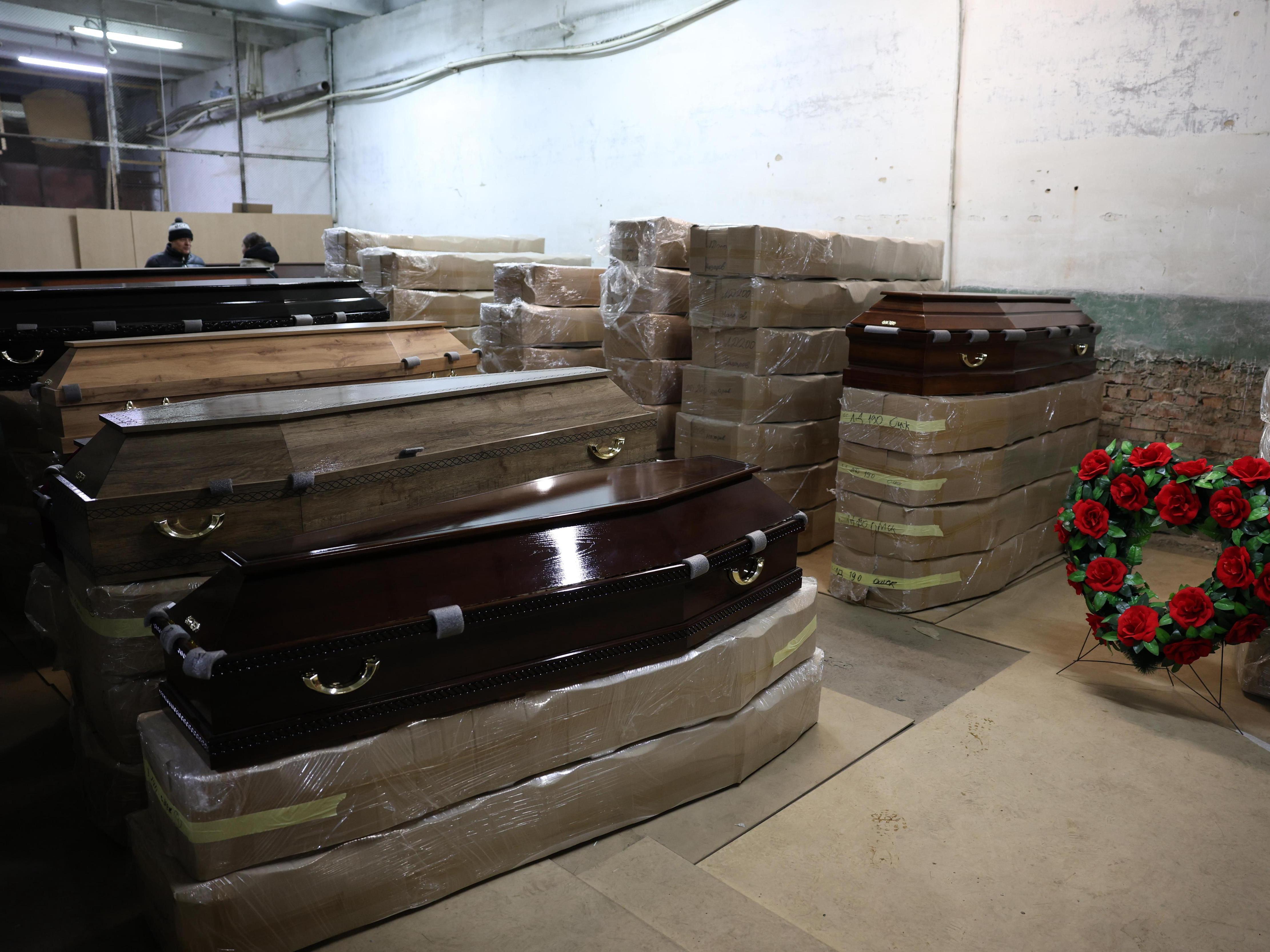
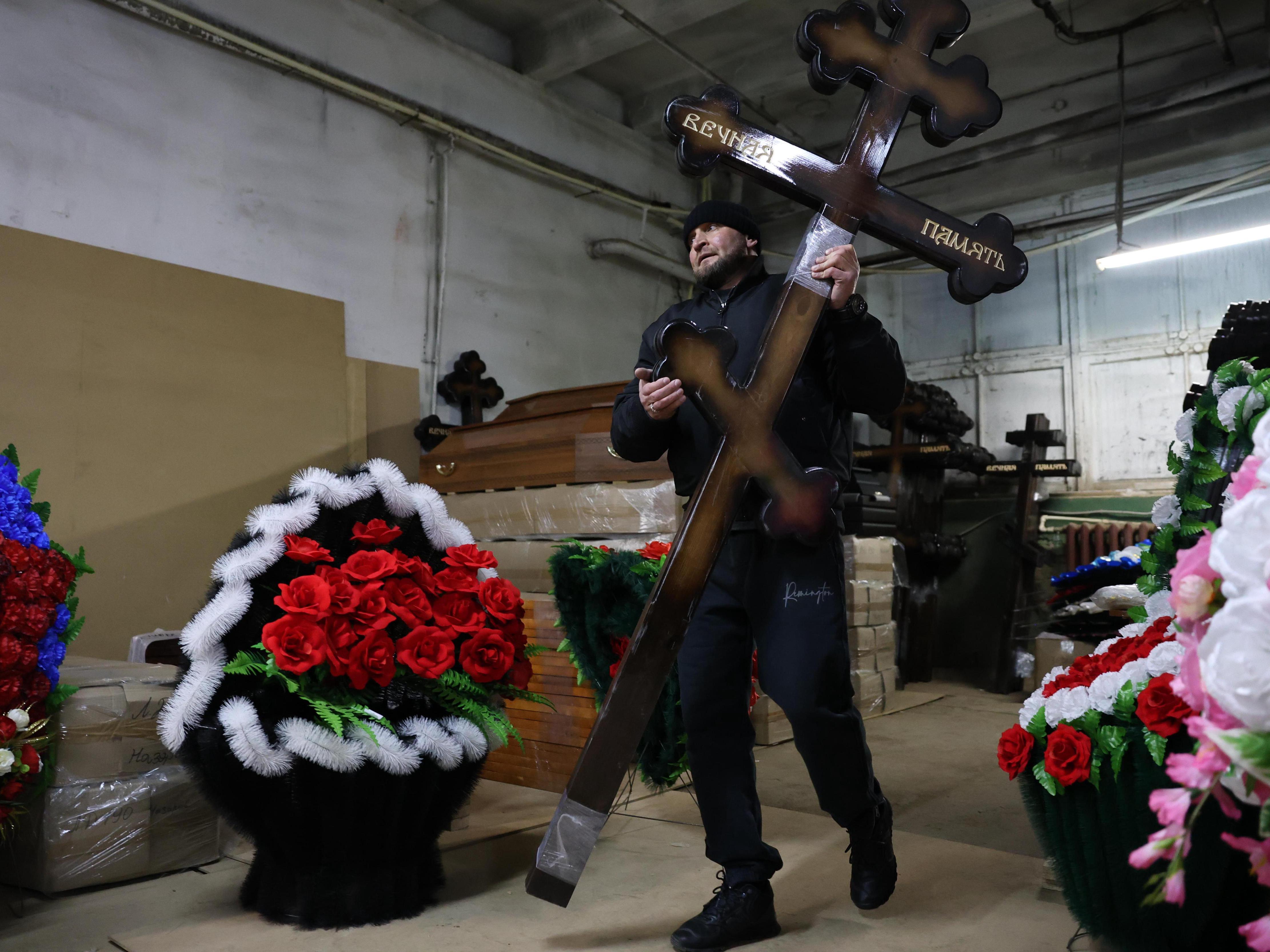
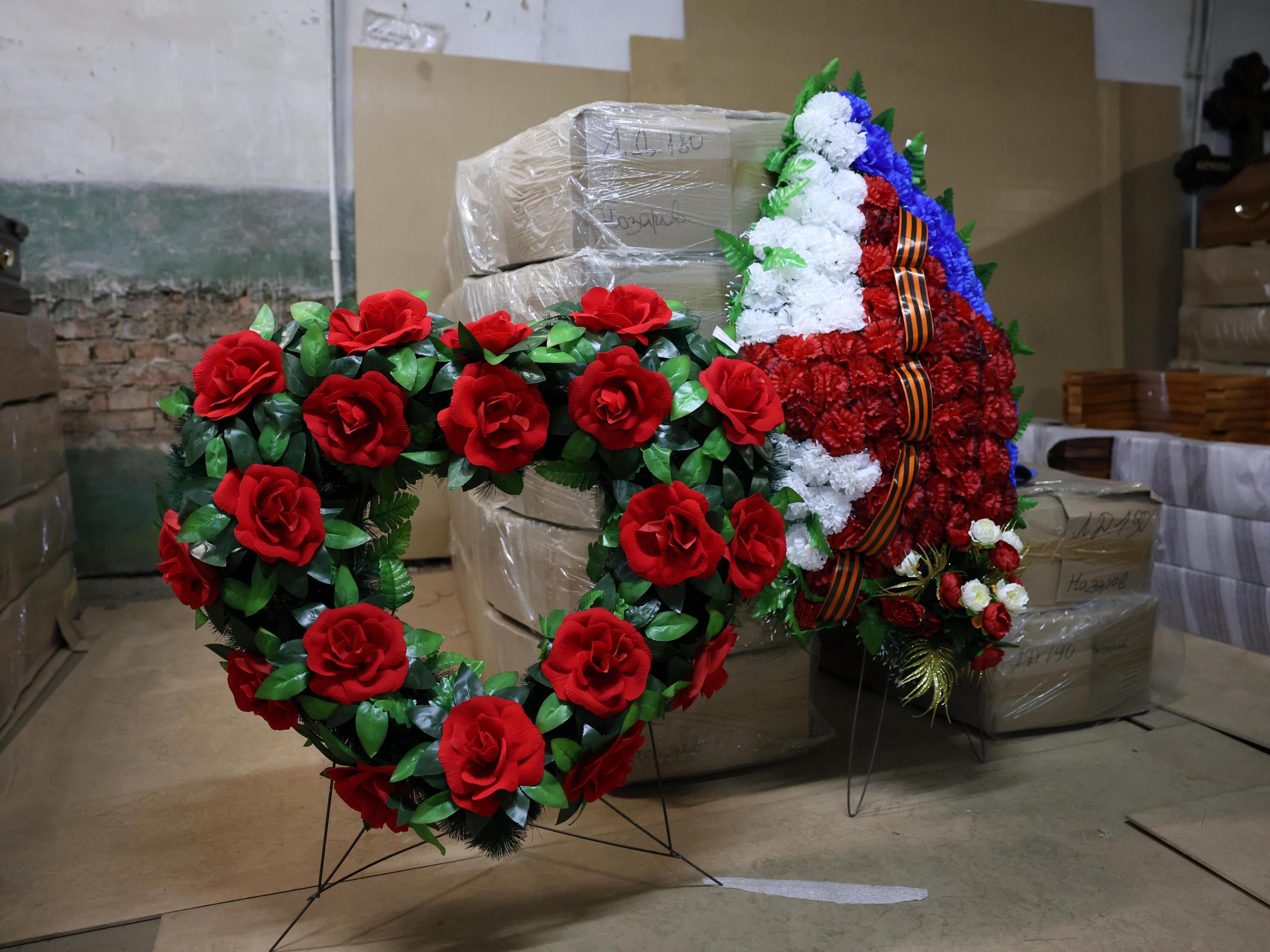
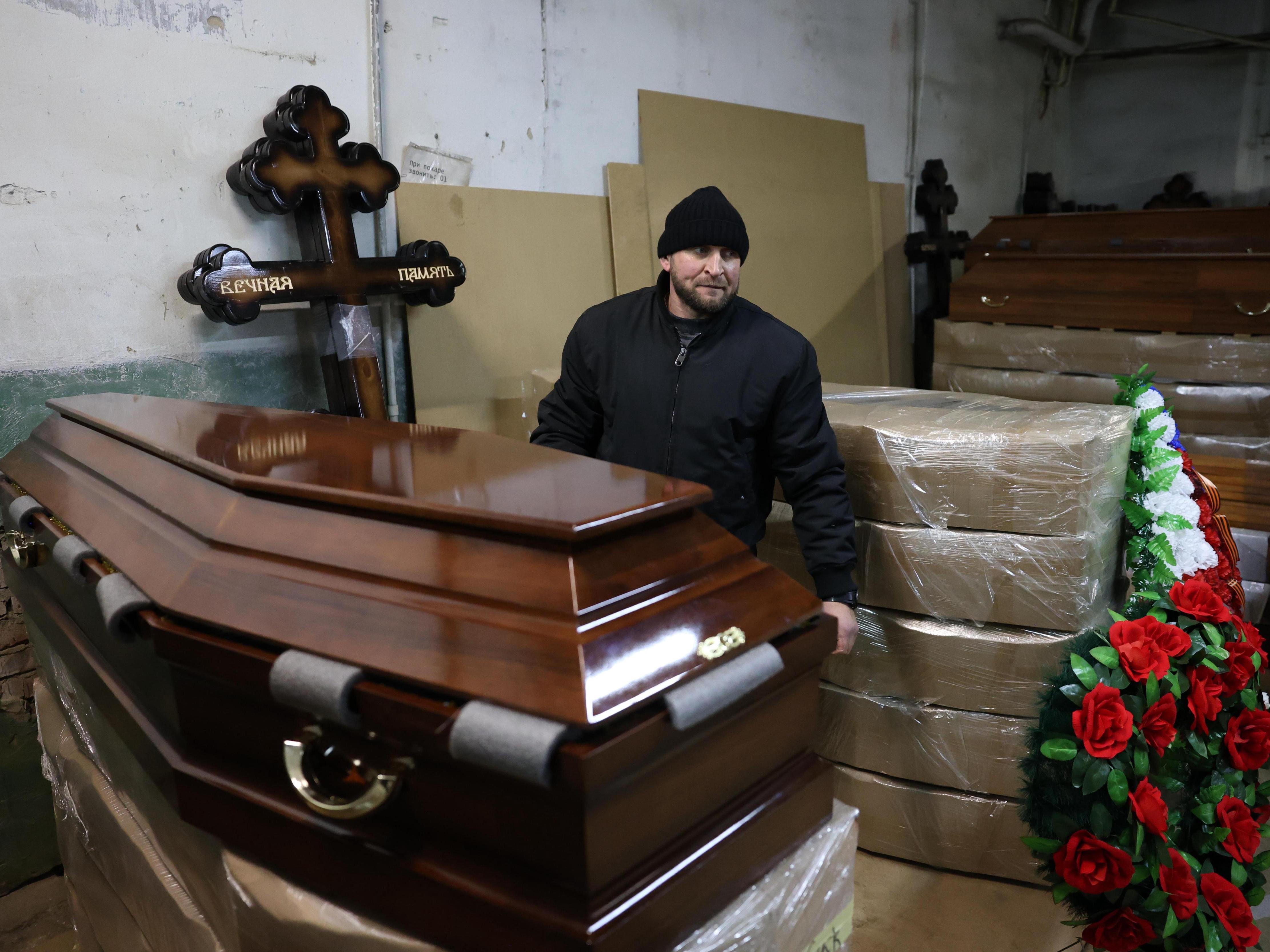
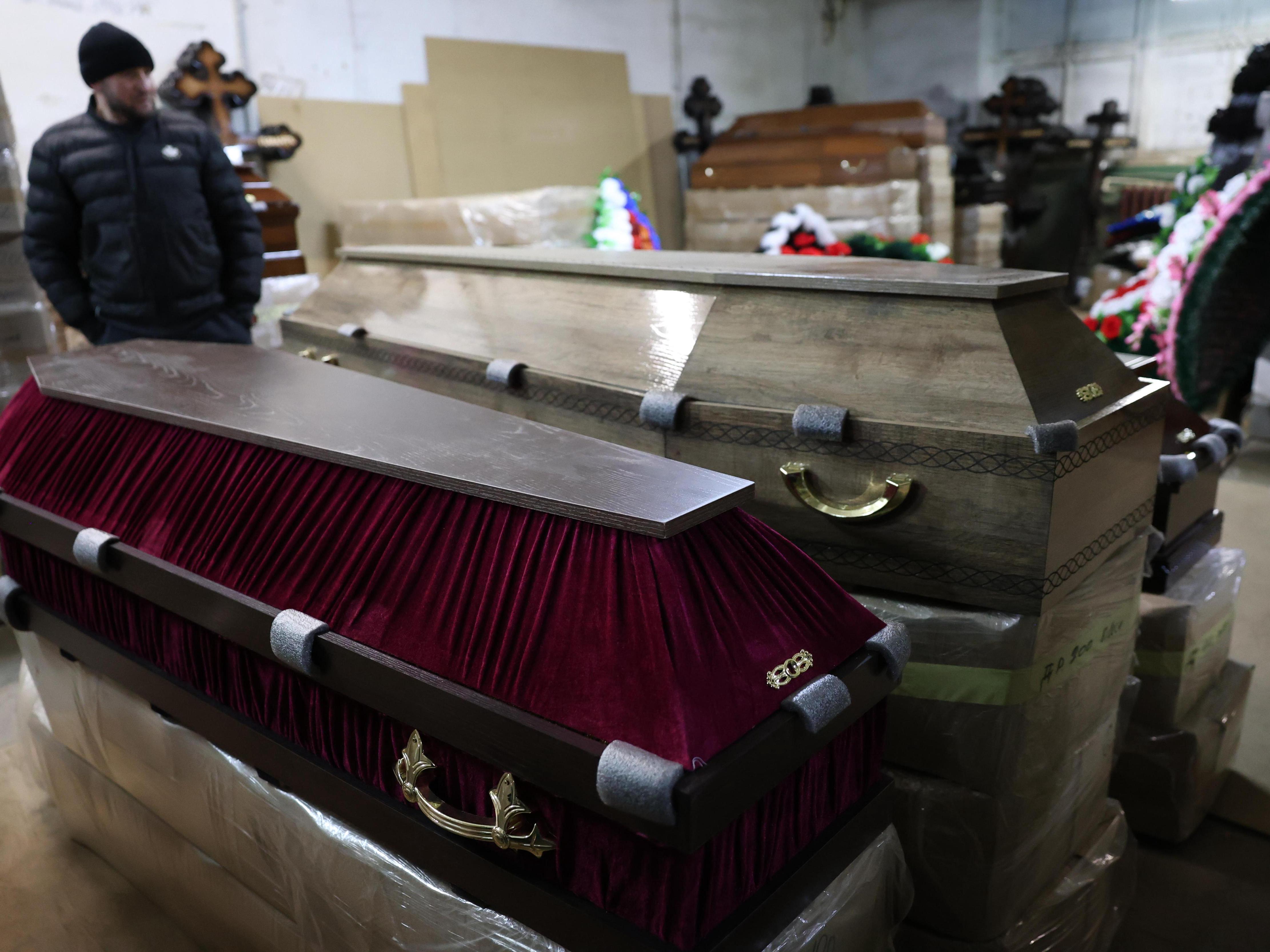
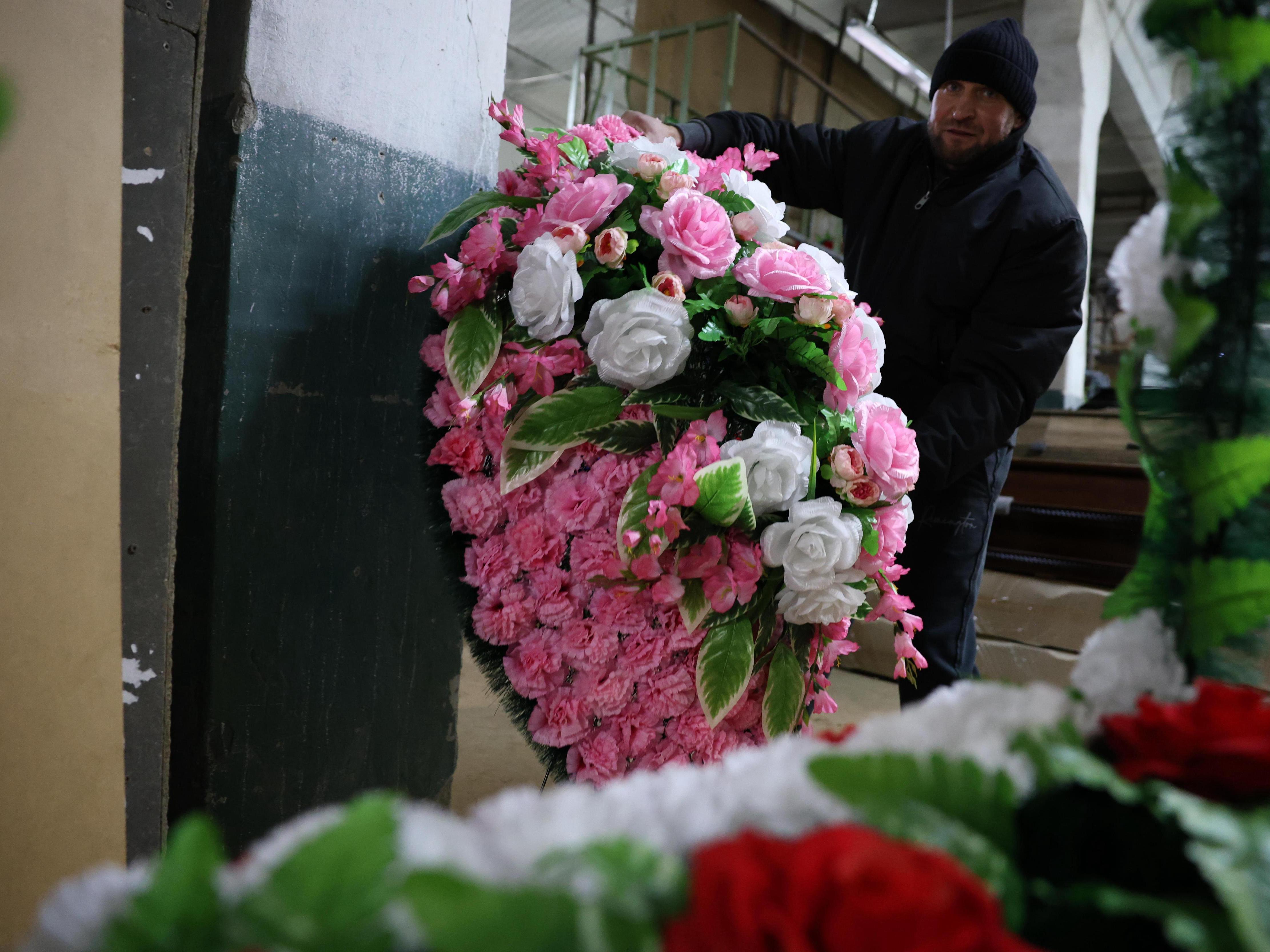
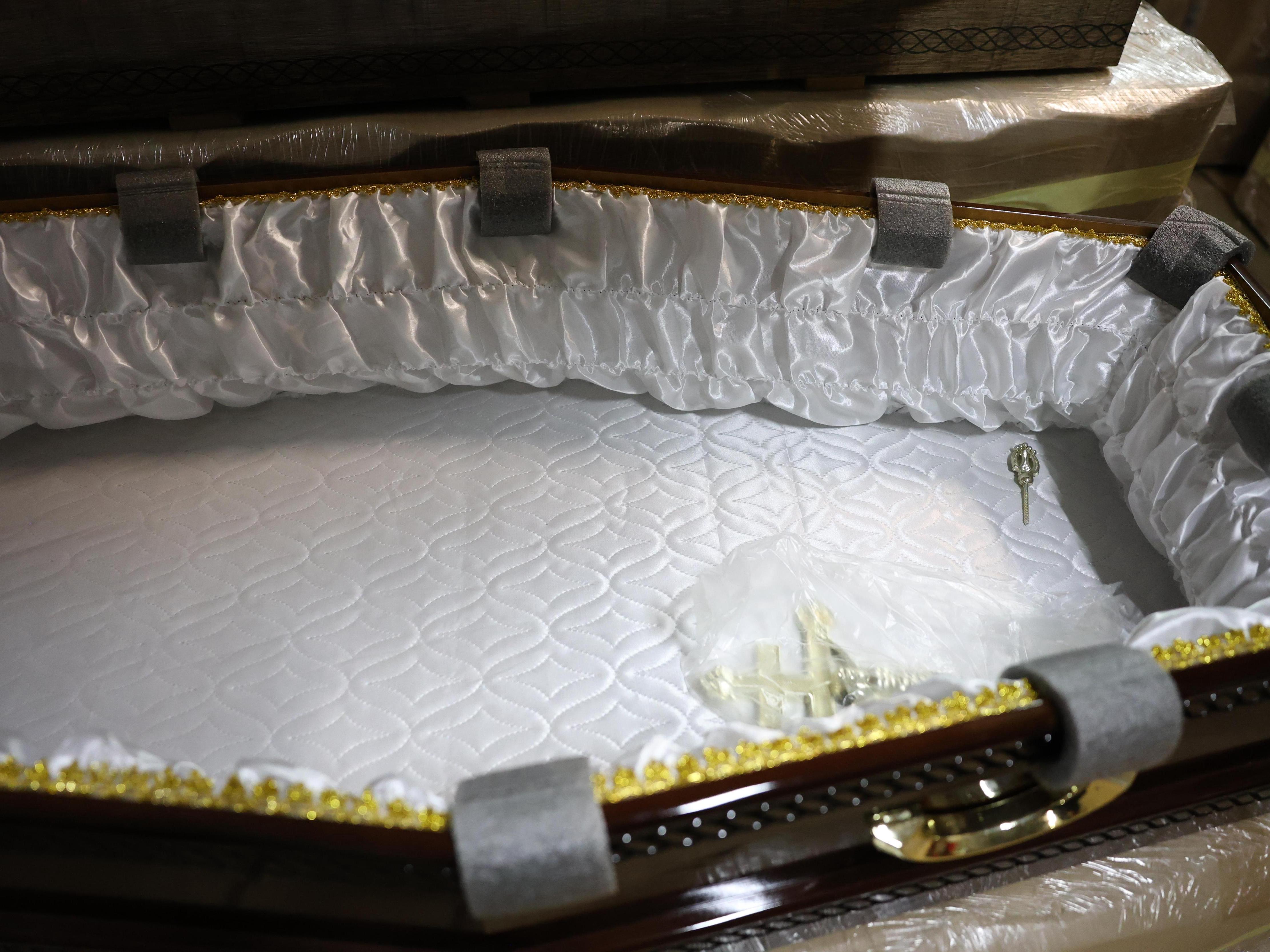
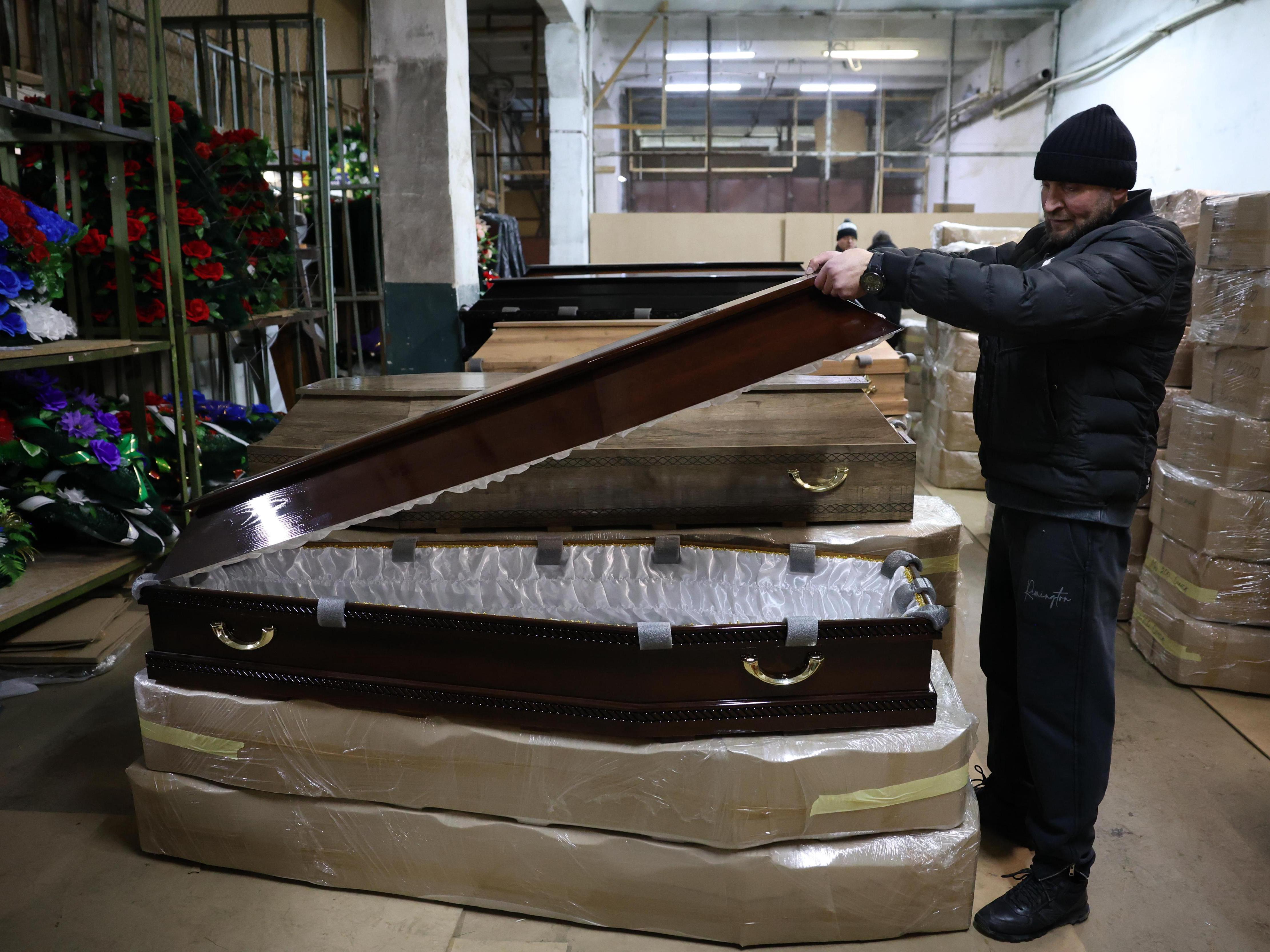
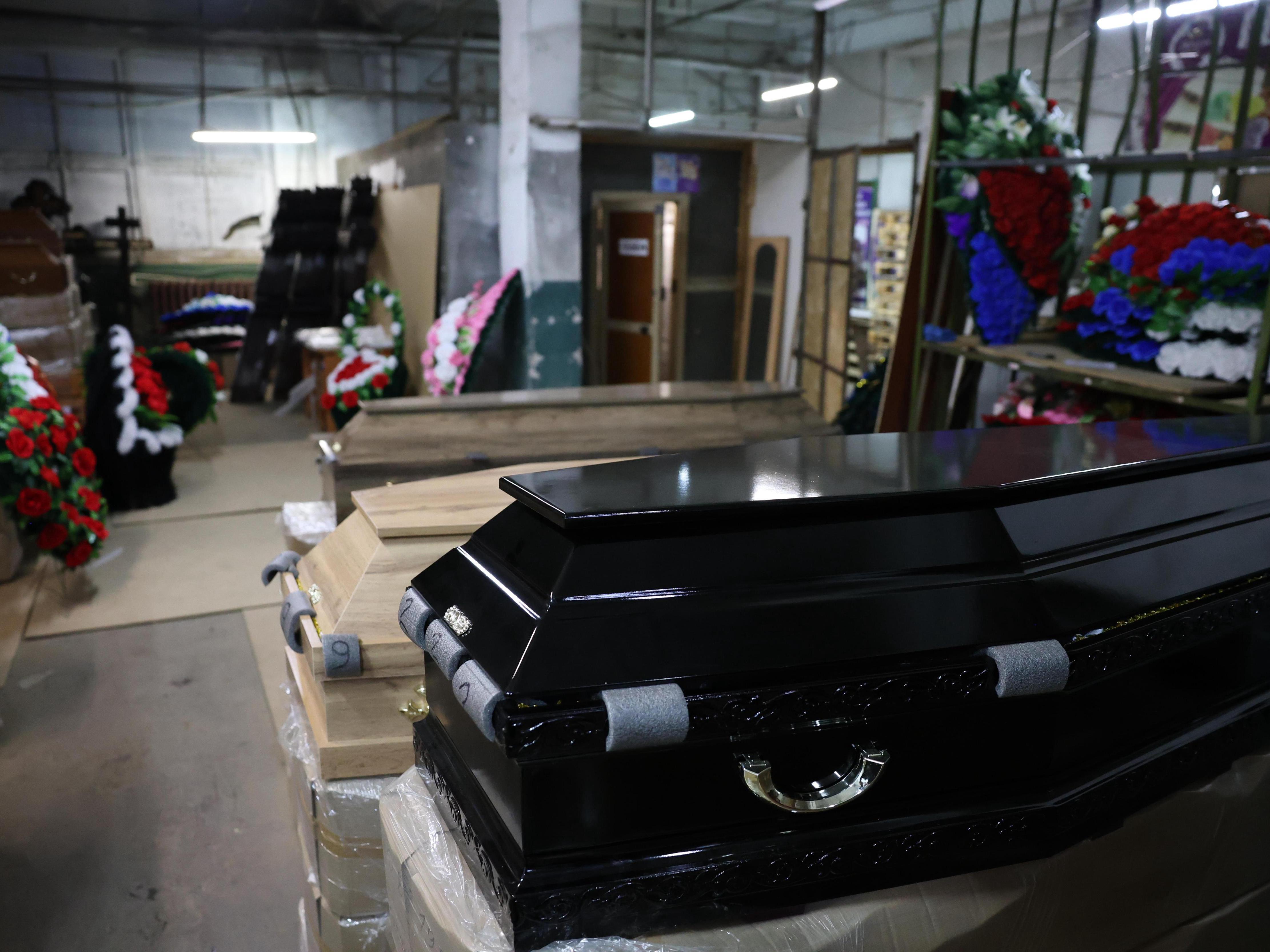
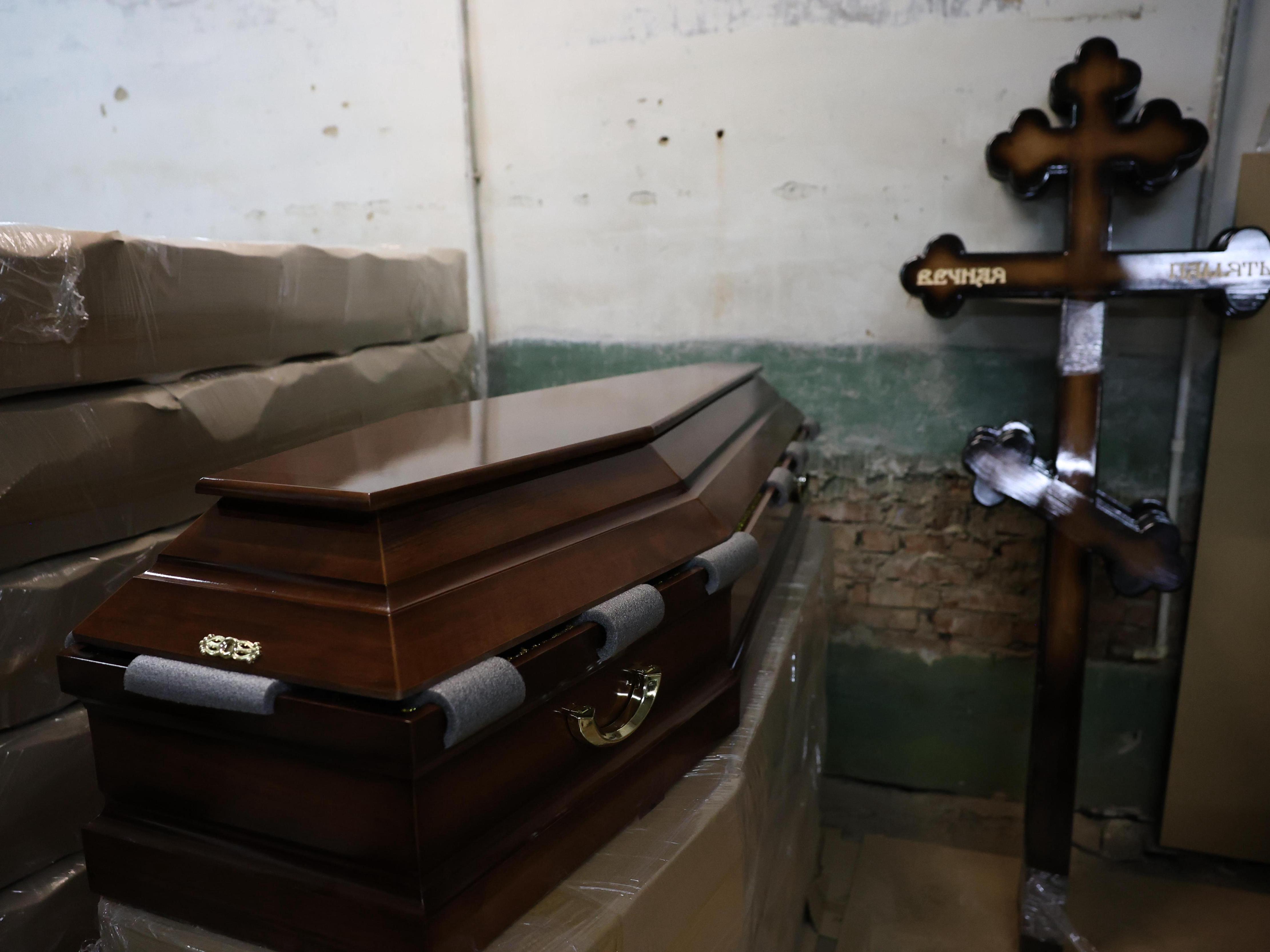
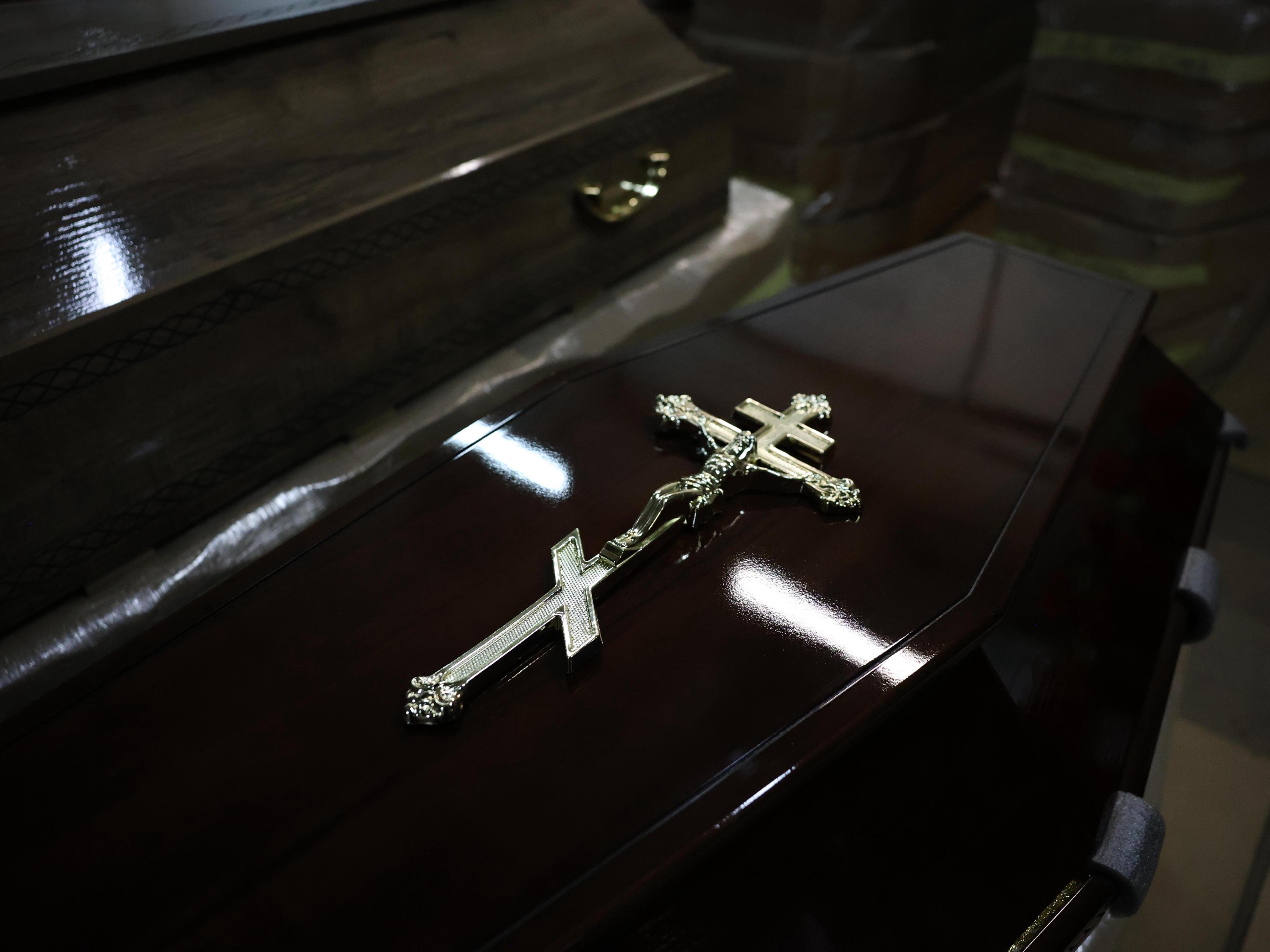
— That covers paperwork at the morgue, then at the registry office, at the cemetery — that is, official burial registration. We provide a hearse, a coffin, a covering, a pillow, a cross, a crown, all necessary accessories. We pay for morgue services — preparing the body for burial. We provide a team for the funeral. That amount also includes digging the grave. Such a comprehensive turnkey service.
Earlier there were certain problems related to work on weekends and holidays. Because of the schedules of registry offices and morgues, bodies accumulated, there were huge queues, and it was hard to send a body to the cemetery. Now some of these problems have been resolved.
— Can a person organize everything independently?
— Yes, but I rarely meet such people. It is extremely difficult. The system works in favor of funeral companies. Because fast interaction is established: everyone knows each other, everyone is on the phone with each other.
If a person starts organizing independently, it will take much more time. When we organize a funeral, it takes two to three days from the moment of death to the funeral. If the person handles it themselves, that period may be extended.
And there are certain risks there, because they don’t know which doors to enter, whom to greet, whom to address, and so on. In any case, they will need to buy funeral products somewhere, get them delivered. They aren’t going to carry the coffin themselves. They will need to dig the grave, lower the coffin, bury it.
In our practice, there are situations when people weigh, say, 200 kilograms (441 pounds). Sometimes it happens that people died some time ago and lay in the apartment, decomposition sets in. This requires special preparation.
— What is the procedure if a loved one dies? How to organize a funeral and avoid falling for scammers?
— The first thing to do is to notify the emergency services. There is a certain protocol: call either the clinic, the ambulance, and the police. Then you need to choose a funeral company. Either look online or ask acquaintances.
Call the company, tell everything. Be sure to ask for the employee’s name so you know who will come to you.
— Should we expect the cost of funerals to increase in 2026?
— It has already increased. By about 5,000–10,000 rubles ($56–$110 at current rates). Last year we buried people cheaper, for 50,000–60,000 rubles ($560–$670 at current rates). Everything is getting more expensive, including these services.
— According to Omskstat, from January to November last year, grave digging became much more expensive — by almost 70%. What is that linked to?
— Prices, as I said, have generally risen. I don’t think grave digging has actually become that much more expensive. Probably by about 30–40%. This is linked to the overall increase in everything around us. The change in the tax system also had an impact. Many entrepreneurs are having a hard time now, including in the funeral sphere. Taxes were raised significantly.
The Omsk Crematorium
— In Omsk, people have been talking about the opening of a crematorium for several years. How will it affect the market situation?
— I think the crematorium will open within the next year or two. In Nadezhdino (a village near Omsk), it is in the launch stage. There were obstacles. There are people who fear competition. They understand that part of the income will go to the crematorium, so they didn’t want it to open.
— Will cremation be cheaper than traditional funerals? How will prices change?
— The approximate price of cremation will be leveled with the lower threshold of funeral costs. An unprepared body is not accepted for cremation. The body must be in a coffin, the person must be dressed. That is also a paid service: washing, dressing, preparing for farewell. Many people want some kind of farewell: renting a mourning hall, holding a ceremony.
If we talk about Novosibirsk, where we currently transport bodies for cremation, the procedure itself costs about 25,000–30,000 rubles ($280–$330 at current rates). Add to that body preparation, travel there and back. It comes to around 100,000–120,000 rubles ($1,100–$1,300 at current rates).
On Grieving
— The funeral business is often considered grim work. What meaning do you see in it? Are there moments that bring you particular satisfaction or disappointment?
— We have a certain mission — to help people relieve as much as possible the stress associated with organizing a funeral, so that they can be with their families during that time, comfort each other, support each other. We handle the organization of the entire process.
I also go to church, so I am a religious person. It is very important for me to be someone who can comfort and help. There is a subject called “grief psychology.” It teaches how to work with people’s stressful states. All my employees know this. The work of a funeral company is not only to organize the funeral but also to say a few words, to offer support. Many people find it hard to face death.
If everything is swimming before your eyes, better ask neighbors, children, or friends to organize the funeral. I also have advice for those who have seriously ill relatives. When the diagnosis is confirmed and doctors say there is only a short time left to live, call a funeral company in advance, discuss all the nuances, so you understand what you will do, learn the price, express your wishes. When the grief occurs, it will be easier — something will have been set in your mind.
— In your practice, have there been cases when people were dissatisfied with the quality of services?
— In my memory, there have been several such situations, and I think there will be more in the future. It depends, probably, not on the quality of the service but on psychology. People sometimes need to vent their anger on someone. As a rule, that someone is the funeral director. We can work with them, smooth over the situation somehow, because we understand their state.
Not everyone can work in the funeral sphere. We have no right to make mistakes. We cannot be late or get sick. We must be ready in any weather, at any time of day or night. A person can turn to us at any moment, and we must provide qualified help.
— Have you yourself ever felt emotionally burdened at work?
— It is always hard when children die. It is hard when accidents and suicides happen. It is hard when a husband and wife lived 50 years together and one of them passes away.
From the perspective of a religious person, I always say that the soul has left, it is an inevitable process. We understand: every day people are born into this world and leave. We cannot choose the date of birth, beauty, gender. Likewise, we cannot choose when we will leave here.
Yesterday I had two orders — two sudden deaths. One died in a car, the other at work. They didn’t smoke, didn’t drink. Everyone dies: the beautiful, the young, the old, and children. I believe that when a person comes into this world, it is a celebration. But their departure is also a solemn event.