Eurasian Otter: Aquatic Hunter of the Mustelids
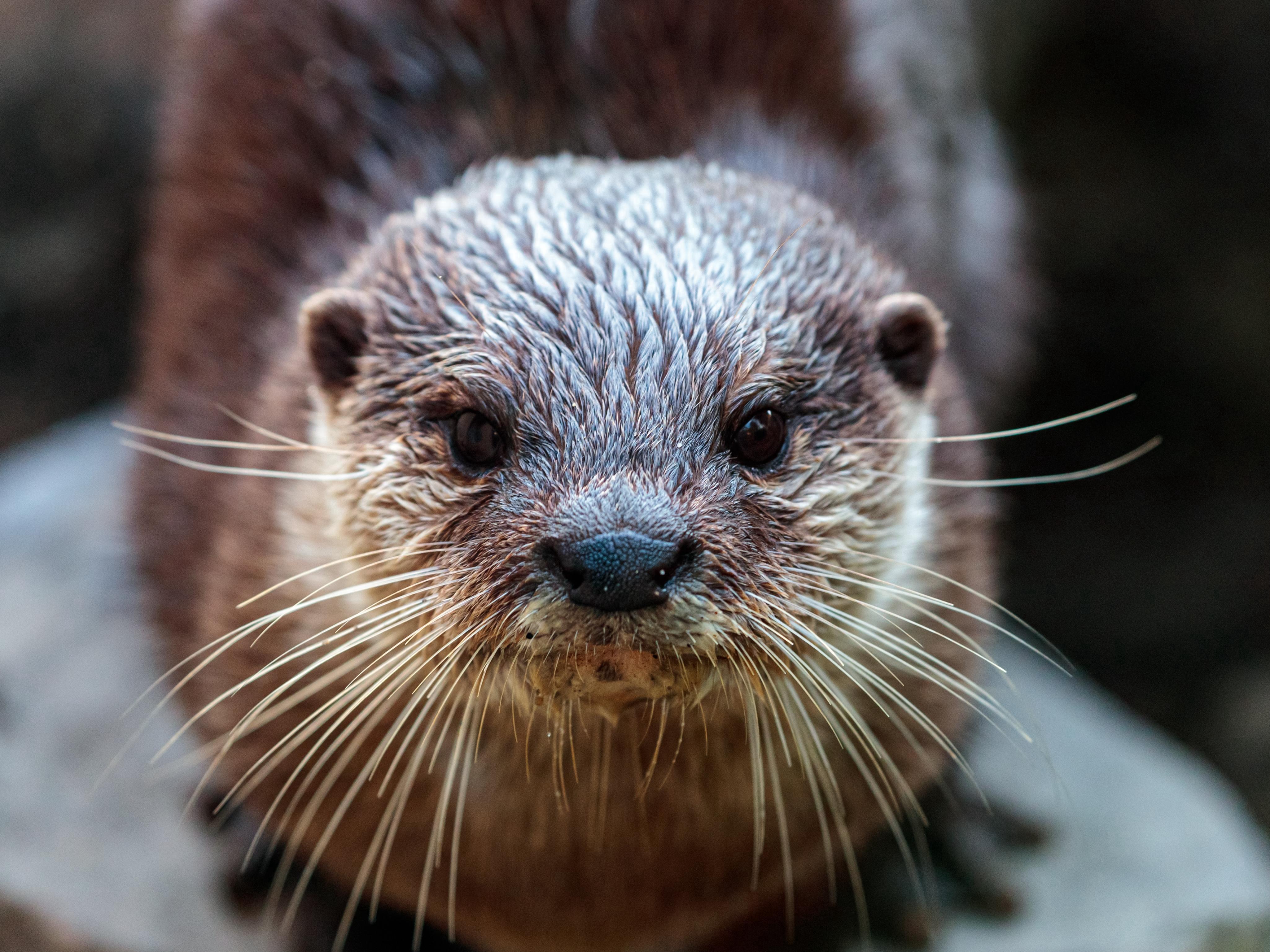

The mustelid family is renowned for its agile and fearless forest inhabitants: sables, martens, stoats, and wolverines that resemble small bears. These animals masterfully climb trees, penetrate burrows, and are unafraid of fights. But they have cousins who traded the taiga for aquatic expanses—otters, semiaquatic predators that swim almost like fish.
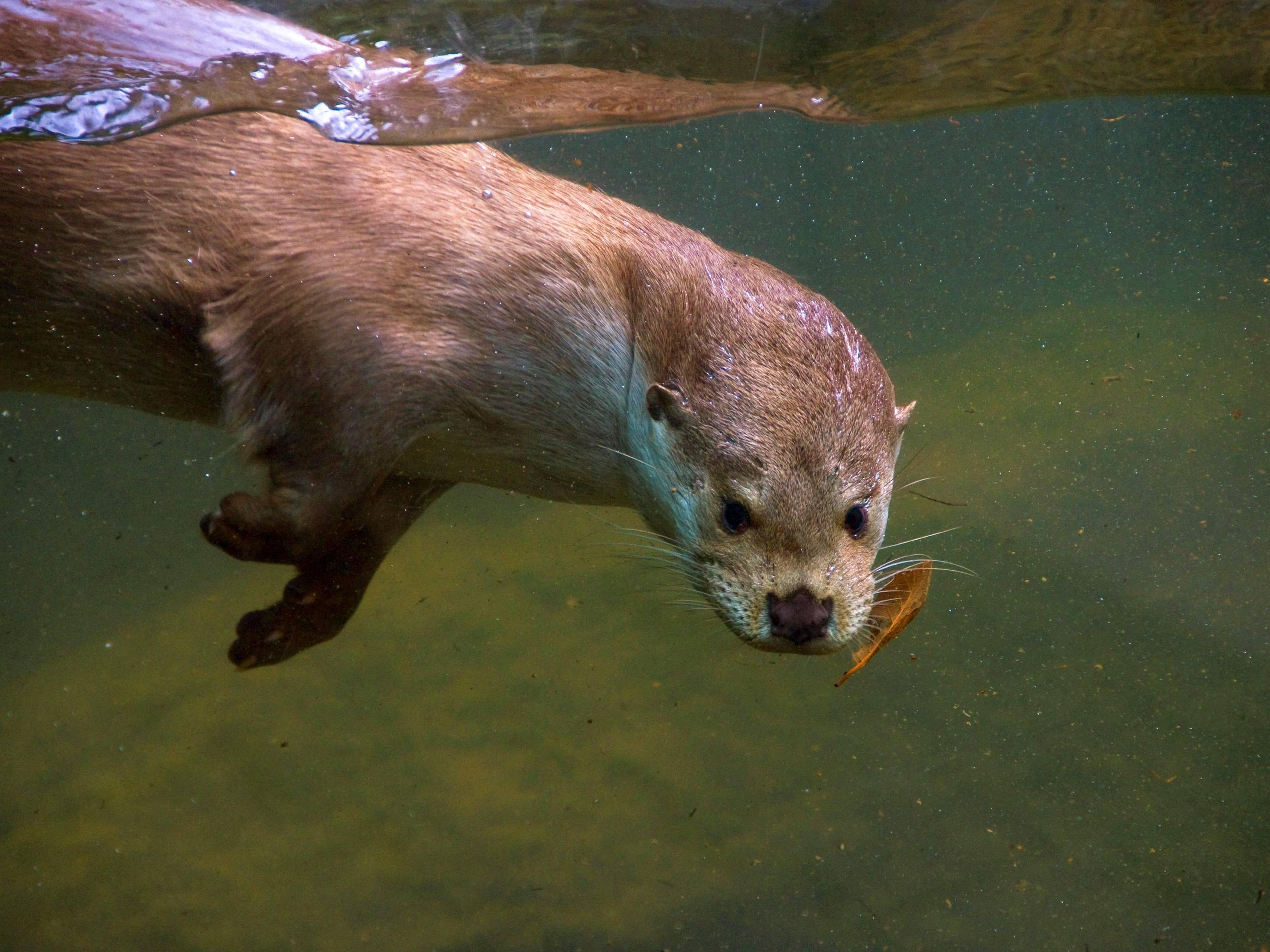
The Eurasian otter, Lutra lutra, is a flexible and swift creature. Its long body, webbed paws, and waterproof fur are perfectly adapted for life near rivers, lakes, and even seacoasts.
Diverse Menu
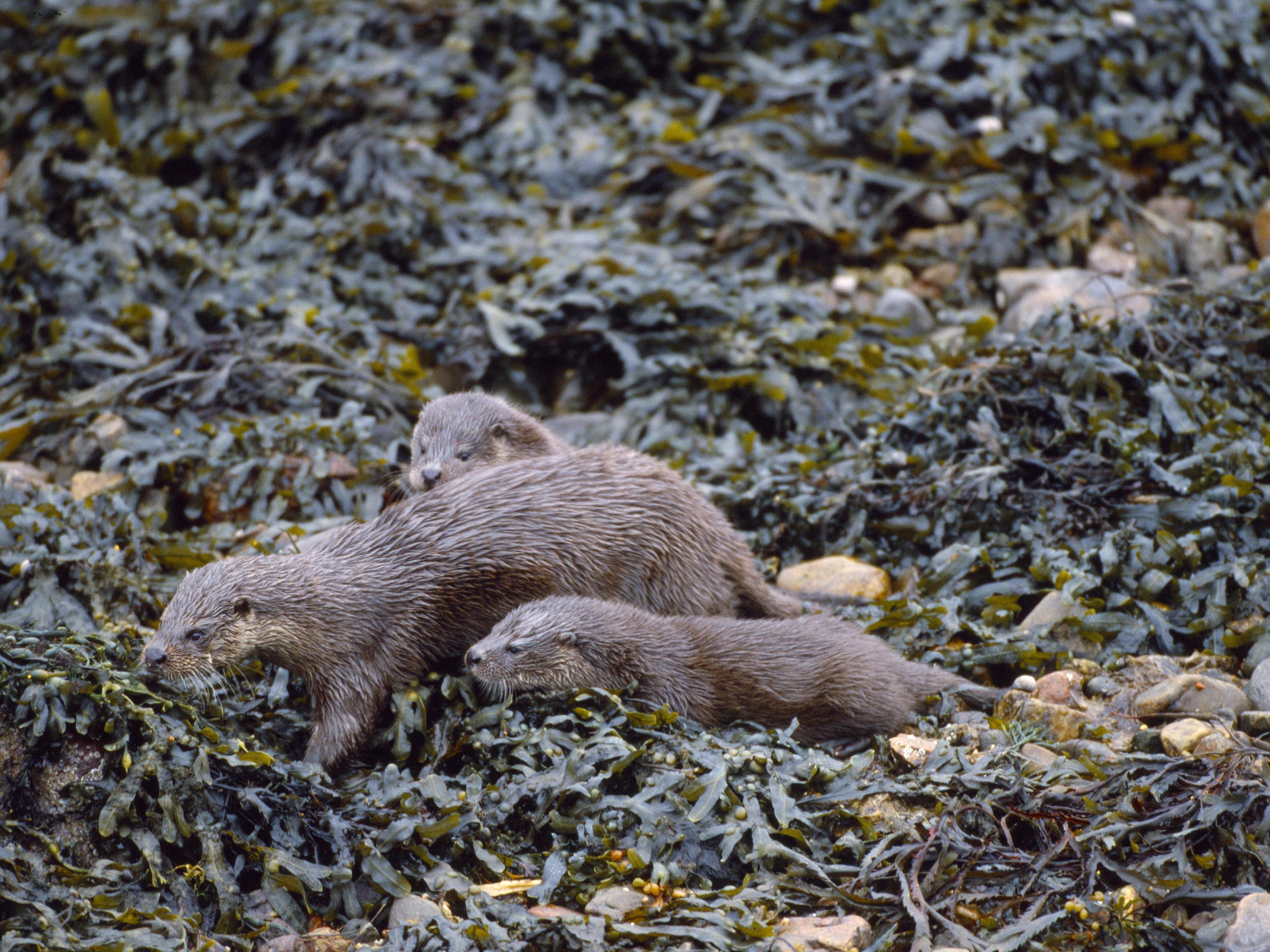
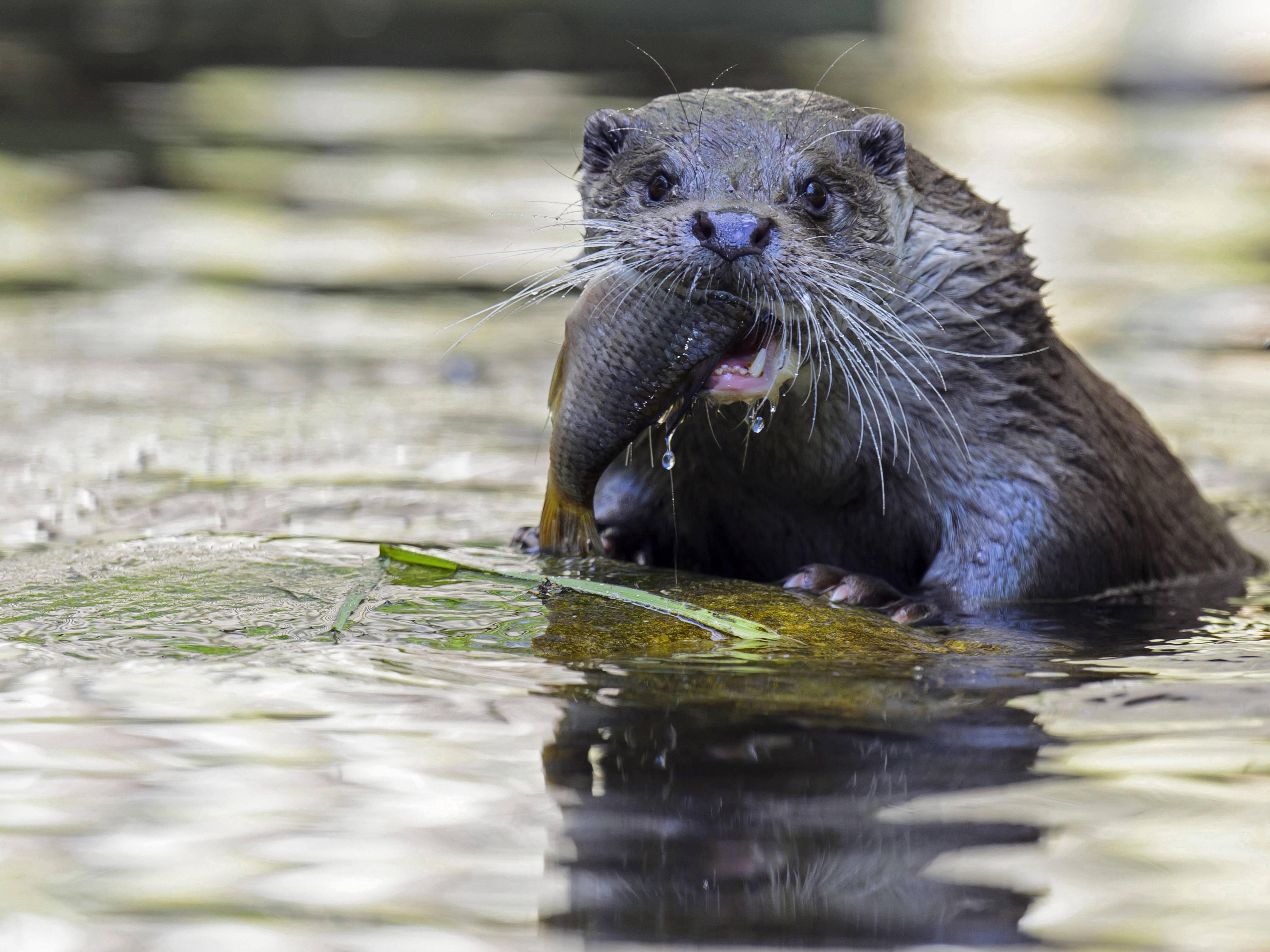
Although the otter«s diet primarily consists of fish—from minnows and perch to trout and pike—its appetite is much broader. When fish is scarce, the animal readily eats crayfish, frogs, waterfowl, and even small mammals. It is known that a hungry otter may attack an unsuspecting beaver kit.
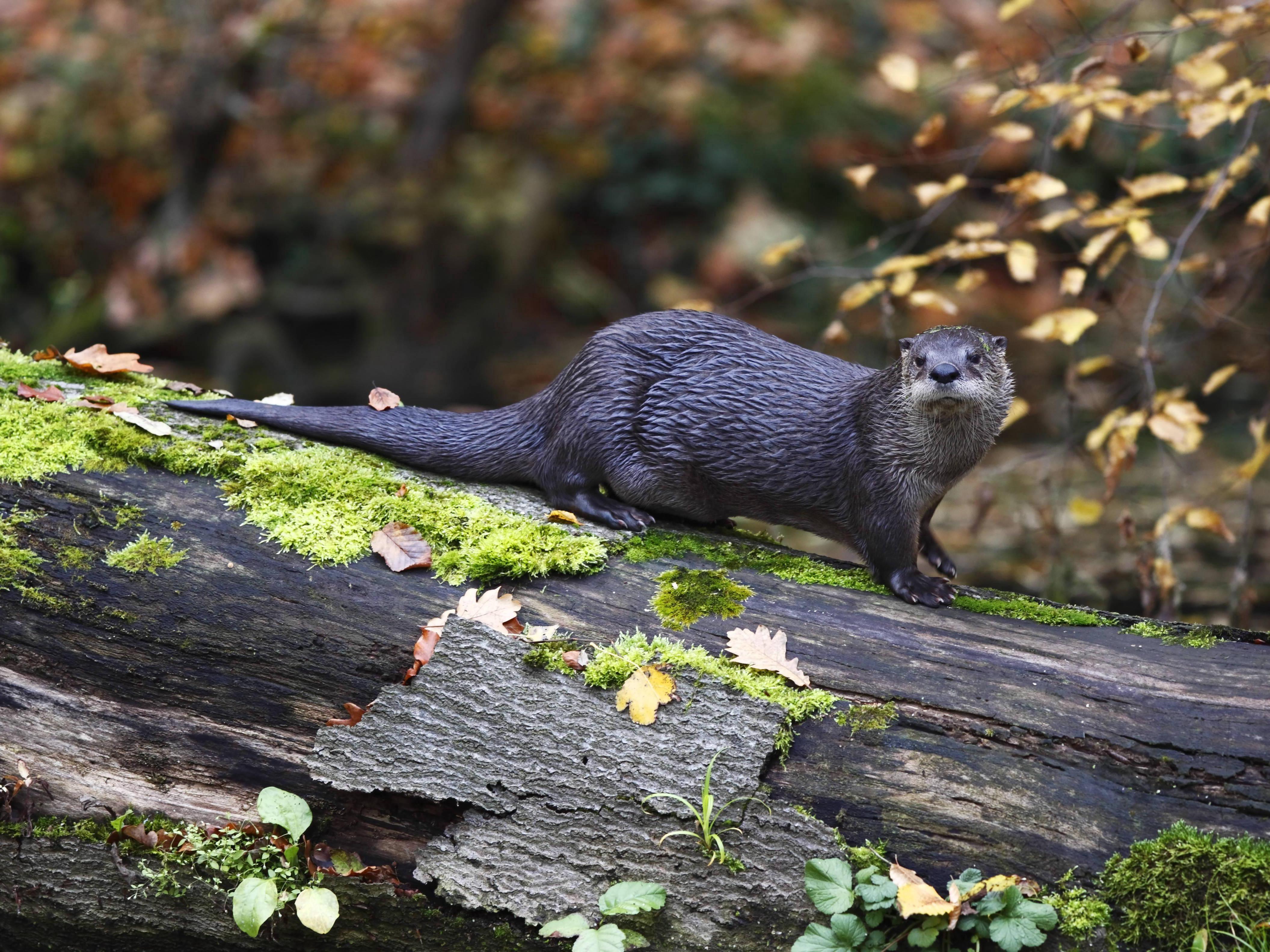
Sometimes, carried away by hunting, the otter catches more prey than it can eat and hides the surplus in caches. However, biologists believe that these predators benefit water bodies by primarily catching sick and weak fish, thereby improving the health of the fish population.
Cautious Hunter with Excellent Memory
The otter has excellent vision, hearing, and sense of smell, and its spatial memory allows it to remember every stone and snag on its home territory. At the slightest rustle, the animal silently disappears into the water. In winter, when water bodies freeze, the otter becomes especially cautious, as there are few escape routes.
On its territory, the otter usually sets up several shelters. The entrance to the den is always hidden underwater. From it, a tunnel leads upward to a dry «bedroom,» which is connected to the surface by a narrow ventilation shaft. Inside, the den is lined with soft moss, grass, and dry leaves.
Otters hunt primarily at night, but in quiet, safe places they may fish during the day. If an encounter with an enemy is unavoidable, the animal defends itself bravely: it bites, scratches, and tries to inflict as much damage as possible.
Family Life of Solitary Animals
Otters are solitary animals. The timing of the mating season depends on the region: in Siberia it can last from April to October, while in European Russia it usually occurs in May-June. Males sometimes fight for a female, and after mating they leave her, returning only the next season.
Gestation lasts about two months. Usually, the female gives birth to two to four blind, down-covered cubs. At one month old, they begin to learn to swim, and soon master the basics of fishing under their mother«s guidance. Young otters become fully independent only at about one year old, after which they start their own lives.
Under Human Pressure
The relationship between humans and otters has always been complicated. The animal was hunted for centuries for its thick, warm fur; its teeth were used for tools; and otters were exterminated as competitors in fishing. Pollution of rivers and destruction of natural banks have led to otters becoming rare or disappearing entirely in many places. Today, this species is listed in the Red Data Books of many regions, and ecologists are implementing programs to restore its populations.
Although young otters are easily tamed, they should not be kept at home. In solitude, these naturally social animals become depressed; under stress, they may show aggression, and when released back into the wild, they often do not survive. For domestic keeping, it is better to choose an animal whose needs are compatible with life in captivity.