Doctor Explains Anemia: Causes, Symptoms, and Risks

Chlorosis, the illness of young ladies, and pale sickness — this is an incomplete list of names that anemia once bore. In the Middle Ages, due to poor nutrition, frequent blood loss, and lack of understanding of the cause, anemia was a true scourge. Nowadays, in most cases, it is easily managed. But even today, many people suffer from anemia, sometimes without even suspecting it. About how to recognize this condition, why it occurs, and how to combat it, explained by therapist and gastroenterologist at Euromed Elena Olegovna Rotanina.
— Elena Olegovna, what is anemia and how does it manifest?
— What tests are used for diagnosis?
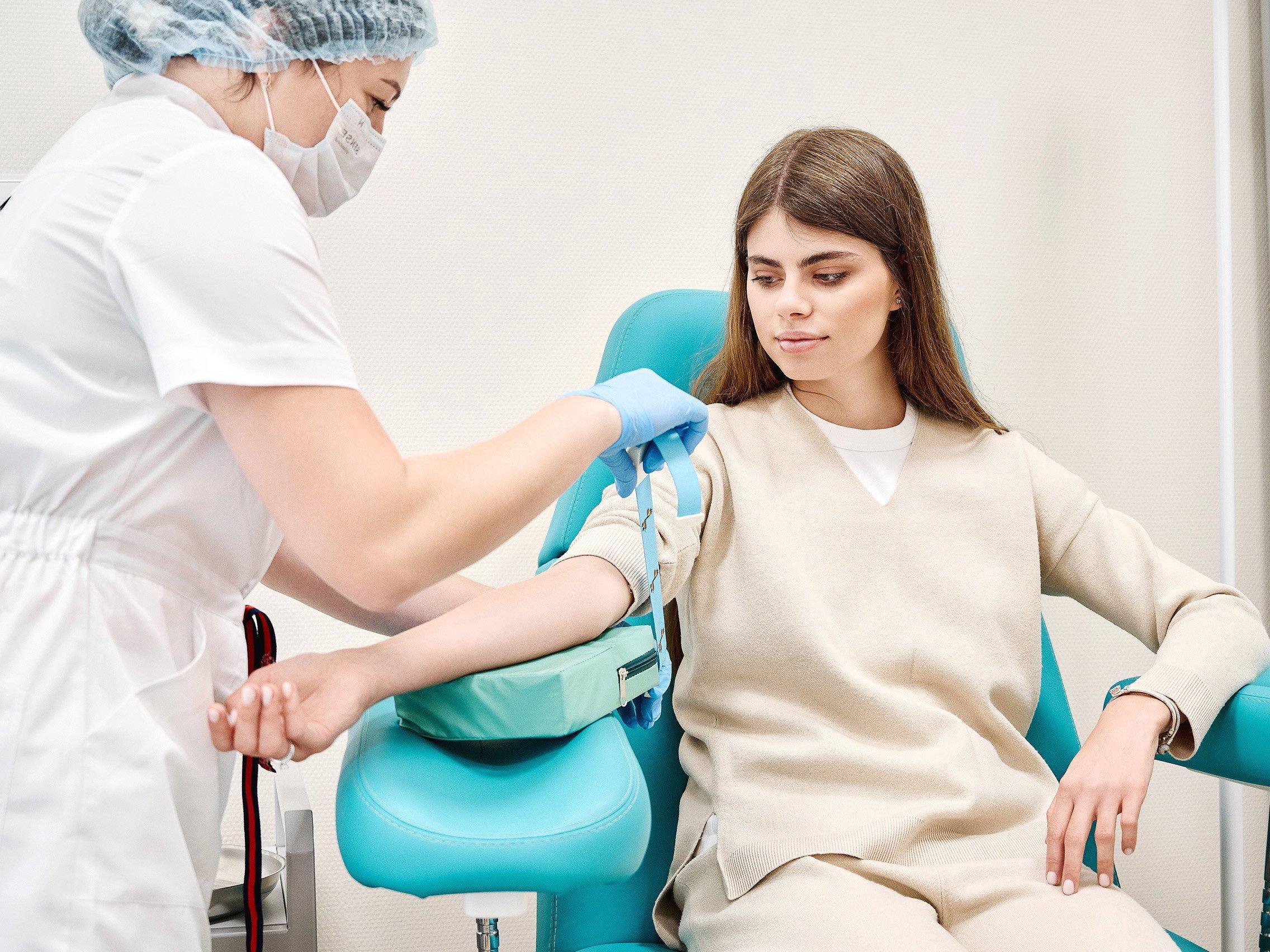
— First and foremost, a complete blood count, which includes hemoglobin and red blood cell levels. Also important are MCV (mean corpuscular volume), MCH (mean corpuscular hemoglobin), and others. A complete blood count allows suspicion of the type of anemia, and for in-depth diagnosis, other indicators in the blood are determined, such as levels of vitamin B12, B9 (folic acid), ferritin, transferrin, iron, total iron-binding capacity (TIBC), etc.
— Are there situations where hemoglobin is normal, but anemia exists?
— If the body«s iron stores are depleted, but hemoglobin is within normal limits, we speak of latent iron deficiency — this is the pre-stage of iron deficiency anemia.
— For what reasons does anemia occur? Is it an independent disease or a consequence of other illnesses?
— Depending on the cause, anemias are divided into several types. For example, they include:
deficiency-related, associated with lack of iron, vitamin B12 or B9;
hemolytic, with premature destruction of red blood cells (can occur with hemoglobin defects — thalassemia, red blood cell membranes — spherocytosis, autoimmune diseases, infections, medication use);
aplastic, in which bone marrow stops producing sufficient amounts of all main types of blood cells (red blood cells, white blood cells, and platelets).
Also, anemias are associated with other chronic diseases, neoplasms, and bleeding.
— Are anemias divided by severity?
— Yes, it is determined by hemoglobin level: mild — with a value of 90–110 g/L, moderate — 70–90 g/L, severe — less than 70 g/L.
— What is the order of examination for patients with this problem?
— Initially — laboratory diagnostics. Then instrumental studies may be conducted: chest X-ray, ECG, abdominal and pelvic ultrasound, esophagogastroduodenoscopy (EGD), colonoscopy. The list of examinations is determined individually.
— How can anemia be treated?
— For successful treatment, it is necessary to try to eliminate its causes. If a patient has mild anemia related to dietary issues, it may be managed without medication. Nowadays, vegetarianism is spreading, so the proportion of deficiency anemias is increasing.
— How much time is required to cope with anemia?
— It depends on its cause, severity, and the body«s condition. With drug therapy, it takes on average from two to three months or more.
— What are the dangers of anemia?
— Possible complications if left untreated. Over time, the heart and blood vessels begin to suffer — blood pressure is disrupted, heart rhythm is affected, heart failure develops, a heart attack may occur, and the nervous system is compromised. Immunity decreases, skin and hair quality worsen, metabolism and metabolic processes change. Liver and kidney functions are reduced. Ultimately, all this can lead to irreparable disruption of the body«s work and a fatal outcome.
— Who is at increased risk of developing anemia?
— Children due to dietary habits and intensive growth, pregnant and breastfeeding women, people over 65 years old with chronic diseases (hemorrhoids, uterine bleeding, erosions and ulcers in the gastrointestinal tract, oncology, diabetes, kidney disease, etc.), individuals with intense physical loads, vegetarians.
— How is the diet adjusted for iron deficiency anemia?
— The amount of foods rich in vitamins and iron is increased. These include red meat — beef, veal, lamb, etc., as well as their by-products: tongue, heart, and especially beef liver. Consumption of fish and seafood, chicken eggs, legumes, nuts, seeds, cereals — buckwheat, oatmeal, millet is recommended. The diet includes more vegetables, greens, fruits, and berries.
For better iron absorption, foods containing vitamin C are necessary: besides citrus fruits, these are sour berries, rose hips, bell peppers, cabbage.
— What should iron intake not be combined with?
— With dairy products, strong tea, coffee, alcohol, and fried fatty dishes — they hinder iron absorption. If talking about vitamin intake, iron is poorly absorbed with calcium, magnesium, zinc, chromium, vitamins B2, B12, and E, so it«s better to take iron separately, not in the form of multivitamins.
— Please give advice to those who have encountered anemia.
— Do not delay consulting a doctor, since timely treatment allows avoiding undesirable consequences, and do not forget that anemias can recur, so it is necessary to regularly control tests and follow recommendations. Health is in your hands!
To make an appointment with a doctor, call 664-733.
Link to the doctor«s page.