Archaeologist gets 'certificate that everything is allowed' after cancer
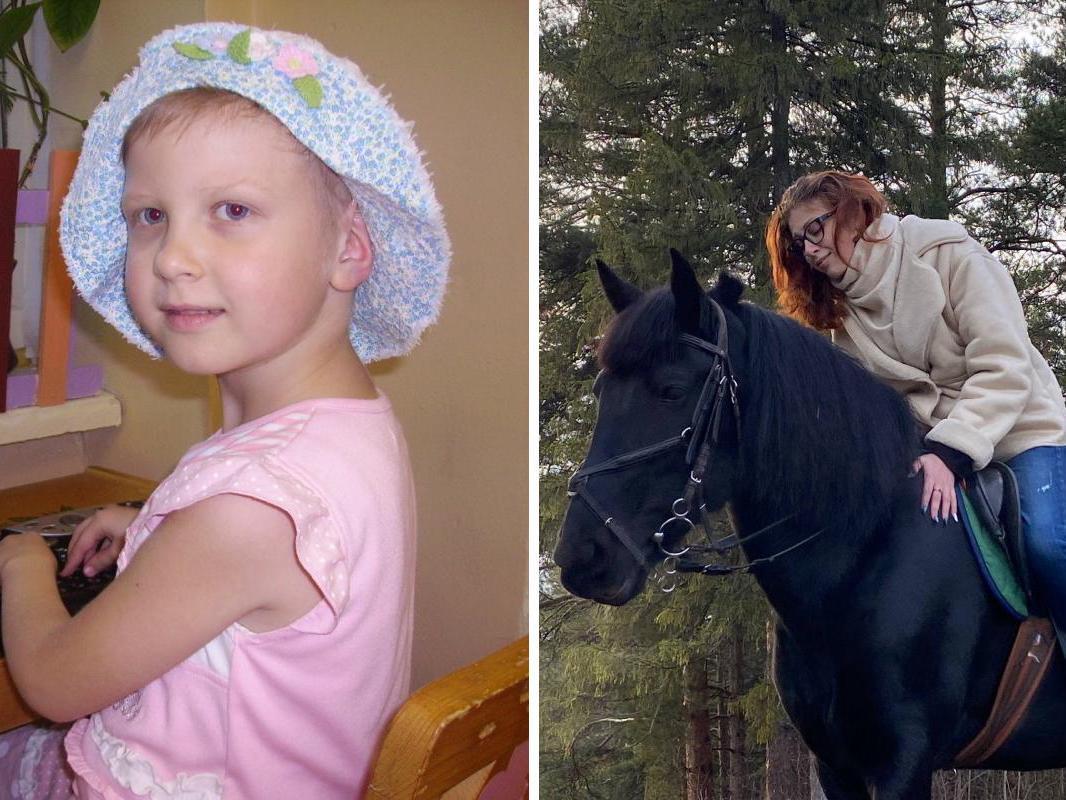

A collage showing Elena at age six on the left and at 22 on the right.
In Perm«s Philosophy of Beauty and Health medical center, a photo exhibition featuring the stories of women who have survived cancer ran for nearly a month. The organizers presented 15 photographs of female residents of the Kama region from different professions and backgrounds who faced a terrifying diagnosis but achieved remission.
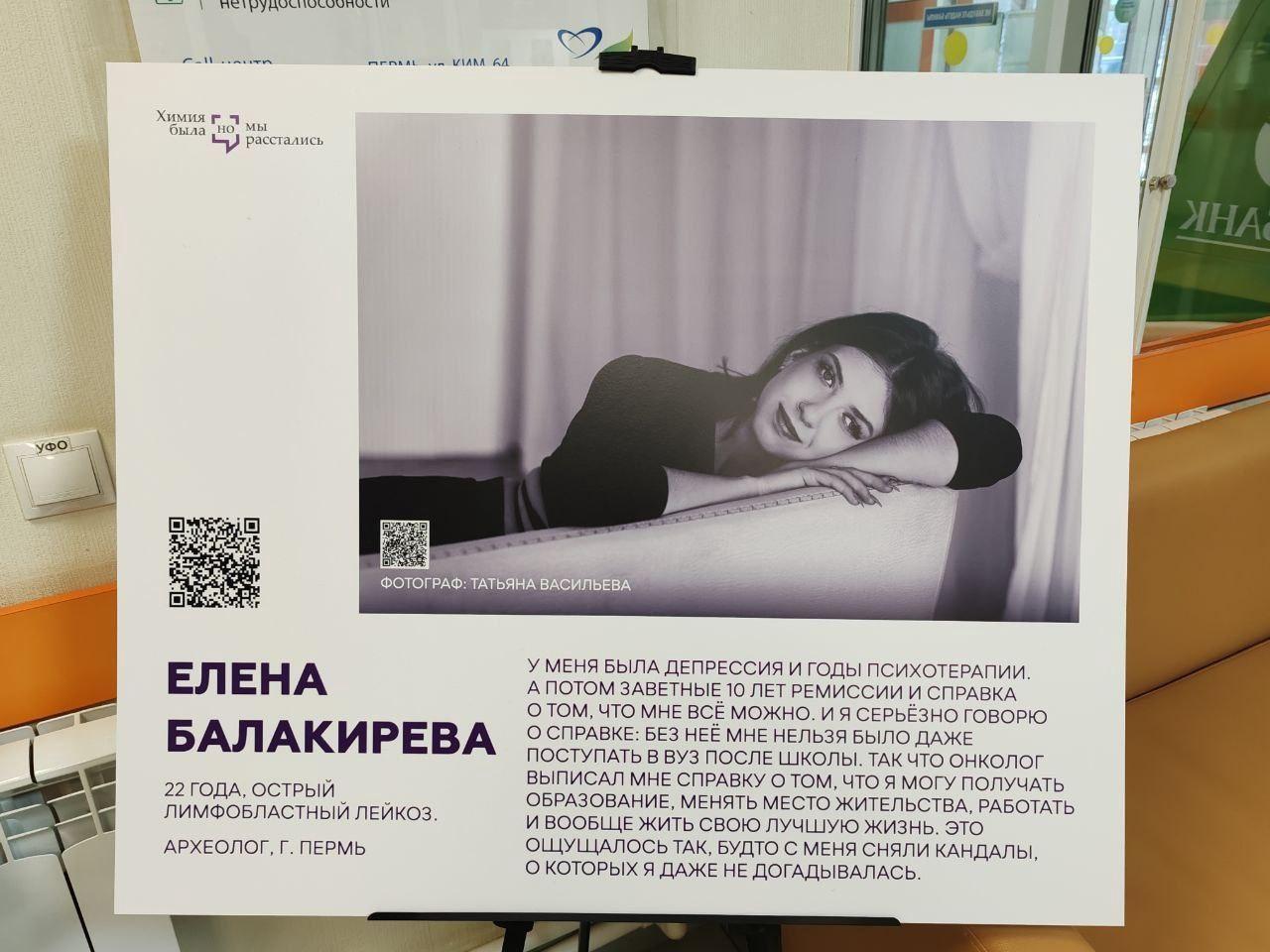
Elena Balakireva states she overcame both cancer and depression with the help of psychotherapy.
The exhibition at the clinic was titled We Had Chemo, But We Broke Up. “Here are 15 faces. 15 destinies. 15 stories of women who not only faced the diagnosis but went through it with dignity and strength,” the project creators wrote on social media. “An archaeologist, a masseuse, an artist, an EMERCOM dispatcher — they remained themselves. Mothers, daughters, wives. Women who look at the world with confidence and at themselves with love.”
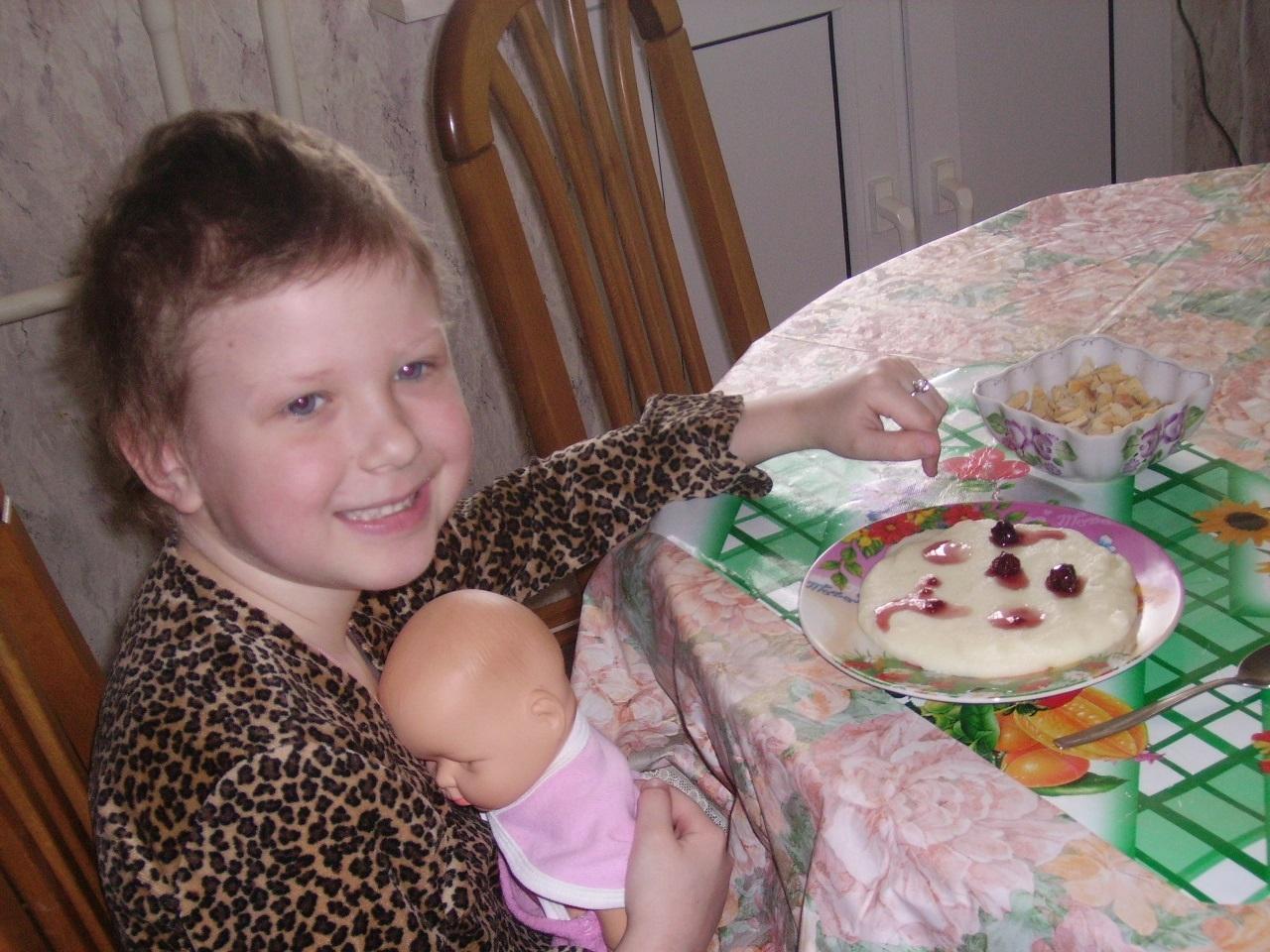
This photo was taken at the oncology center during her childhood treatment.
The exhibition ran until January 22 of this year. Among the participants was 22-year-old Perm archaeologist Elena Balakireva — 59.RU spoke with her about the difficult path to recovery, depression, problems with self-perception in society after cancer, her passion for archaeology, and her current view of the illness.
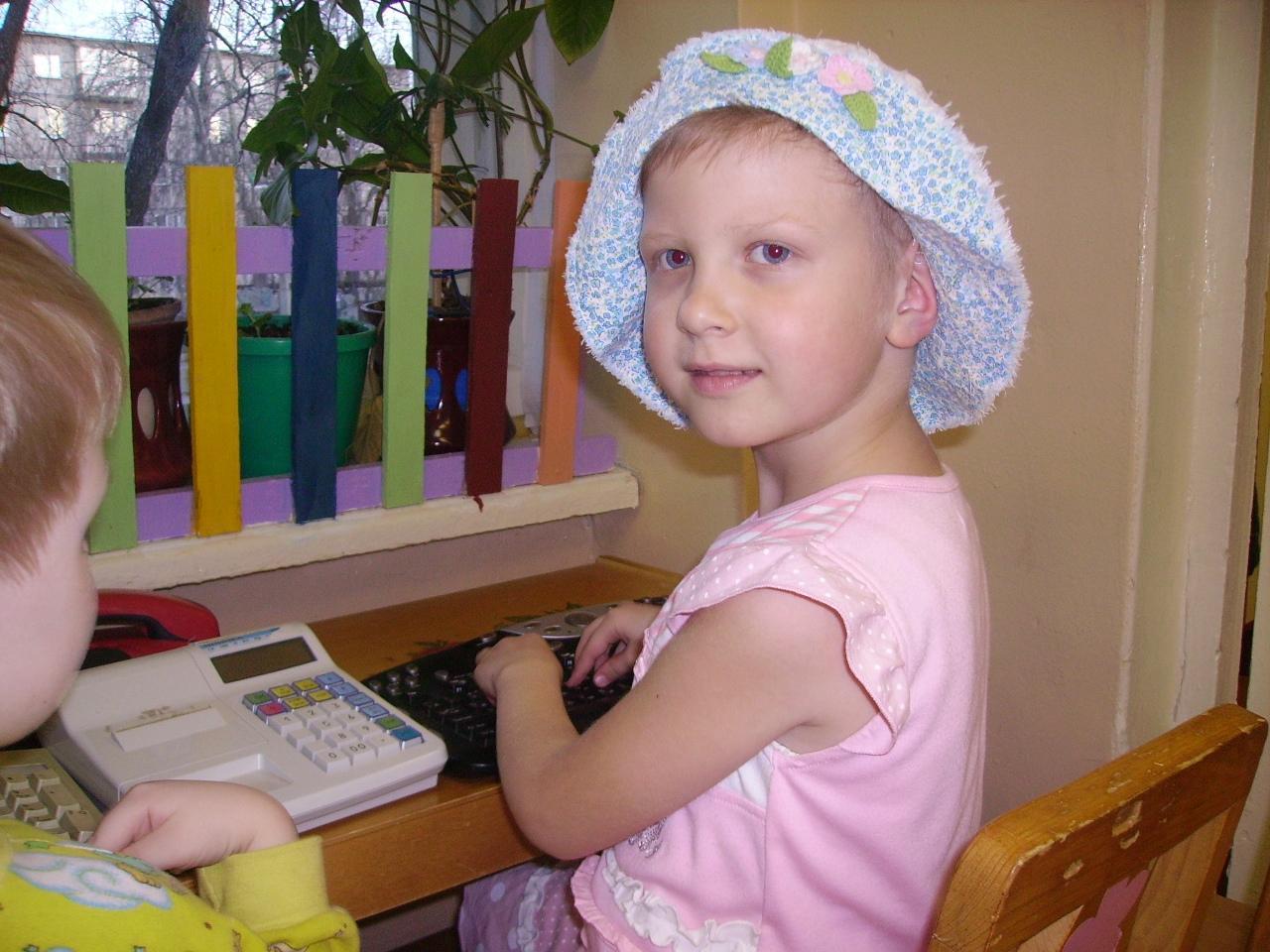
Little Lena playing a game at the age of six during her illness.
“The treatment worked, along with the incredible efforts of everyone”
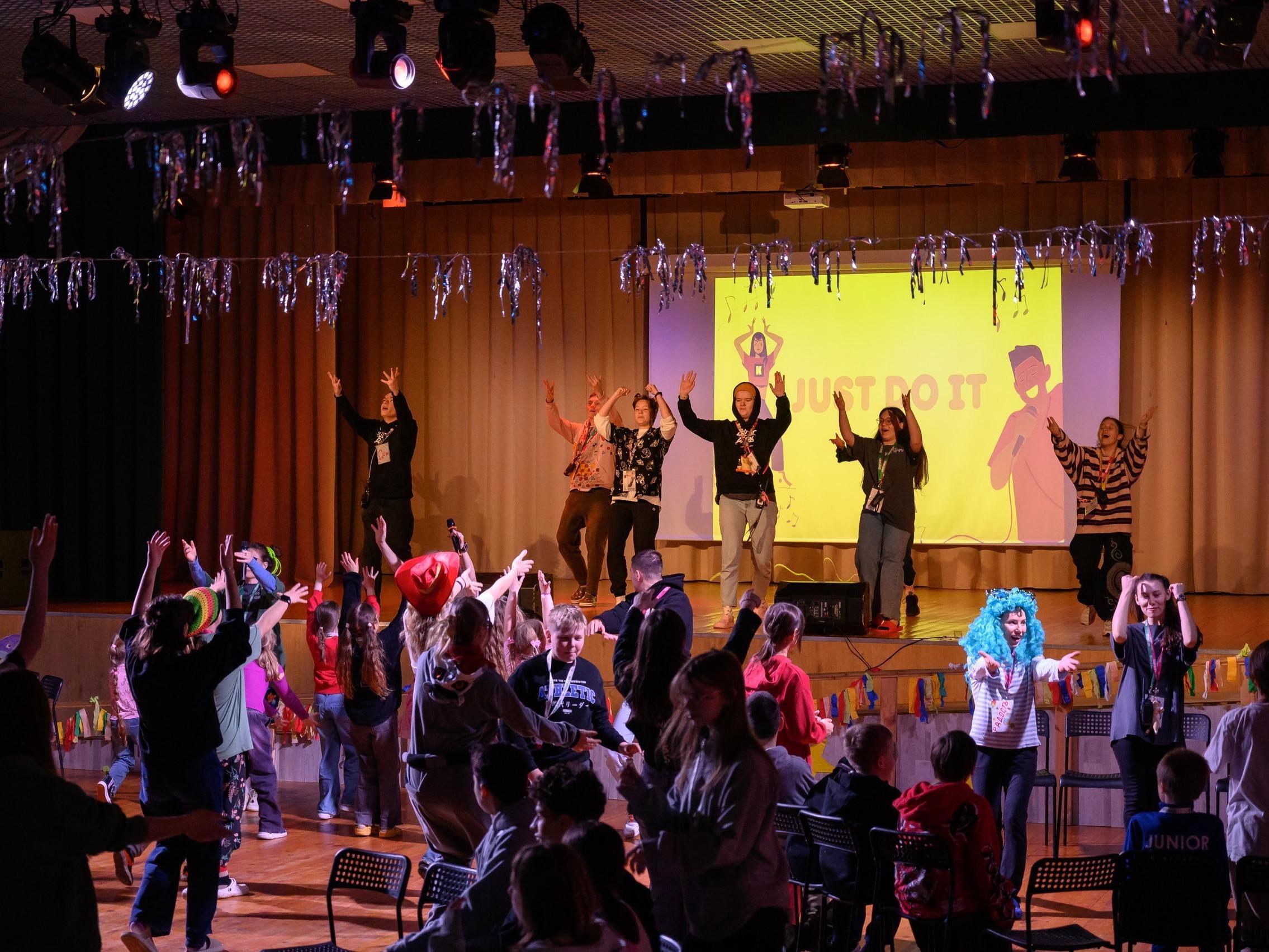
The Sheredar camp sessions feature discos, various concerts, and master classes for participants.
Next to the photograph of each participant in the We Had Chemo, But We Broke Up project, a vivid quote from their conversation was placed.
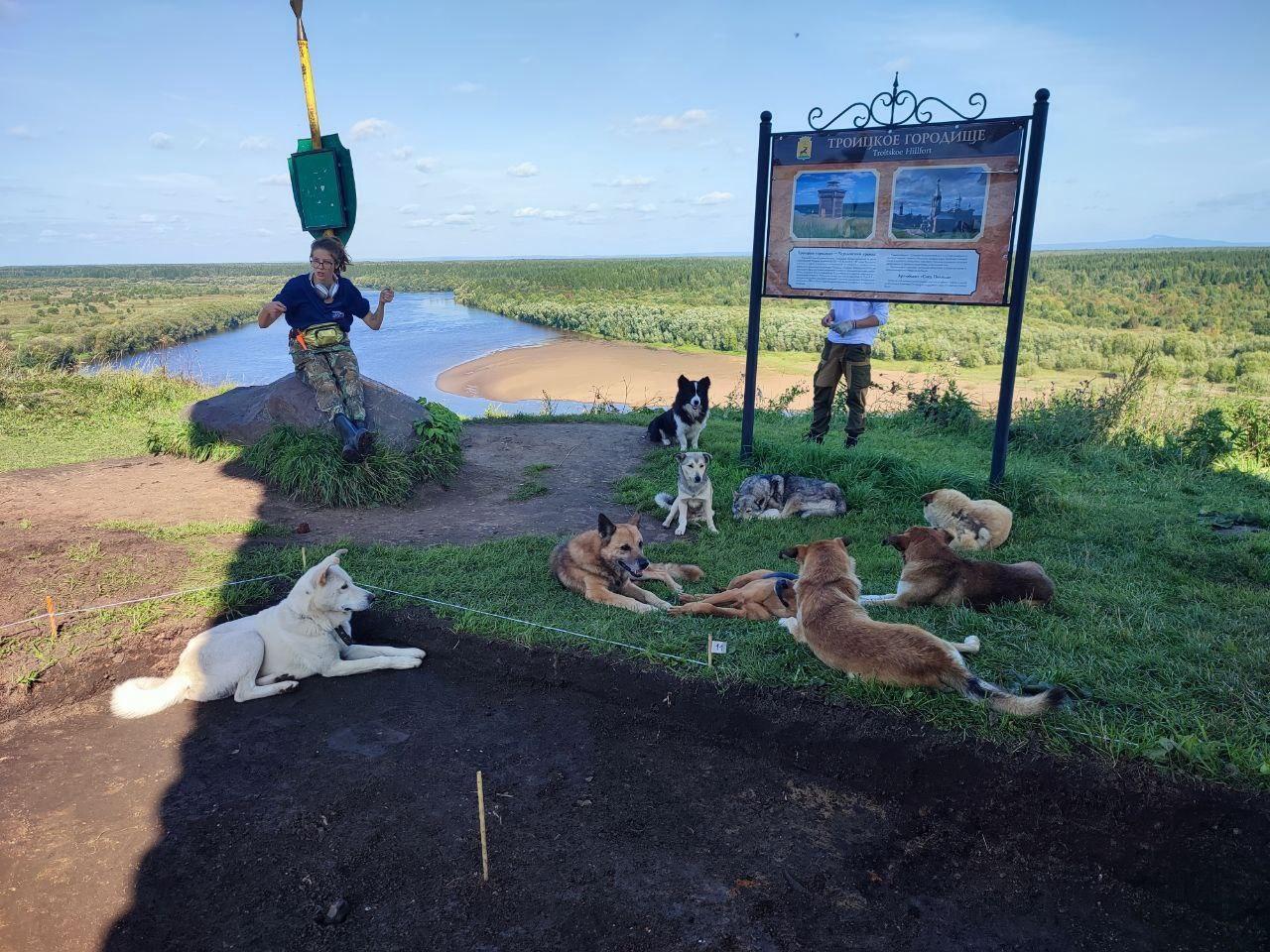
Street dogs would visit the archaeologists working at the Trinity Hill excavation site.
“I had depression and years of psychotherapy, and then — the coveted 10 years of remission and a certificate stating that everything is allowed for me,” says Elena Balakireva«s quote. “And I»m serious about the certificate: without it, I couldn«t even apply to university after school. So the oncologist wrote me a certificate stating that I can get an education, change my residence, work, and generally live my best life. It felt as if shackles I didn»t even know I had were removed.”
In a conversation with 59.RU, the young woman recalls that the terrifying diagnosis — acute lymphoblastic leukemia — was given to her at the age of four, after her birthday. On the day of the celebration, the girl felt a terrible pain in her stomach and started crying. An ambulance arrived, took her away, and the doctors operated for appendicitis. Then came a series of bad tests, and little Lena could not be discharged from the hospital, and a couple of weeks later, she was given the terrible diagnosis — acute lymphoblastic leukemia.
Acute lymphoblastic leukemia is an aggressive cancer of the blood and bone marrow. In this disease, white blood cells (lymphoblasts) multiply uncontrollably, displacing healthy cells, leading to anemia, infections, and bleeding.
At that time, little Lena didn«t really have time to notice how she ended up in a ward at the Perm Oncology Center with other children — she was destined to spend four years there. A long period of treatment under strict medical supervision followed.
“There were things I couldn«t stand — chemotherapy and lumbar punctures (a procedure where a needle is inserted into the lower back to collect cerebrospinal fluid to detect cancer cells). We also called the puncture a »lemon« because it was done in a procedure or operating room where the process smelled strongly, chemically, of lemon,” says Elena. “In my ward was a girl named Katya, five years older than me. We loved playing together. At first, part of Katya»s leg was amputated, and then her entire leg, but she always had fun with the others.”
Elena remembers that during the active stage of the illness, she was tormented by mood swings. Sometimes her relatives suffered from them too.
“Once, when I was five, my grandfather came to visit me as usual. And I loved my grandfather very much, called him my favorite grandpa, and always waited impatiently for his arrival,” says the young woman. “And so that day he came, and I said to him: «So what did you come for, you old goat?» Grandpa later recalled that he was simply shocked, turned around, and left. And these were emotional swings that I couldn«t regulate at the time.”
Elena recalls that during the active stage of cancer, children usually lost weight, but she gained weight and “was chubby.” At the same time, she didn«t even have the thought that she would ever live to adulthood. The long days of treatment were brightened by the company of other children and the doctors at the oncology center — according to the young woman, they were very sensitive to the patients.
“Our Perm oncology department is actually incredible! They are not doctors, they are gods,” shares the Perm resident in conversation with 59.RU. “The care, attention, and effort with which they treat every child, knowing all the children by name, knowing the parents and remembering everything the children told and tell... After each chemotherapy course, we would come to the office of oncologist Tatyana Evgenievna. And she had a chest, and we would open it — it contained a lot of things: costume jewelry, toys, paints, pencils, and coloring books. And as a reward for enduring it all, we could take one thing from there.”
Elena remembers that once she took a wooden fish-shaped pendant from the chest and wore it for several more years. Now that pendant is at her mom«s house — the young woman lives separately from her.
“I think the treatment worked, along with the incredible efforts of everyone: me, the doctors, my family, and, probably, my faith that it would end. I really wanted to go home because my little sister was growing up there. I thought: «What if she grows up and doesn»t know she has a sister? No, that won«t do!»” Elena explains to 59.RU. “I really wanted to go home to raise my little sister, I really looked forward to her birth. Mom said that when she was pregnant, I would coo and talk through her belly. I had huge motivation: raising my little sister and needing to ride in the front seat of the car.”
When the illness subsided, Elena learned to sew, embroider, and crochet — the Perm resident smilingly calls this “the basic upbringing of a noble maiden from the 2000s.”
“My grandmothers taught me to embroider, my mom — to knit. My parents enrolled me wherever they could,” says the young woman. “I did classical dance, went to music school, swimming, and orienteering. I mastered all the clubs in Gayva (a district of Perm).”
According to the Perm resident«s recollections, she endured the difficulties of her diagnosis much easier than her loved ones — first and foremost, her mom and dad.
“More awareness came in relatively adult age. That«s when depression and periodic feelings of »survivor«s guilt» appeared,” shares the interviewee with 59.RU. “And when you hear somewhere that an old acquaintance died, or someone had a relapse, you always get a little tense, and it«s always strange. I remember my diagnosis and my remission. It»s part of my past that greatly shaped me but doesn«t fully define me as a person.”
Depression came from encountering the deaths of children
After remission began, Elena spent a long time adapting to “normal life.” In her teenage years, a period of rebellion set in: the young woman recalls that she constantly yelled at her relatives and was “a terrible teenager.”
During that period, our interviewee recalls, she went to bed at 5 a.m., woke up at 5 p.m., constantly yelled at her relatives, didn«t talk to anyone, and cried. She dyed her hair bright blue, got a nose piercing, and wore a knuckle-duster earring.
“And during that period, I still wanted to become a doctor!” laughs Elena. “I didn«t go into medicine because I thought doctors earn little, and I definitely wouldn»t be like that. For clarity: I now work as a teacher.”
At some point, Elena«s mother couldn»t take it anymore and took her to a psychologist — therapy stretched on for months.
“It was a wonderful experience, but the first few months of therapy were awful,” says Elena. “I sobbed at every session, it was very hard. I had driven myself to such a state that I cried over the first homework from the psychologist, which was to write five reasons every day why I was great today. I thought: «What do you mean, I write that I»m great because I brushed my teeth? Isn«t that something any normal person should manage?»”
Depression became a consequence of realizing her own probable death and encountering the deaths of children with whom Elena underwent treatment in childhood. But there were other non-obvious reasons.
“I had learned helplessness syndrome, which robbed me of the ability to be happy because to be happy, you need to do something. And if you have cancer, you can«t do anything, and nothing is allowed: what if you ruin something, break something, or break yourself. And, as usual, it hit me hard during puberty. And huge thanks to my mom that she didn»t let me reach the brink and self-destruction,” says Elena.
“When something doesn«t work out, I remember I have a certificate that everything is allowed for me”
“When I went into remission, at first I went to see my oncologist Olga Vasilievna several times a year,” shares Elena. “After five years of remission, I started going once a year. It was always a special event: I dressed up, all my relatives dressed up! And all that to come once a year, see and hear: «Goodness, how you»ve grown! Such a beauty, I wouldn«t recognize you without your mom!» It was such a traditional amusement.”
Elena hasn«t been to the children»s oncology center since she stopped being a child — since age 18. But all these years, the young woman says, the same security guard worked at the center. And she remembered all the patients by face: every time the Perm resident came to the doctor, the security guard would say: “Lenochka!”
The difficulties didn«t end with achieving remission: until 10 years have passed since its onset, cancer patients are advised to be monitored by doctors. After that period, remission is considered stable, meaning the greatest threat is past. But strict restrictions remain in place throughout those ten years.
“For all 10 years, I absolutely could not sunbathe,” says Elena. “All through childhood, I had light blouses, sun hats, hats, or, at worst, a cap. Clothing in summer was light but maximally covered. So after summer, only my legs were tanned, the part not under the skirt. Also, I could not visit places with elevated radiation levels or change climates even temporarily, because it could trigger the immune system and provoke a relapse. I thought: «What»s the problem? Why do all my friends go to the sea, and I haven«t seen it? Ugh, silly remission, it»s not that important!« When I was planning where to apply to study, I considered options to move closer to the White Sea. My mom and I had hard debates about how safe that was for me.”
When Elena was applying to university, the oncologist who had been monitoring her all those years wrote a certificate stating she had no restrictions on getting an education. The document states that the young woman can study, work, and live where she wants.
“When something doesn«t work out or I»m afraid of something, I always remember that I have this certificate that everything is allowed for me. Such certificates are for ex-convicts and for me,” smiles our interviewee. “And it also states that I can get vaccinated. I«m an archaeologist, and they wouldn»t let me into the field until I got encephalitis vaccinations. And children, especially those not in very long remission, are not recommended to get vaccinations or to do it very carefully, because the immune system is weakened and it can cause great harm. This especially applies to live attenuated virus vaccines, not «inactivated» ones.”
Elena adds that the certificate stating everything is allowed for her is kept in her medical file at the university. And she recalls that in childhood she didn«t think she would live to adulthood.
During games and later when communicating with other kids, it seemed to Elena that she couldn«t fall because she would crumble any moment. This feeling remained from the treatment at the oncology center: there, doctors handled children carefully and gently, and the kids had reduced resources for a full life.
“Then you return to normal life and as if you should be happy that you«re alive and healthy again, but your psyche has to readjust and accept this fact,” says the young woman. “And you»ve already grown accustomed to the idea that you«ll fall apart any moment, and that was hard. It took me a long time to fit back into society and then in puberty I went off the rails. But later I found balance.”
“I thought I was somehow broken, damaged”
Once after remission, in 2024, Elena visited a rehabilitation camp session at Sheredar in Vladimir Region. This is a camp run by the Sheredar charitable foundation, which runs rehabilitation programs for children from age seven and adults who have survived cancer or other serious illnesses.
“I attended such a session. It«s an incredible experience because you have the opportunity to communicate with a lot of people who have the same experience as you. And in communication, it turns out that most of your fears are not only yours and it»s not that something is wrong with you, but that you experienced similar traumatic events, and it affected you, left its mark,” Elena recalls in conversation with 59.RU. “Sheredar is incredibly cool for doing this. I think this experience also influenced me in finding balance in life.”
The Perm resident recalls that at the rehabilitation session, there were discos, macrame weaving classes, and an atmosphere like a children«s camp, but it was even fun.
“It so happened that our group had an all-girls house. We had get-togethers there and talked a lot. The experience of such a women«s gathering is super therapeutic, especially when every evening is like a sleepover: you can sit together in the hall, go to yoga, play the mandolin. But at the same time, you»re whispering among yourselves: «And they went hand in hand over there!» And it«s as if you»re 14 again, but not 14.”
Elena says the Sheredar camp helped her “fully accept herself,” and it became much easier to live.
“At that age, I thought I was somehow broken, damaged because of what I had to go through. I thought this experience had deformed me somehow, that I was now somehow not right,” shares the young woman with 59.RU. “I thought I could never become a mother because my children would guaranteed get cancer. This fear is still present, but it«s not proven and doesn»t work that way. I thought I was unworthy because amazing, talented, younger and older children around me were dying, and I somehow survived. I thought: «What am I wasting my life on? Shouldn»t a hypothetical Katya, who drew beautifully, have survived?«”
Speaking of Katya, Elena is referring to her wardmate at the oncology center, who had part of her leg and then her entire leg amputated. She recalls that Katya seemed very grown-up to her then. That girl did not survive cancer and died at age 13, and it was hard for Elena to bear.
“All of this weighed very, very heavily on me. Thank goodness I had an incredibly cool psychologist who recommended where else to turn, which psychotherapist to see. For some time, I took supportive medication, simply because my condition was very unstable and I needed additional help. Then I stopped taking them because it got much better. I«m not jumping for joy 24/7 now, but life has become qualitatively better since I went through therapy and acceptance of this experience with me,” shares Elena with 59.RU.
The young woman was in therapy from about age 16 to 19: at first, she went to a psychologist once a week, and then every two weeks she connected with a specialist via Zoom.
“It was a long, painful path, and it continues and seems it will continue all my life,” reflects the Perm resident. “Now there are questions that only I can solve with myself, but it seems it was worth it.”
Now Elena undergoes check-ups with a doctor once a year to prevent a relapse. In conversation with 59.RU, she notes that chemotherapy affects not only cancer cells but also healthy organs. After treatment, the young woman«s teeth and digestive system were badly affected, but she considers this a “reasonable and worthy price for being alive.”
The 59.RU interviewee adds that she always checks her white blood cell and hemoglobin levels, regardless of the reason for having her blood drawn.
“Periodically, I become part of a very funny queue in the corridor, where there«s a bunch of grannies and me — a spy in enemy territory — conducting reconnaissance!” jokes Elena. “Everything that doesn»t kill us makes us funnier.”
On volunteering with Bereginya and the importance of rehabilitation events
After finishing treatment, Elena became a beneficiary of the Bereginya foundation, which supports children with cancer. She was invited to holidays — to communicate with children and their parents, to attend rehabilitation sessions. Elena recalls participating in the foundation«s events until she turned 18.
“For children and parents who are undergoing treatment right now, it«s very important to see children who have already achieved stable remission, who have been through it. In the moment, it seems to you that it will never end, or if it does, it will definitely be with a bad outcome,” explains our heroine the necessity of events with children in remission. “And when you see a sufficient number of children who survived, and they are healthy, beautiful, living ordinary lives — it»s very impressive!”
After coming of age, from time to time, the young woman would drop by the Bereginya office to chat with the foundation«s head, Tatyana Golubaeva, or the head of the “Family Route” program, Elena Boyarshinova.
“It«s amazing how many children go through them. But at the same time, when Tanya Golubaeva or the foundation»s psychologist Elvina Vyacheslavovna (referring to Elvina Ivanova) see me, they always recognize me, and we can chat. The foundation has a magical atmosphere, actually, it«s very nice and valuable. And Elena suggested I try volunteering — so I went on two sessions of Peremechka and several sessions of Hugging Weekends.”
Peremechka is a family session of a children«s camp for kids who have had cancer. There, volunteers and counselors play and communicate with children, helping them undergo social rehabilitation after long illness.
Elena explains: Hugging Weekends are family rehabilitation sessions necessary for both children and adults, because when one child in a family has cancer, the life routine changes not only for that child but also for their relatives. The family suffers greatly from this, although during the child«s treatment, few think about it: everything is focused on one person. Hugging Weekends are organized as mini-camp sessions on weekends: the family checks in on Friday afternoon or evening, checks out on Sunday evening, and all that time, joint family programs and entertainment are held.
Elena went to Hugging Weekends as a craftswoman and conducted a sock doll master class — she made animals out of socks with the children. And once, Elena volunteered in another Bereginya project — Art Weekends in a day camp in the city for children who had achieved remission. The young woman helped kids aged 6–9 rediscover the city: she walked with them around Perm and took them to museums. She recalls it was very fun, though the noise was a bit tiring: the children were quite loud.
“For eight hours a day, even with breaks, you swing a shovel”
Right after school, Elena hadn«t decided what she wanted to do and enrolled in the history department of Perm Pedagogical University. She randomly chose her thesis topic and academic advisor; as the young woman herself recalls, “it was the decision of an uneducated person.” Then the university started offering an archaeology course, and the Perm resident realized this is what she wanted to do.
“In my youth, I long wanted to become a forensic expert or pathologist, and my whole family was horrified: «Lena, you»ll be dissecting corpses!« And I answered: »Imagine how great, I«ll be dissecting corpses!»” shares Elena with 59.RU. “But since chemistry and I didn«t get along in school, I didn»t go into that profession, but here there«s also an opportunity to work with remains.”
“She is a legendary woman in the world of archaeology, a very cool lecturer!” enthuses our interviewee. “Since I had good results, Evgenia Leonidovna saw that I was very interested in her subject and suggested going on an archaeological field practice with her expedition the next year — to search for Stone Age artifacts from the Neolithic period at Chashkinskoye Lake. The trip lasted three weeks: I cried half the time, was happy the other half.”
Elena clarifies that she cried from mental and physical fatigue: she went with an unfamiliar group — students of Perm State University, and it was stressful. On top of that, there was a lot of digging to do, and the young woman at 18 was very thin and weak.
But the trials of the excavation didn«t break Elena: the junior researchers who were at those digs started urging the young woman to go on another expedition that same summer.
“They said: «You want to become an archaeologist, right? Come on, catch up! You»ll see how they dig stone and early iron!« (by »stone« and »early iron« they mean the Stone and Early Iron Ages). And I wrote a funny message to my academic advisor, the head of the Kama Archaeological Expedition, Mikhail Lvovich Pereskokov, asking to go,” laughs Elena. “I wrote something like: »Don«t take this as impudence, I was thinking, I»m bored, can I go with you some more?«”
Mikhail Pereskokov agreed. Elena spent a week at home after her first excavation trip and left for another two weeks with her classmates. She watched archaeologists excavate finds from the Early Iron Age, worked in a trench herself, was taught to trace drawings in Photoshop for reports. And then archaeology completely hooked Elena.
“I realized: I«m staying here, it»s fun and there«s more chaos, and I like that! I wrote my diploma on Early Iron Age ceramics, about the Mokin settlement-burial ground — it»s an archaeological site near the village of Mokino,” says Elena. “Then I participated in scientific conferences. I was very happy — and it continues, though sometimes it«s hard.”
This summer, Elena went to Cherdyn on Trinity Hill for the second year in a row and helped archaeologists with excavations. According to the young woman, archaeology is often about hard physical labor, when “for eight hours a day, even with breaks, you swing a shovel.” Therefore, excavation trips can be very hard, but the joy from them doesn«t diminish.
Now Elena Balakireva teaches Russian history and the basics of philosophy at the Perm College of Arts and Culture.
On plans for the remission anniversary
Elena tries to maintain balance and “live her best life,” so her desires differ little from those of most people. But there are exceptions here too.
“I like to bring a little order into life, so I want to accomplish a feat and acquire real estate,” says the young woman. “I want to start my own family, establish myself as a specialist, defend a candidate«s thesis. I plan to enroll in a master»s program in archaeology in the next academic year, 2026/2027, and I hope I get in. I also really want to finally get to the sea! Since I have an anniversary this summer — 15 years since remission began — it means I«ll definitely get to the sea. After all, I»ve waited so long for this, I must!”
Yes, so far Elena still hasn«t been to the sea — as we wrote above, first there was treatment, then prohibitions, and when the “certificate that everything is allowed” appeared, there was either no money or no time. But now she is going to make this dream come true.
Earlier we told the story of a couple who have been going to the Far North for the sixth year in a row to help children with cancer.