Primorye Prison Convoy Guards: A Day Inside the Transport

Behind the scenes of the convoy service
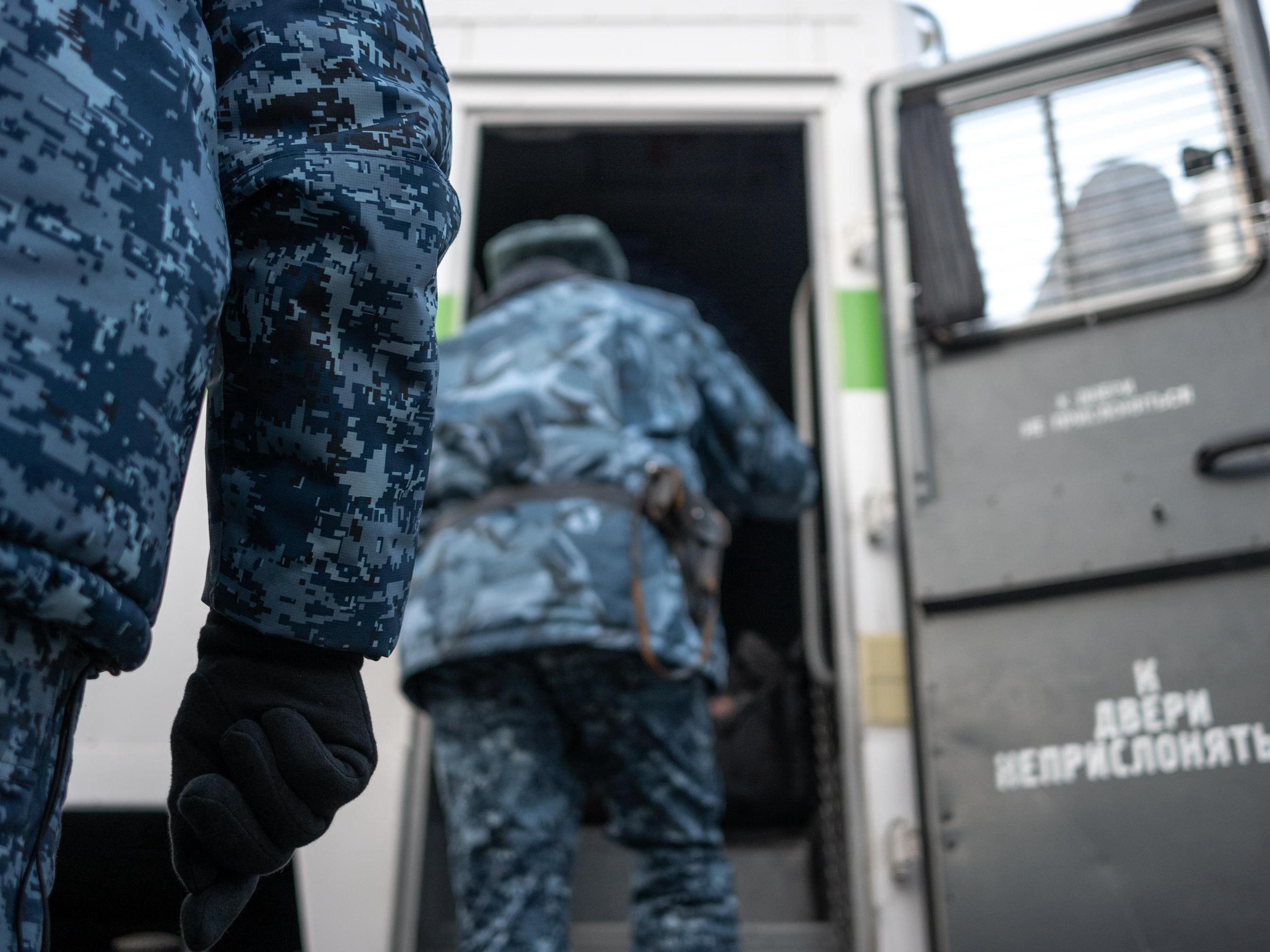
Many have at least once seen the huge vehicles of the Federal Penitentiary Service transporting prisoners and convicts from detention centers, but few think about where they are headed and who operates these prisons on wheels. These are people who choose to work alongside criminals every day, personally responsible for the safety of those who may have recently taken another«s life. Those who escort them to places of punishment—in any weather, covering hundreds, sometimes thousands of kilometers in cramped, enclosed spaces, literally nose to nose with prisoners. Who are they?
In search of an answer to this question, a journalist from VLADIVOSTOK1.RU spent a day with employees of the convoy department of the Russian Federal Penitentiary Service for Primorye Krai—from the morning lineup to the march «Farewell of Slavianka» to the actual departure on the route, where every order, movement, and second matters.
Behind the Scenes of the Service
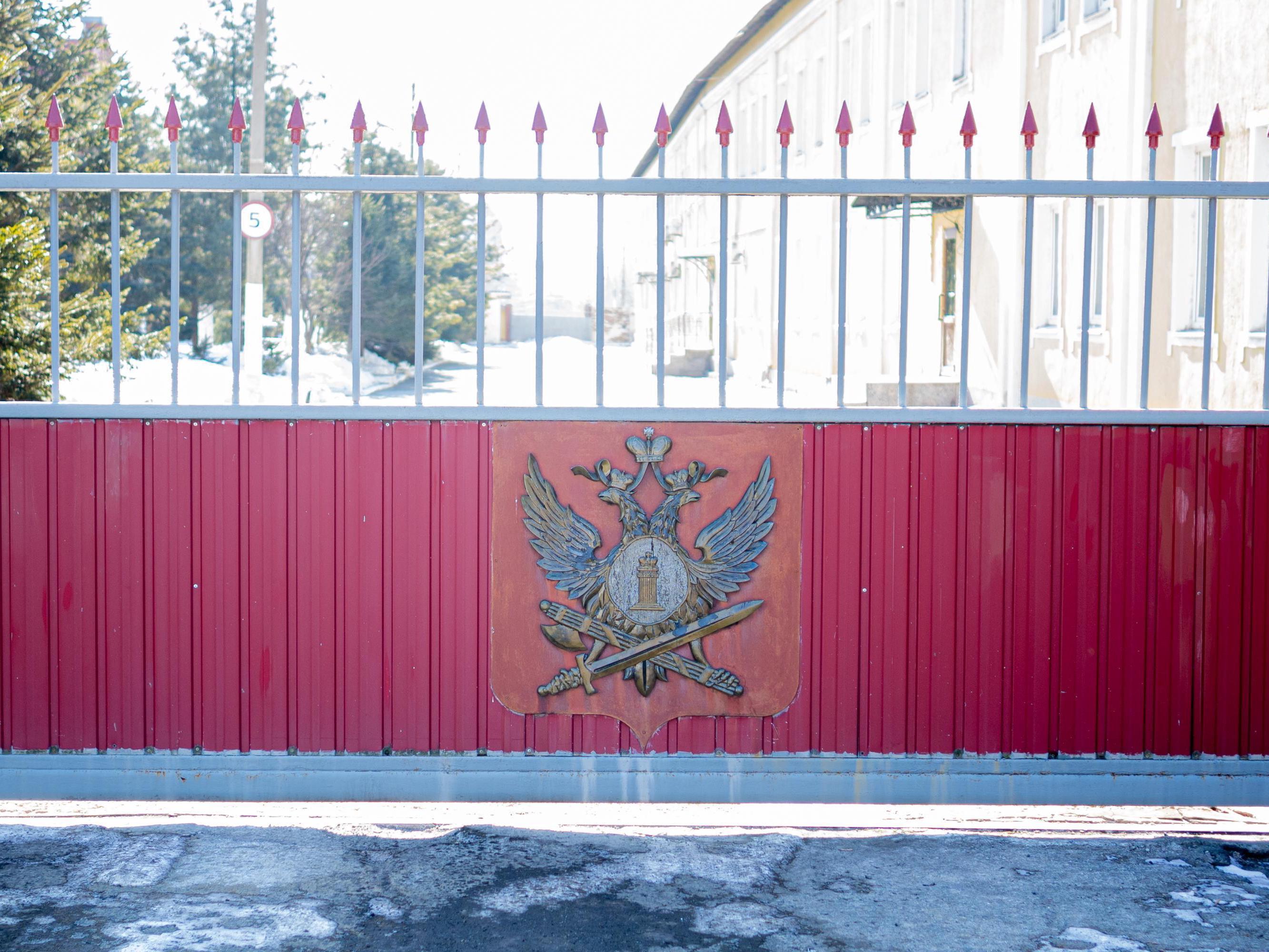
The Main Directorate of the Federal Penitentiary Service for Primorye Krai is not just an administrative building. It is the heart of managing the entire penal system of the region: colonies, correctional centers, and inspections. Behind the strict gates are a monument to those who died in the line of duty, an honor gallery, training and cynology towns.
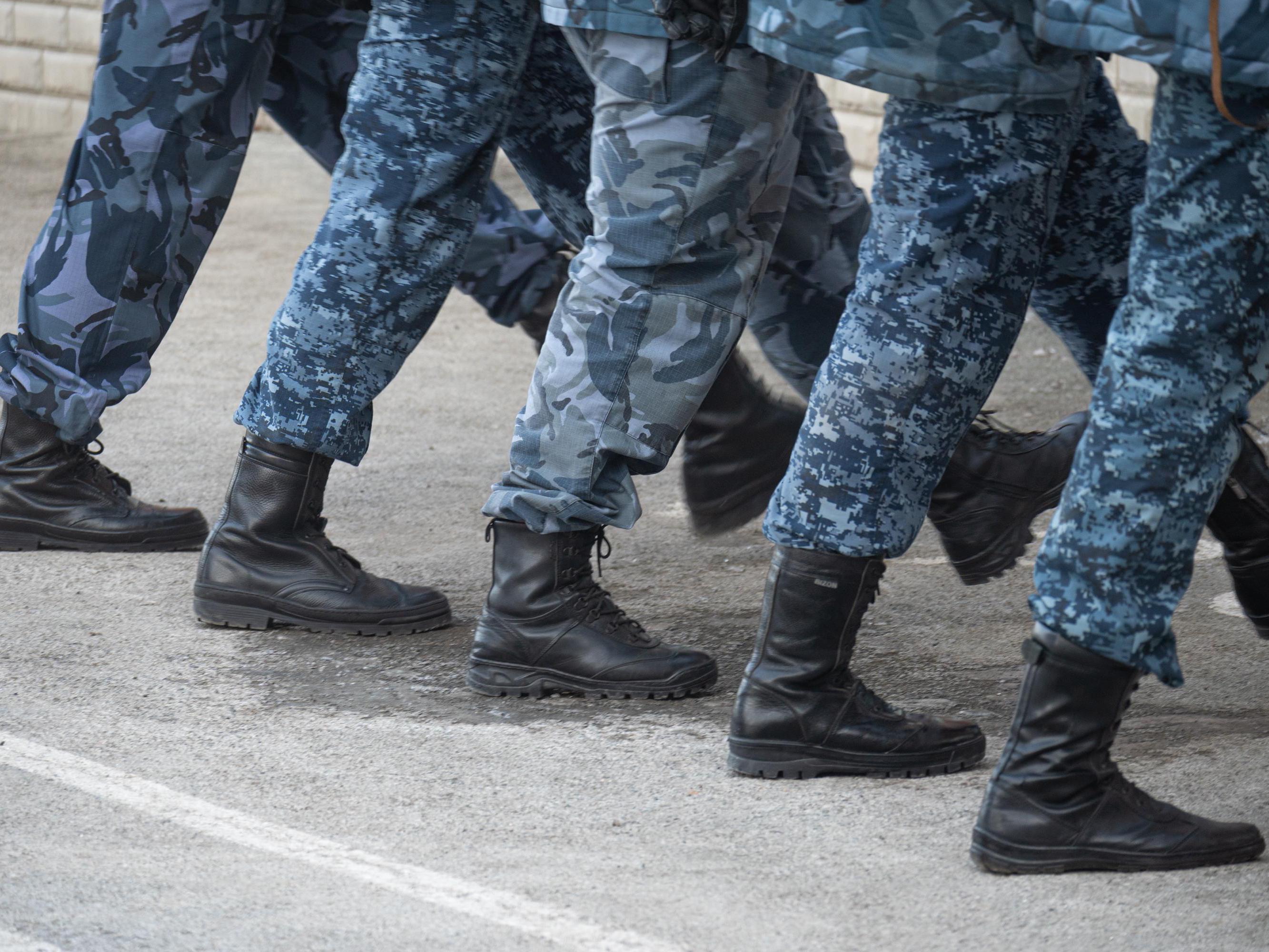
The convoy department is one of its key subdivisions. It is fully autonomous: it has its own financial, personnel, and logistical departments. All this ensures continuous operation, allowing employees to focus on the main task—the safe transportation and custody of persons under convoy.
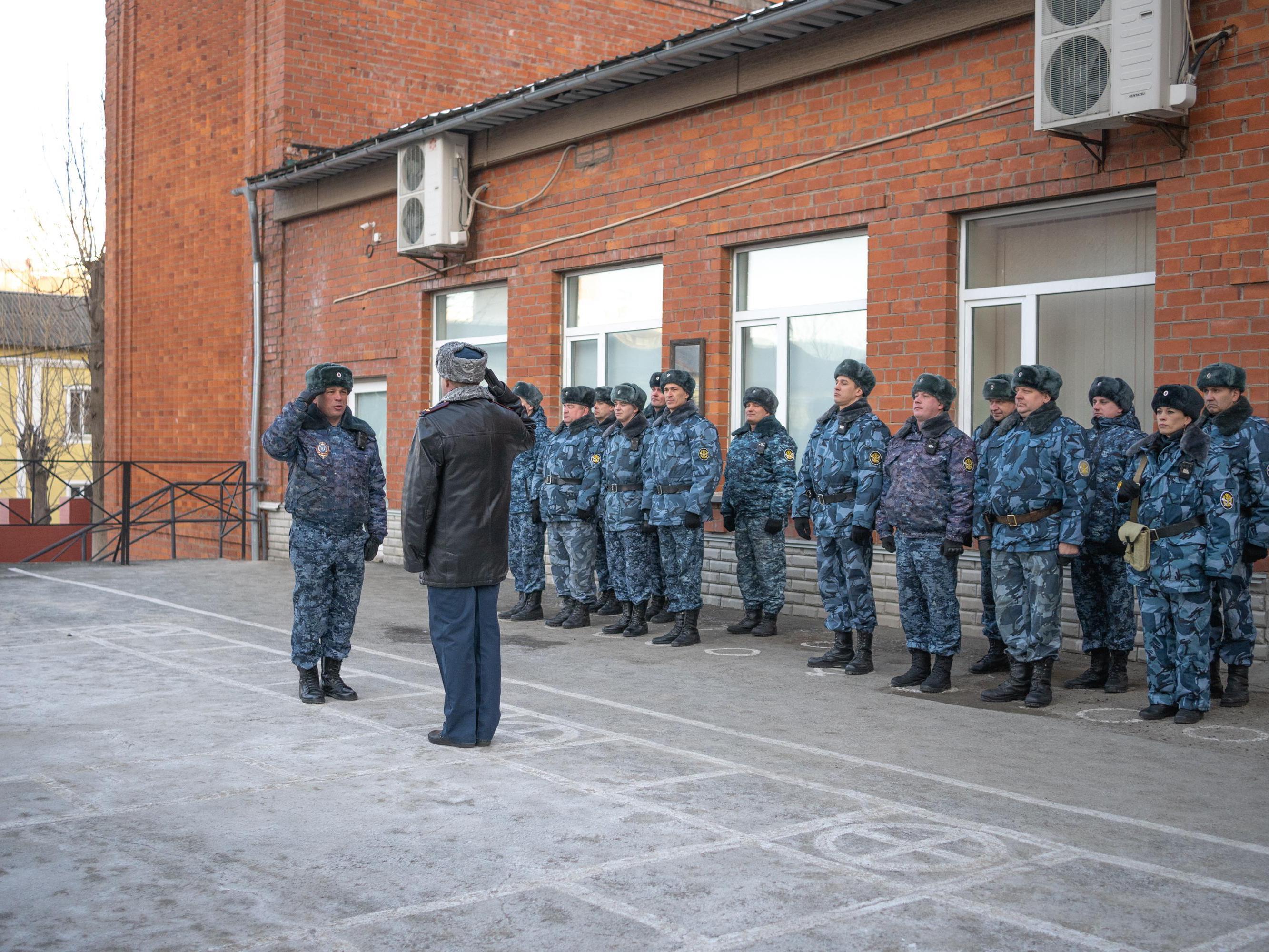
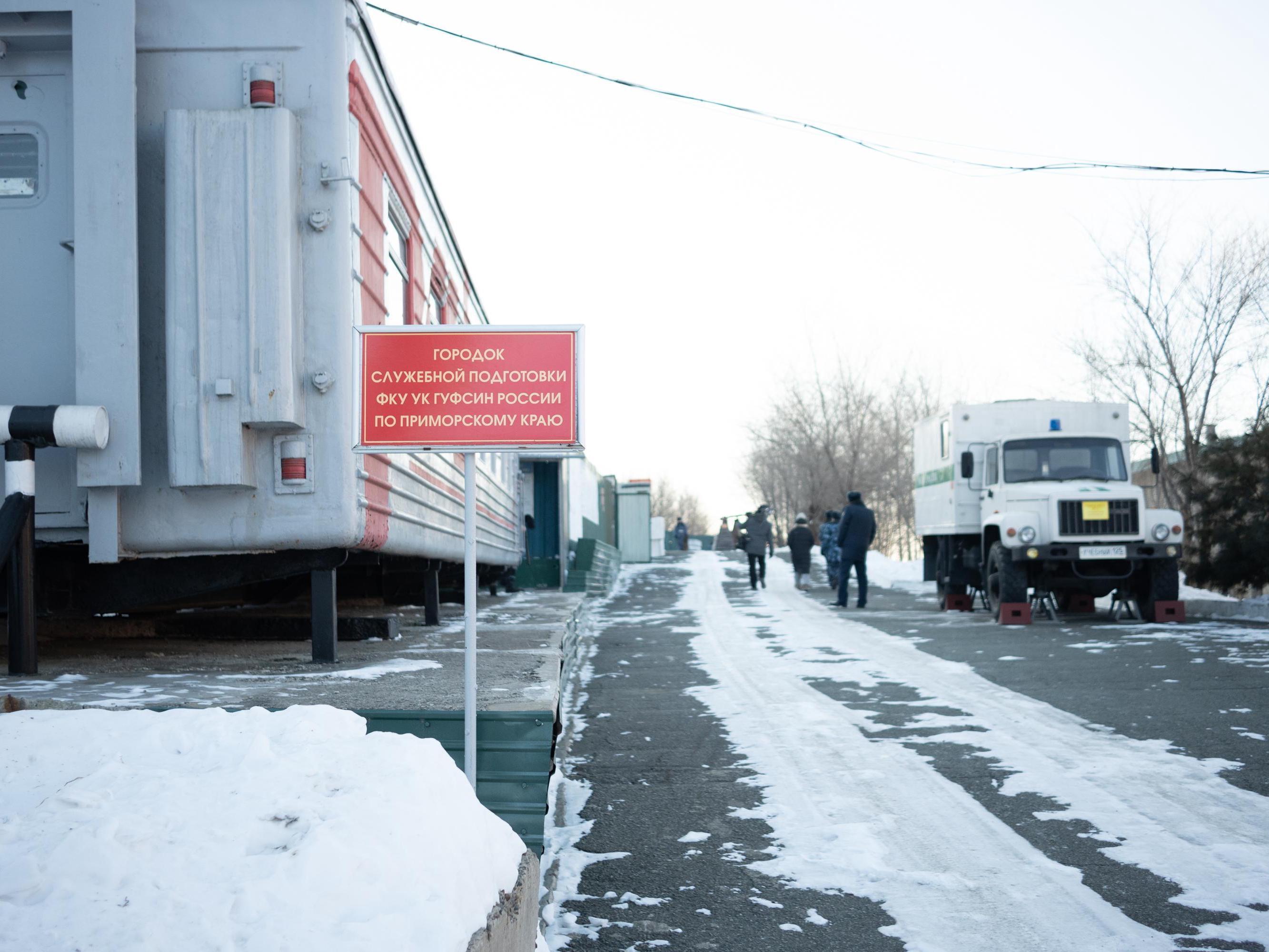
Over the 27 years of the department«s existence, nearly 800,000 people have passed through its guards. Every morning, regardless of weekends and holidays, while the city lives its usual life, at 15 Arsenalnaya Street, people in uniform prepare for formation to later set out on routes to places where help is nowhere to be found.
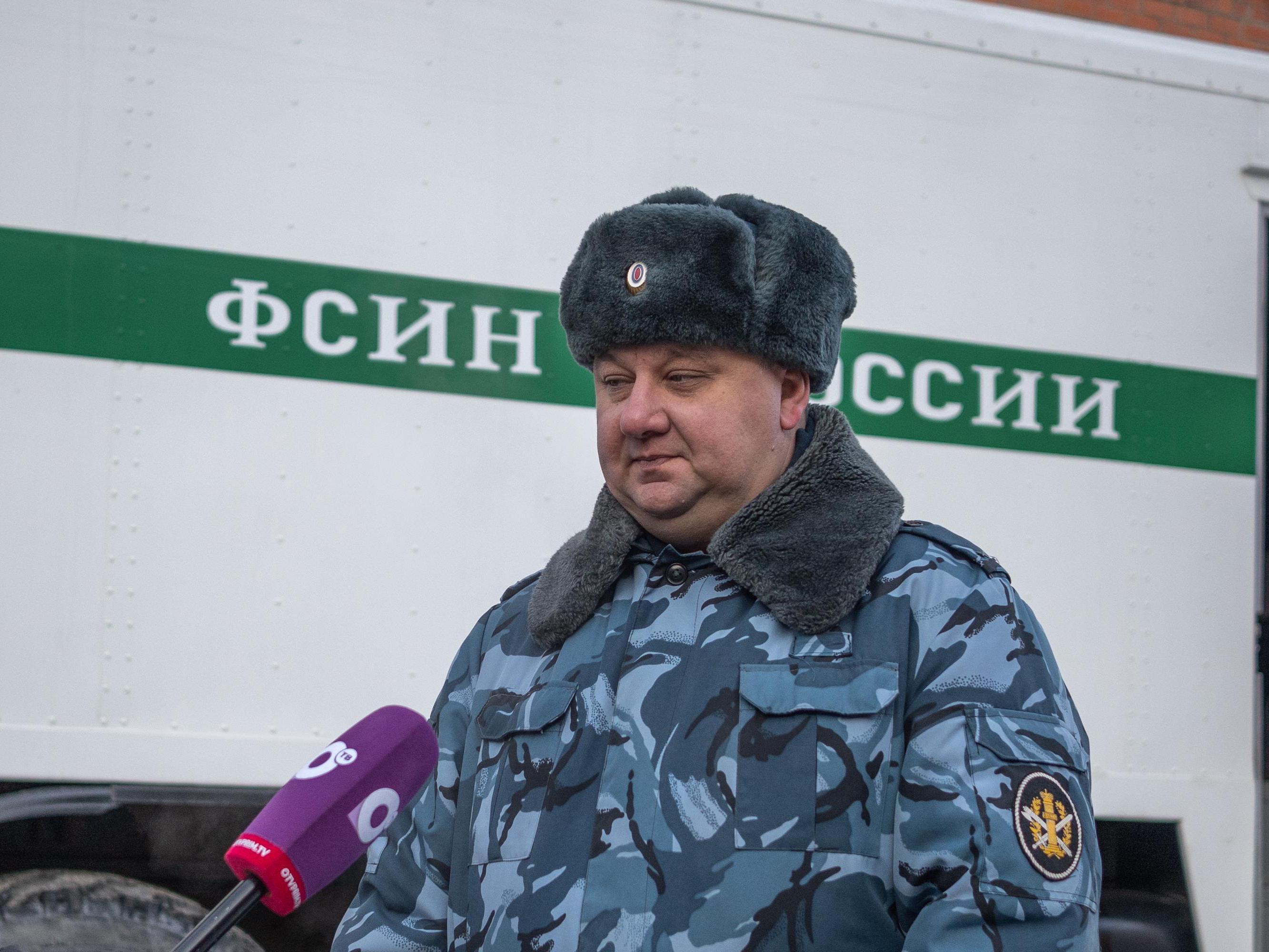
The peculiarity of work in the department is performing tasks away from the base, in confined spaces and with limited operational assistance from outside. That is why, according to the head of the department, Colonel of the Internal Service Valery Shushpanov, high demands are placed on employees.
Head of the guard of the second convoy department Ivan Silantyev
Among them: impeccable professional training, physical endurance, proficiency with firearms, psychological resilience, and the ability to quickly cope with emotionally difficult situations when the number of transported persons exceeds the guard«s regular strength.
«An employee must keep himself in check in various situations, make decisions independently, and not break the law. The organization of task execution is prescribed in regulatory documents, but if non-standard situations arise, the personnel make decisions on their own and bear responsibility for them,» Shushpanov said.
According to the head of the subdivision, the service of the convoy department consists of daily testing the ability to combine many roles and professions. Here, every employee is a multi-skilled professional, simultaneously performing the roles of commander, educator, medic, cook, and guard.
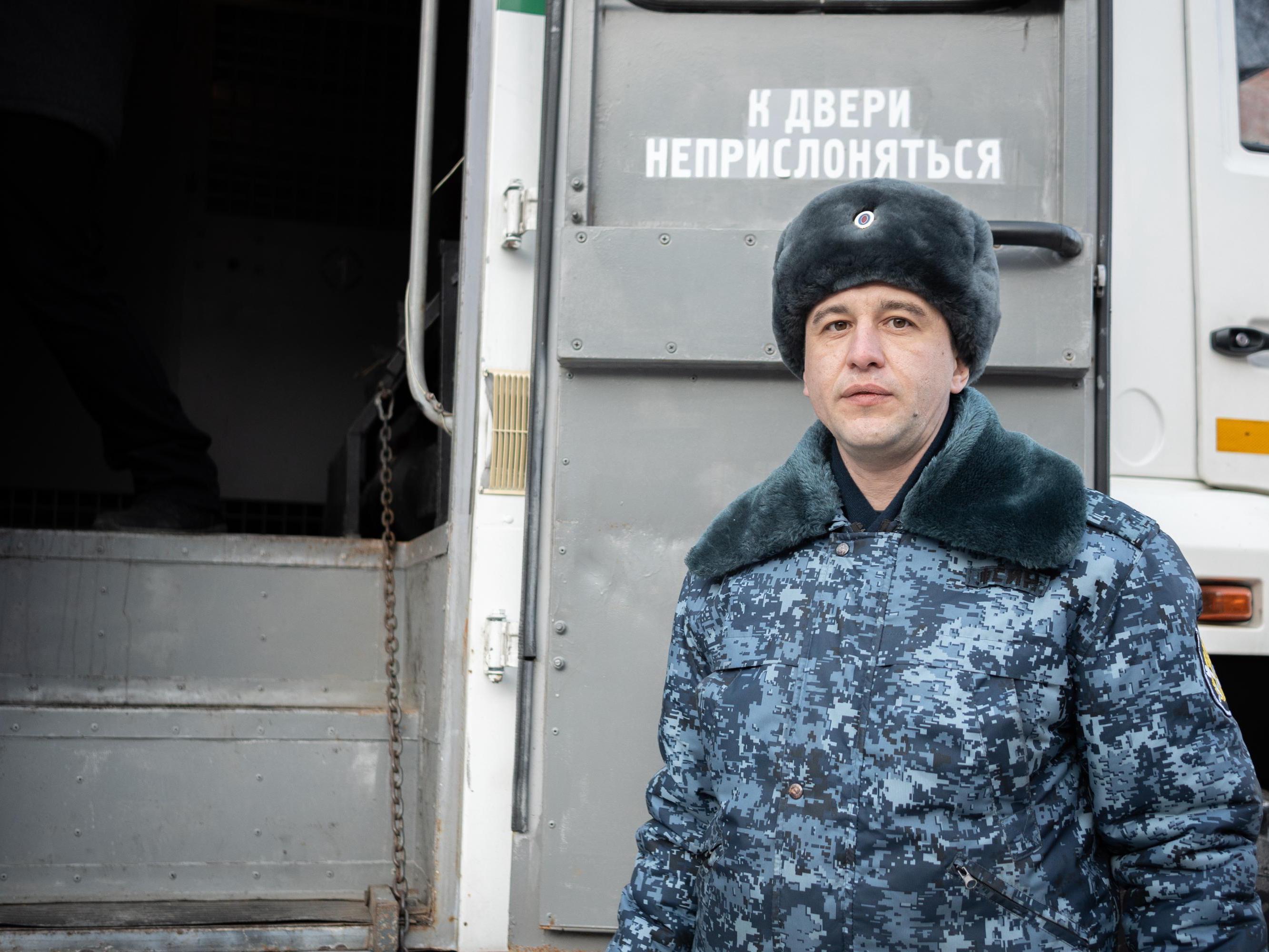
Senior Lieutenant of the Internal Service Ivan Sorokin
It is these qualities that allow guards to safely transport hundreds of convicts and detainees, ensuring legality and order throughout the route. And all this in confined spaces where any mistake can have serious consequences.
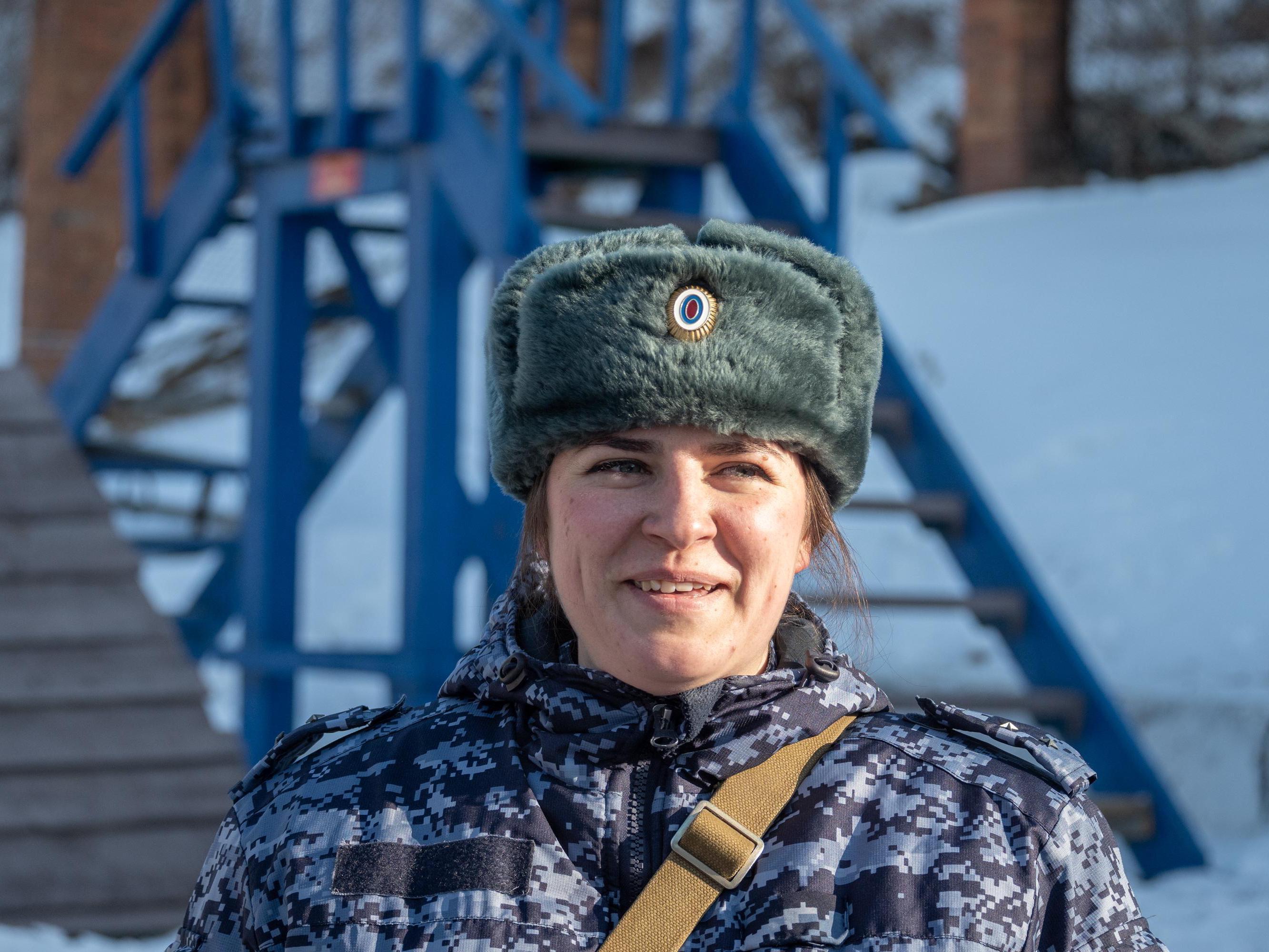
Instructor-dog handler of the cynology department Kristina Zlobina
Training and discipline allow convoy guards year after year to fulfill their main task—to prevent escapes and ensure the safety of citizens, even when hundreds of kilometers away from their home unit.
«Throughout the existence of our department, there have been no escapes by convicts. And, by and large, this is our main task—so that the convict does not even have a thought about breaking the law,» Valery Shushpanov said.
Daily Life of a Convoy Guard
The selection criteria for service are quite strict. A candidate must have excellent health, successfully pass a military medical commission and psychological examination. Men are accepted into the ranks of convoy guards only after army service; for women, this requirement is not mandatory.
«For admission to service, we need people who are healthy from the start,» clarified the head of the department, noting that physical training and mastering professional skills occur during service and include regular classes in service, firearms, and physical training.
The time from joining the service to the first trip, according to Valery Shushpanov, depends on the candidate, but usually takes about two months—from passing the commission to receiving the first special rank. The average age of employees starting guard duty is approximately 33–35 years.
A convoy guard«s working day begins long before heading out on the route. There is no usual office »come—sit—leave«. Every trip is a pre-built system of actions where accuracy, discipline, and readiness for any development of events are important.
Each working day begins strictly according to the plan for preparing for combat duty and the daily routine, which is drawn up in advance for each guard. Events are scheduled literally by the minute. There is no place for improvisation: the safety of both the employees themselves and others depends on how clearly the order is followed.
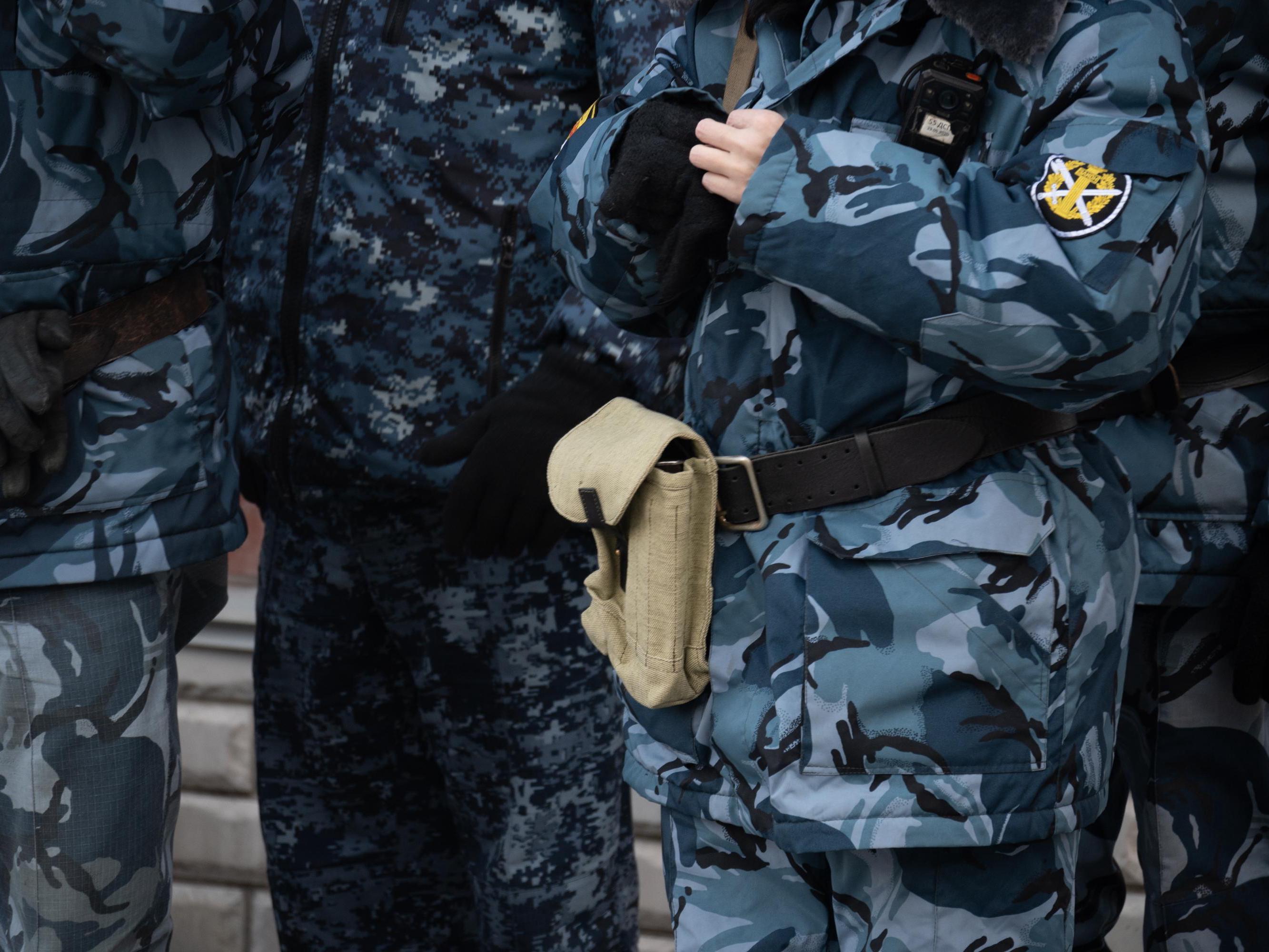
The first stage is the arrival of personnel. Employees undergo a mandatory medical examination. Even the slightest ailment can be critical on the road, where help is not always available. After this, items, weapons, ammunition, and service documentation are issued. Each point is recorded and checked—responsibility is personal.
Next come instructional classes. First, theory: reminders of regulatory requirements, procedures on the route, possible non-standard situations. Then practice: working out specific scenarios, actions in case of aggression from the special contingent, escape attempts, deterioration of convicts« health, or emergencies on the way. A convoy guard must be ready for everything: from conflict to fire or accident.
A separate and very important block of preparation is ensuring nutrition, especially for railway guards. Such routes can last up to three days. For example, directions Vladivostok—Khabarovsk or Vladivostok—Tikhookeanskaya (Nakhodka). Convoy guards are given pre-formed food supplies; there is a kitchen in the special car, and employees cook food themselves on the way. While part of the personnel receives the special contingent, another delivers property and provisions in advance so that the process goes without delays.
After instruction and preparation, the moment comes for arming the guard. Employees receive weapons, inspect and accept special transport—cars or special cars. Everything is checked: from locks and cameras to communication means.
Then—the service lineup, where the official order for duty is given. It is from this moment that the guard is considered on duty. Next, the units disperse to their routes. Part of the guard goes out in special cars to the detention center, where the reception of convicts or detainees takes place. Another part heads directly to the special car with property. After all procedures, the personnel together with the special contingent set off on the approved route.
Upon returning from duty, everything happens in reverse order: handing over convicts, returning weapons, special means, and documentation. Then—summing up the service. The leadership is reported on the route, situation, possible difficulties, or non-standard situations. Only after this do employees depart for rest at home, until the next duty.
Preparation for Service with No Right to Error
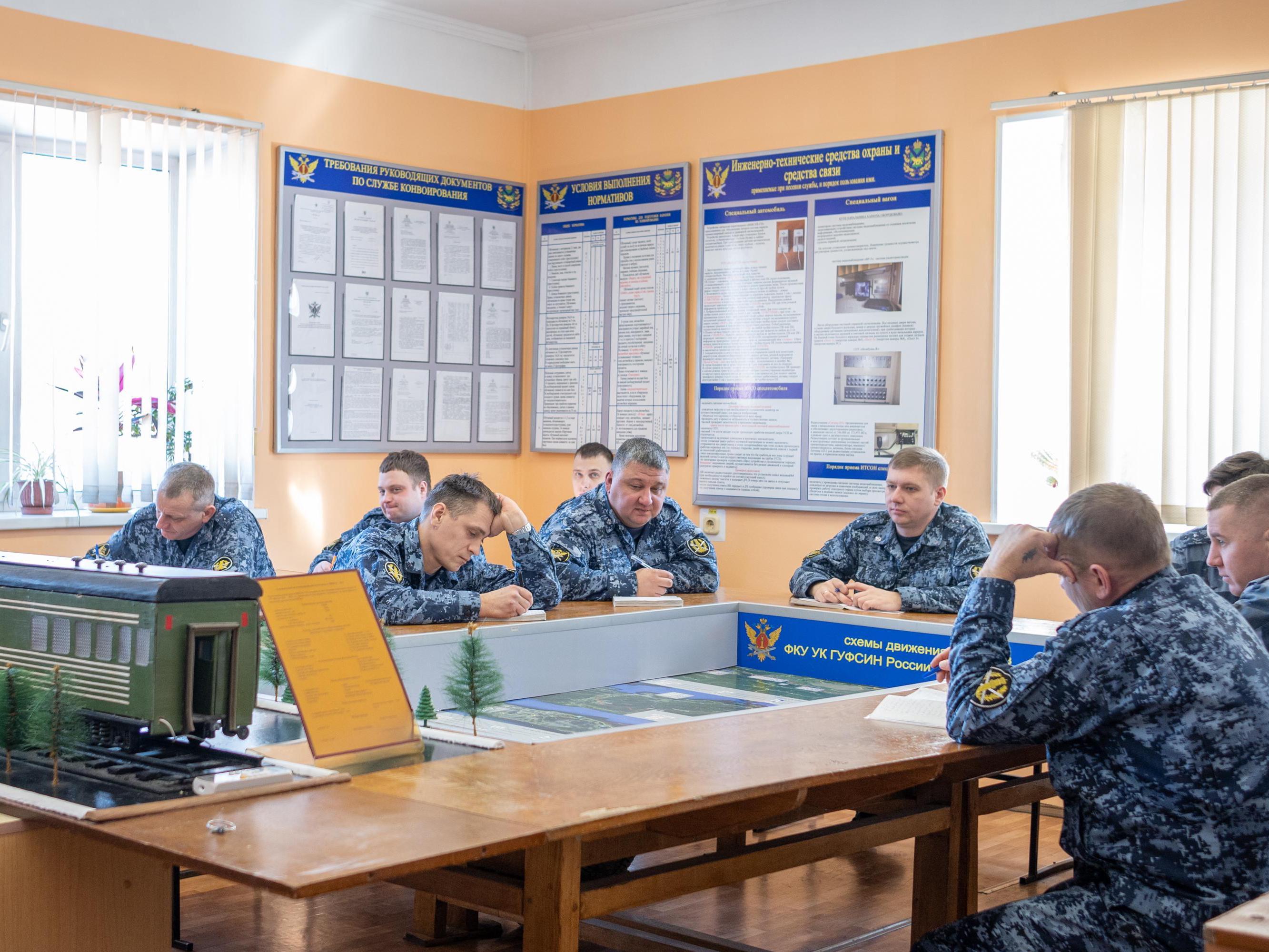
A convoy guard«s training, regardless of years of service and experience, is constantly honed in classrooms, on training grounds, and at the shooting range. Each department has its own service training room. This is not a formality or a checkbox in the schedule, but a full-fledged workspace where skills that can save lives in real conditions are refined.
Classes are always divided into two parts: theoretical and practical. Theory is the study of regulatory documents, procedures for using special means, analysis of real situations that occurred on routes. But, as instructors of the department noted, without practice it is worthless.
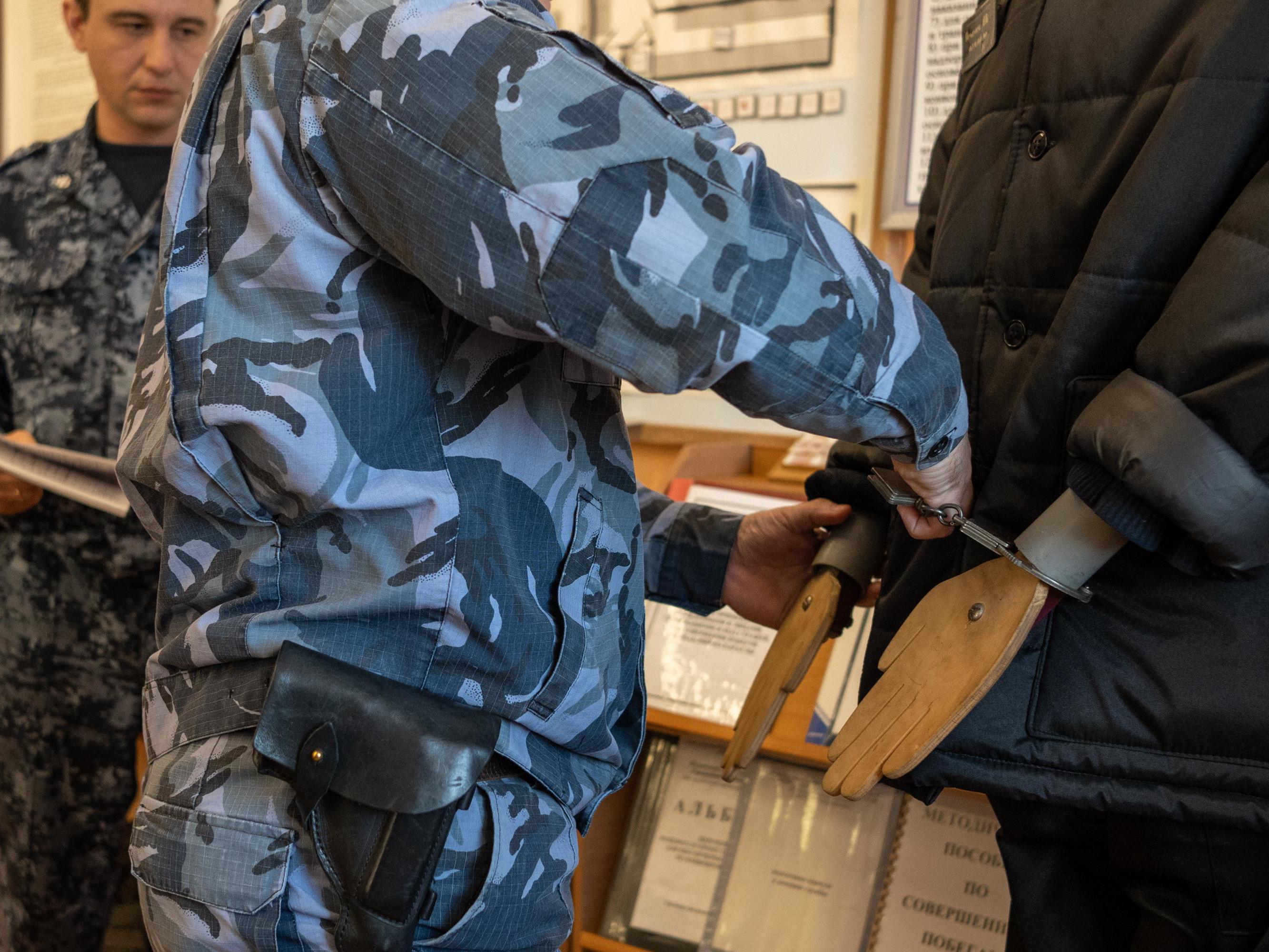
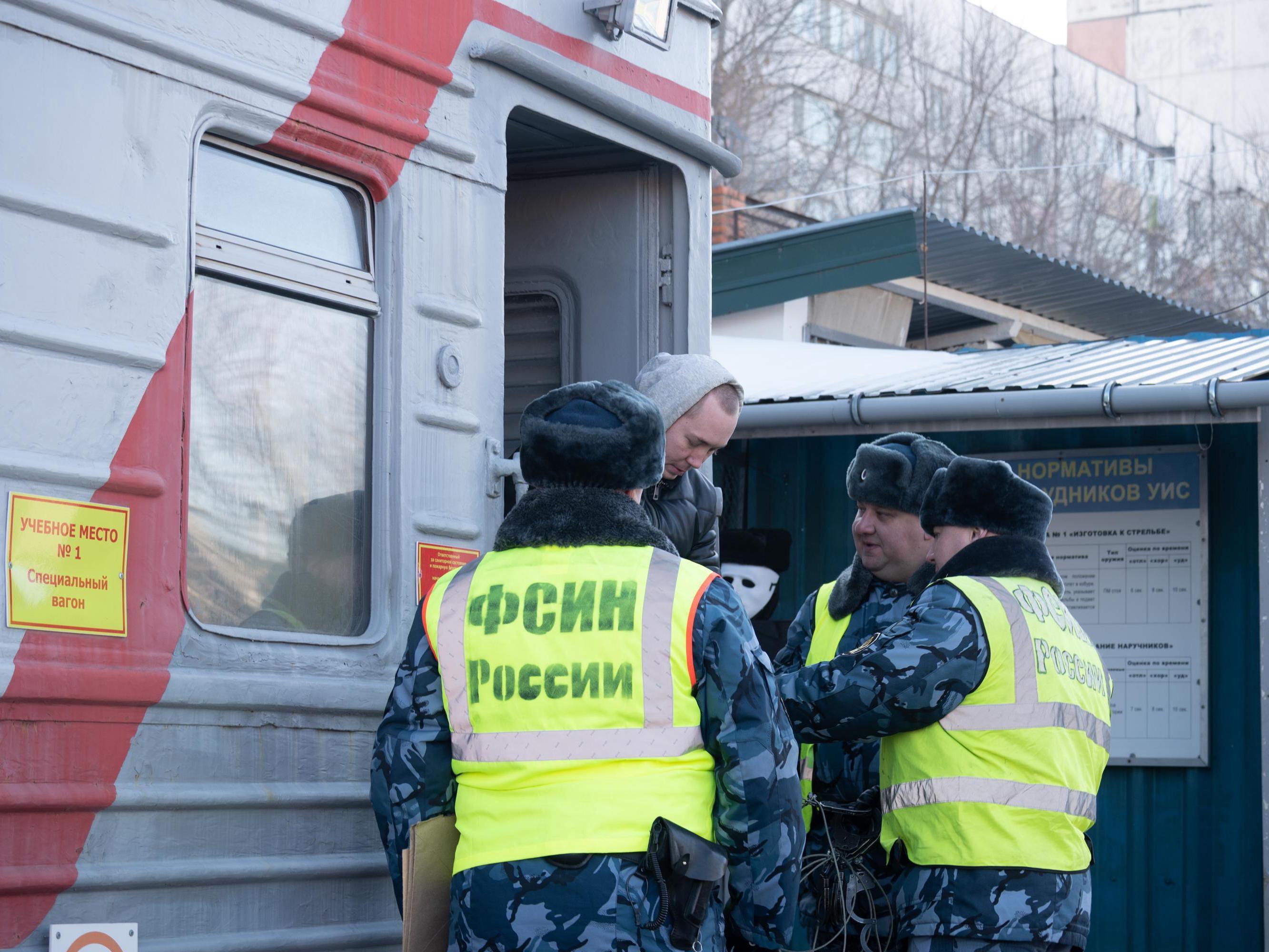
One of the mandatory exercises is passing standards for using handcuffs. For this, special dummies imitating a prisoner are used. Before starting the exercise, employees are reminded of the main legal requirements: «Handcuffs and improvised binding means are used to limit the physical capabilities of the offender. It is prohibited to use them on women with visible signs of pregnancy, persons with obvious signs of disability, and minors—except in cases of armed resistance or threat to life and health.»
After this, the practical part begins. Standard No. 7 and Standard No. 8—putting on handcuffs—are performed with a stopwatch. Conditions are as close to real as possible: the distance to the conditional offender is strictly regulated, every movement must be worked to automatism.
Grades are also extremely specific: excellent—up to 7 seconds, good—8 seconds, satisfactory—9 seconds. The command sounds: «begin the standard,» and the stopwatch starts counting.
But speed is not the only criterion. Handcuffs cannot be put on by striking the hands; the locks must be strictly on top to prevent the possibility of release. Any mistake is a reason to repeat the exercise.
Employees practice such standards before every departure for guard duty.
Physical training classes in the subdivisions are held at least three times a month. The program includes special combat techniques, elements of self-defense, and practicing search protocols for convicts.
A separate block is firearms training. On the territory of the department, there is its own shooting range. Shooting is conducted regularly: at least once a month for each employee, and if necessary—more often.
«You can shoot poorly, but you cannot not learn. If it didn»t work out, we train further,« stated the instructors.
Here, they do not punish for mistakes, but they do not turn a blind eye to them either. The main goal is to achieve confident, safe, and lawful use of weapons in any situation.
There are also less obvious but no less important exercises. For example, standards for memorizing faces. An employee is shown photographs of real convicts, then the images are changed; the task is to quickly orient and determine who is in front of him.
«This is not theory. This is practice. On the road, it is important to remember who is who, especially during transfers and stage changes,» explained the employees.
Many training models are the result of the employees« own handiwork. Cells, doors, diagrams of special cars and special vehicles are assembled and refined within the subdivision so that training is as close to reality as possible.
Classes are held on a tight schedule. Even if there is no guard duty today, the personnel are in lectures, physical training, or practical exercises. There is almost no free time here.
Here, they teach not only technique but also responsibility: for weapons, for colleagues, for those they escort, and for those who remain outside the doors of thick iron sheets. Because in real service, there is no second chance. And every standard, every second in training is an investment in safety, legality, and life.
Prison on Wheels
Speaking of convoy service, one cannot fail to separately address the transport for transporting prisoners and convicts—mobile regime objects and separate workspaces where service goes continuously: from the moment of reception to the handover of the special contingent at the destination.
Automobile convoys in Primorye Krai go out almost daily, sometimes—several times a day. Routes vary: from short urban transports to long-distance trips, for example, to Chuguyevka or other remote settlements. On the road, employees spend hours, and sometimes the whole day, fully responsible for what happens inside the prisoner transport vehicle.
There are no random details here (every button, door, and camera has a strict purpose), just as there is no right to error, because behind the thick iron walls is a potential threat to public safety, if something goes wrong, in numbers up to several dozen people.
The head of the guard of the second convoy department, Ivan Silantyev, said that before departure, the car undergoes a mandatory acceptance procedure by posts, inspected from two sides at once.
«The first post accepts the car from the inside: checks the condition of technical security means—lighting, automatic locks, door locking, alarm functionality. The second post inspects the car from the outside: the body, clearance lights, general technical condition,» noted Ivan Silantyev.
Only after this is the car considered ready for the task. The special cars used in the convoy department are mainly large, reliable, tall KAMAZ trucks, prepared for work in any road and weather conditions.
When the guard goes out on several tasks at once, in such cases the column consists of three cars: two special cars for transporting convicts and one—«regular» auxiliary.
«This car is intended for transporting the guard»s personal belongings, property, food. While part of the personnel receives convicts in the detention center, another already heads to the special car, checks life support systems: water, heating, lighting,« explained the head of the guard.
Inside the special car itself—several cells of different types. Large ones are designed to hold up to 15 people each, and there are single ones—for convicts requiring separate custody. The maximum capacity of the car is up to 32 people, but in practice, loading is often less due to strict requirements for separate placement.
«Now there are many categories: investigative, convicted, deserters, minors, women. They cannot all be together. So it happens that there are only a few people in the car, but each—in his own cell,» noted Ivan Silantyev.
Special attention is paid to those on preventive records: prone to escape, attack, self-harm, or suicide. For them, special solitary cells with constant visual control through viewing windows are provided, so that the sentry can constantly monitor their condition.
Inside the car, guard employees are constantly present, ensuring continuous observation of the special contingent throughout the route. Despite common stereotypes, in the prisoner transport vehicle, convicts are generally transported without handcuffs.
«Handcuffs are used only in strict accordance with the law—if there are grounds to believe that a person may harm himself or others. In other cases—no,» explained Ivan Silantyev.
This rule also applies to railway transports, which in the service are called the most difficult. The fact is that in one special car, there can be up to 50–60 people (maximum capacity is 66 people). That is why the requirements for personnel training here are especially high.
As on the road, handcuffs on the railway are used only if there is a real threat—to oneself or others. Most often, it concerns demonstrative threats of self-harm when convicts try to make demands.
Transport in a special car is entirely subject to and adapts to the schedule of civilian trains, because they are attached at the end of the train. Many railway travelers have probably been in a coupling with a prison car—a special car for prisoners, without even suspecting it.
There are also air transports, but they are almost unnoticeable from the outside. Convicts may be transported on regular flights along with civilian passengers—and the person in the next seat will never guess who is flying nearby.
Only here, the person being transported is in handcuffs, regardless of the article and status. This rule is not discussed: the enclosed space, altitude, and inability to intervene urgently make such measures mandatory.
Professionals on the Move
Random people rarely come to the convoy department. This service does not tolerate formal attitude and quickly shows who is ready to take responsibility and who is not. Many employees made the decision to wear shoulder straps consciously from a young age.
The head of the first section of the second convoy department, Senior Lieutenant of the Internal Service Ivan Sorokin, has been serving in the FSIN system for 17 years. His path is a classic example of how a professional is formed within the department.
He started his path from the most basic positions: came as a sentry, then became an assistant to the head of the guard. Today, Sorokin heads the convoy section and is responsible not only for task execution but also for the people who go out on routes.
«After the army, I long chose where to go: considered both the Ministry of Internal Affairs and the Ministry of Emergency Situations. In the end, the choice fell on the Russian Federal Penitentiary Service. It was the convoy service that attracted me because it is live work with people—both with convicts and with personnel,» he said.
For the young employee, an important factor was the very specificity of the service. Not office work and not duty «by instruction», but constant movement, routes, decision-making, and readiness for non-standard situations.
«And, probably, every boy wants to serve with a weapon. We constantly train: shooting, combat techniques, practicing various actions. The service is very interesting,» added Ivan Sorokin.
Separately, the man emphasized the social side of the service, which for many becomes an important argument when choosing a profession.
«Besides fulfilling a childhood dream, over time I saw practical things: we have good social protection. Large paid vacations, sick leave, medical assistance at any time. There is an opportunity to get in line for housing and eventually get an apartment. Salary always comes on time—without delays,» noted the department employee.
However, behind stability and guarantees lies difficult, primarily morally heavy work. A convoy guard daily interacts with the special contingent and must remain cool-headed in any situation.
«The profession is heavy more morally than physically. One must be able to restrain oneself, not be rude, be polite and always be responsible for one»s words. What you said, you do. That is, probably, the most important thing,« noted the officer.
As we said earlier, the peculiarity of convoy service is complete autonomy. Employees work far from the main base, and in case of an emergency, they have to rely only on themselves.
«Be it a special car or a special car—you make the decision yourself. No one will prompt, there will be no leadership nearby. The main thing is to act here and now, strictly within the law. Legality for us is the foundation of everything: both on the part of employees and on the part of the transported contingent,» explained Sorokin.
Ivan supported his colleagues« words, reminding that the service of a convoy guard always boils down to two basic tasks: to prevent escape and ensure the safety of others. At the same time, he admitted that he has his own, developed over the years, way to avoid burnout and maintain inner balance even in conditions of constant routine and tension.
His personal ritual is simple and inviolable: the moment the uniform overcoat ends up on the hook in the hallway, the service remains behind the door. From this instant, he is no longer a convoy guard—he is a husband and father, and no prison on wheels has the right to enter the house with him.
«For me, work is life. Probably, everything. But the most important thing is the home front. Family. When you return home, and your wife and children are waiting for you—that is the real protection. Only there do you find solace from service,» shared Ivan.
Working in Pairs
Women in the Main Directorate of the Federal Penitentiary Service for Primorye cope with tasks on par with men, including at combat posts where they perform functions as dog handlers.
The cynology department is one of the most special and at the same time inconspicuous subdivisions of the subordinate management. Here, service is built not only on orders, instructions, and regulatory documents, but also on trust. Trust between a person and a dog. It is this pair that often becomes the deciding factor in the most tense and potentially dangerous situations.
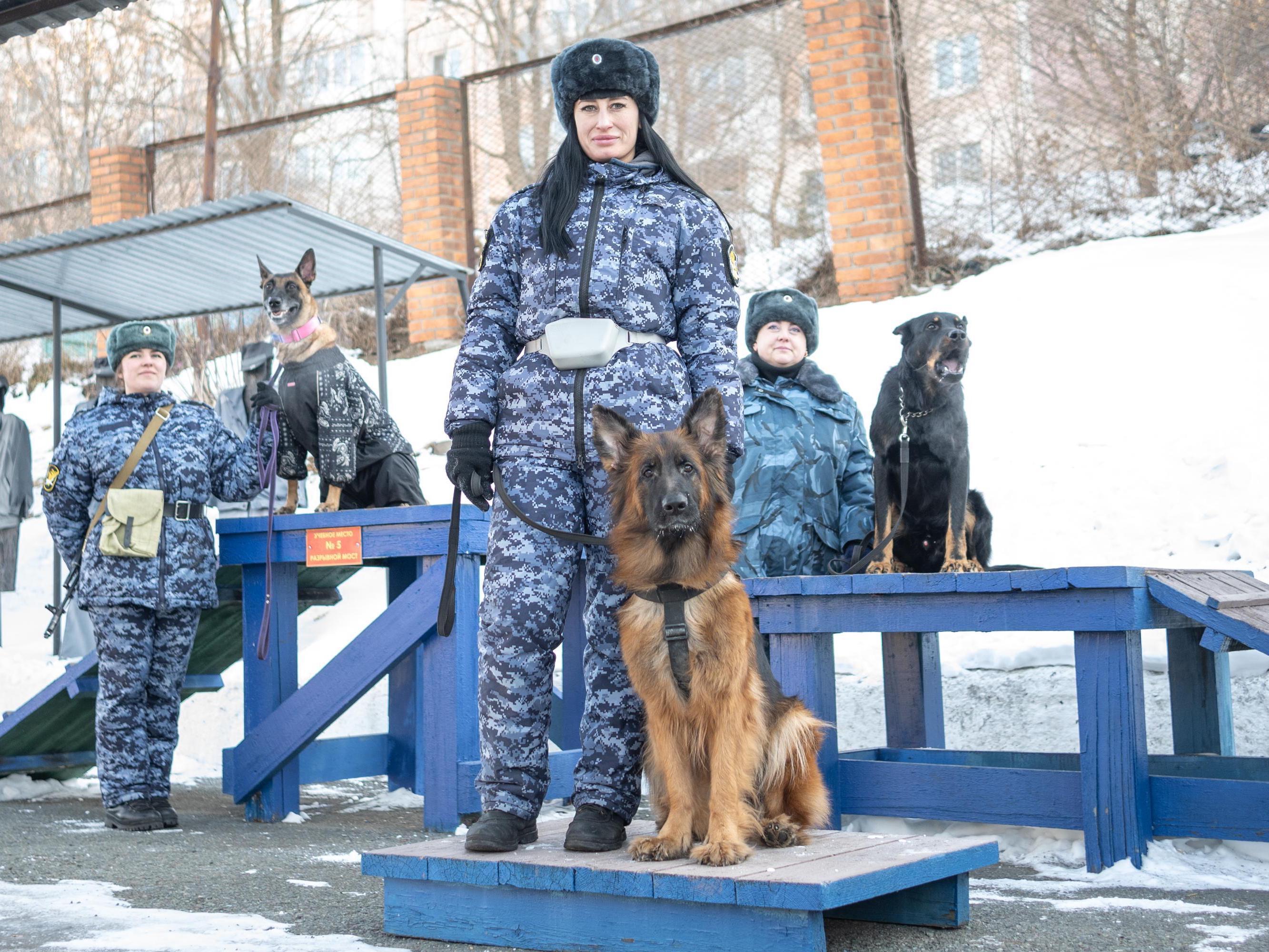
Instructor-dog handler of the cynology department Kristina Zlobina said that 14 dogs are currently serving in the department, each with a clear specialization and assigned to a specific handler.
The main purpose of service dogs is to ensure security. They are used for detention, guarding, searching, and preventing escapes. A dog must be able to work in conditions as close to reality as possible: know protective-guard service, perform selection of a person and object, search vehicles, terrain, and shelters, overcome various obstacles.
«Anything can happen. A convict may try to hide, conceal himself, change the route. And our task is to find him anywhere and detain him,» explained Kristina.
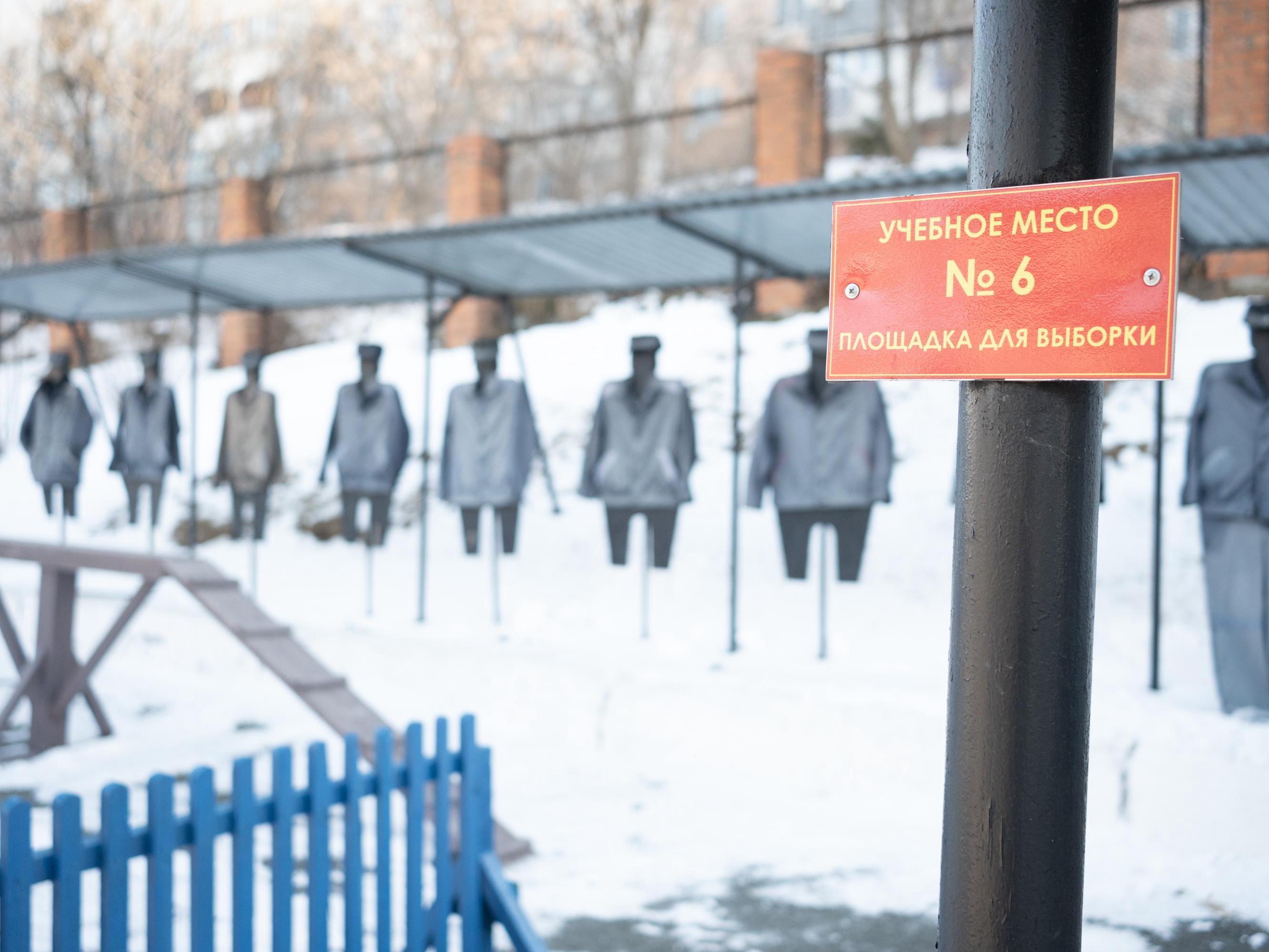
For this, a whole training complex is equipped on the territory of the department, which the employees themselves call a «mini-town». Here there are elements of an obstacle course, transport models, areas for selecting a person and objects, terrain search zones, and so-called «caches»—places where a conditional offender can hide. Everything is done so that the dog does not get lost in any situation.
In the service, each novice dog handler is assigned an experienced mentor who helps build contact and avoid mistakes. Training is conducted regularly and strictly according to schedule, at least nine sessions a month.
But still, the main work of FSIN dog handlers happens not on the site, but in daily interaction with the tailed colleague who lives together with the handler at home. This means that training never stops. Each owner trains the dog additionally himself or with professional trainers.
Kristina Zlobina noted that a service dog is not just a special means, as stated in the law. For a dog handler, it is a partner and companion on whom personal safety depends.
She has known her dog literally since puppyhood. The Belgian Shepherd Malinois came to Primorye at the age of three months from a kennel in Sakhalin and a week after adaptation began training. First at home, then with mentors and professional trainers.
«I was probably lucky. The dog turned out to be very capable, training was easy. I am never afraid that she will let me down. I am 100% confident in my dog,» shared Kristina.
At the same time, according to the dog handler, almost all service dogs exhibit an interesting professional deformation that literally splits the animal«s personality into two—formidable on service and »plush« at home. And this transition, according to Kristina, happens almost instantly.
As soon as the dog sees the owner putting on the uniform, an internal switch seems to flip. On service, it will not let anyone near the handler or the special car. Any sharp movement will be perceived as a potential threat. At home, it is a calm, friendly dog that plays with children, calmly reacts to others, and lives an ordinary dog«s life.
The dog distinguishes between «own» and «foreign» not by uniform, but by smell. It knows colleagues exactly, understands when it is training and when real service. Even the slightest change in emotional background, adrenaline release, anxiety, or fear—the animal feels all this instantly.
Kristina said that there have been cases when a service dog reacted to discipline violations by convicts before people. For example, if a criminal made a prohibited movement or tried to change position in formation, the dog would start vocalizing and calm down only after the violation was eliminated.
«They sense intentions. Even if the person hasn»t done anything yet,« noted the dog handler.
The FSIN dog handlers demonstrated the indicative switching of the switch to journalists through a training session on detaining a runaway prisoner by a dog. As a static, they chose Kristina Zlobina«s husband, who works as a driver in the department.
For an ordinary home dog, the appearance of «dad» on the site would be a reason to forget about training and take a forced pause—emotions would take over. But for the service Malinois, everything happens precisely the opposite: the excitement of the chase turned out to be so strong that the bold «fugitive» completely displaced even a loved one from the field of attention. Behind the massive special padded suit, the Belgian Shepherd simply did not recognize him.
Dog handlers emphasized: this is exactly how a dog serving in the FSIN system should react. It does not scrutinize faces, analyze smells, or hesitate whether to attack or not. As soon as the handler gives a sharp command «take»—and almost 50 kilograms (110 lb) of live force rush towards the target to sink in a «dead» grip and knock the fugitive to the ground.
For scale: the bite force of a Malinois reaches 190–200 PSI—more than enough to stop anyone who decides to flee.
A separate place in the service is occupied by competitions and demonstration events. Dog handlers participate in departmental competitions of the «Dinamo» society, city events, exhibitions, «fun starts». This is not entertainment, but an important part of preparation, training the nervous system and strengthening contact between handler and dog. When a person is nervous, the dog feels it. And it is in such conditions that proper interaction is practiced.
«We were taught: go everywhere, participate in everything. Because here, real contact is formed,» Kristina recalled her mentor«s words.
Dog handlers also visit children«s institutions. For example, employees with dogs visited the »Sail of Hope« center, where they showed elements of protective-guard service. For children, this is always a big event. At the same time, calmer dogs are chosen for communication, while those strictly oriented towards guarding remain in working mode.
Service in the cynology department, as the dog handler noted, is round-the-clock responsibility. Even off-duty, the dog remains nearby, so one cannot «serve a shift» and forget. However, this is exactly what appealed to Kristina and her colleagues.
«We serve in pairs. And it is this that often becomes that invisible factor, including thanks to which escapes are not committed, violations are prevented, and citizens can sleep peacefully. Expectations from service not only did not match. Reality turned out better. It is really great—to serve, to wear shoulder straps, to feel that you are needed,» declared Zlobina.
Between Law and Humanity
Concluding the excursion into the working world of FSIN convoy guards, it is impossible not to dwell on the psychological side of the service—it is about this that employees spoke most often. Physical training here is perceived as a basic requirement, as a given. Much more difficult and important is what remains behind the scenes: internal stability, moral balance, and the ability to maintain distance.
To safely transport convicts, a convoy guard must possess a special state of inner balance. He must remain calm, act strictly within the law, not lose humanity—and at the same time, paradoxically as it may sound, not «humanize» those he escorts.
The Chairman of the Veterans Council of the Convoy Department, Vadim Shimolin, explained this phenomenon as professional alienation from the convoy object. Convicts under guard are most often not personally familiar to employees. Their biographies, characters, and motives remain outside of service interest—only the fact of the offense and the need for safe escort are important.
«For them, it is simply a convoy object. Not a personality. They know that these are criminals, but contact with them is minimal,» explained the specialist.
Such an approach is not coldness or indifference, but a natural mechanism of psychological defense. Depersonalization allows maintaining distance, reduces the risk of emotional burnout, and helps not to let anger, condemnation, or pity into the work. The convoy guard understands: before him is a potentially dangerous person capable of unpredictable actions, but emotions are inadmissible here.
«The main thing is stress resistance. A convoy guard must remain calm even when working with people who have committed serious crimes,» emphasized Vadim Shimolin.
This psychological boundary is of fundamental importance. If an employee crosses it—he ceases to be a defender of the law, becoming a violator on par with those he escorts. That is why every step is recorded: surveillance cameras in the guards monitor the process, convicts undergo medical examination before and after transport to exclude any bodily injuries.
Working with a potentially dangerous object requires constant composure. In the eyes of the convoy guard, the convict is a depersonalized subject with unpredictable behavior. But at the same time, the law remains inviolable: no excess of authority, no revenge. Any aggression destroys the very psychological construct of the service and deprives it of meaning.
Special attention is paid to provocations. Convicts, not for the first time undergoing transport, know their rights well and know how to play on an employee«s weaknesses. The convoy guard»s task is to be ready for everything and at the same time maintain absolute self-control.
«The convoy object is simply an object. No more. Not a person, not a personality, not a man. Thirty people—thirty objects, and the task of those who have taken up combat duty is to deliver them all safe and sound,» formulated the working psychological principle the chairman of the veterans council.
Despite all the harshness of the service, employees of the department consciously maintain humanity and social responsibility in themselves. Participation in socially useful activities helps in this.
For five years, the department has been cooperating with the social rehabilitation center «Sail of Hope», where children in difficult life situations live. Employees collect clothing, shoes, and toys, conduct demonstration events, talk about the service, demonstrate service dogs and equipment. This is not only assistance but also prevention of offenses, formation of respect for the law.
In addition, employees annually congratulate colleagues« children for the New Year, dressing up as Ded Moroz and Snegurochka (Father Frost and Snow Maiden), visit service veterans, collect warm clothes for participants of the special military operation. All this creates internal support, helps preserve a sense of self-worth and professional ethics.
The psychology of convoy guards is built on double discipline. External—is strict instructions, standards, and total control of actions. Internal—is emotion management, moral responsibility, and humanity. It is this that allows safely escorting dangerous people and at the same time remaining human.
Working on the edge between safety and justice, convoy guards daily learn to manage fear, aggression, and compassion, turning heavy professional load into maturity—personal and social. And in this, perhaps, lies the most difficult and most valuable thing in their service.